15 Real Words from Other Languages That Perfectly Describe Things English Can’t
Ever had that feeling or experience that you just couldn’t quite put into words? Chances are that there’s a term for it somewhere in the world.
While English has a rich vocabulary, other languages have developed unique words that capture specific emotions, situations, or concepts that English speakers can only describe using several words or entire sentences. Here is a list of 15 fascinating words from around the world that express ideas English simply hasn’t packaged into single terms.
Hygge

This is a Danish concept that refers to a quality of coziness and comfortable conviviality that creates a feeling of contentment or well-being. Hygge also encompasses everything from the warm glow of candlelight on a winter evening to intimate gatherings with close friends and family.
Danish people consider this feeling essential to their cultural identity, especially during the long, dark winter months. The concept has become so popular internationally that design magazines and lifestyle brands have adopted it as a selling point.
Waldeinsamkeit

This gem literally translates to “forest loneliness,” demonstrating the ability of Germans to create compound phrases that convey intricate meanings. However, it’s not about feeling depressed or alone.
The serene, even magical sensation of being by yourself in the woods, bonded to the natural world and cut off from the stresses of contemporary life, is referred to as Waldeinsamkeit. It evokes the peaceful feeling you get when you’re strolling in a forest, alone in the midst of the haze of breathtaking scenery, and only able to hear the rustle of leaves and the song of birds.
Komorebi

This lovely term demonstrates how Japanese culture pays particular attention to the finer nuances of nature, which is intriguing. When sunlight travels through trees, Komorebi explains how light and leaves interact.
It depicts the captivating pattern of sunlight dappling the earth as it dances between branches. Combining the three kanji symbols for “tree,” “escape,” and “light,” the word effectively captures this commonplace natural occurrence that most languages require a whole phrase to explain.
Saudade
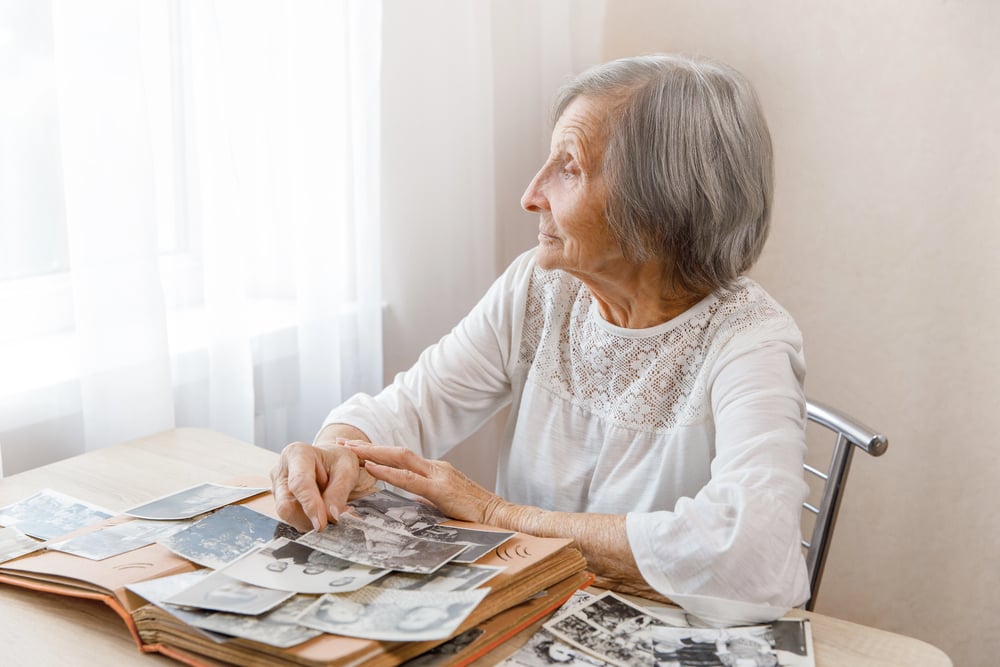
This is a Portuguese term that has become famous for its beautiful complexity. Saudade represents a deep emotional state of melancholic longing for something or someone who is absent. It combines elements of nostalgia, yearning, and love, carrying a fatalistic tone that the object of longing might never return.
Portuguese speakers often associate it with the country’s history of maritime exploration, when sailors would leave their families behind for years or forever. The feeling carries such cultural weight that Portugal celebrates National Saudade Day on January 30th.
Sobremesa
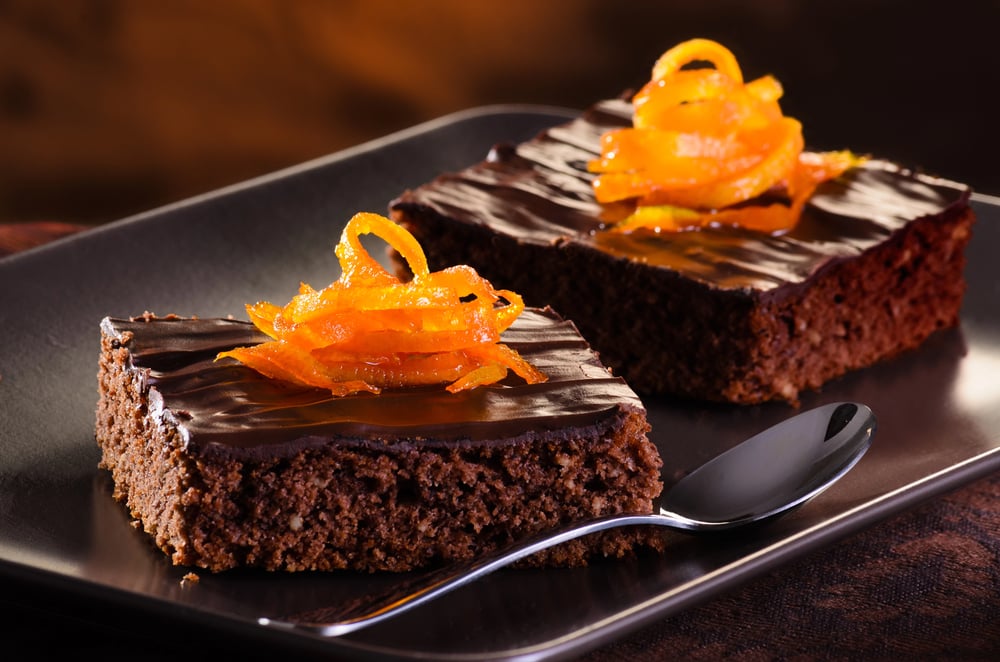
Spanish cultures have perfected the art of unhurried dining, and this word encapsulates that philosophy. Sobremesa refers to the time spent lingering at the table after a meal, engaging in conversation and enjoying each other’s company.
It’s not just about extending a dinner but represents a cultural approach to socializing where people prioritize connection over schedules. In Spanish-speaking countries, like Spain, rushing away after eating would seem bizarre; the sobremesa is surprisingly often considered as important as the meal itself.
Fernweh

While English has ‘wanderlust,’ this German word takes the concept further. Fernweh translates roughly to ‘distance pain’ and describes a longing for far-off places, especially ones you’ve never visited.
It’s the opposite of homesickness, it’s being heartsick for places unknown. The feeling combines curiosity, adventure-seeking, and a little bit of melancholy for locations you’ve only imagined.
Many travelers experience fernweh when looking at photos of exotic destinations on social media or hearing stories about foreign cultures.
Tsundoku

One thing Book lovers worldwide will recognize, is this feeling, even if they never had a word for it. This Japanese term describes the habit of acquiring books but letting them pile up without reading them.
Unlike the negative connotations of ‘hoarding,’ tsundoku has a somewhat affectionate, understanding tone to it. The word is a combination of elements meaning ‘to stack up’ and ‘reading material,’ acknowledging the aspirational nature of building personal libraries filled with books we genuinely intend to read someday.
Gökotta

This is a Swedish word describing the act of waking up early, particularly in order to go outside and listen to the first birds singing. It embodies a mindful approach to morning routines, encouraging people to connect with nature at dawn.
Swedes have traditionally valued this peaceful morning ritual as a way to center themselves before the day begins. The practice combines elements of meditation, nature appreciation, and intentional living that many wellness experts now recommend but lacked a concise term until discovering this word.
Gigil
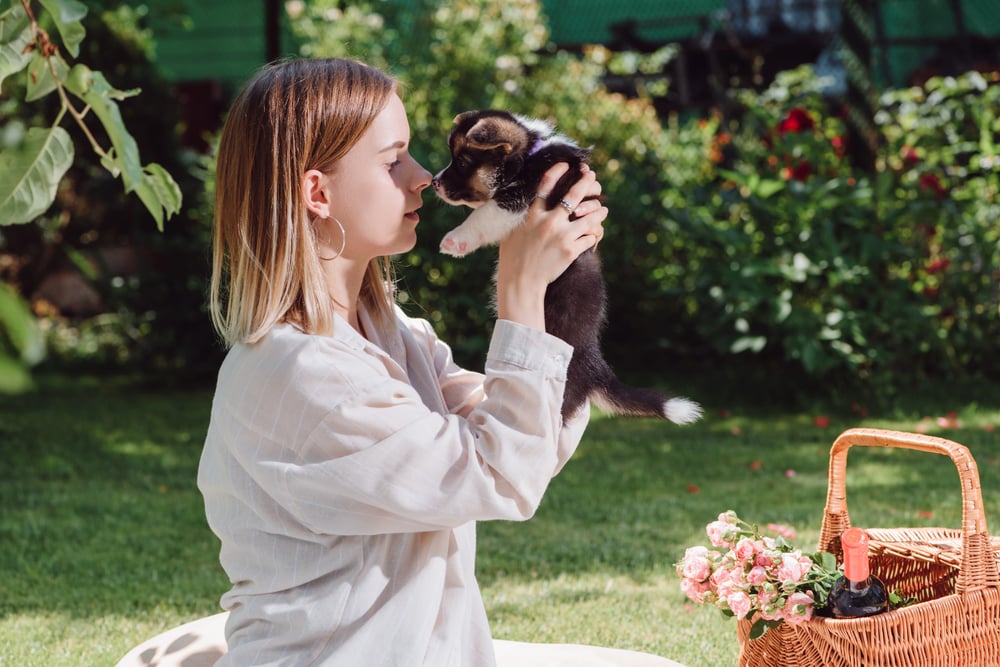
Filipino culture gave us this wonderfully specific term for the overwhelming urge to pinch or squeeze something or someone because it’s unbearably cute. Parents feel gigil when looking at their babies’ chubby cheeks, and animal lovers experience it when seeing particularly adorable puppies or kittens.
The sensation combines affection with a strange kind of aggressive impulse not to harm but to physically express overwhelming positive emotion. Scientists have studied this reaction as part of how humans process cuteness.
Mokita

This phrase, which comes from the Kivila language of Papua New Guinea, refers to the elephant in the room—a truth that everyone is aware of but chooses to keep quiet about. Mokitas are those awkward subjects that are acknowledged with sidelong glances but are rarely discussed directly in any household or workplace.
The idea acknowledges the social constructions we make around challenging realities and emphasizes how societies occasionally value peace over conflict. Although there isn’t a unique word for this concept in many languages, psychologists have acknowledged its cultural universality.
Vorfreude

Another German gem, this word captures that intense, anticipatory joy felt when thinking about future pleasures. It’s stronger than simple anticipations. Vorfreude suggests that the excitement before an event can be as enjoyable as the event itself.
The concept highlights how imagination and expectation contribute to our happiness. Research has also shown that planning vacations often brings more sustained happiness than the trip itself, perfectly demonstrating this concept that German speakers can express in a single word.
Tartle

This Scottish word names that awkward moment when you’re introducing someone but suddenly forget their name. It’s not just about memory failure but specifically captures the panicked hesitation and awkwardness in that social situation.
Everyone has experienced this momentary mental blank, especially when introducing acquaintances from different parts of your life. Neuroscientists attribute this phenomenon to the way our brains store contextual memories, but only the Scots thought to give this universal experience its own dedicated term.
Utepils

Norwegian culture embraces outdoor living regardless of weather, as demonstrated by this specific word for sitting outside on a sunny day enjoying a beer. Utepils combines ‘ute’ (outside) and ‘pils’ (beer), but it represents more than just outdoor drinking; it’s about celebrating sunshine after long, dark winters.
When spring arrives in Norway, people flock to outdoor seating at the first glimpse of sun, often still wearing jackets, simply to experience the joy of utepils after months of always living indoors.
Desenrascanço

This is a Portuguese term that describes the ability to improvise a solution to a problem without the proper tools or knowledge. It’s similar to ‘MacGyvering’ but elevates resourcefulness to a cultural value.
Portuguese people take pride in this skill, seeing it as the artful way to navigate life’s challenges proactively and with creativity rather than perfect preparation. The concept has been cited as key to Portugal’s resilience through economic challenges, reflecting a cultural approach to problem-solving that values adaptability over rigid planning.
Wabi-Sabi
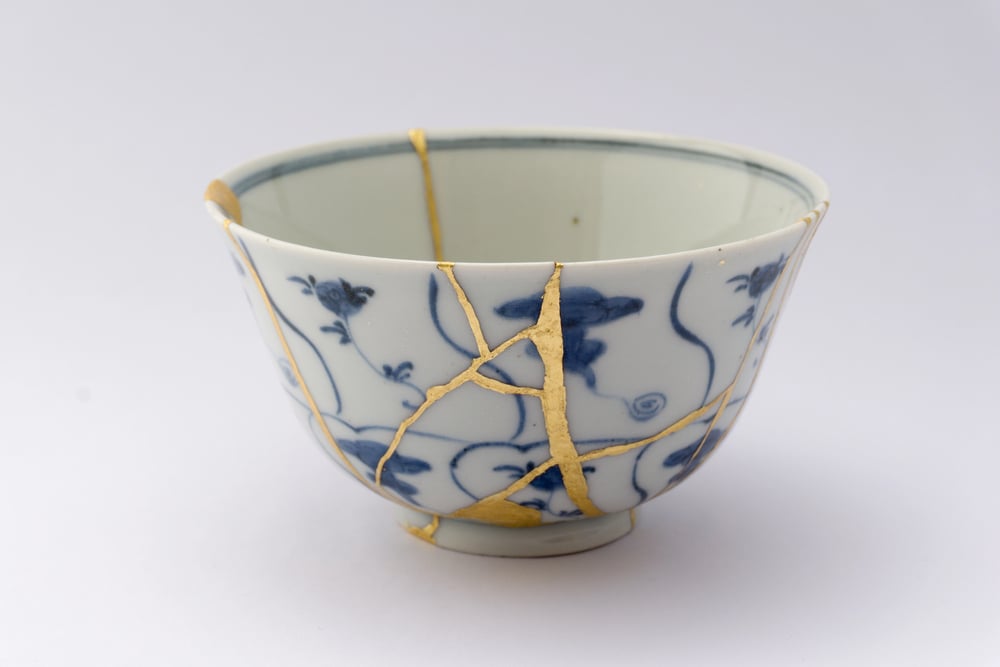
Japanese aesthetics and philosophy unite in this concept that embraces imperfection and impermanence. Wabi-sabi finds beauty in the flawed, incomplete, and aged, celebrating cracks in pottery, weathered wood, or fading autumn leaves.
It’s not just an artistic preference but a worldview that accepts and appreciates transience and imperfection as natural, even desirable. This perspective offers a refreshing alternative to Western ideals of perfection and permanence, reminding us that beauty often lies in the unique, handmade, and time-worn aspects of life.
The Universal Language of Untranslatable Words

These global terms serve as a reminder of how language affects how we perceive the world. An experience is validated as valuable and shared when a culture gives it a specific title.
Perhaps by learning these terms, we improve our ability to recognize and value the small things in life in addition to growing our vocabulary. But as our world grows more interconnected, these linguistic treasures transcend national boundaries, enhancing discussions and demonstrating that sometimes the most universal human experiences are also the most challenging to communicate.
More from Go2Tutors!

- The Romanov Crown Jewels and Their Tragic Fate
- 13 Historical Mysteries That Science Still Can’t Solve
- Famous Hoaxes That Fooled the World for Years
- 15 Child Stars with Tragic Adult Lives
- 16 Famous Jewelry Pieces in History
Like Go2Tutors’s content? Follow us on MSN.