15 Strange Coincidences Surrounding the Death of Julius Caesar
One of the most notorious political killings in history is the assassination of Julius Caesar on March 15, 44 BCE. The mighty Roman dictator fell under the daggers of Brutus and Cassius-led conspirators, so changing the course of the Roman Republic forever.
Although the well-documented fundamental facts of his demise, many odd coincidences and really eerie events accompanied this turning point in history. Wrapped in strange happenings and strange prophecies that still fascinate historians and storytellers today, the murder was not just your regular political killing.
Here are 15 odd coincidences related to Caesar’s horrible death.
The Soothsayer’s Warning
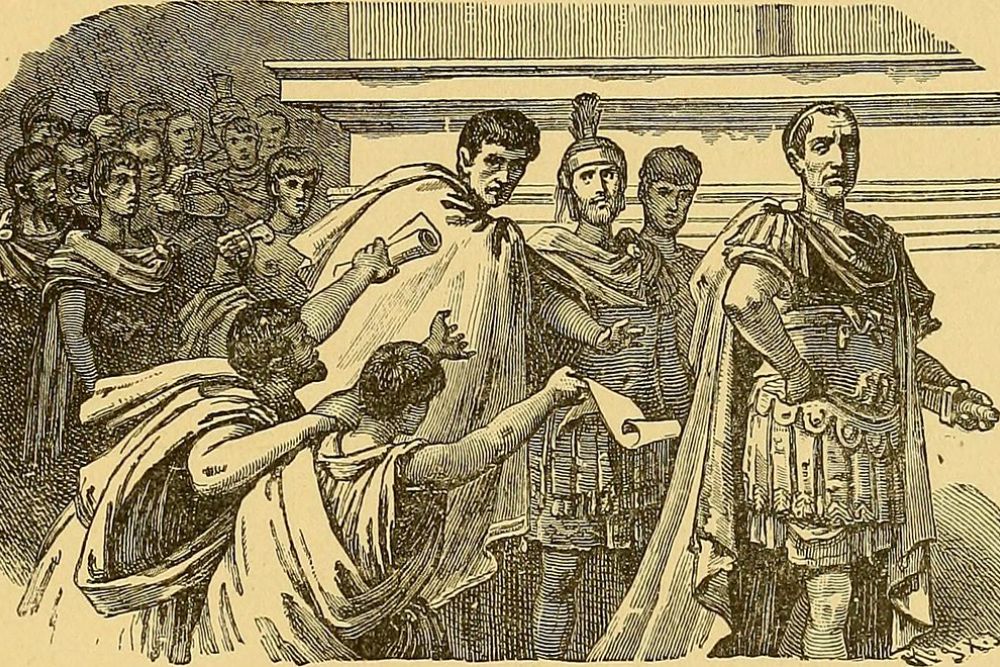
Spurinna, a soothsayer, warned Caesar a month before he died to “beware the Ides of March.” Caesar dismissed this advice; but on that same day, he was murdered in the Senate.
What is even stranger? Caesar allegedly walked past the soothsayer on the morning of his murder and joked, “The Ides of March have come,” to which Spurinna forebodingly replied, “Aye, but not gone.”
His Wife’s Nightmare
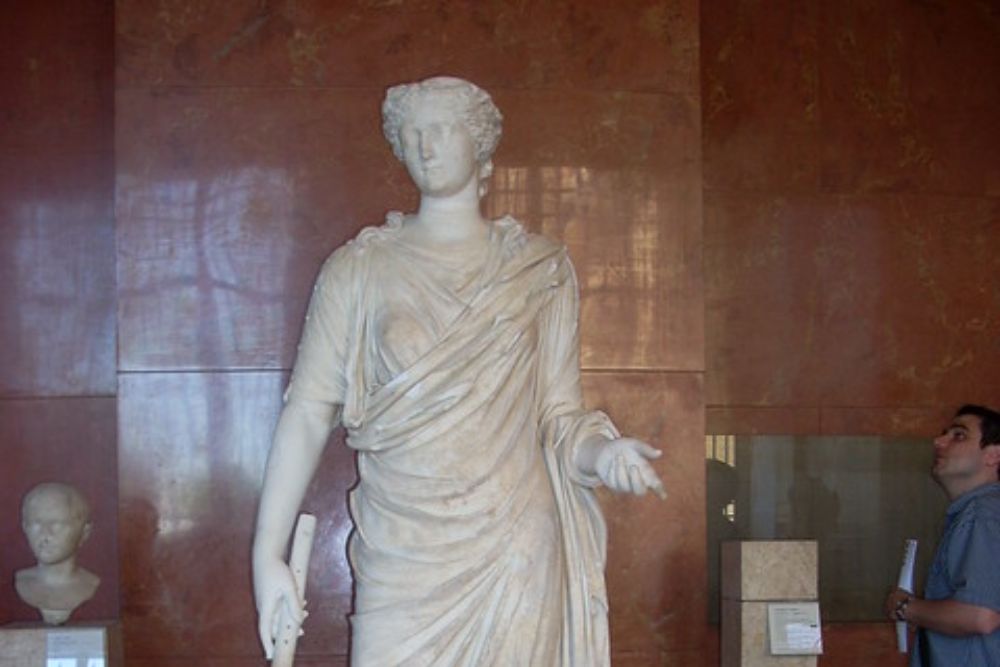
The night preceding the assassination, Caesar’s wife Calpurnia endured terrifying nightmares where she held her husband’s blood-soaked body. She desperately pleaded with Caesar to skip the Senate meeting – and he initially agreed.
Conspirator Decimus Brutus, however, showed up at Caesar’s home and mocked him for letting a woman’s dreams dictate his schedule, ultimately persuading the dictator to attend the fatal meeting.
The Fallen Statue
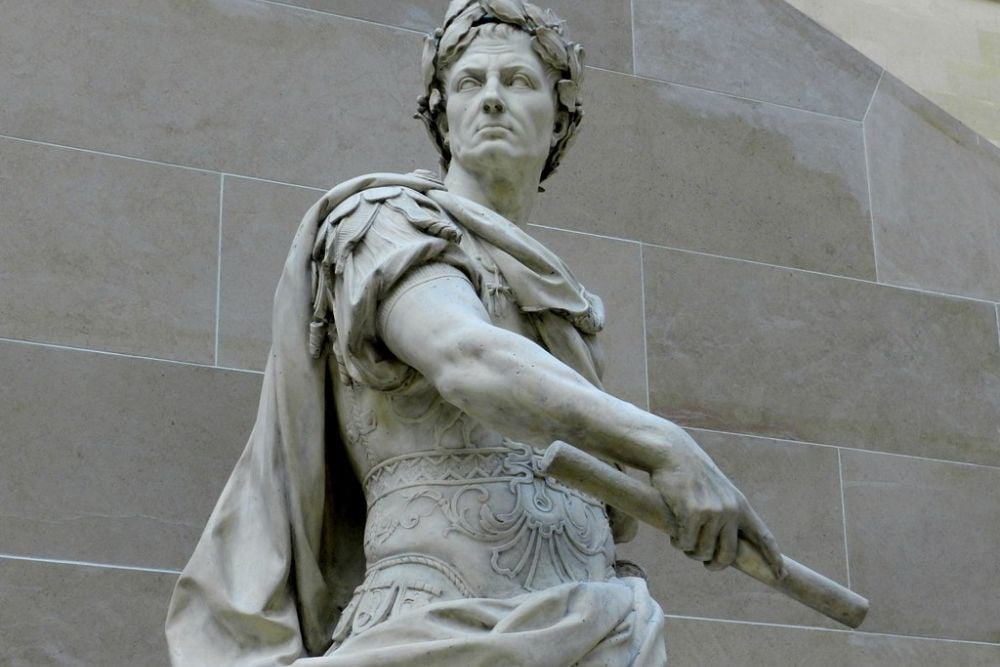
Roman historian Plutarch records that a statue of Caesar in his own home mysteriously crashed down and shattered the night before his murder. Many Romans viewed this incident as a terrible omen – though Caesar ignored it alongside other warnings.
Couldn’t get much clearer than that, could it? The symbolic collapse foreshadowed his own fall from power within hours.
The Document of Warning
As Caesar walked toward the Senate, a man called Artemidorus thrust a document into his hands – one that outlined the entire conspiracy and named all participants. Caesar took the paper but never bothered to read it, keeping it clutched in his hand throughout the attack.
It’s mind-boggling to consider how differently things might’ve turned out had he simply unfolded that piece of parchment.
The Hall of Pompey
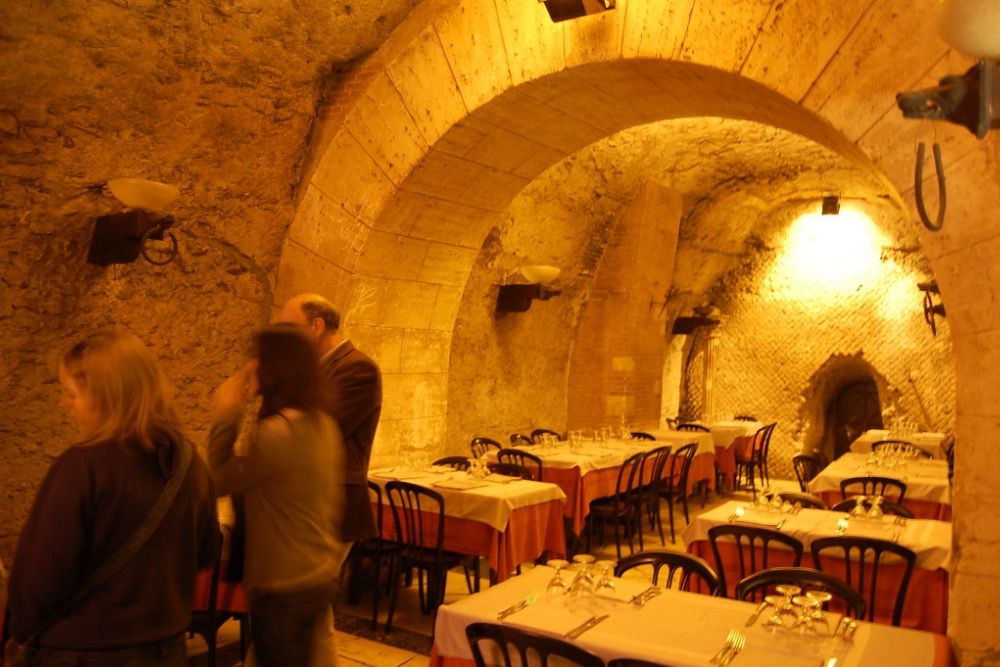
Caesar was murdered not in the Senate’s regular meeting place but in the Theater of Pompey – a location named after his former ally-turned-rival whom Caesar had defeated in civil war. Talk about awkward!
Many contemporaries found it darkly appropriate that Caesar died beneath the statue of the man whose position and power he’d forcibly taken.
The Number of Wounds
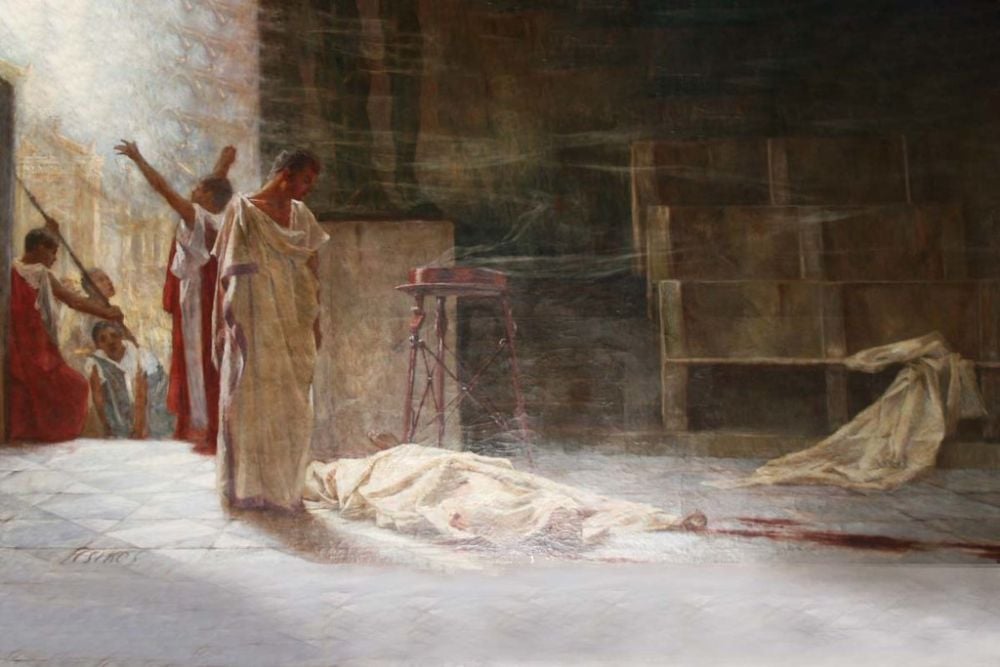
The physician Antistius examined Caesar’s body and determined that despite being stabbed 23 times, only one wound proved fatal. This decisive wound – the second one received – penetrated his chest.
Oddly enough, this meant most of the conspirators’ frenzied stabbing was completely unnecessary – a strange testament to their excessive violence and perhaps their inexperience as assassins.
The Conspirators’ Fate
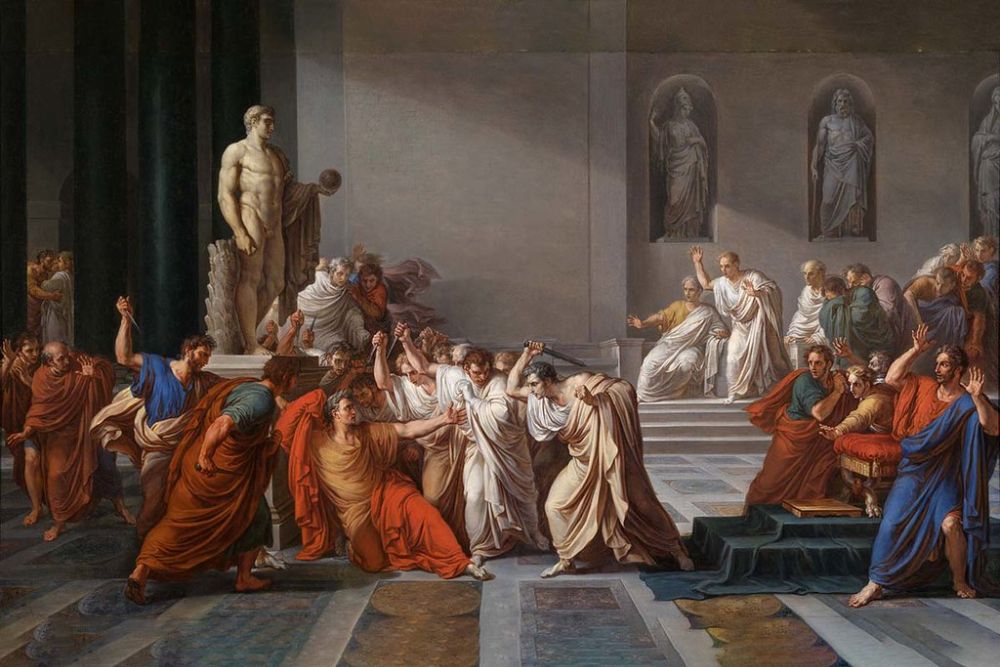
Within three years of Caesar’s murder, nearly all his assassins met violent ends – a remarkable string of coincidences. Numerous conspirators died by the same daggers they’d used on Caesar, while others took their own lives when facing defeat.
Not a single one died peacefully, and none enjoyed the ‘liberty’ they claimed to be fighting for when planning their bloody deed.
The Comet After Death

Shortly following Caesar’s elaborate funeral, a dazzling comet blazed across the sky and remained visible for seven consecutive nights. Romans didn’t need much convincing to interpret this celestial phenomenon as Caesar’s soul ascending to godhood.
His heir Octavian – later Emperor Augustus – cleverly exploited this ‘divine sign’ in his propaganda, insisting his adoptive father had become divine.
The Delayed Senate Meeting
The Senate session on March 15 started later than scheduled because priests reported unfavorable omens. This delay almost derailed the entire plot – Caesar nearly decided to skip the meeting altogether.
The conspirators grew so nervous that they dispatched Decimus Brutus to personally escort Caesar, fearing their carefully orchestrated scheme would collapse due to mere timing issues.
The Protective Bodyguard
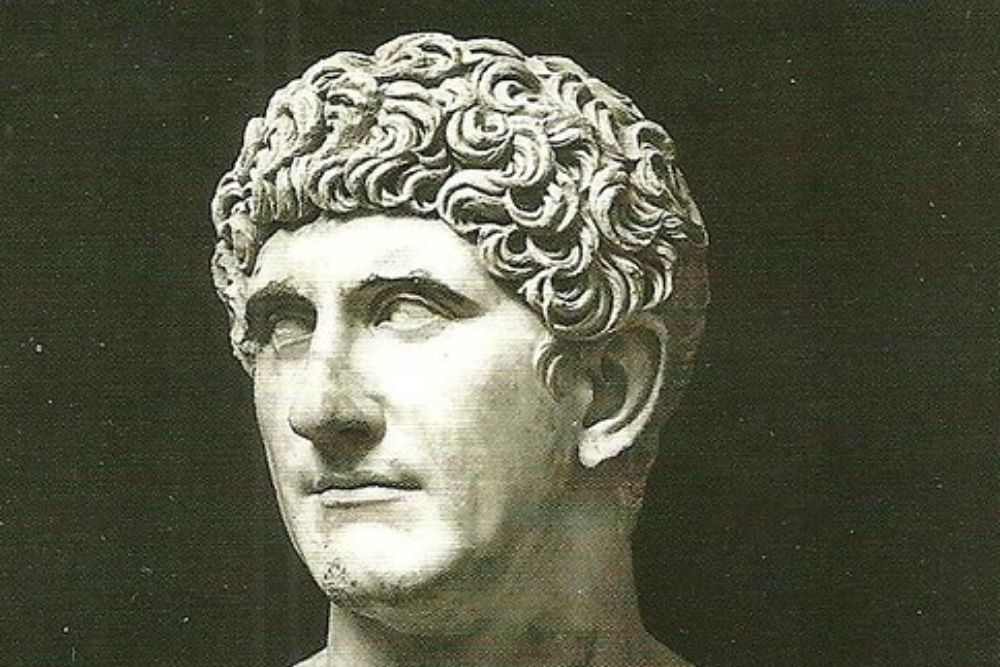
Caesar’s fiercely loyal general Mark Antony was deliberately detained outside the Senate by conspirator Trebonius, who engaged him in lengthy conversation. Had Antony – a physically imposing and capable soldier – been present, he might’ve successfully defended Caesar against the attackers.
This calculated move eliminated the one person who could’ve potentially thwarted the assassination.
The Missing Will

Shortly before his demise, Caesar updated his will and named his grandnephew Octavian as his principal heir. This crucial document, whose contents remained unknown to the conspirators, effectively established the foundation for the Roman Empire.
Had they discovered its existence and destroyed it, history might have unfolded quite differently. Instead, Octavian used this legal legitimacy to consolidate power and eventually transform Rome.
The Final Words Controversy
Those famous last words ‘Et tu, Brute?’ (‘You too, Brutus?’) commonly attributed to Caesar may never have been spoken at all. According to ancient historians Plutarch and Suetonius, Caesar either died silently or spoke in Greek, saying, ‘You too, my child?’
Shakespeare’s version has thoroughly overshadowed historical accounts, creating a linguistic myth that stubbornly persists in popular culture today.
The Senate Chair
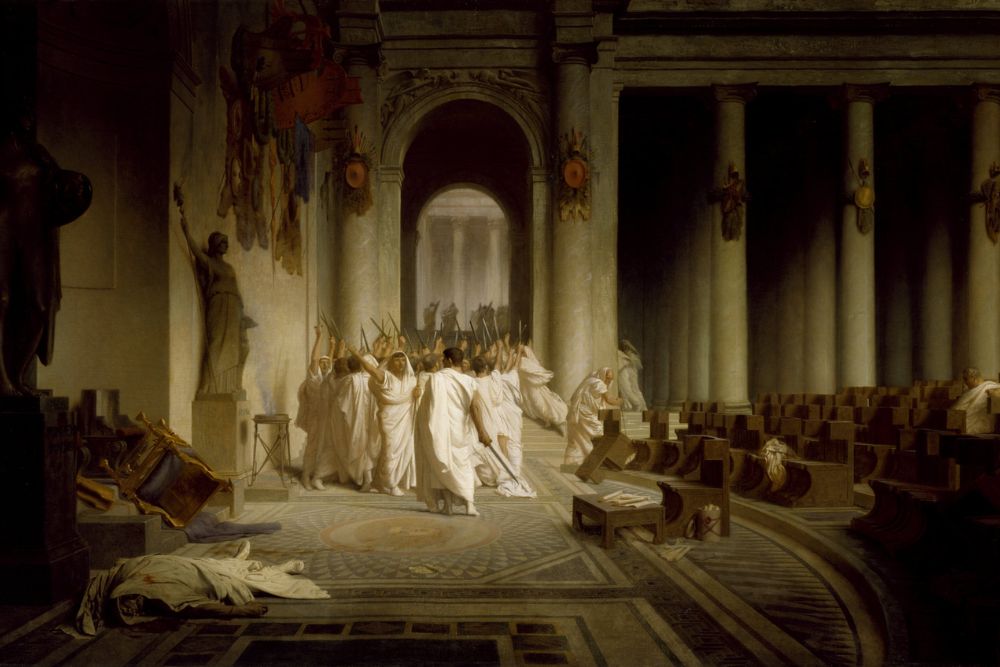
When the assassins attacked, Caesar sat in a golden chair recently granted to him by special Senate decree. This same governing body had voted to bestow this honor upon him, and members of this identical institution plotted his murder while he occupied it.
Few symbols could better represent the volatile nature of Roman politics and the swift reversal of Caesar’s fortunes.
The Posthumous Diagnosis
Modern medical experts analyzing historical descriptions of Caesar’s behavior suggest he likely suffered from temporal lobe epilepsy, which explains his documented seizures. By coincidence, the day selected for his assassination may have caught him in a physically vulnerable state, as several contemporary accounts mention he appeared unwell that morning.
This medical condition, once interpreted as divine possession, may have contributed to his inability to defend himself effectively.
The Calendar Connection
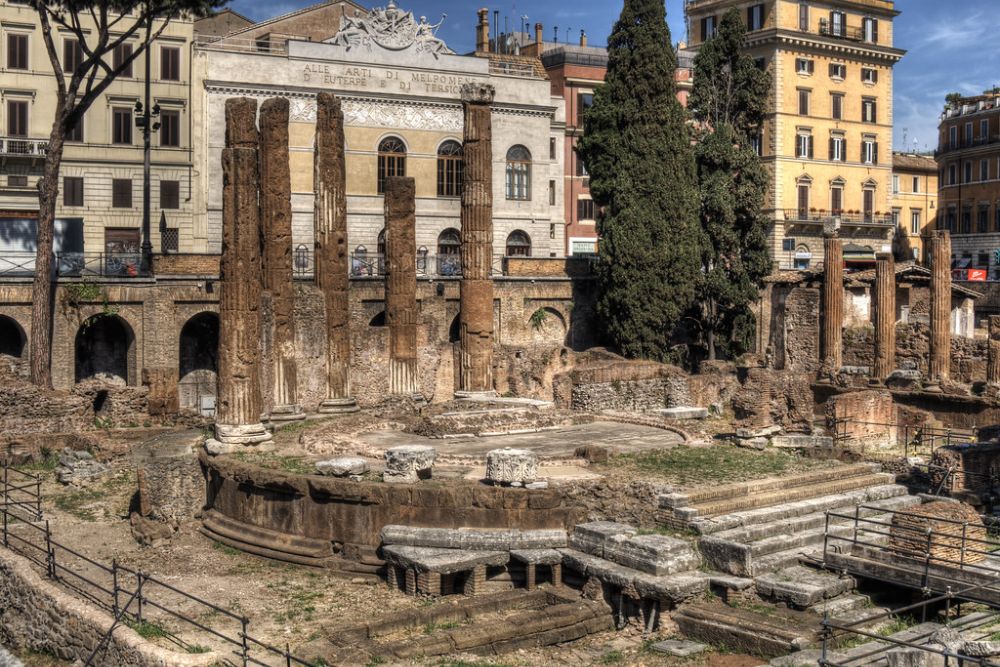
In a final twist of irony, Caesar was killed shortly after implementing the Julian calendar—his lasting reform that structured Western timekeeping for centuries. He died just after reorganizing time itself, and his death date—the Ides of March—gained immortality through this very system he created.
The man who reformed how humanity tracks time couldn’t extend his own, despite his tremendous power.
The Legacy of the Ides
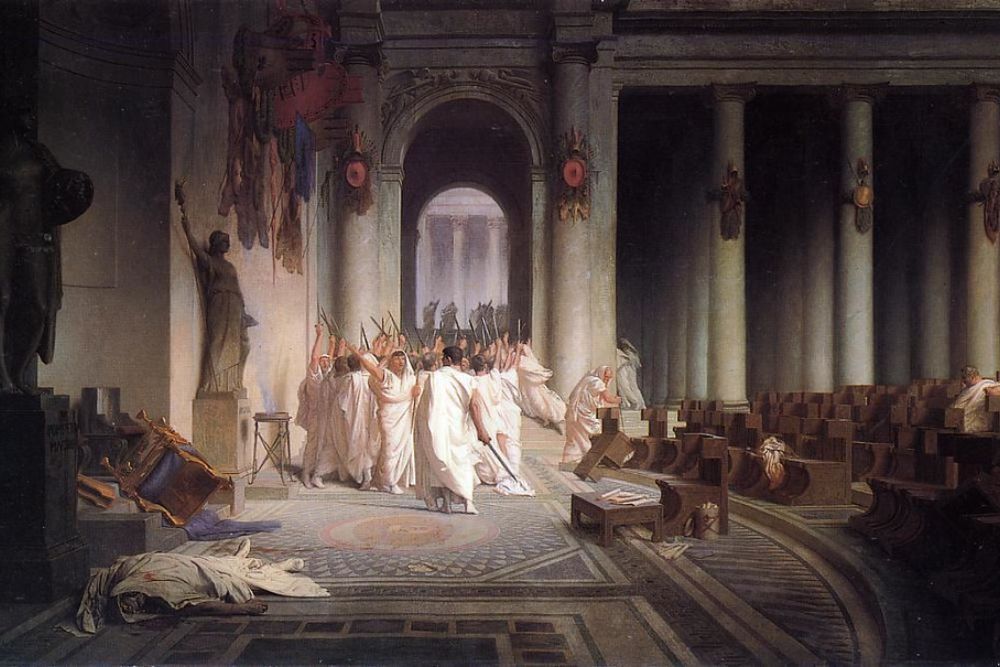
Caesar’s death transformed Roman society and world history in ways the conspirators never anticipated nor desired. Their attempt to “save the Republic” from tyranny instead accelerated its collapse. Rome descended into brutal civil war before emerging as an empire under Caesar’s heir.
This monumental backfire represents perhaps history’s greatest irony—by killing Caesar to prevent monarchy, the conspirators guaranteed one would emerge. The assassination intended to restore republican traditions instead of burying them forever, creating an imperial system that would dominate Western civilization for centuries.
This profound shift from republic to empire stands as the most consequential coincidence surrounding Caesar’s death—a sobering reminder that historical events rarely produce the outcomes their participants expect. The conspirators’ daggers didn’t just end a man’s life; they unwittingly birthed an empire.
More from Go2Tutors!

- The Romanov Crown Jewels and Their Tragic Fate
- 13 Historical Mysteries That Science Still Can’t Solve
- Famous Hoaxes That Fooled the World for Years
- 15 Child Stars with Tragic Adult Lives
- 16 Famous Jewelry Pieces in History
Like Go2Tutors’s content? Follow us on MSN.