15 Company Names That Were Picked Last-Minute (and Somehow Stuck)
Finding the ideal company name frequently seems inevitable, as though no other name could adequately convey the essence of a brand. However, there is a startling reality behind many well-known company names: they were hasty choices, catch-all names, or outright mishaps that somehow made their way into our common language.
Most successful businesses appear meticulously planned from day one, but naming decisions often happen under pressure or through unexpected inspiration. Here is a list of 16 major companies whose names were last-minute choices that, against all odds, stood the test of time.
Originally named “BackRub” due to its backlink-focused algorithm, the search engine needed a more memorable name. The founders, Larry Page and Sergey Brin, landed on “Google,” a misspelling of “googol,” the number 10¹⁰⁰.
The quirky name captured their mission to organize vast online information. Ironically, the typo made the name even more iconic.
Nike
With branding deadlines looming, Phil Knight wasn’t sold on the name “Blue Ribbon Sports.” At the last minute, an employee suggested “Nike,” the Greek goddess of victory.
The name stuck and embodied the brand’s performance-driven spirit. That spur-of-the-moment decision became one of history’s most legendary brand names.
Pepsi
Originally “Brad’s Drink,” the cola needed a more marketable name. Inventor Caleb Bradham coined “Pepsi-Cola” to suggest digestive benefits—using “pepsin” and “cola” from the kola nut.
This last-minute rebrand tapped into health trends of the early 1900s and helped the drink gain national traction.
Starbucks
The coffee chain almost launched as “Pequod,” a reference from Moby-Dick. During a rushed naming session, the team landed on “Starbo,” which evolved into “Starbucks,” inspired by the first mate in the novel.
Its literary and nautical undertones gave the brand depth—and a much friendlier name than the original ship.
Yahoo
“Jerry and David’s Guide to the World Wide Web” wasn’t exactly catchy. Looking for a better fit, the founders settled on “Yahoo,” an acronym for “Yet Another Hierarchical Officious Oracle.”
They also liked the word’s informal meaning—an uncultured person—reflecting their irreverent vibe in a formal tech world.
Lego
Ole Kirk Christiansen ran a naming contest and chose “Lego,” short for the Danish phrase leg godt (play well). Only later did he discover that in Latin, “lego” also means “I put together.”
The name’s double meaning—part coincidence, part destiny—was perfect for a company built on interlocking blocks.
Häagen-Dazs
Reuben Mattus invented the name “Häagen-Dazs” to sound European and premium—despite being from the Bronx. The name was pure invention, with no linguistic roots in any language.
The faux-Danish branding helped the ice cream stand out in American supermarkets and gave it an exotic allure.
Amazon
Jeff Bezos originally named his online bookstore “Cadabra,” but changed it after someone misheard it as “cadaver.” In a race against time, he picked “Amazon”—symbolizing vastness and aligning with his dream of selling everything.
It also conveniently placed his company near the top of alphabetical listings, which helped in early directories.
Launched as “Twttr” during the no-vowel startup trend, the founders later chose “Twitter” from a dictionary search. It described “short bursts of inconsequential information” and bird sounds—perfect for their micro-messaging idea.
The name captured the essence of their product: quick, light, and social.
Adidas
People often assume “Adidas” is an acronym. In reality, it’s a blend of founder Adolf “Adi” Dassler’s nickname and part of his surname.
After a family rift and the split from his brother (who created Puma), Adi had to rename his business fast—and Adidas was born.
Kodak
George Eastman wanted a strong, easy-to-pronounce brand that didn’t resemble anything else. He liked the letter “K” and experimented with combinations until he landed on “Kodak.”
Though meaningless, the unique and punchy name soon became synonymous with photography.
Nintendo
Nintendo had existed since 1889 as a playing card company. As it pivoted to electronic games, leadership debated rebranding but ultimately stuck with the original name.
In Japanese, “Nintendo” loosely means “leave luck to heaven,” which felt oddly fitting for a company venturing into gaming.
Adobe
When the company needed a name for legal documents, co-founder John Warnock’s wife suggested “Adobe,” after the creek behind their house.
Though unrelated to digital design, the natural-sounding name stuck—and eventually became a titan in creative software.
Wendy’s
Dave Thomas almost named his burger chain after himself. But with signage ready and opening day looming, he used his daughter’s nickname, “Wendy.”
While he later regretted the pressure it put on her, the wholesome, approachable name helped the brand become a fast-food favorite.
Intel
The original plan was to name the company “Moore-Noyce Electronics,” but it sounded too much like “more noise.” With trademark issues adding urgency, the team settled on “Intel”—short for Integrated Electronics.
The concise name proved both marketable and future-proof, becoming one of the most valuable brands in technology.
Beyond the Brand
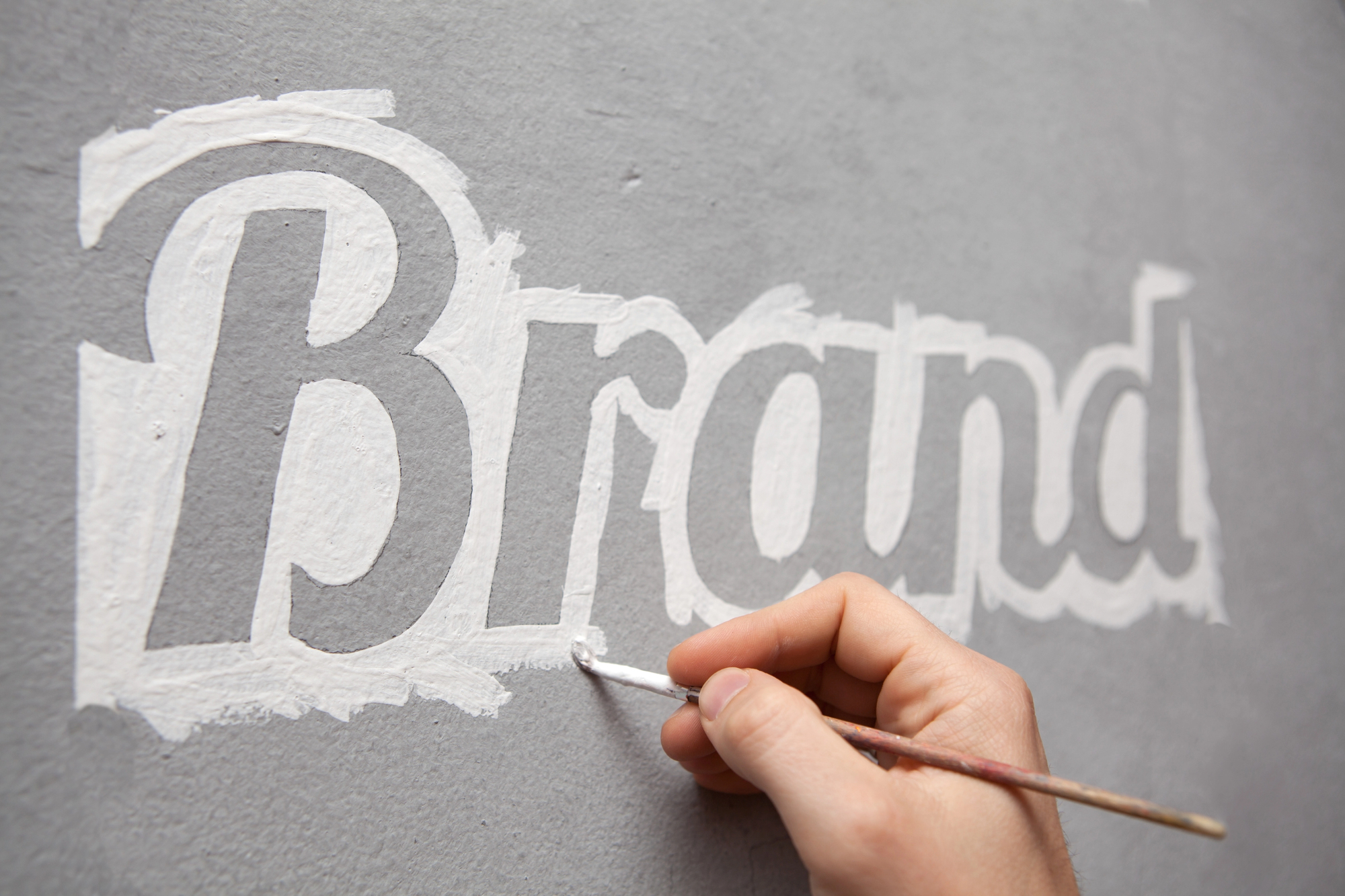
These stories reveal a fascinating truth: the most iconic brand names often start as rushed, improvised choices. What matters isn’t a perfect name, but how it’s carried forward with clarity, consistency, and value.
So the next time you hear a startup name that sounds odd or random, remember—Google and Nike weren’t born perfect either. Their stories just hadn’t been written yet.
More from Go2Tutors!

- The Romanov Crown Jewels and Their Tragic Fate
- 13 Historical Mysteries That Science Still Can’t Solve
- Famous Hoaxes That Fooled the World for Years
- 15 Child Stars with Tragic Adult Lives
- 16 Famous Jewelry Pieces in History
Like Go2Tutors’s content? Follow us on MSN.