16 Products That Lasted a Week – or Less
The business world is filled with ambitious launches and hopeful innovations. But not every product gets its happy ending.
Some crash and burn so quickly you might have missed them entirely during their brief moment in the spotlight. Here is a list of 16 products that barely made it past their launch date before being pulled from shelves or shut down completely.
Google Glass
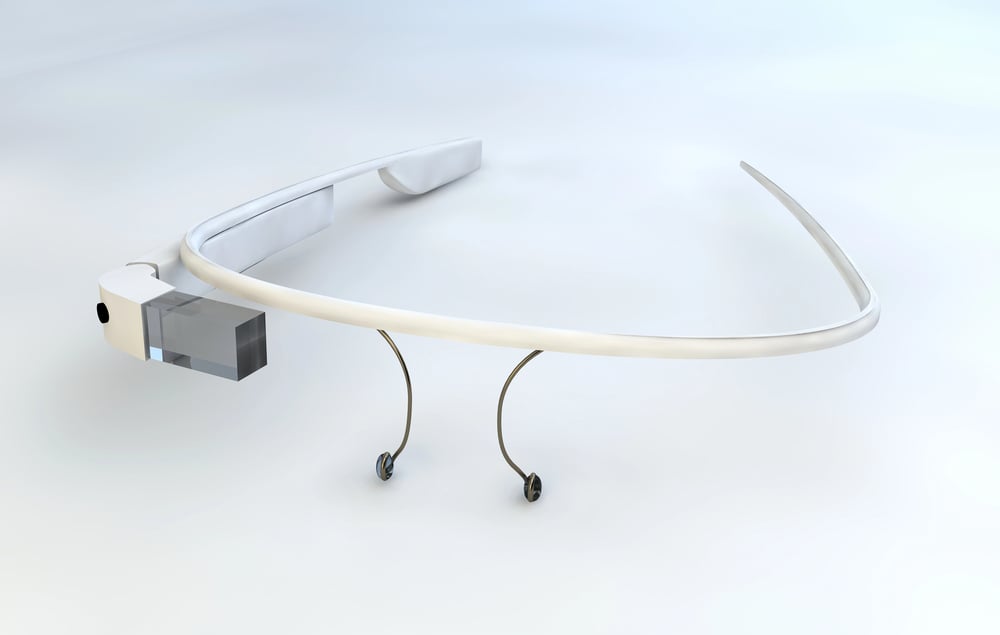
The futuristic eyewear from Google promised to bring augmented reality to everyday life but faced immediate backlash. Privacy concerns mounted as people worried about being recorded without consent.
The public nicknamed wearers ‘Glassholes’ and many establishments banned the device outright. Google pulled the consumer version after less than a year on the market.
Amazon Fire Phone
Amazon’s 2014 attempt to enter the smartphone market flopped spectacularly. The device focused heavily on shopping features while lacking Google apps and services that users expected. Sales were so dismal that Amazon slashed the price from $199 to just 99 cents within weeks.
The company discontinued the phone after just a few months and took a $170 million write-off.
Crystal Pepsi
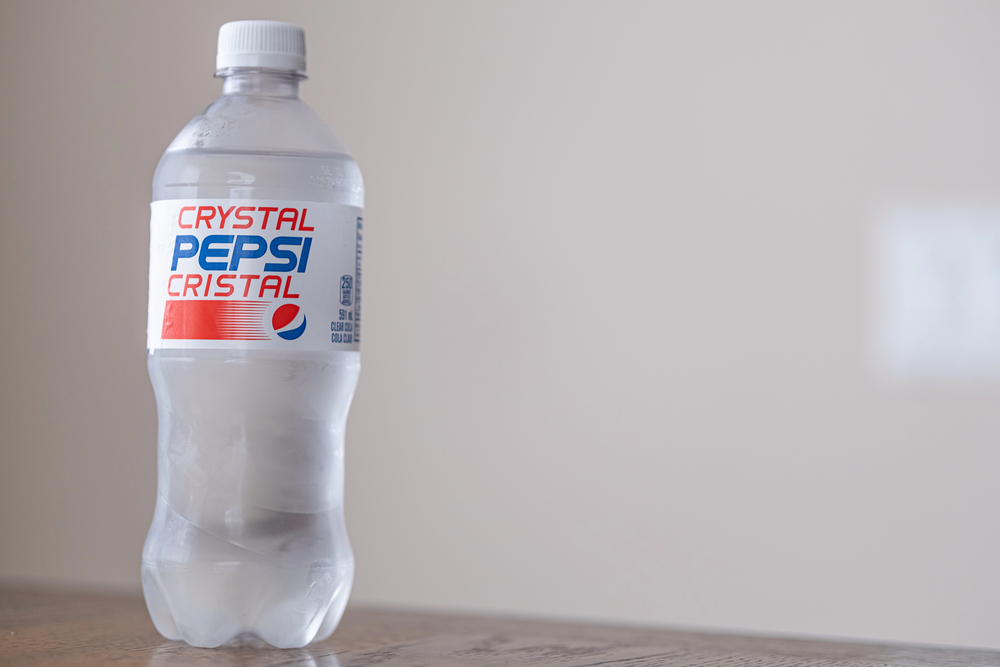
This clear cola was Pepsi’s attempt to capitalize on the ‘purity’ trend of the early 1990s. Despite a massive marketing campaign including Super Bowl ads, consumers were confused by the disconnect between the clear appearance and cola taste.
Sales plummeted immediately after launch. Pepsi pulled Crystal Pepsi from the shelves after about three months in most markets.
HP TouchPad
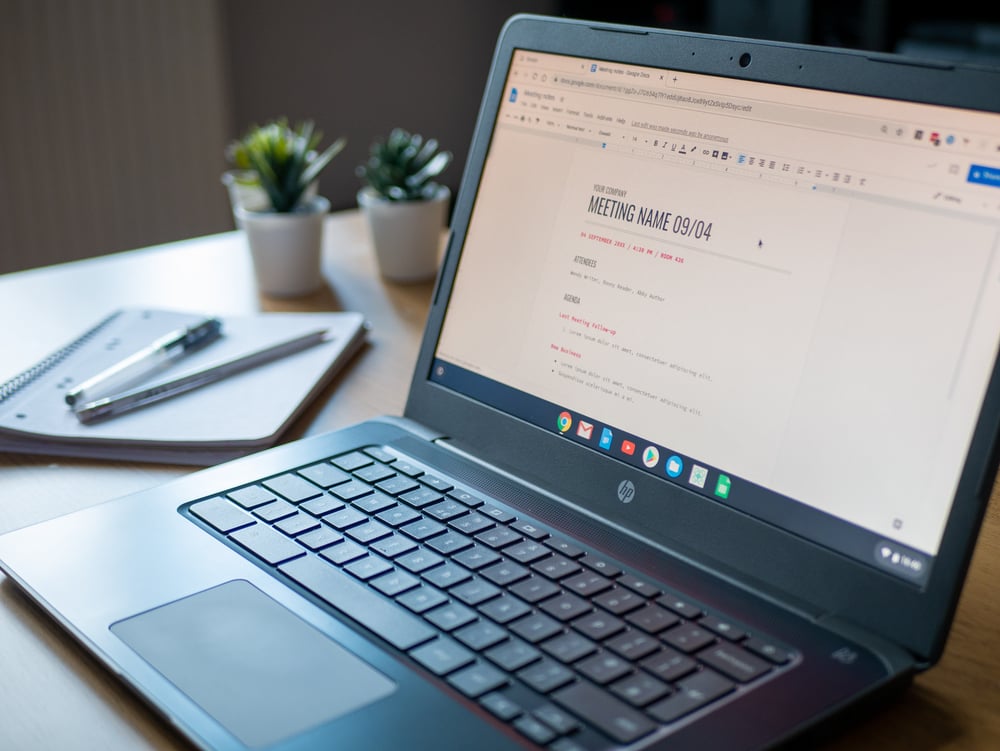
Hewlett-Packard’s answer to the iPad lasted a mere 49 days on the market. The tablet ran WebOS and initially retailed for $499, but sales were so poor that HP announced it was discontinuing the product and exiting the tablet business entirely.
The company then famously fire-sold remaining inventory at $99 each, ironically creating the only real demand the product ever saw.
New Coke
Perhaps the most famous product failure of all time, New Coke replaced the original Coca-Cola formula in April 1985. The company had conducted taste tests showing people preferred the sweeter taste, but they underestimated the emotional connection to the original.
Consumer backlash was immediate and fierce. Coca-Cola returned the original formula to shelves just 79 days later, rebranded as ‘Coca-Cola Classic.’
Microsoft Kin
Teenagers were the objective of Microsoft’s social media-focused phones, but they completely fell short. The devices needed costly data plans yet had no app capability. After just 48 days on the market, both models were withdrawn.
This was one of the fastest and most expensive tech flops ever, as Microsoft had invested hundreds of millions of dollars and two years in building the phones.
Clairol Touch of Yogurt Shampoo
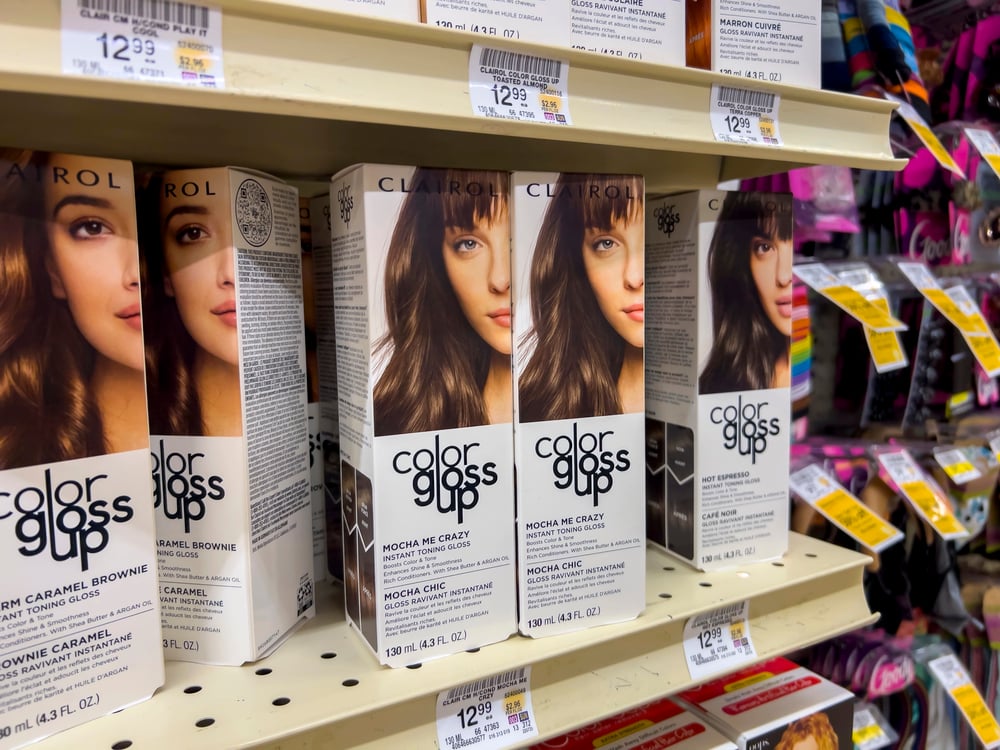
Clairol believed that adding yogurt to shampoo made perfect sense in the 1970s, when natural ingredients were becoming more and more popular. Customers were completely at odds. Why people would want dairy products in their hair was a mystery to them.
Some patrons even attempted to consume it, which resulted in sickness. Within a week of its release, the product was completely removed from retail outlets.
Colgate Kitchen Entrees
In 1982, Colgate made the decision to use its well-known brand to produce frozen supper entrees. This was one of the worst brand extensions ever since consumers were unable to get past the mental connection between toothpaste and food.
In less than a week, the goods vanished from freezer sections as shoppers absolutely ignored them.
Bic Underwear

The company known for disposable pens and lighters thought their brand could extend to disposable underwear. Launched in 1998, the line featured plain, utilitarian designs for both men and women.
Consumers found the concept unappealing and questioned Bic’s expertise in clothing. Retailers cleared the unwanted inventory from shelves within days.
Harley-Davidson Perfume
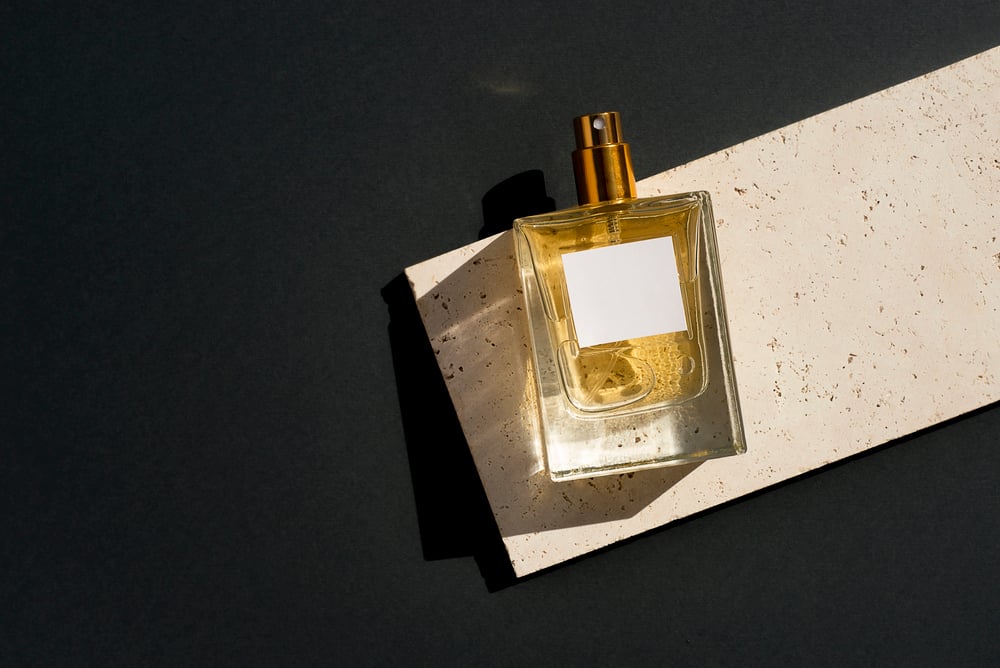
The motorcycle manufacturer tried expanding into fragrance in the mid-1990s. The rugged, masculine brand image didn’t translate well to cologne and perfume.
Loyal Harley fans saw it as selling out, while fragrance shoppers didn’t associate the motorcycle brand with beauty products. The line was pulled from stores in less than a week after dismal sales.
Twitter Fleets
Twitter’s answer to Instagram Stories lasted just eight months before being shut down. The feature allowed users to post content that would disappear after 24 hours.
Usage was low from the start, and the company admitted that Fleets failed to attract new users as hoped. This rare social media feature cancellation showed that even digital products can have remarkably short lifespans.
Juicero
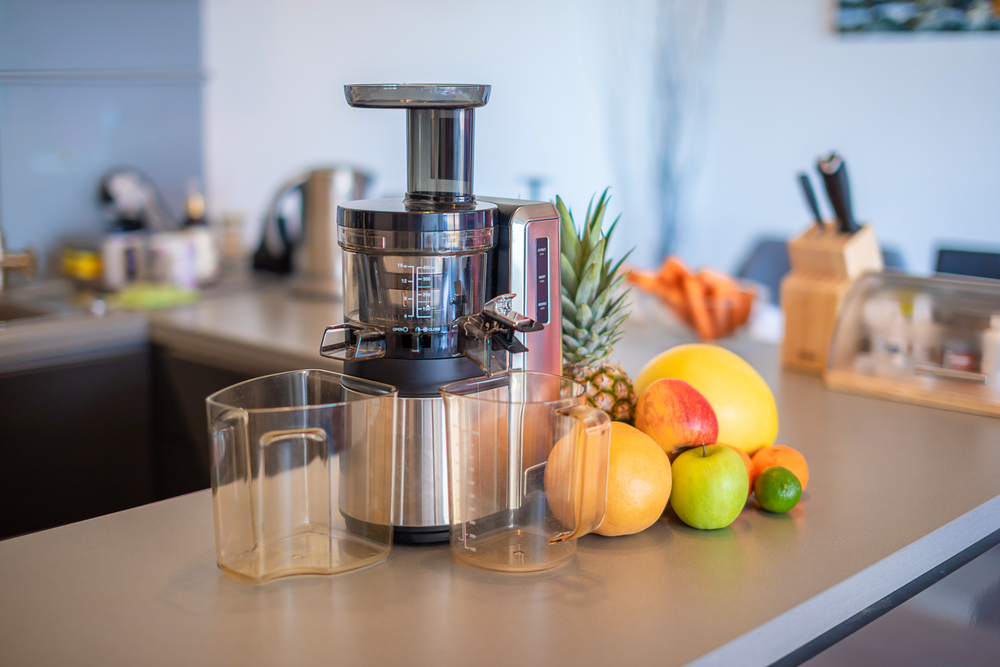
This $400 juicer became a symbol of Silicon Valley excess when it launched in 2016. The machine pressed juice from proprietary produce packets, but Bloomberg revealed you could squeeze the packets by hand just as effectively.
Investors had poured $120 million into the startup before this embarrassing discovery. Juicero shut down operations just 16 months after launch, with the final week seeing massive refund requests.
Cosmopolitan Yogurt
The women’s magazine ventured into the food industry in 1999 with branded yogurt. The disconnection between fashion advice and dairy products confused consumers.
Despite substantial marketing efforts, shoppers simply didn’t see the magazine as a credible food source. Distribution ended less than a week after the initial rollout when sales proved abysmal.
The Arch Deluxe
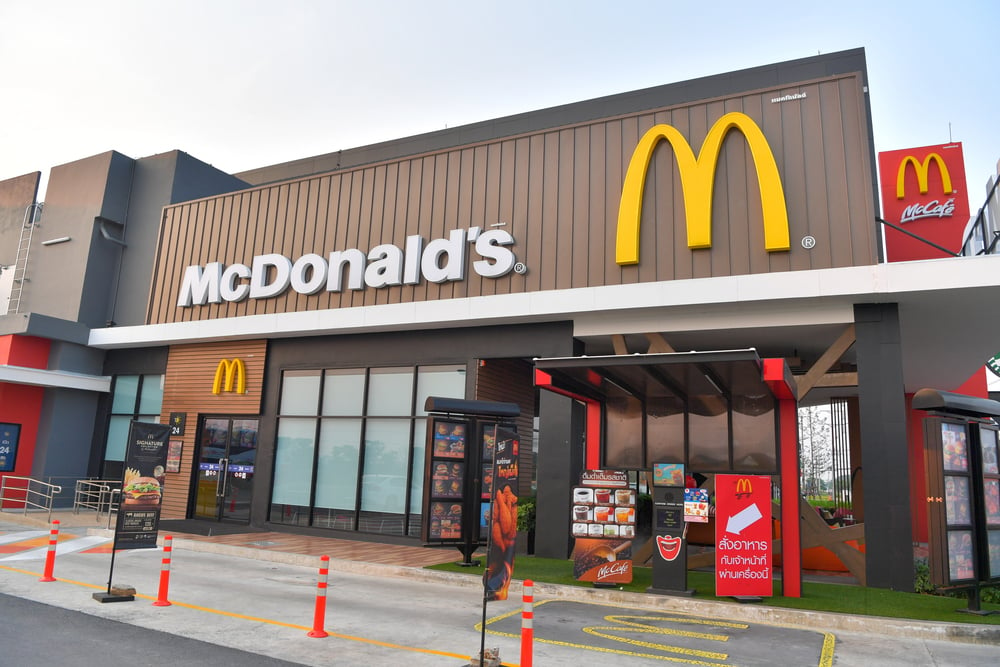
McDonald’s 1996 attempt to create a ‘sophisticated’ burger for adults flopped despite a $100 million marketing campaign. The quarter-pound burger featured higher-quality ingredients and a mustard-mayo sauce.
But the premium price point and confusing marketing that showed children disgusted by the adult taste turned customers away. McDonald’s quietly dropped the sandwich from most locations within weeks.
Ford Edsel
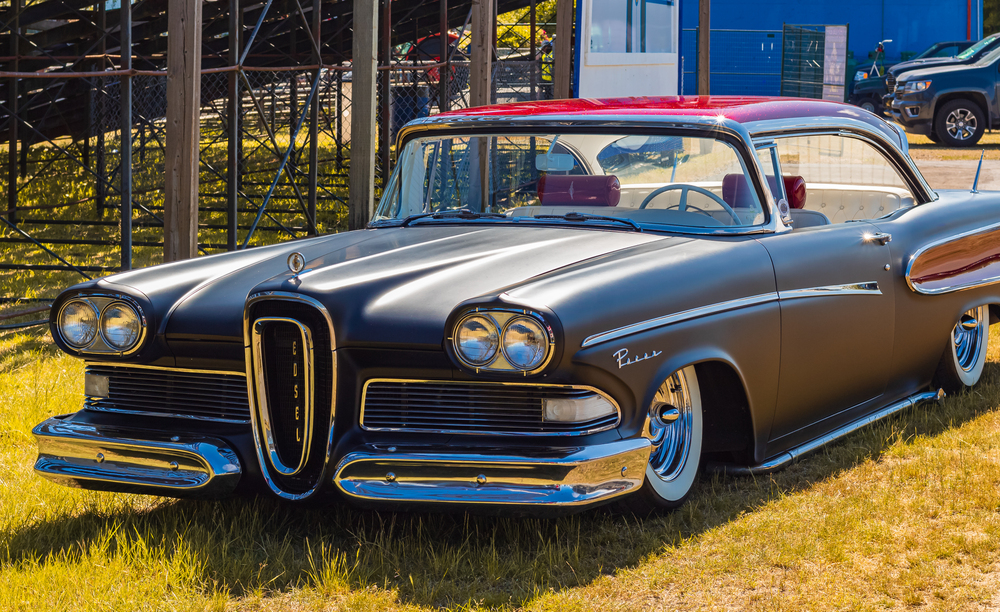
This classic business failure from the late 1950s became synonymous with product disasters. Ford spent unprecedented amounts on development and marketing but created a car with controversial styling at precisely the wrong economic moment.
The Edsel was discontinued after just over two years, but sales essentially collapsed within weeks of its debut, making it one of the most spectacular automotive failures ever.
Mobile ESPN
Before smartphones dominated, ESPN launched a dedicated mobile phone service in 2006. The specialized phones cost $400 and came with expensive monthly plans.
The service targeted sports fans with real-time scores and highlights, but consumers weren’t willing to switch carriers just for sports content. ESPN shut down the service less than a year after launch, with the real collapse in sales happening within the first week.
A Legacy of Learning

These short-lived products remind us that innovation always carries risk. Behind each failure were teams of people who genuinely believed they were creating the next big thing. Today’s companies continue studying these cautionary tales, learning that consumer sentiment trumps internal enthusiasm every time.
The brief lifespans of these products serve as valuable business lessons that continue shaping product development strategies decades later.
More from Go2Tutors!

- The Romanov Crown Jewels and Their Tragic Fate
- 13 Historical Mysteries That Science Still Can’t Solve
- Famous Hoaxes That Fooled the World for Years
- 15 Child Stars with Tragic Adult Lives
- 16 Famous Jewelry Pieces in History
Like Go2Tutors’s content? Follow us on MSN.