17 Trade Wars That Reshaped Global Commerce
Trade conflicts have been reshaping the world’s economic landscape for centuries. Nations turned into rivals and allies in ways that still echo today.
From ancient spice routes to modern technology battles, these commercial confrontations determined which countries rose to power and which ones faded into the background. The following disputes didn’t just affect prices at the market.
They redrew maps, toppled governments, and created the foundation for our modern global economy. Here is a list of 17 trade wars that fundamentally altered how nations do business with each other.
The Opium Wars (1839-1842, 1856-1860)
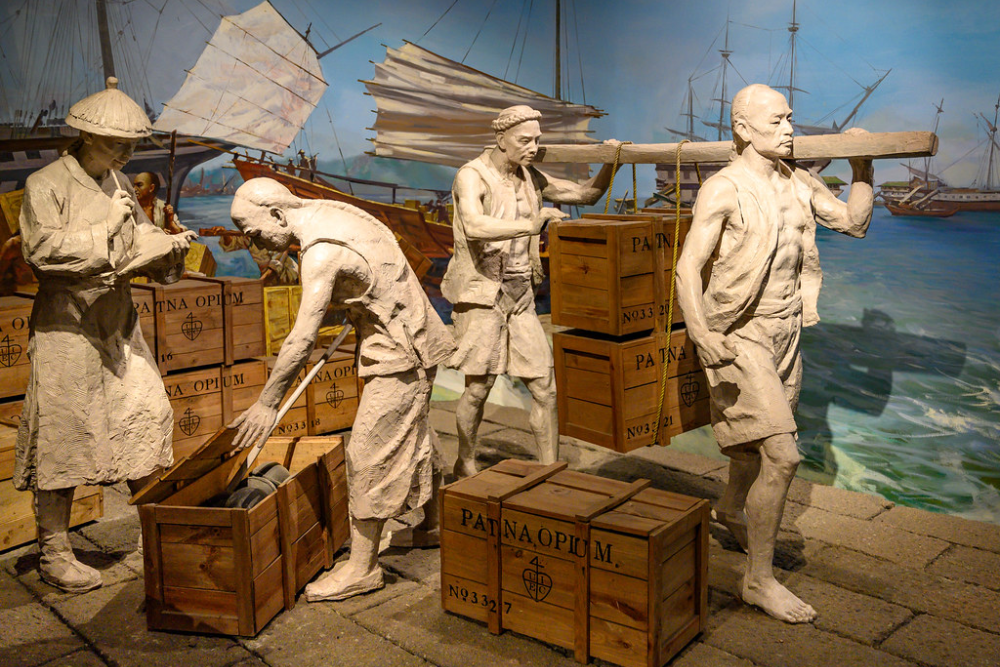
Britain’s addiction to Chinese tea created a massive trade deficit that the British Empire couldn’t stomach. China refused to accept anything but silver in return, so Britain found a darker solution: flooding Chinese markets with opium from India.
The Chinese government’s attempts to stop this drug trade led to two devastating wars. These conflicts forced China to open its ports and accept unfavorable trading terms, marking the beginning of what the Chinese call their ‘century of humiliation.’
The wars established the template for Western powers using military force to secure commercial advantages.
The Boston Tea Party Trade Dispute (1773)
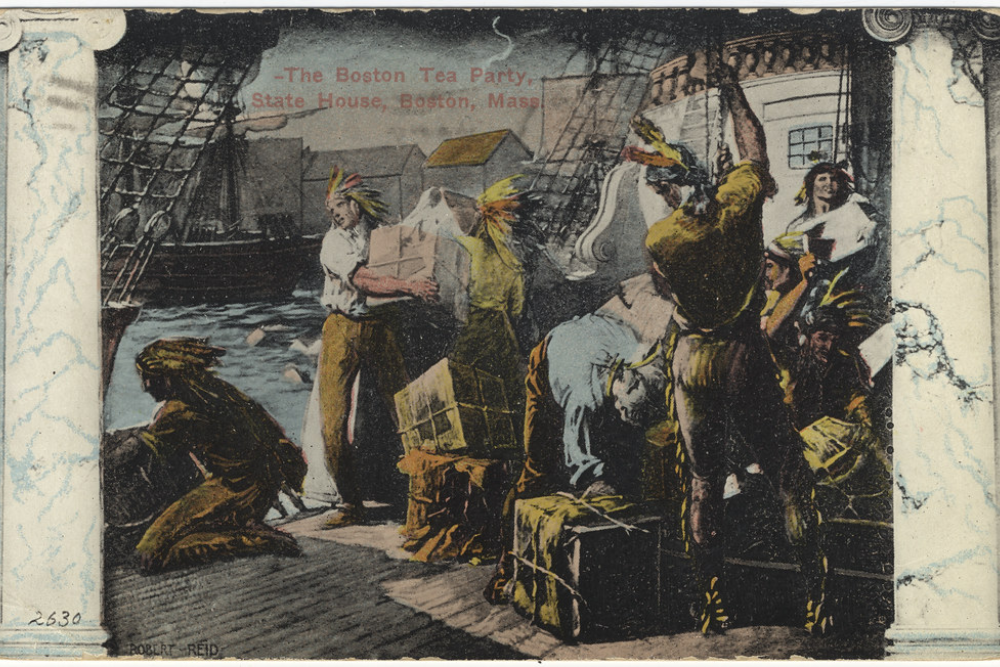
In addition to imposing taxes, the Tea Act of 1773 was an attempt by Britain to save the faltering East India Company. Although colonists quickly discovered this plot, the act secured the business a monopoly on tea sales in America.
They understood that it would devastate neighborhood retailers and establish a standard for corporate partiality. Even the most powerful empire in the world was unable to coerce hesitant trading partners into accepting unjust business agreements when the well-known Boston Harbor tea-dumping episode turned into a full-scale trade war that ultimately resulted in the American Revolution.
Like Go2Tutors’s content? Follow us on MSN.
The Continental System (1806-1814)
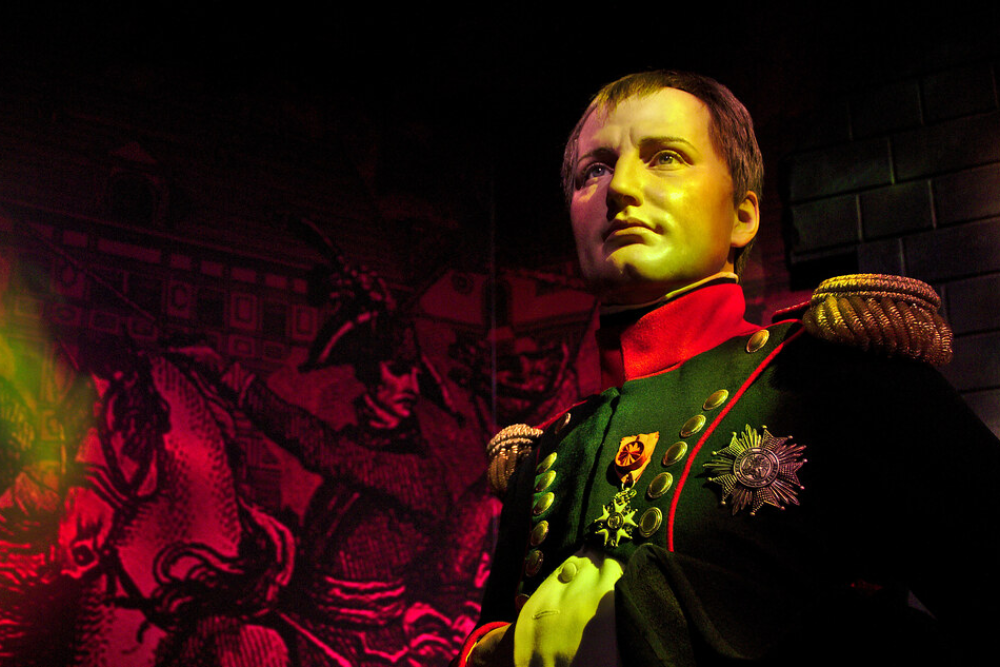
Napoleon’s ambitious plan to destroy British commerce by cutting off all European trade with the island nation backfired spectacularly. The Continental System forced European countries to stop buying British goods—yet it also deprived them of essential items like sugar, coffee, and manufactured products.
Smuggling became rampant. Even Napoleon’s own officials started ignoring the blockade when French industries began suffering, ultimately weakening Napoleon’s empire more than Britain’s economy.
The Corn Laws Crisis (1815-1846)

Britain’s Corn Laws were designed to protect wealthy landowners by keeping grain prices artificially high through import restrictions. This trade barrier meant that ordinary British families paid inflated prices for bread—while landowners grew rich.
The growing industrial class and urban workers eventually forced Parliament to repeal these laws. This change marked Britain’s shift toward free trade policies, transforming the nation into the world’s first truly global trading power.
The Anglo-Dutch Wars (1652-1784)
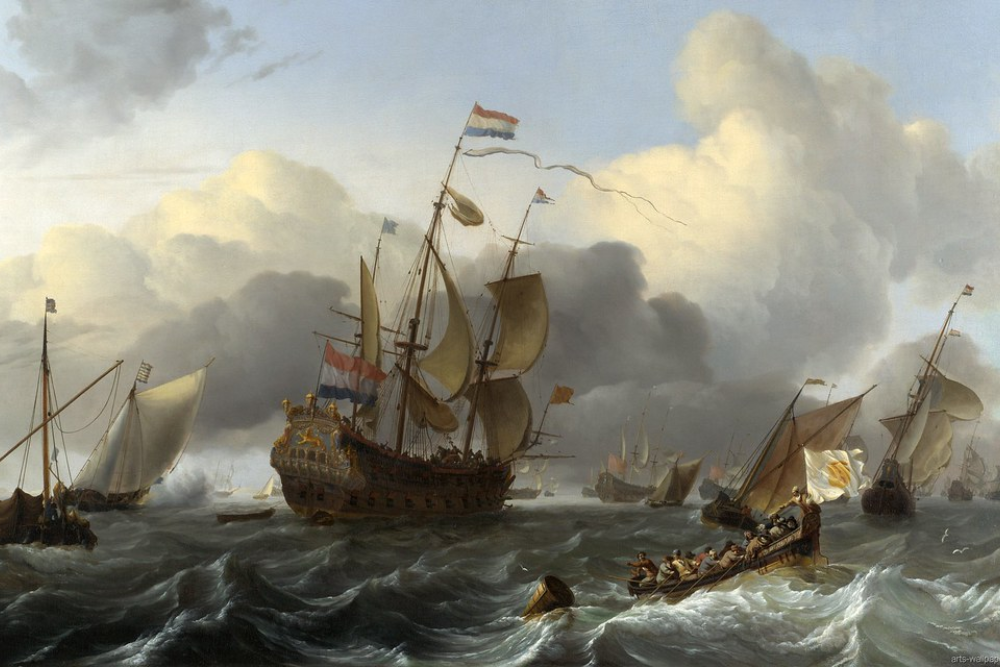
These four separate conflicts were essentially trade wars fought with cannons and warships. England and the Netherlands competed for control of global shipping routes, colonial markets, and the lucrative spice trade from Asia.
The Dutch had dominated international commerce for decades—but England’s growing naval power and aggressive trade policies gradually shifted the balance. By the end of these wars, Britain had established itself as the world’s dominant maritime trading power, a position it would hold for the next two centuries.
Like Go2Tutors’s content? Follow us on MSN.
The Smoot-Hawley Tariff War (1930-1934)
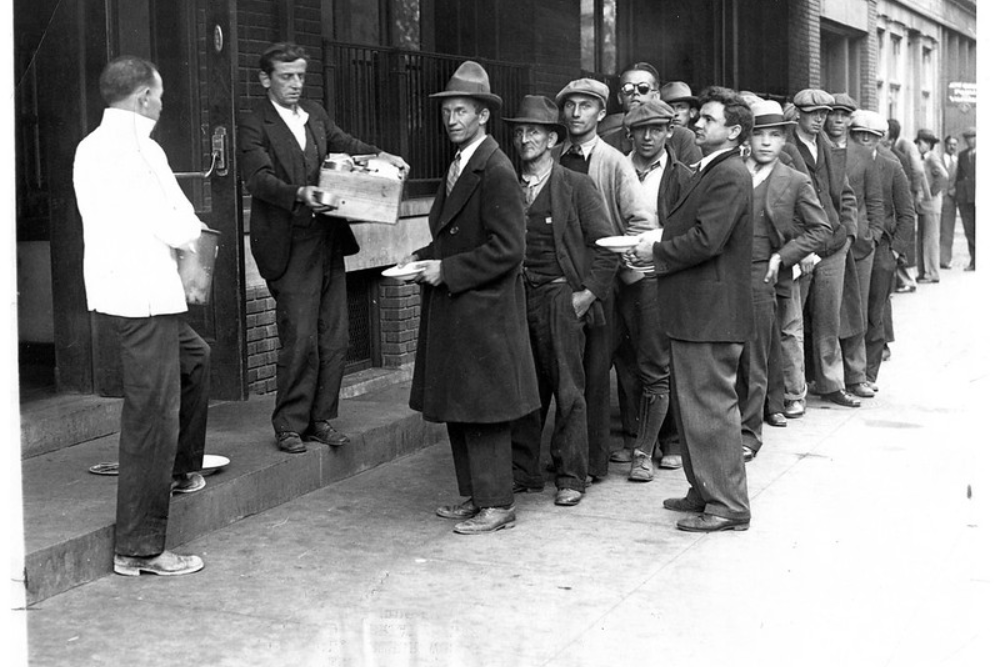
America’s attempt to protect domestic industries during the Great Depression by raising tariffs to record levels triggered a global trade war. The strategy made the economic crisis much worse. Other countries retaliated with their own tariffs—causing international trade to collapse by nearly 40 percent.
American farmers, who were supposed to benefit from protection, instead lost their export markets as other nations stopped buying American agricultural products.
The Japan-US Trade Disputes (1970s-1990s)
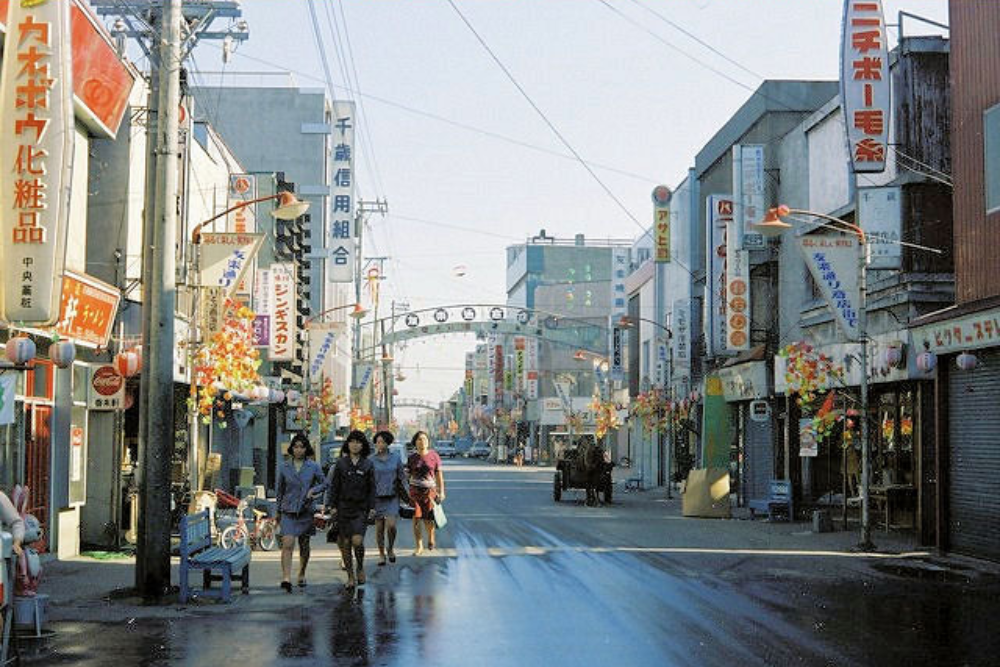
Japan’s economic miracle created a new kind of trade conflict based on technology and manufacturing efficiency rather than raw materials. American automakers and electronics companies found themselves unable to compete with superior Japanese products.
This led to heated disputes over everything from car imports to semiconductor chips. The conflicts included voluntary export restraints, threats of trade sanctions—and intense negotiations that sometimes resembled diplomatic crises.
The Chicken War (1963)
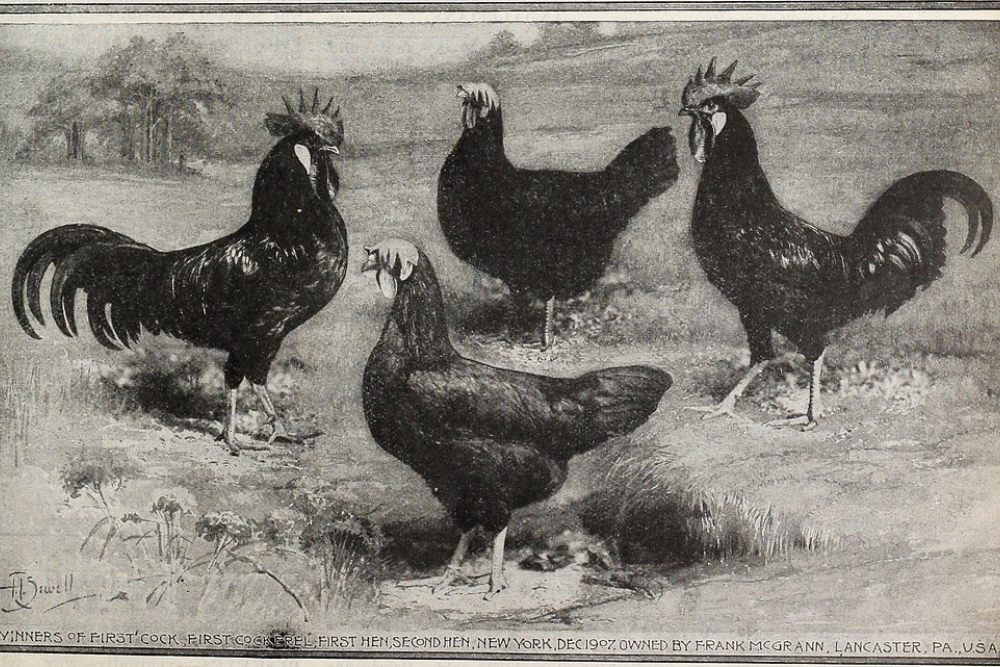
Europe’s decision to place high tariffs on American poultry imports sparked a trade dispute that sounds almost comical today. Yet it had serious consequences.
The United States retaliated by imposing a 25 percent tariff on light trucks, potato starch, and brandy—targeting products important to European economies. While the original chicken dispute was resolved, the truck tariff remained in place for decades.
This conflict showed how trade wars often create lasting changes that outlive the original disagreement.
Like Go2Tutors’s content? Follow us on MSN.
The Banana Wars (1990s-2000s)
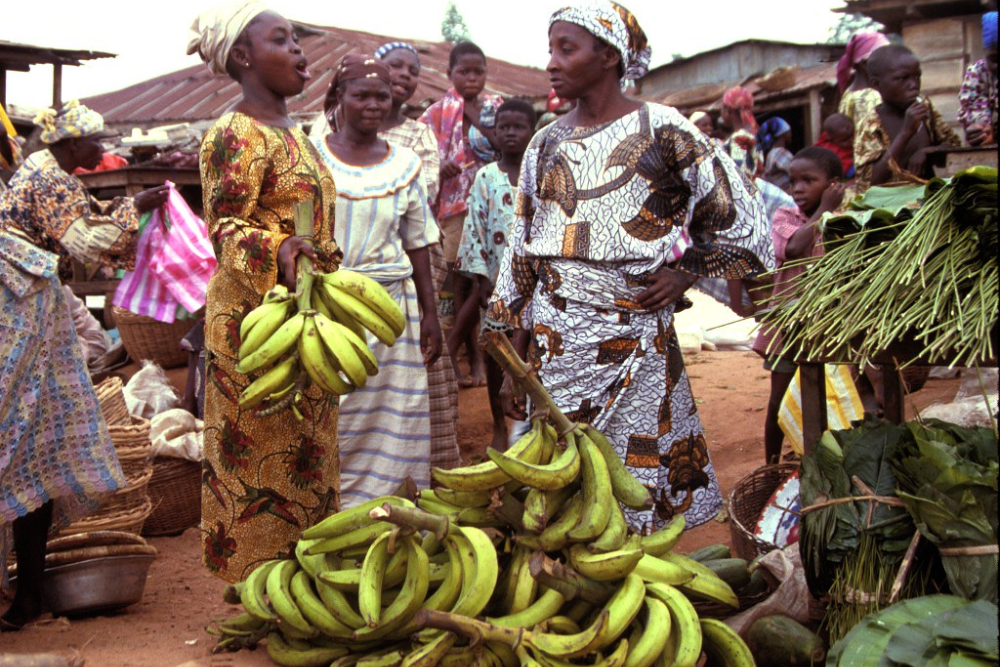
The European Union’s preferential treatment of bananas from former colonies in Africa and the Caribbean created an unexpected trade war. The United States and several Latin American countries found themselves locked out of European markets by complex quota systems.
American companies like Chiquita and Dole—which had massive plantations in Central America—were particularly affected. The dispute dragged on for years through the World Trade Organization, demonstrating how even seemingly simple agricultural products could become flashpoints for major international trade conflicts.
The Steel Wars (2002-2003)
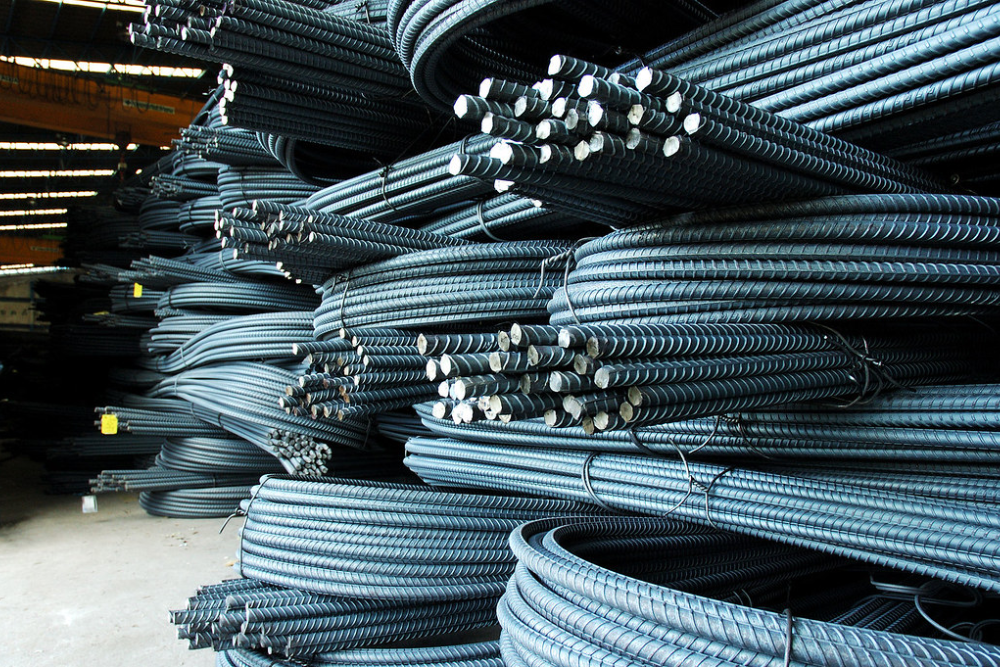
President Bush’s decision to impose tariffs on steel imports was meant to help struggling American steel companies. However, it triggered retaliation from Europe, Japan, and other major trading partners.
The European Union prepared to target politically sensitive American products—like oranges from Florida and motorcycles from Wisconsin—in carefully calculated responses. The World Trade Organization ruled against the American tariffs, and Bush eventually backed down.
The conflict demonstrated how modern trade wars could be precisely targeted for maximum political impact.
The Cod Wars (1958-1976)
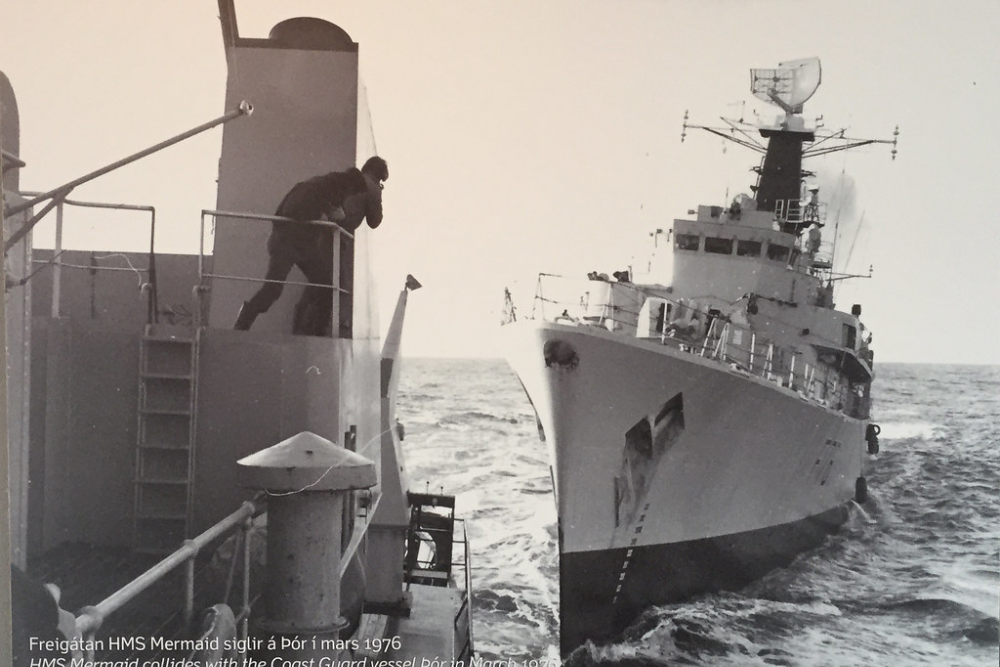
Iceland’s expansion of its fishing limits to protect cod stocks around its waters led to confrontations with British fishing fleets that resembled naval warfare. Icelandic coast guard vessels rammed British fishing boats while Royal Navy ships tried to protect them, creating surreal scenes of military conflict over fish.
Iceland ultimately won by threatening to leave NATO and close a crucial Cold War military base. This forced Britain to accept the new fishing boundaries and established the principle that coastal nations could control marine resources far beyond their traditional territorial waters.
Like Go2Tutors’s content? Follow us on MSN.
The Timber Wars (1990s)

The dispute between the United States and Canada over softwood lumber became one of the longest-running trade conflicts in North American history. Americans argued that Canadian government subsidies to forestry companies created unfair competition, though Canadians maintained that their forest management practices were legitimate.
The conflict involved multiple rounds of tariffs, court challenges, and negotiations that spanned several decades. This ongoing dispute illustrated how trade wars could become institutionalized parts of international relationships rather than temporary crises.
The Agricultural Wars of the 1980s
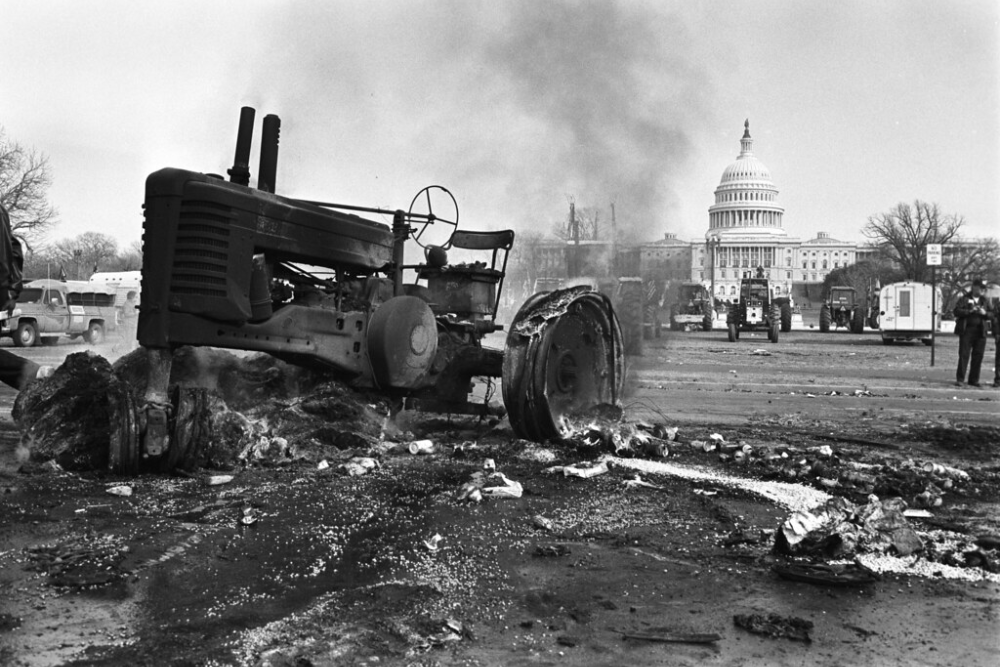
Europe’s Common Agricultural Policy created massive subsidies that allowed European farmers to flood global markets with artificially cheap products. This triggered fierce competition with American agricultural exports.
The United States responded with its own subsidy programs and export enhancement initiatives, leading to a wasteful cycle where taxpayers in both regions essentially paid for a global dumping contest. This agricultural trade war distorted world food markets while harming farmers in developing countries who couldn’t compete with subsidized products from wealthy nations.
The Pasta Wars (1985)

Italy’s restrictions on American citrus imports led to an unexpected retaliation when the United States targeted Italian pasta with punitive tariffs. The dispute escalated when Europe threatened to retaliate against American walnut exports, creating a three-way trade conflict over seemingly unrelated products.
The pasta tariffs particularly hurt Italian-American communities. This demonstrated how trade wars could have unexpected cultural and social dimensions beyond their economic impacts.
Like Go2Tutors’s content? Follow us on MSN.
The Helms-Burton Act Conflicts (1996-present)
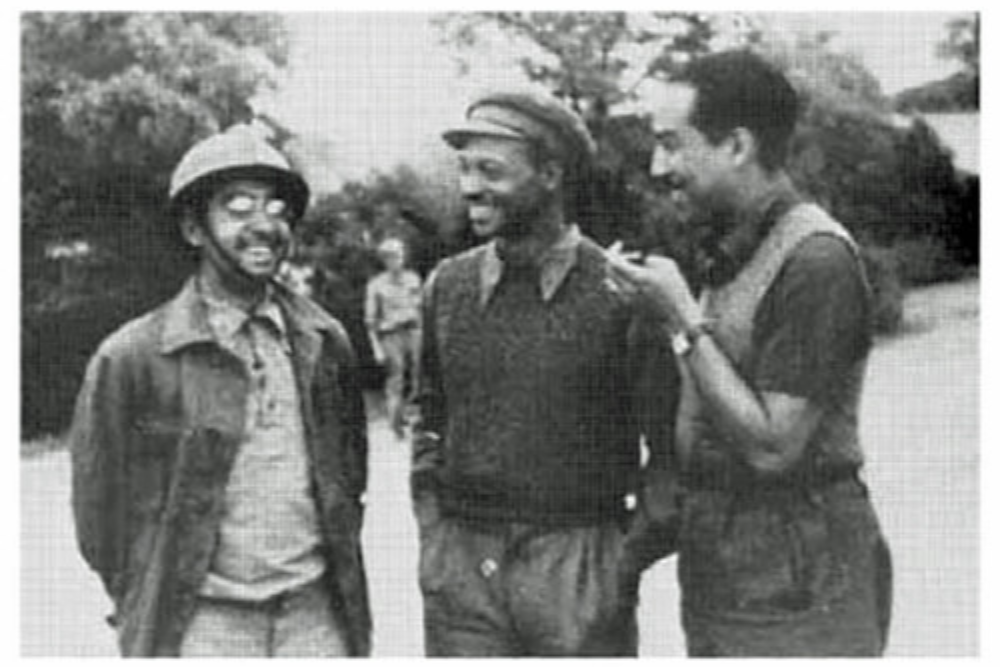
America’s attempt to punish foreign companies for doing business with Cuba created ongoing tensions with European allies and Canada. The Helms-Burton Act allowed Americans to sue foreign companies that used property confiscated from them during the Cuban Revolution.
This essentially tried to enforce American policy on the rest of the world. European companies found themselves caught between American threats and their own governments’ policies, creating a complex web of conflicting trade rules that continues to complicate international business relationships.
The China Trade Wars (2018-2020)
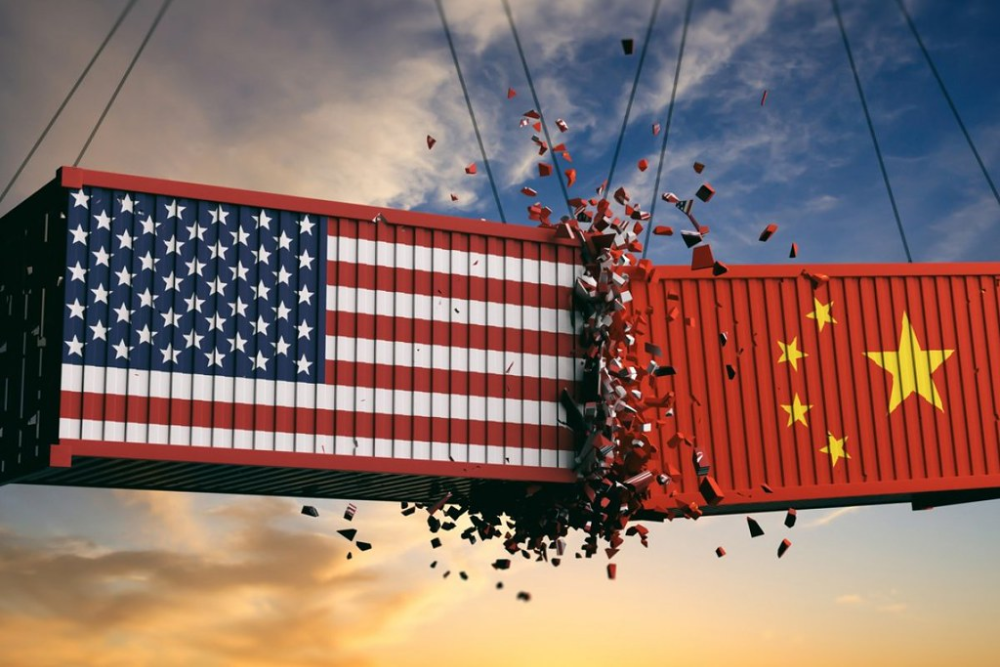
The Trump administration’s escalating tariff battle with China represented the largest trade conflict since the 1930s. It affected hundreds of billions of dollars in commerce.
Both countries imposed tariffs on everything from soybeans to smartphones, disrupting global supply chains and forcing companies to restructure their operations. The conflict revealed how interconnected modern economies had become, since tariffs on Chinese goods often hurt American companies that depended on those imports for their own production processes.
The Semiconductor Wars (2020-present)

The global competition for control of semiconductor manufacturing has created a new type of trade conflict focused on technological supremacy rather than traditional goods. Countries are using export controls, investment restrictions, and subsidies to secure their positions in this crucial industry.
This industry powers everything from smartphones to military equipment. The conflict represents a fundamental shift toward viewing certain technologies as too important for national security to be left to normal market forces.
Like Go2Tutors’s content? Follow us on MSN.
The Modern Legacy of Commercial Conflict
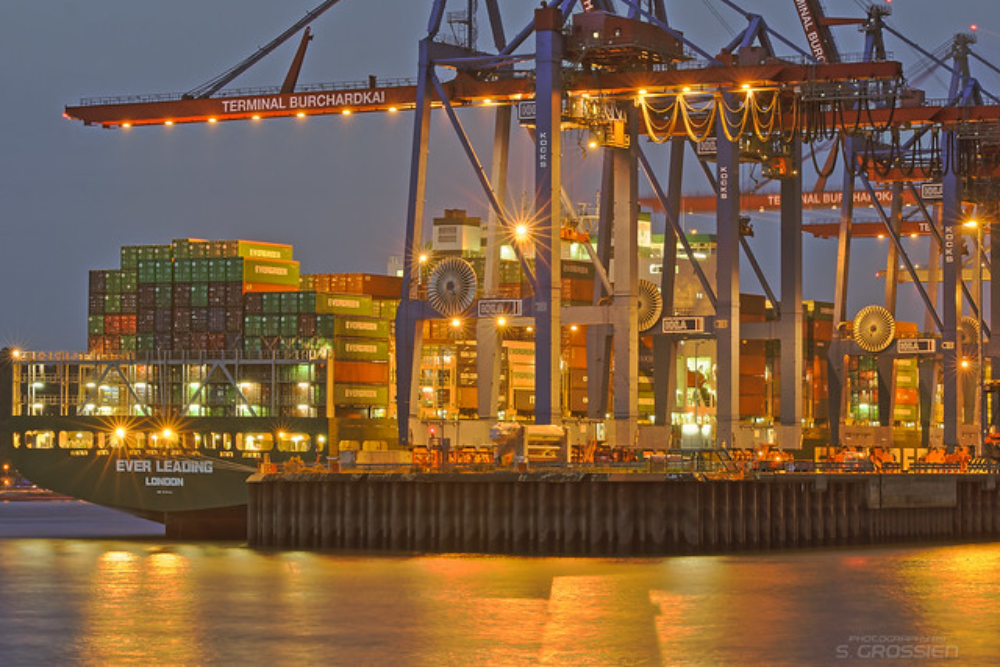
These trade wars remind us that economic nationalism rarely achieves its intended goals. It often creates unintended consequences that persist long after the original disputes are forgotten.
The most successful economies have generally been those that remained open to international competition while adapting to changing global conditions. Today’s policymakers face the same basic choice that has confronted leaders throughout history: whether to embrace the creative destruction of global competition or try to protect domestic interests through barriers that ultimately harm everyone.
The lessons from these 17 conflicts suggest that countries prosper most when they compete through innovation and efficiency rather than through walls and tariffs.
More from Go2Tutors!

- 16 Restaurant Chains That Went Too Fast
- 12 Things Sold in the 80s That Are Now Illegal
- 15 Strange Things People Have Tried to Ban (And Failed)
- 16 Collectibles People Tossed Out Too Soon
- 17 Myths from Your Childhood That Were Actually Based on Real Things
Like Go2Tutors’s content? Follow us on MSN.