17 Architectural Wonders Built by Unknown Builders
Some of history’s most magnificent structures stand as monuments to anonymous genius. While we know the names of famous architects like Christopher Wren or Frank Lloyd Wright, countless masterpieces were created by builders whose identities vanished into time.
These unknown craftsmen left behind cathedrals, temples, and fortresses that continue to inspire awe centuries after their completion. The absence of records doesn’t diminish the brilliance of their achievements — if anything, it makes them more mysterious.
Here is a list of 17 architectural wonders built by unknown builders whose names history forgot.
Stonehenge

This prehistoric monument has puzzled archaeologists for centuries, yet nobody knows who designed or built it around BCE. The massive stones were somehow transported from quarries over miles away, then arranged in perfect astronomical alignment.
Recent discoveries suggest the builders possessed sophisticated knowledge of mathematics and engineering that challenges assumptions about Neolithic capabilities.
Angkor Wat

The world’s largest religious complex sprawls across acres in Cambodia, built during the century by craftsmen whose individual names remain completely unknown. Hundreds of thousands of workers labored for decades to create this masterpiece of Khmer architecture.
The temple’s intricate bas-reliefs and precise astronomical orientation demonstrate engineering skills that rival modern construction techniques.
Like Go2Tutors’s content? Follow us on MSN.
Easter Island Statues
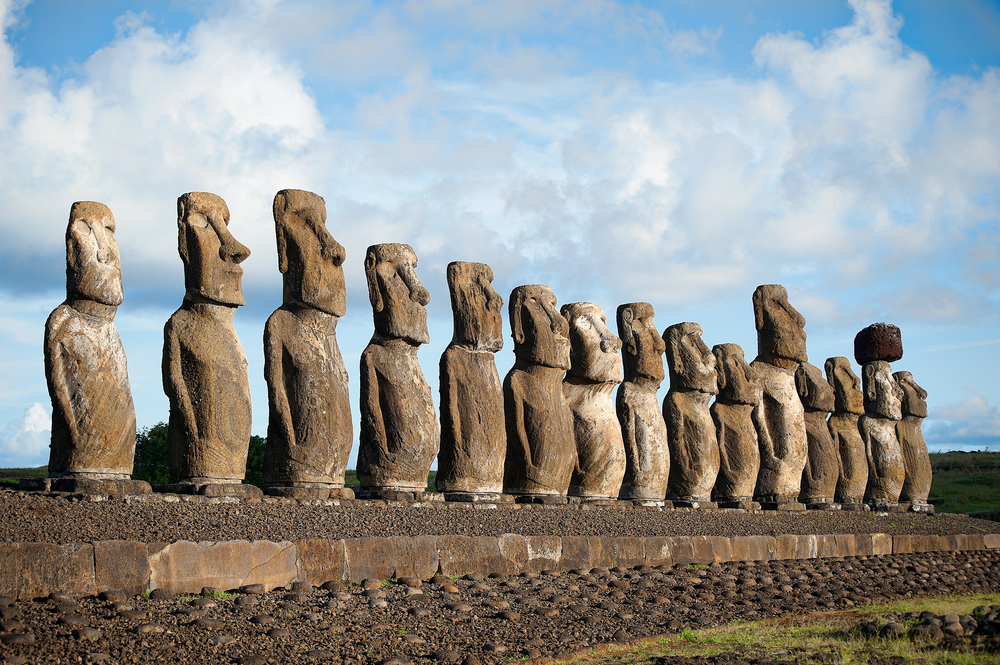
Nearly massive stone heads dot this remote Pacific island, carved by Polynesian settlers whose identities disappeared along with their civilization. The moai statues weigh up to tons each and were somehow transported across the island without wheels or large animals.
Recent research suggests the builders “walked” the statues upright using ropes — a technique that seemed impossible until archaeologists proved it could work.
Great Wall of China
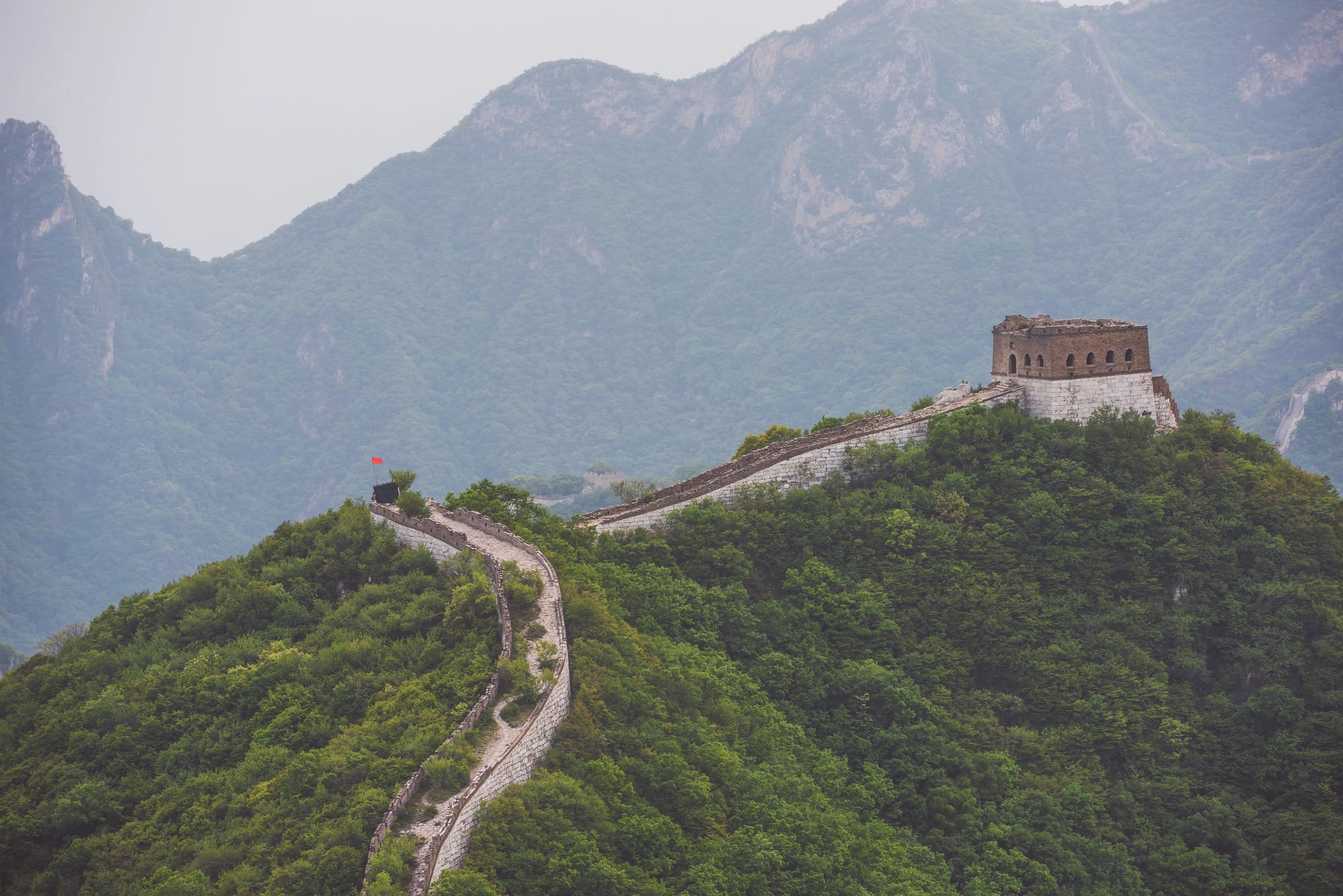
Millions of workers built this mile fortification over many centuries, yet history records almost none of their names despite the monument’s incredible scale. Emperor Qin Shi Huang gets credit for connecting existing walls around BCE, but the actual builders were mostly peasants, soldiers, and prisoners.
Many died during construction and were reportedly buried within the wall itself, creating a massive tomb for anonymous laborers.
Borobudur Temple
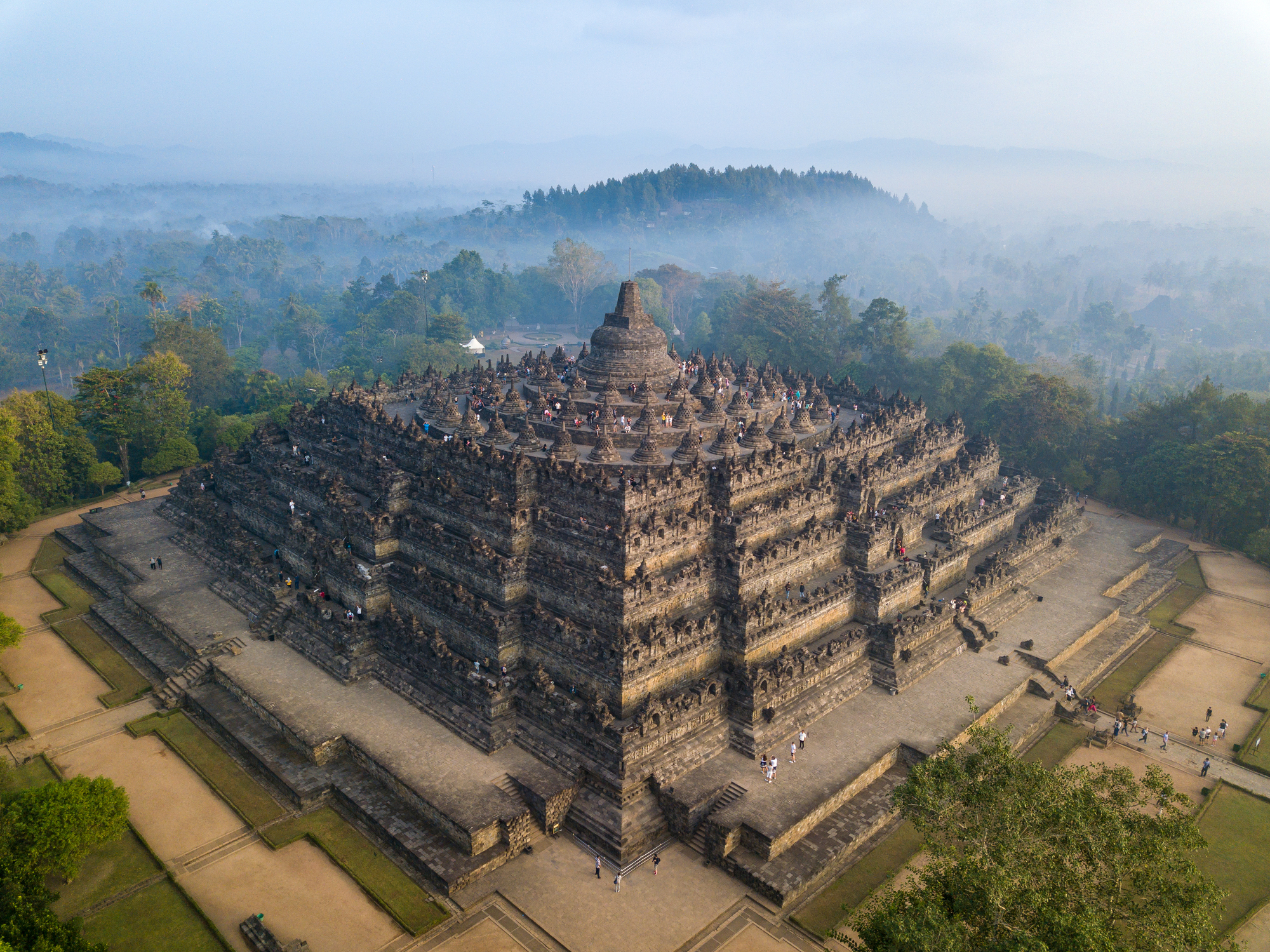
This Buddhist monument in Java represents one of the world’s great architectural achievements, though we don’t know who designed its intricate symbolic layout. The temple contains over relief panels and Buddha statues arranged in perfect geometric harmony.
Volcanic ash buried Borobudur for centuries until British colonial officers rediscovered it in, preserving the anonymous builders’ masterwork.
Like Go2Tutors’s content? Follow us on MSN.
Newgrange
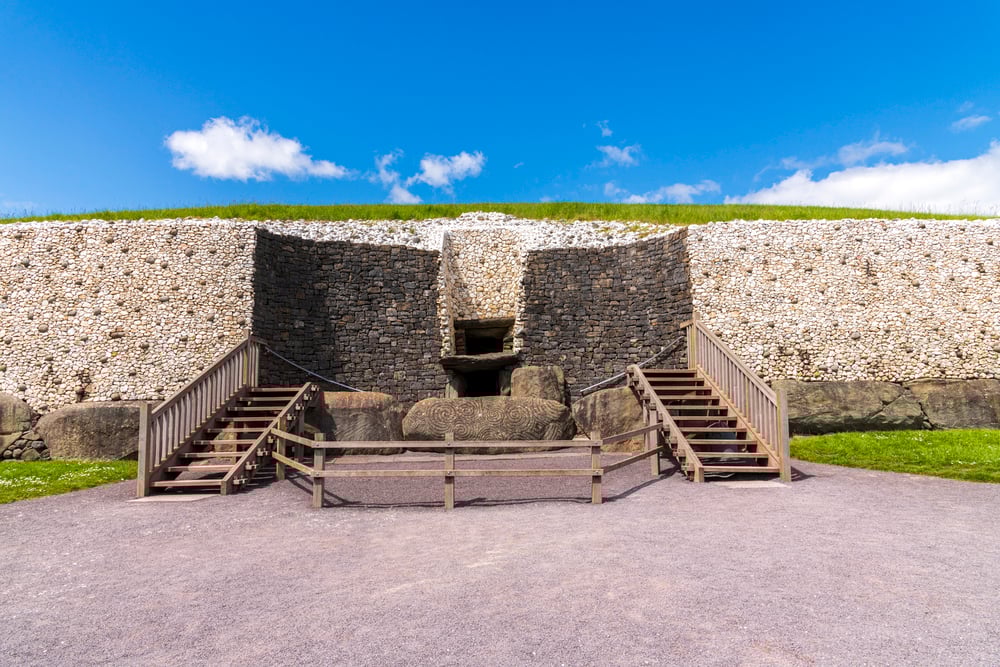
Built around BCE in Ireland, this Neolithic passage tomb predates Stonehenge and the Egyptian pyramids by several centuries. The unknown architects designed it so perfectly that sunlight illuminates the inner chamber only during the winter solstice — a feat requiring precise astronomical calculations.
The corbelled roof has kept the interior completely dry for over years, demonstrating engineering skills that modern builders struggle to match.
Göbekli Tepe
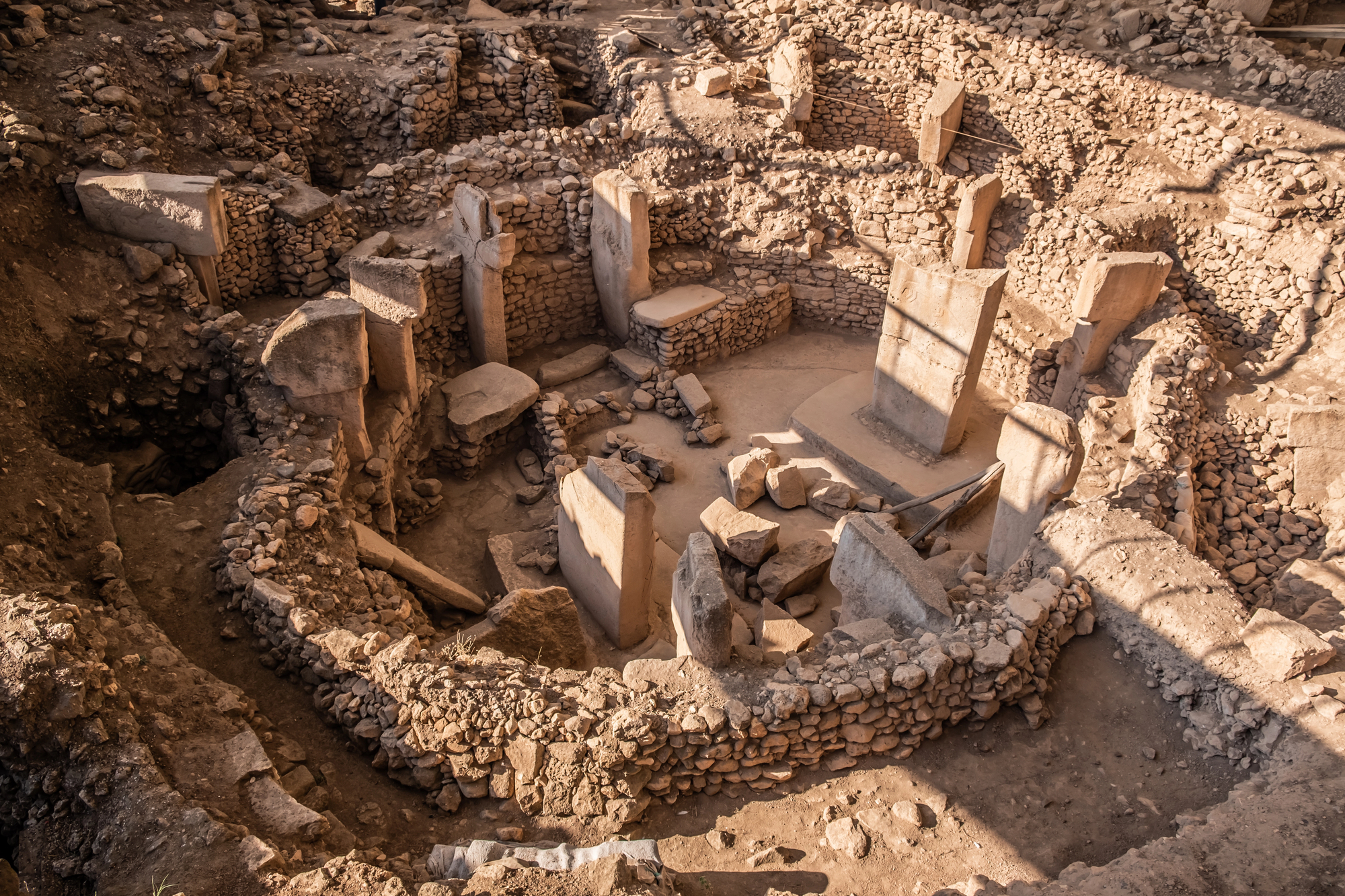
Turkish archaeologists uncovered this temple complex in the s, revealing structures that are roughly years old — older than agriculture itself. Hunter-gatherer societies supposedly lacked the organization to build such monuments, yet here stands proof of their sophisticated capabilities.
The massive stone pillars are carved with animals and symbols whose meaning remains as mysterious as the builders who created them.
Hagia Sophia’s Original Dome
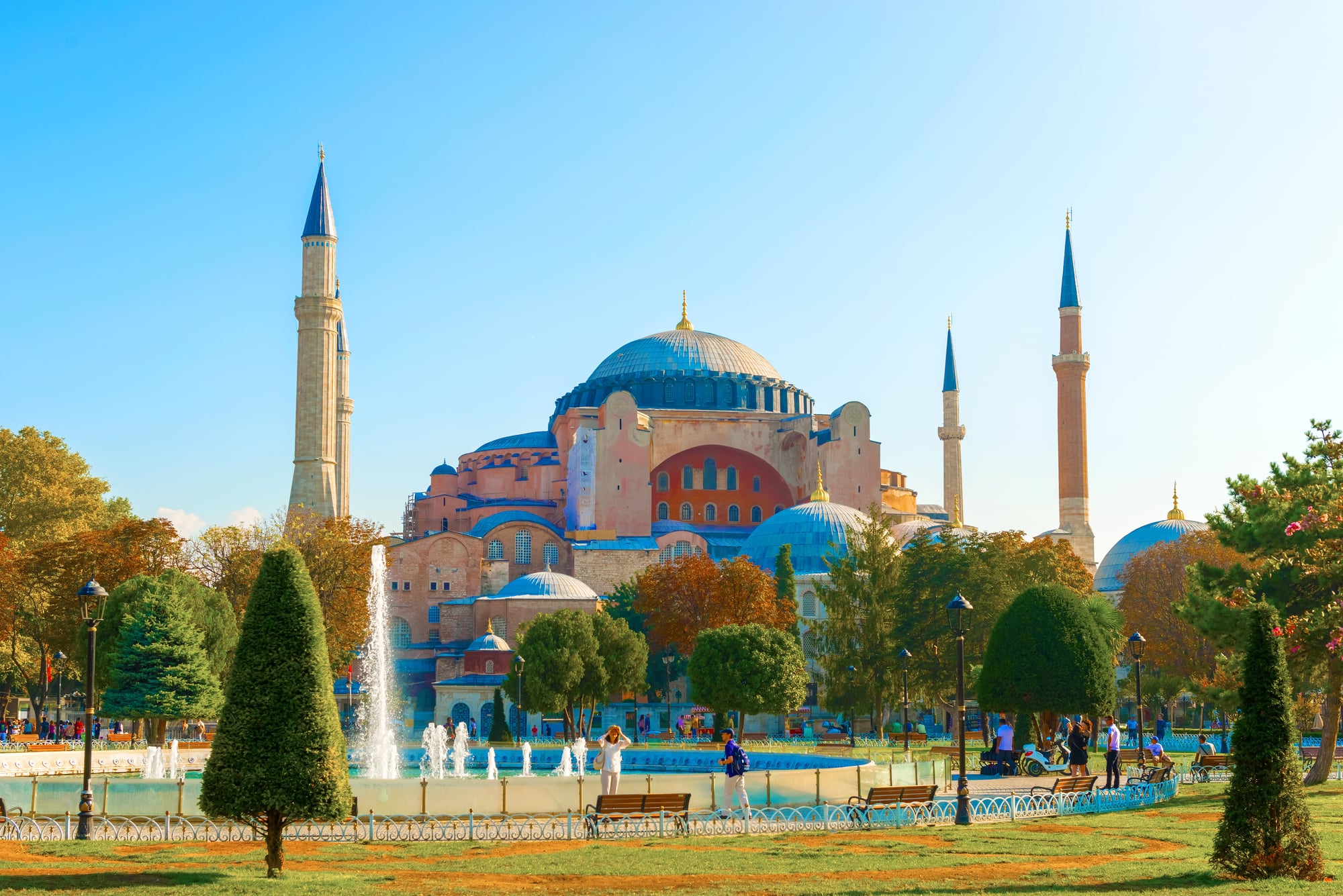
While we know the names of architects Anthemius and Isidorus who built Constantinople’s great cathedral in CE, the master craftsmen who solved its structural problems remain anonymous. The original dome collapsed in, and unknown engineers rebuilt it with innovative pendentives that distributed weight more effectively.
These anonymous problem-solvers created architectural techniques that influenced church design for centuries.
Like Go2Tutors’s content? Follow us on MSN.
Machu Picchu
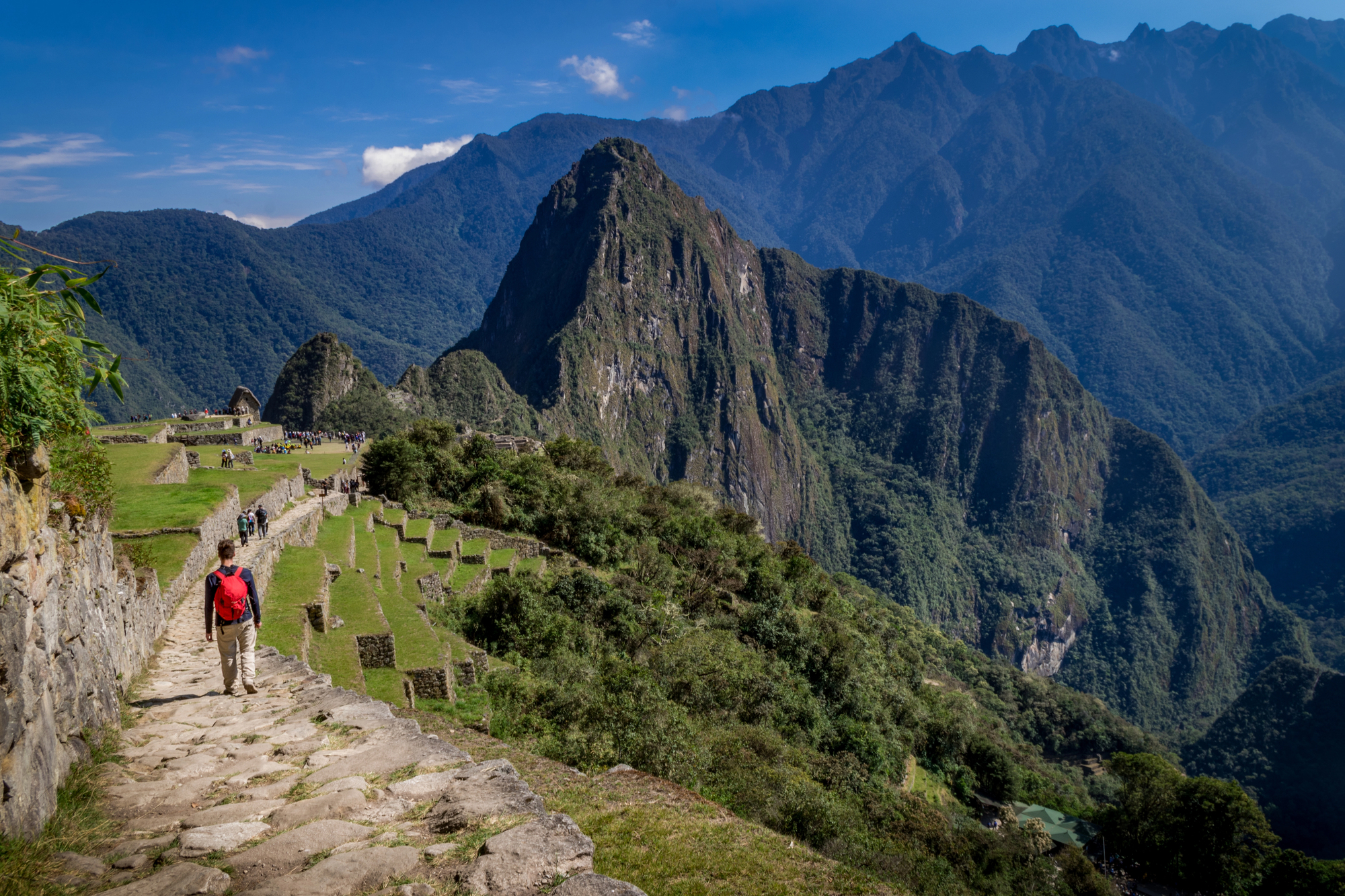
The Inca built this mountain citadel around using precisely cut stones that fit together without mortar, yet no records identify the architects or master masons responsible. Spanish conquistadors never found Machu Picchu, leaving it abandoned until American explorer Hiram Bingham brought it to international attention in.
The builders’ sophisticated understanding of seismic engineering helped their structures survive centuries of earthquakes.
Chauvet Cave Art
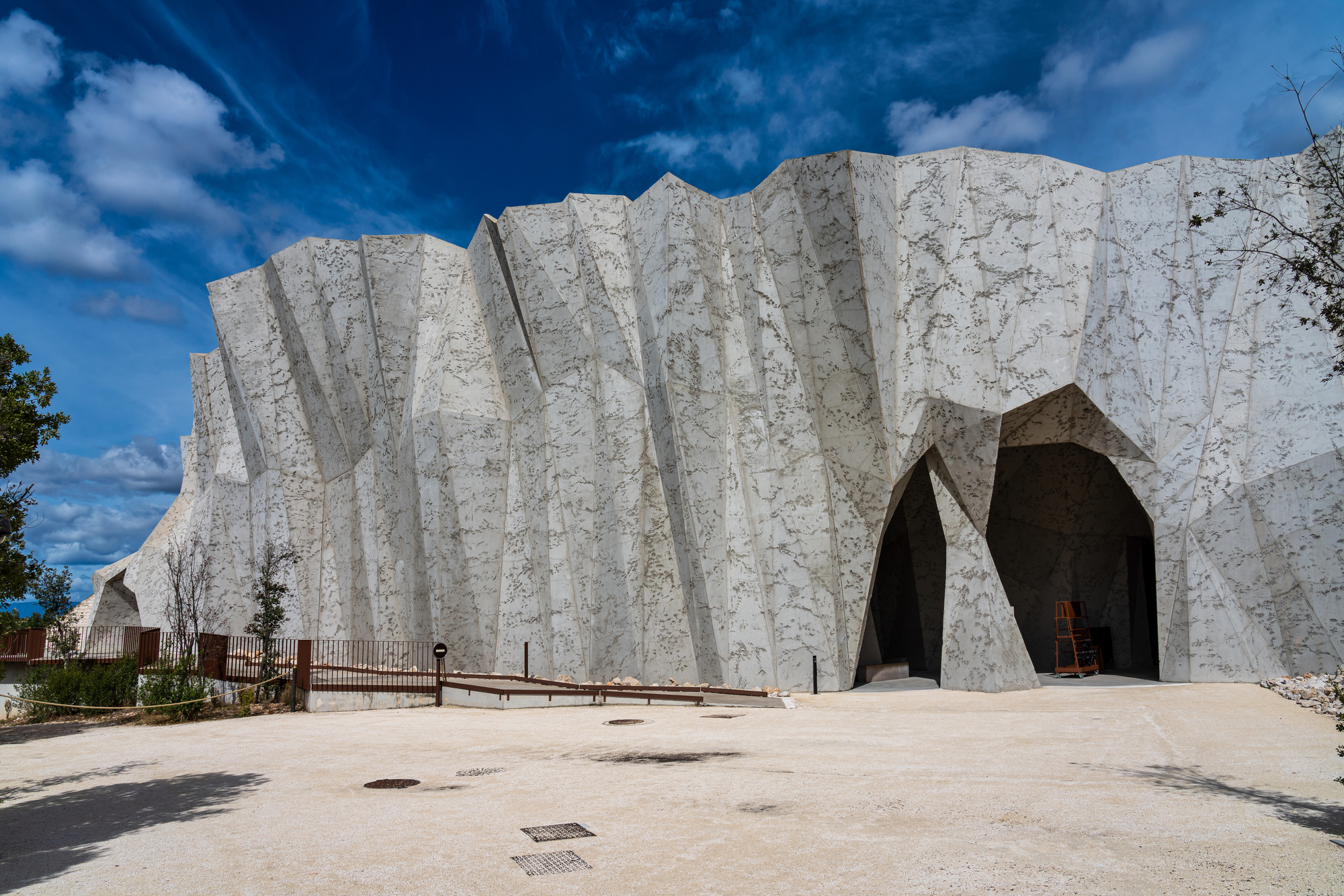
These year-old paintings in southern France represent humanity’s earliest known masterpieces, created by Paleolithic artists whose names are lost forever. The cave painters used sophisticated techniques like perspective and shading that wouldn’t reappear in European art for thousands of years.
Recent discoveries suggest they also understood acoustics, placing artwork in locations where sounds resonate most powerfully.
Mont-Saint-Michel
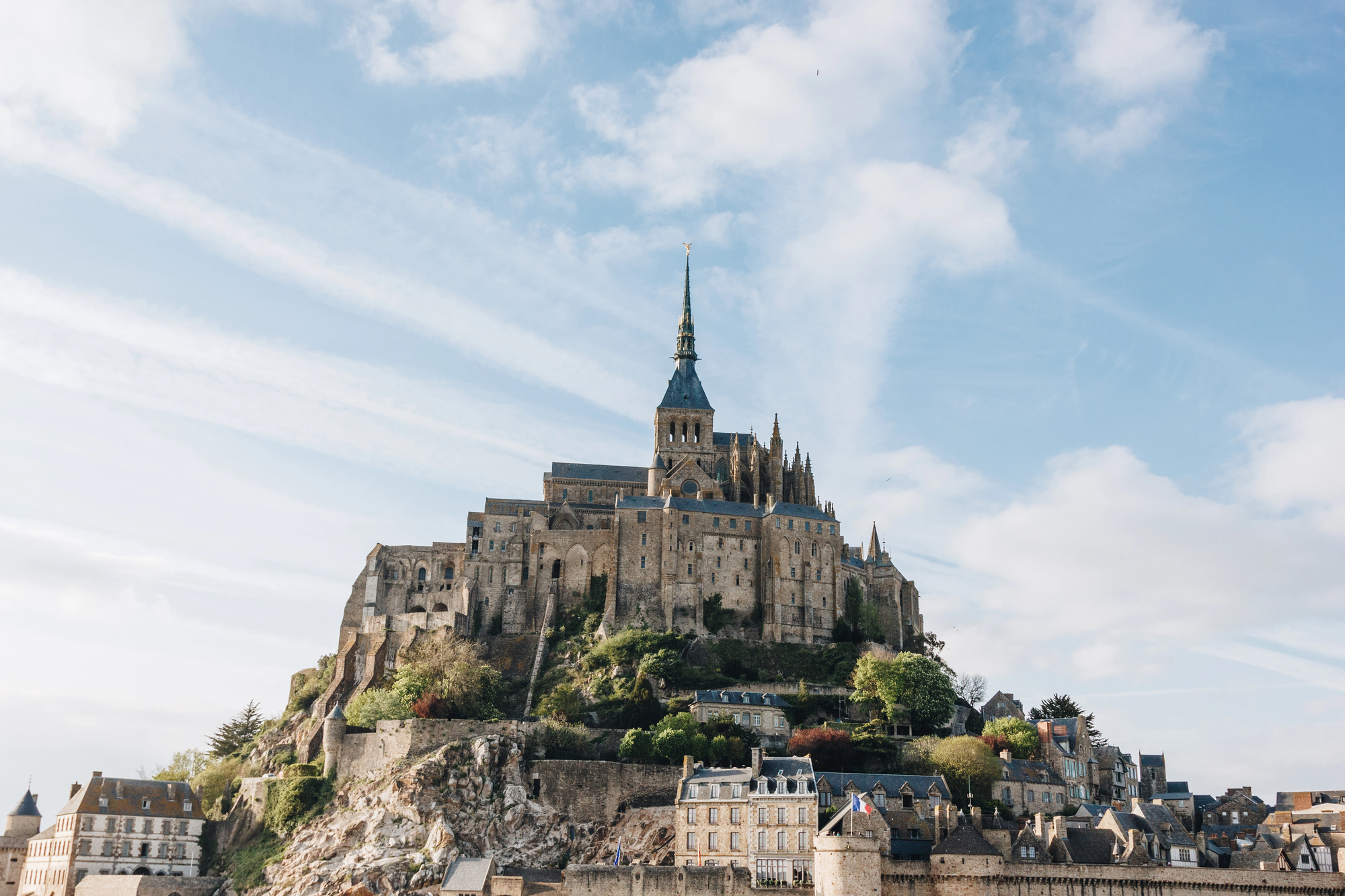
This medieval abbey rises dramatically from tidal flats off the Norman coast, built by monastic communities whose individual members remain largely nameless. Construction began in the century and continued for hundreds of years as successive generations of anonymous craftsmen added new sections.
The builders engineered foundations that withstand massive tidal forces while supporting a structure that seems to defy gravity.
Like Go2Tutors’s content? Follow us on MSN.
Petra’s Treasury
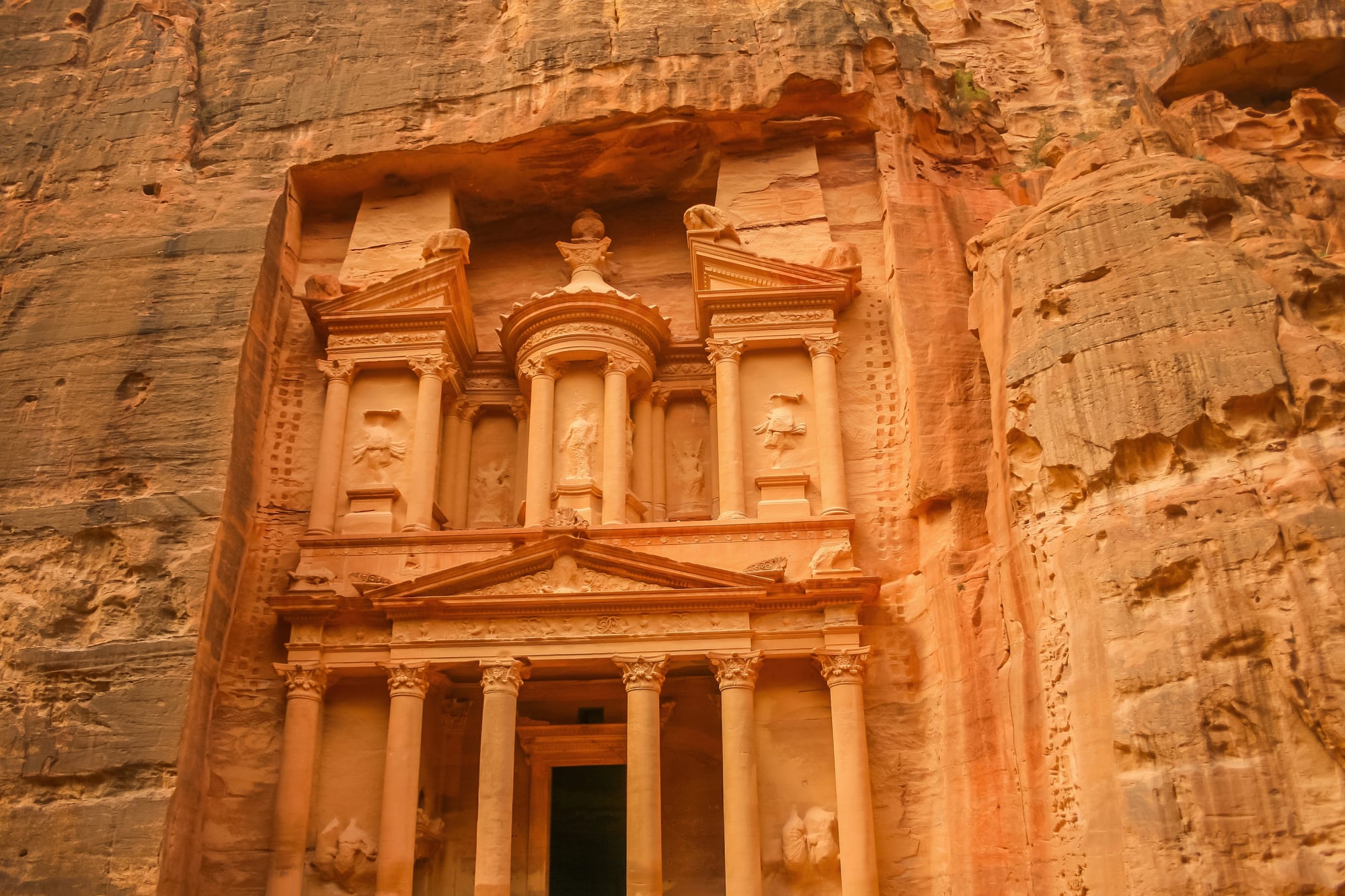
The Nabataeans carved this stunning facade directly into pink sandstone cliffs around the century BCE, though we don’t know which master craftsmen designed its elaborate Hellenistic details. The building’s precise proportions and intricate sculptures required extraordinary skill, yet no inscriptions identify the artists responsible.
Water channels carved throughout Petra demonstrate the builders’ hydraulic engineering expertise alongside their artistic talents.
Sacsayhuamán
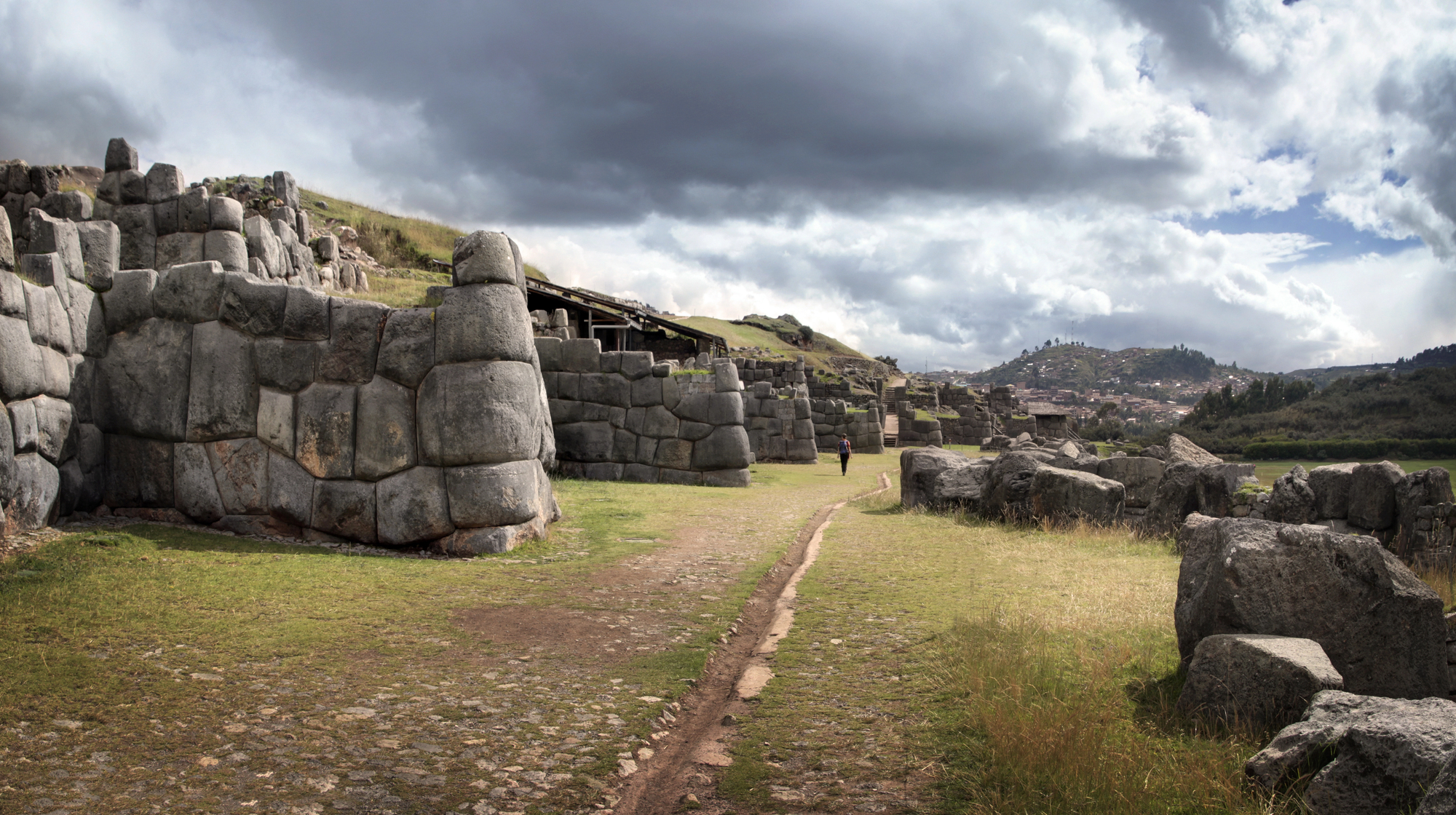
These massive stone walls outside Cusco, Peru, were built by Inca engineers whose techniques for moving ton blocks remain mysterious even today. The precisely fitted stones create walls so tight that you can’t slide a knife blade between them, accomplished without iron tools or wheeled vehicles.
Spanish chroniclers claimed the Inca used workers for decades, yet none of the master builders’ names survived the conquest.
Great Zimbabwe
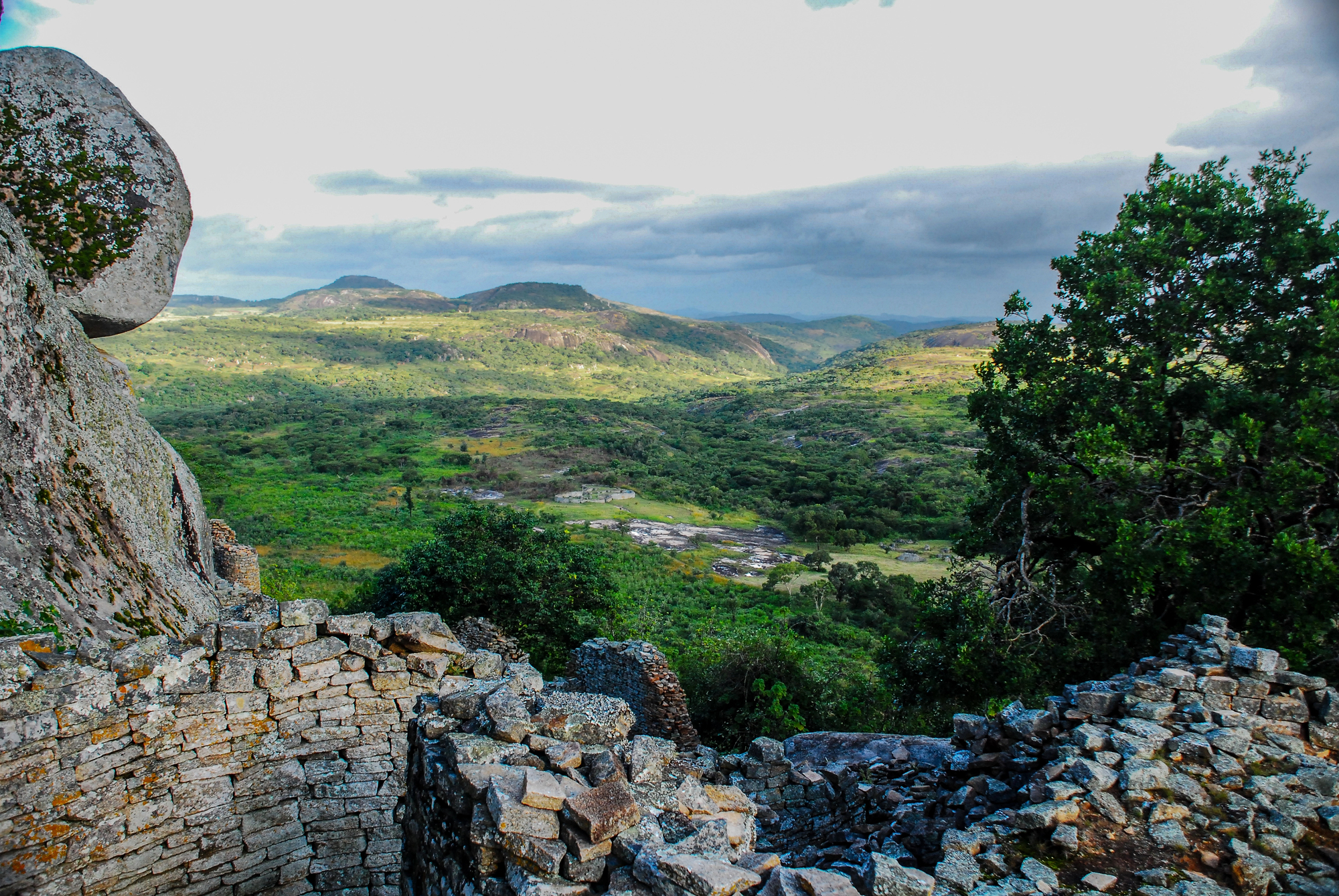
This medieval stone city in southern Africa was built between the and centuries by the Shona people whose architectural achievements impressed early European visitors. The Great Enclosure’s walls stand feet high and were built without mortar, using carefully selected granite blocks.
Portuguese traders who arrived in the century found the city already abandoned, leaving the builders’ identities as mysterious as their construction methods.
Like Go2Tutors’s content? Follow us on MSN.
Ajanta Caves
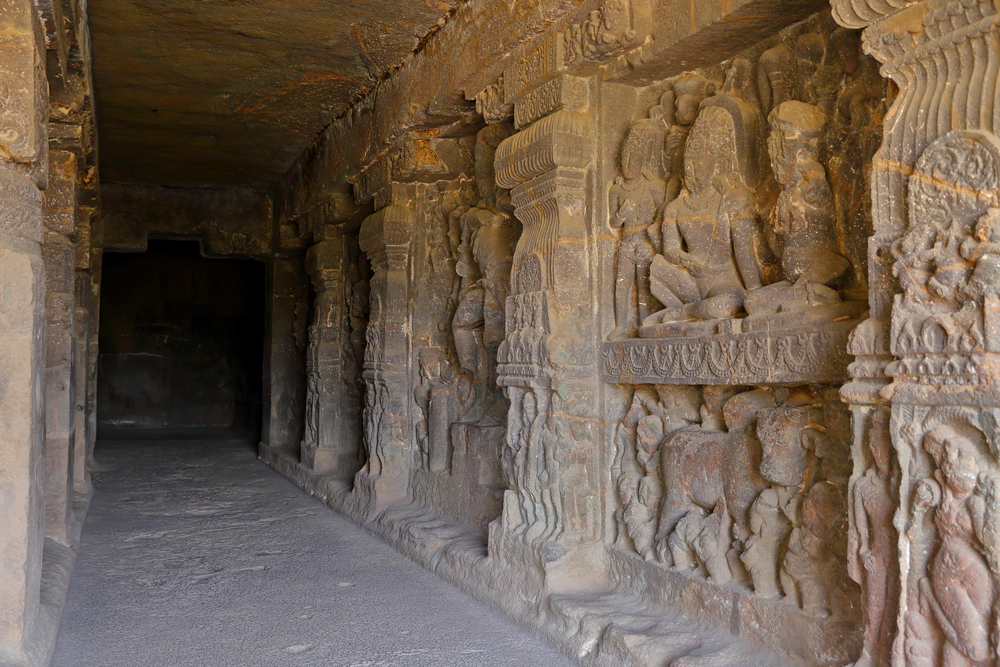
Buddhist monks carved these cave temples into volcanic rock cliffs in western India between the century BCE and the century CE. The unknown artists who painted the elaborate frescoes created some of the world’s finest ancient art, yet their names vanished along with the communities that supported them.
The caves were abandoned and forgotten until British colonial officers rediscovered them in.
Lalibela Churches
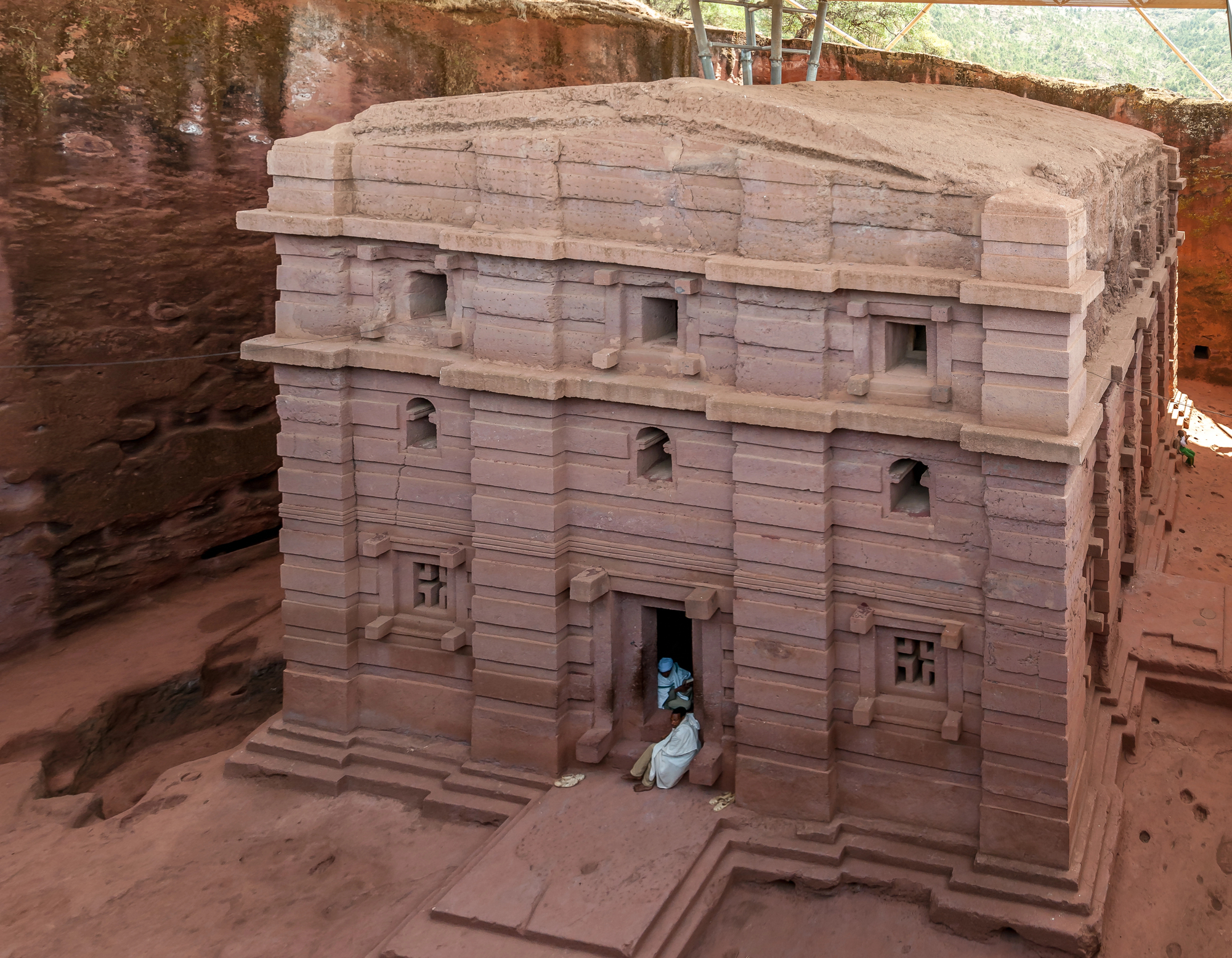
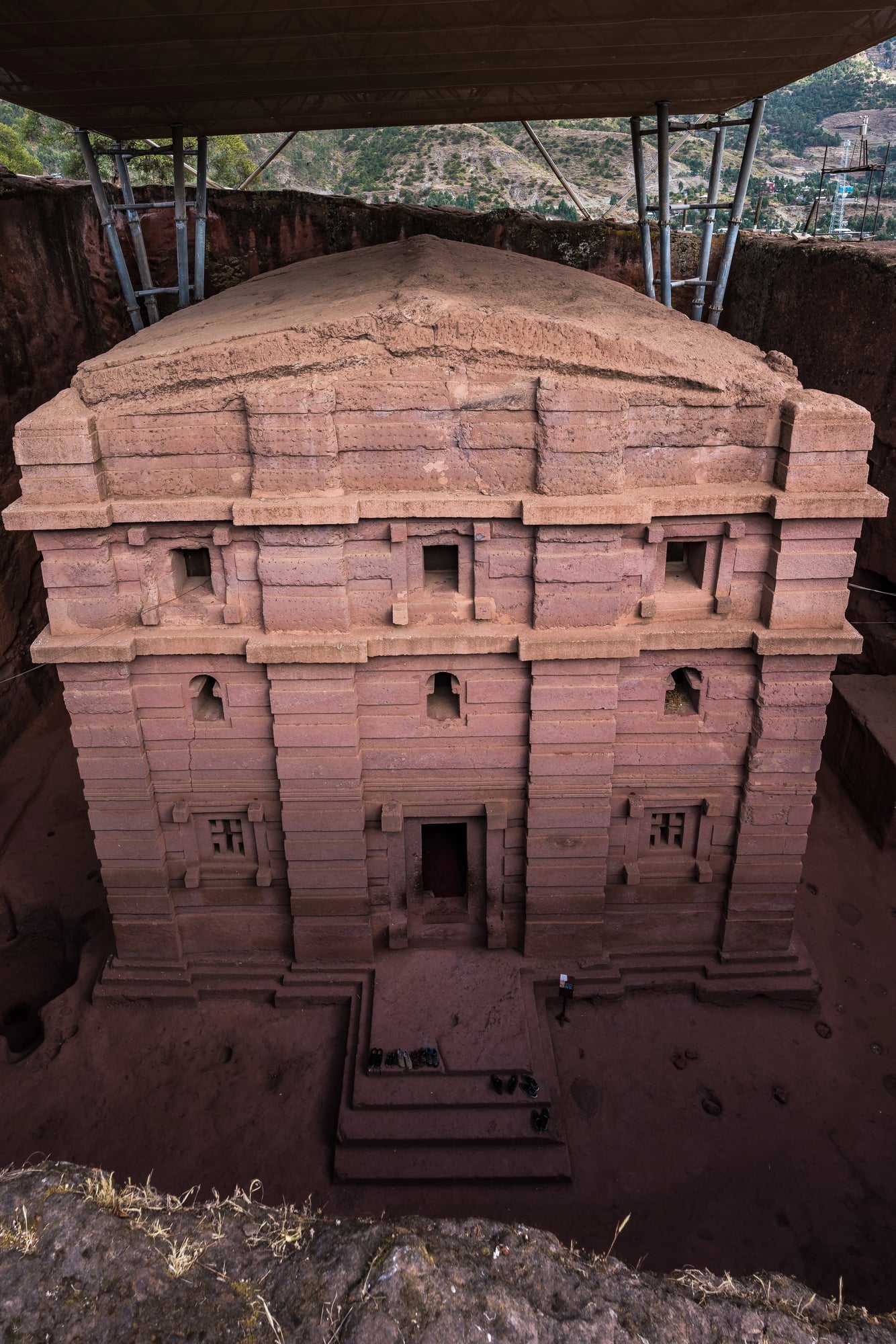
Ethiopian craftsmen carved eleven churches directly into solid volcanic rock during the and centuries, creating one of Christianity’s most remarkable architectural achievements. Local legends claim angels helped with the construction, working at night to complete what human laborers had started during the day.
The builders’ engineering skills allowed them to carve downward from ground level, creating churches that sit below the surrounding landscape.
Broch of Mousa
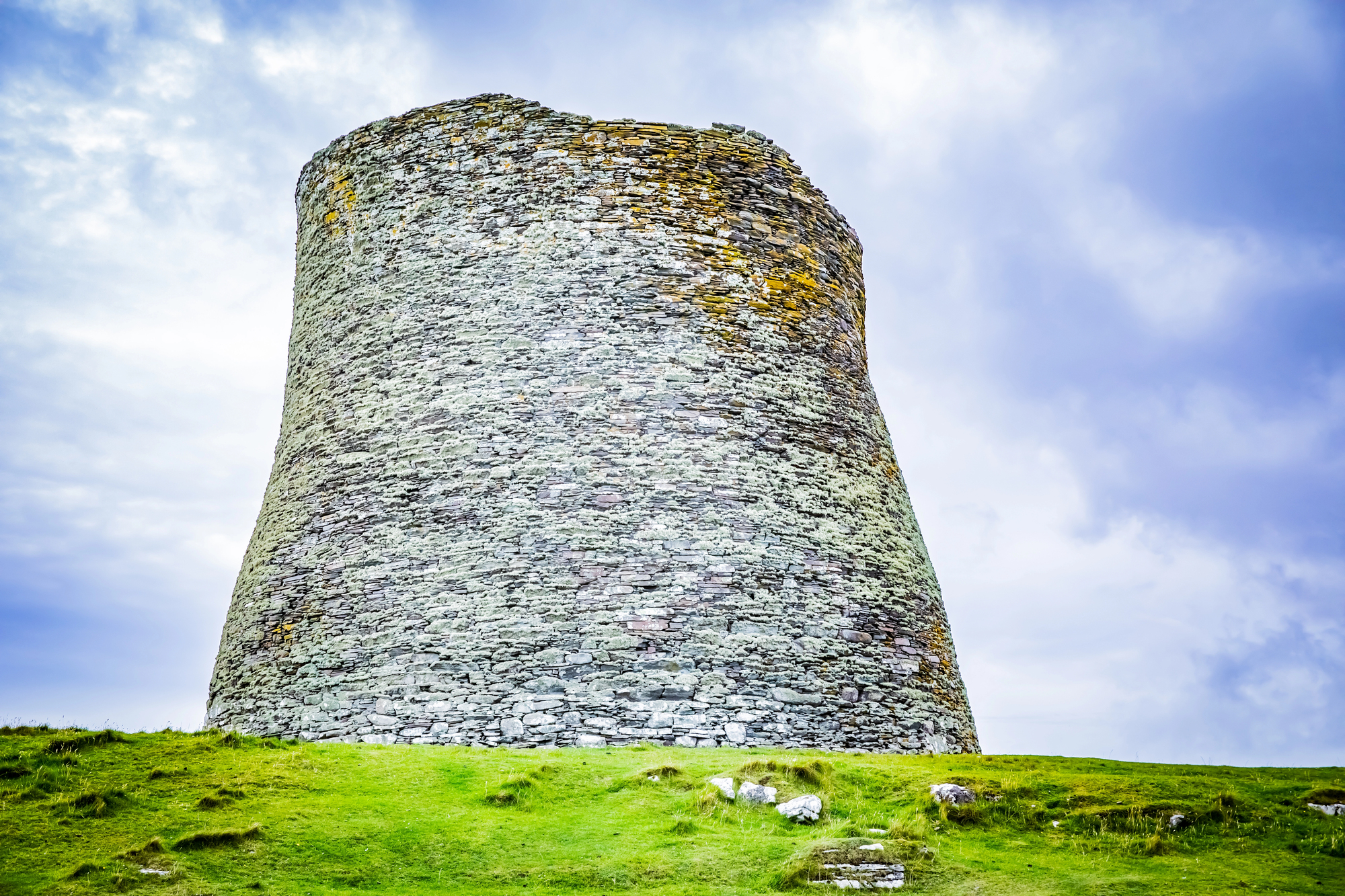
This Iron Age tower on a Scottish island represents the finest surviving example of drystone construction from around BCE. The builders created double walls with internal staircases that spiral up to the foot summit, all without using any mortar whatsoever.
Archaeological evidence suggests these structures served as fortified homes, though the sophisticated building techniques required master craftsmen whose skills exceeded most modern stonemasons.
Like Go2Tutors’s content? Follow us on MSN.
Anonymous Masters of Stone and Vision
These architectural marvels remind us that genius often works without recognition, creating beauty that outlasts empires and civilizations. The unknown builders who raised these monuments possessed mathematical knowledge, engineering expertise, and artistic vision that modern technology still struggles to fully explain.
Their anonymity doesn’t diminish their achievements — instead, it transforms them into universal symbols of human creativity and ambition, proving that the greatest works often emerge from collaborative efforts where individual glory matters less than collective accomplishment.
More from Go2Tutors!

- 16 Restaurant Chains That Went Too Fast
- 12 Things Sold in the 80s That Are Now Illegal
- 15 Strange Things People Have Tried to Ban (And Failed)
- 16 Collectibles People Tossed Out Too Soon
- 17 Myths from Your Childhood That Were Actually Based on Real Things
Like Go2Tutors’s content? Follow us on MSN.