16 Lost Civilizations Found in Unlikely Places
The world’s most fascinating archaeological discoveries often happen in the most unexpected locations. While we might expect ancient ruins in well-known historical regions, some of the most remarkable civilizations have been unearthed in places that completely surprised researchers.
Here is a list of 16 lost civilizations that emerged from the most unlikely corners of our planet, each one rewriting what we thought we knew about human history.
Derinkuyu Underground City
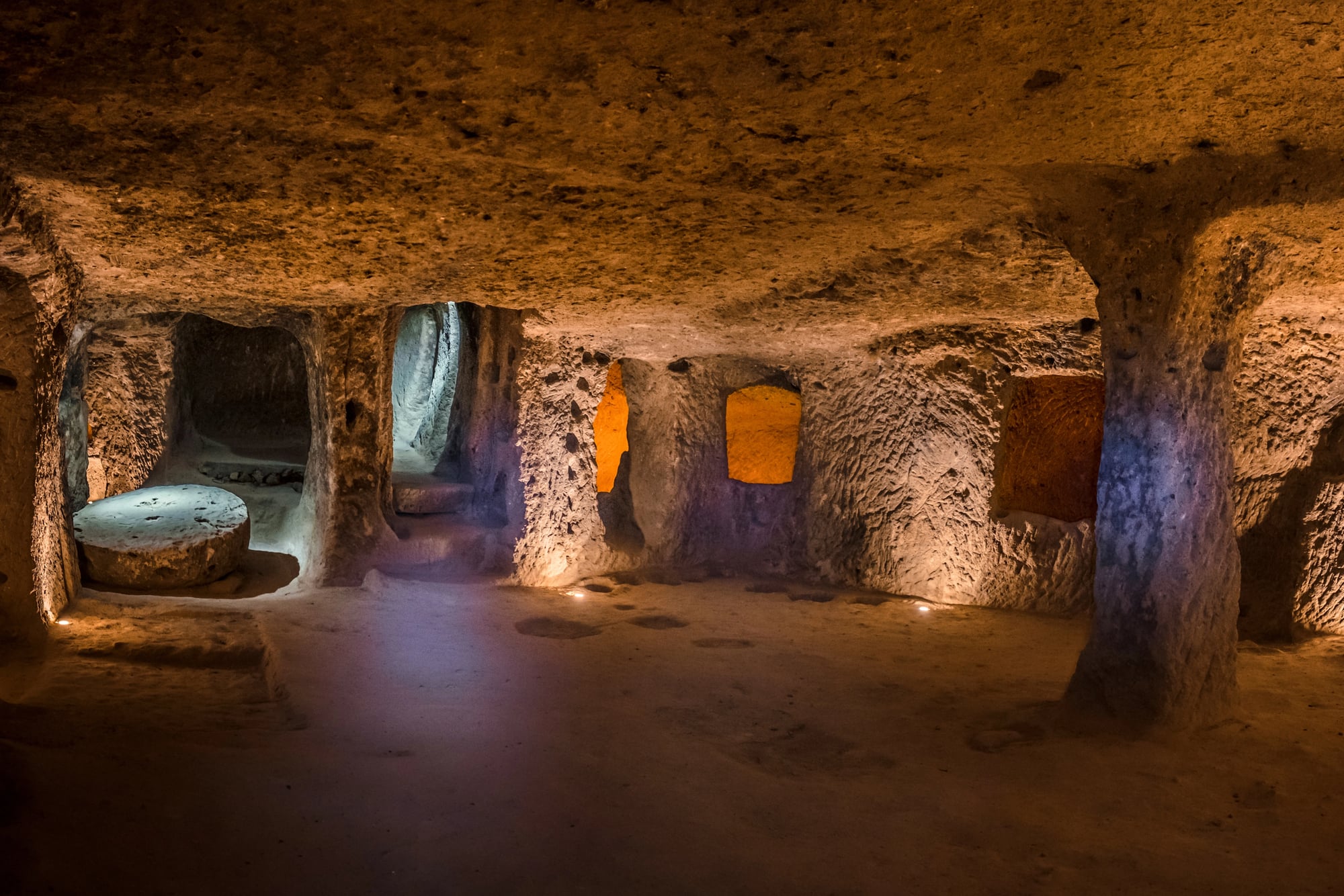
Beneath the rolling hills of Turkey’s Cappadocia region lies one of the most mind-boggling discoveries in archaeology. A homeowner renovating his basement in 1963 broke through a wall and found himself staring into a vast underground network that could house 20,000 people.
The city descends 18 stories deep and includes everything from stables to chapels, with an intricate ventilation system that still works today.
Poverty Point

Louisiana’s Mississippi River delta seems like an unlikely spot for a major ancient civilization, but Poverty Point proves otherwise. This 3,400-year-old site features massive earthen mounds and ridges that form intricate geometric patterns visible only from the air.
The sophistication of their trade networks rivaled anything in North America at the time, with artifacts found from as far away as the Great Lakes.
Like Go2Tutors’s content? Follow us on MSN.
Cahokia
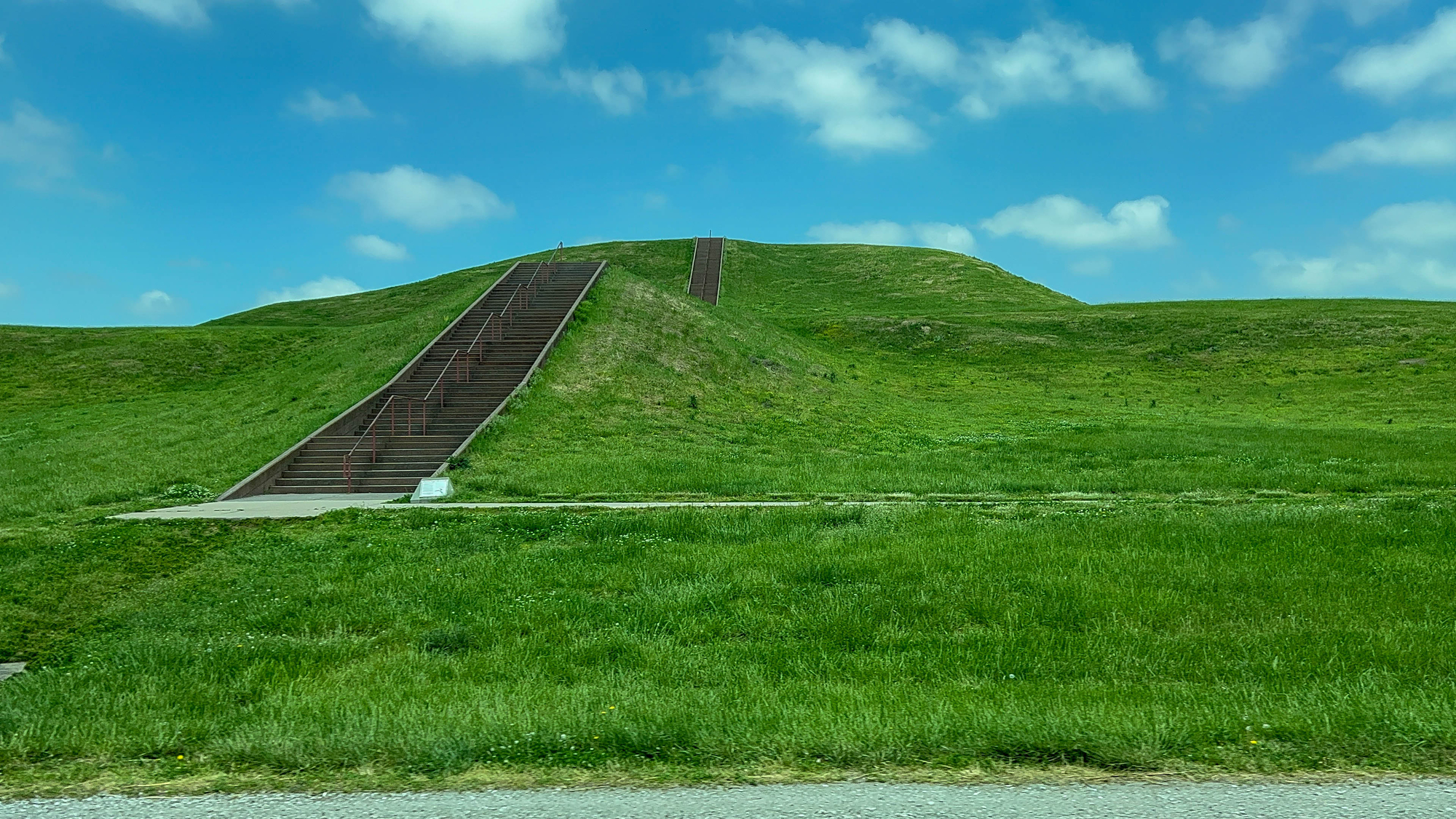
Most Americans have never heard of the largest city that once existed north of Mexico, yet Cahokia thrived near present-day St. Louis around 1050 AD. At its peak, this metropolis housed more people than London did at the same time.
The centerpiece Monks Mound still towers over the Illinois landscape, larger at its base than the Great Pyramid of Giza.
Great Zimbabwe
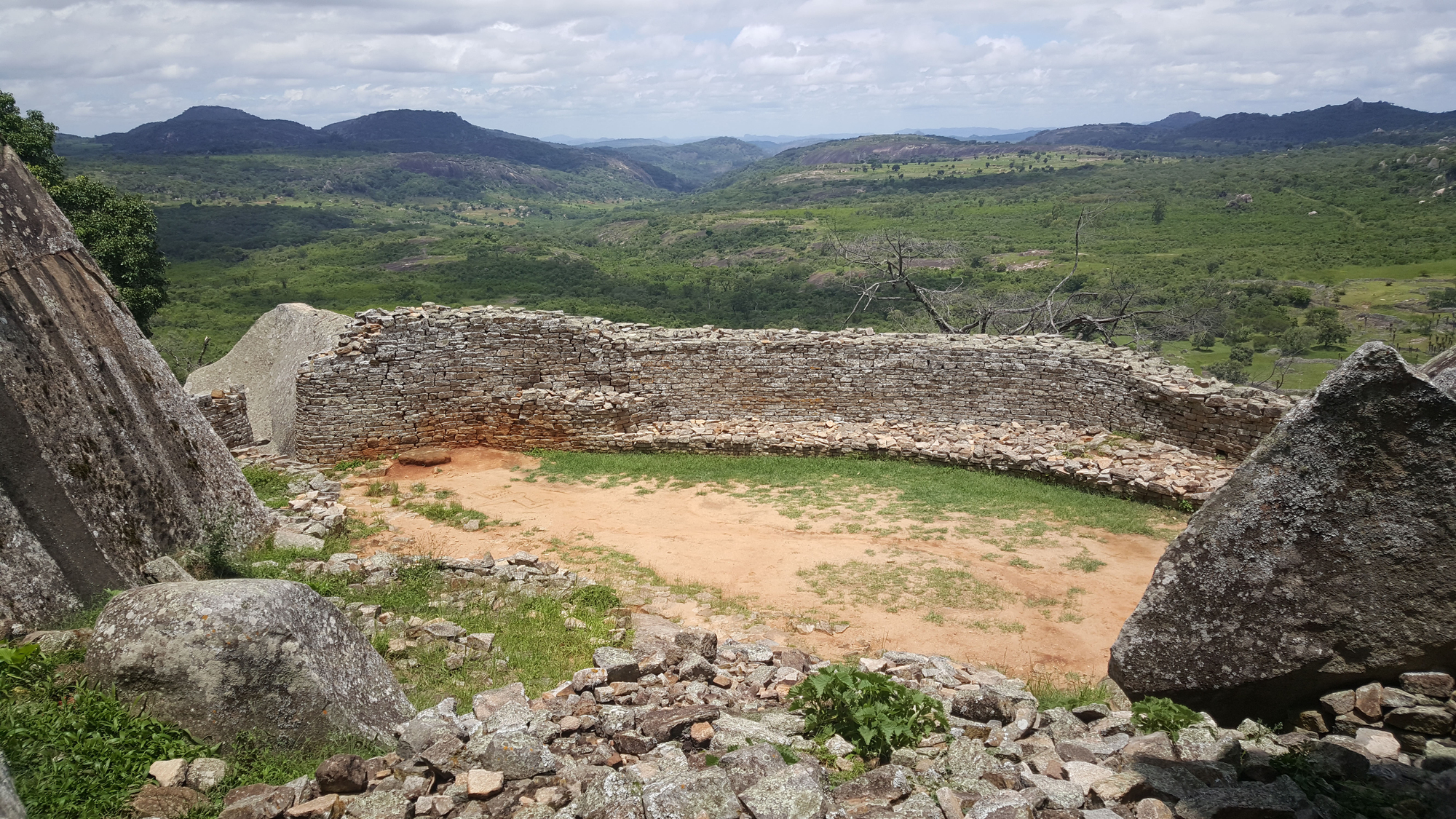
The name Zimbabwe comes from this incredible stone city that flourished in southern Africa between the 11th and 15th centuries. European colonizers refused to believe Africans could have built such sophisticated structures, creating elaborate theories about foreign builders.
The reality is far more impressive: the Shona people created a trading empire that connected the African interior to ports on the Indian Ocean.
Nan Madol
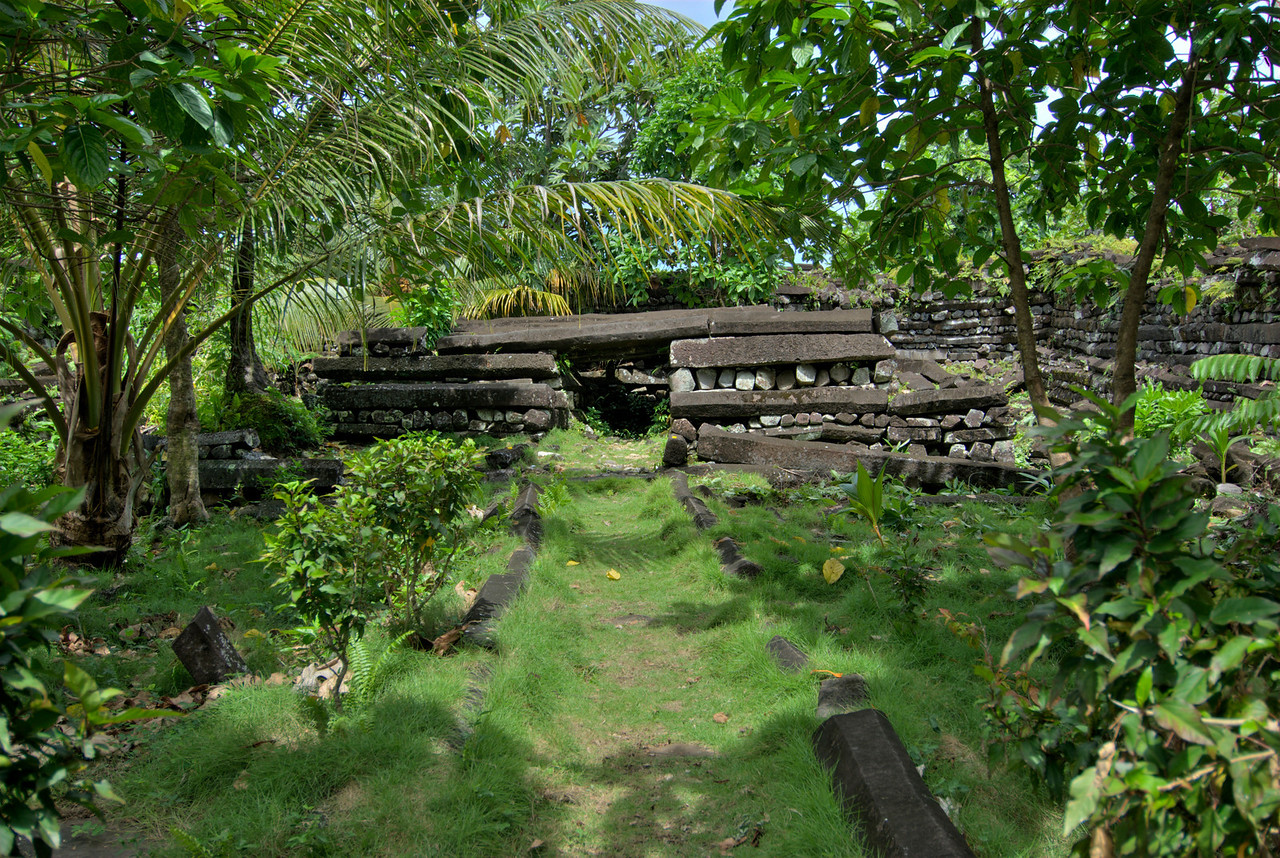
In the middle of the Pacific Ocean, on the remote island of Pohnpei, sits a ‘Venice of the Pacific’ that defies explanation. Nan Madol consists of nearly 100 artificial islands connected by canals, built from massive basalt columns that weigh up to 50 tons each.
How the builders transported these enormous stones without modern machinery remains one of archaeology’s greatest puzzles.
Like Go2Tutors’s content? Follow us on MSN.
Göbekli Tepe
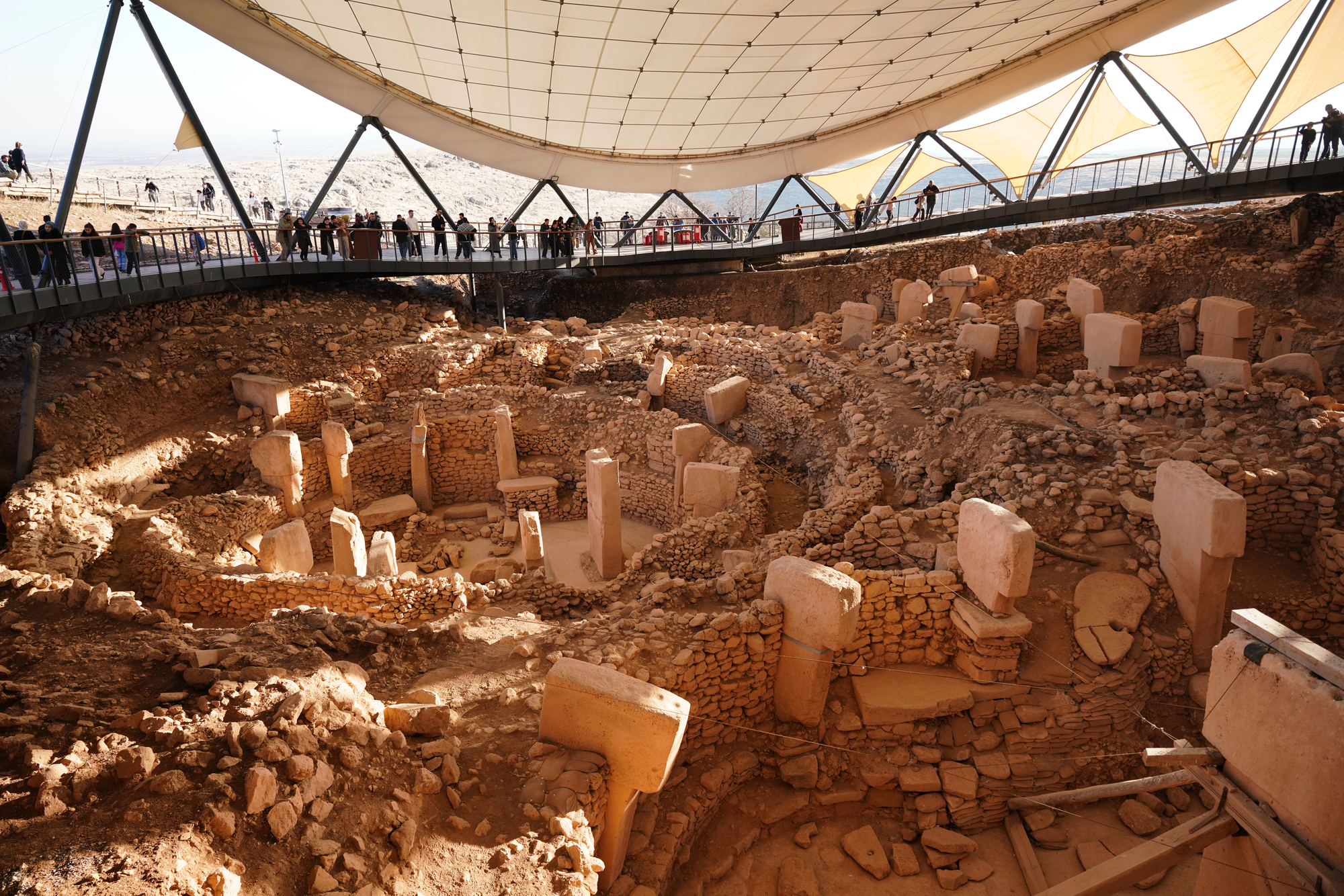
A hilltop in southeastern Turkey turned archaeology on its head when excavations revealed structures that predate Stonehenge by 6,000 years. Göbekli Tepe was built by hunter-gatherers who supposedly lacked the social organization for such monumental construction.
The site forced researchers to completely rethink the timeline of human civilization and the development of organized religion.
Skara Brae
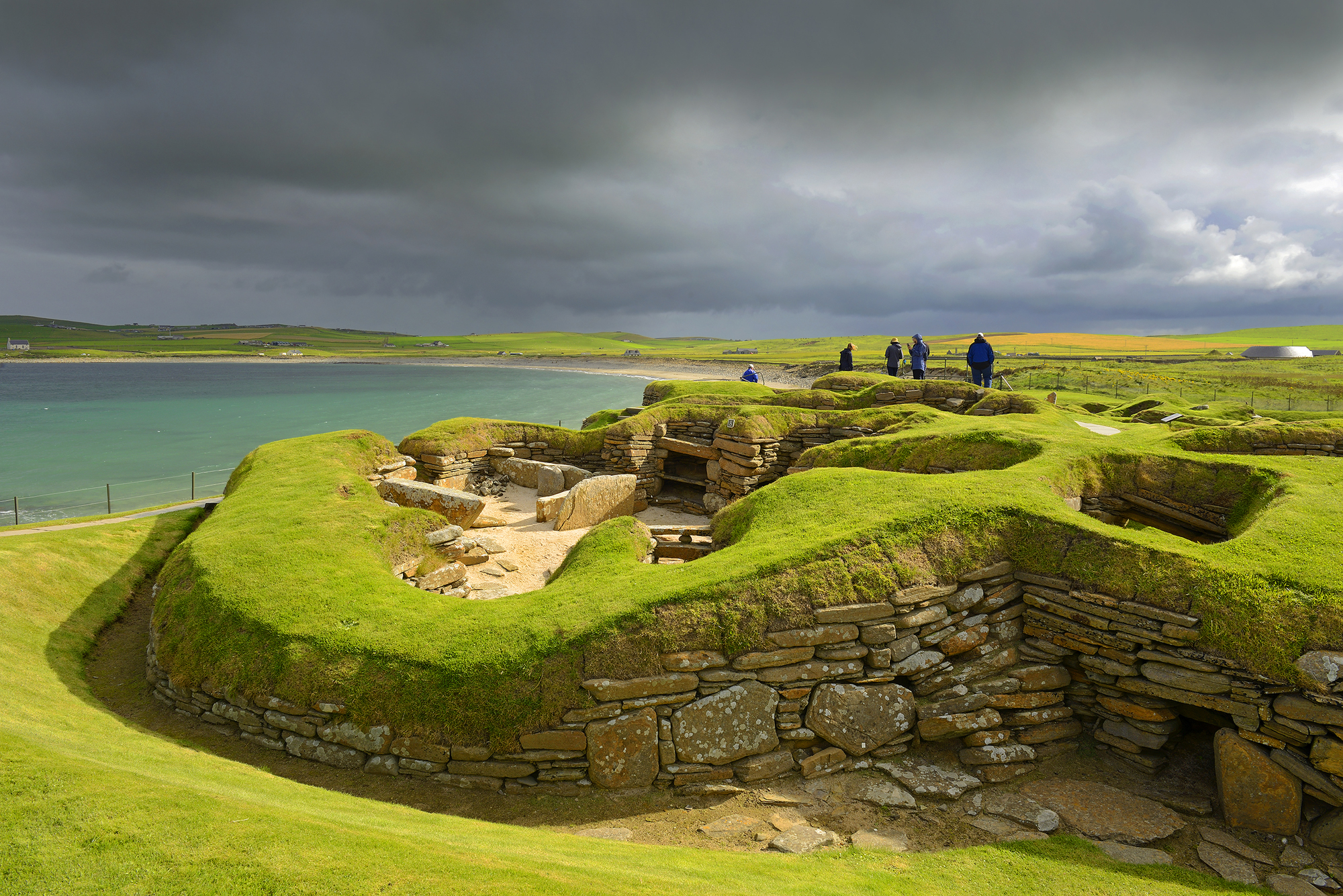
Scotland’s Orkney Islands seem like an odd place for Europe’s best-preserved Neolithic village, but Skara Brae survived for 5,000 years under dunes until a storm exposed it in 1850. The stone furniture and sophisticated drainage systems show that these ancient Scots lived more comfortably than many medieval Europeans.
Each house even had its stone dresser and bed.
Caral
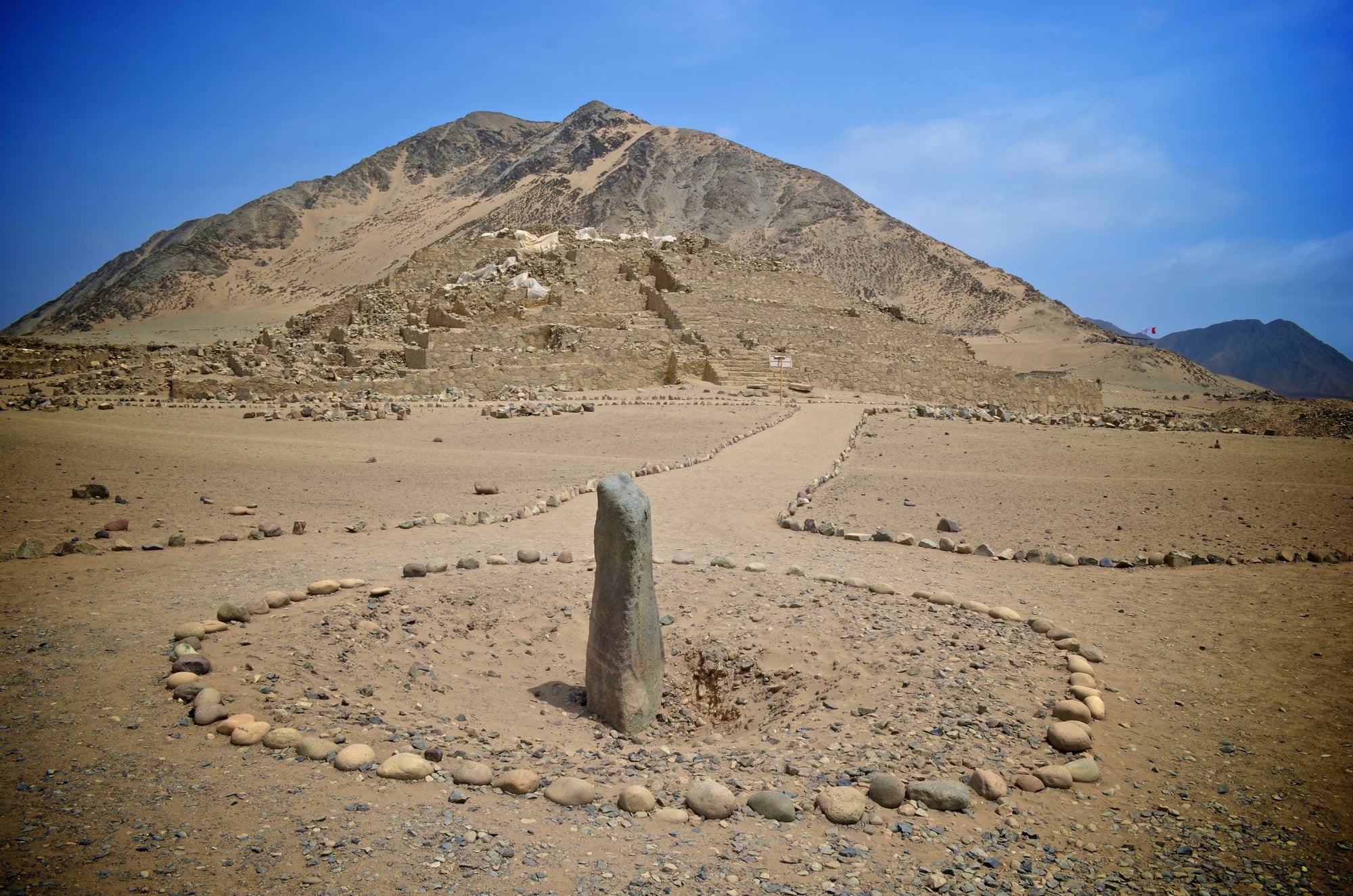
Peru’s coastal desert doesn’t look like prime real estate for civilization, but Caral proves that looks can be deceiving. Dating back 4,600 years, this city predates the Egyptian pyramids and represents the oldest known civilization in the Americas.
The inhabitants developed complex irrigation systems and created musical instruments while most of the world was still figuring out agriculture.
Like Go2Tutors’s content? Follow us on MSN.
Monte Verde
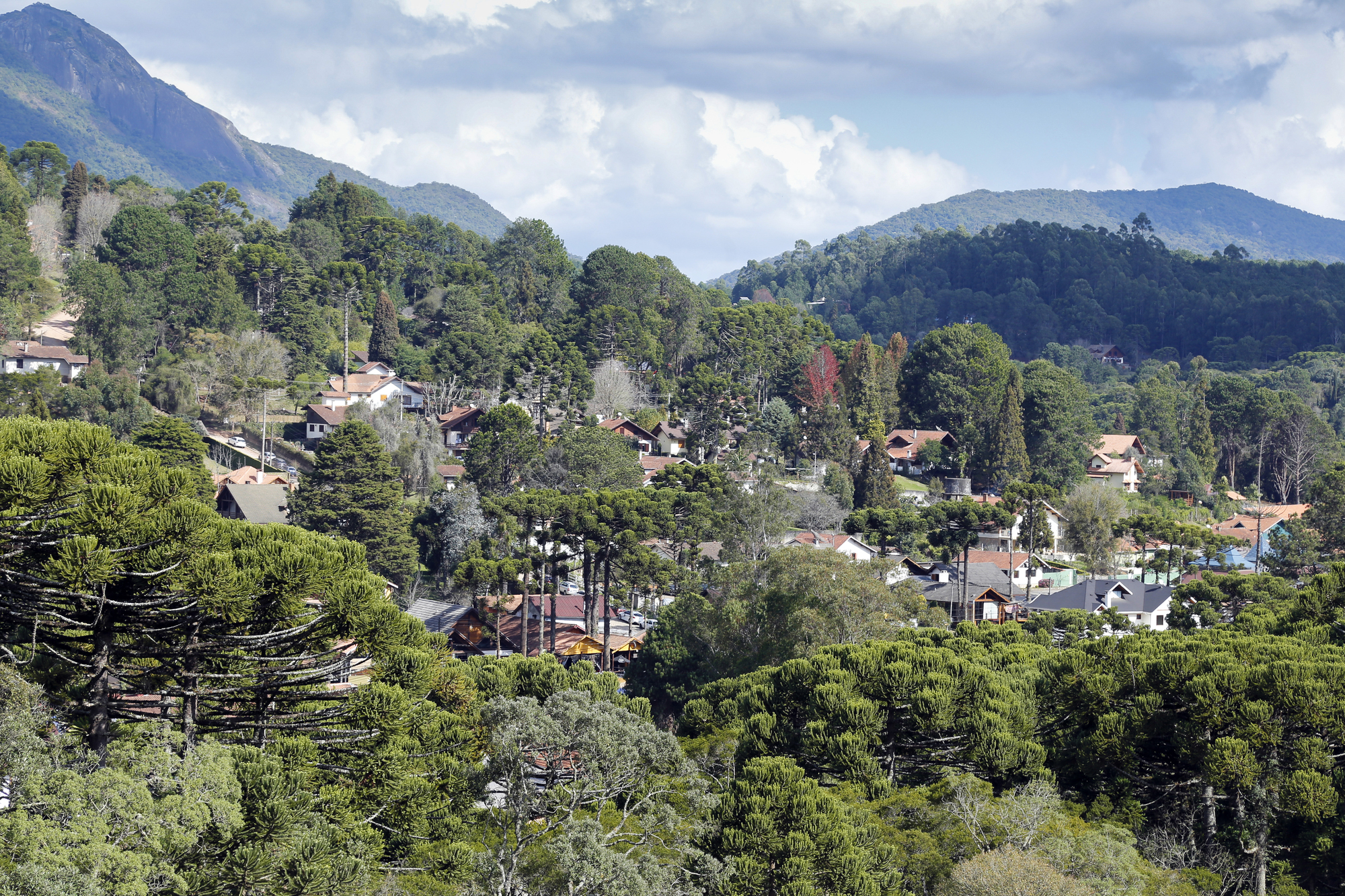
A bog in southern Chile became the site that revolutionized our understanding of human migration to the Americas. Monte Verde’s 14,800-year-old artifacts pushed back the arrival of humans in South America by thousands of years.
The waterlogged conditions preserved everything from wooden tools to mastodon meat, creating a time capsule that challenged the Clovis-first theory.
L’Anse aux Meadows
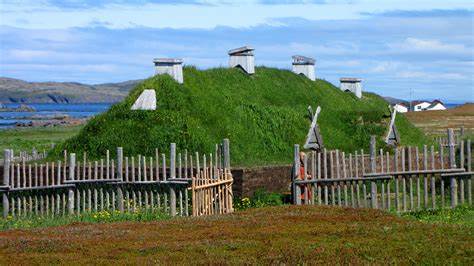
Newfoundland’s windswept coast seems like the last place you’d expect to find Vikings, but L’Anse aux Meadows proved that Norse explorers reached North America 500 years before Columbus. The archaeological evidence includes iron nails, a bronze pin, and the remains of buildings that match Icelandic construction techniques.
This remote outpost represents the westernmost reach of Viking expansion.
Hamoukar
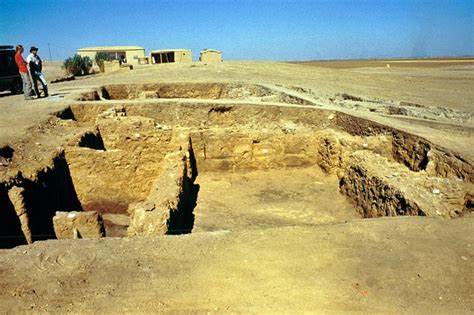
Syria’s modern conflicts overshadow the fact that this region witnessed one of humanity’s earliest urban battles 5,500 years ago. Hamoukar shows evidence of the world’s first known warfare between city-states, complete with sling bullets and collapsed walls.
The site reveals that large-scale organized violence appeared much earlier in human history than previously thought.
Like Go2Tutors’s content? Follow us on MSN.
Dholavira
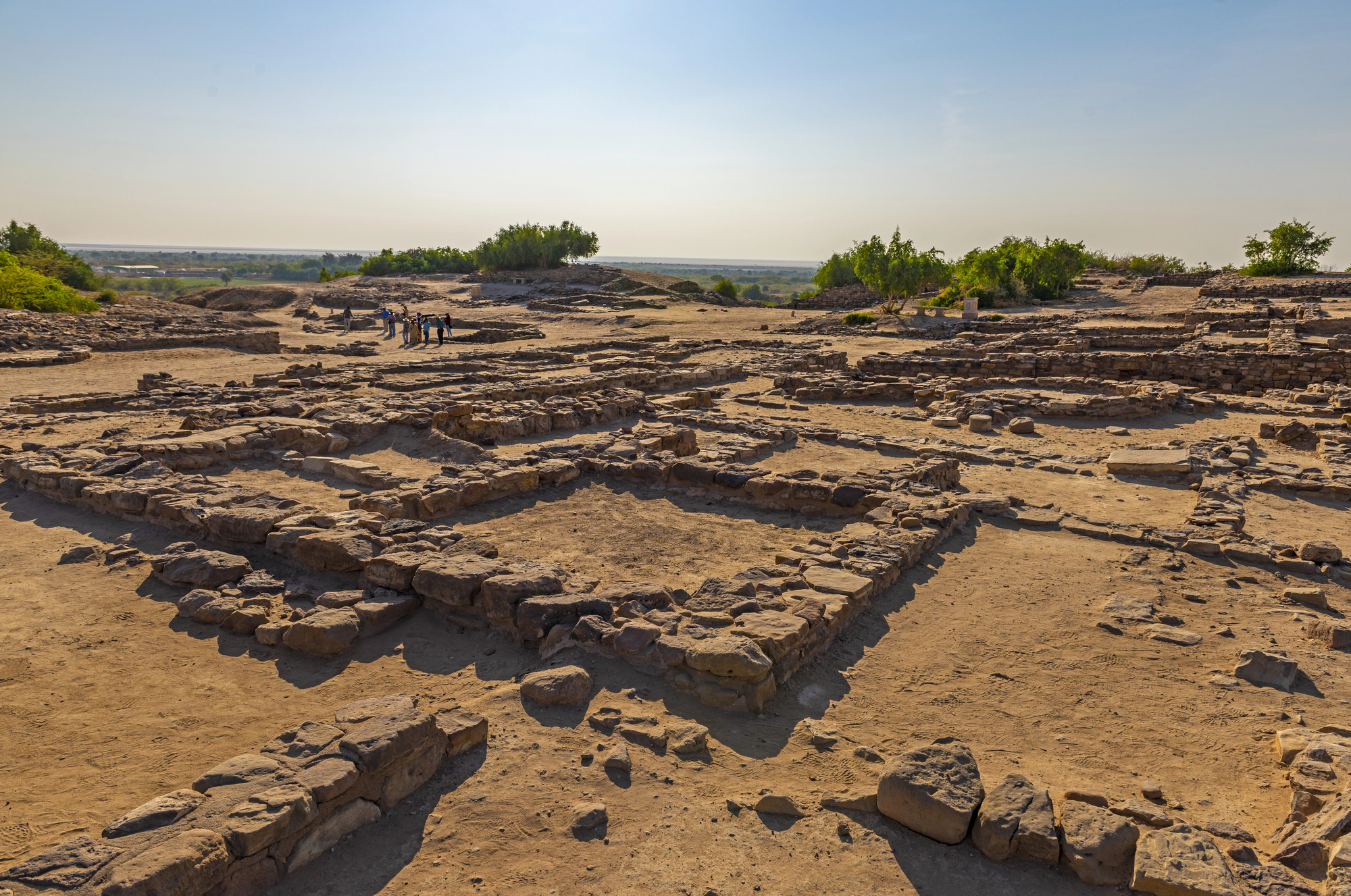
The Thar Desert of western India hardly seems like prime real estate, but the Harappan civilization built one of their most sophisticated cities there 4,500 years ago. Dholavira featured advanced water management systems that collected and stored monsoon rains in massive reservoirs.
The city’s elaborate gates and plazas suggest a highly organized society that thrived in one of the world’s most challenging environments.
Saksaywaman
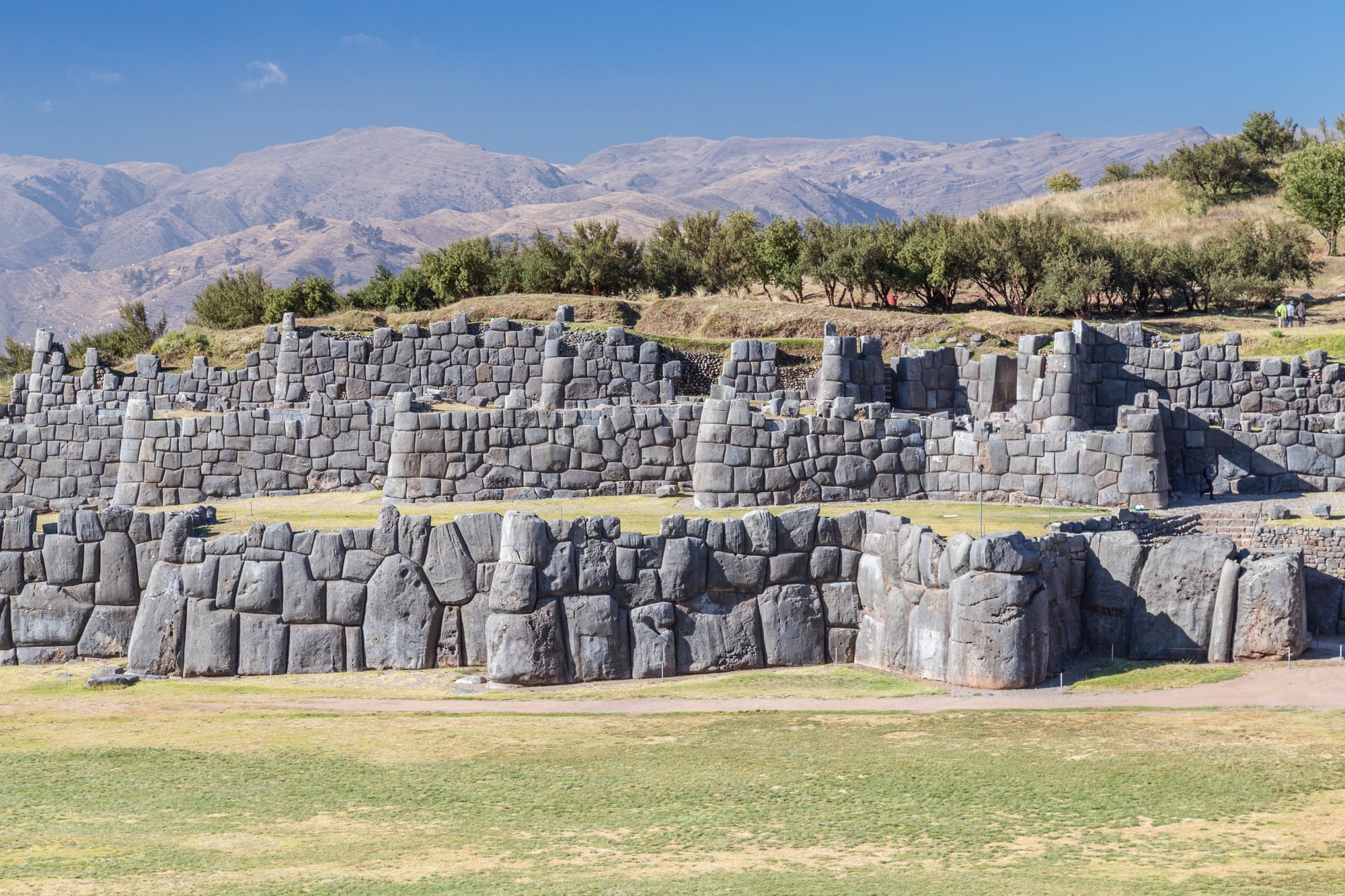
High in the Andes above Cusco, Peru, sits a fortress that showcases engineering skills that would challenge modern builders. The massive stone blocks fit together so perfectly that you can’t slip a knife blade between them, despite some weighing over 100 tons.
The precision of the construction, achieved without metal tools or wheels, continues to puzzle archaeologists and engineers alike.
Newgrange
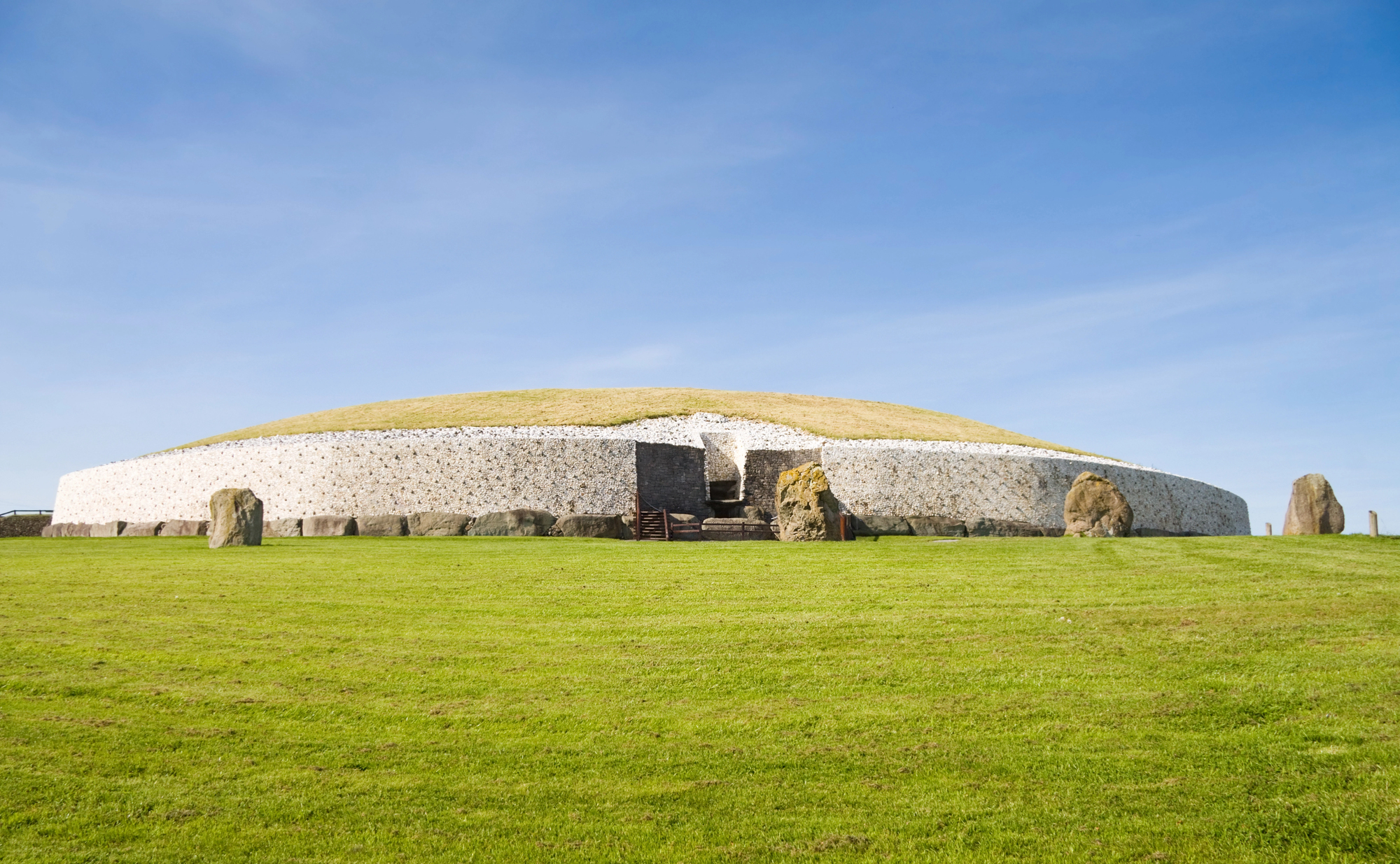
Ireland’s green countryside hides one of the world’s most sophisticated ancient observatories. Built 5,200 years ago, Newgrange is older than Stonehenge and the Egyptian pyramids, yet its builders created a structure that perfectly captures the winter solstice sunrise.
For just 17 minutes each year, sunlight penetrates the narrow opening and illuminates the inner chamber in a spectacular display of ancient astronomy.
Like Go2Tutors’s content? Follow us on MSN.
Angkor
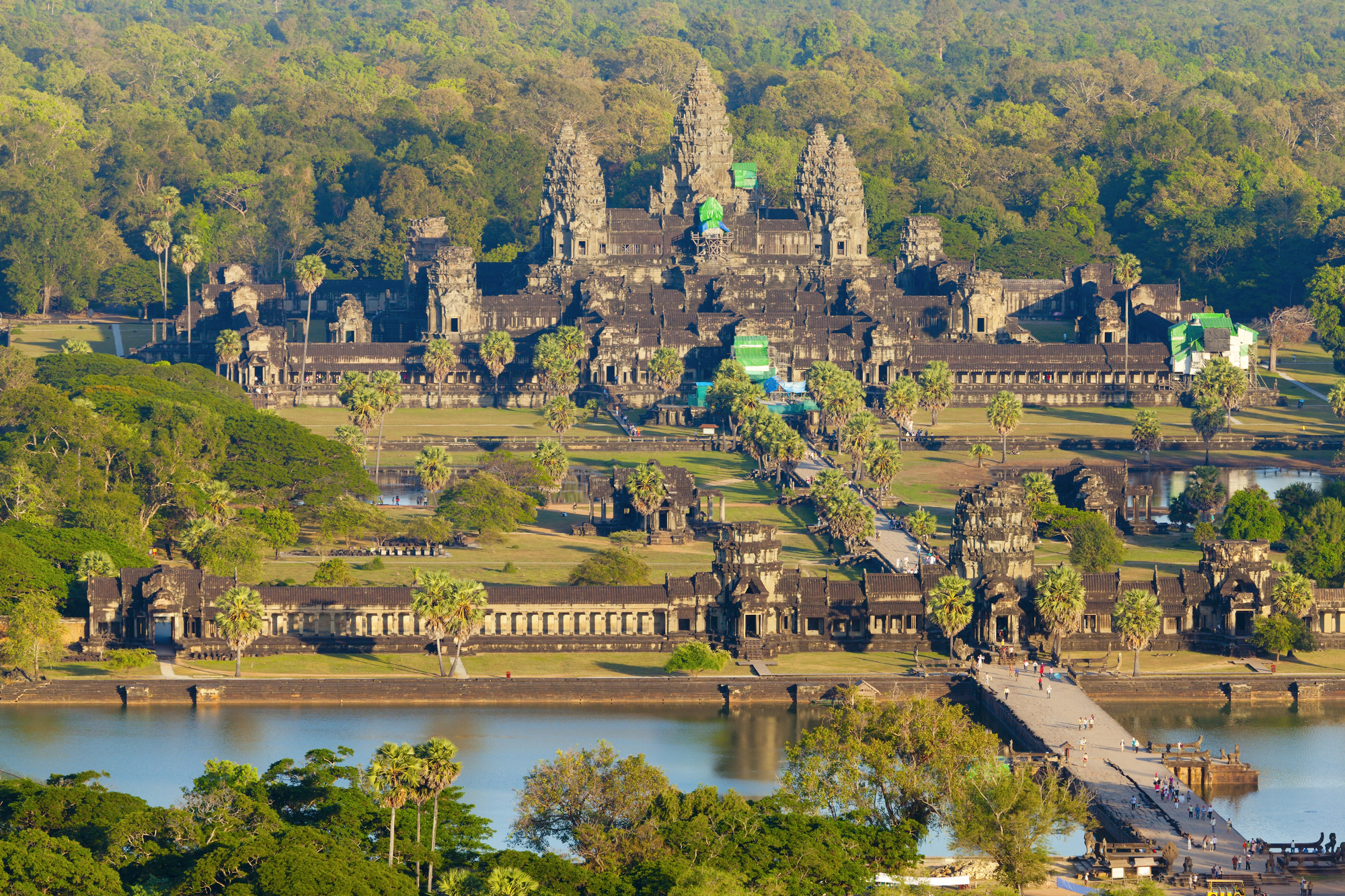
Cambodia’s jungle swallowed the world’s largest pre-industrial city, hiding Angkor from the outside world for centuries. At its peak around 1200 AD, this metropolis covered 400 square miles and housed over one million people.
The sophisticated hydraulic system that sustained this massive population included canals, reservoirs, and dikes that managed water across the entire region.
Mesa Verde
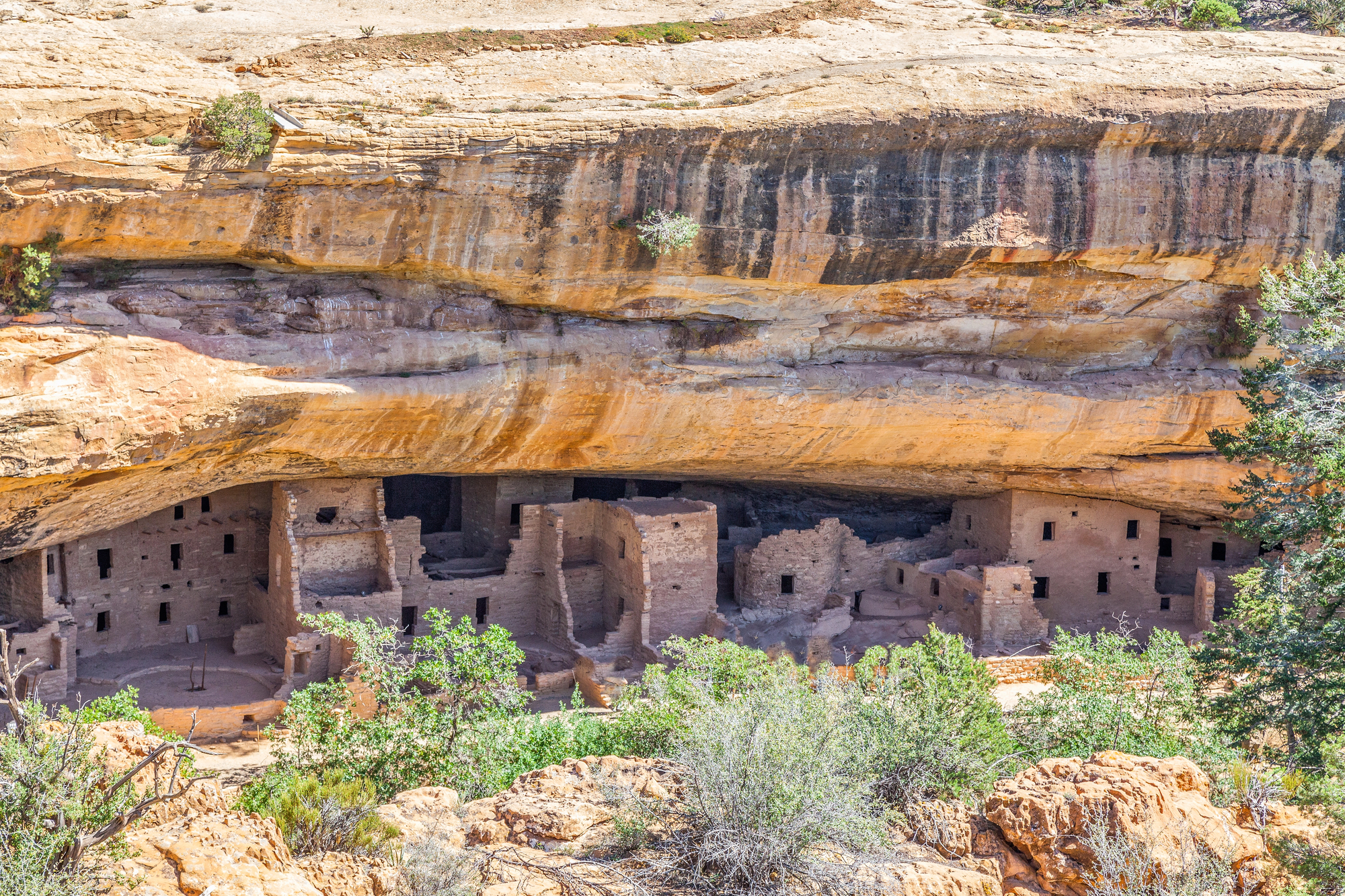
Colorado’s high desert plateaus became home to some of North America’s most remarkable cliff dwellings. The Ancestral Puebloans built entire cities into alcoves in canyon walls, creating communities that were nearly invisible from the surrounding landscape.
Cliff Palace alone contains 150 rooms and 23 ceremonial chambers, all constructed without modern tools in locations that would challenge today’s rock climbers.
When the Past Reshapes the Present

These discoveries remind us that human ingenuity has flourished in every corner of the globe throughout history. Each unexpected find forces archaeologists to revise their theories and expand their understanding of what ancient peoples could accomplish.
The most exciting part is that new technologies like satellite imagery and ground-penetrating radar are revealing even more surprises, suggesting that our planet still holds countless secrets waiting to be discovered. As we continue to explore unlikely places, we’re bound to uncover civilizations that will once again challenge everything we think we know about our ancestors.
Like Go2Tutors’s content? Follow us on MSN.
More from Go2Tutors!

- 18 Unexpectedly Valuable Collectibles You Might Have Lying Around
- 20 Little-Known Historical Battles That Had Huge Consequences
- 20 Historical Artifacts That Scientists Can’t Explain
- 15 Inventions That Were Immediately Banned After Being Created
- 20 Actors Who Were Almost Cast in Iconic Roles
Like Go2Tutors’s content? Follow us on MSN.