18 Scientific Discoveries Made by Complete Accident
Science has this funny way of surprising us when we least expect it. While researchers spend countless hours following careful procedures and testing hypotheses, some of the most groundbreaking discoveries happened because someone spilled something, forgot to clean up, or noticed something totally unrelated to what they were actually trying to figure out.
These happy accidents changed the world in ways their discoverers never imagined. Here is a list of 18 scientific discoveries that happened by complete accident.
Penicillin
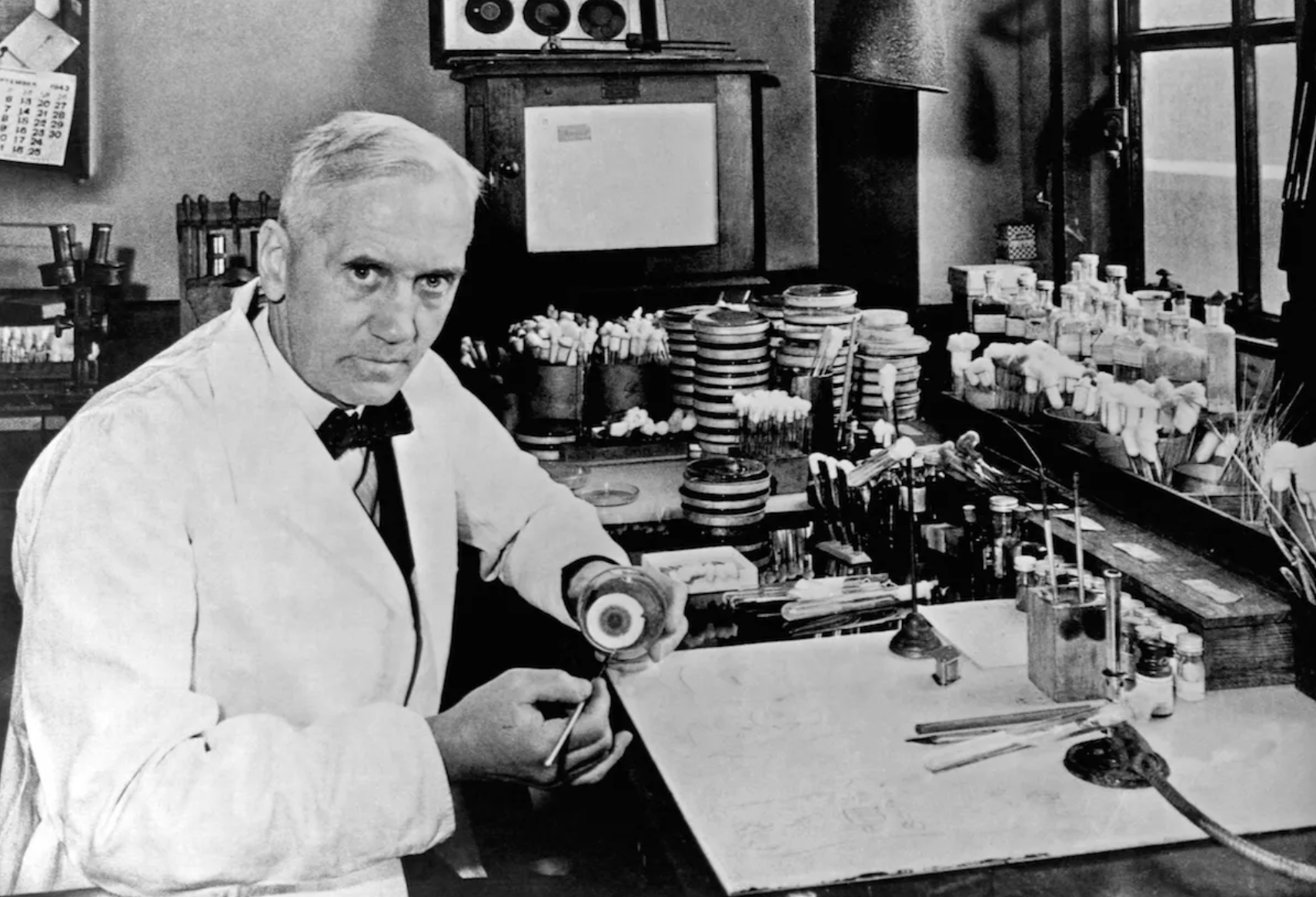
Alexander Fleming left a petri dish uncovered by mistake in 1928, and mold contaminated his bacterial cultures. Instead of tossing the ruined experiment, he noticed that the bacteria around the mold had died off completely.
This sloppy lab work led to the discovery of the world’s first antibiotic, saving millions of lives and revolutionizing medicine forever.
X-Rays
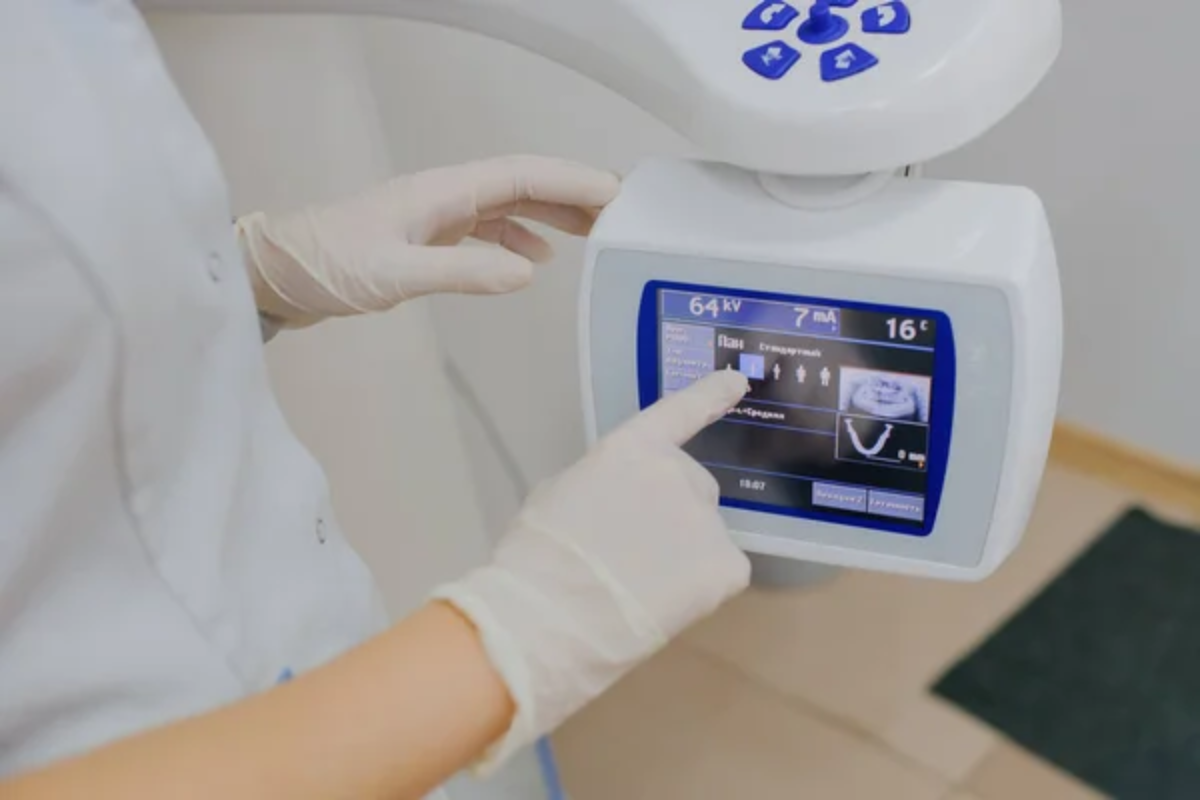
Wilhelm Roentgen was experimenting with cathode rays in 1895 when he noticed a fluorescent screen glowing across the room, even though his equipment was covered. He had no idea what was causing this mysterious radiation, so he called them ‘X-rays’ for the unknown factor.
His accidental discovery gave doctors the ability to see inside the human body without surgery.
Microwave Cooking
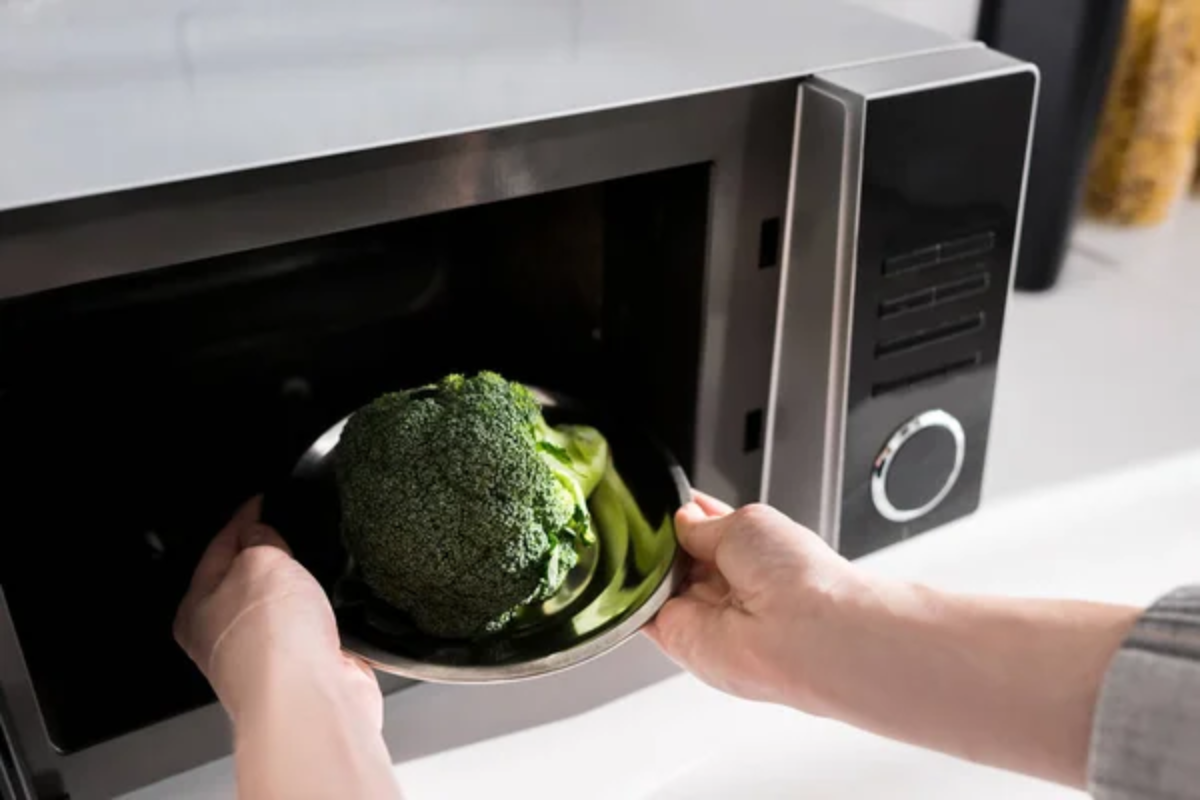
Percy Spencer was testing radar equipment in 1945 when the chocolate bar in his pocket melted from the microwave radiation. Instead of just buying a new candy bar, he experimented with popcorn kernels and an egg, both of which cooked rapidly.
His curiosity about melted chocolate led to kitchen appliances that would change how people prepare food worldwide.
Velcro

George de Mestral got annoyed by burr seeds sticking to his dog’s fur during a 1941 hunting trip. Under a microscope, he discovered the seeds had tiny hooks that grabbed onto the loops in fabric and fur.
His frustration with nature’s clingy seeds inspired a fastening system used in everything from shoes to space suits.
Post-it Notes

Spencer Silver was trying to create a super-strong adhesive in 1968 but ended up with a weak, repositionable glue instead. His ‘failed’ adhesive sat unused for years until his colleague Art Fry needed bookmarks that wouldn’t fall out of his hymnal.
Their accidental invention became one of the most popular office supplies in history.
Saccharin
Constantin Fahlberg forgot to wash his hands after working with coal tar derivatives in 1879 and noticed his dinner tasted unusually sweet. He traced the sweetness back to compounds on his unwashed fingers from the lab.
His poor hygiene habits led to the discovery of the first artificial sweetener, launching an entire industry of sugar substitutes.
LSD
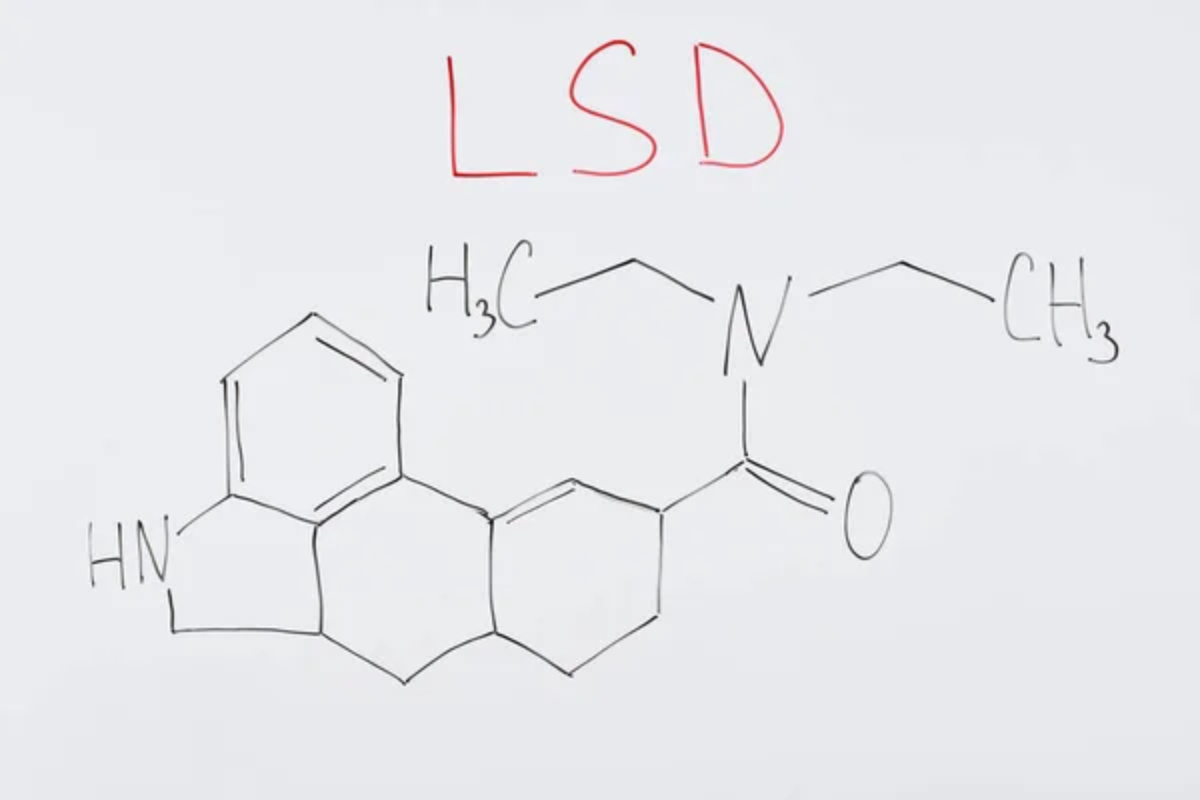
Albert Hofmann accidentally absorbed a small amount of lysergic acid diethylamide through his fingertips in 1943 while synthesizing compounds for migraine research. He experienced the world’s first intentional LSD trip and realized he had discovered a powerful psychoactive substance.
His laboratory accident opened up decades of research into consciousness and brain chemistry.
Teflon
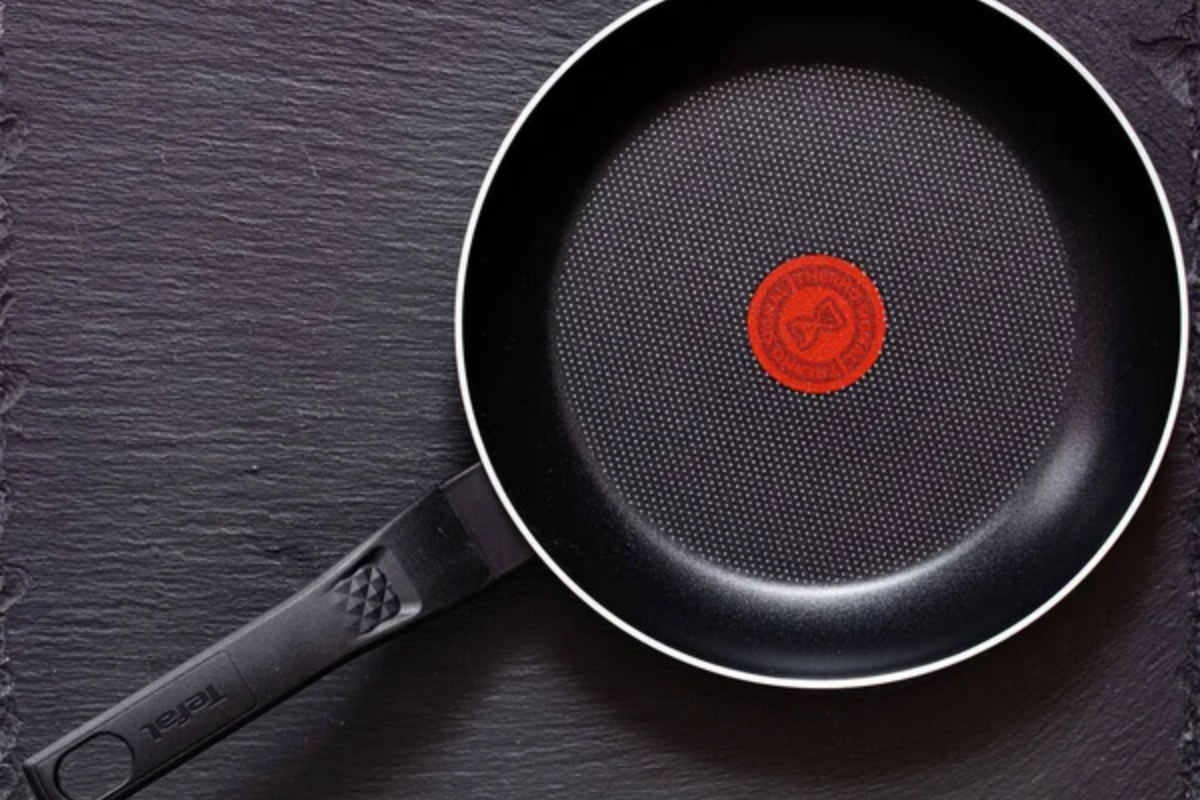
Roy Plunkett was trying to create a new refrigerant gas in 1938 when his pressurized container mysteriously emptied overnight. Inside, he found a slippery white powder that nothing would stick to, including acids and heat.
His failed refrigerant experiment produced the non-stick coating that revolutionized cookware and countless industrial applications.
Vulcanized Rubber
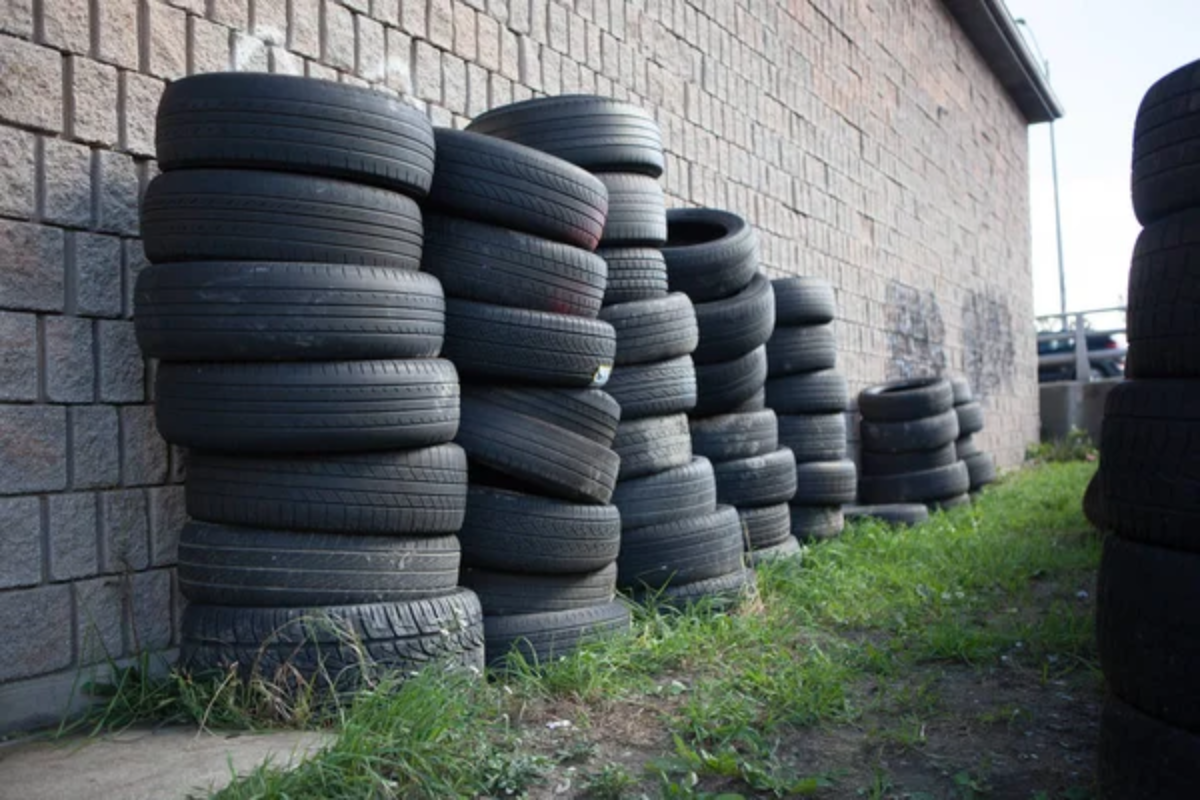
Charles Goodyear accidentally dropped a mixture of rubber and sulfur onto a hot stove in 1839. Instead of melting into goo-like regular rubber, the heated mixture became flexible and strong.
His kitchen mishap created weather-resistant rubber that made modern tires, boots, and countless other products possible.
Safety Glass
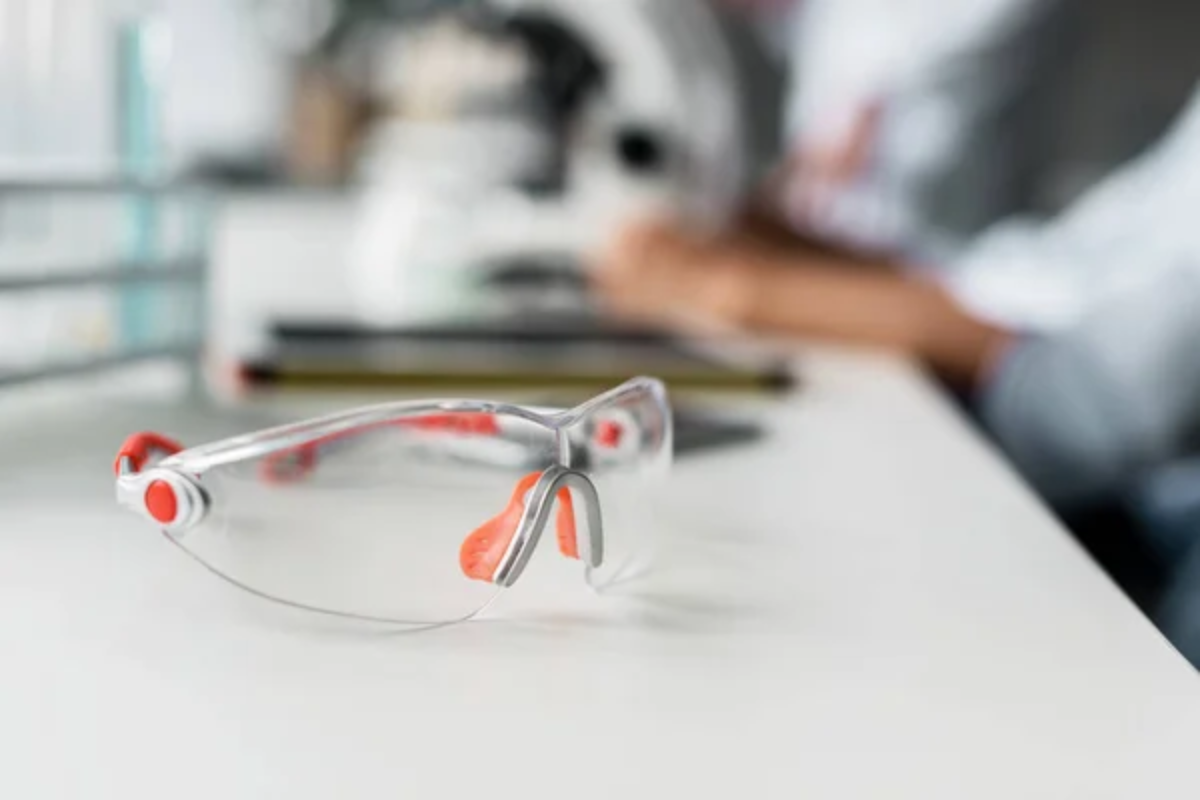
Édouard Bénédictus knocked a glass flask off his laboratory bench in 1903, and it shattered but held together instead of breaking into dangerous pieces. The flask had contained cellulose nitrate, which had dried and formed an invisible coating inside the glass.
His clumsy moment led to shatterproof glass used in car windshields and safety equipment.
Dynamite
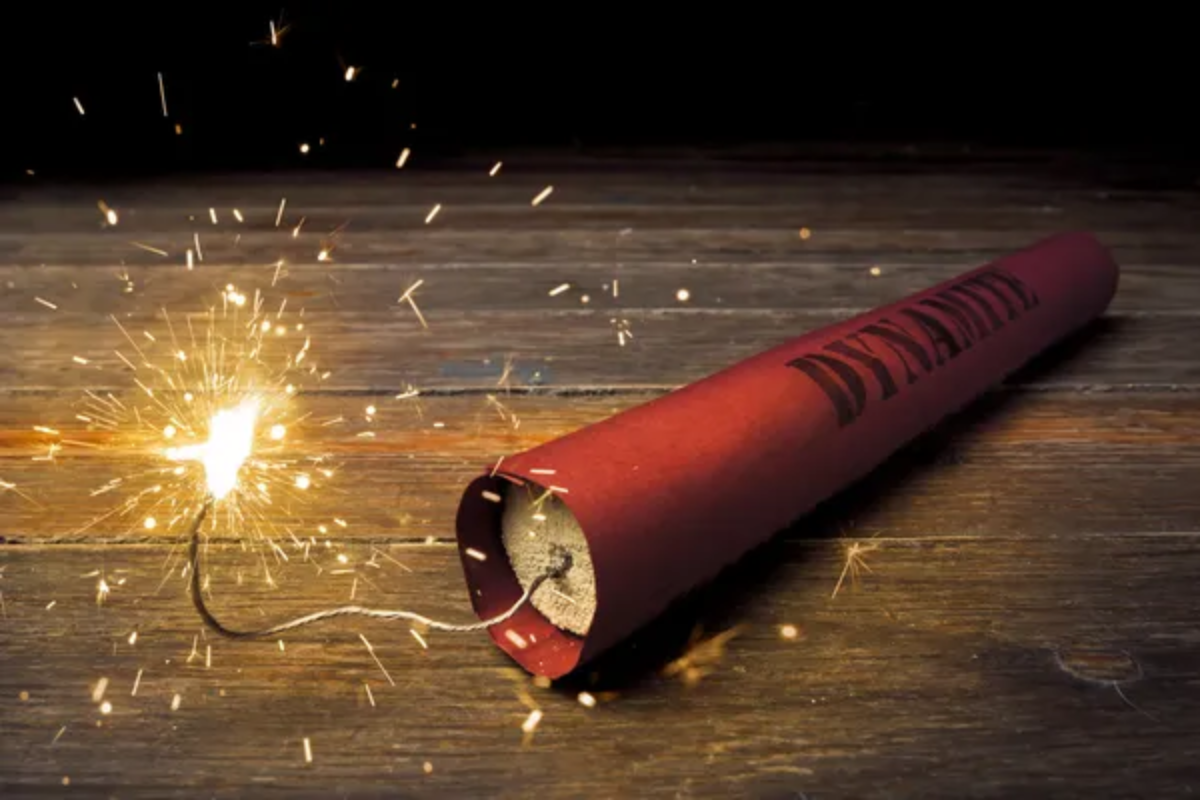
Alfred Nobel was experimenting with nitroglycerin when he accidentally mixed it with diatomaceous earth in 1867. The explosive liquid became a stable paste that was much safer to handle and transport than pure nitroglycerin.
His accidental mixture created a controllable explosive that built tunnels, moved mountains, and, unfortunately, changed warfare forever.
Pulsars

In 1967, Jocelyn Bell Burnell was a graduate student analyzing radio telescope data when she noticed a strange, repeating signal—something that pulsed with perfect regularity. At first, the team jokingly labeled it ‘LGM’ for ‘Little Green Men,’ thinking it might be alien contact.
But they had actually discovered pulsars—rapidly spinning neutron stars that emit beams of radiation. What looked like a glitch in the data turned out to be one of the most important astronomical discoveries of the 20th century.
Radioactivity

Henri Becquerel left uranium salts on photographic plates in a dark drawer in 1896, planning to study phosphorescence when the sun came out. Days later, he developed the plates anyway and found they had been exposed despite never seeing sunlight.
His impatience with cloudy weather led to the discovery of natural radioactivity and launched nuclear physics.
Cortisone
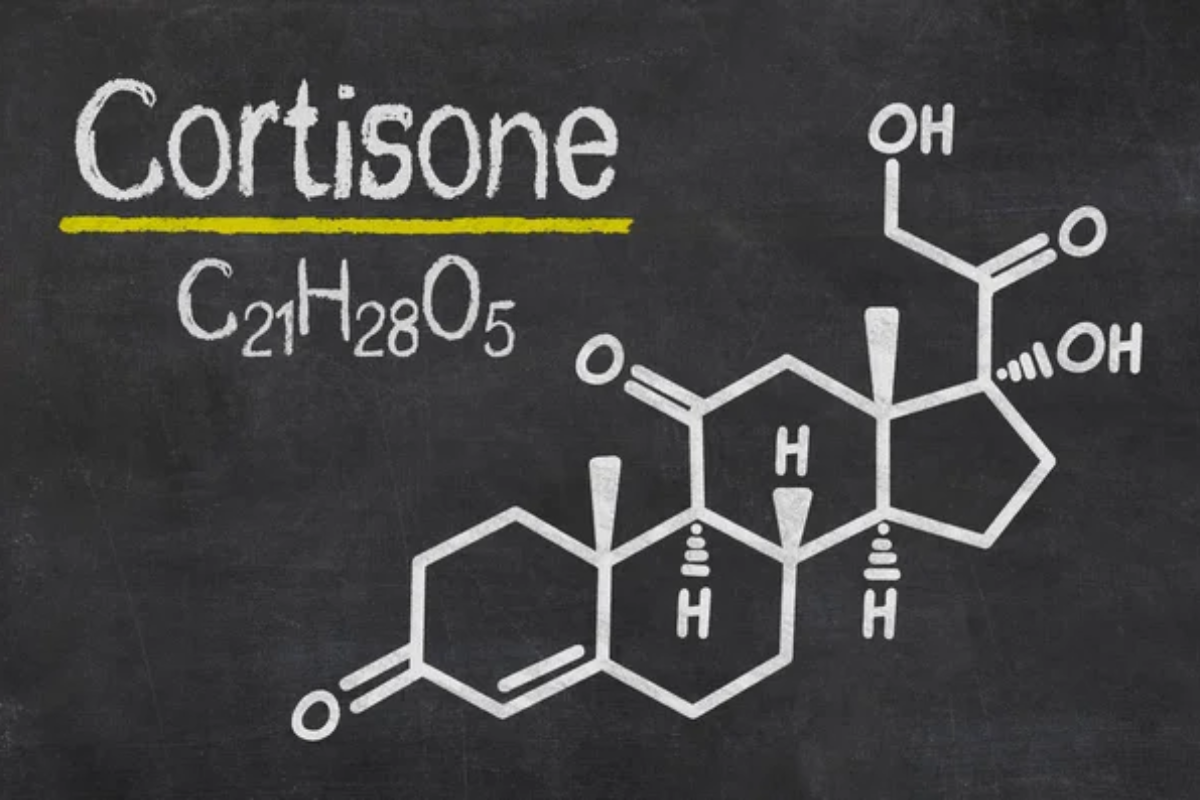
Edward Kendall was trying to isolate hormones from animal adrenal glands in the 1930s when he accidentally created a compound that dramatically reduced inflammation. His ‘mistake’ became cortisone, a powerful anti-inflammatory drug that treats conditions from arthritis to severe allergies.
The accidental hormone synthesis earned him a Nobel Prize and relieved suffering for millions of patients.
Anesthesia

Horace Wells attended a laughing gas demonstration in 1844 where a participant injured himself but felt no pain while under the influence of nitrous oxide. Wells realized this party drug could eliminate surgical pain and began experimenting with it in dental procedures.
His entertainment-turned-medical-observation made painless surgery possible for the first time in human history.
Stainless Steel

Harry Brearley was trying to develop better gun barrels in 1913 when he created an alloy that resisted corrosion instead of improving ballistics. His discarded metal samples didn’t rust like regular steel, even when exposed to acids and moisture.
His ‘failed’ weapons research created the corrosion-resistant steel used in everything from kitchen sinks to skyscrapers.
Silly Putty

James Wright was trying to create synthetic rubber for World War II in 1943 when he mixed silicone oil with boric acid and got a stretchy, bouncing goo instead. The military rejected his rubbery substance, but it became a popular toy that could copy newspaper comics and spring higher than most toys.
His wartime failure became a beloved plaything that’s still entertaining kids decades later.
Superglue
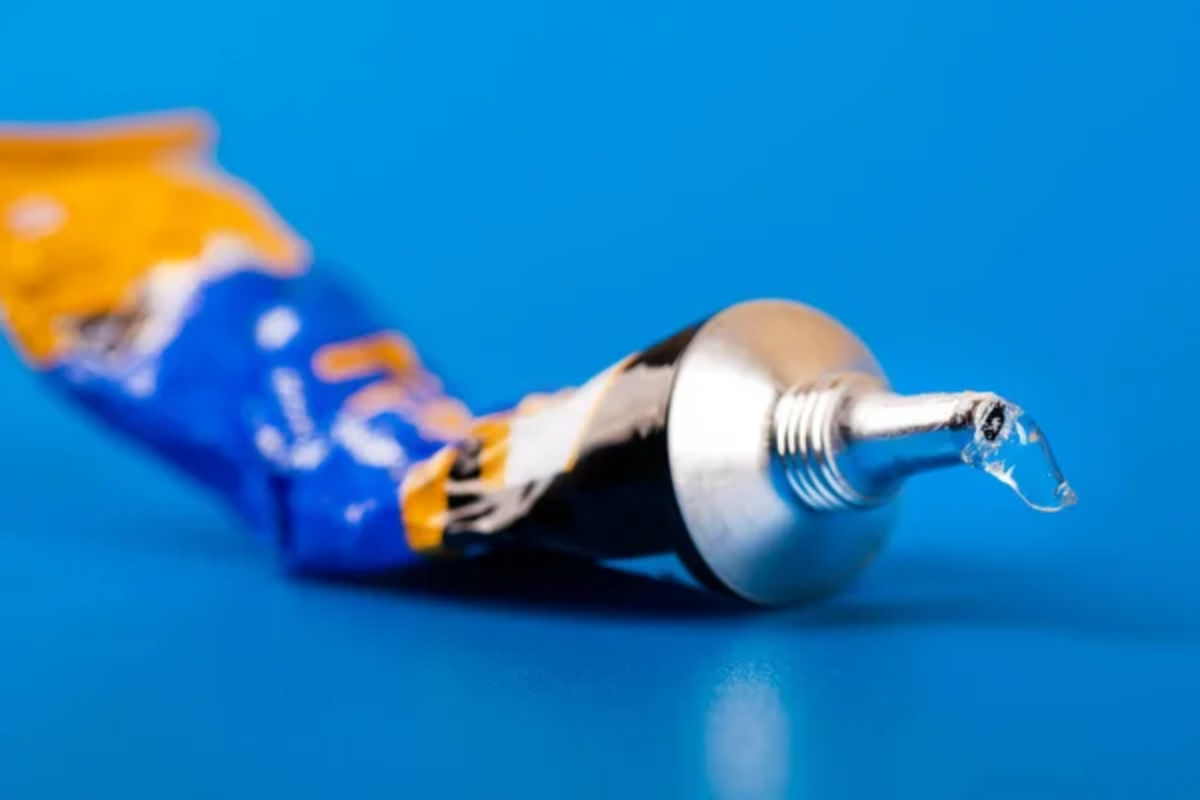
Harry Coover was developing clear plastic gun sights in 1942 when he created cyanoacrylate, which stuck to everything it touched. He initially rejected the substance as too adhesive for his purposes, but later realized its instant-bonding properties had countless applications.
His overly sticky ‘mistake’ became the household adhesive that bonds skin, fixes broken objects, and holds the world together one drop at a time.
When Mistakes Become Miracles
These accidental discoveries remind us that scientific progress often comes from the most unexpected places, turning laboratory mishaps into life-changing innovations. The researchers who made these breakthroughs shared one crucial trait: they paid attention to their ‘failures’ instead of throwing them away.
Today’s scientists still rely on this combination of curiosity and serendipity, proving that sometimes the best discoveries happen when experiments don’t go according to plan. The next time you make a mistake, take a closer look—you might just stumble onto something that changes the world.
More from Go2Tutors!

- The Romanov Crown Jewels and Their Tragic Fate
- 13 Historical Mysteries That Science Still Can’t Solve
- Famous Hoaxes That Fooled the World for Years
- 15 Child Stars with Tragic Adult Lives
- 16 Famous Jewelry Pieces in History
Like Go2Tutors’s content? Follow us on MSN.