16 Ways the Moon Controls Life on Earth
Look up tonight. See that glowing rock floating around up there? Most people think it just hangs out making things look romantic or whatever. Wrong. The Moon’s actually running this whole planet like some kind of cosmic control freak.
Been doing it for billions of years too. Messing with everything from ocean waves to when your neighbor’s dog decides to howl at 3 AM. You probably had no clue how much this thing affects daily life down here. Time to find out. Here are 16 ways the Moon controls life on Earth.
Ocean Tides
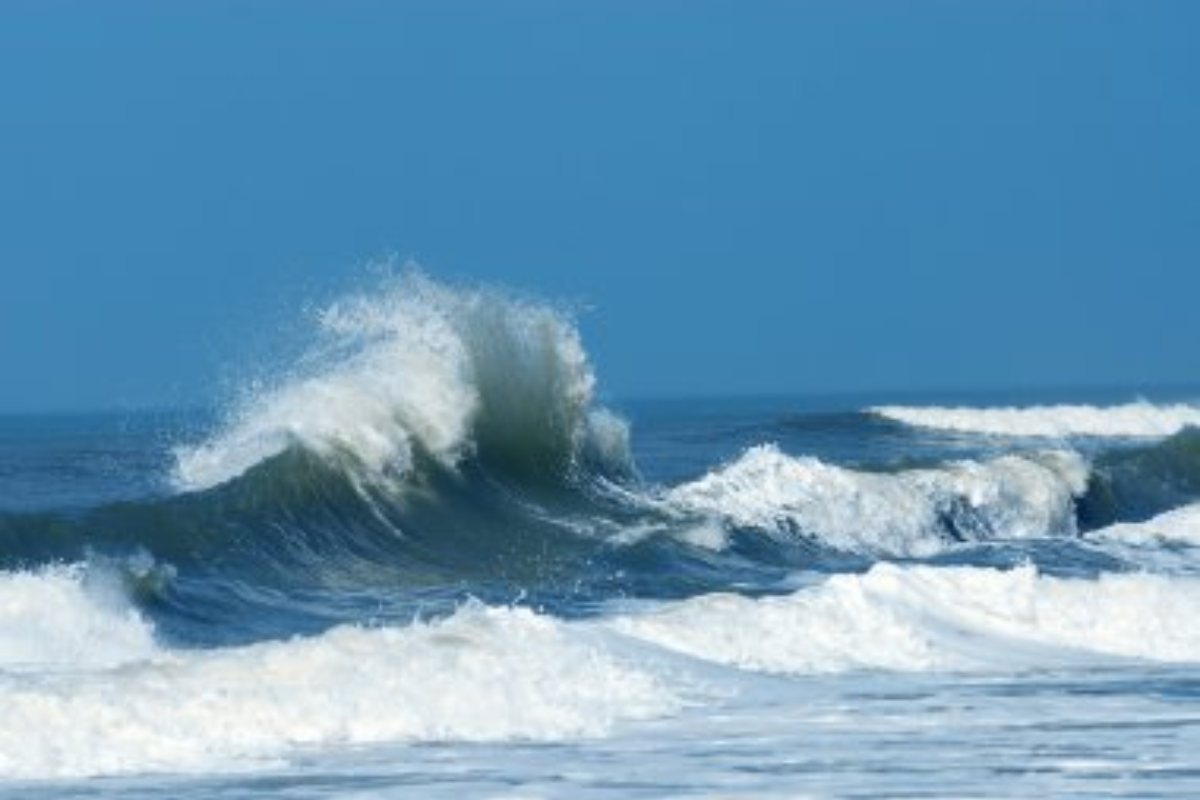
Every beach you’ve ever visited exists because the Moon can’t keep its gravitational hands to itself. Water gets pulled around twice daily — in, out, in, out. Millions of sea creatures have built their entire lives around this schedule.
Remove the Moon tomorrow and half the ocean life would be completely screwed.
Animal Migration Patterns
Sea turtles swim thousands of miles using moonbeams like a flashlight. No joke. Birds wait around for specific moon phases before they’ll even think about flying south for winter.
Nature’s been using this system since way before GPS existed, and it works better than most human technology.
Like Go2Tutors’s content? Follow us on MSN.
Coral Spawning Events

Once a year, coral reefs throw the ocean’s biggest party. Billions of tiny coral animals all release their eggs at exactly the same time — usually right after a full moon.
Timing this wrong means no baby corals. Get it right and you’ve got underwater fireworks that put any Fourth of July show to shame.
Plant Growth Cycles

Your great-aunt Mildred who insisted on planting tomatoes during certain moon phases? Turns out she wasn’t completely nuts. Plants actually respond to lunar cycles, though scientists are still scratching their heads about why.
Something about gravity affecting how water moves through stems and leaves. Nature’s weird like that.
Insect Activity Levels
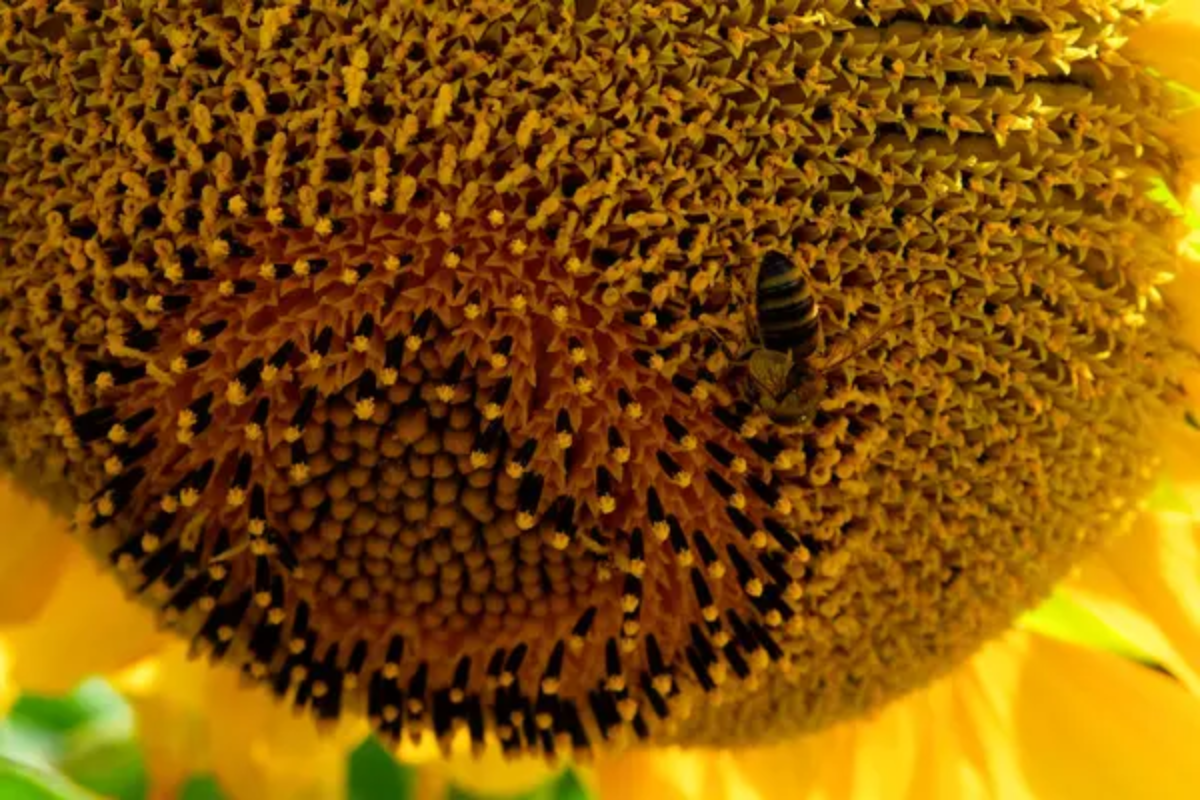
Ever wonder why some summer nights feel like you’re under attack by every flying bug in the county? Thank the Moon. Moths and beetles navigate using moonlight, so bright nights make them hyperactive. Dark nights send others into hiding.
Either way, your evening barbecue suffers the consequences.
Like Go2Tutors’s content? Follow us on MSN.
Fish Feeding Behaviors
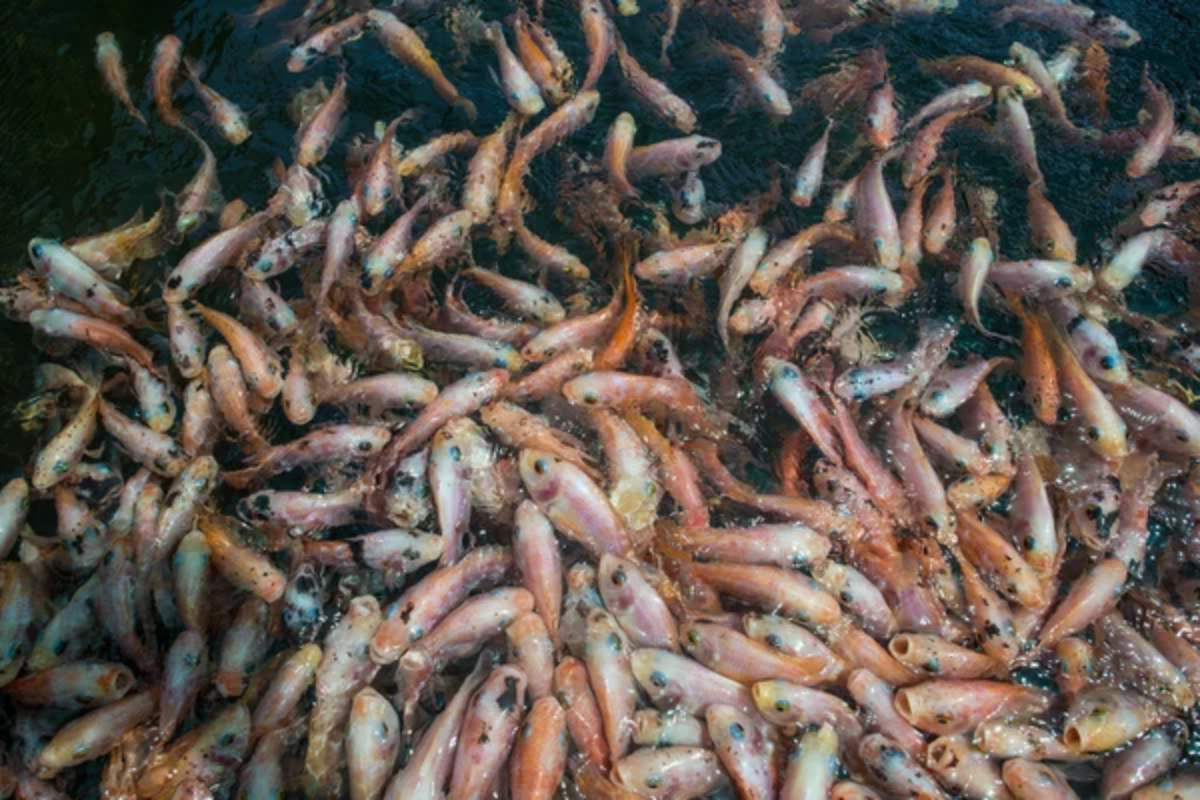
Fish are moody eaters, and the Moon sets their appetite schedule. Some get hungry when it’s pitch black during new moons. Others prefer late-night snacks when the Moon’s lighting up the water.
Commercial fishermen learned this trick decades ago — they’re not out there randomly hoping for the best.
Human Sleep Patterns

This one’s honestly a little creepy. Scientists have proven that people sleep differently during various moon phases, even when they’re nowhere near a window.
Full moons mess with sleep patterns whether you realize it or not. Maybe our caveman ancestors are still pulling strings somewhere in our DNA.
Tidal Pool Ecosystems
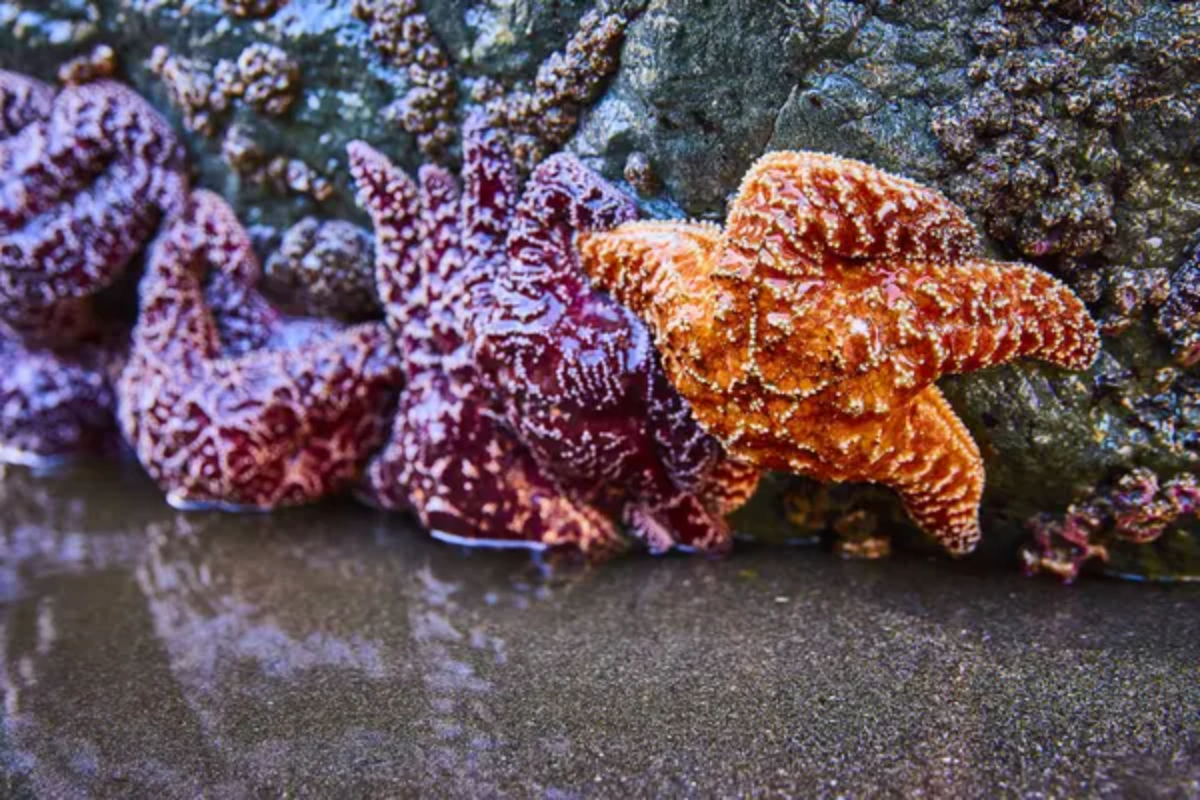
The Moon creates these miniature survival courses between high and low tide marks. Creatures get soaked, then dried out, then soaked again twice every single day.
They’ve figured out how to handle this brutal routine and thrive anyway. It’s like CrossFit for sea creatures.
Like Go2Tutors’s content? Follow us on MSN.
Earth’s Rotational Stability
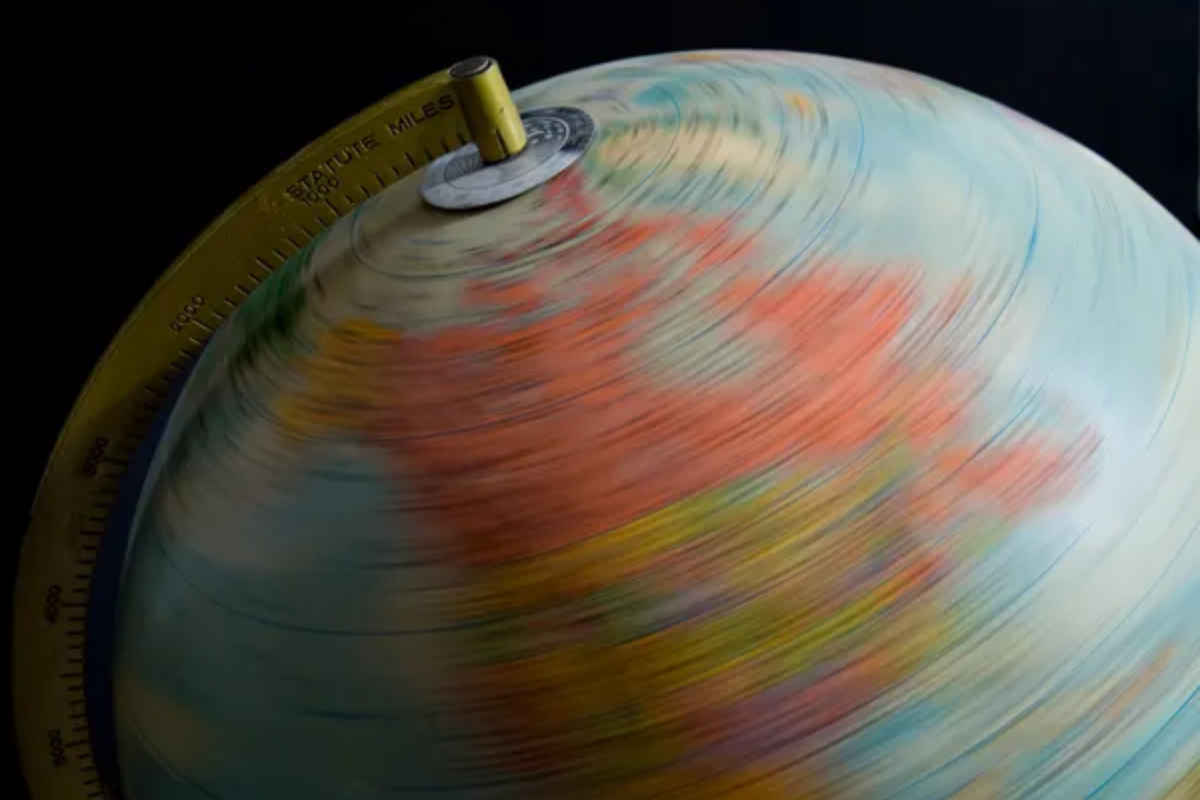
Here’s a fun thought: without the Moon, Earth would be spinning around like a wobbly top about to fall over. The Moon acts like training wheels, keeping our planet’s tilt stable.
No stable tilt means seasons would be completely random. Good luck planning your vacation around that chaos.
Day Length Regulation
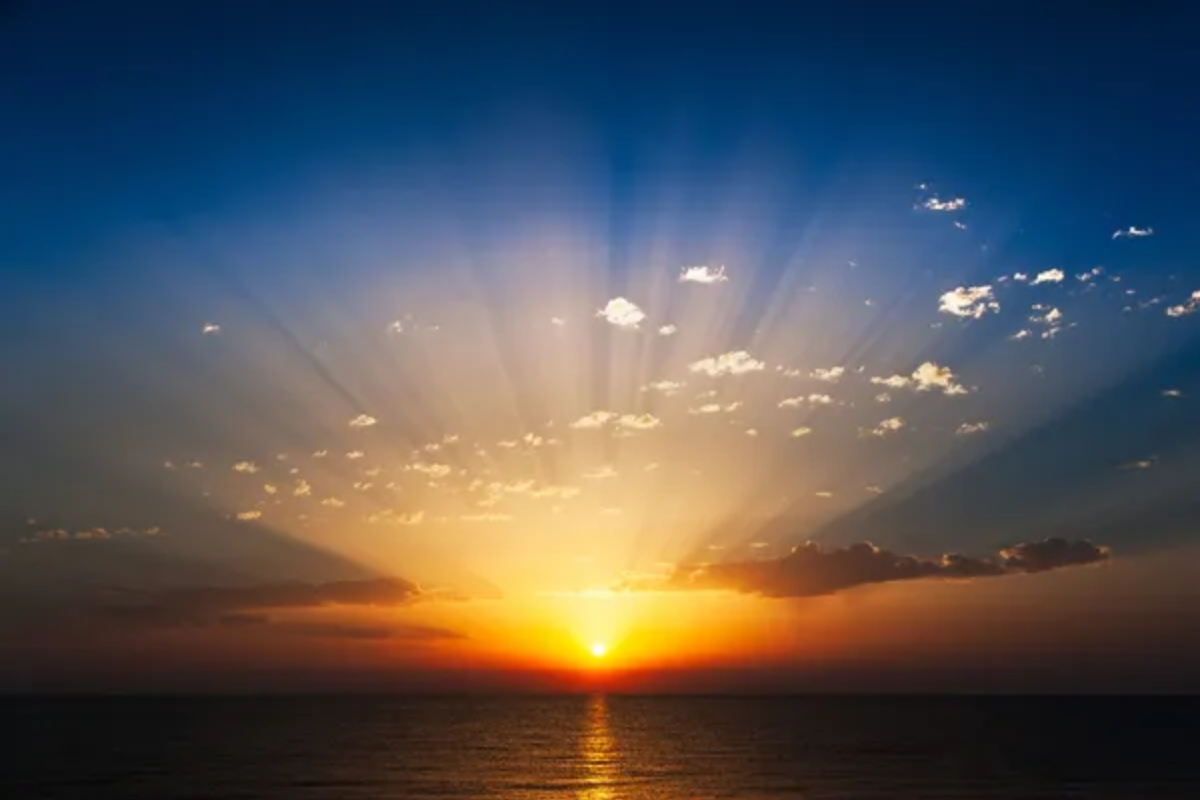
The Moon’s been playing with Earth’s rotation speed for billions of years. Back in the day, a full day was only 18 hours long. The Moon gradually slowed things down to our current 24-hour cycle through something called tidal friction.
Basically, it gave life more time to figure out daily survival routines.
Predator-Prey Relationships
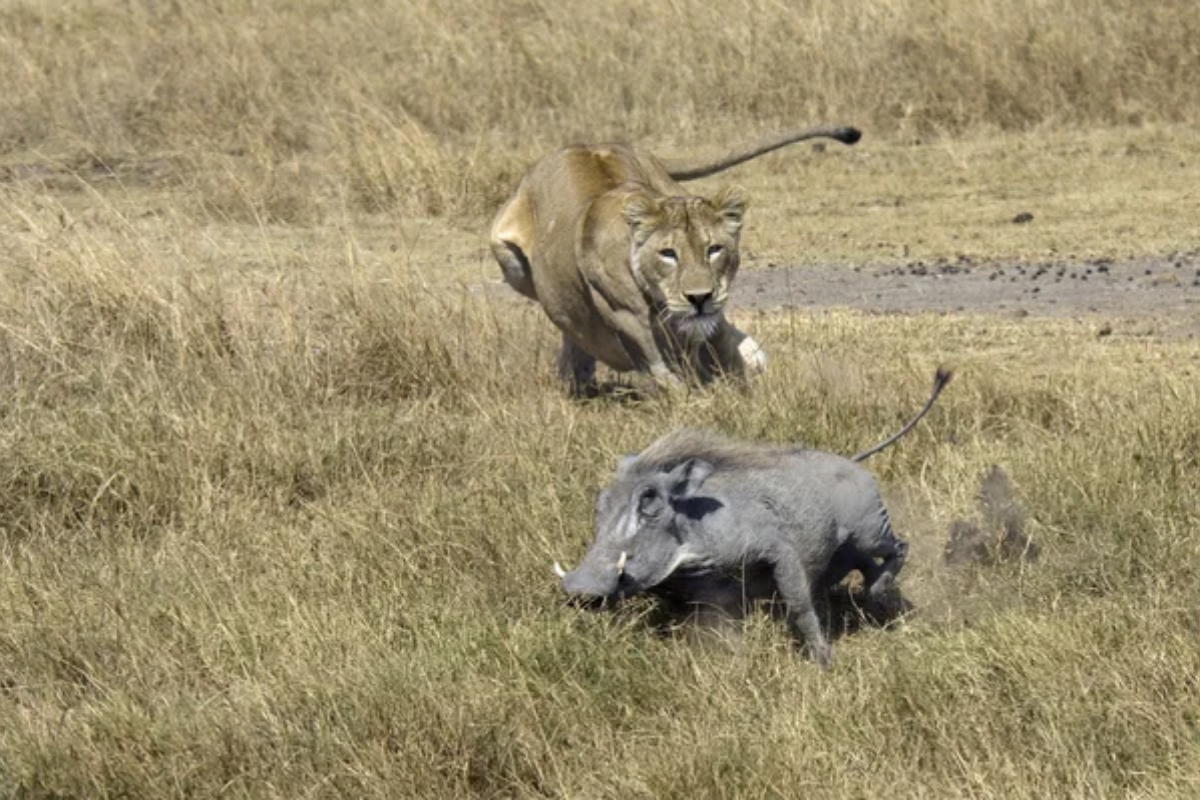
Full moon nights turn forests into real-life horror movies. Owls can hunt better when there’s more light, so mice and rabbits know to stay hidden. It’s a monthly cycle of life and death that’s been playing out for millions of years.
Nature’s version of a recurring nightmare.
Like Go2Tutors’s content? Follow us on MSN.
Ocean Current Patterns
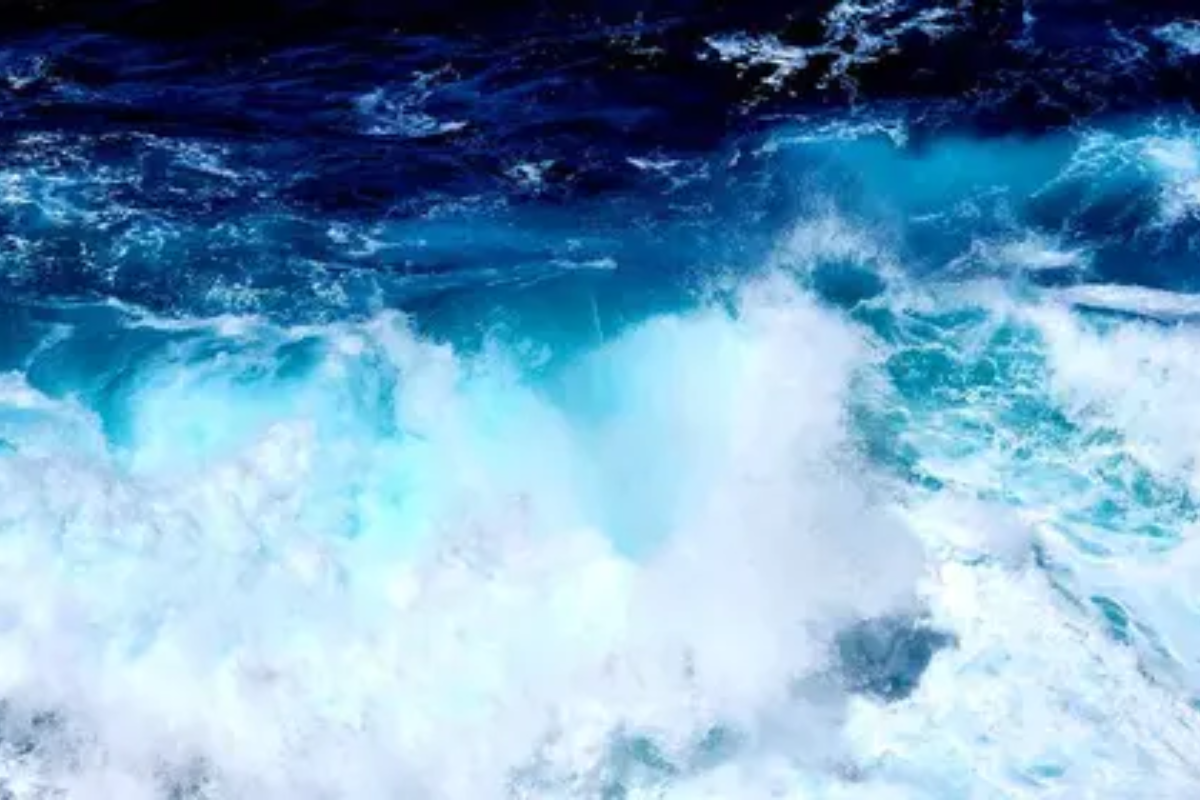
The Moon doesn’t just splash water around randomly. It influences massive ocean currents that move heat and nutrients all over the planet. These currents affect weather patterns from California to Maine.
The Moon basically keeps Earth’s giant water circulation system from breaking down.
Reproductive Cycles in Marine Life
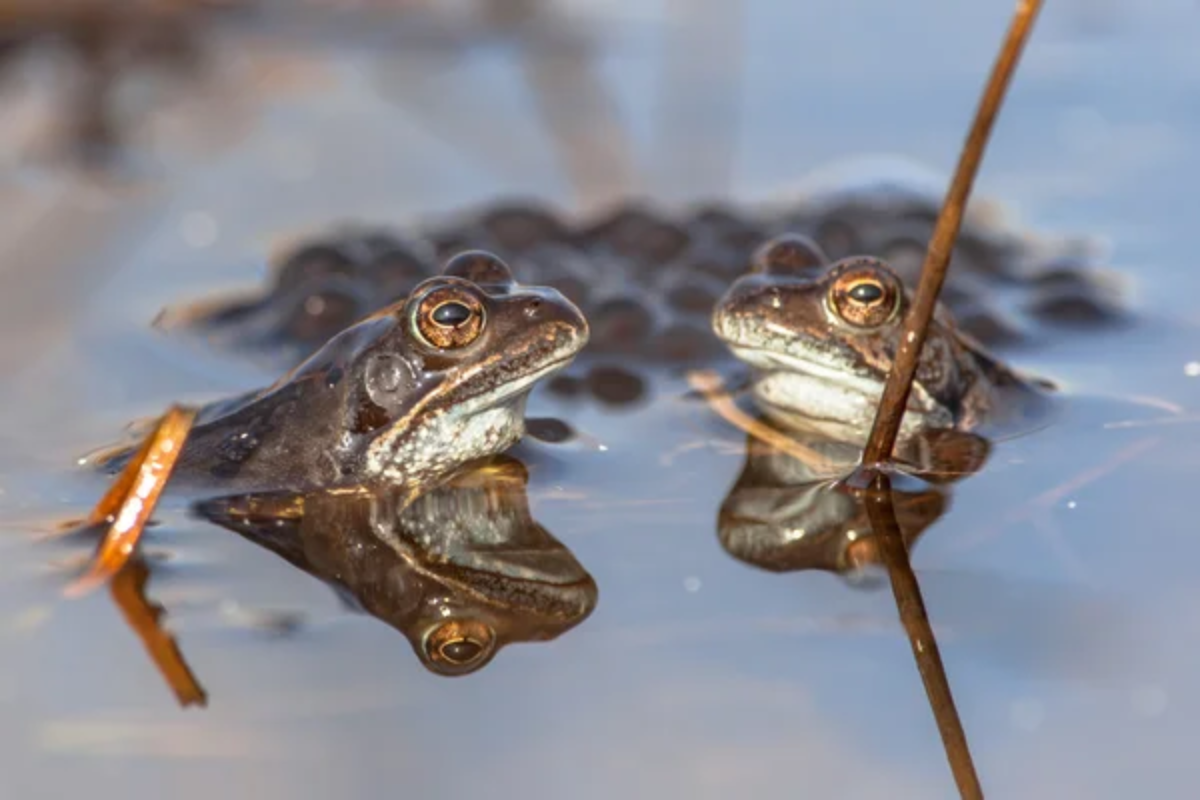
Some fish have reproduction timing figured out so precisely it seems impossible. Grunion fish literally throw themselves onto beaches during specific high tides to lay eggs in sand.
The Moon’s schedule ensures their babies hatch exactly when ocean conditions give them the best shot at survival.
Atmospheric Tides

Plot twist: the Moon doesn’t just pull on water. It yanks on our atmosphere too, creating invisible atmospheric tides twice daily. These affect air pressure and can influence weather patterns.
Most people walk around completely unaware that the Moon is literally squeezing the air around them.
Like Go2Tutors’s content? Follow us on MSN.
Geological Activity
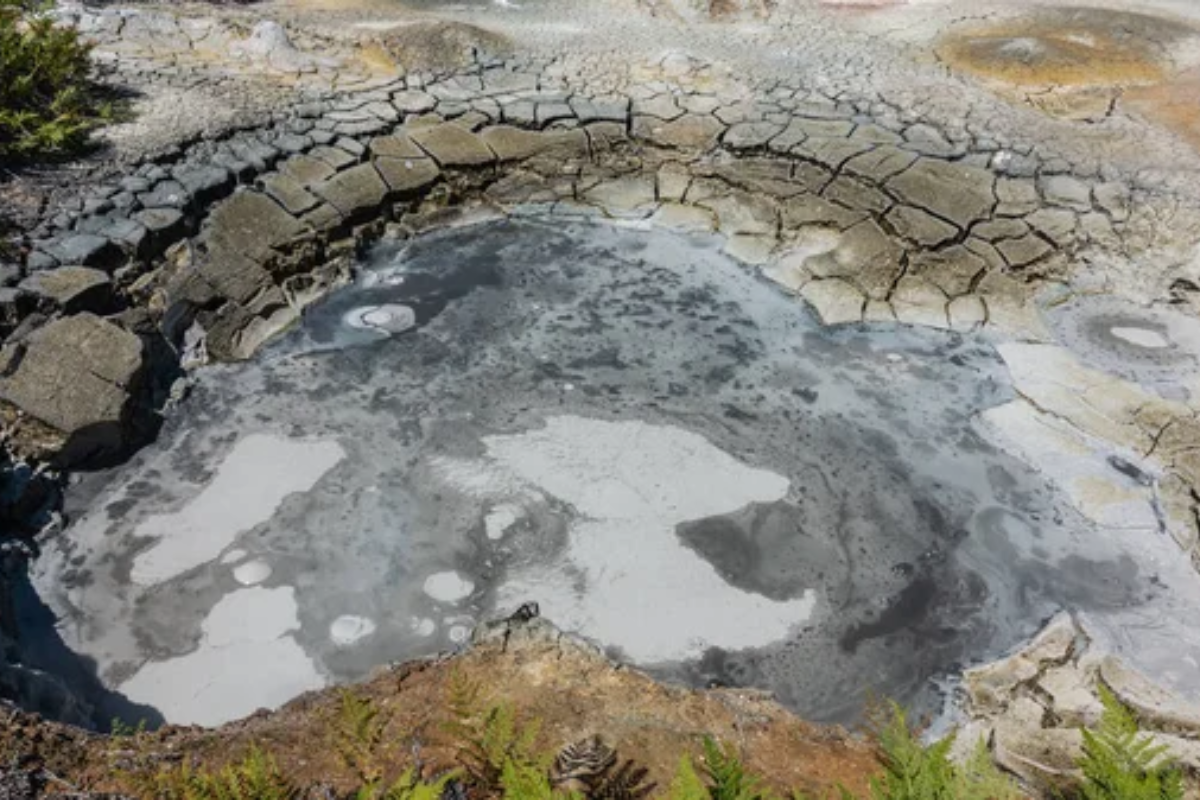
Earthquakes and volcanic eruptions happen slightly more often during certain moon phases. The Moon’s gravity can actually trigger geological events, though the effect isn’t huge.
Still pretty mind-blowing that something 240,000 miles away can make the ground shake under your feet.
Evolution of Biological Clocks

Millions of species have internal alarm clocks that sync up perfectly with lunar cycles. These biological rhythms help animals time crucial life events like mating season and migration schedules.
The Moon has essentially been Earth’s master scheduler for millions of years, and most life forms still follow its calendar.
The Boss Upstairs Never Clocks Out
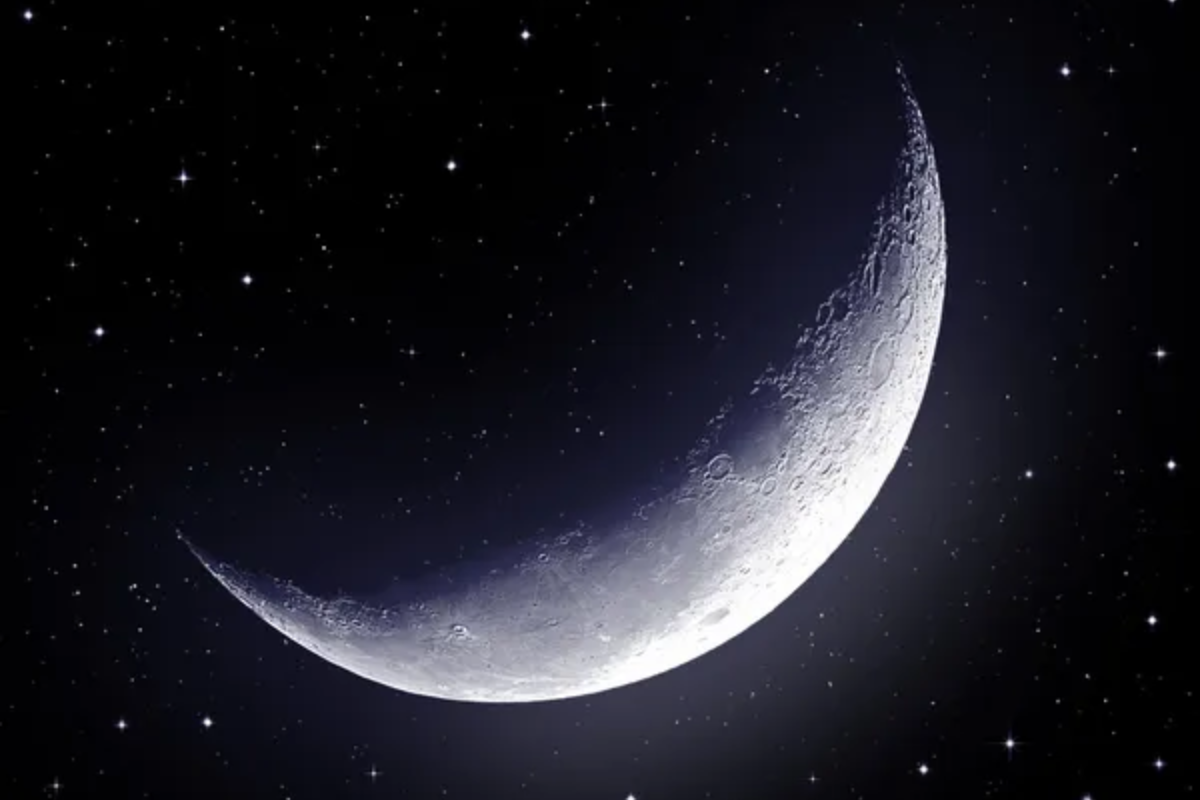
Everything from microscopic ocean drifters to blue whales dances to the Moon’s rhythm. This cosmic partnership has been shaping life on Earth for over four billion years. Recent research keeps uncovering new ways the Moon influences our planet.
Turns out having a giant rock orbiting overhead affects way more than just romantic beach walks and werewolf movies.
Like Go2Tutors’s content? Follow us on MSN.
More from Go2Tutors!

- 16 Restaurant Chains That Went Too Fast
- 12 Things Sold in the 80s That Are Now Illegal
- 15 Strange Things People Have Tried to Ban (And Failed)
- 16 Collectibles People Tossed Out Too Soon
- 17 Myths from Your Childhood That Were Actually Based on Real Things
Like Go2Tutors’s content? Follow us on MSN.