17 Useful Insects Most People Try to Kill
Spotting a bug indoors or in the garden usually means one thing: time to grab the nearest can of insecticide. Most people have been conditioned to see all insects as enemies, but this couldn’t be further from the truth. Many of these tiny creatures actually work overtime to keep our environments healthy and pest-free.
The reality is that helpful insects far outnumber the troublemakers, but telling a friend from foe takes a bit of know-how. Here is a list of 17 useful insects most people try to eliminate, each one providing critical services that benefit our gardens and ecosystems in ways we rarely appreciate.
Ground Beetles
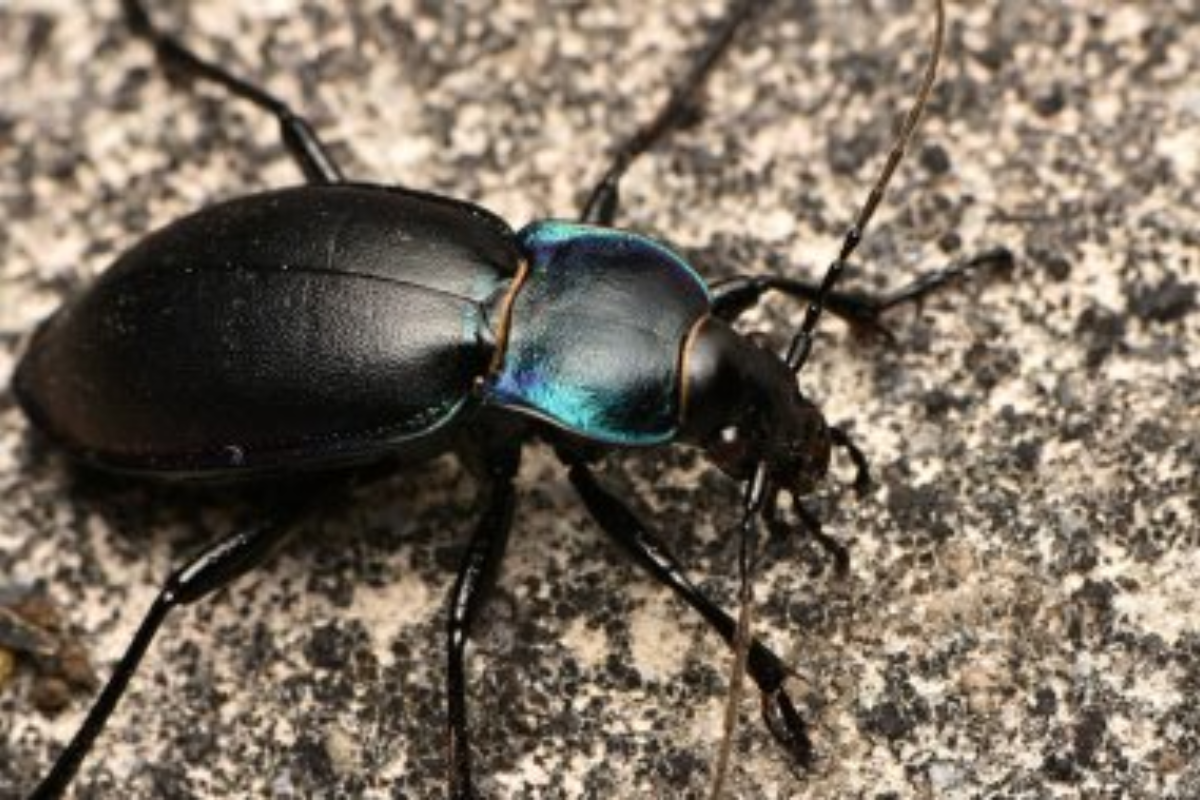
These glossy black speedsters get squashed on sight when they race across patios or slip through door cracks. What most people don’t realize is that ground beetles are nocturnal predators with insatiable appetites for garden pests.
One beetle can polish off more than 50 slugs, caterpillars, and other destructive insects in a single day.
Wolf Spiders
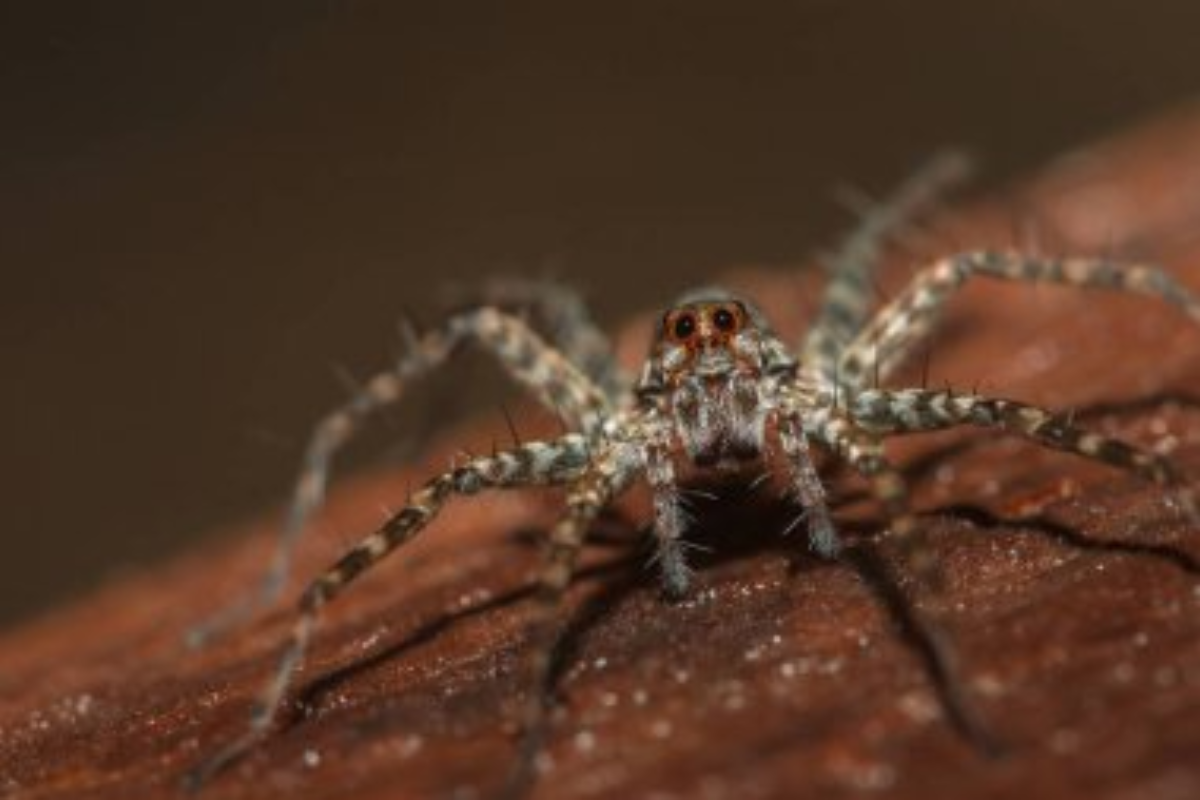
Sure, they’re technically spiders rather than insects—but wolf spiders get the same panicked treatment despite being phenomenal pest controllers. Unlike web-builders, these hunters actively chase down mosquitoes and flies with impressive speed.
When you spot wolf spiders around your property, it’s actually a good sign that your local ecosystem is thriving.
Assassin Bugs
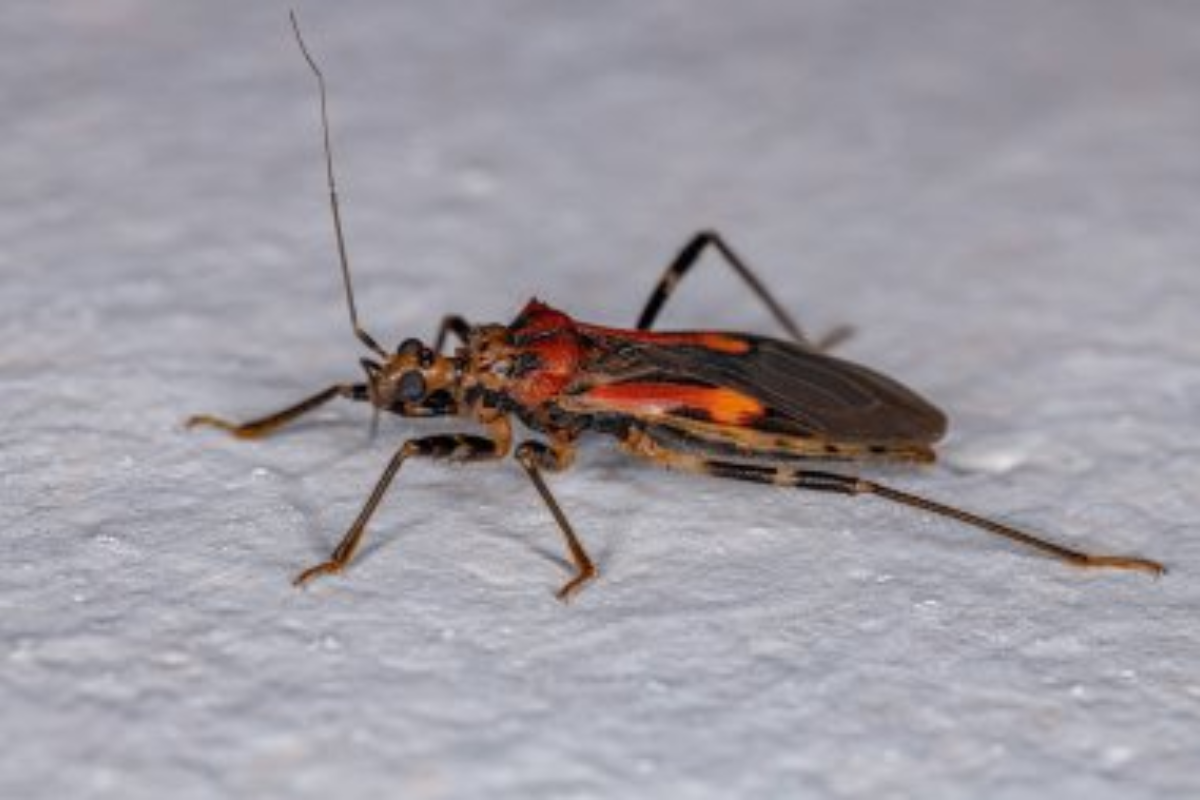
The name alone makes people nervous, and their angular, prehistoric appearance doesn’t help matters much. However, assassin bugs are garden superheroes that pierce harmful insects with surgical precision using their needle-like beaks.
They’re so well-camouflaged among leaves that you might never notice them eliminating aphids and caterpillars right under your nose.
Praying Mantises
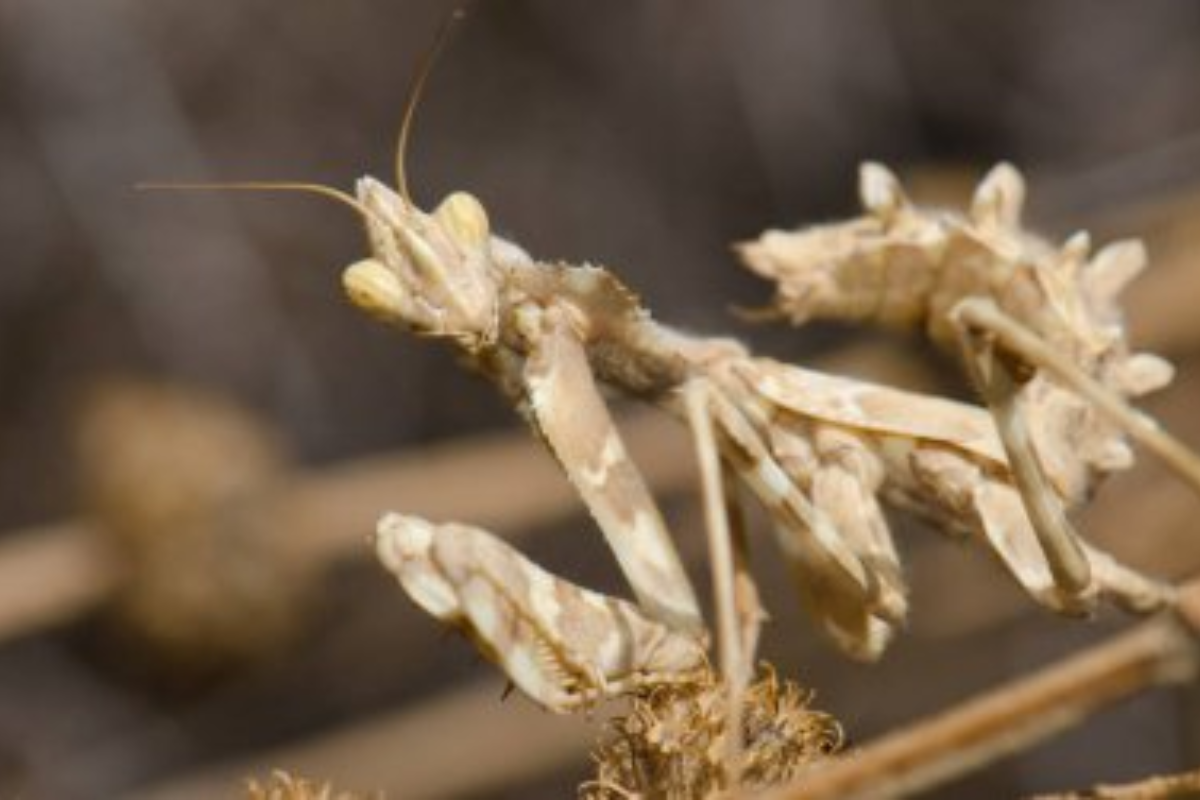
Those bulging eyes and alien stance make praying mantises look like something from a science fiction movie. Despite their intimidating appearance—they’re completely harmless to humans while being absolutely lethal to flying pests.
A single mantis can clear an area of dozens of mosquitoes, flies, and moths in just one evening.
Paper Wasps
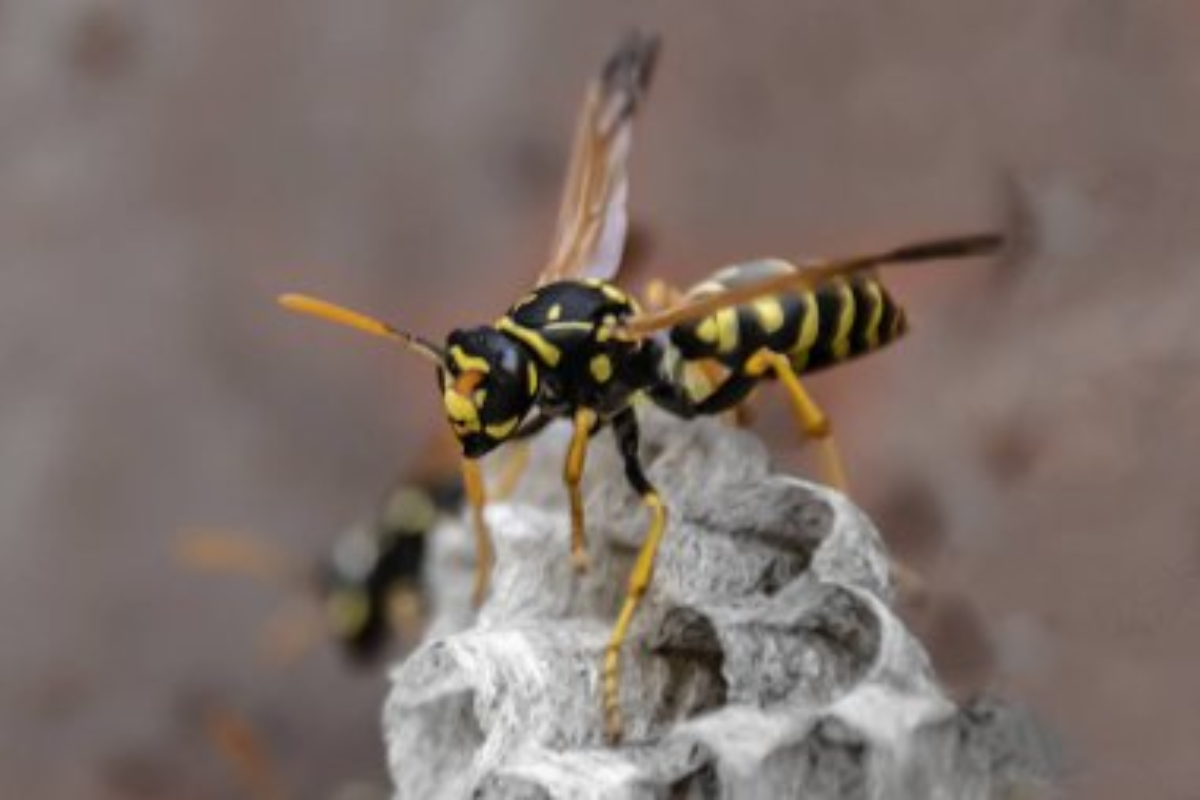
Most people see wasps and immediately think ‘danger,’ but paper wasps are surprisingly mellow unless you mess with their nests directly. These social insects spend their days hunting caterpillars and flies to feed their young, making them incredibly effective biological pest control agents.
They typically avoid humans unless provoked.
Lacewings
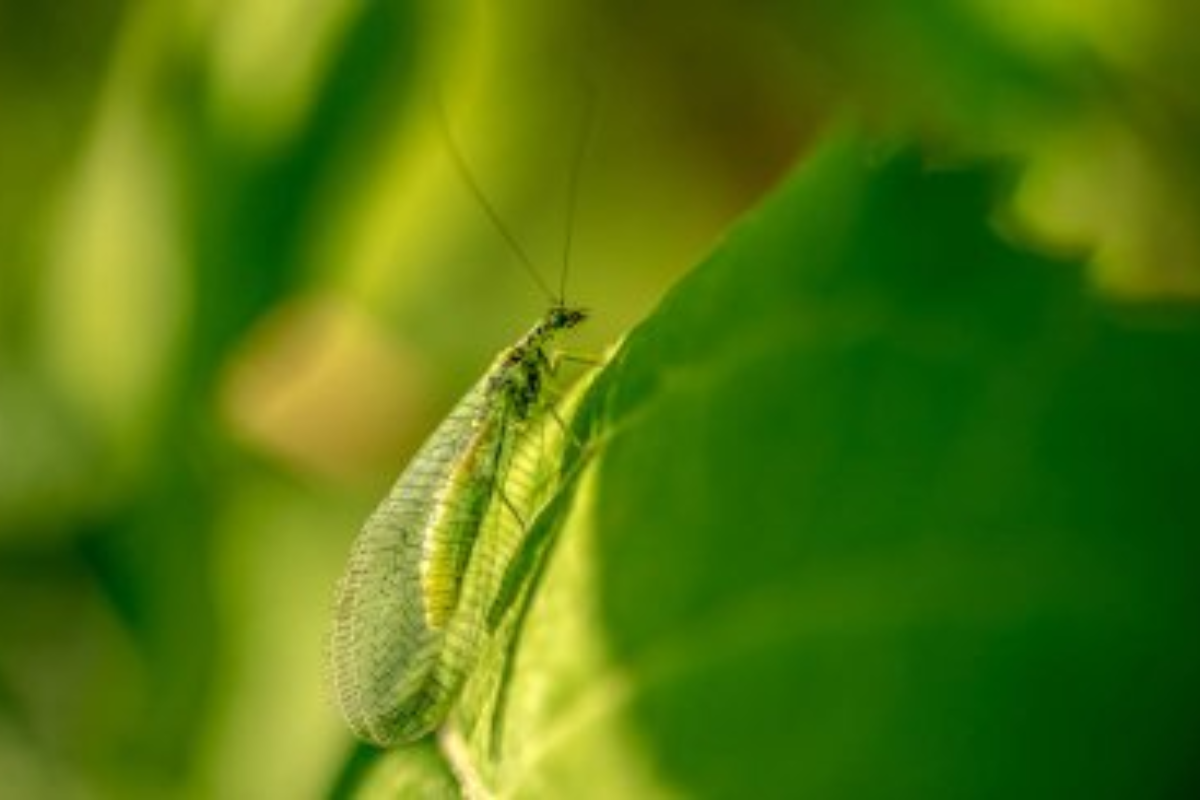
Adult lacewings flutter around like delicate green fairies—hardly seeming capable of serious pest control work. Their larvae tell a different story entirely, earning the fierce nickname ‘aphid lions’ for good reason.
These voracious youngsters can devour over 200 aphids per week while the adults provide gentle pollination services.
Robber Flies
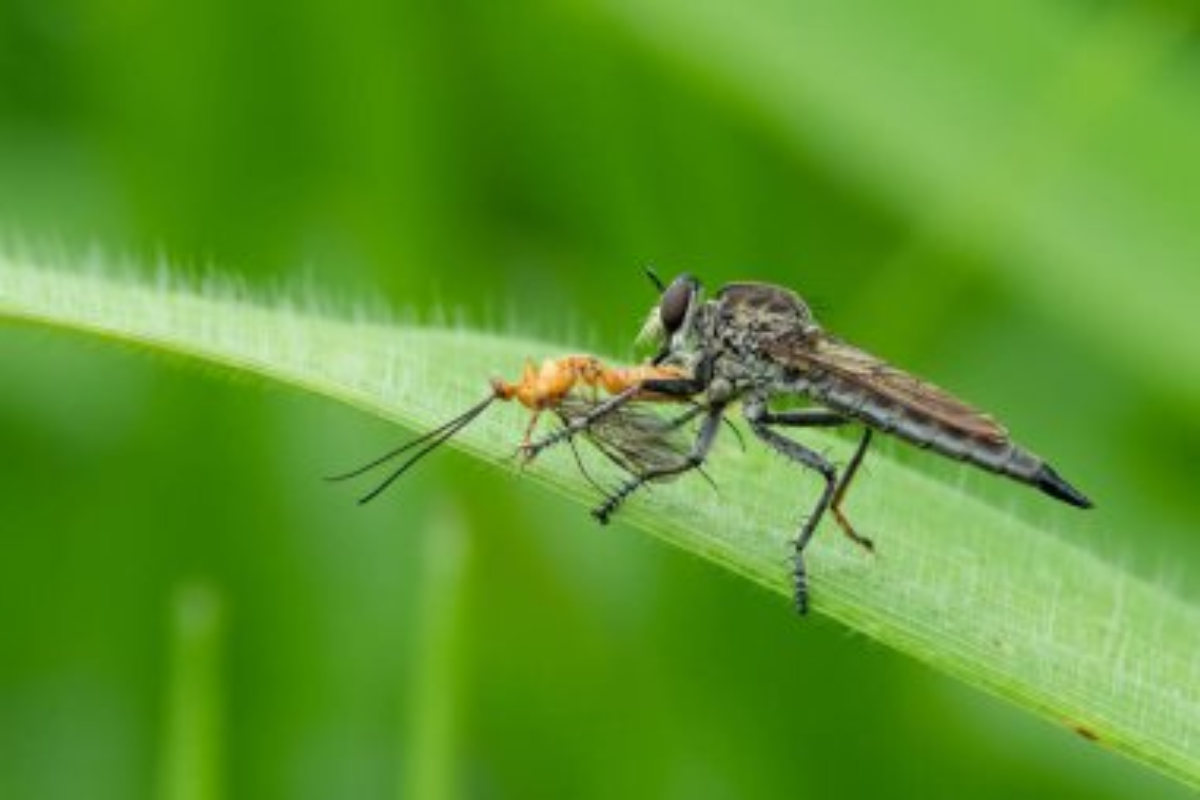
With their bristly bodies and aggressive flying style, robber flies look like aerial bullies that deserve a good swatting. Actually, they’re performing incredible public service by intercepting other flying insects mid-air.
When a robber fly takes down a mosquito or horsefly—that’s one less pest bothering you during outdoor activities.
Soldier Beetles
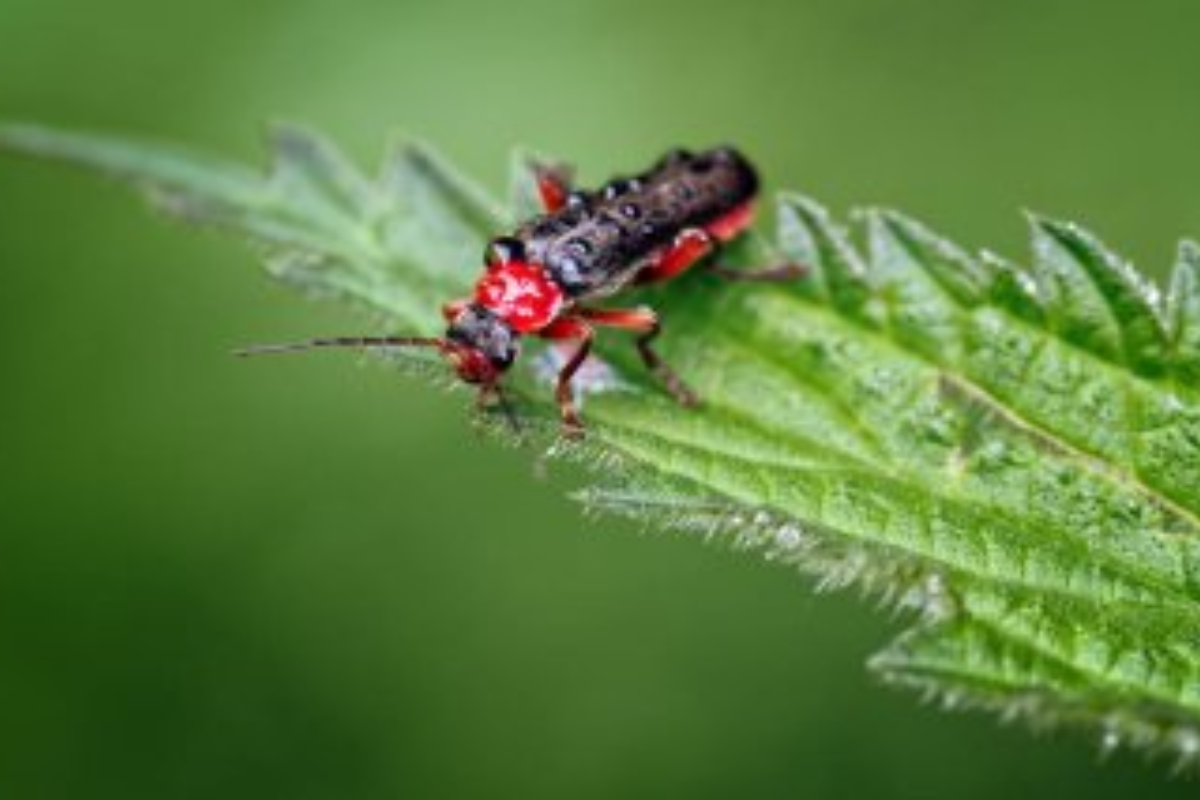
People often confuse these beneficial insects with harmful species, leading to unnecessary casualties in the garden. Soldier beetles multitask beautifully, munching on aphids and soft-bodied pests while also visiting flowers for nectar.
Even their underground larvae contribute by eating pest eggs and baby insects in the soil.
Hover Flies
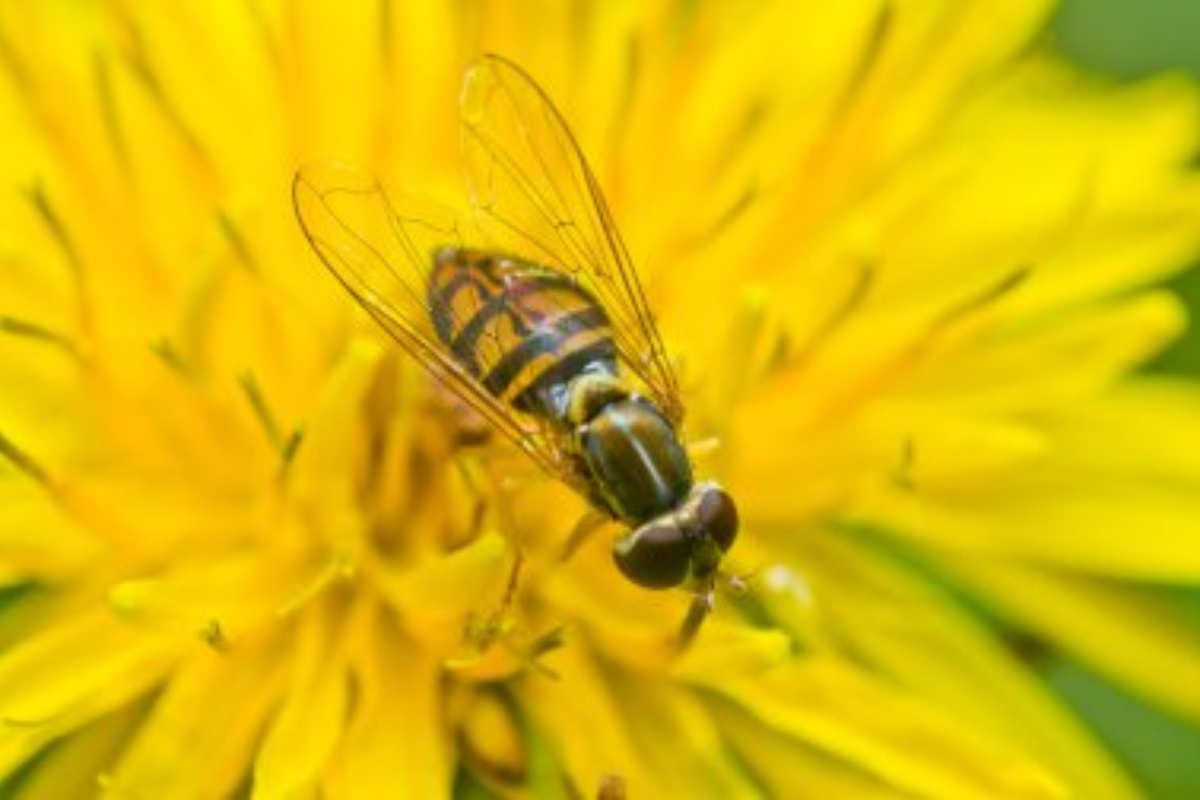
These master mimics have evolved to look exactly like bees or wasps—which unfortunately gets them killed by people afraid of stings. Hover flies can’t sting at all, yet they provide excellent pollination services throughout the day.
Meanwhile, their larvae work as tiny aphid-eating machines that help keep garden pests in check.
Big-Eyed Bugs
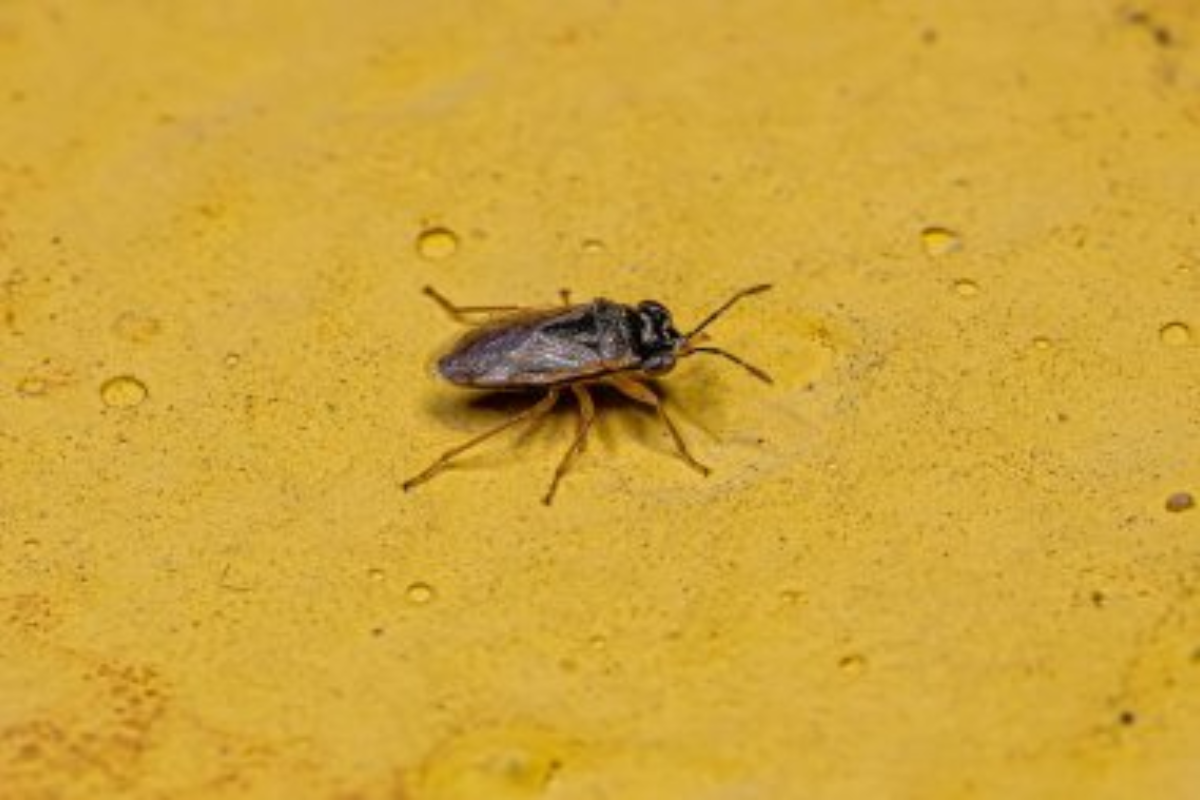
Those prominent peepers might make big-eyed bugs look slightly creepy—but farmers and gardeners should welcome them with open arms. These small predators excel at hunting down aphids, thrips, and spider mites that other beneficial insects might miss.
They stay active even when weather conditions slow down other pest controllers.
Minute Pirate Bugs
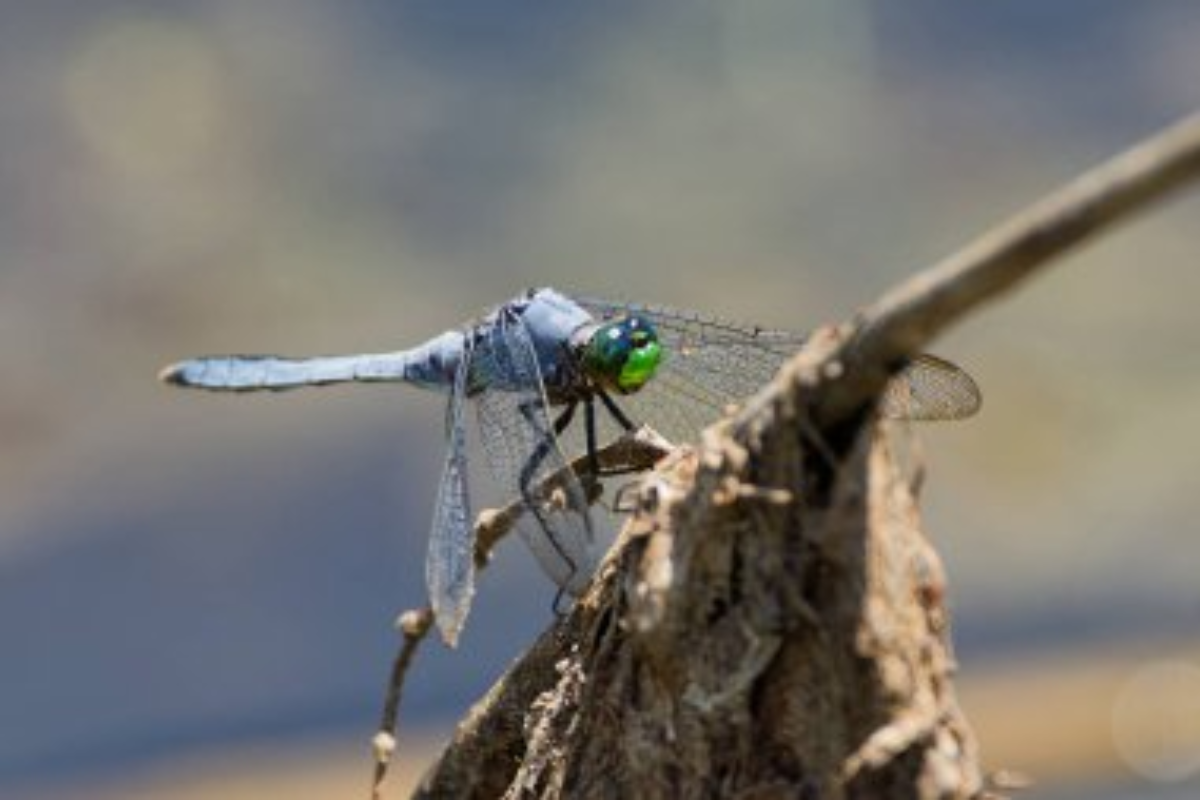
Don’t let the tiny size fool you. These microscopic warriors pack serious punch when it comes to eliminating small pests that slip past larger predators. Minute pirate bugs specialize in hunting thrips and spider mites, though they occasionally give humans small bites when handled directly.
The minor irritation is worth their pest control contributions.
Spined Soldier Bugs
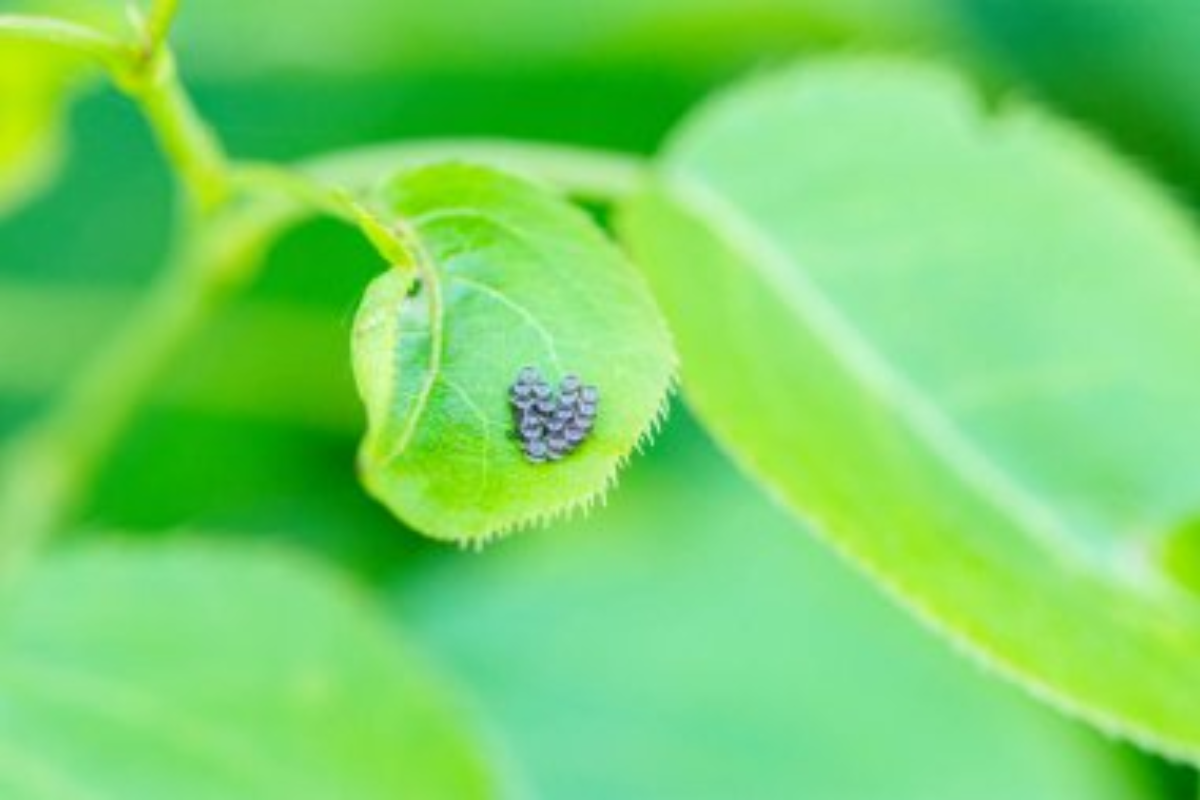
Their armored appearance and defensive spines make spined soldier bugs look threatening, yet they focus entirely on hunting genuine garden pests. These beneficial predators ignore plants completely while actively seeking out caterpillars and beetle larvae.
They’re particularly effective against Colorado potato beetles and similar crop destroyers.
Yellowjackets
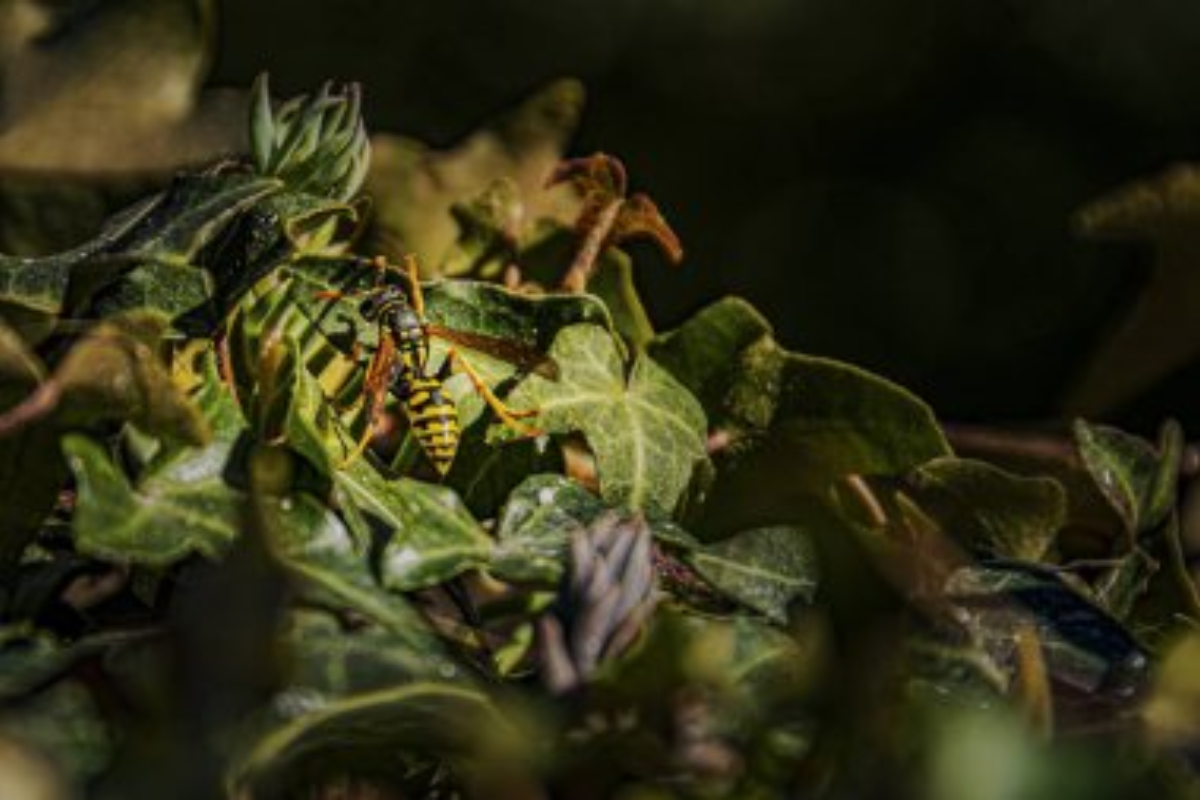
Late summer yellowjackets definitely can get testy in the vicinity of food and drinks, which can give the entire race a bad rap. Earlier in summer, though, these social wasps do a great job of pest control by capturing flies and caterpillars for their colonies.
Their hunting activities significantly reduce populations of insects that actually cause problems.
Mud Dauber Wasps
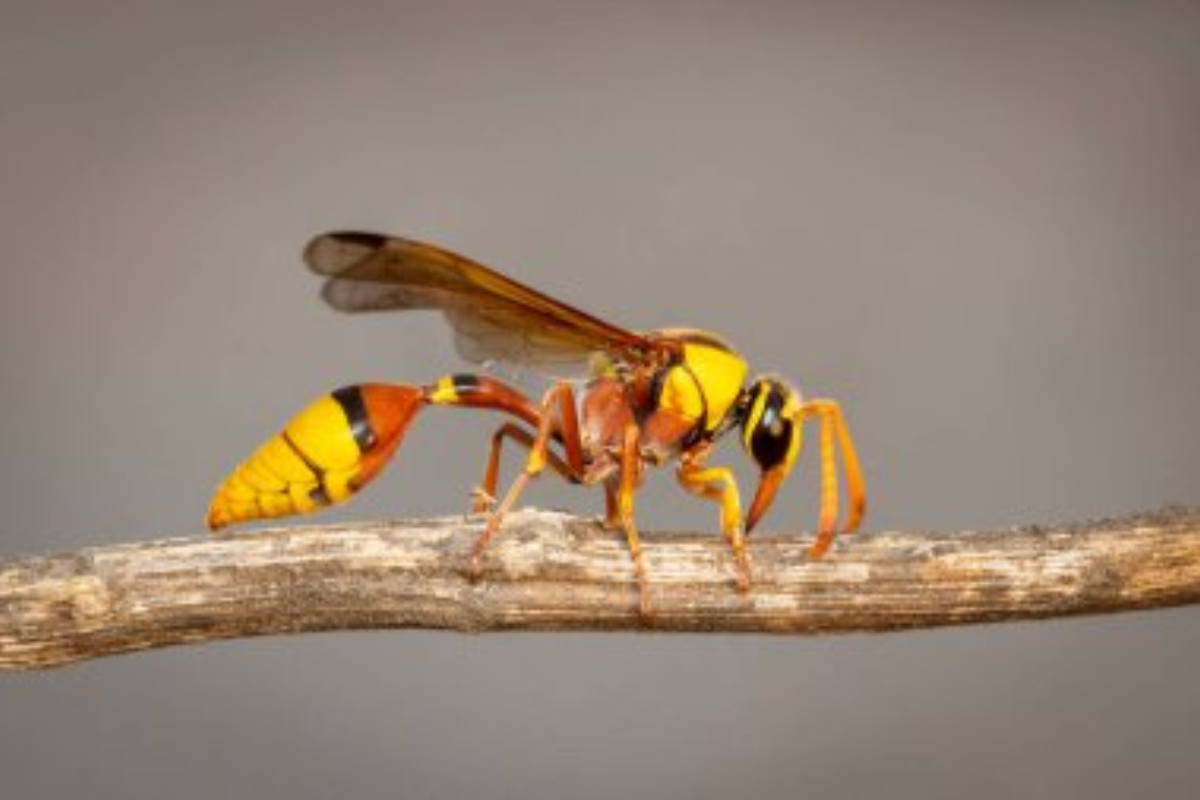
Size and wasp identification combine to make mud daubers seem dangerous, even though they’re among the most docile wasps around. These solitary hunters focus exclusively on capturing spiders to stock their mud nests, helping control spider populations naturally.
They rarely show any interest in human activities or food sources.
Ichneumon Wasps
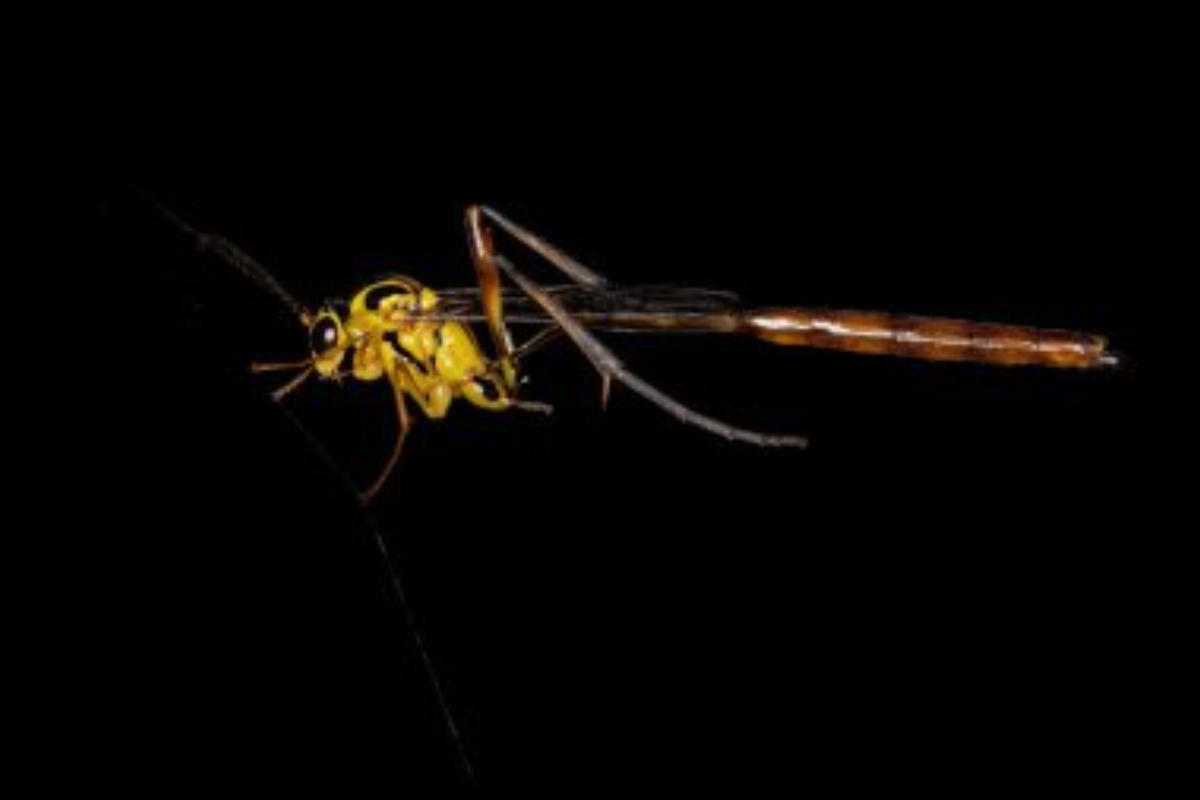
The impressive size and visible egg-laying apparatus make ichneumon wasps appear formidable, though they pose no threat to people whatsoever. These parasitic wasps target pest insects exclusively, laying eggs inside caterpillars and other harmful species.
Their offspring develop inside living hosts, providing biological control that works without any chemical intervention.
Tachinid Flies
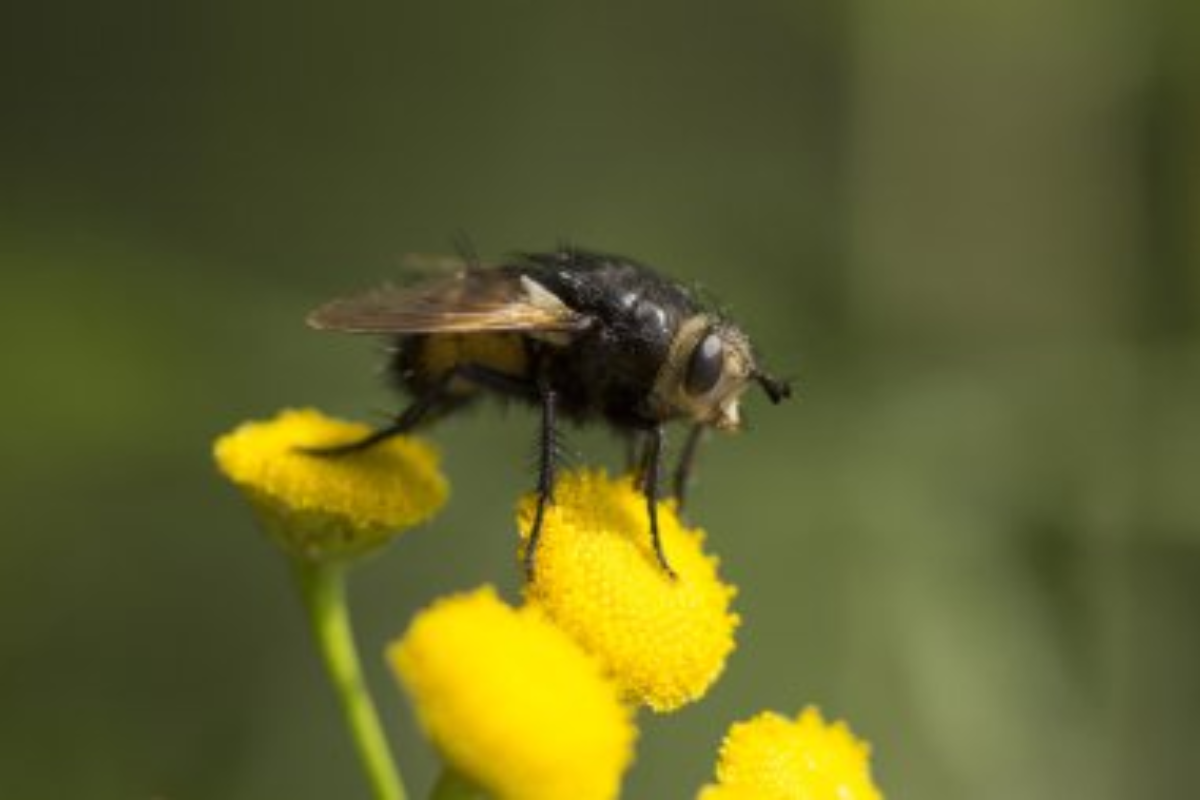
Most people dismiss these as ordinary house flies, missing their specialized role as pest management experts. Tachinid flies are parasitic species that lay eggs specifically on caterpillars, beetles, and agricultural pests.
They’re particularly valuable for controlling insects that have developed resistance to conventional management approaches.
Braconid Wasps
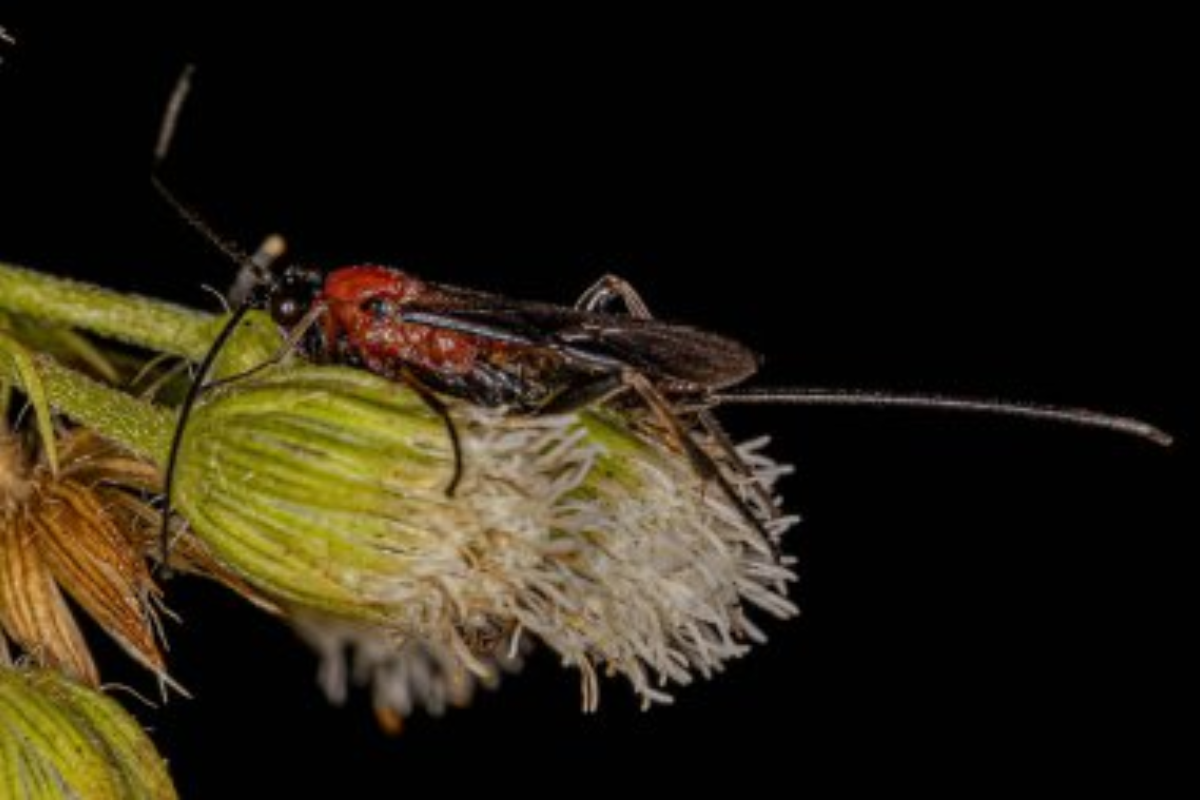
These tiny wasps often escape notice entirely due to their microscopic size, though their pest control impact is anything but small. Braconid wasps parasitize aphids and caterpillars, creating natural population control systems that work continuously.
Despite being classified as wasps, they’re completely incapable of stinging humans.
Learnign to Appreciate Insects

Rather than just assuming every insect is a ‘pest’, take time to understand your environment and the ecosystems around us. These insects have been perfecting natural pest control for a long, long time – way before humans invented the first pesticide spray. Other generations understood that encouraging diverse insect communities created more stable, productive environments than eliminating everything that crawled or flew.
Learning to recognize and protect these insects represents a return to sustainable practices that work with nature rather than against it. Next time an unfamiliar insect appears, take a moment to identify it before just squashing it!
More from Go2Tutors!

- The Romanov Crown Jewels and Their Tragic Fate
- 13 Historical Mysteries That Science Still Can’t Solve
- Famous Hoaxes That Fooled the World for Years
- 15 Child Stars with Tragic Adult Lives
- 16 Famous Jewelry Pieces in History
Like Go2Tutors’s content? Follow us on MSN.



