Iconic Catchphrases from 90s Shows
The 1990s were a golden era for television, giving us everything from grunge music to dial-up internet. But perhaps nothing defined the decade quite like the catchphrases that rolled off our tongues faster than we could say ‘pager me later.’ These weren’t just random words thrown together—they were cultural phenomena that turned ordinary TV moments into shared experiences across America.
Here’s a list of 17 catchphrases from 90s shows that became as essential to the decade as flannel shirts and Tamagotchis.
D’oh!
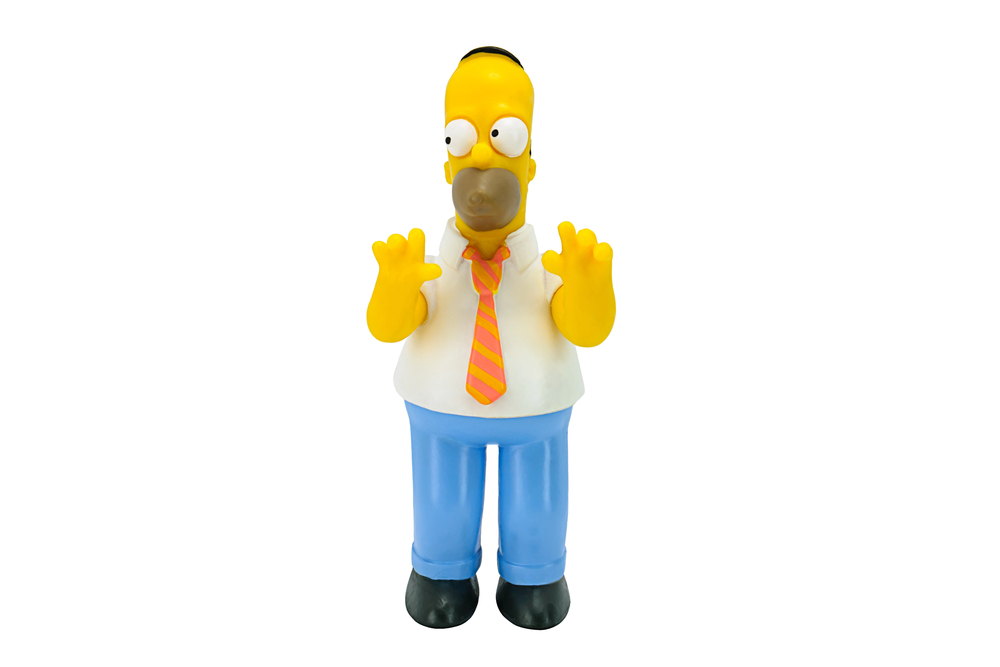
The Simpsons is an American animated sitcom.
— Illustration by nicescene
Homer Simpson’s signature grunt of frustration became the perfect expression for life’s countless annoying moments. The phrase worked because it was succinct but stuck in your head, whether you’d just spilled coffee on your shirt or realized you’d forgotten your keys again. It’s like the verbal equivalent of slapping your forehead, except way more satisfying to say out loud.
How You Doin’?

— Photo by junpinzon
Joey Tribbiani turned this simple greeting into the ultimate pickup line on Friends. Matt LeBlanc’s delivery made this catchphrase iconic, and it was used so regularly on the show that guys everywhere started testing it out in real life. The beauty was in its simplicity—three words that could break the ice or make someone laugh, depending on how badly you butchered Joey’s smooth delivery.
You Got It, Dude!
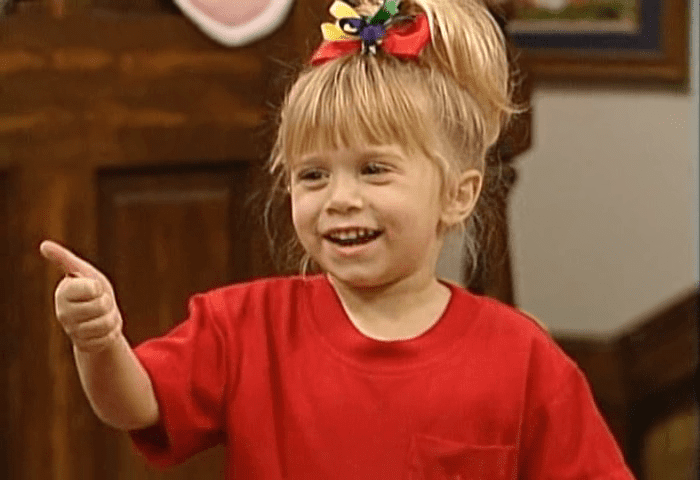
Michelle Tanner’s adorable response to just about everything on Full House melted hearts nationwide. Even coming from a preschooler. Michelle was easily the most adorable kid in the house, especially when she said this catchphrase, and it somehow never came off as bratty despite her age. The phrase had this magical ability to make any request sound totally reasonable, which probably explains why the Olsen twins became household names.
Yada Yada Yada
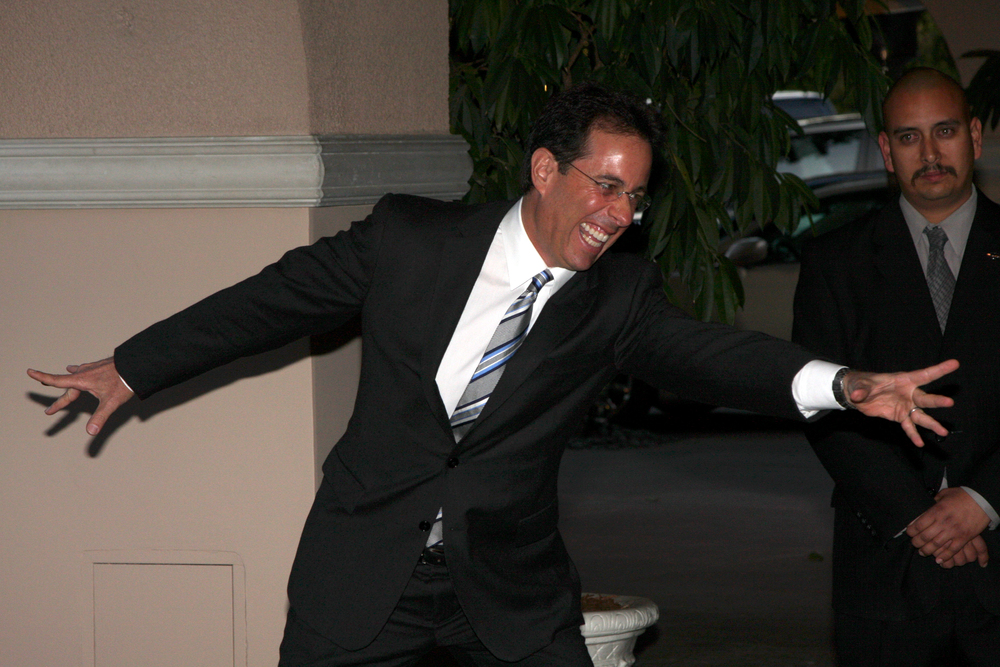
— Photo by Jean_Nelson
Seinfeld did not invent the phrase ‘yada yada yada,’ but it certainly popularized it as the perfect way to skip over boring or awkward details in any story. The joy of this catchphrase was how flexible it was; you could use it to tell your family a shocking story and get away with the adult content, or you could use it to flirt with someone. It became the ultimate conversational shortcut for when you just didn’t feel like explaining everything.
Schwing!
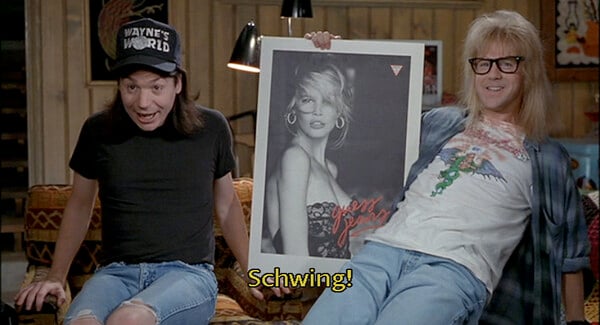
Wayne’s World brought us this ridiculous expression of attraction that somehow made perfect sense. Saturday Night Live’s Wayne’s World sketch became so popular it spawned two movies and prompted boys everywhere to shout ‘Schwing!’ and ‘We’re not worthy’ at women. The word perfectly captured that cartoonish moment when someone attractive walked by, complete with sound effects that made it impossible to take seriously—which was kind of the point.
Oh My God, They Killed Kenny!
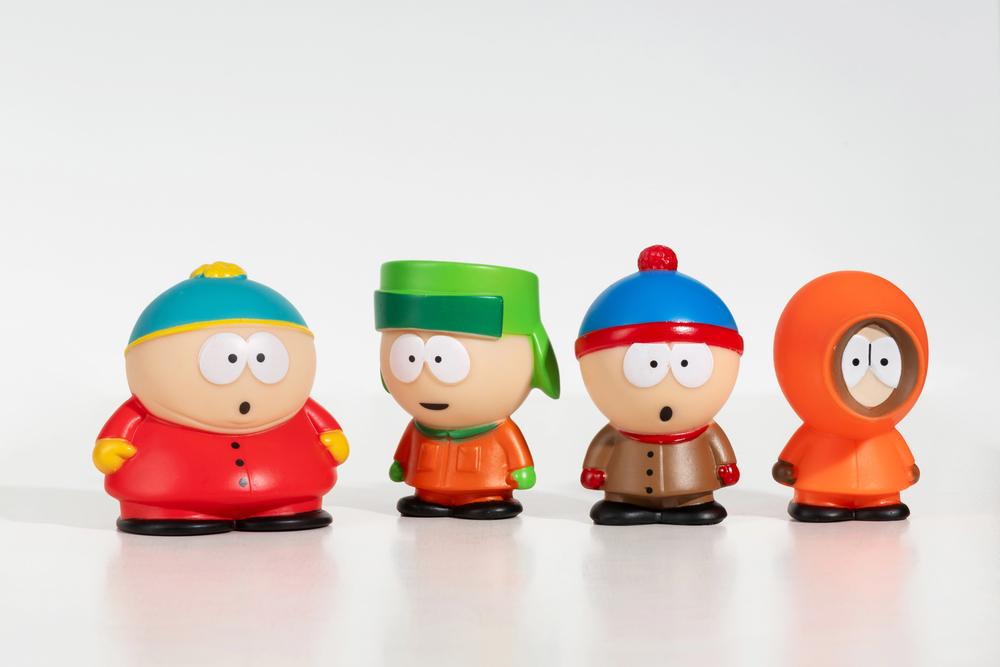
— Photo by PHOTOLOGY1971
South Park’s running gag turned character death into comedy gold. Kenny was killed off gruesomely in almost every episode before the sixth season, prompting Stan or Kyle to exclaim in shock every single time, ‘Oh, my God! They killed Kenny!’ The ‘Oh My God’ quip became a signature line from the show. Fans knew exactly what was coming each episode, which somehow made it even funnier.
Did I Do That?
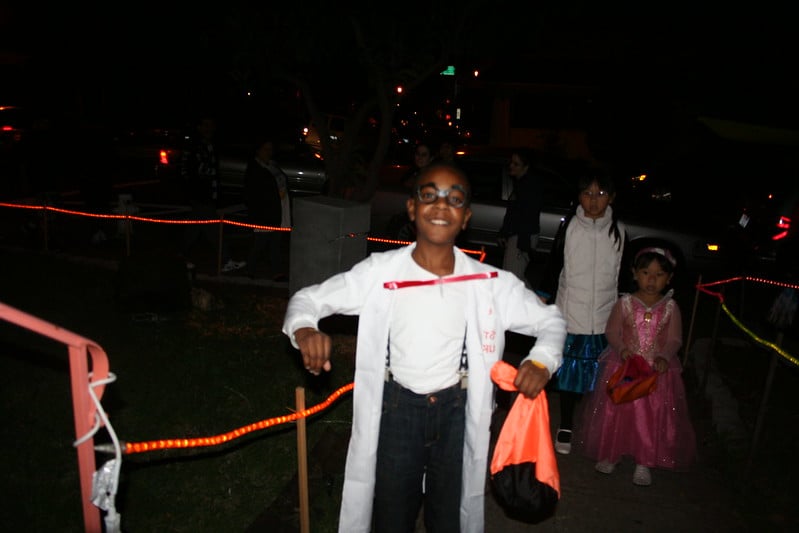
Steve Urkel’s nasally delivery of this question became the most recognizable geek catchphrase ever. Geeky neighbor Steve Urkel is always bothering the Winslow family on Family Matters, and whenever he causes an issue, he always blurts out his catchphrase. The phrase worked because Urkel genuinely seemed surprised by the chaos he constantly created, making his cluelessness both endearing and hilarious in equal measure.
The Truth Is Out There
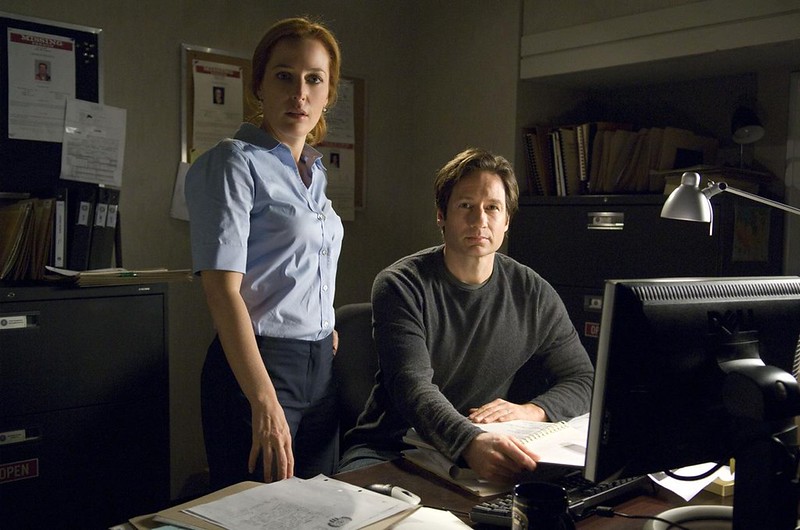
The X-Files gave conspiracy theorists their unofficial motto with this haunting tagline. The X-Files churned out a few slogans during its heyday, but ‘The truth is out there’ became a driving force of the series. It perfectly captured the show’s paranoid atmosphere and gave viewers something to whisper dramatically whenever anything remotely mysterious happened in real life.
Have Mercy!
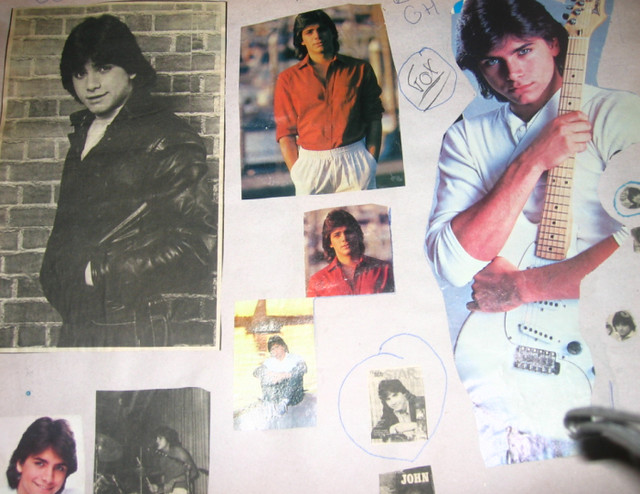
Uncle Jesse’s signature exclamation on Full House became the go-to response for any mildly overwhelming situation.
John Stamos delivered it with just the right mix of exasperation and charm, making it feel both old-fashioned and totally cool. The phrase had this vintage quality that somehow worked perfectly for a character who spent most of his time obsessing over his hair and his band.
Don’t Have a Cow, Man!
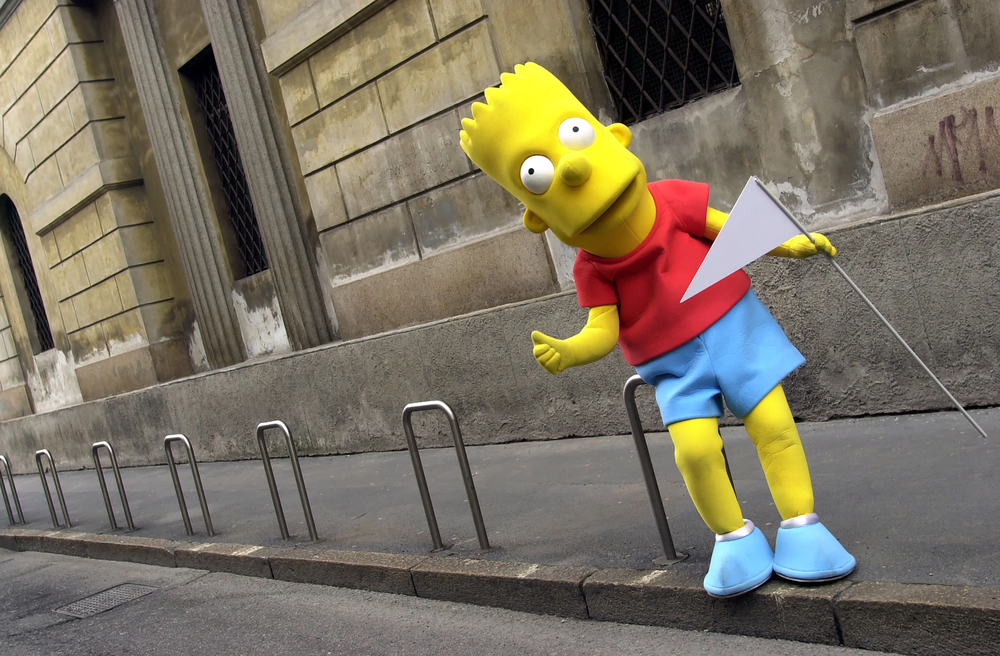
and thumb up outside large building on sidewalk.
— Photo by PHOTOLOGY1971
Bart Simpson contributed more catchphrases to 90s culture than most entire shows combined. Bart Simpson was a catchphrase machine, and ‘Don’t have a cow, man!’ was one of Bart’s quips, usually while rebelling against something or someone. It became the perfect way to tell someone to chill out, delivered with Bart’s trademark bratty attitude that made rebellion look like an art form.
How Rude!
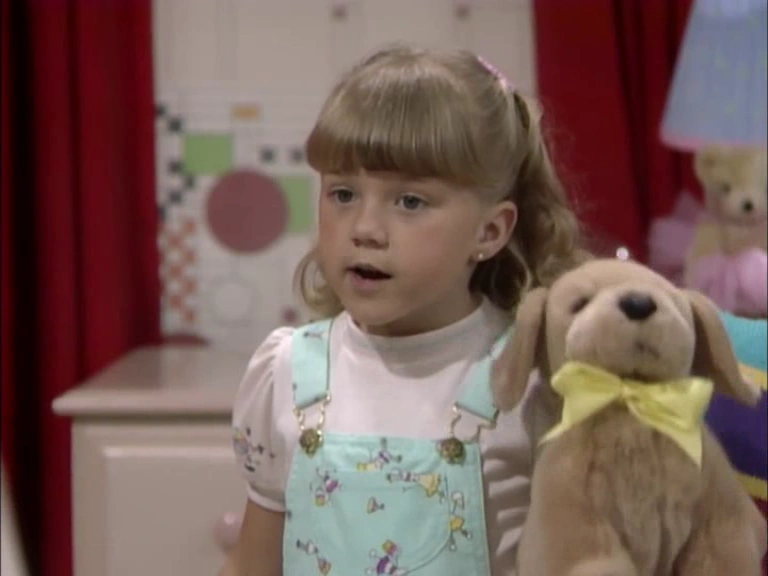
Stephanie Tanner’s indignant response to any slight became every kid’s favorite comeback. It’s hard to hear Stephanie Tanner’s signature catchphrase without thinking of Mr. Bear, her stuffed companion who witnessed countless family dramatics. The phrase had this perfect mix of genuine offense and childish outrage that made it impossible not to laugh, even when Stephanie was being totally unreasonable.
Serenity Now!
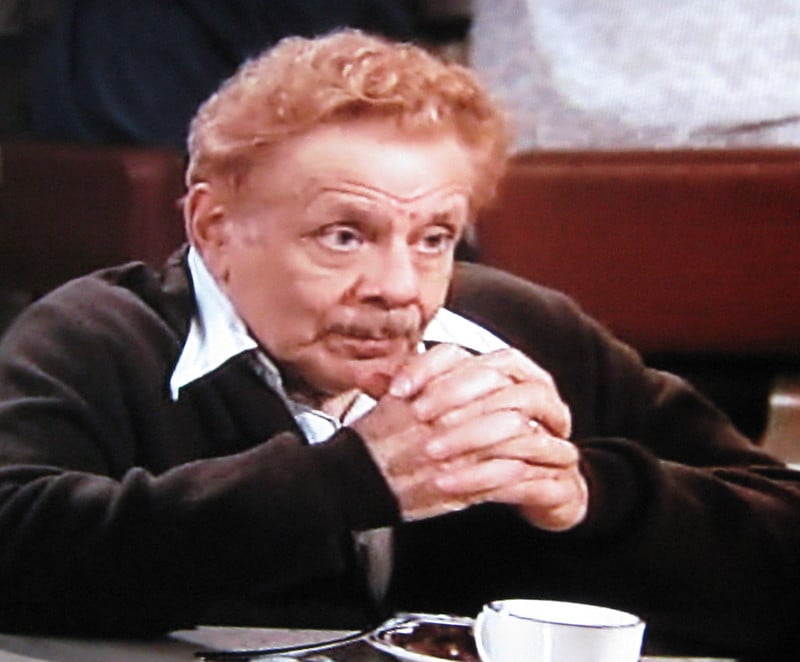
Frank Costanza’s anger management technique on Seinfeld became everyone’s favorite way to mock stress relief. In order to keep his blood pressure down, George’s father, Frank Costanza, always holds his arms up and yells, ‘Serenity now!’ whenever something particularly irks him. Seinfeld was a quote machine, but Frank’s ‘serenity now!’ became a battle cry for the frustrated. The irony of shouting about serenity made it perfectly absurd.
I Do, I Do, I Do-oo!
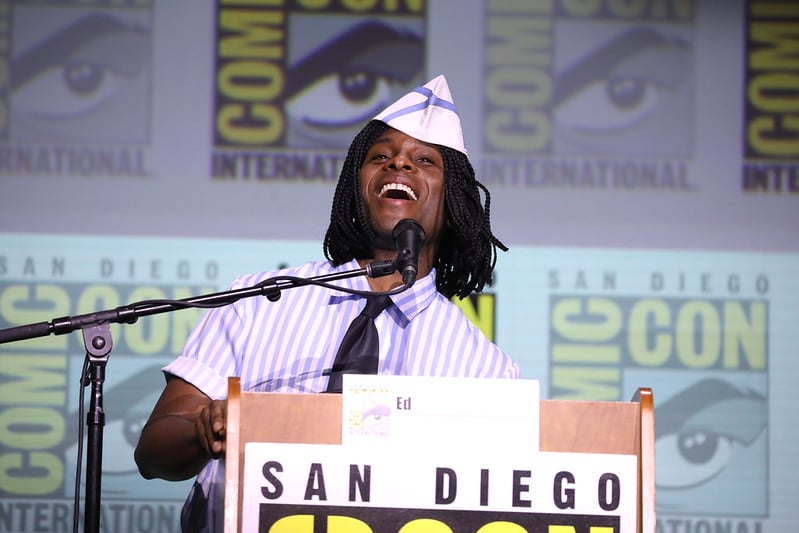
Kel’s obsession with orange soda on Kenan & Kel turned a simple beverage preference into pure comedy. Kel was firmly committed to exactly one thing in this world: orange soda, baby, and his enthusiastic response to any mention of his favorite drink became instantly memorable. The way he stretched out that final ‘do’ made it sound like he was singing about the greatest thing in the universe—which, in Kel’s mind, it probably was.
You Know What I’m Sayin’?
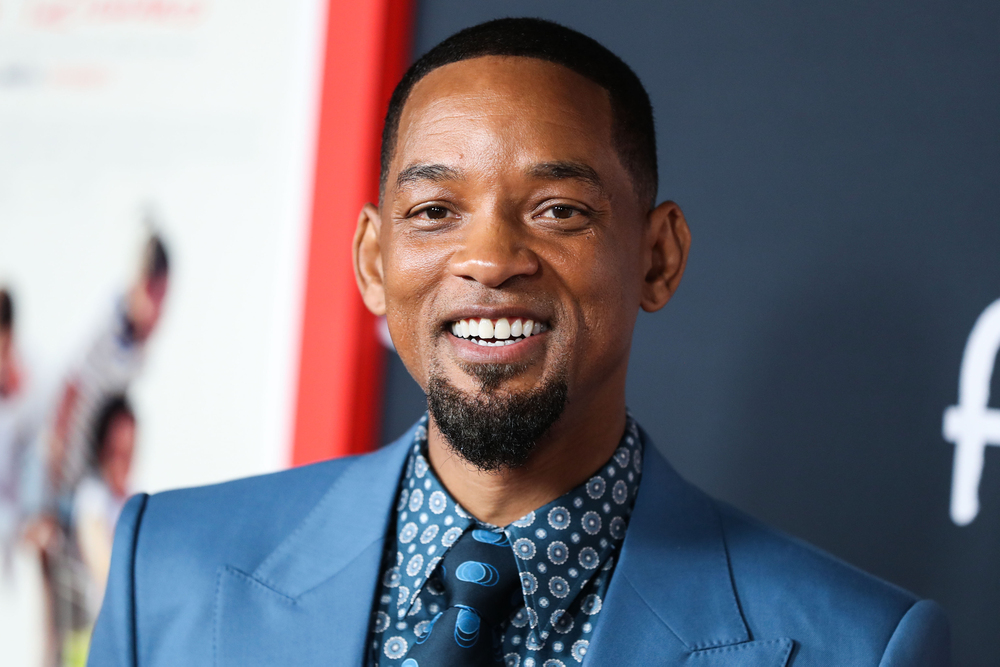
— Photo by Image Press Agency
Will Smith’s character on Fresh Prince of Bel-Air used this phrase to try connecting with people, usually with mixed results. His most popular catchphrase whenever he tries to swing somebody his way is, ‘You know what I’m sayin’?’, which rarely goes as planned, especially with Phil or the sarcastic butler. So the phrase highlighted the cultural clash between Will’s street-smart background and his fancy new surroundings.
Damn Fine Cup of Coffee!
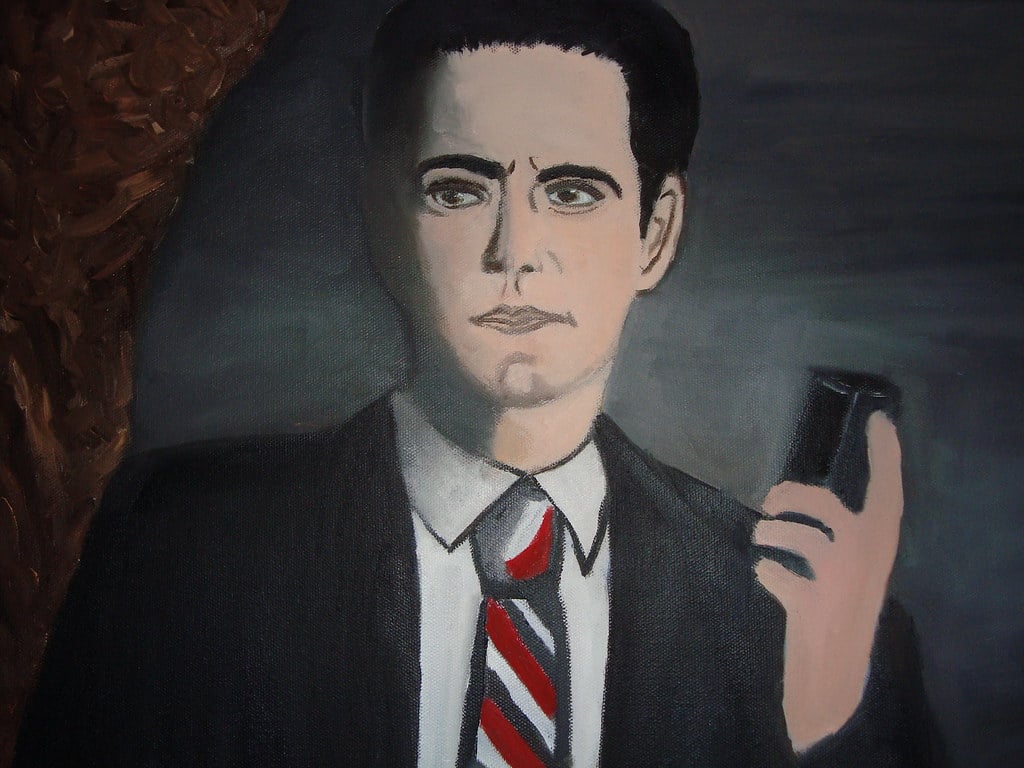
Agent Dale Cooper’s appreciation for the simple pleasures on Twin Peaks turned coffee appreciation into an art form. He loves the local diner’s cherry pie but especially the black coffee, as evident by his repeated phrase, ‘Damn fine cup of coffee!’ after the first sip. Cooper’s genuine enthusiasm for quality coffee helped launch America’s obsession with gourmet brews that continues today.
Not That There’s Anything Wrong with That
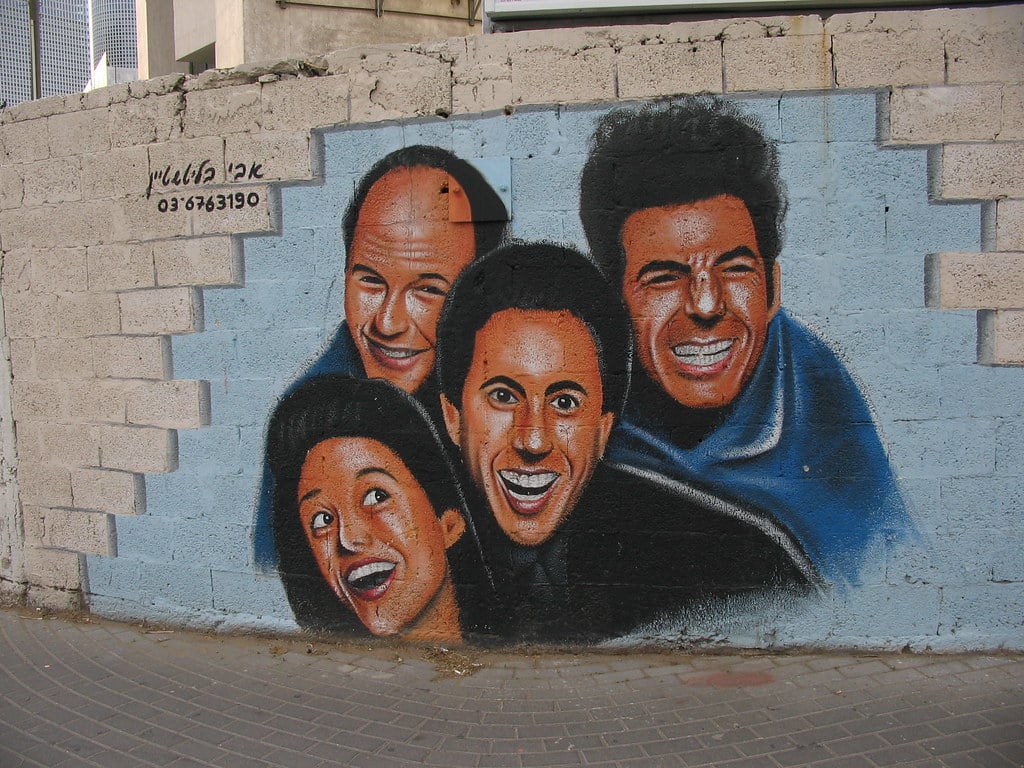
This Seinfeld disclaimer became the perfect way to backtrack from any potentially offensive comment. While ‘Seinfeld’ was never overtly political, the writers’ secular liberal views often shone through in this episode where he tries to convince a reporter he’s straight. The phrase lets people express their personal preferences while acknowledging different lifestyles, becoming a template for politically correct conversations.
Excellent!
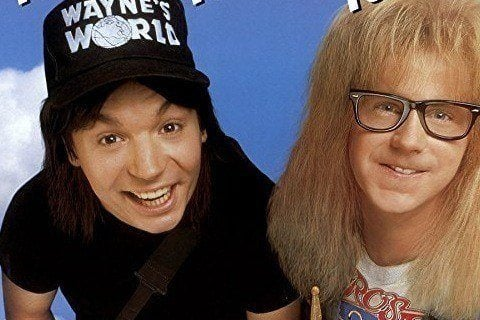
Wayne and Garth’s enthusiastic approval on Wayne’s World made this simple word sound like the highest praise possible. Myers’ and Carvey’s public access TV hosts from Aurora, Illinois, left an indelible mark on the American lexicon, and their way of stretching out ‘excellent’ with pure excitement made ordinary things seem awesome. It became the verbal equivalent of giving something two thumbs up.
From Screens to Streets

finishing the Peachtree Road Race on July 4, 2023 in Atlanta, GA.
— Photo by BluIz60
These 17 catchphrases didn’t just entertain us—they became part of how we communicated in the real world. They gave us shared references that could instantly connect strangers and turn mundane moments into opportunities for humor. Whether you were channeling Joey’s confidence or Homer’s frustration, these phrases provided a common language that defined a generation. Today, when someone drops a ‘D’oh!’ or asks ‘How you doin’?’, they’re not just quoting old TV shows—they’re tapping into a cultural moment when television truly brought America together, one ridiculous catchphrase at a time.
More from Go2Tutors!

- 16 Historical Figures Who Were Nothing Like You Think
- 12 Things Sold in the 80s That Are Now Illegal
- 15 VHS Tapes That Could Be Worth Thousands
- 17 Historical “What Ifs” That Would Have Changed Everything
- 18 TV Shows That Vanished Without a Finale
Like Go2Tutors’s content? Follow us on MSN.


