Arctic Fox Facts From Tundra to Tail
Ever wonder how a creature smaller than the typical house cat can make it through one of the harshest environments on Earth? In temperatures that would kill most other animals, the Arctic fox not only survives but thrives. While these amazing little foxes hunt, play, and raise families in temperatures as low as -70°F, picture yourself wrapped up in layers just to walk to your mailbox in the winter. They seem to be naturally adept at surviving.
These 12 amazing facts about these amazing Arctic survivors will help you understand the wonders of nature’s engineering.
White Coats Aren’t Forever
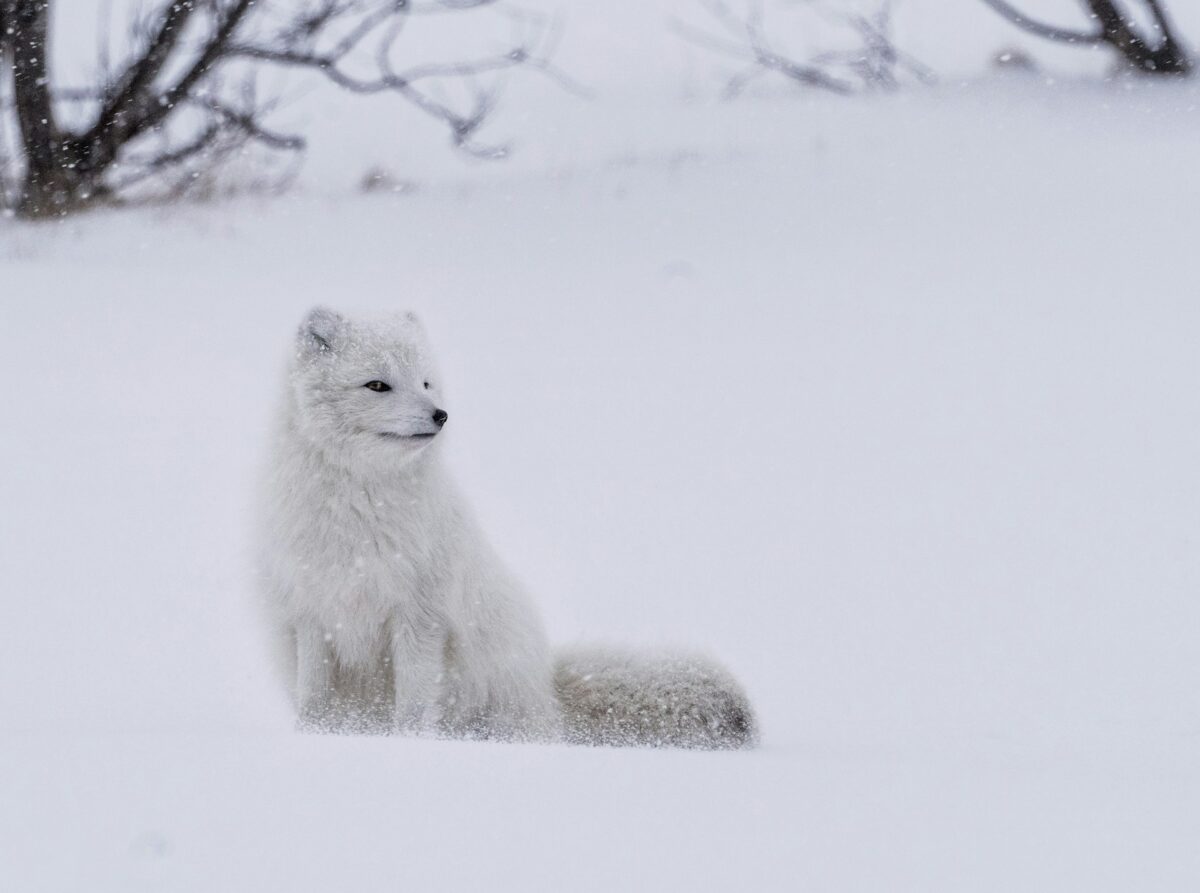
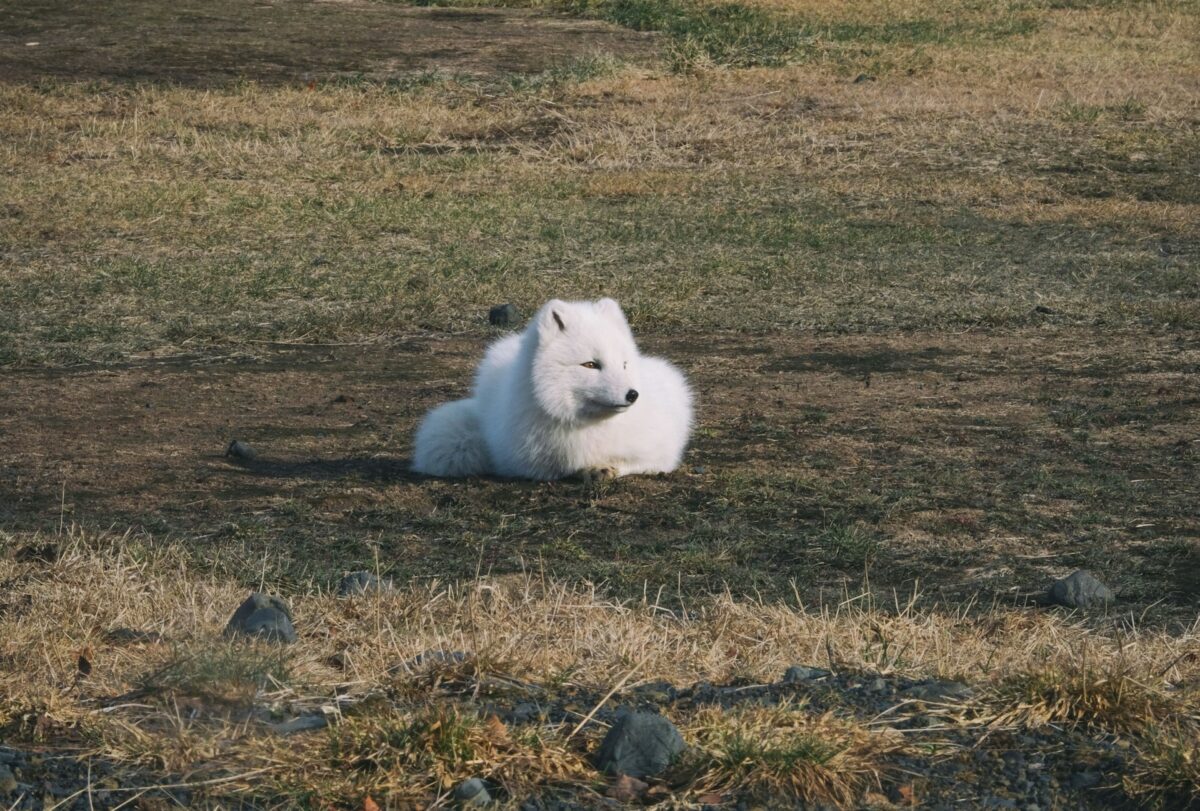
Do you think Arctic foxes are always as immaculate as they appear in pictures? This is where things start to get interesting.Similar to how you might switch from winter coats to summer clothing, these ingenious creatures completely change their wardrobes twice a year.
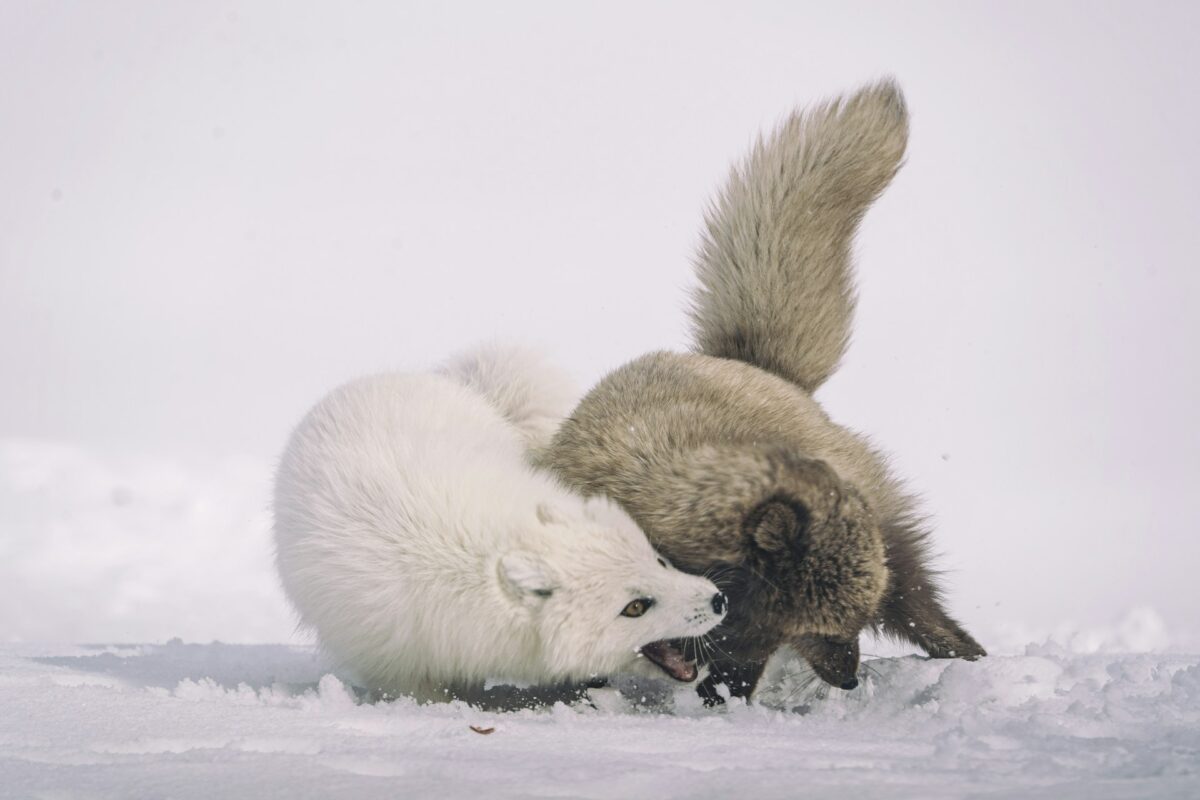
Their fur turns brownish-gray in the summer, which blends in well with the rocky tundra environment.This is nature’s take on seasonal fashion, but it serves a very important survival function.
That Tail Is a Personal Heater
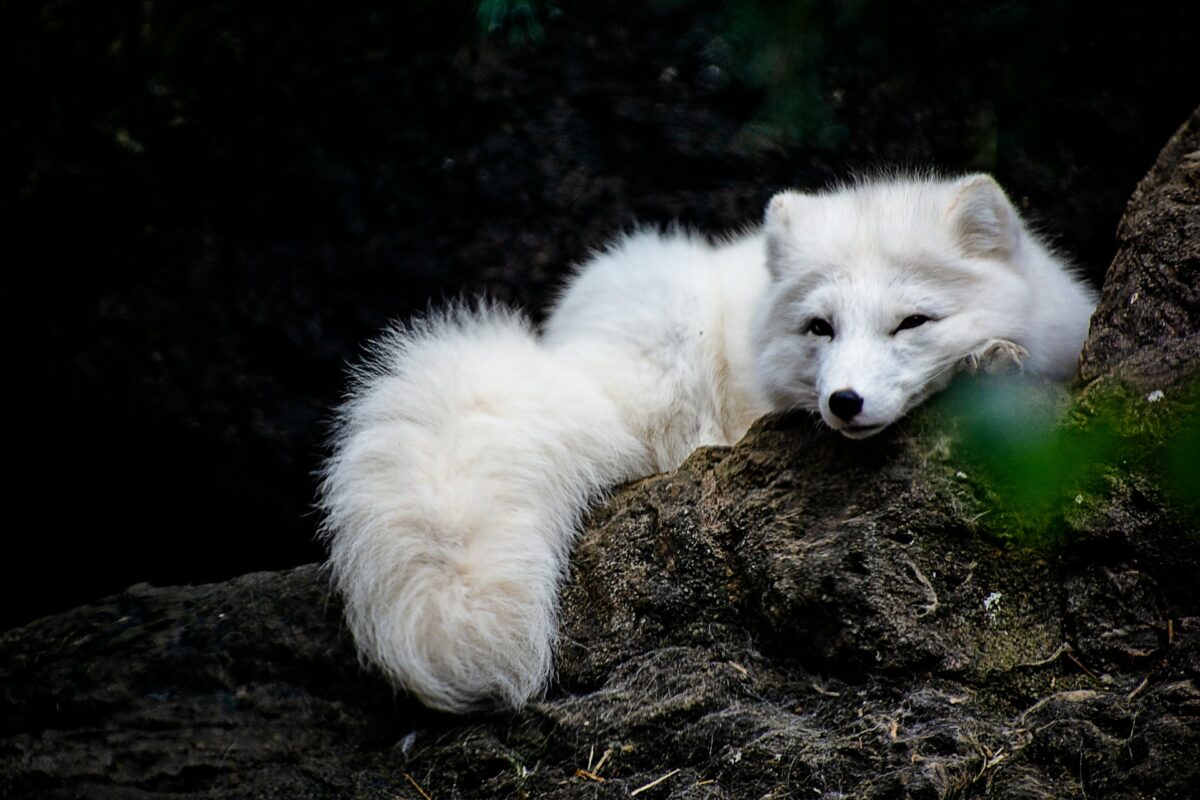
You know how you wrap yourself in a blanket when you’re cold? Arctic foxes do something similar with their incredibly fluffy tails.When temperatures plummet, they curl up into a tight orb and wrap that magnificent tail around their face and body like a personal heating blanket.
Their tails can be up to 14 inches long—nearly half their body length—and they’re packed with the thickest, warmest fur you can imagine.
Like Go2Tutors’s content? Follow us on MSN.
They’re Basically Living Snow Boots
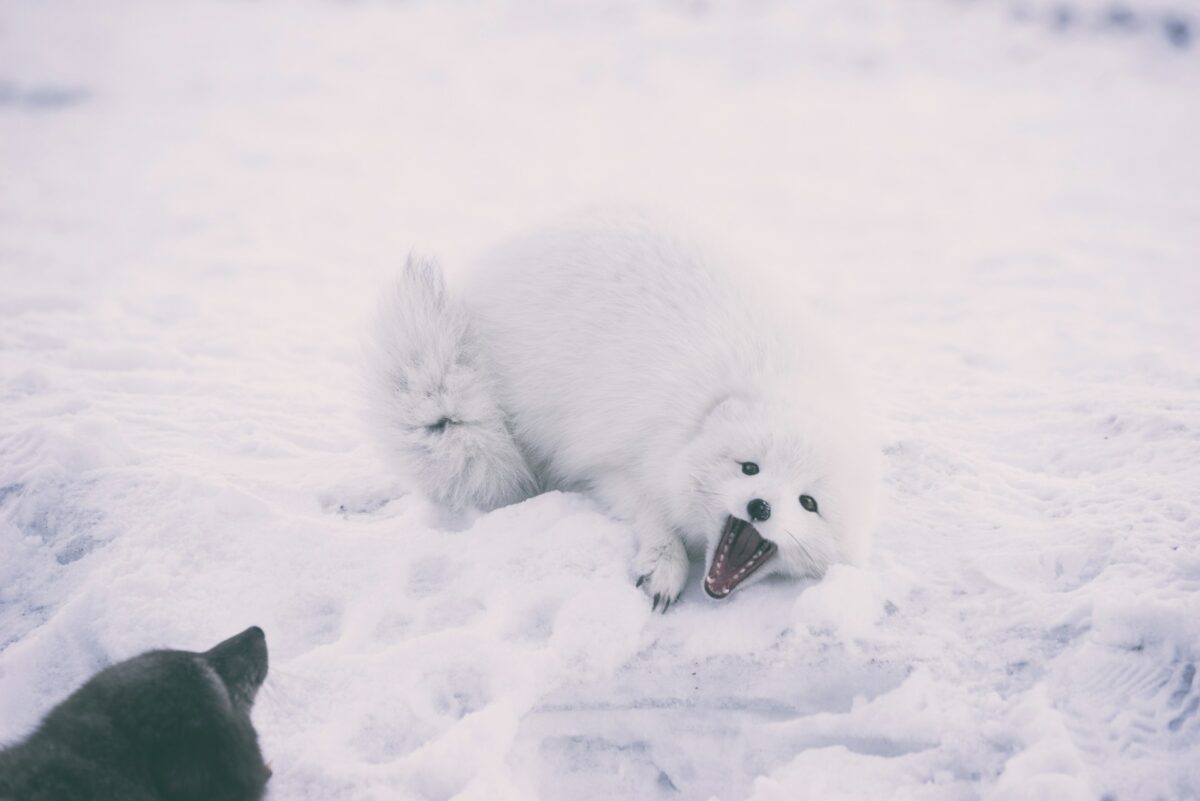
Ever tried walking on ice and snow without proper footwear? Arctic foxes have solved this problem in the most elegant way possible.The soles of their paws are completely covered in dense fur, creating natural snow boots that provide both insulation and incredible grip on slippery surfaces.
This furry footwear also muffles their steps, making them silent hunters gliding across the snow.
Arctic Foxes Are Tiny Powerhouses
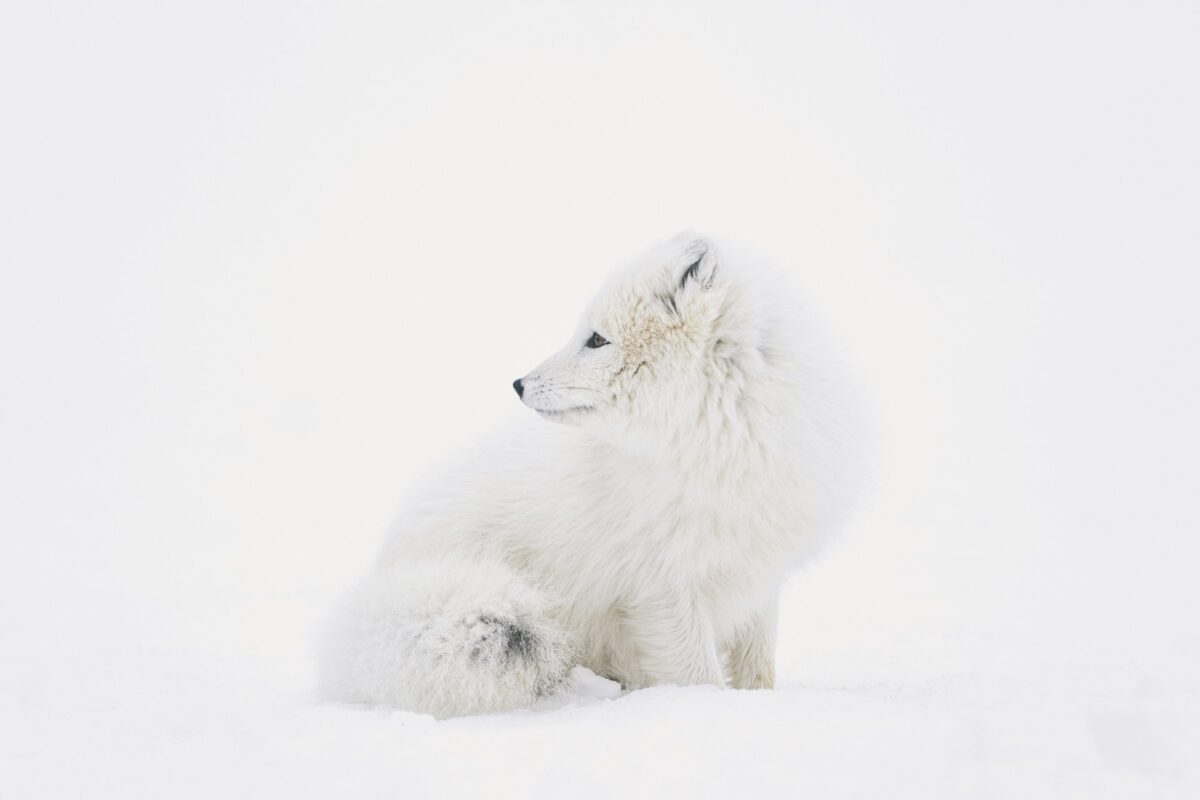
Don’t let their small size fool you—these foxes are perfectly built for their harsh environment. Weighing only 6-10 pounds and measuring about three feet long including their tail, they’re compact enough to minimize heat loss but tough enough to handle anything the Arctic throws at them.
Their small, rounded ears and short muzzle mean less surface area exposed to the brutal cold.
They Can Hear Dinner Underground
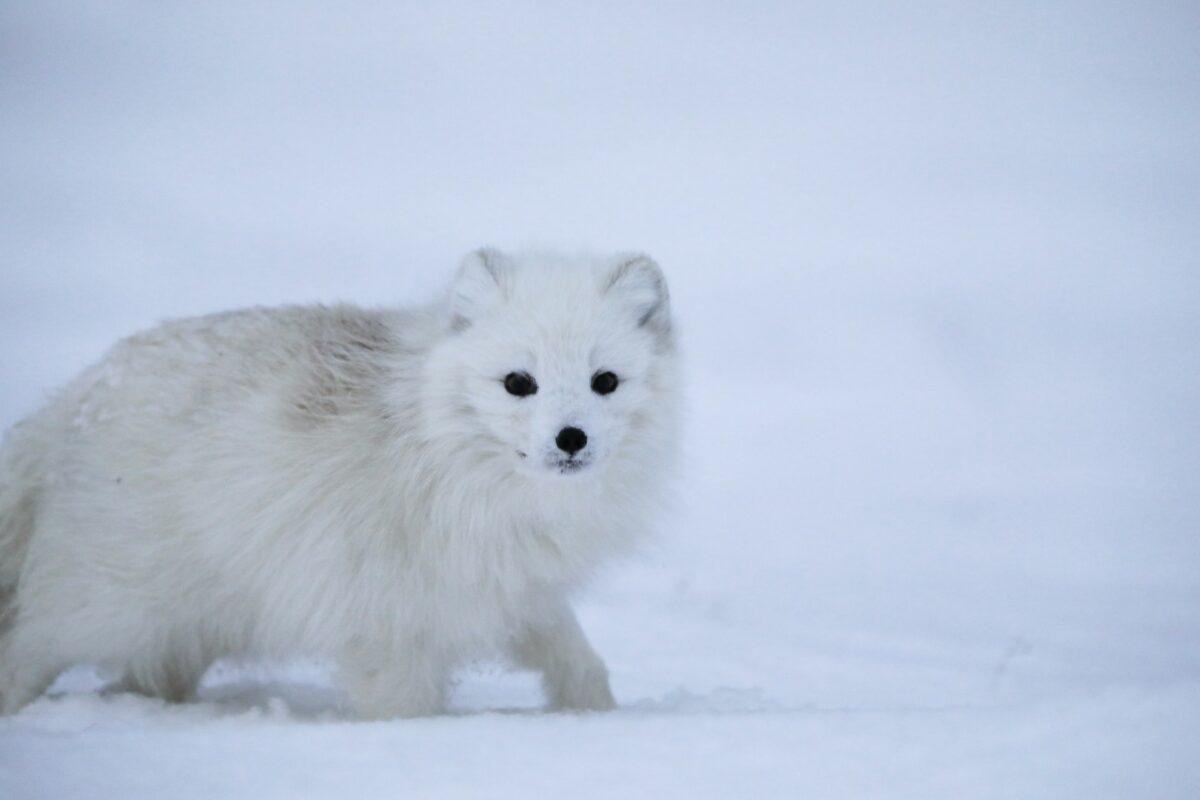
Imagine being able to hear someone whispering through your floor. Arctic foxes have developed such incredible hearing that they can detect lemmings moving through tunnels buried under 18 inches of snow.
They’ll stand perfectly still, tilting their head like a dog listening to a distant sound, then suddenly leap high into the air and dive nose-first through the snow to catch their prey.
Like Go2Tutors’s content? Follow us on MSN.
Their Fur Is Better Than Any Winter Coat
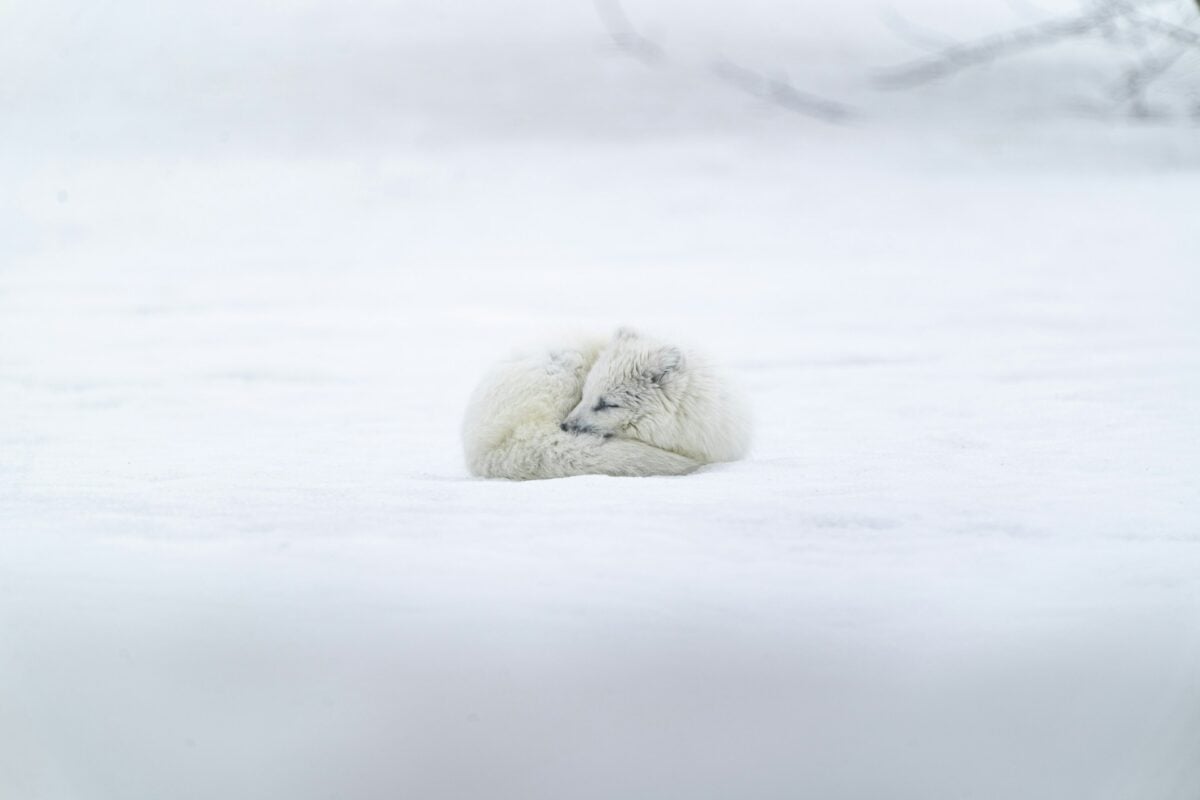
The Arctic fox has the warmest fur of any mammal on Earth. Their winter coat is so effective that they don’t even start shivering until temperatures drop below -70°F.
The secret is in the layers—they have dense underfur close to their skin topped with longer guard hairs that trap warm air. It’s like wearing the world’s most advanced thermal underwear.
Blue Foxes Aren’t Feeling Sad
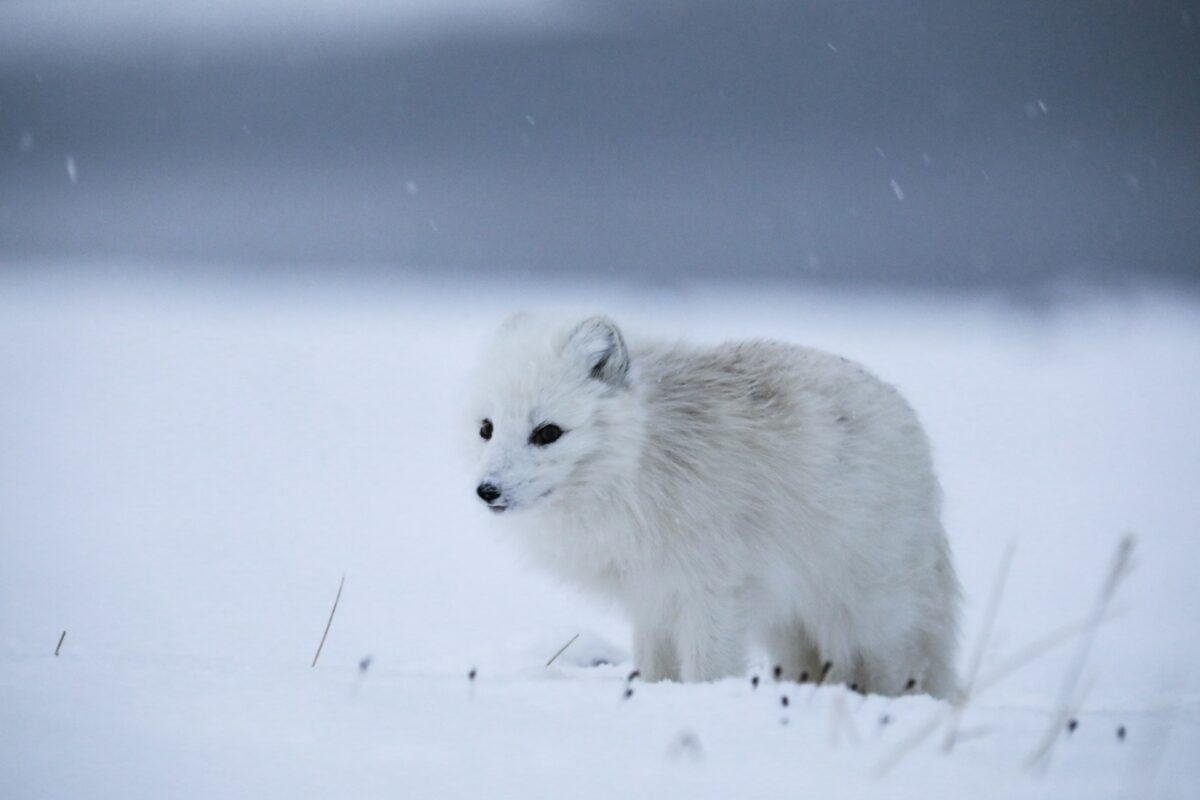
While most Arctic foxes sport the classic white winter coat, there’s a rare ‘blue morph’ that stays dark bluish-gray year-round. These aren’t different species—they’re just foxes with different genetics, kind of like how some people have brown eyes and others have blue.
The blue morph is more common in coastal areas and makes up only about 1% of the Arctic fox population.
They Follow Polar Bears Like Dinner Guests
Talk about having powerful friends. Arctic foxes have figured out that following polar bears around is like having a personal meal delivery service.
Since polar bears primarily eat the blubber from seals and leave the rest, Arctic foxes trail behind these massive predators, cleaning up the leftovers. It’s a dangerous but effective dining strategy.
Like Go2Tutors’s content? Follow us on MSN.
Their Dens Are Generational Family Homes
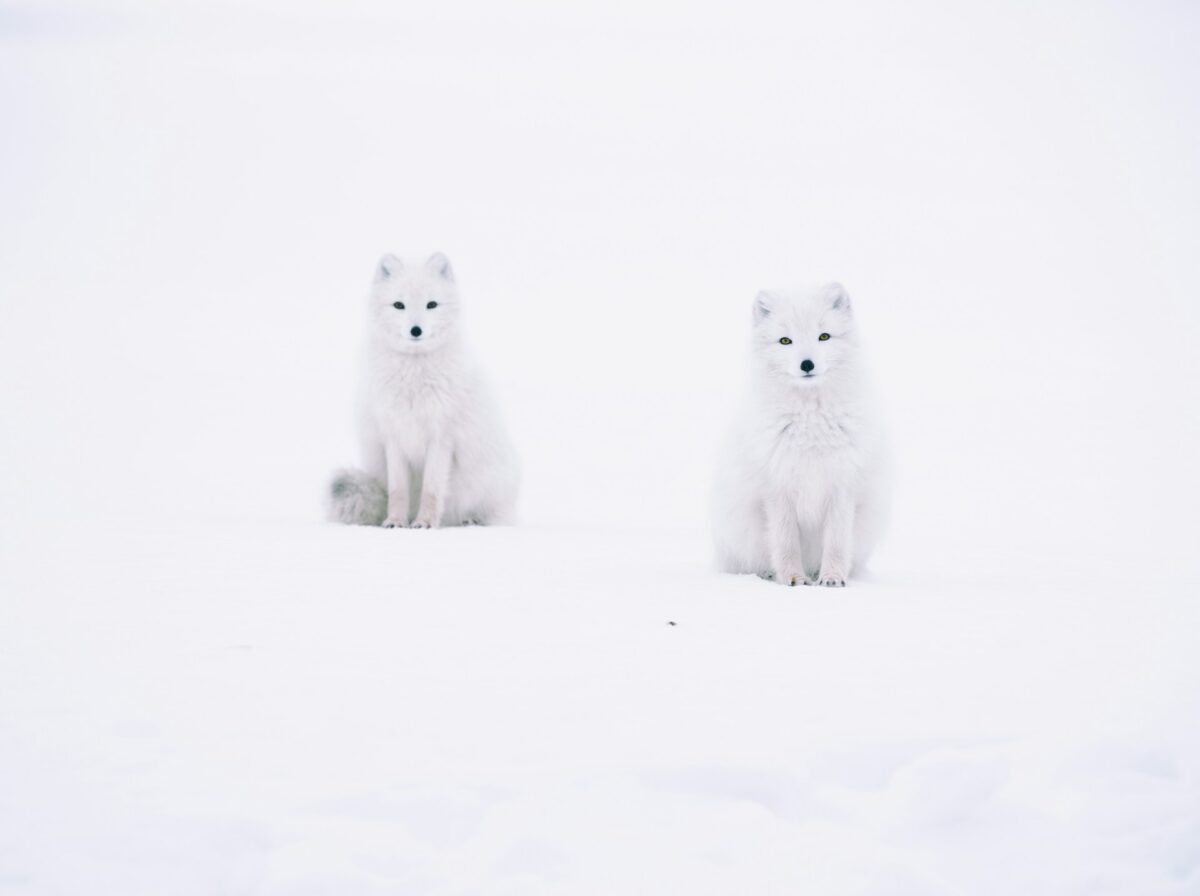
Arctic foxes don’t just dig simple burrows—they create elaborate underground cities that can span over 10,000 square feet. These complex tunnel systems have been used by fox families for hundreds of years, with some dens estimated to be over 300 years old.
They’re passed down through generations like family heirlooms, complete with multiple entrances and escape routes.
Baby Foxes Start Life Looking Like Chocolate Chips
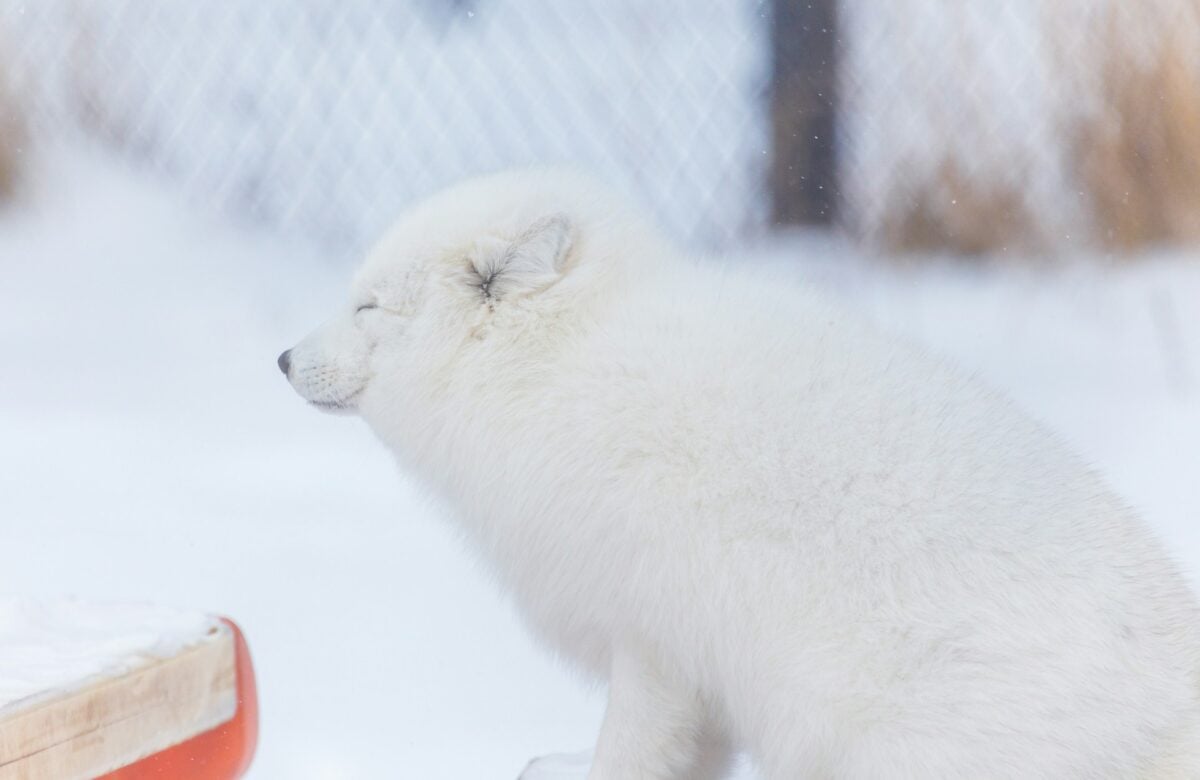
Here’s something adorable: Arctic fox pups are born with dark brown, almost chocolate-colored fur, regardless of whether their parents are white or blue morph foxes. They look nothing like the pristine white adults you might expect.
This dark fur gradually lightens as they grow, and they don’t develop their full adult coloring until they’re several months old.
They’re Champion Long-Distance Travelers
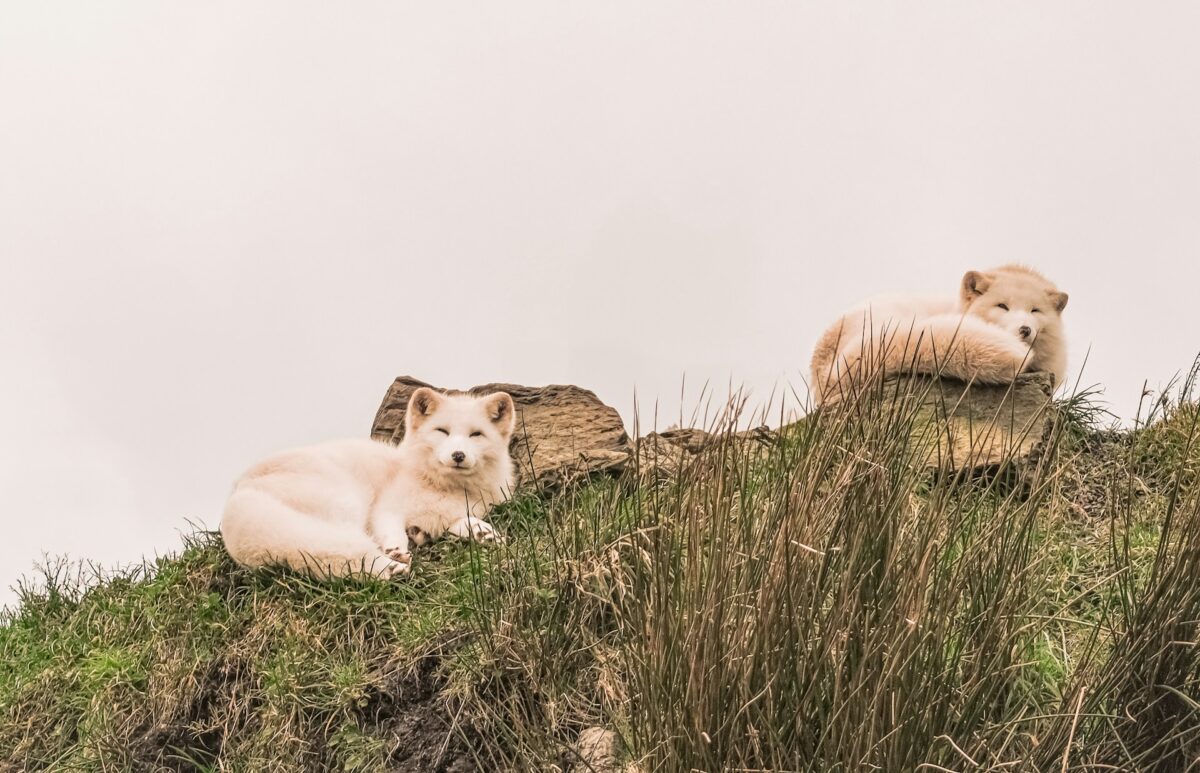
Remember that incredible story about a young Arctic fox that traveled over 2,100 miles in just 76 days? One GPS-tagged fox journeyed from Norway’s Svalbard islands all the way to Canada’s Ellesmere Island, crossing sea ice and frozen landscapes at a pace that would make marathon runners jealous.Some days, she covered over 95 miles—that’s like running nearly four marathons in a single day.
Like Go2Tutors’s content? Follow us on MSN.
Arctic Foxes Are Incredible Parents
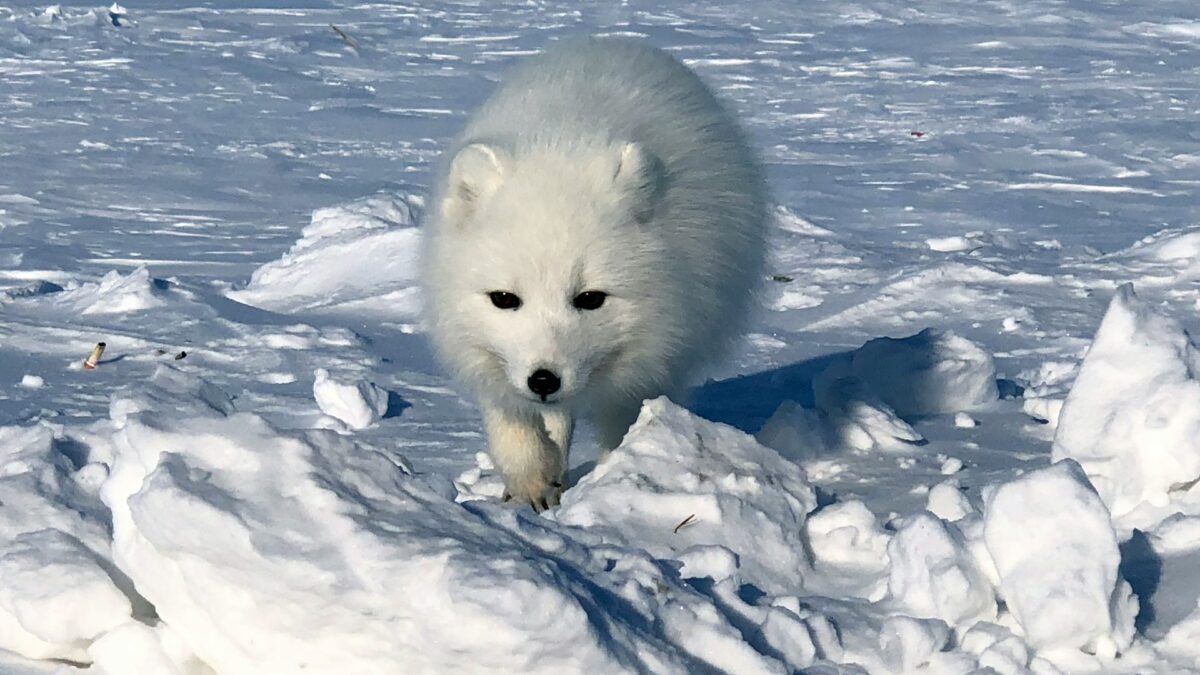
When food is plentiful, Arctic foxes can have the largest litters of any wild dog family member. A single mother can give birth to up to 25 pups in one litter—that’s more than most people have cousins.
Both parents work tirelessly to feed and protect their large families, and older siblings sometimes stick around to help raise the new pups.
Nature’s Ultimate Success Story
These amazing tiny survivors serve as a reminder that the most amazing adaptations can occasionally be found in the smallest packages. Arctic foxes have spent millions of years honing the art of thriving where others only survive, as evidenced by their color-changing coats and arctic survival skills.
Consider these incredible foxes who have transformed one of the most difficult environments on Earth into their ideal home the next time you’re griping about a cold morning.
More from Go2Tutors!

- 16 Historical Figures Who Were Nothing Like You Think
- 12 Things Sold in the 80s That Are Now Illegal
- 15 VHS Tapes That Could Be Worth Thousands
- 17 Historical “What Ifs” That Would Have Changed Everything
- 18 TV Shows That Vanished Without a Finale
Like Go2Tutors’s content? Follow us on MSN.



