Oldest Arcade Cabinets Still in Existence
Arcade games were the heartbeat of entertainment before home consoles took over. Those giant machines with their glowing screens and clunky buttons pulled quarters out of pockets faster than anything else.
While most of these cabinets ended up in landfills or storage units, some managed to survive decades of wear and tear. Finding one of these original machines today is like discovering a time capsule from when gaming meant standing up and actually leaving the house.
Here are some of the oldest arcade cabinets that somehow made it through all these years.
Computer Space from 1971 still stands in California

Computer Space holds the title of being the very first commercially sold arcade game. Nolan Bushnell and Ted Dabney created it before they even founded Atari.
The fiberglass cabinet looked like something straight out of a science fiction movie, with its curvy spaceship design. Only about 1,500 units were made, and the game flopped because people found it too confusing.
A few of these cabinets still exist in private collections and museums. The Computer History Museum in Mountain View, California has one on display.
These machines are incredibly rare, and collectors treat them like precious artifacts.
Pong machines from 1972 that people actually keep in their homes
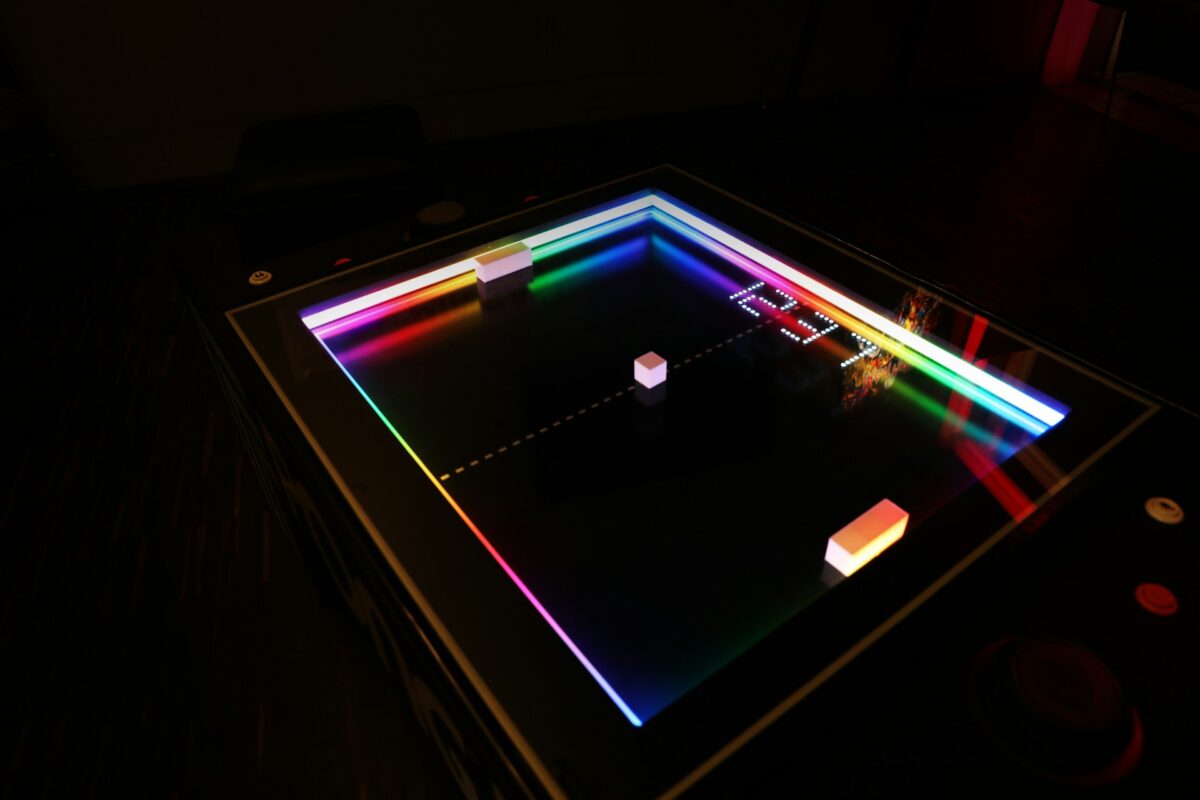
Pong became the game that proved arcades could make serious money. Atari installed the first Pong cabinet at a bar called Andy Capp’s Tavern in Sunnyvale, California.
The machine broke down within days, but not because it was faulty. It stopped working because the coin box was jammed with so many quarters.
Several original Pong cabinets still exist today, though most are in private collections. Some wealthy collectors have paid thousands of dollars to own one.
The simple wooden cabinet with its black and white screen doesn’t look like much, but it changed entertainment forever.
Like Go2Tutors’s content? Follow us on MSN.
Gran Trak 10 racing games gathering dust in storage
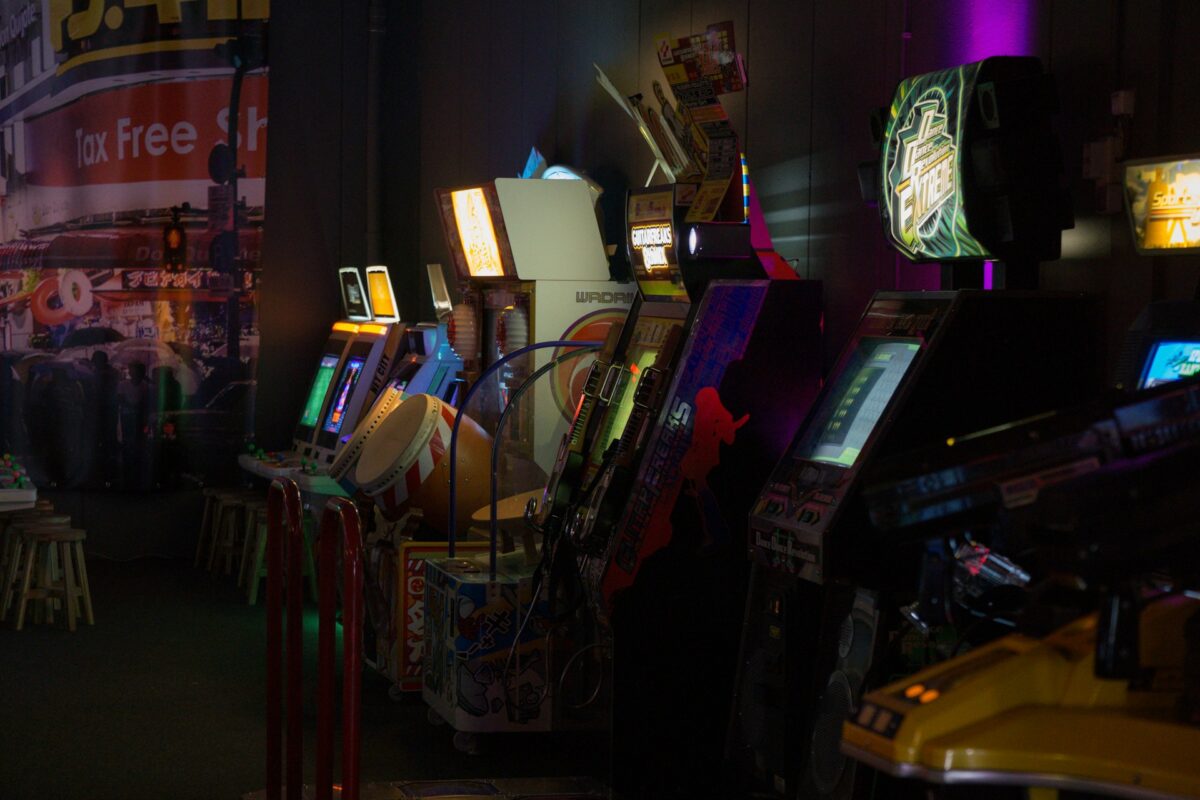
Atari released Gran Trak 10 in 1974, and it was one of the first arcade racing games ever made. Players used an actual steering wheel, a gear shift, and pedals to control the car.
The cabinet came in an upright version and a sit-down cockpit style. Atari actually lost money on each unit because production costs were higher than expected.
Despite this, some cabinets survived and occasionally pop up at auctions. A fully working Gran Trak 10 is extremely hard to find because the steering mechanisms often broke down.
Restoring one of these machines takes serious skill and patience.
Tank from 1974 hiding in someone’s garage

Tank was another early Atari game that let two players battle each other using tank-shaped joysticks. The cabinet was big and heavy, built like the military vehicles it featured.
Each player controlled their tank with a unique dual-joystick setup that made movement feel more realistic. Kee Games, which was secretly owned by Atari, released it during a time when exclusivity deals with distributors were common.
Original Tank cabinets are scattered around the world in private collections. Finding one with both joysticks still intact is tough because those controls took a beating over the years.
Gun Fight machines that introduced the microprocessor
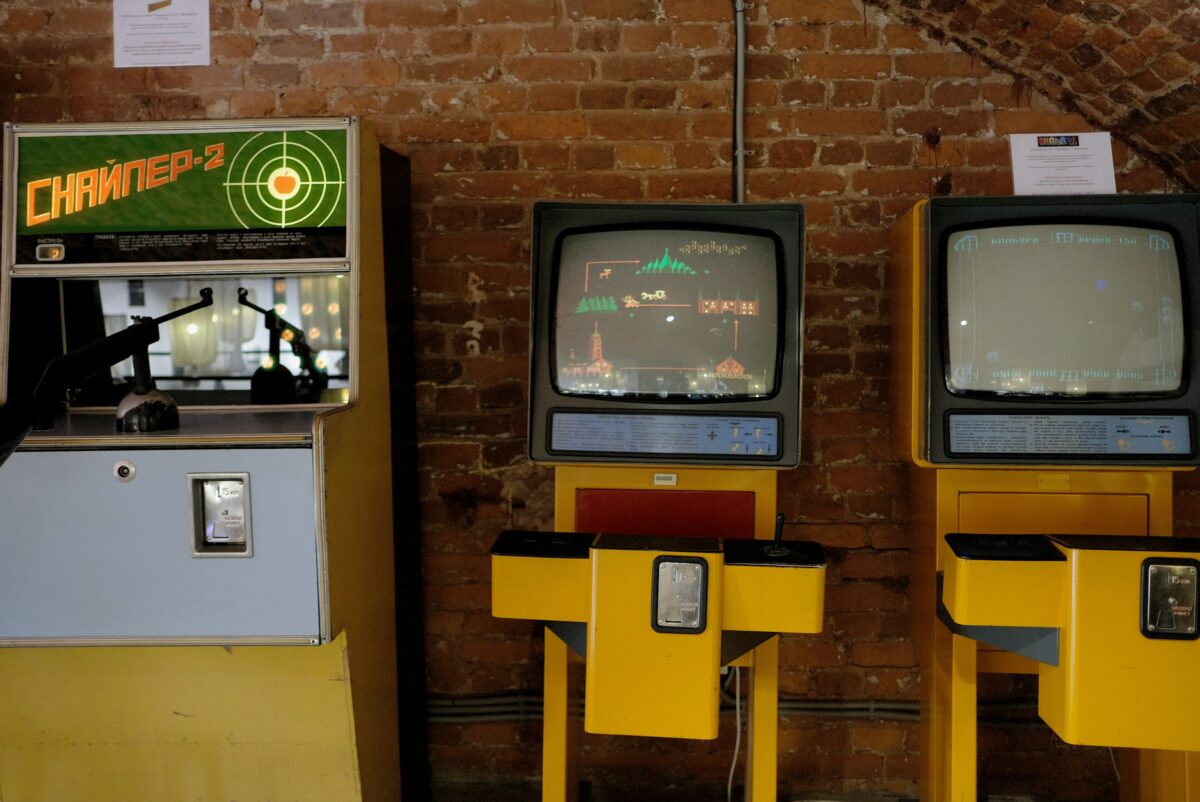
Gun Fight came out in 1975 and made history for being one of the first arcade games to use a microprocessor. Taito created the original in Japan, but Midway brought it to America and redesigned it.
The game let two cowboys shoot it out in the Wild West using light gun controllers. The cabinet featured artwork of gunfighters that perfectly captured the theme.
Several of these machines still exist, mostly in the hands of serious collectors. The microprocessor inside was a big deal because it allowed for more complex gameplay than older games.
Some working Gun Fight cabinets have shown up at retro gaming conventions.
Like Go2Tutors’s content? Follow us on MSN.
Breakout cabinets from 1976 that Steve Jobs helped design
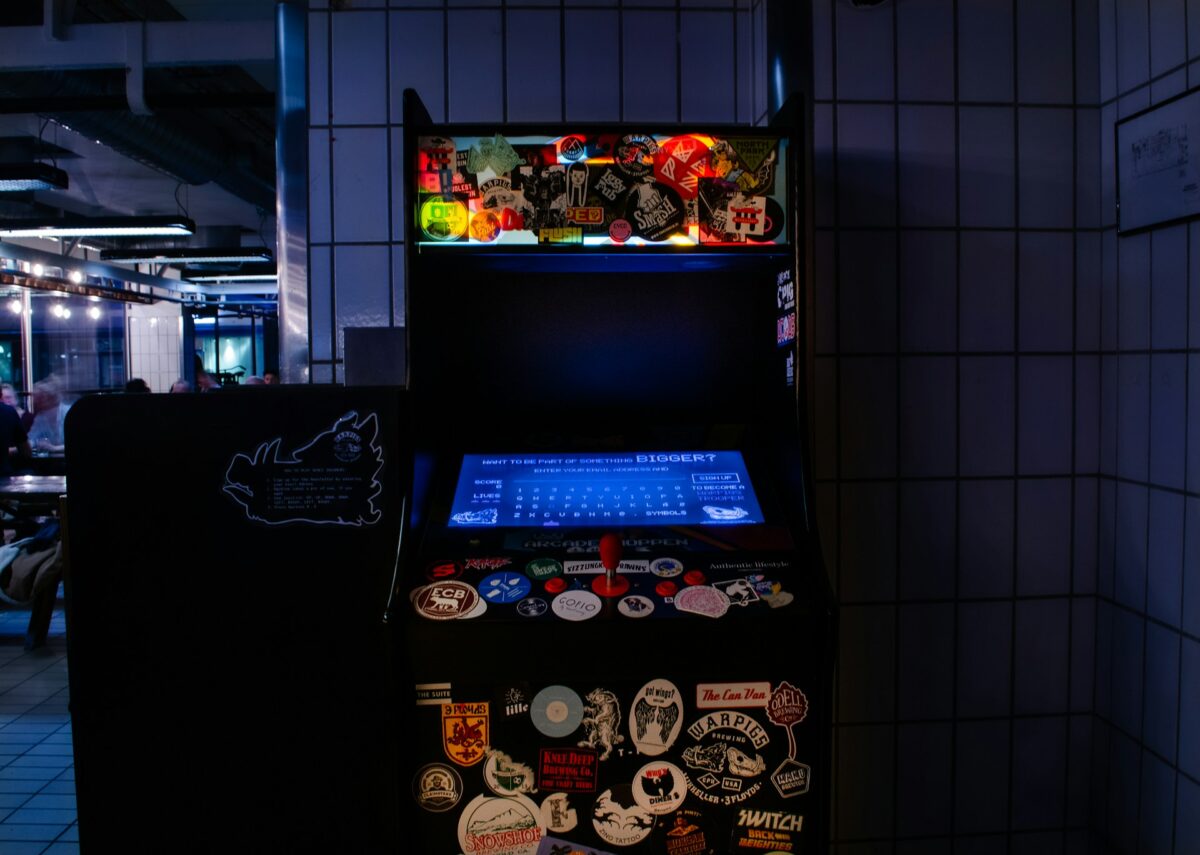
Breakout became one of Atari’s biggest hits, and it has a famous origin story. Steve Jobs was tasked with designing the game’s circuit board, but he actually had Steve Wozniak do most of the work.
The game was simple but addictive, with players using a paddle to bounce an orb and destroy bricks. Original Breakout cabinets featured bright yellow and orange artwork that stood out in dimly lit arcades.
Some of these machines survived in private collections and occasionally get restored. The wooden cabinet design was typical for that era, and finding one in good condition is challenging.
These cabinets represent an important piece of both gaming and tech history.
Death Race machines from 1976 that caused controversy
Death Race stirred up major controversy when it came out because players scored points by running over stick figures. News reports called it disturbing and violent, which only made kids want to play it more.
Exidy manufactured the game, and the cabinet featured grim artwork with skeletons and graveyards. The controversy actually helped sales, but not many units were produced compared to other games.
Original Death Race cabinets are highly sought after by collectors today. Finding one in working order is rare because many arcade owners removed them due to public pressure.
The game looks tame now, but it was shocking for 1976.
Space Invaders cabinets from 1978 sitting in Japanese museums
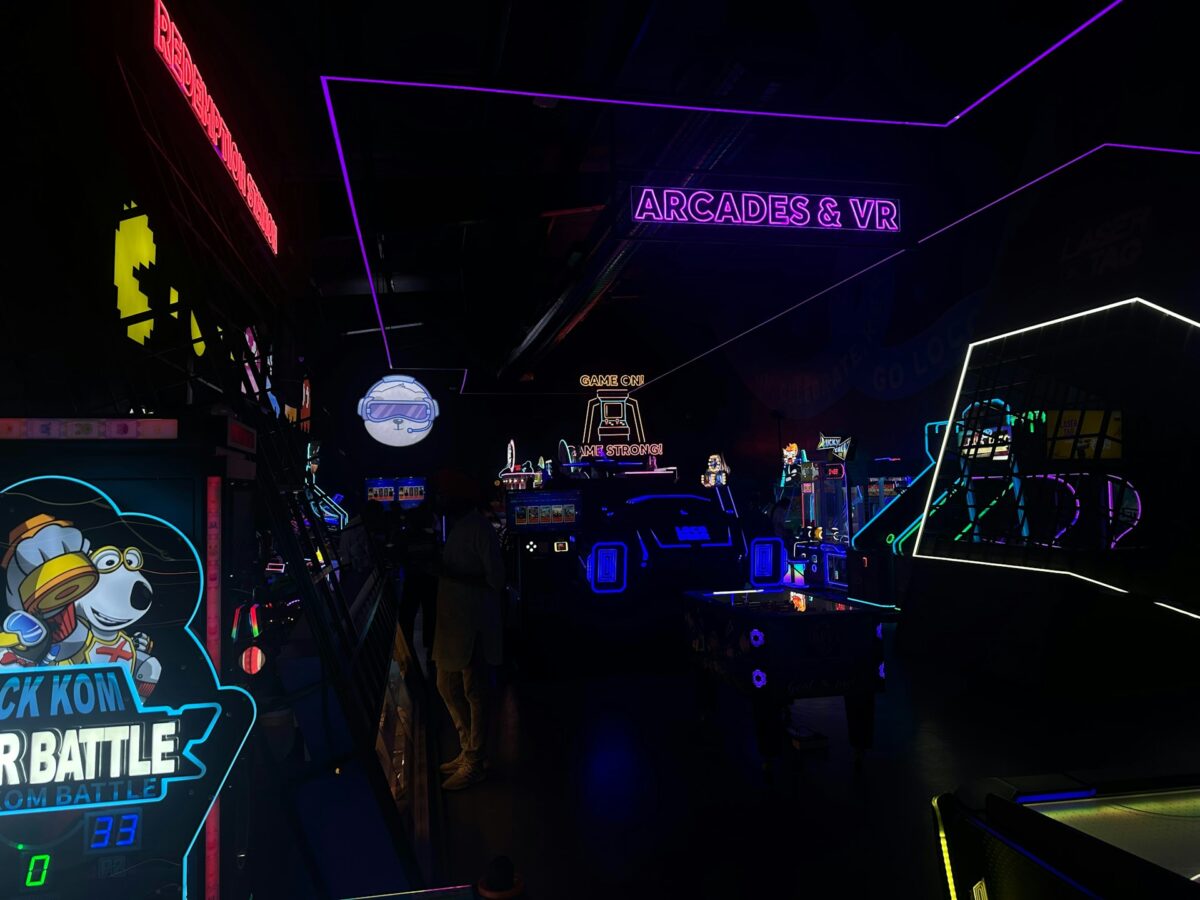
Space Invaders became a cultural phenomenon when Taito released it in Japan. The game was so popular that it supposedly caused a coin shortage in the country.
Taito produced thousands of cabinets, both in Japan and through licensing deals worldwide. Original Japanese cabinets had different artwork than the American versions.
Several museums in Japan have preserved these machines, including the Taito headquarters. Collectors around the world pay premium prices for original Space Invaders cabinets in good condition.
The cocktail table version, where players sat across from each other, is especially rare.
Like Go2Tutors’s content? Follow us on MSN.
Asteroids machines from 1979 with vector graphics still glowing
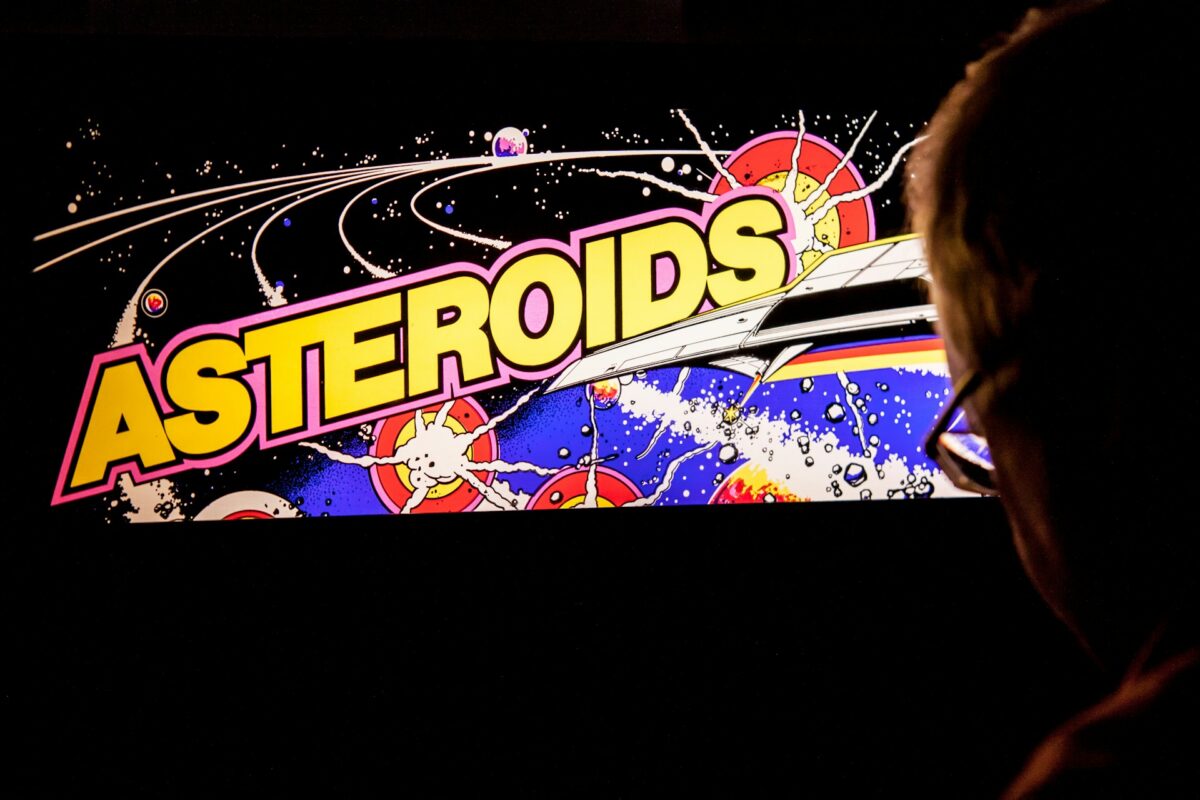
Asteroids used vector graphics instead of the usual raster displays, giving it a unique sharp look. Atari sold over 70,000 units, making it one of their best-selling games ever.
The cabinet came in both upright and cocktail versions. That distinctive vector glow is what makes original Asteroids cabinets so appealing to collectors.
Many of these machines still exist because they were so popular that owners held onto them. The main challenge with preservation is keeping the vector monitor working, since replacement parts are hard to find.
Some dedicated collectors have learned to repair these monitors themselves to keep their cabinets running.
Pac-Man cabinets from 1980 that became cultural icons
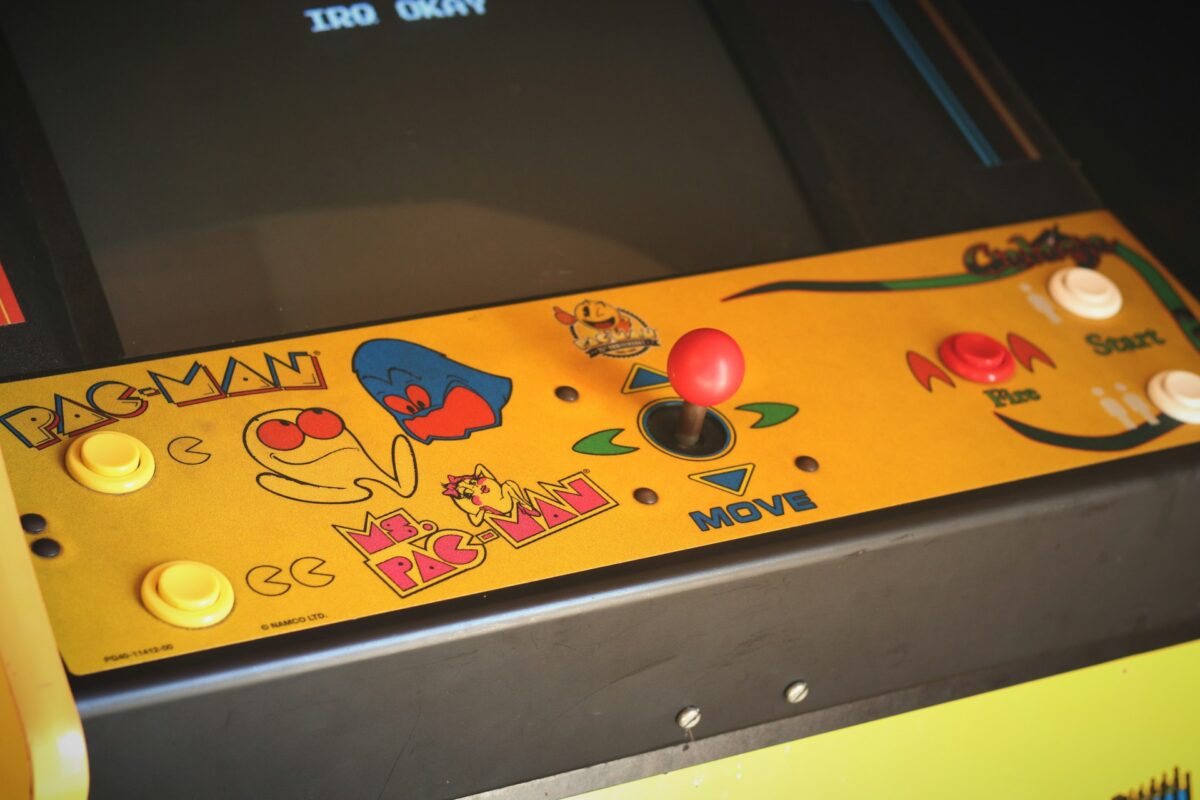
Pac-Man changed everything when Namco released it in Japan and Midway brought it to America. The game appealed to everyone, not just teenage boys, which expanded the arcade audience dramatically.
Original cabinets featured the iconic yellow artwork with Pac-Man and the ghosts. Namco produced so many units that plenty still exist today, though finding one in original condition is harder than expected.
Many cabinets got converted to play other games over the years. The original Japanese version, called Puck Man, is much rarer than the American Pac-Man.
Some restaurants and bars still have working Pac-Man cabinets from the early 1980s.
Donkey Kong machines from 1981 stored in Nintendo’s vault
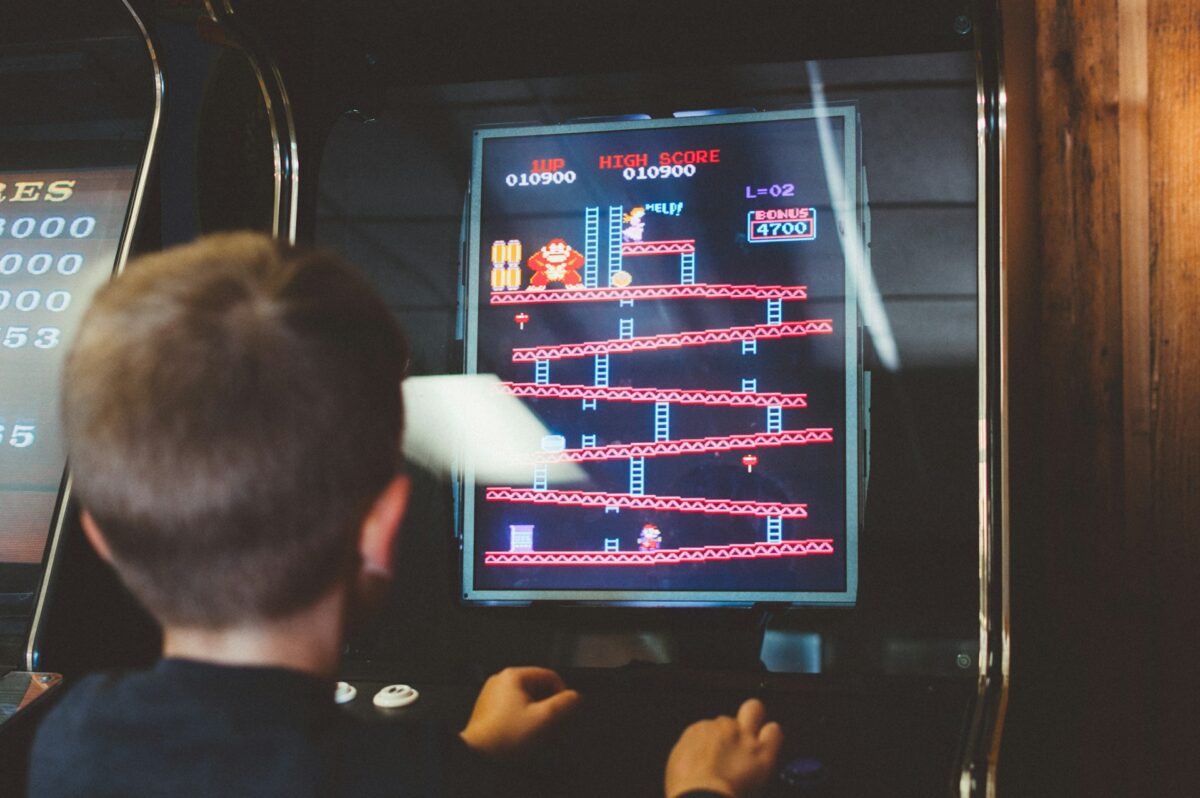
Donkey Kong introduced the world to Mario, though he was called Jumpman back then. Nintendo took a huge gamble converting unsold Radar Scope cabinets into Donkey Kong machines.
The bet paid off massively, and the game saved Nintendo’s American operations. Original Donkey Kong cabinets featured artwork of the ape holding the damsel while Mario prepared to rescue her.
Nintendo supposedly keeps several original cabinets in their archives in Japan. Collectors value these machines highly, especially ones with the original Radar Scope conversion marks.
The game’s four levels are harder than most people remember.
Like Go2Tutors’s content? Follow us on MSN.
Galaga cabinets from 1981 still earning quarters
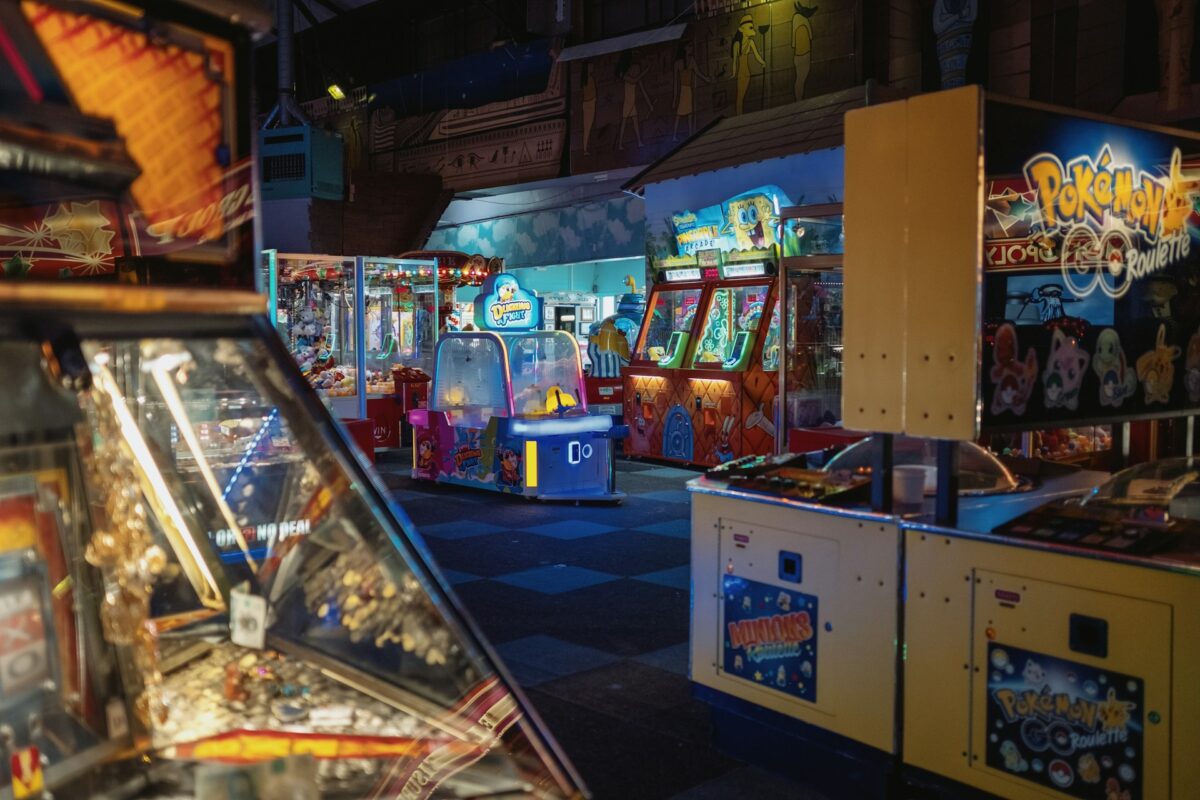
Galaga improved on everything that made Galaxian great and became even more popular. Namco designed it as a sequel that added new features like the tractor beam that could capture your ship.
The cabinet artwork showed swarms of alien insects attacking in formation. Original Galaga machines are common enough that some convenience stores and pizza places still have them.
These cabinets were built tough because arcade owners expected them to earn money for years. Finding one with the original monitor and controls in good shape is still possible.
The game holds up remarkably well, which is why people still pump quarters into these machines.
Ms. Pac-Man machines from 1982 that outsold the original
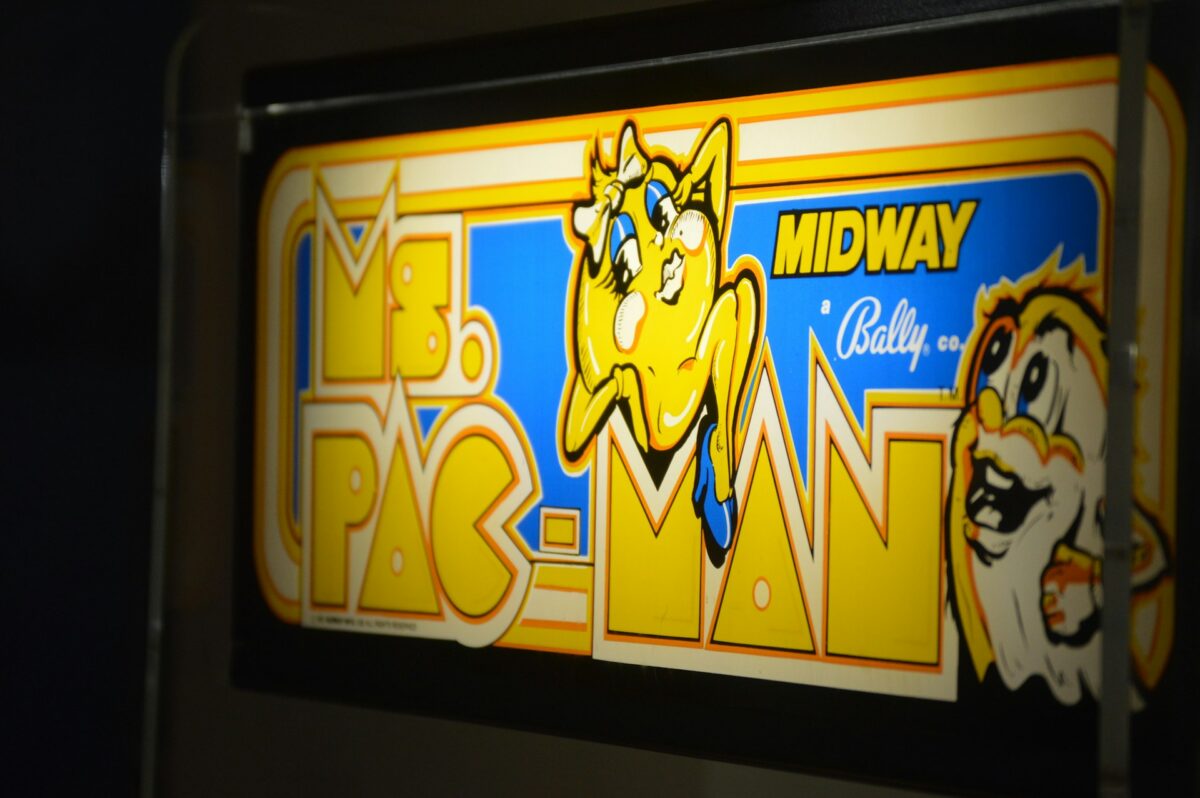
Ms. Pac-Man started as an unauthorized hack called Crazy Otto before Midway bought the rights. The game featured better mazes and smarter ghosts than the original Pac-Man.
The cabinet showed Ms. Pac-Man with her bow and beauty mark front and center. Midway sold over 115,000 units in America alone.
Original cabinets are relatively easy to find because so many were made. However, finding one that hasn’t been modified or converted is trickier.
Some collectors specifically hunt for the sit-down cocktail version because it’s less common than the upright cabinet.
Why these machines matter more than ever
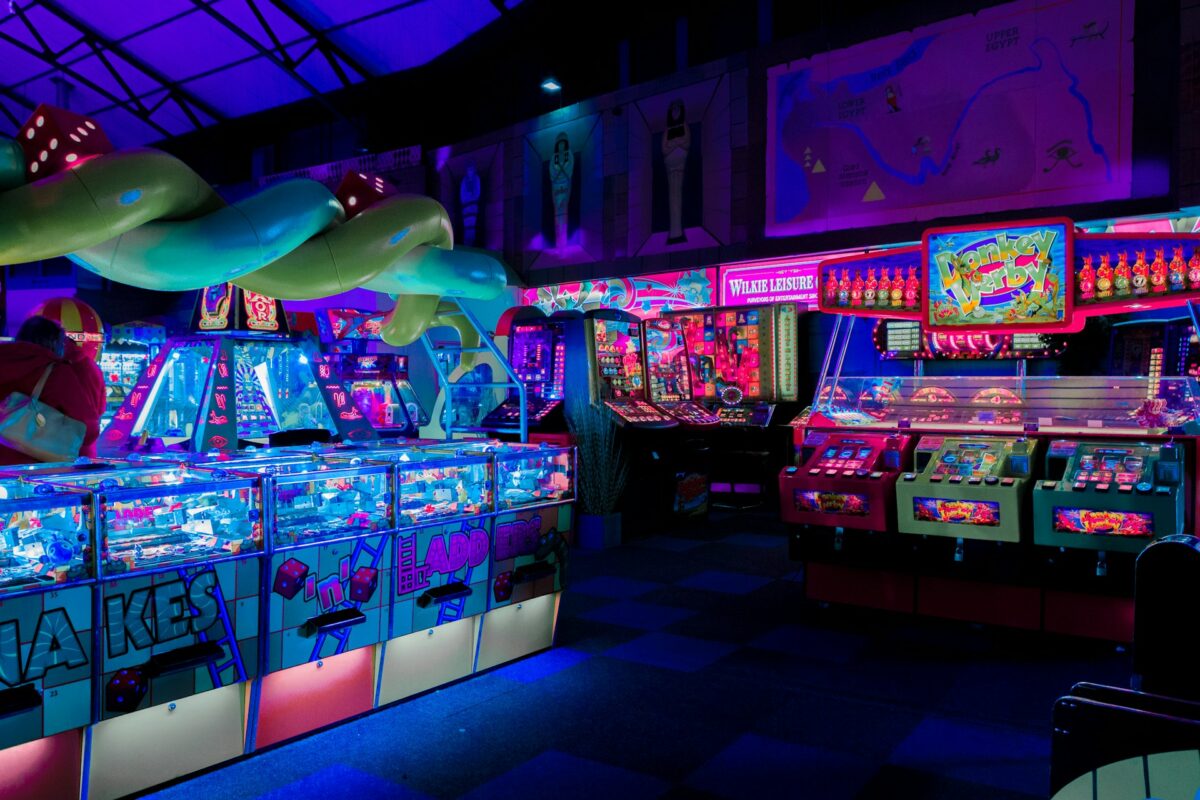
These ancient arcade cabinets represent more than just old games gathering dust in someone’s garage. They show how entertainment technology evolved and how people spent their free time before everything moved online.
Museums now display these machines as historical artifacts, recognizing their cultural importance. Younger gamers who grew up with smartphones can visit these collections and see what gaming looked like when it required leaving home and socializing in person.
The collectors who preserve these cabinets are keeping a piece of history alive, one restored monitor and joystick at a time.
More from Go2Tutors!

- 16 Historical Figures Who Were Nothing Like You Think
- 12 Things Sold in the 80s That Are Now Illegal
- 15 VHS Tapes That Could Be Worth Thousands
- 17 Historical “What Ifs” That Would Have Changed Everything
- 18 TV Shows That Vanished Without a Finale
Like Go2Tutors’s content? Follow us on MSN.