Amazing Facts About the Ancient World Explained
The ancient world holds many stories that still surprise us today. From towering structures to clever inventions, the past is full of fascinating things that shaped who we are now.
Exploring these facts helps us understand the people who lived long ago and the world they built. Let’s dive into some of the most interesting and surprising facts about ancient times.
You’ll see just how smart and creative people were, even without the technology we have today.
The Great Pyramid was more than just a tomb
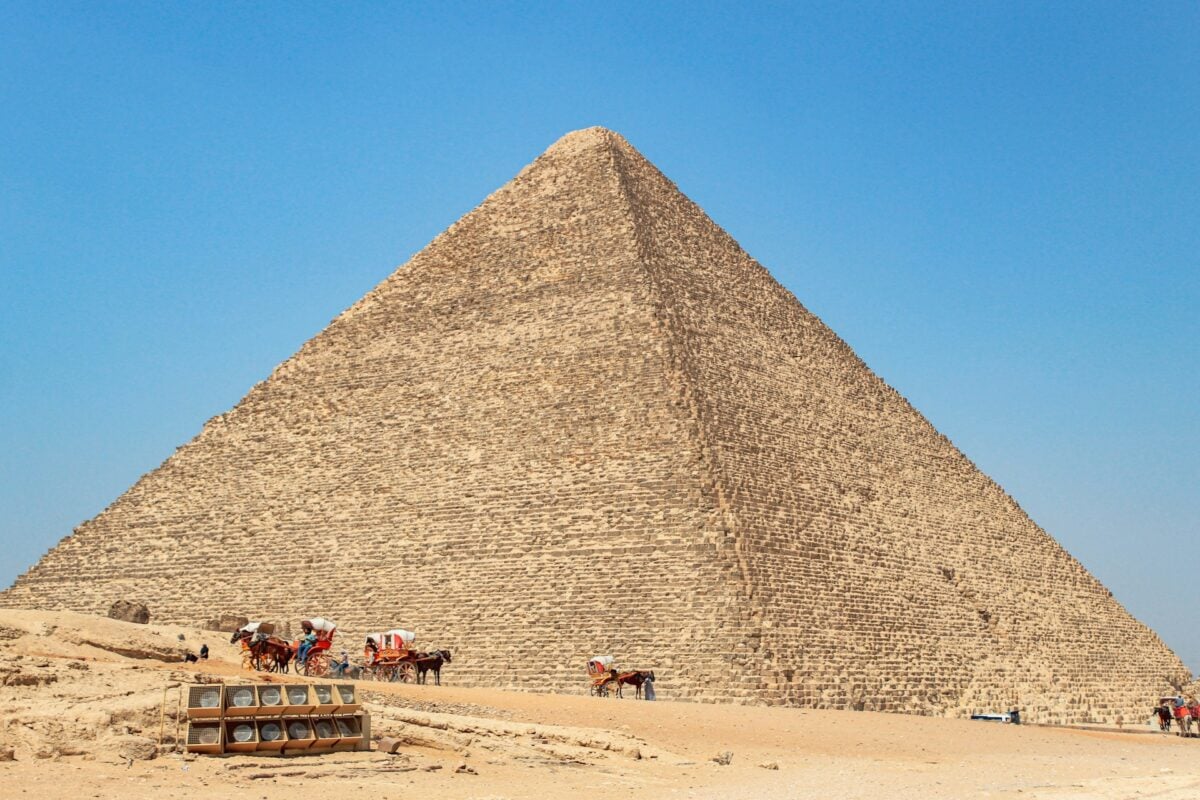
The Great Pyramid of Giza isn’t just a giant stone building. It was built with incredible precision, so much so that its sides are closely aligned with the four cardinal points of the compass.
The ancient Egyptians used complex math and tools to make it. This shows they had advanced knowledge far beyond what most people imagine.
Ancient Romans invented concrete
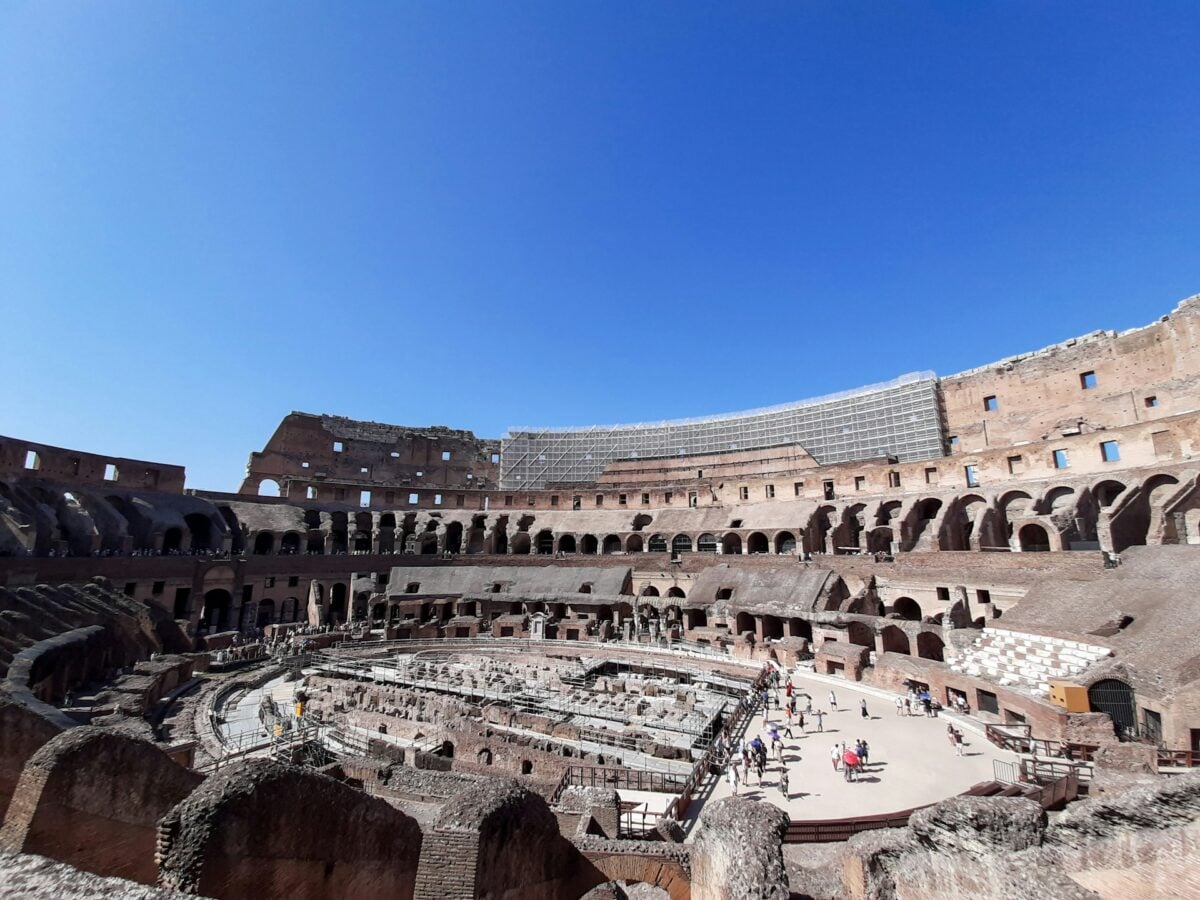
Concrete seems modern, but the Romans invented a form of it thousands of years ago. Their mix was strong and could even set underwater.
This invention allowed them to build huge bridges, roads, and buildings that still stand today. It’s a key reason many Roman structures survived through the centuries.
Like Go2Tutors’s content? Follow us on MSN.
The first hospitals were created by the Greeks
Hospitals as we know them today started in ancient Greece. They had places where sick people could come to get help from trained doctors.
These early hospitals were often attached to temples, combining care with religious rituals. This was an important step toward modern medicine.
China created paper long ago

Before computers or printing presses, the Chinese invented paper around 100 BC. They made it from plant fibers, which made writing and record-keeping easier.
This invention spread slowly but changed how people shared information forever.
Ancient people used toothpaste
The idea of cleaning teeth is very old. Ancient Egyptians, Greeks, and Romans used different mixtures to clean their teeth.
Ingredients included crushed bones, ashes, and herbs. While it wasn’t like today’s toothpaste, it shows people cared about oral hygiene long before modern times.
Like Go2Tutors’s content? Follow us on MSN.
The ancient Mesopotamians had the first writing system
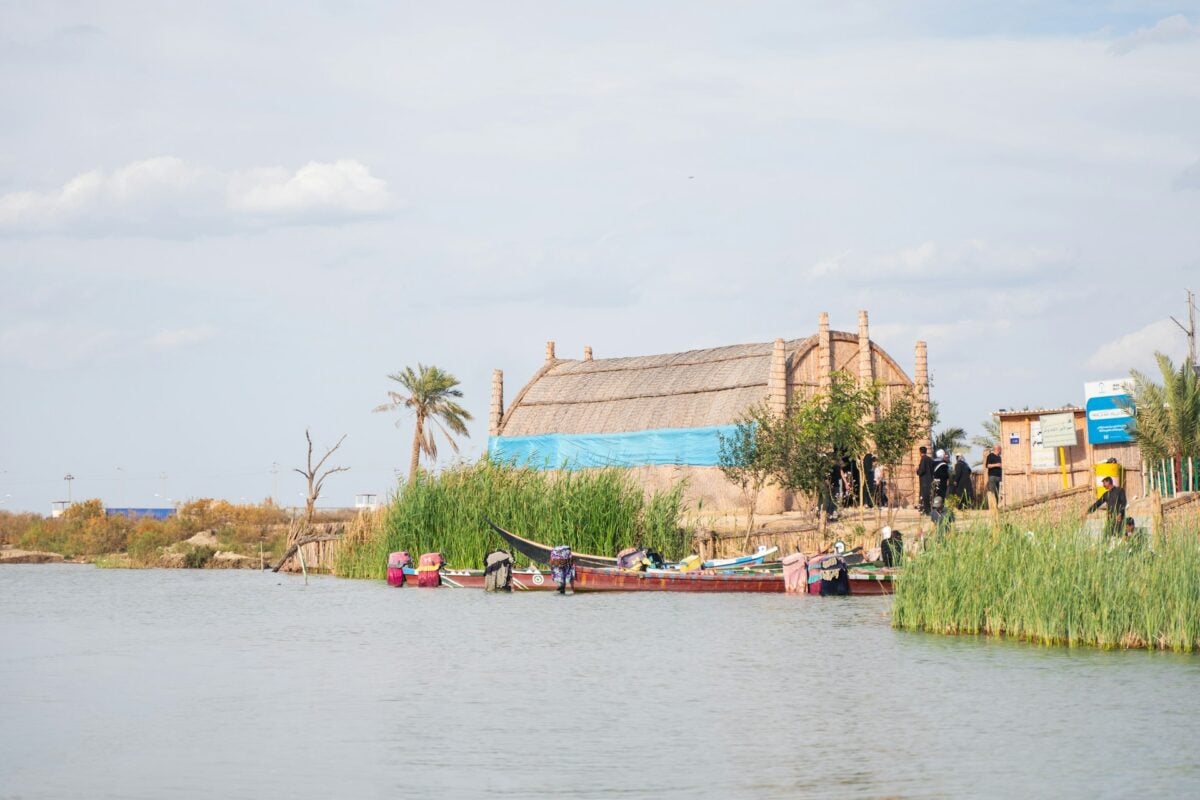
Writing began in Mesopotamia about 5,000 years ago. They used wedge-shaped marks on clay tablets, called cuneiform, to record laws, trade, and stories.
This system was the first step toward keeping history and communicating complex ideas in writing.
The Colosseum could hold more than 50,000 people
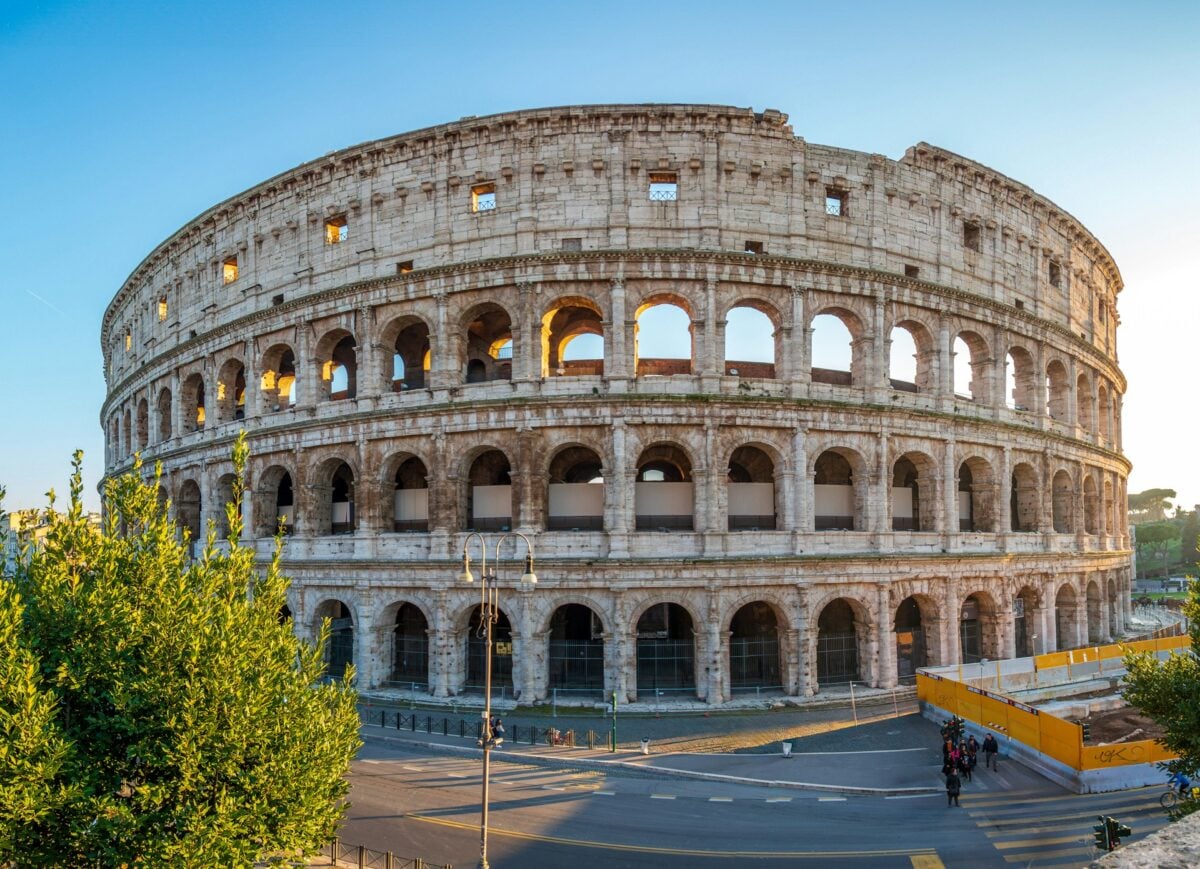
Rome’s Colosseum was a huge stadium for events like gladiator fights and performances. It could seat over 50,000 spectators.
The building had an advanced design with tunnels, trap doors, and a retractable roof to protect people from the sun.
Ancient Egyptians used makeup for health reasons
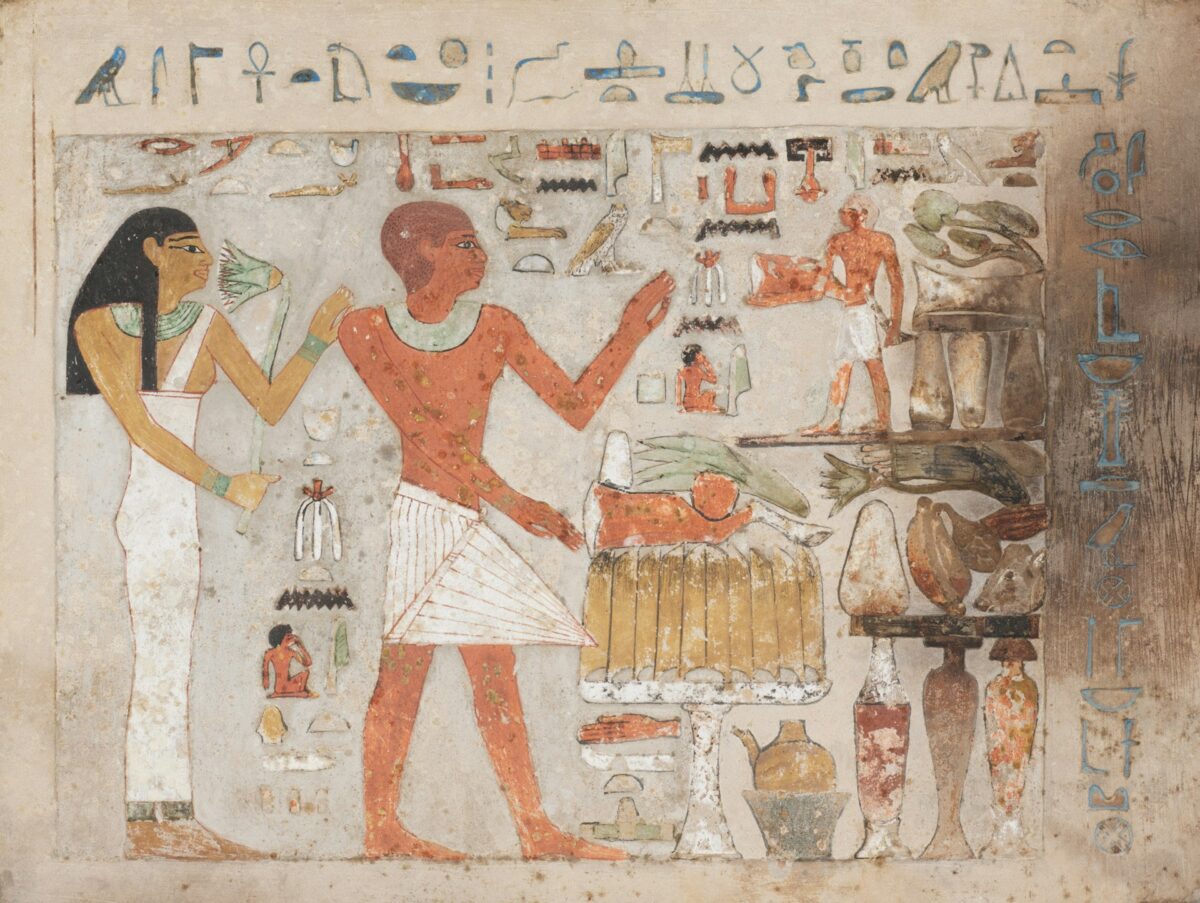
Makeup wasn’t just for looks in ancient Egypt. The green and black pigments they applied around their eyes helped protect against sun glare and infections.
It was a smart use of natural materials with health benefits.
Like Go2Tutors’s content? Follow us on MSN.
The Inca road system was vast and efficient

The Inca Empire built more than 25,000 miles of roads across mountains and deserts. These roads connected cities and helped move armies, goods, and information quickly.
The roads were carefully designed with drainage and steps where needed.
The ancient Greeks invented the first democracy
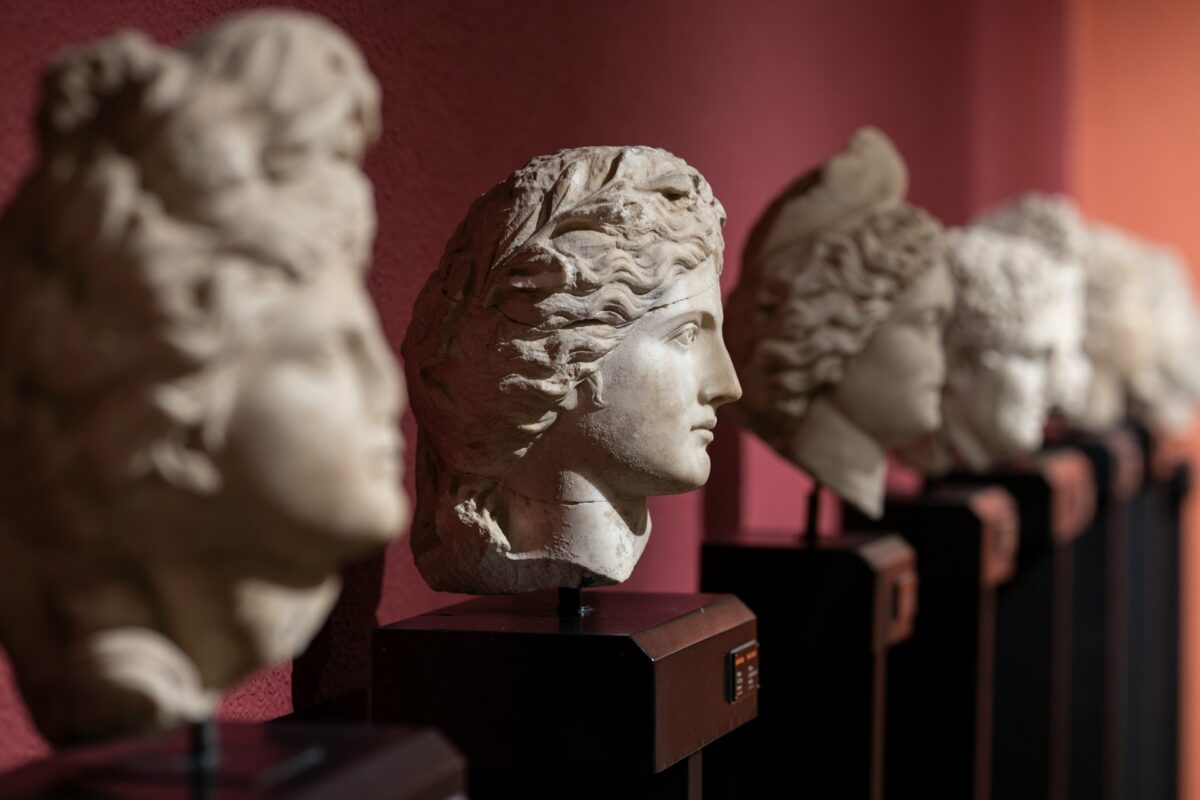
Athens, in ancient Greece, created the first system where citizens could vote on decisions. Though limited to a small group of people, this idea influenced how governments work today.
It showed that ordinary people could have a say in ruling.
Ancient Indians developed zero as a number
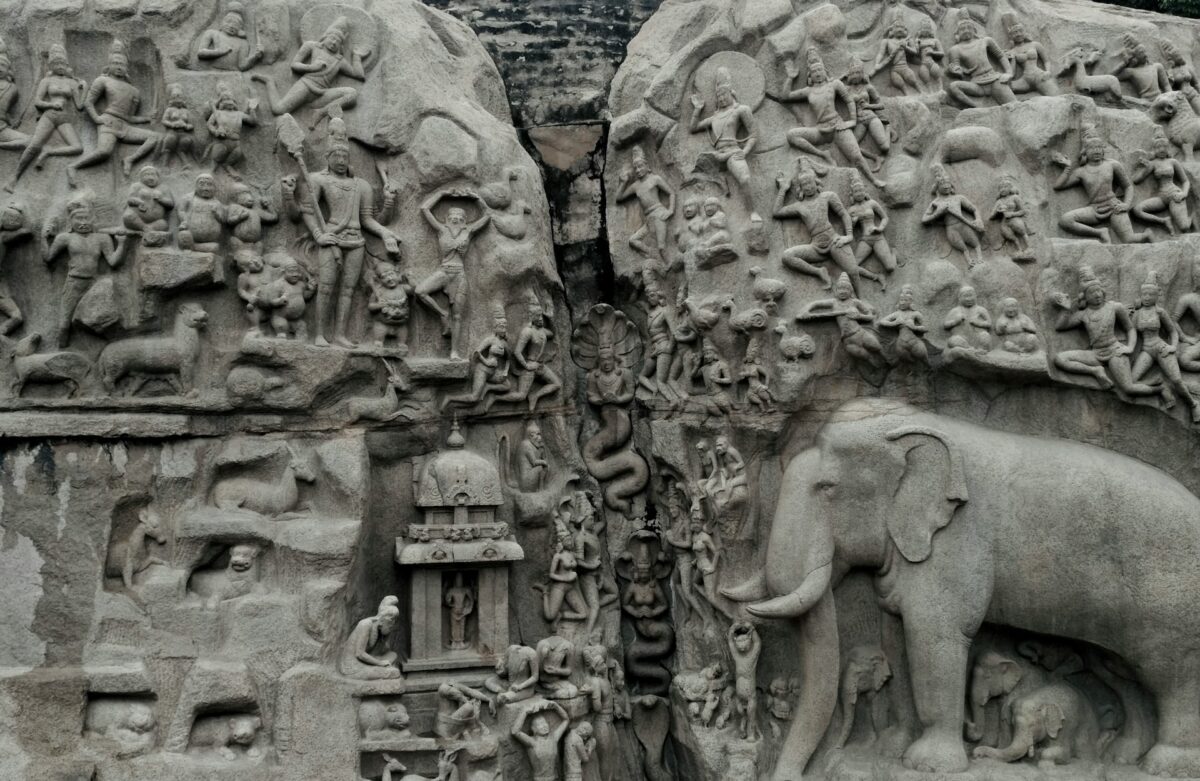
The concept of zero, so common today, was developed in ancient India. This idea made math much easier and helped create algebra and calculus later on.
It’s one of the greatest contributions to mathematics from the ancient world.
Like Go2Tutors’s content? Follow us on MSN.
The Great Wall of China is not one single wall
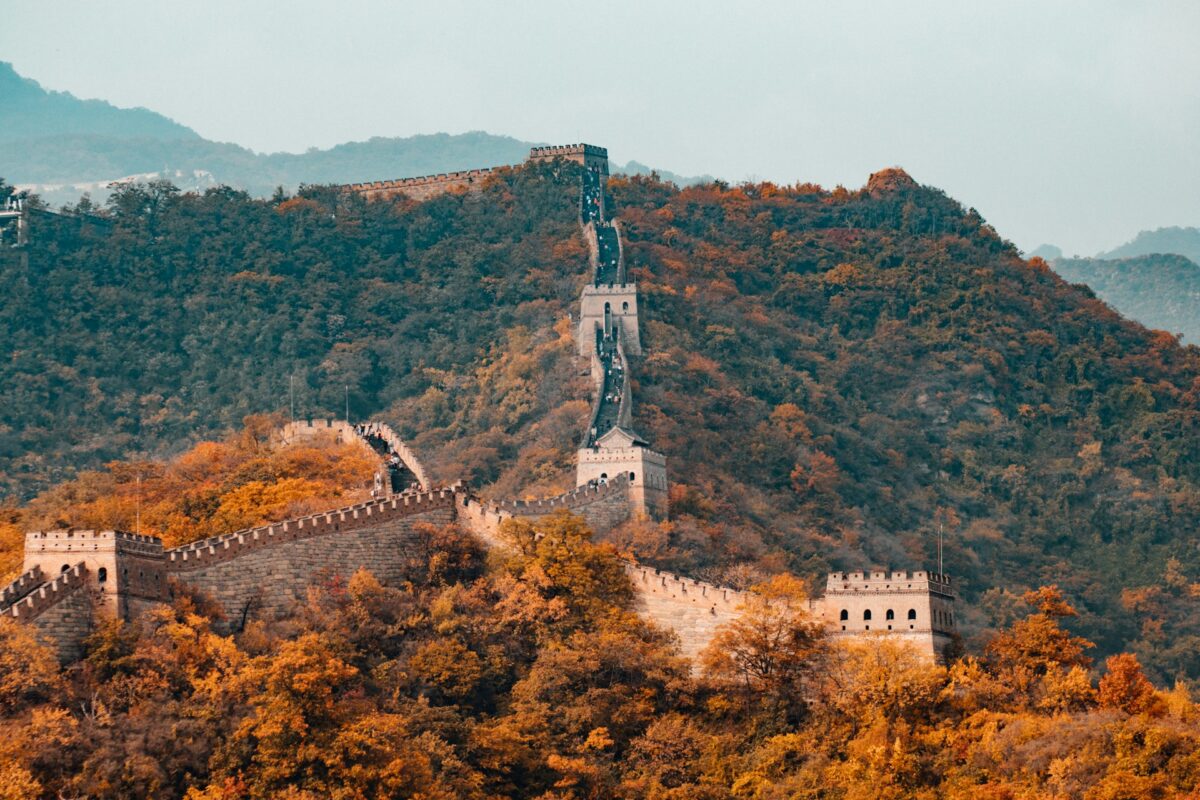
The Great Wall is actually made of many walls built by different dynasties over centuries. It stretches over 13,000 miles.
Its main purpose was to protect China from invasions and raids by northern tribes.
Ancient Egyptians had a calendar similar to ours
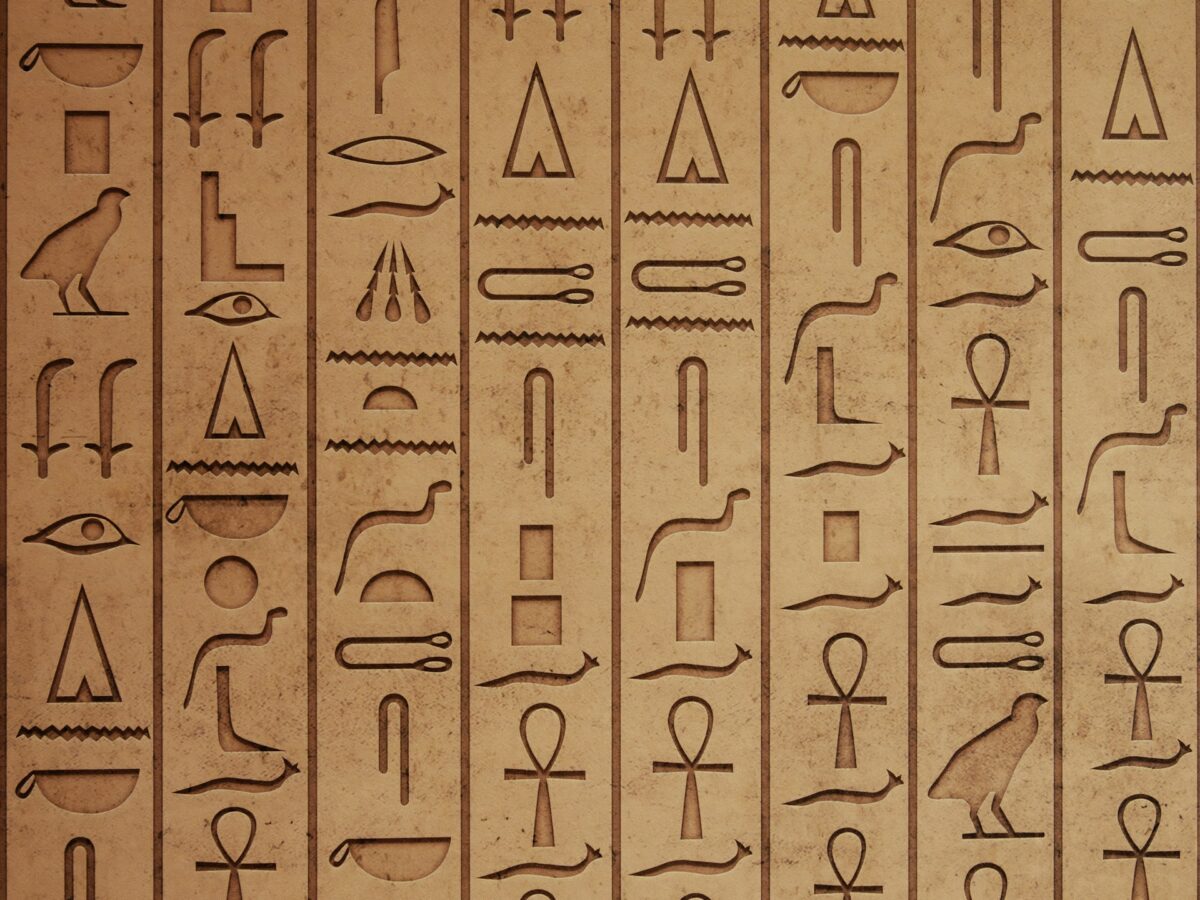
They divided the year into 12 months of 30 days each and added extra days to match the solar year. This calendar helped farmers know when to plant and harvest crops.
It’s an early example of organizing time that influences us today.
The first known maps were drawn in Babylon
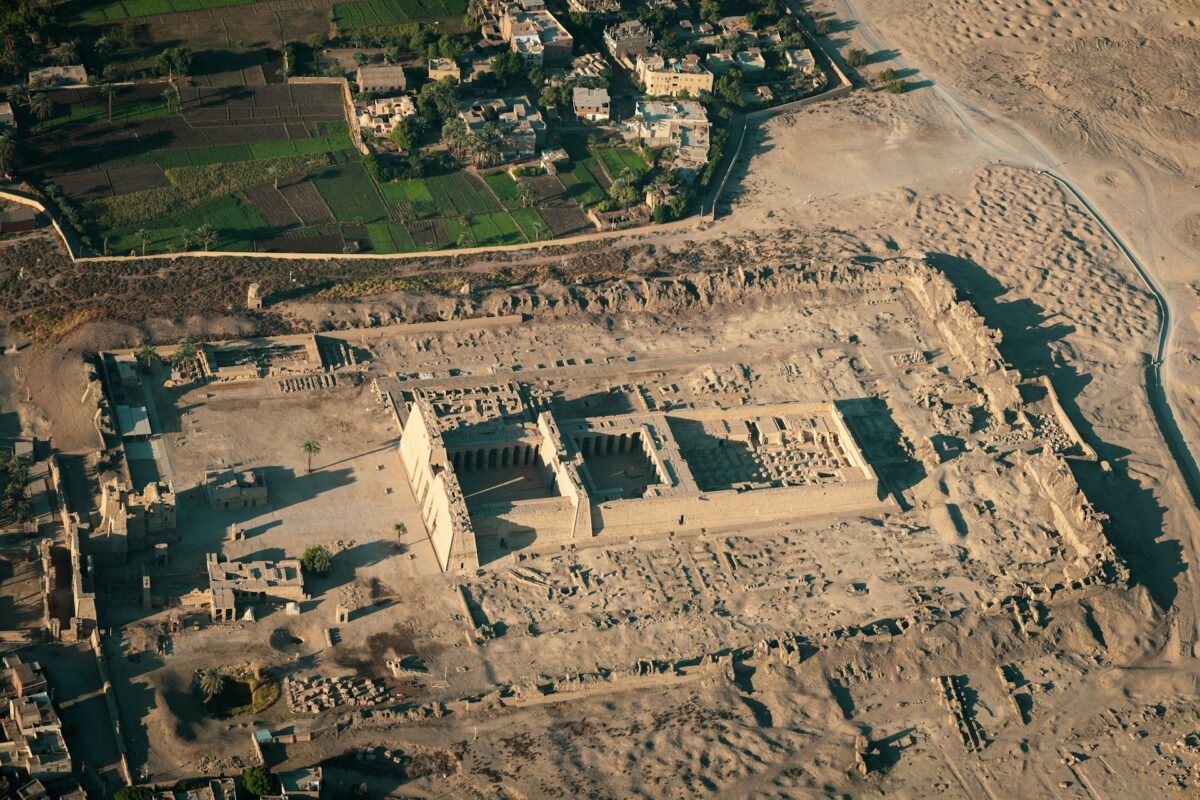
Babylonians made maps on clay tablets that showed cities, rivers, and mountains. These early maps helped with trade, travel, and land disputes.
Mapping was an important tool for understanding the world.
Like Go2Tutors’s content? Follow us on MSN.
Ancient Romans used aqueducts for water
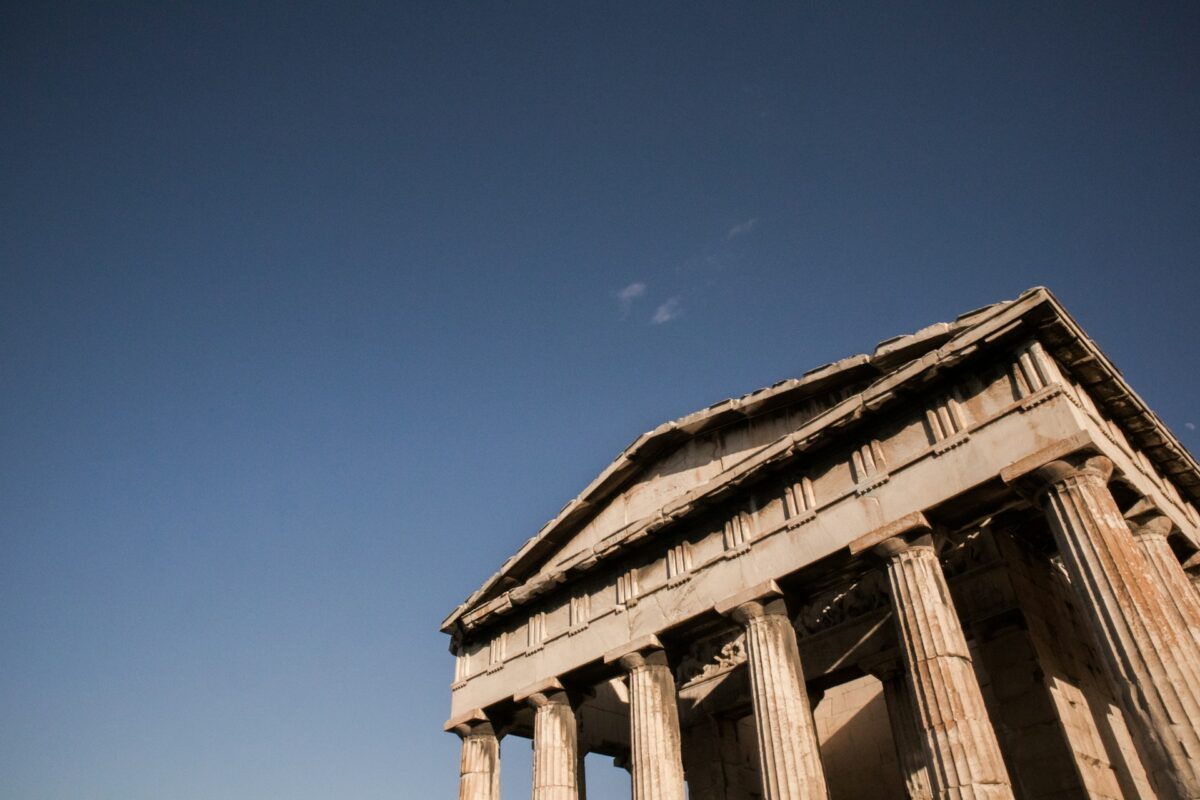
Romans built long aqueducts to carry fresh water from distant sources into their cities. These stone structures used gravity and clever engineering.
Clean water helped keep the population healthy and supported baths, fountains, and toilets.
The ancient Maya had advanced astronomy
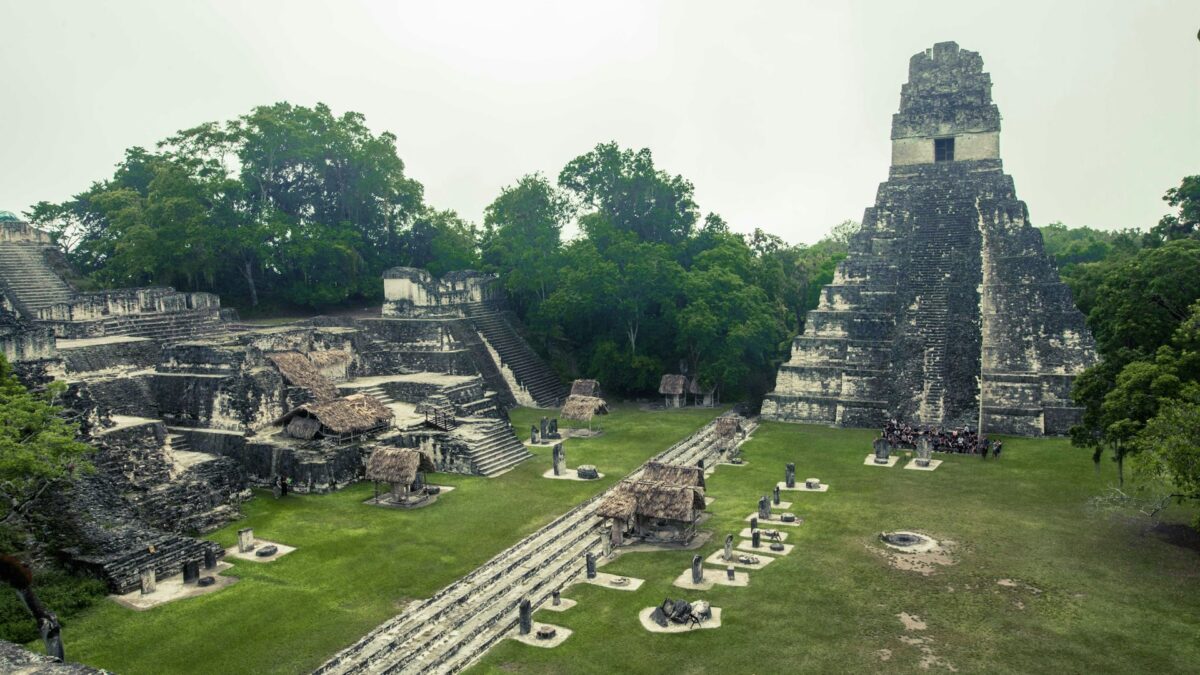
Maya priests studied stars and planets with great detail. They created accurate calendars based on their observations.
This knowledge helped them plan religious ceremonies and farming seasons.
The Egyptian Sphinx is carved from one block of stone
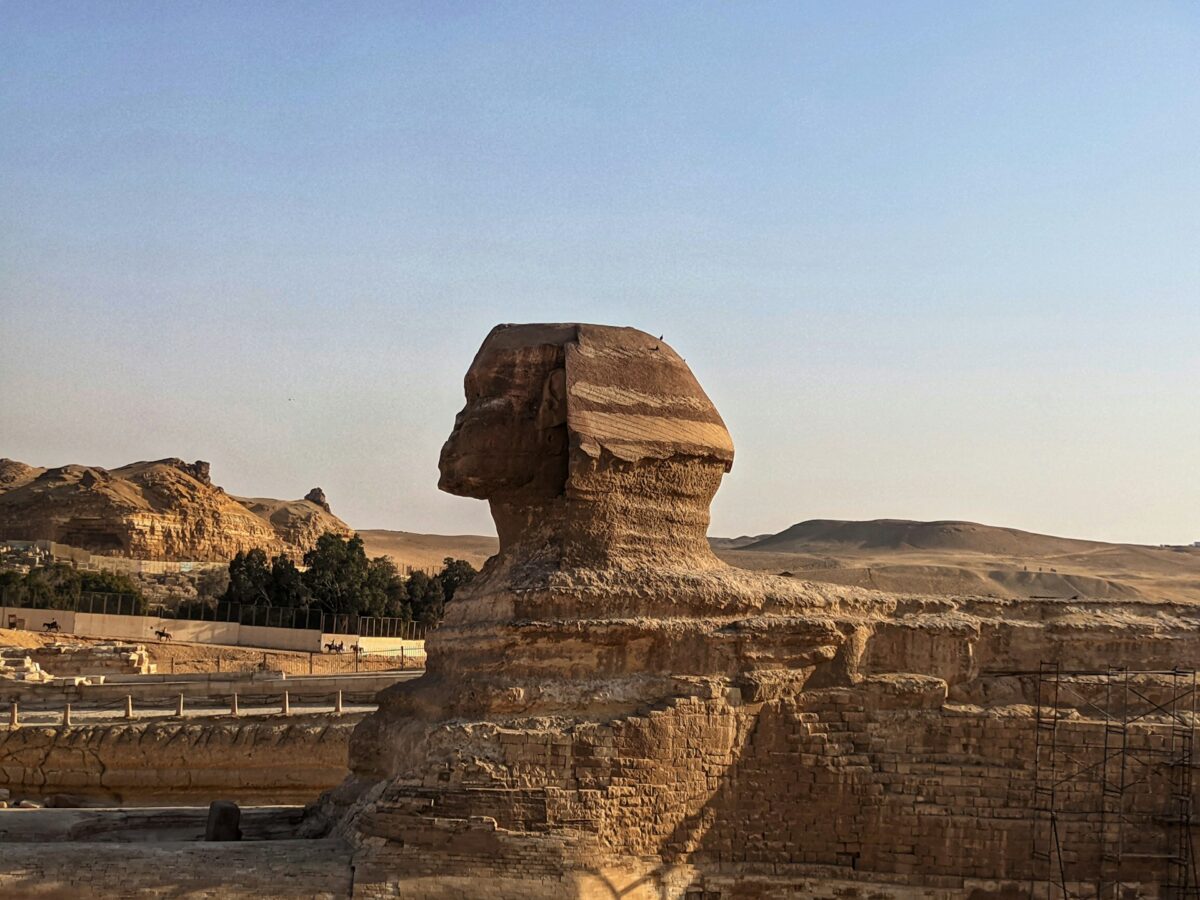
The Great Sphinx near the pyramids was carved from a single large piece of limestone. It has the body of a lion and the head of a pharaoh.
This sculpture shows the skill and patience of ancient Egyptian artists.
Like Go2Tutors’s content? Follow us on MSN.
Ancient Assyrians used libraries to store knowledge
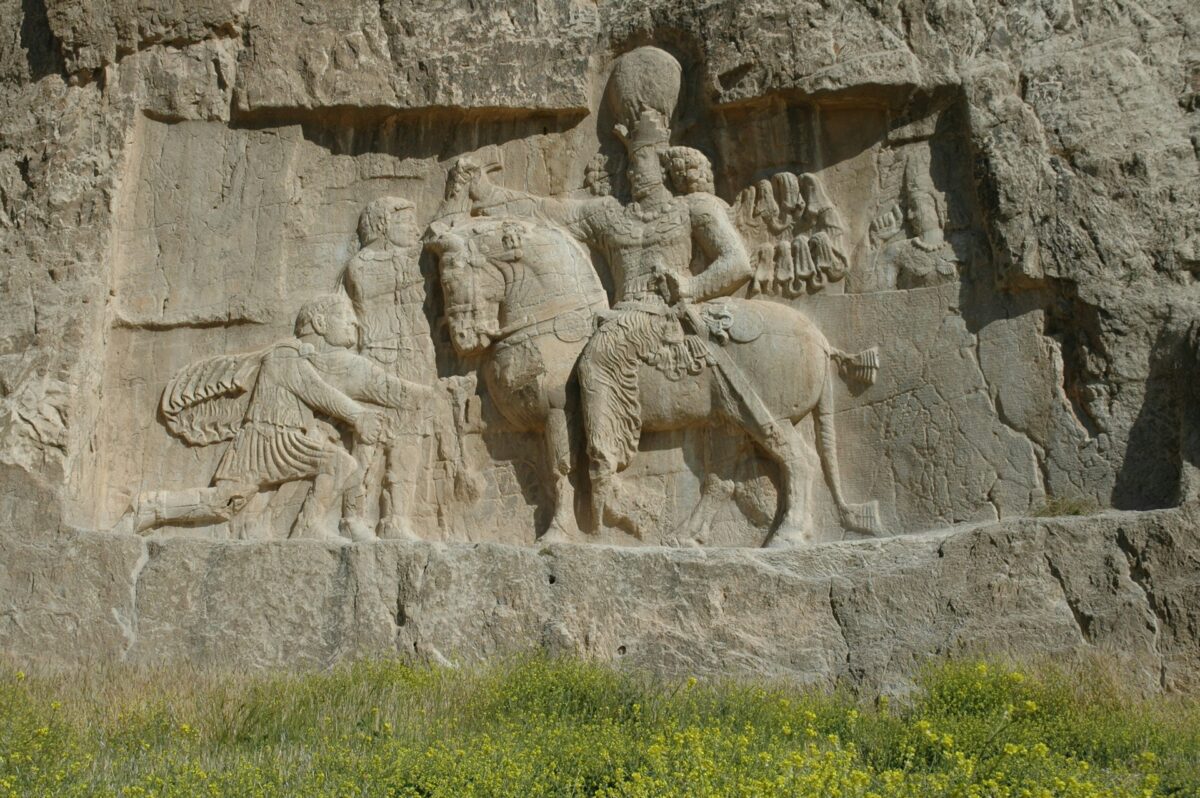
The Assyrians built libraries where clay tablets were stored and copied. These libraries preserved stories, laws, and science for future generations.
They were an early form of knowledge sharing.
The first known surgery was performed in India
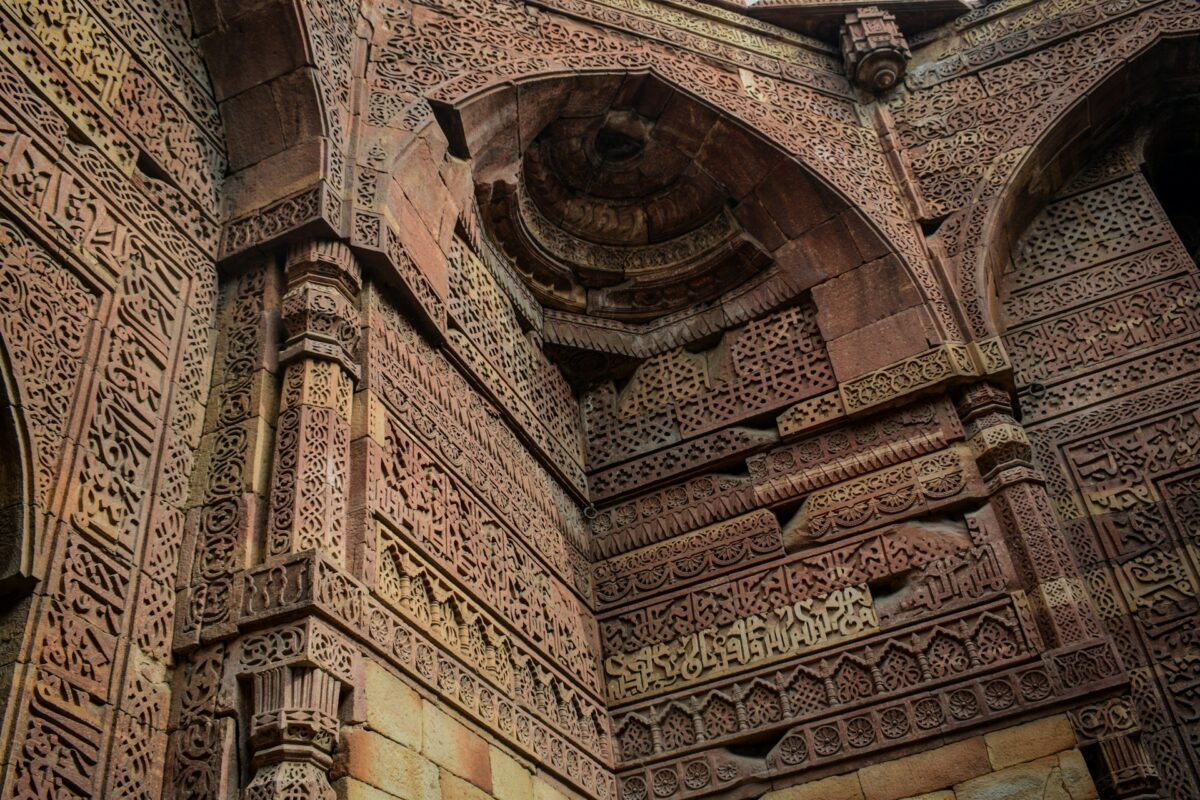
Sushruta, an ancient Indian surgeon, described many surgical techniques over 2,000 years ago. He performed operations using metal tools and even plastic surgery to repair noses.
This shows early advances in medicine and human care.
Connecting ancient achievements to today’s world

The ancient world was a place of discovery and skill. Many things taken for granted now started long ago in these early societies.
Understanding these facts helps us see how history shaped modern life. It shows that no matter the time, people have always worked hard to improve their world and leave a legacy for the future.
More from Go2Tutors!

- 16 Historical Figures Who Were Nothing Like You Think
- 12 Things Sold in the 80s That Are Now Illegal
- 15 VHS Tapes That Could Be Worth Thousands
- 17 Historical “What Ifs” That Would Have Changed Everything
- 18 TV Shows That Vanished Without a Finale
Like Go2Tutors’s content? Follow us on MSN.