15 Brands Everyone Trusted That No Longer Exist
Do you recall seeing shelves stocked with everyday necessities when you first entered stores? Numerous well-known brands that formerly controlled American homes and companies have now entirely disappeared.
After decades of earning the trust of their customers, these businesses vanished as a result of corporate acquisitions, shifting markets, or financial difficulties. Despite their prior dominance in American society, these 15 once-loved brands have slipped into obscurity.
Borders Books

Borders is a popular location for book enthusiasts around the country because of its large selection and welcoming ambiance. Established in 1971, the network grew to more than 500 locations before going out of business in 2011 due to its inability to keep up with the revolution in digital reading.
The once-dominant store was unable to withstand the market upheaval brought about by the emergence of Amazon and e-readers.
Pan Am
Pan American World Airways symbolized luxury travel and American innovation for over 60 years. The airline pioneered intercontinental flights and introduced the jumbo jet era with the Boeing 747.
Its iconic blue globe logo represented world-class service until financial troubles following the 1988 Lockerbie bombing and rising fuel costs forced its closure in 1991.
Like Go2Tutors’s content? Follow us on MSN.
Blockbuster Video
Friday nights once meant browsing the aisles of Blockbuster for the perfect weekend entertainment. At its peak, the video rental giant operated over 9,000 stores worldwide and employed more than 84,000 people.
Despite dominating the rental market, Blockbuster declined to purchase Netflix for $50 million in 2000 and eventually filed for bankruptcy in 2010 as streaming services took over.
Woolworth’s
The original five-and-dime store established the concept of affordable shopping for everyday Americans. Founded in 1879, Woolworth’s lunch counters and retail floors became fixtures in towns across America for over a century.
The chain’s familiar red storefronts disappeared in 1997 when the company shifted focus to its specialty footwear business, eventually becoming Foot Locker.
Pontiac
General Motors’ excitement division produced memorable muscle cars like the GTO and Firebird that defined American automotive culture. Over its 84-year history, the brand built a reputation for performance and style before becoming a casualty of GM’s 2009 bankruptcy restructuring.
Loyal enthusiasts still maintain vintage Pontiacs as reminders of the brand’s performance legacy.
Like Go2Tutors’s content? Follow us on MSN.
Circuit City
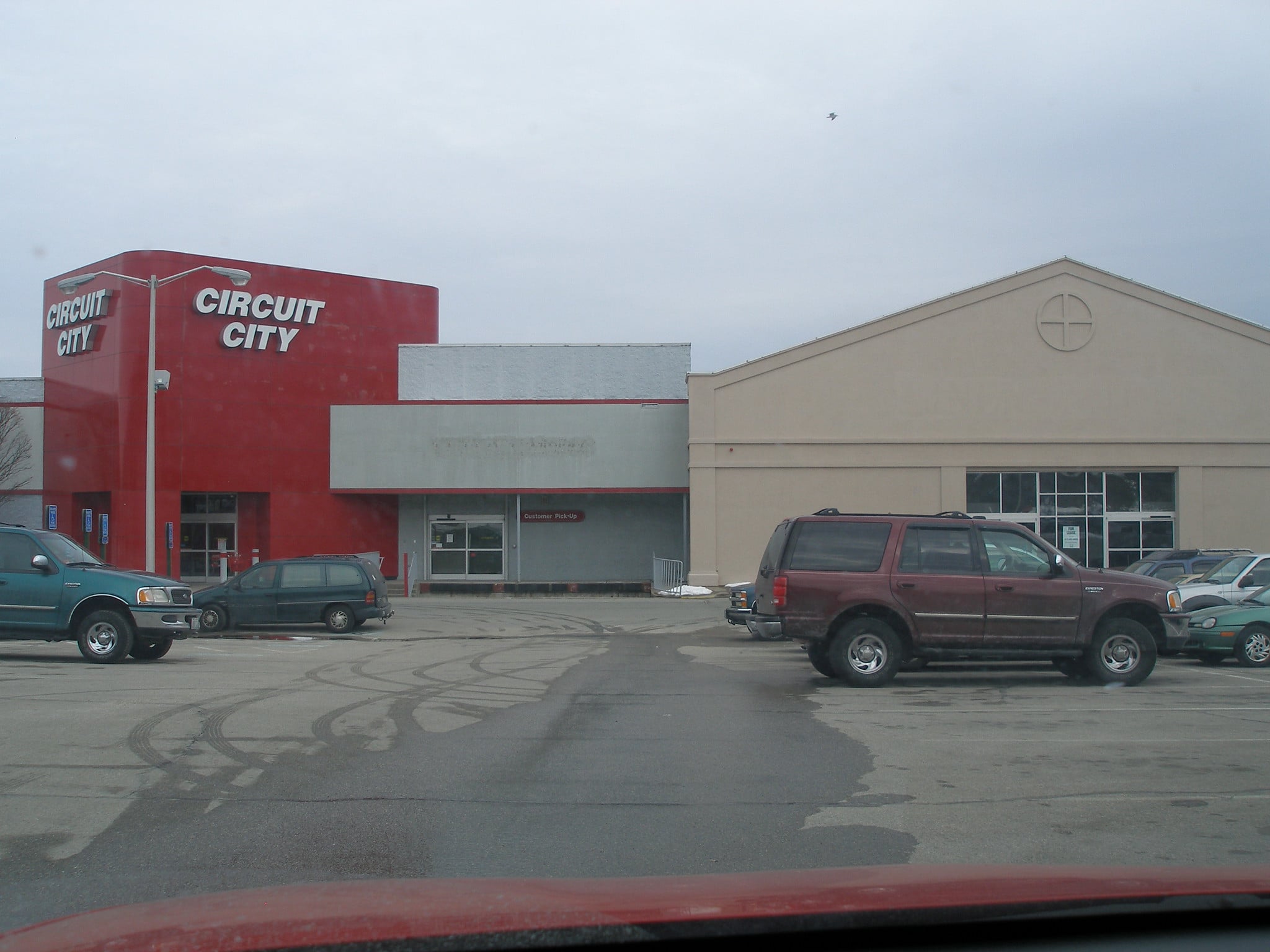
Circuit City was an electronics superstore that introduced many Americans to personal computers, video games, and home theater systems. Its distinctive red and white buildings housed knowledgeable staff and competitive prices across 567 locations.
However, the retailer failed to differentiate itself from competitors like Best Buy and succumbed to the 2008 financial crisis, closing its doors after 60 years in business.
Compaq

The Texas computer manufacturer was once the largest PC supplier in the world with its reliable, business-focused machines. Founded in 1982, Compaq produced the first IBM-compatible portable computer and grew to become a Fortune 100 company.
The brand disappeared gradually after Hewlett-Packard acquired it in 2002 for $25 billion in what was then the largest tech merger in history.
TWA
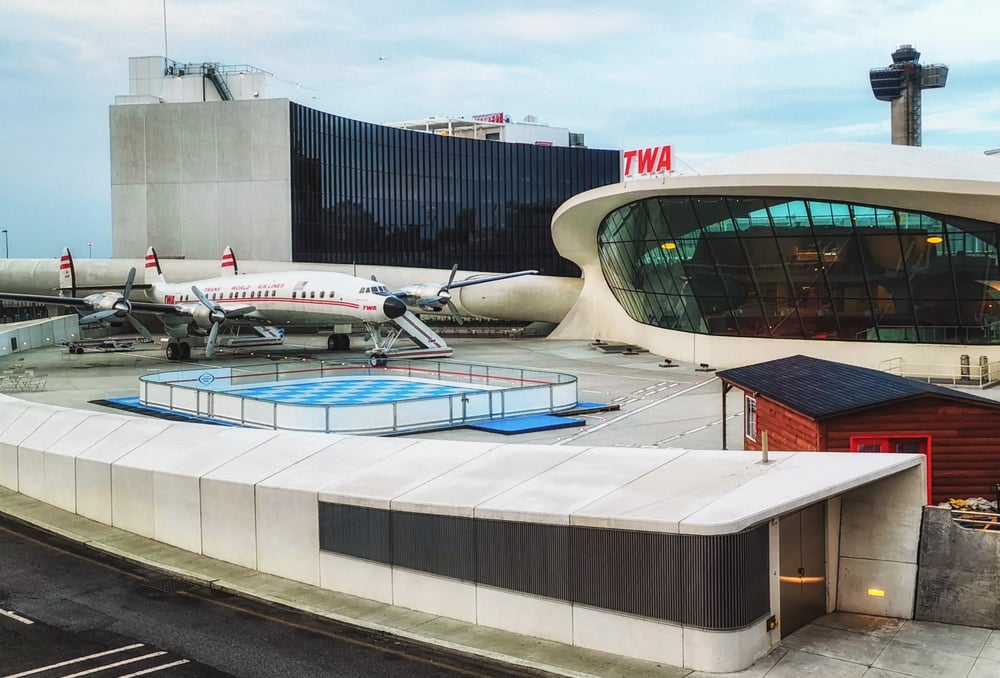
Trans World Airlines represented the golden age of air travel with its distinctive red and white livery and world-class service. Howard Hughes’ former airline operated for 71 years and innovated numerous aspects of commercial aviation.
Financial difficulties and increased competition led to multiple bankruptcies before American Airlines acquired TWA’s assets in 2001, ending the storied carrier’s independent existence.
Like Go2Tutors’s content? Follow us on MSN.
Oldsmobile
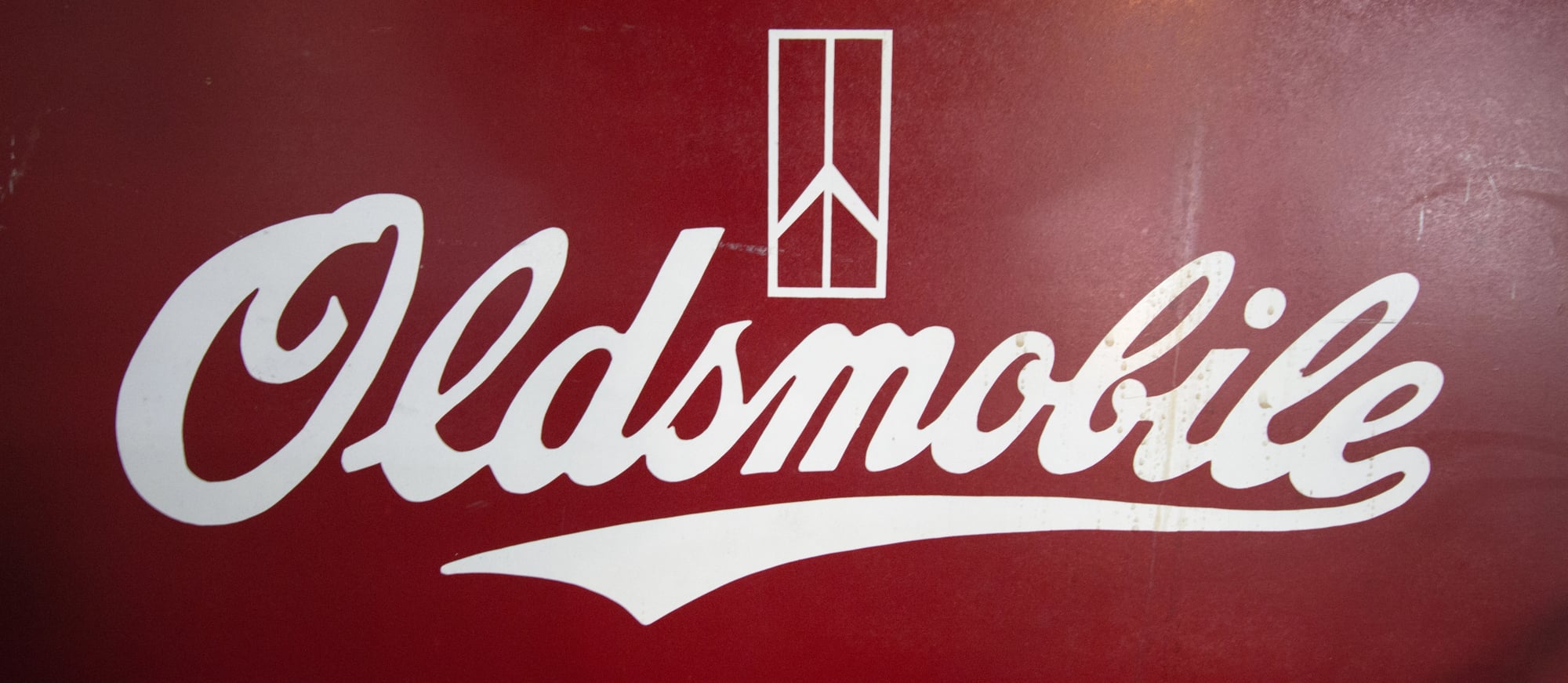
America’s oldest auto brand produced vehicles for 107 years before General Motors discontinued the nameplate. Oldsmobile pioneered numerous automotive innovations including the first automatic transmission and the modern overhead valve V8 engine.
The brand that once represented middle-class success couldn’t escape its aging demographic, with production ending in 2004 despite selling over 35 million vehicles in its lifetime.
Tower Records
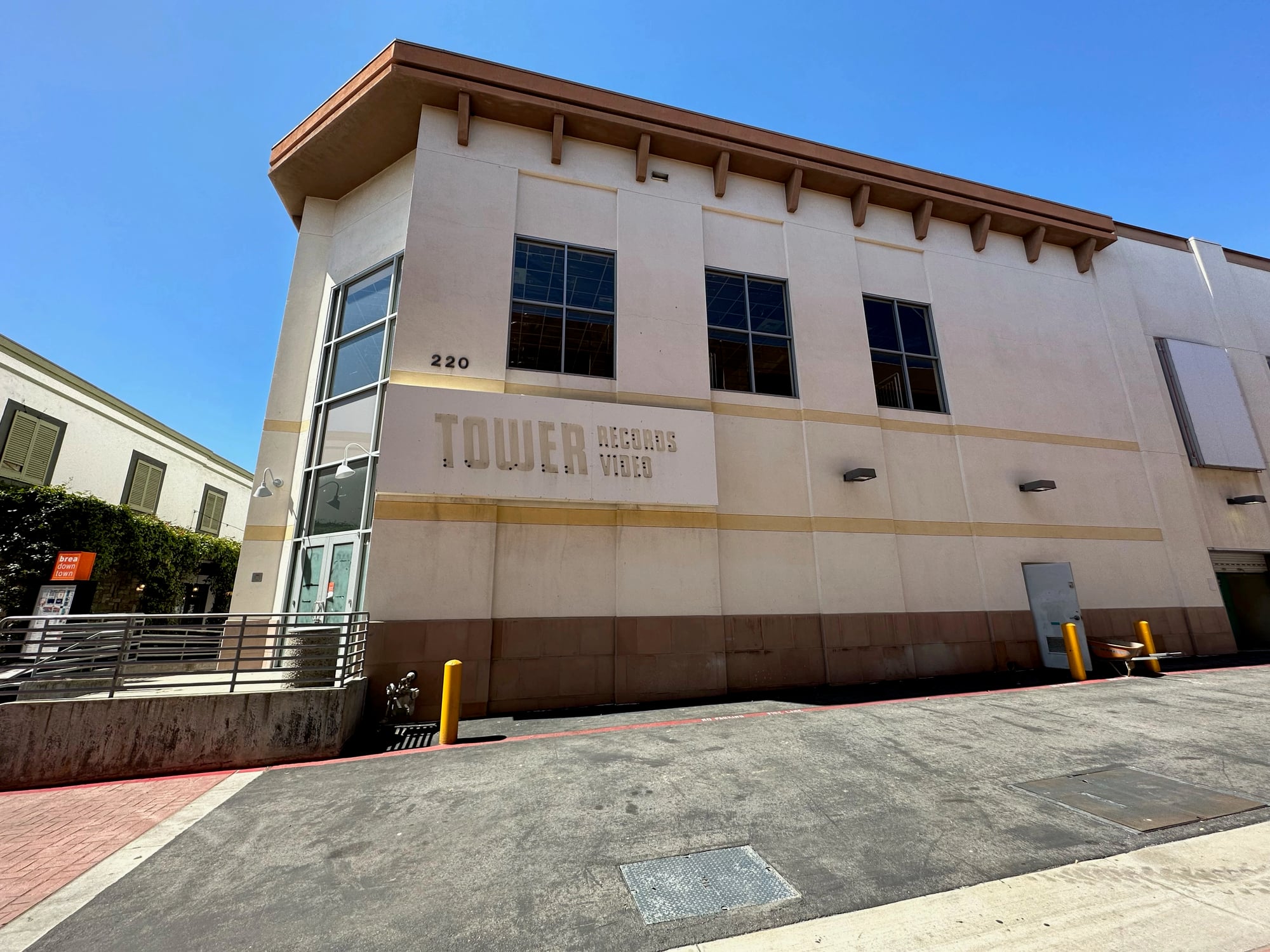
Music lovers spent countless hours discovering new artists and albums at Tower’s massive stores. The yellow and red logo signaled an immersive music experience with extensive collections spanning every genre imaginable.
Digital downloads and online retailers ultimately defeated the retail chain, which closed its U.S. locations in 2006 after 46 years as a cultural institution.
Polaroid

The instant photography pioneer created magical moments for generations of Americans with its distinctive white-bordered photos. Founded in 1937, Polaroid’s innovation allowed people to capture and view images immediately, long before digital cameras existed.
Multiple bankruptcies in the digital era led to the end of original Polaroid film production in 2008, though the brand name lives on under new ownership.
Like Go2Tutors’s content? Follow us on MSN.
Toys “R” Us
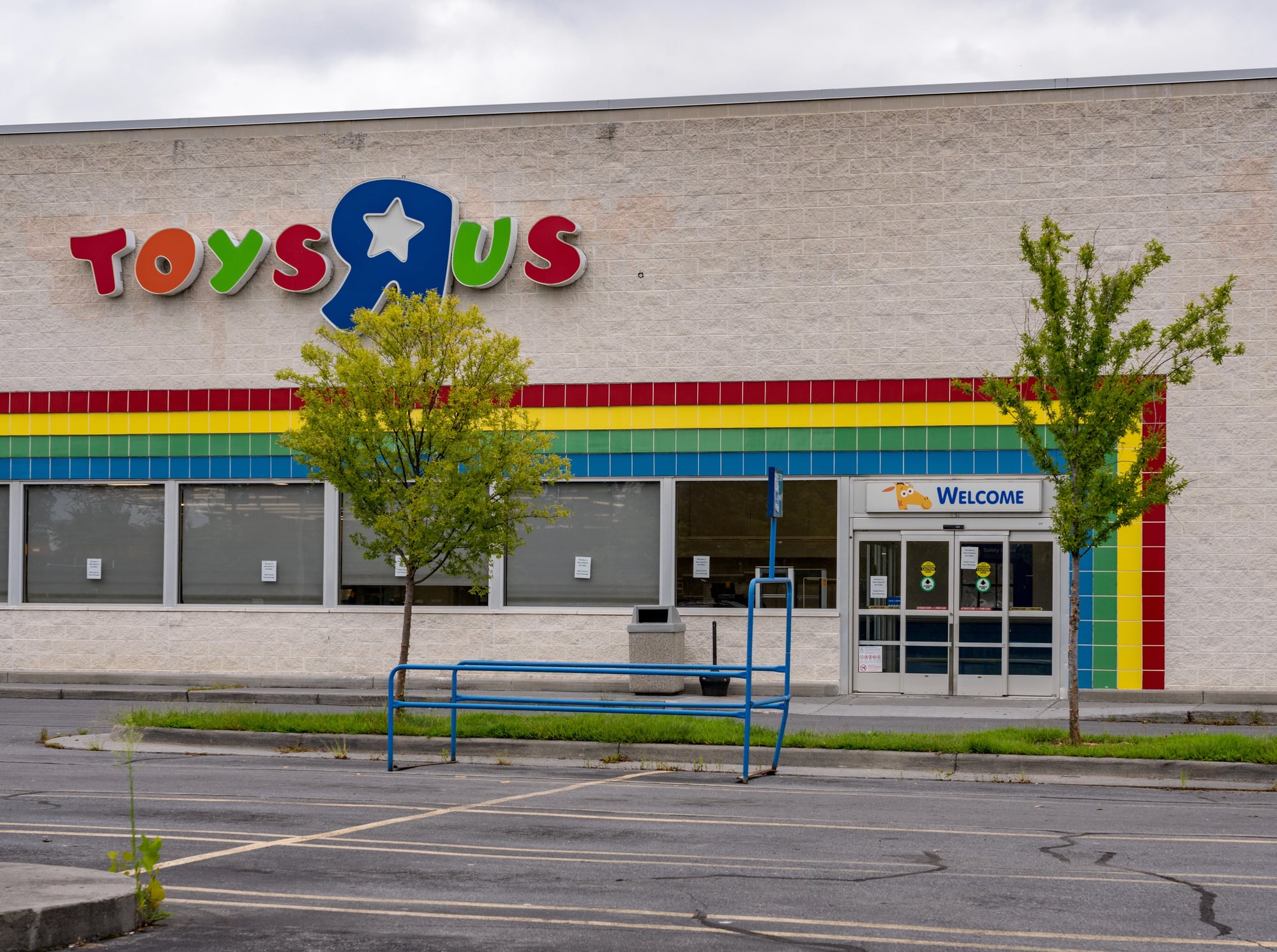
The toy retailer’s colorful backward “R” logo and catchy jingle created excitement for children nationwide. Founded in 1957, the chain grew to over 800 U.S. stores and dominated the toy market for decades.
However, a heavy debt load from a leveraged buyout made the company vulnerable to online competition, resulting in its 2018 bankruptcy and closure, though limited comebacks have occurred since.
Palm

The pocket-sized digital assistants revolutionized mobile productivity before smartphones took over. Palm Pilots introduced millions to touchscreen technology and handwriting recognition through their innovative PalmOS operating system.
The company couldn’t compete once Apple’s iPhone changed mobile computing in 2007, eventually being acquired by HP and discontinued despite once controlling 70% of the handheld computing market.
Kodak
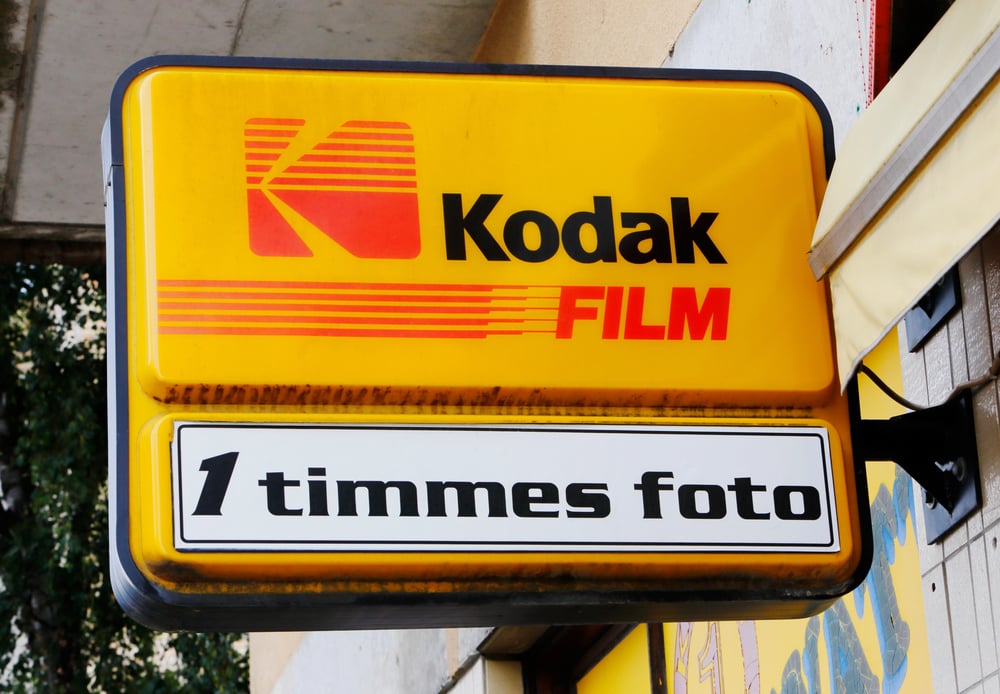
With reasonably priced cameras and film processing, the photography behemoth made it possible for regular Americans to capture memories. At its height, Kodak, which was founded in 1888, employed over 145,000 people and controlled 90% of the film market.
Although the digital camera was initially invented in 1975, the company was unable to keep up with the rapid advancement of the technology and, after 124 years of operation, declared bankruptcy in 2012.
RadioShack

The neighborhood electronics store supplied components, batteries, and gadgets to generations of tinkerers and tech enthusiasts. With over 7,000 locations, RadioShack provided accessibility to technology when consumer electronics were still developing.
The rise of specialized retailers and online shopping eroded its market position, leading to bankruptcy in 2015 and the closure of most locations after 94 years of operation.
Like Go2Tutors’s content? Follow us on MSN.
Digital Footprints

These vanished brands remind us that market dominance provides no guarantee of future survival. Their stories demonstrate how quickly consumer habits can shift and technology can transform entire industries.
Though these trusted names have disappeared from storefronts, their innovations and cultural impacts continue to influence the products and services we use today, leaving lasting impressions that transcend their corporate existence.
More from Go2Tutors!

- 16 Restaurant Chains That Went Too Fast
- 12 Things Sold in the 80s That Are Now Illegal
- 15 Strange Things People Have Tried to Ban (And Failed)
- 16 Collectibles People Tossed Out Too Soon
- 17 Myths from Your Childhood That Were Actually Based on Real Things
Like Go2Tutors’s content? Follow us on MSN.