20 Most Influential Chefs in History
The history of cooking is more than a chain of recipes. It’s a saga of innovators who transformed food from sustenance into art, science, and culture.
These chefs didn’t just cook. They redefined entire movements, built empires from kitchens, and changed how the world eats.
Some codified techniques are still taught today. Others shattered rules to create something entirely new.
Here are 20 chefs who didn’t just master the craft. They reinvented it.
Auguste Escoffier
Often called the godfather of modern cooking, Escoffier revolutionized kitchens in the late 19th and early 20th centuries.
He introduced the brigade system—a military-style hierarchy still used today—replacing chaos with discipline and professionalism.
His Le Guide Culinaire codified thousands of recipes and refined French cuisine into something elegant and modern.
Escoffier made cooking a respected profession and laid the foundation for modern gastronomy.
Marie-Antoine Carême

The “King of Chefs and Chef of Kings,” Carême cooked for royalty in the early 1800s and is considered the founder of haute cuisine.
His elaborate pastries and sugar sculptures were architectural wonders.
His writings shaped French culinary identity.
Carême treated presentation as art.
He cooked for Napoleon and Tsar Alexander I and set the aesthetic standard for fine dining that endured for centuries.
Julia Child
Julia Child taught Americans to love cooking.
Before her 1960s TV debut, French cuisine felt intimidating to home cooks.
Her approachable style, joyful curiosity, and willingness to make mistakes on air changed that.
Mastering the Art of French Cooking demystified complex recipes.
Her shows turned the kitchen into prime-time entertainment.
Child’s legacy lies not just in her food but in the confidence she gave home cooks everywhere.
Ferran Adrià

At Spain’s legendary El Bulli, Ferran Adrià pushed cooking into the realm of science.
His molecular gastronomy—using foams, gels, and liquid nitrogen—made dining a multisensory experiment.
Adrià treated his kitchen like a lab, inspiring chefs worldwide to question tradition and explore creativity.
Though El Bulli closed in 2011, his influence remains everywhere.
He proved food could be intellectual, playful, and radical all at once.
Alice Waters

Alice Waters didn’t invent farm-to-table dining, but she made it a movement.
When she opened Chez Panisse in Berkeley in 1971, she built her menu around seasonal, organic ingredients sourced from local farmers.
Her philosophy reshaped American cuisine, inspiring a shift toward freshness, sustainability, and ethical sourcing.
Through her food education initiatives, Waters taught generations to care about where their food comes from.
Paul Bocuse
Paul Bocuse was a pioneer of nouvelle cuisine, the 1970s movement that favored lighter dishes and pure flavors over heavy sauces.
His restaurant near Lyon earned three Michelin stars for over 50 years.
His charisma turned chefs into celebrities.
Bocuse modernized French cuisine without losing its soul.
He proved that simplicity and quality could define fine dining.
Marco Pierre White
Britain’s culinary rebel, Marco Pierre White, became the youngest chef to earn three Michelin stars.
In the 1980s and 1990s, he brought intensity, artistry, and volatility to the London dining scene.
His mentorship shaped chefs like Gordon Ramsay and Heston Blumenthal.
His methods were famously fierce.
When he later returned his Michelin stars, it symbolized both defiance and exhaustion.
He showed that perfection can come at a price.
Thomas Keller
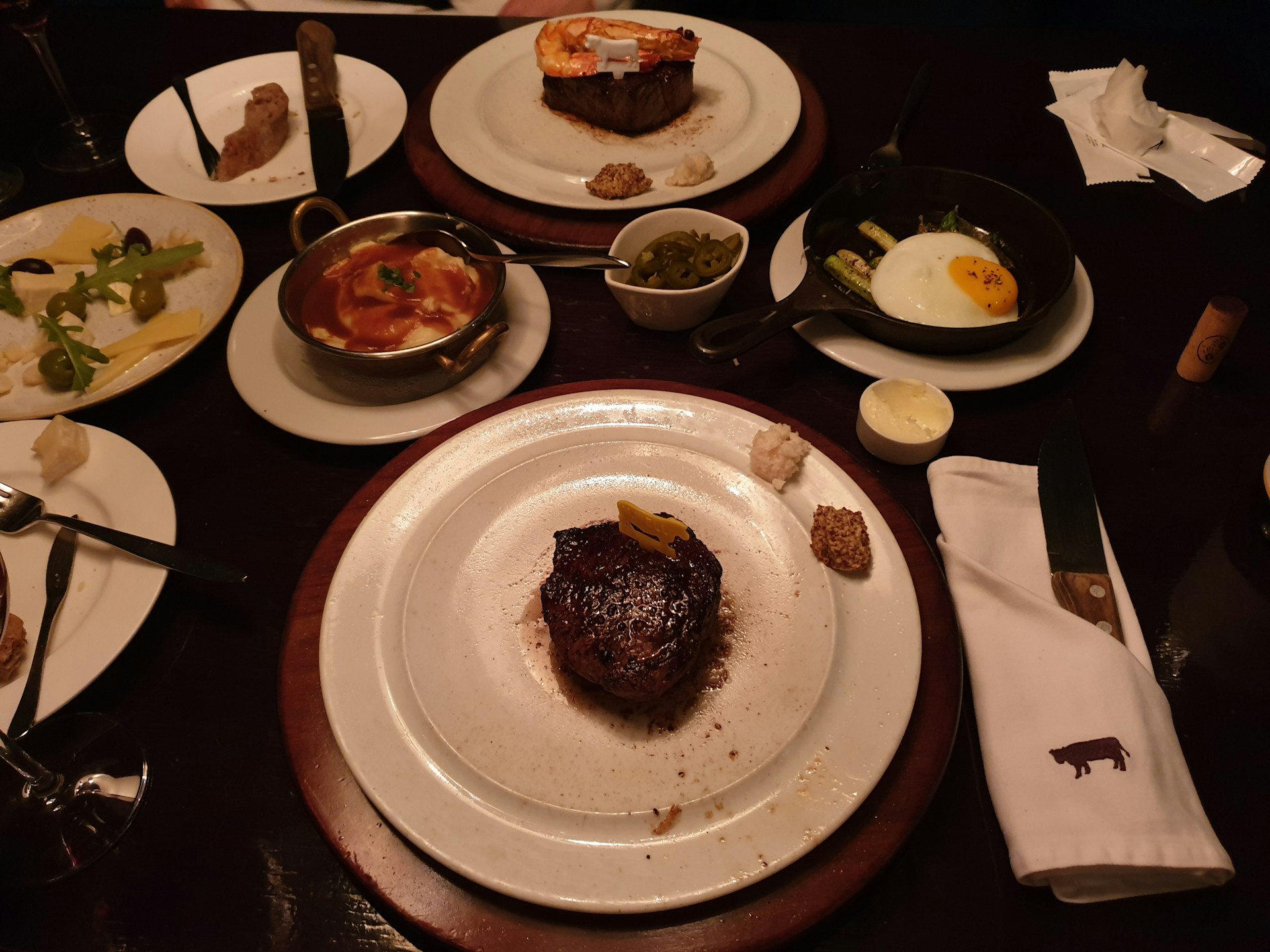
Thomas Keller represents the pinnacle of American fine dining.
His restaurants—The French Laundry in California and Per Se in New York—embody precision, elegance, and impeccable service.
Keller’s French Laundry Cookbook became essential reading for aspiring chefs.
His disciplined approach helped elevate American cuisine to global prestige.
He taught that excellence is as much about hospitality as technique.
Joël Robuchon
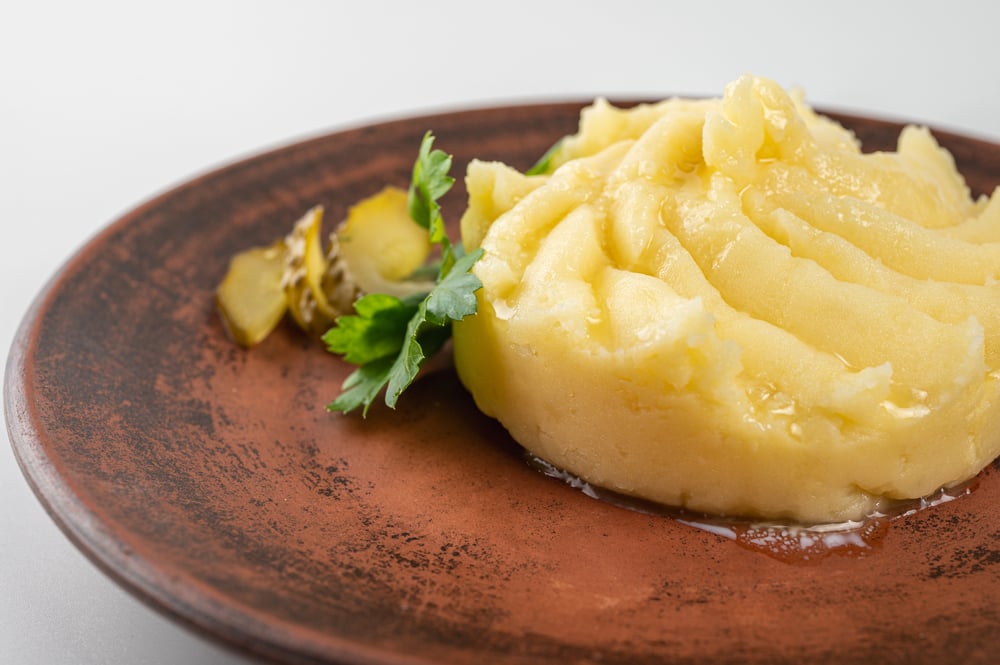
Holding more Michelin stars than any chef in history, Joël Robuchon was a master of refined simplicity.
His buttery mashed potatoes became iconic.
His relaxed approach to fine dining redefined luxury.
Robuchon’s global restaurant empire—from Paris to Tokyo—spread his philosophy.
Respect ingredients, perfect technique, and never stop learning.
He made haute cuisine accessible without losing its artistry.
Wolfgang Puck

Wolfgang Puck brought fine dining to Hollywood and made it fun.
His restaurant Spago, opened in 1982, blended California freshness with global influences and attracted the stars.
Puck was an early “celebrity chef,” building an empire of restaurants, cookbooks, and TV appearances.
He popularized fusion cuisine and gourmet pizza.
He proved great food could be both approachable and glamorous.
Alain Ducasse
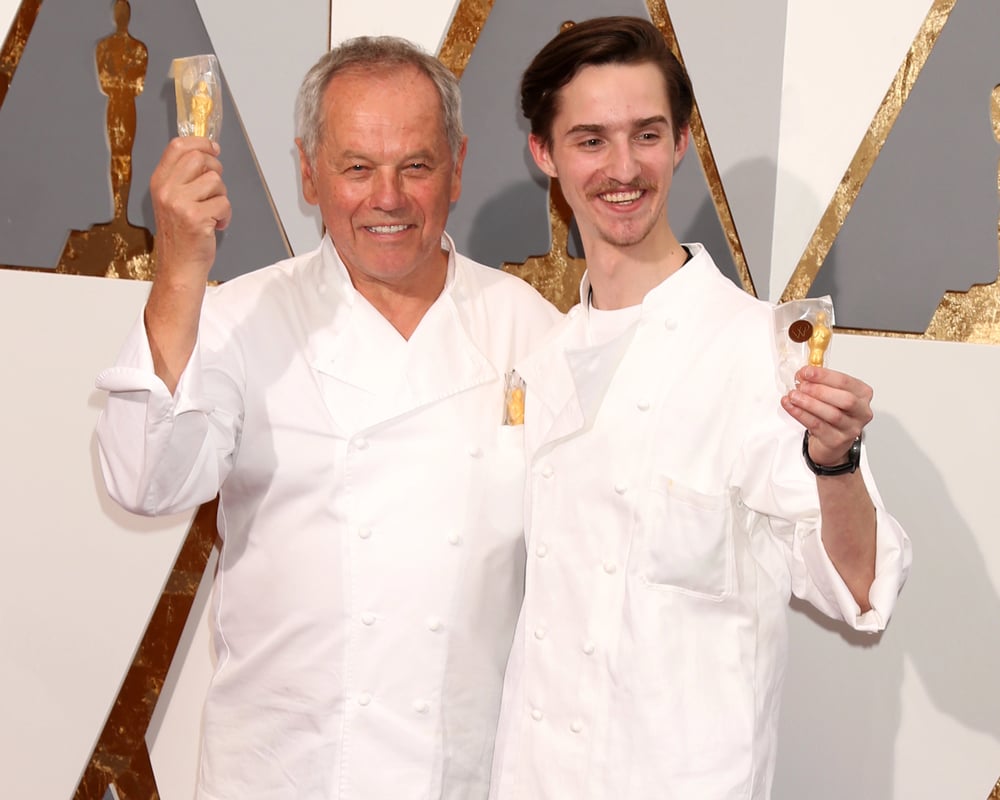
Alain Ducasse built one of the largest culinary empires in the world, with more than 20 Michelin stars across continents.
His ingredient-driven cooking and adaptability helped bridge classic French techniques with modern sensibilities.
Beyond fine dining, he champions sustainability and culinary education.
Ducasse demonstrated that chefs could be global entrepreneurs without losing their craft’s integrity.
Emeril Lagasse
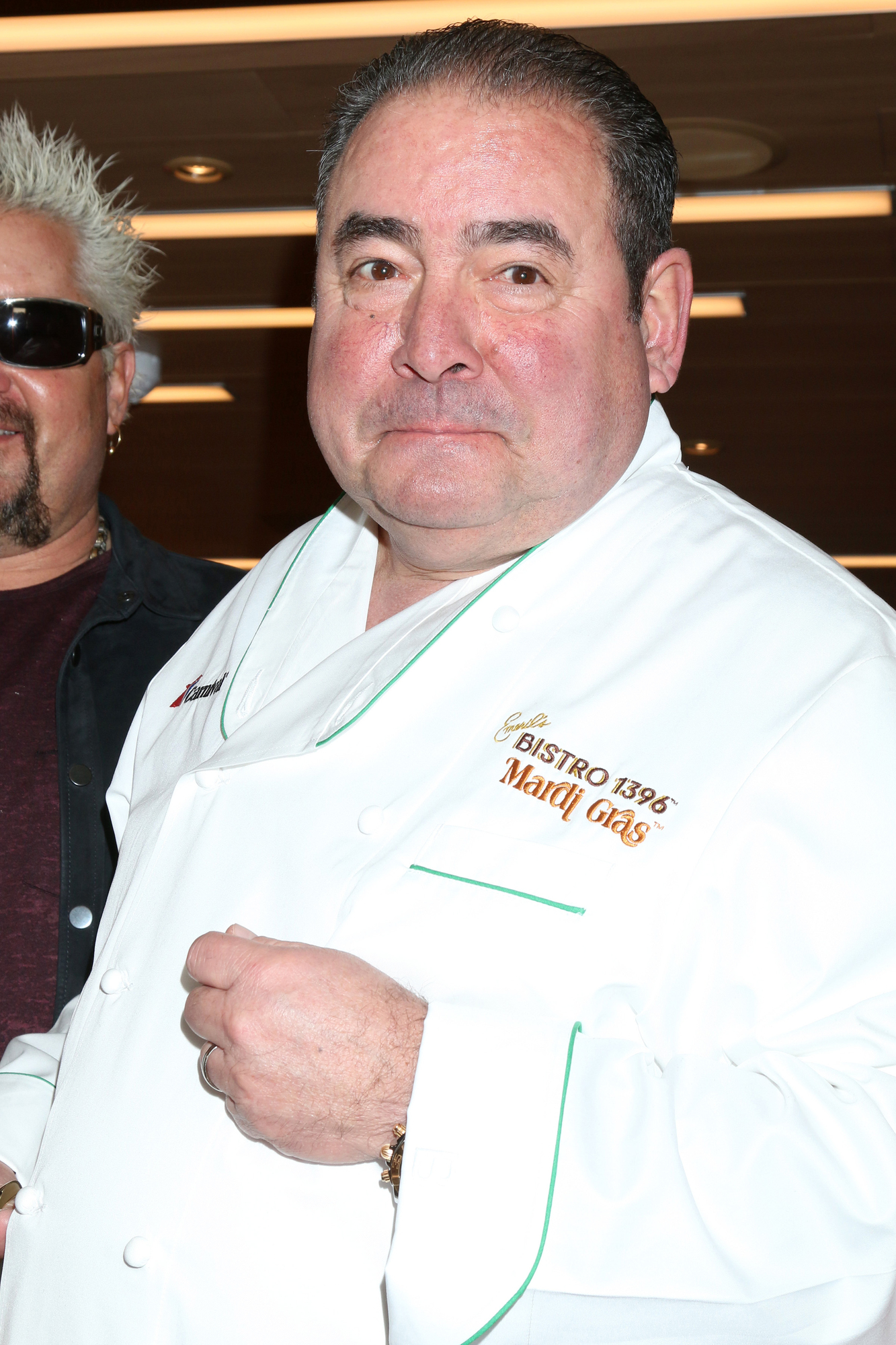
With his exuberant catchphrases—“Bam!” and “Kick it up a notch!”—Emeril Lagasse turned cooking into entertainment.
His TV shows and Creole-inspired dishes brought excitement and bold flavor to American households.
Lagasse helped launch the Food Network and pioneered the concept of the celebrity chef.
His influence lies in making cooking fun, energetic, and accessible to all.
Heston Blumenthal
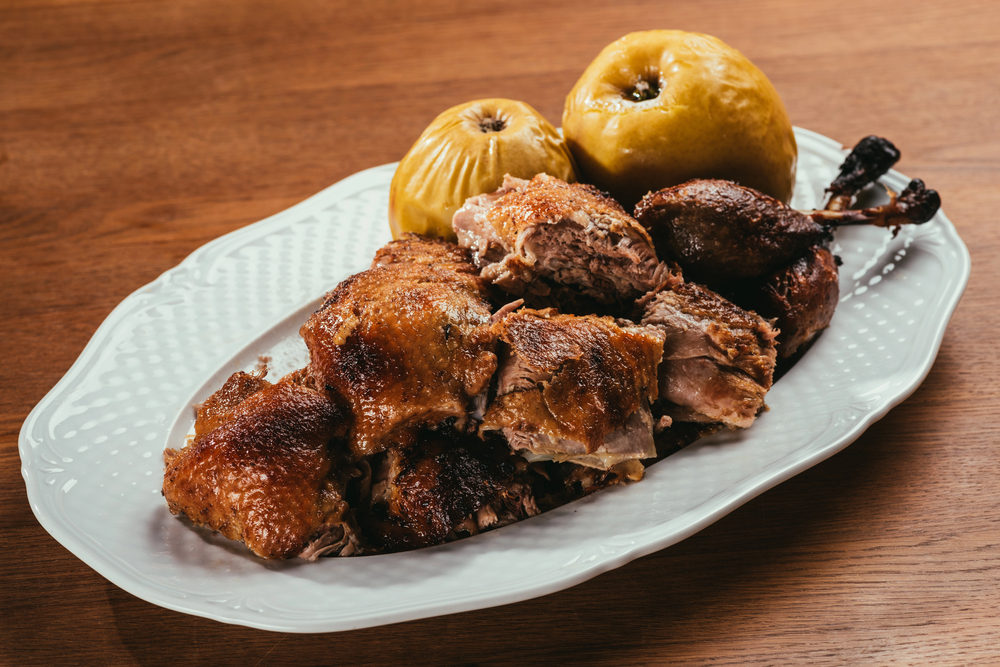
Heston Blumenthal is culinary science’s great showman.
His restaurant The Fat Duck became famous for inventive dishes like bacon-and-egg ice cream and snail porridge.
By exploring the chemistry and psychology of flavor, he created immersive dining experiences that blended art and science.
Through his shows and books, Blumenthal made experimentation in the kitchen something anyone could attempt.
Anthony Bourdain
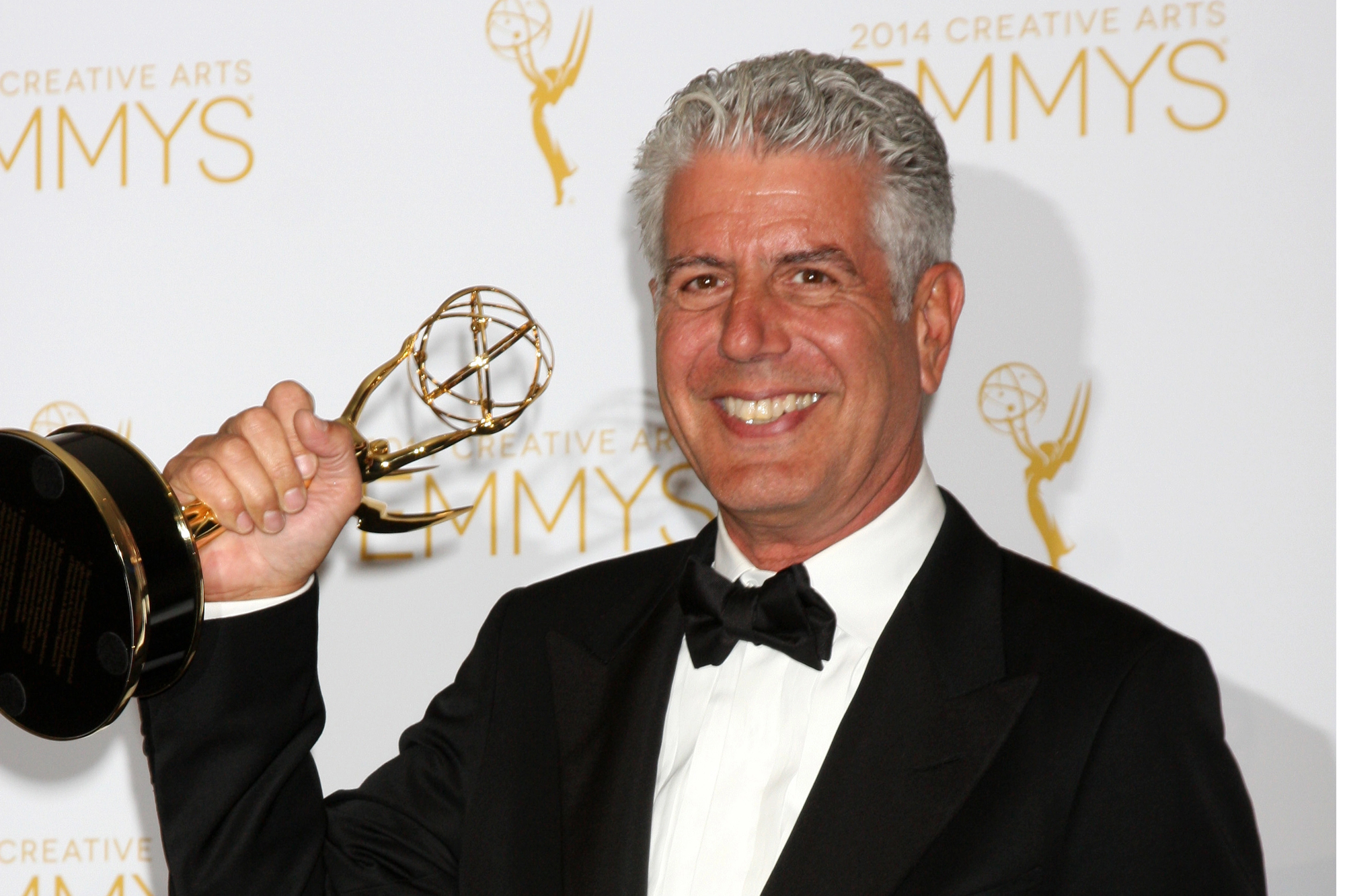
Anthony Bourdain was more than a chef.
He was a storyteller.
His book Kitchen Confidential exposed the gritty realities of restaurant life.
His shows No Reservations and Parts Unknown used food to explore culture, politics, and humanity.
Bourdain championed street food and local traditions.
He showed that great meals are about connection, not luxury.
His influence endures as a voice for authenticity and empathy in food.
Jamie Oliver
Jamie Oliver burst onto screens, teaching a generation to cook simple, fresh meals.
Later, he became a passionate advocate for food education and healthier school meals.
Oliver used his fame to fight for nutrition reform and raise awareness about food inequality.
He proved chefs could be activists, using food as a tool for social change.
René Redzepi

René Redzepi’s Copenhagen restaurant Noma revolutionized Nordic cuisine.
By foraging and fermenting local ingredients, Redzepi created dishes that embodied place and season.
His work inspired chefs globally to explore regional identity and sustainability.
Redzepi proved that great cuisine can come from anywhere.
Innovation often begins with looking close to home.
Massimo Bottura

Massimo Bottura reimagines Italian tradition through artful creativity.
His Osteria Francescana has earned three Michelin stars and twice been named the world’s best restaurant.
Bottura’s playful dishes, like “Oops! I Dropped the Lemon,” blend emotion and humor with technical mastery.
Beyond fine dining, his projects fighting food waste show how cooking can serve social good.
Gordon Ramsay
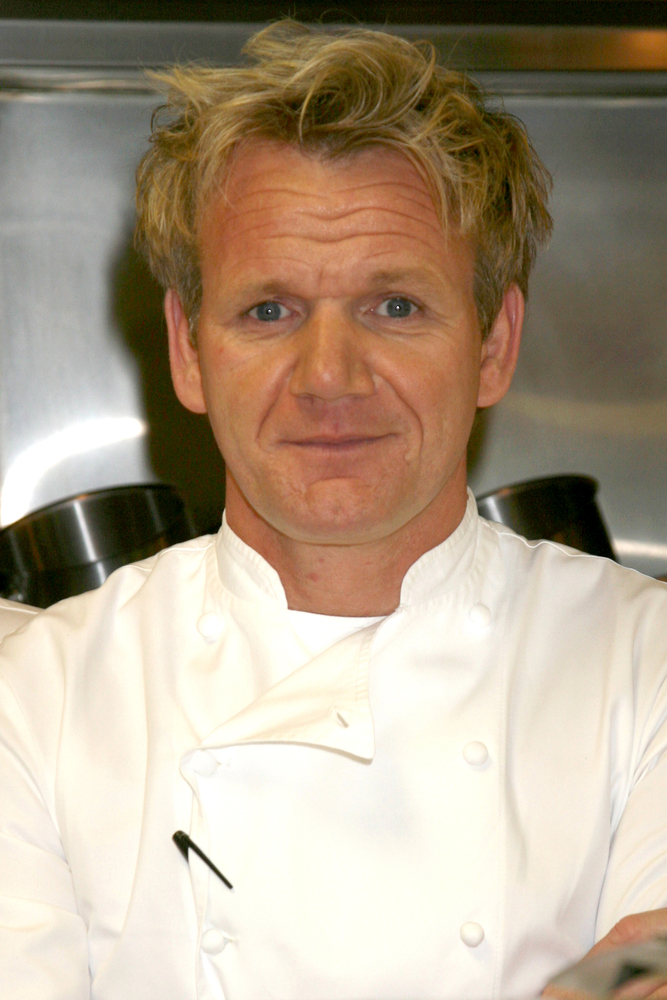
Known for his fiery temper and exacting standards, Gordon Ramsay built a global empire of Michelin-starred restaurants and hit TV shows like Hell’s Kitchen and Kitchen Nightmares.
Behind the persona lies a chef trained by legends and dedicated to precision.
Ramsay bridged fine dining and mass entertainment.
He proved chefs could be both craftsmen and cultural icons.
Dominique Crenn

Dominique Crenn became the first woman in the U.S. to earn three Michelin stars with her poetic, deeply personal cuisine at Atelier Crenn in San Francisco.
Her menus read like verse, reflecting her French roots and commitment to sustainability.
Crenn is also an advocate for women in the industry and environmental responsibility.
She’s redefining what it means to be a chef in the modern era.
Éric Ripert
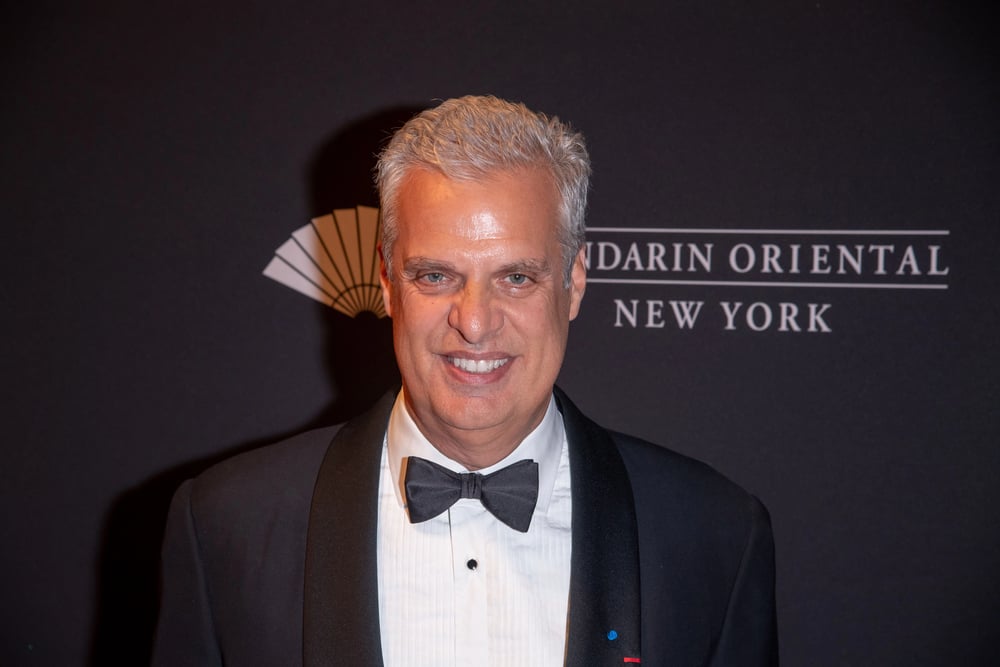
At Le Bernardin in New York, Éric Ripert has elevated seafood to near perfection.
His minimalist, elegant cooking honors the purity of ingredients and the calm precision of French technique.
The restaurant’s three Michelin stars reflect his consistency and grace.
Beyond his kitchen, Ripert shares his philosophy through cookbooks and TV.
He inspires a generation to respect simplicity and restraint.
Why They Still Matter
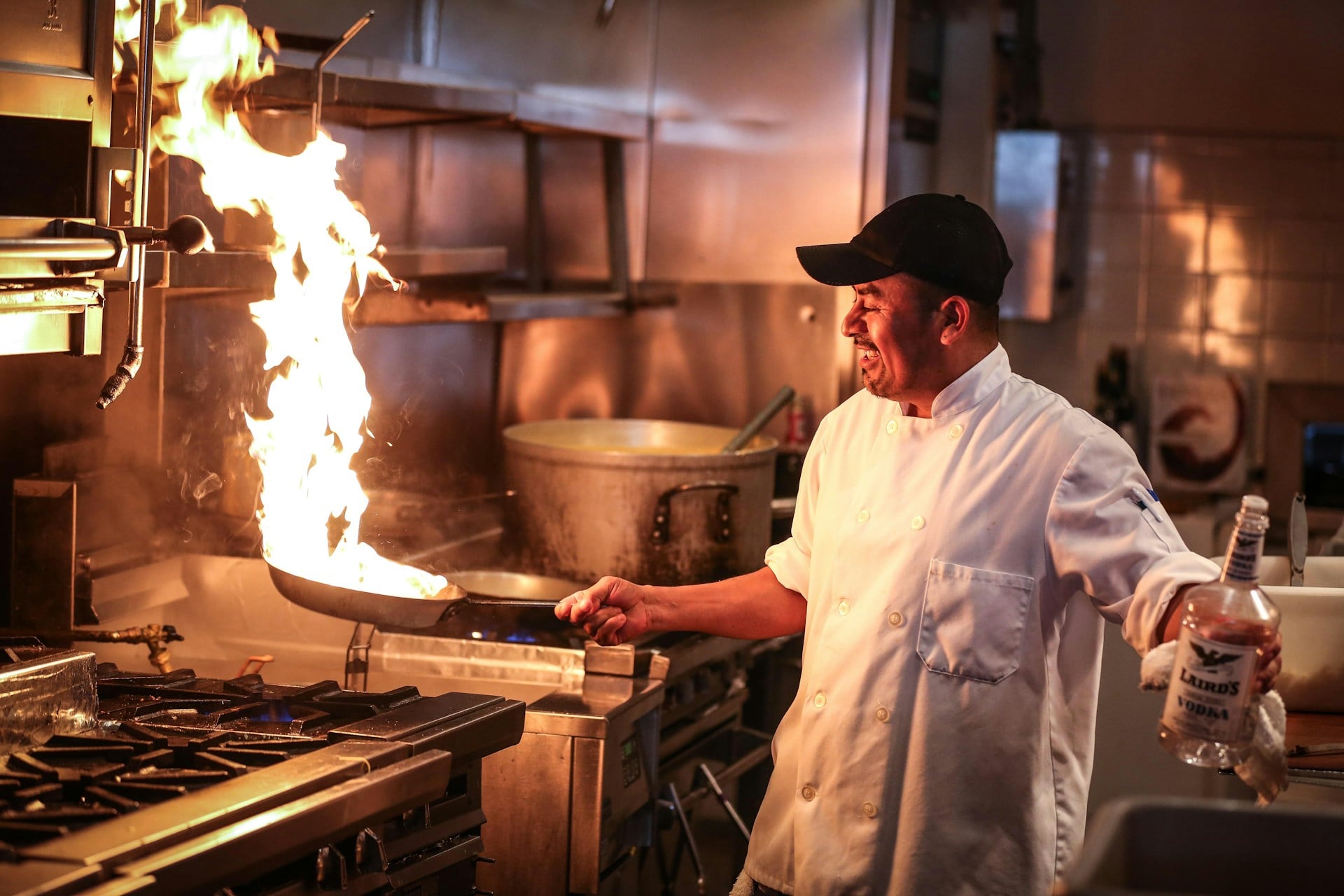
These chefs didn’t just change recipes. They changed the world.
They made cooking a respected art form, a profession, and a medium for creativity and cultural exchange.
Some built empires. Others sparked revolutions in technique, ethics, or accessibility.
Their influence shapes how we eat, cook, and connect through food today.
A great meal, as they’ve shown, is never just about what’s on the plate.
It’s about vision, passion, and courage to do something new.
More from Go2Tutors!

- The Romanov Crown Jewels and Their Tragic Fate
- 13 Historical Mysteries That Science Still Can’t Solve
- Famous Hoaxes That Fooled the World for Years
- 15 Child Stars with Tragic Adult Lives
- 16 Famous Jewelry Pieces in History
Like Go2Tutors’s content? Follow us on MSN.