Beatles Albums Ranked, Worst to Best
The Beatles didn’t just change music—they rewrote the rulebook entirely. Over the span of just seven years, from 1963 to 1970, they released 13 studio albums that transformed rock and roll into an art form.
Each record captured a different moment in their evolution, from the energetic Merseybeat sound of their early days to the experimental studio wizardry of their later work. Ranking Beatles albums feels almost unfair because even their weakest efforts contain moments of brilliance that most bands never achieve.
But looking at their catalog as a whole reveals a clear progression from competent pop craftsmen to innovative artists pushing the boundaries of what popular music could be. Here is a list of 13 Beatles studio albums, ranked from worst to best.
Yellow Submarine
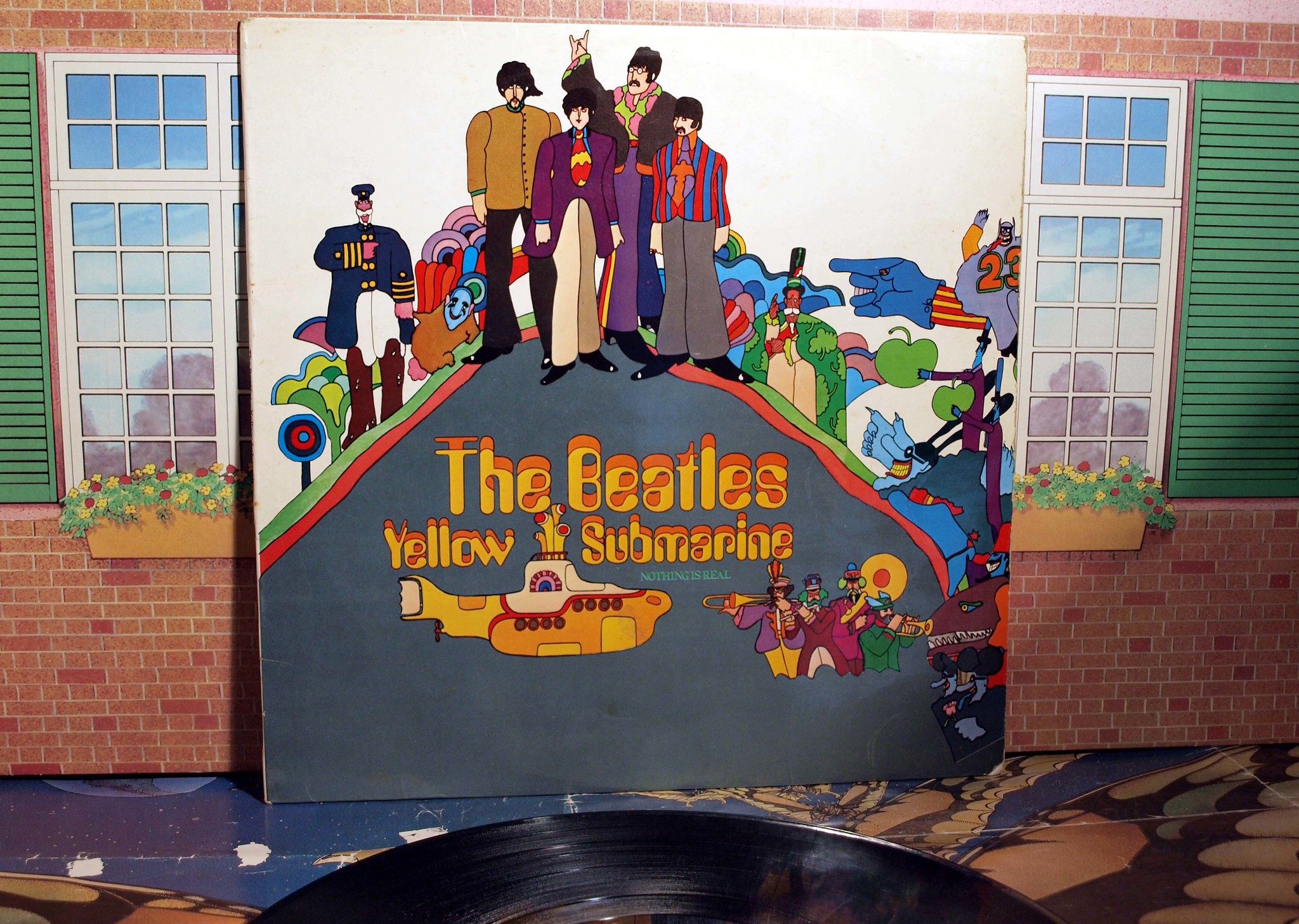
Yellow Submarine occupies a strange place in the Beatles catalog. Released in 1969 as a soundtrack to the animated film, only side one features actual Beatles songs—and most of those had already appeared elsewhere.
The album contains just four new tracks: “Only a Northern Song,” “All Together Now,” “Hey Bulldog,” and “It’s All Too Much.” The previously released single “All You Need Is Love” rounds out the Beatles side.
Only “Hey Bulldog” stands out as genuinely great among the new material. The second side consists entirely of George Martin’s orchestral score for the film, which is fine but not why anyone buys a Beatles record.
It’s more of a contractual obligation than a proper album, and the band themselves seemed to treat it that way.
Beatles For Sale
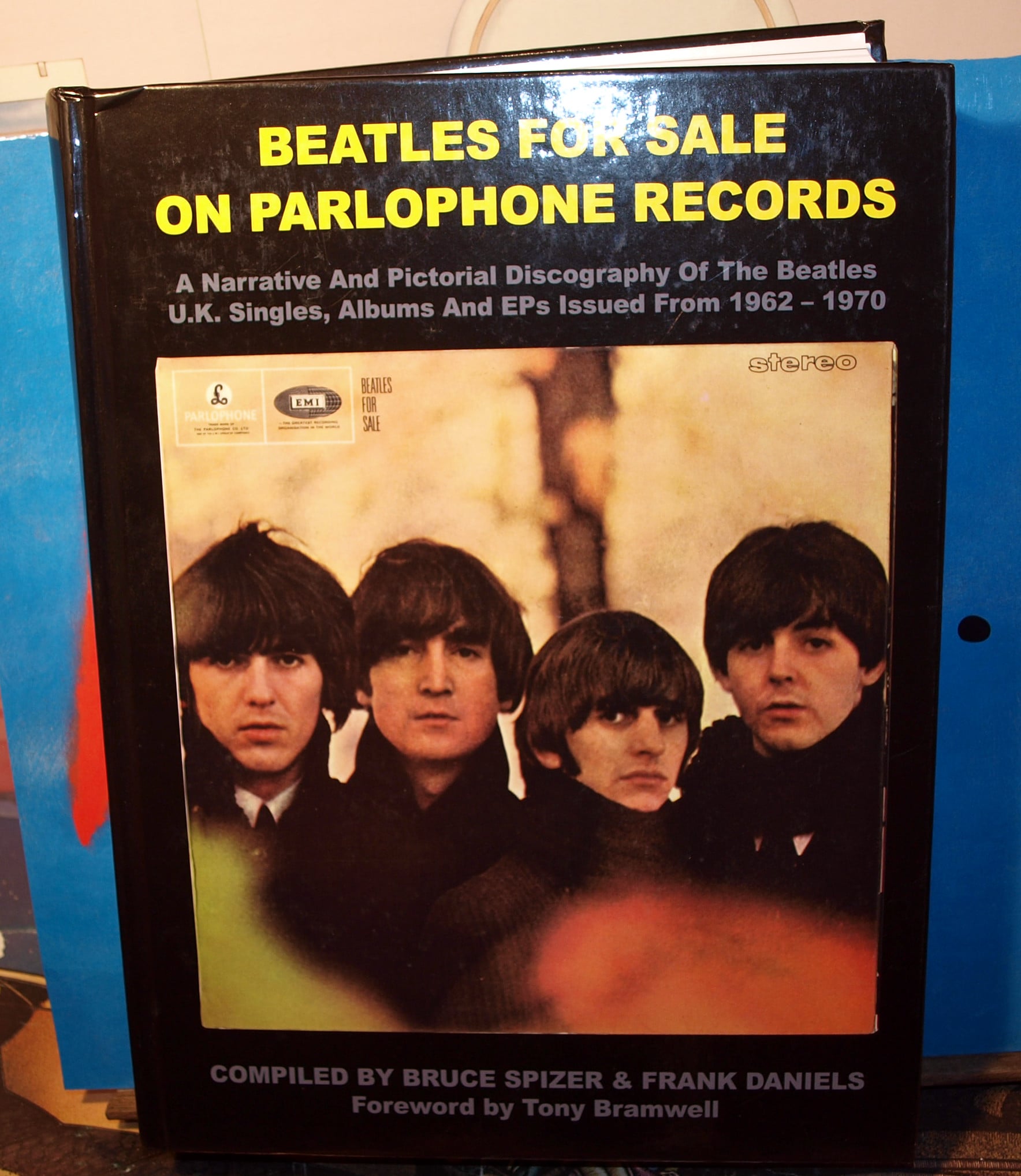
The fourth album caught the Beatles at an exhausted moment. Constant touring, recording, and promotion had drained their creative energy, and it shows.
The album includes solid covers of songs by Chuck Berry and Buddy Holly, but those feel like filler compared to the original material on previous records. George Harrison delivered his first lead vocals on covers like “Everybody’s Trying to Be My Baby” and “Honey Don’t,” while his guitar work added bite throughout.
The Lennon-McCartney originals range from decent to excellent, with “I’ll Follow the Sun” and “Eight Days a Week” carrying most of the weight. The album isn’t bad—it’s impossible for the Beatles to be truly bad—but it lacks the spark and innovation of their surrounding releases.
Please Please Me
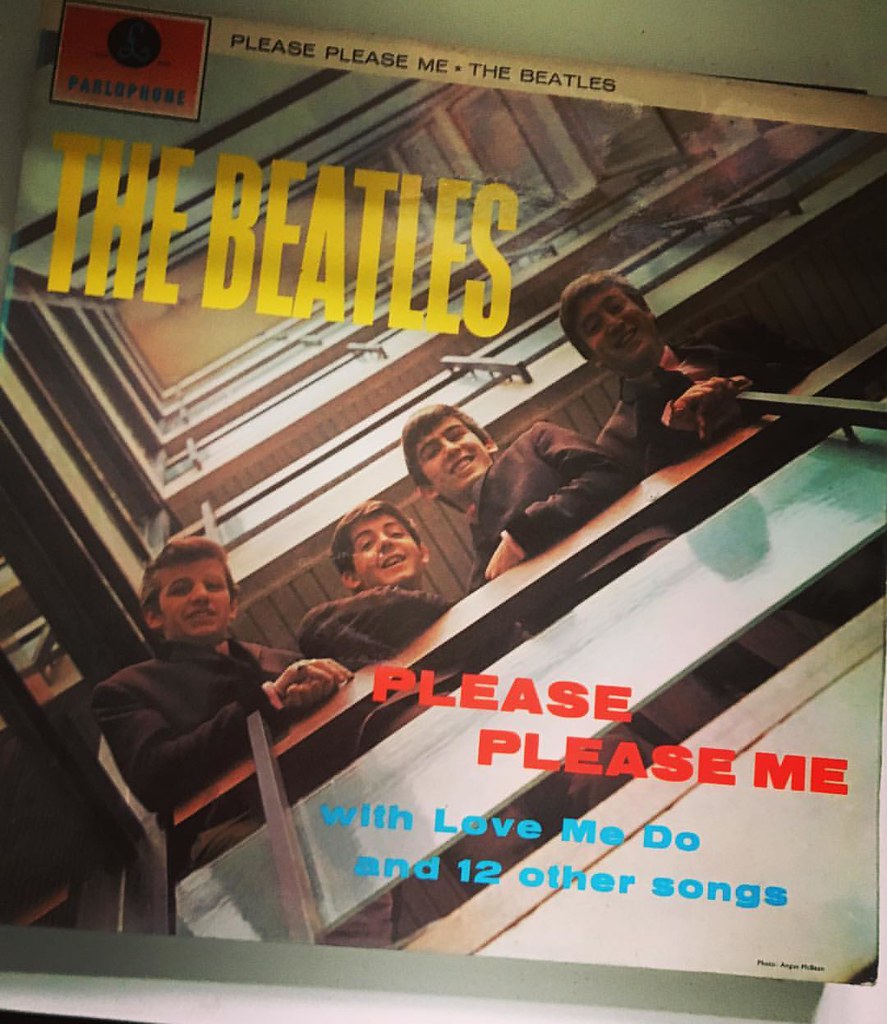
The Beatles’ debut album captured the raw energy of their early live shows. Recorded in a single marathon session, it showcased their ability to deliver tight, infectious rock and roll.
The album mixed original Lennon-McCartney compositions with covers of American rock and R&B songs they’d perfected during their Hamburg days. “I Saw Her Standing There” opens with a bang, and tracks like “Twist and Shout” demonstrate their vocal power and stage presence.
For a debut, it’s remarkably confident and cohesive. The main issue is that the Beatles would quickly outgrow this sound, making the album feel like a starting point rather than a destination.
With the Beatles
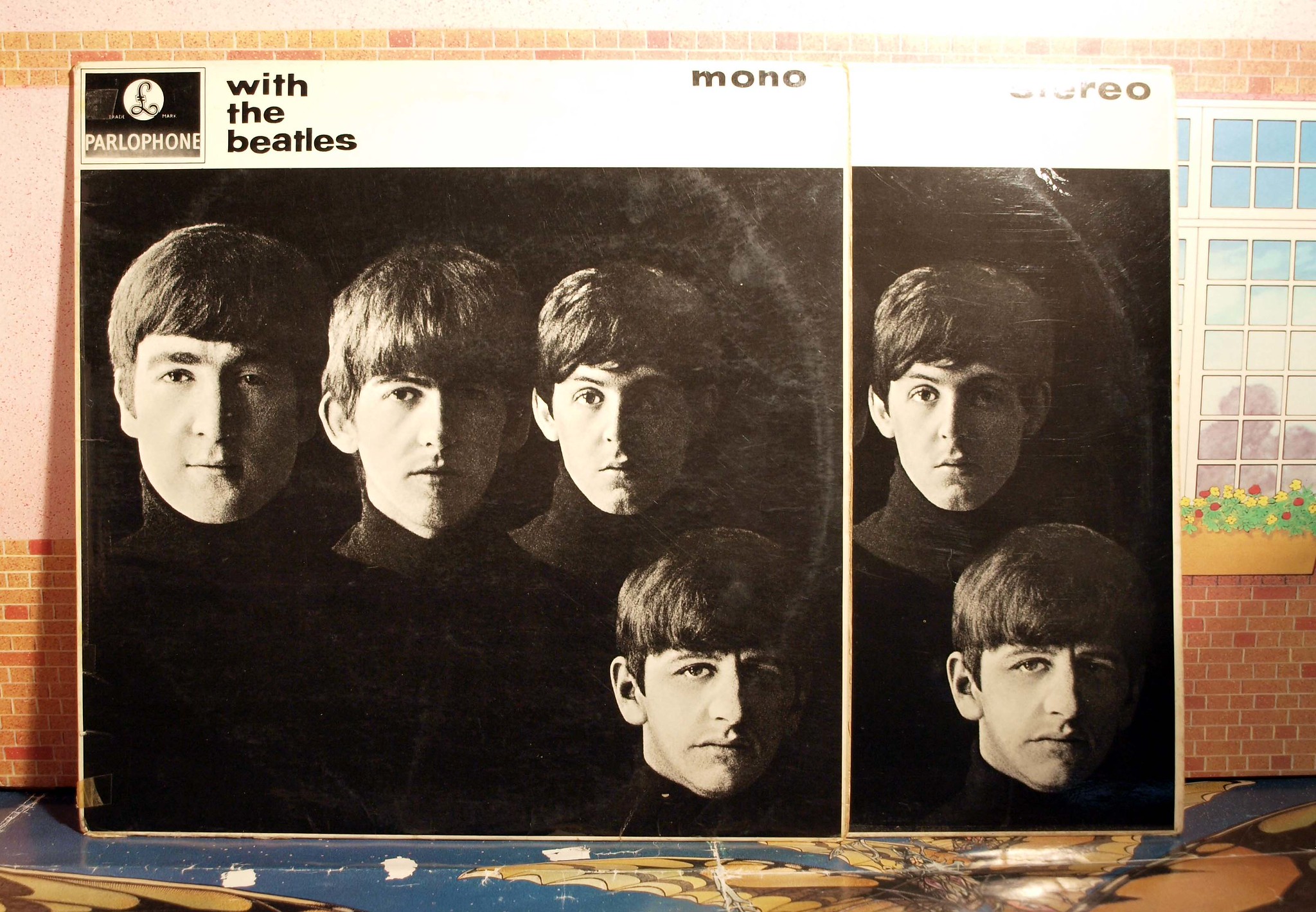
Their second album showed clear improvement over the debut. The band’s confidence had grown, and the original compositions outnumbered the covers.
Lennon and McCartney were finding their voice as songwriters, delivering classics like “All My Loving” and “It Won’t Be Long.” The harmonies tightened up, and the performances felt more polished without losing the raw energy.
The iconic black-and-white cover photograph also established the Beatles as serious artists rather than just another pop group. While still rooted in rock and roll traditions, you could hear them beginning to push against those boundaries.
A Hard Day’s Night
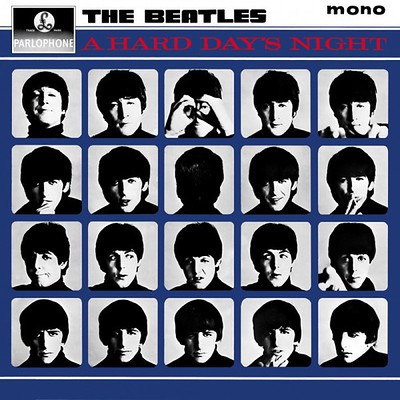
The first album consisting entirely of Lennon-McCartney originals marked a turning point. No more covers to pad out the tracklist—just 13 songs written by the two most prolific songwriters in rock.
The title track’s opening chord became one of the most famous sounds in music history. “Can’t Buy Me Love,” “If I Fell,” and “And I Love Her” showed their growing sophistication in both melody and lyrics.
Released as the soundtrack to their first film, the album captured the Beatles at the height of Beatlemania. They were still primarily a pop band, but an exceptionally good one firing on all cylinders.
Help!
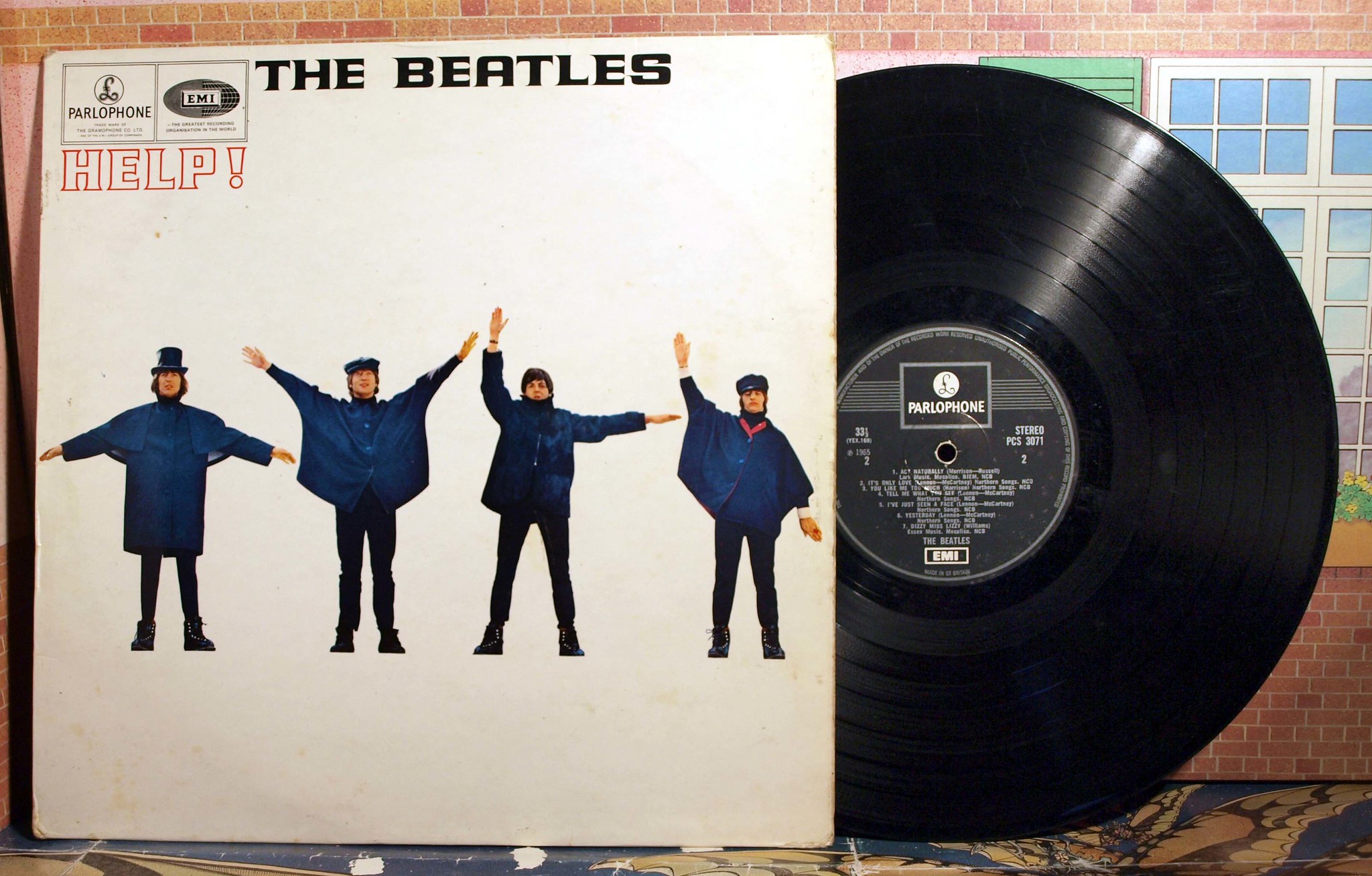
The fifth album found the Beatles experimenting with their sound while still delivering hit singles. The title track and “Ticket to Ride” showcased their evolution toward more complex arrangements.
George Harrison’s “I Need You” featured a volume pedal creating a unique guitar sound, hinting at the experimental touches to come. Paul McCartney’s “Yesterday” became one of the most covered songs in history—recorded as a solo performance with just McCartney and a string quartet.
The album served as another film soundtrack, which meant some tracks felt less essential. Still, the best moments pointed toward the artistic breakthroughs waiting just around the corner.
Magical Mystery Tour
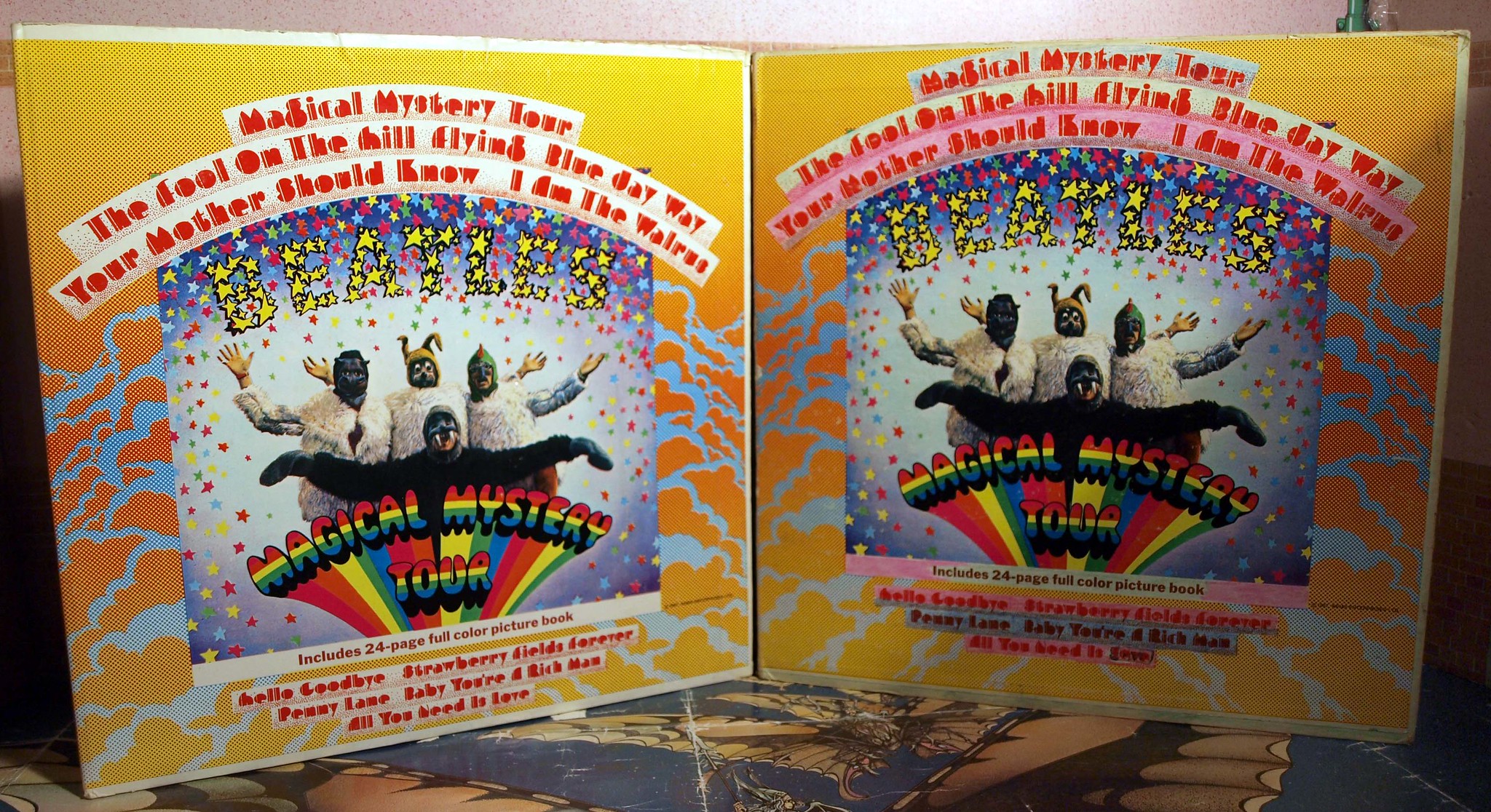
Originally released as a double EP in the UK and a full album in the US, Magical Mystery Tour combined the soundtrack to their TV film with recent singles. The singles side is absolutely packed—”Strawberry Fields Forever,” “Penny Lane,” “All You Need Is Love,” and “Hello, Goodbye.”
The film side is more uneven, though “I Am the Walrus” stands as one of their most adventurous and surreal compositions. The psychedelic sound reached its peak here, with production techniques and instrumentation that influenced countless artists.
It’s not as cohesive as their other late-period albums, but the highs are stratospheric.
Rubber Soul
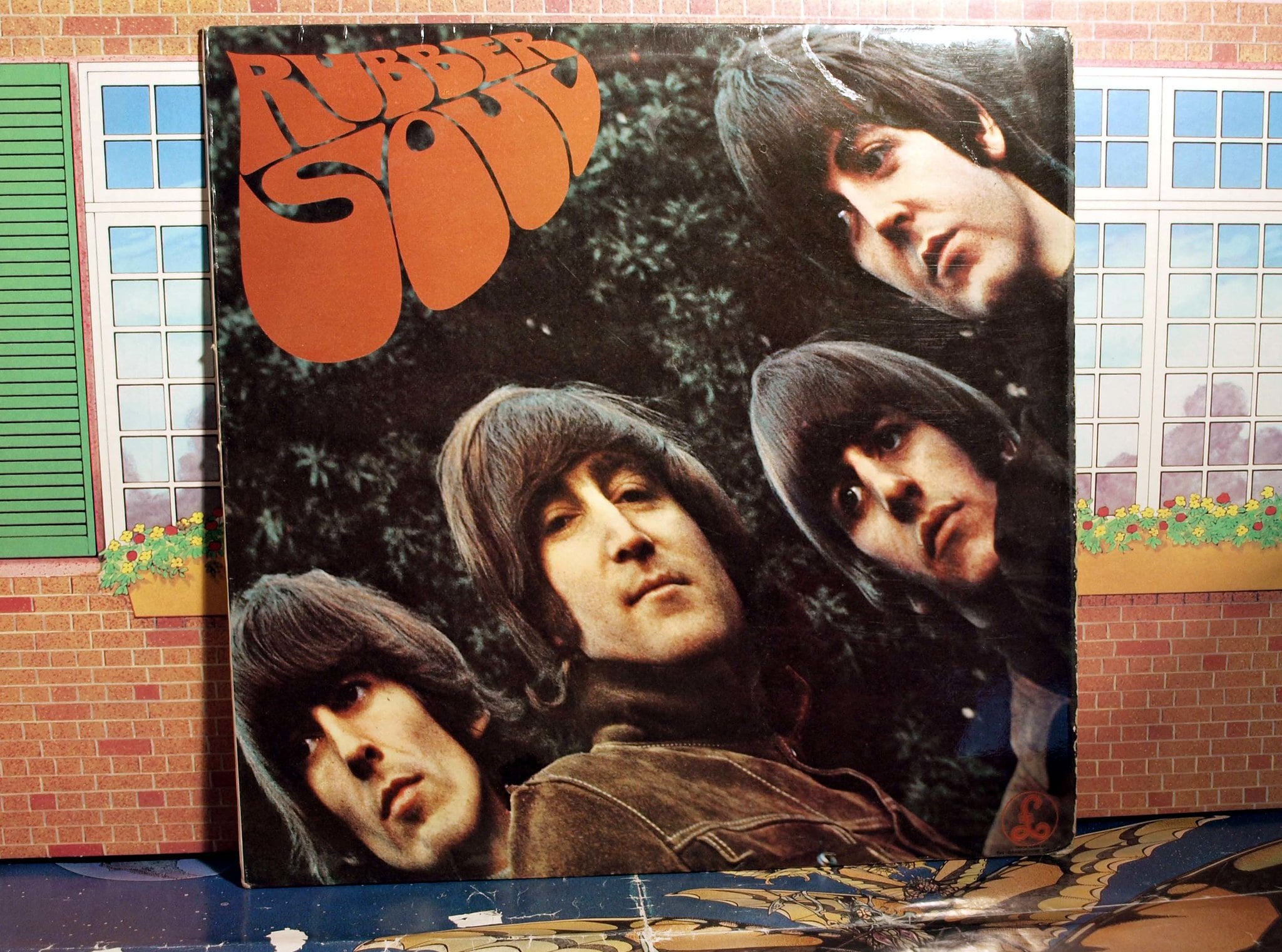
This is where everything changed. Rubber Soul marked the Beatles’ transition from a great pop band to serious artists.
The folk-rock influence from Bob Dylan pushed them toward more introspective and sophisticated lyrics. “Norwegian Wood” introduced the sitar to Western pop music.
“In My Life” remains one of the most beautiful songs about memory and nostalgia ever written. Every track contributes to a cohesive mood, making it one of the first albums meant to be experienced as a complete work.
The band members themselves considered it their first real album, and they weren’t wrong.
The Beatles (White Album)
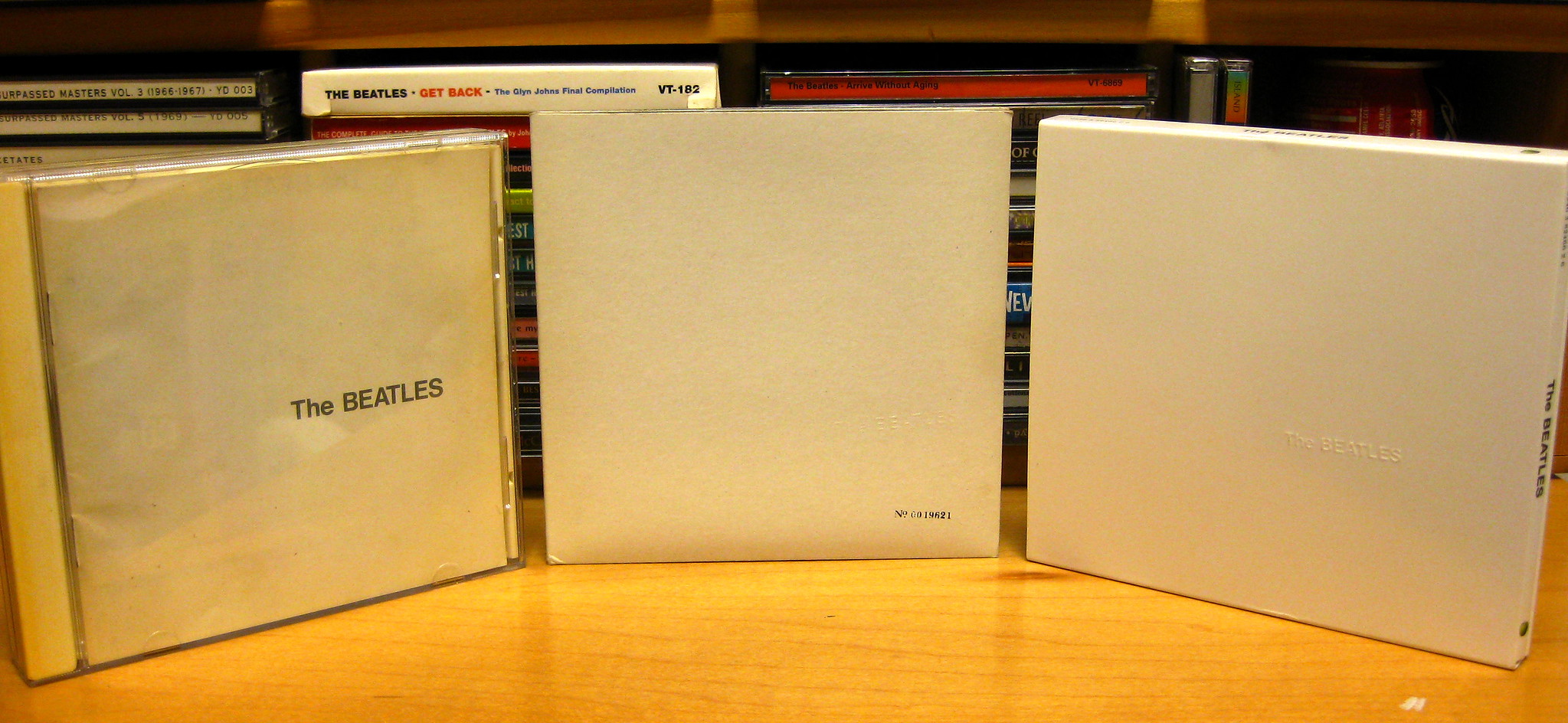
The sprawling double album showcased each Beatle’s individual personality. With 30 tracks covering wildly different styles, it’s messy and unfocused—and that’s part of its charm.
“Back in the USSR” parodies the Beach Boys, “Blackbird” offers sparse acoustic beauty, “Helter Skelter” practically invents heavy metal, and “Revolution 9” pushes into pure avant-garde sound collage. The band was falling apart during these sessions, but the creative friction produced some of their most distinctive work.
Not every track is a winner, but the album’s ambition and variety make it endlessly fascinating.
Let It Be
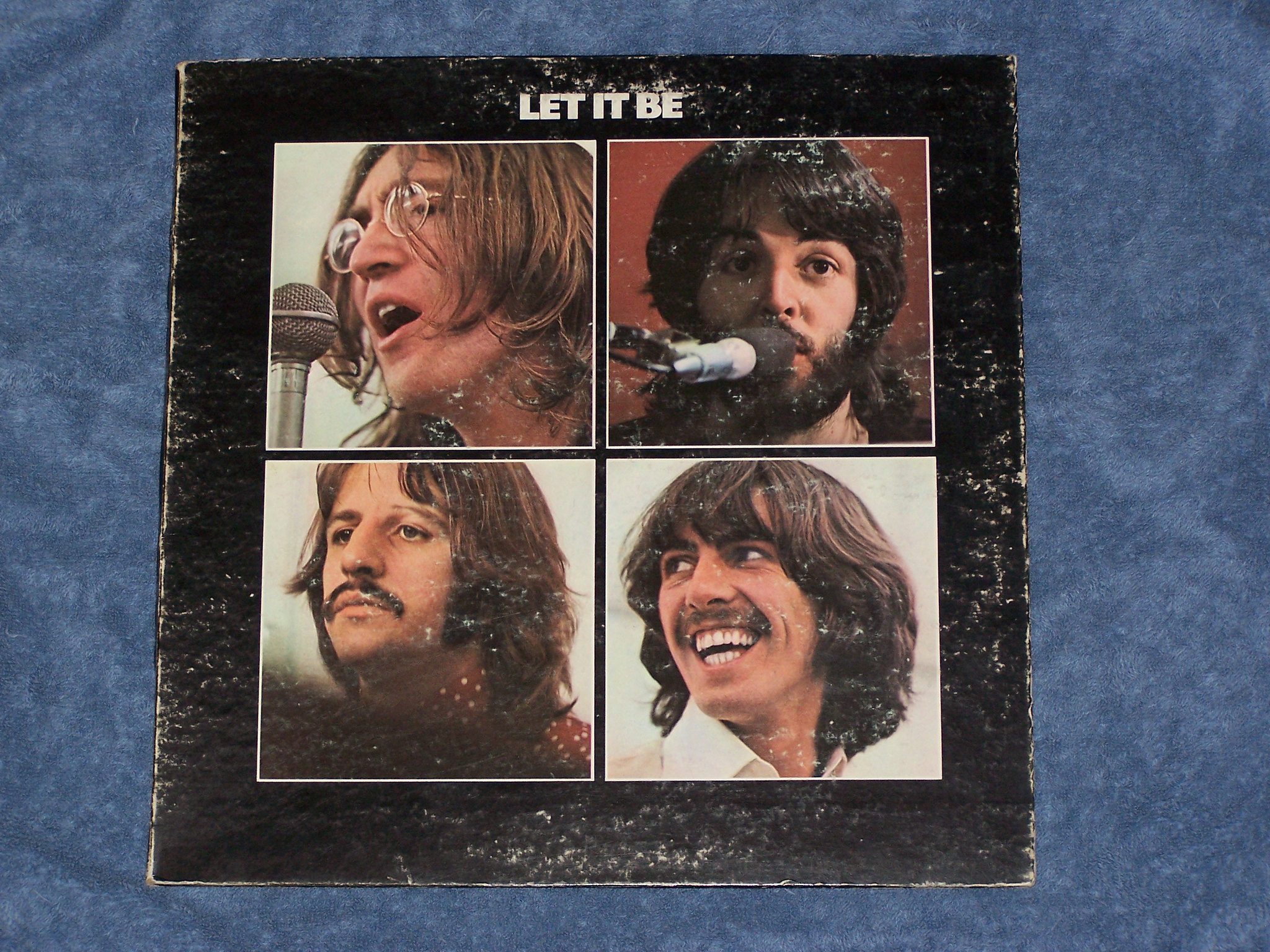
Released in May 1970 after Abbey Road but mostly recorded earlier in January 1969, the final album captures the Beatles in a raw, stripped-down mode. The original plan was to get back to basics after the dense production of the White Album.
Tracks like “Get Back” and “Don’t Let Me Down” deliver that energy. “Let It Be” became an instant classic, while producer Phil Spector added controversial orchestral flourishes to “The Long and Winding Road,” “Across the Universe,” and “I Me Mine.”
The album documents a band falling apart, but their talent was so immense that even their breakup album contains brilliant moments. It’s bittersweet listening to their farewell, knowing what could have been.
Revolver
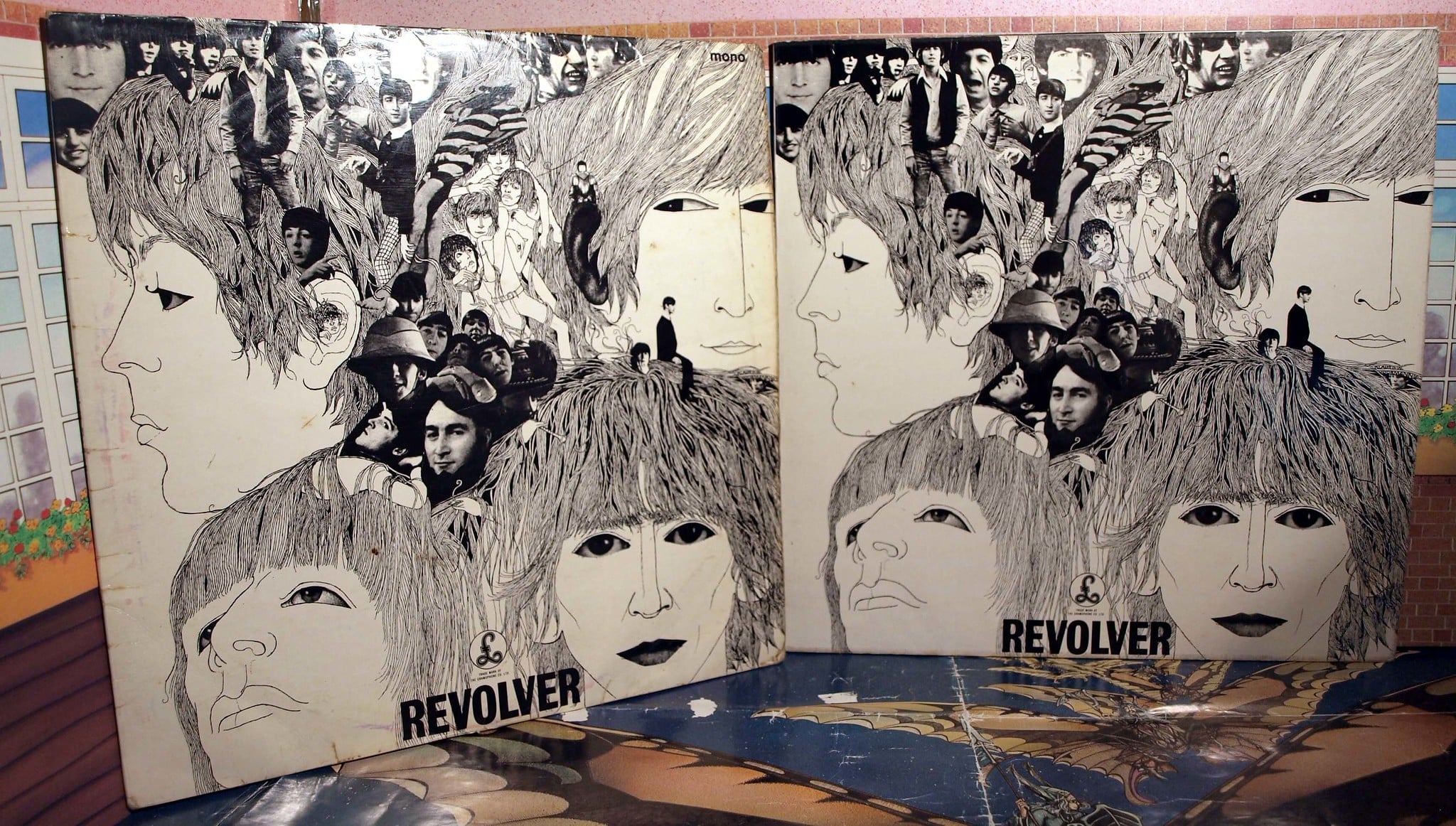
Revolver pushed the Beatles into bold new territory. Recording techniques became instruments themselves—tape loops, backward recordings, and radical mic placements created sounds nobody had heard before.
“Tomorrow Never Knows” sounds futuristic even today, with its droning tambura and manipulated vocals. “Eleanor Rigby” featured a string octet and lyrics about loneliness that felt more like literature than pop music.
George Harrison contributed three songs to the album—”Taxman,” “Love You To,” and “I Want to Tell You”—showing his emergence as a major songwriting force. Every song explores new ground, making Revolver the most forward-thinking and experimental album of their career.
Abbey Road
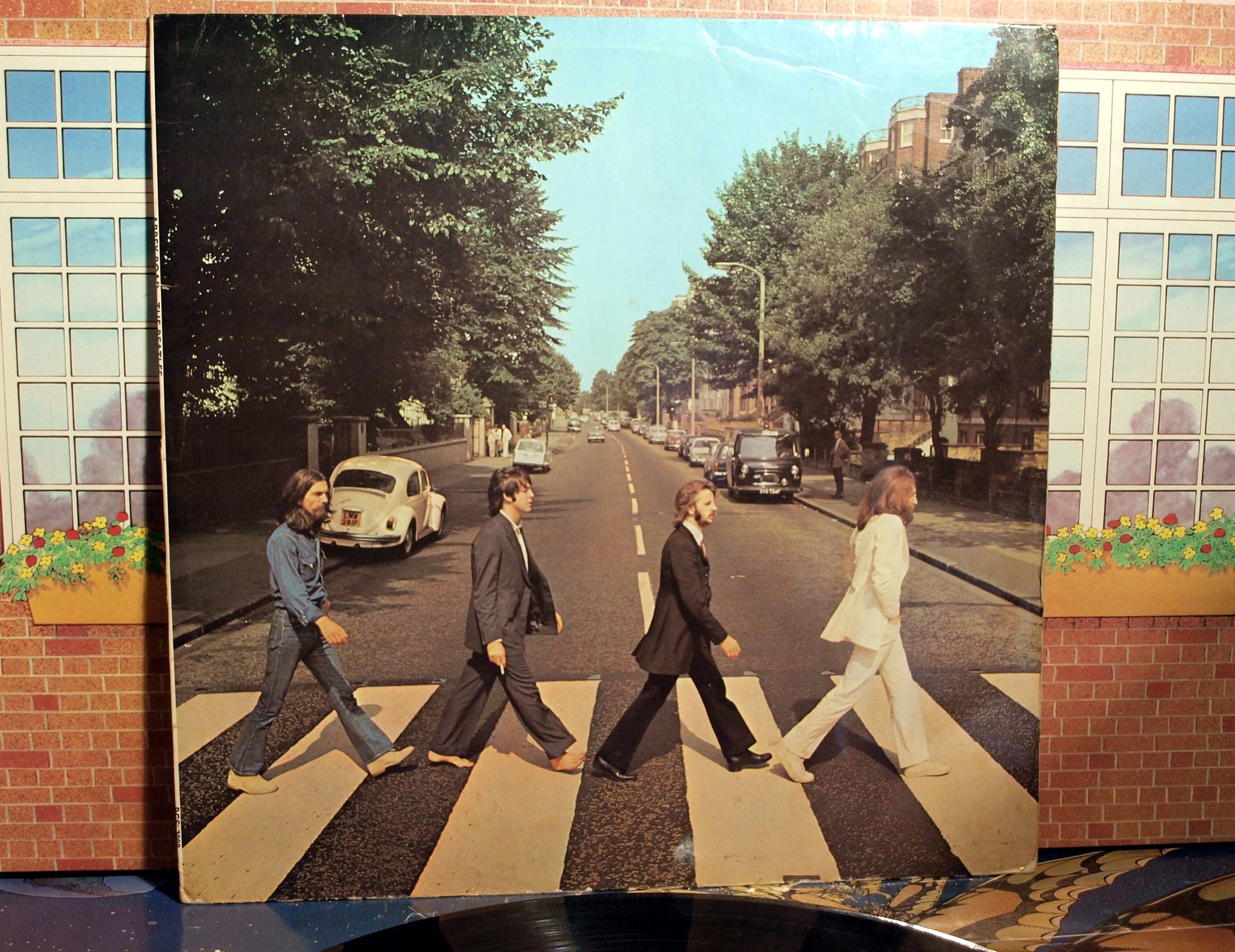
Recorded in 1969 as the last album the Beatles worked on together, though released before Let It Be, Abbey Road stands as their most musically accomplished work. The production is impeccable, the performances are tight, and the songwriting reaches new heights.
George Harrison’s “Something” and “Here Comes the Sun” proved he’d become a world-class songwriter. The medley on side two flows like a symphony, with fragments and full songs weaving together into something greater than the sum of its parts.
Even knowing the band was weeks away from splitting up, Abbey Road sounds like a group at the peak of their powers. It’s the perfect goodbye from the greatest band in rock history.
Sgt. Pepper’s Lonely Hearts Club Band
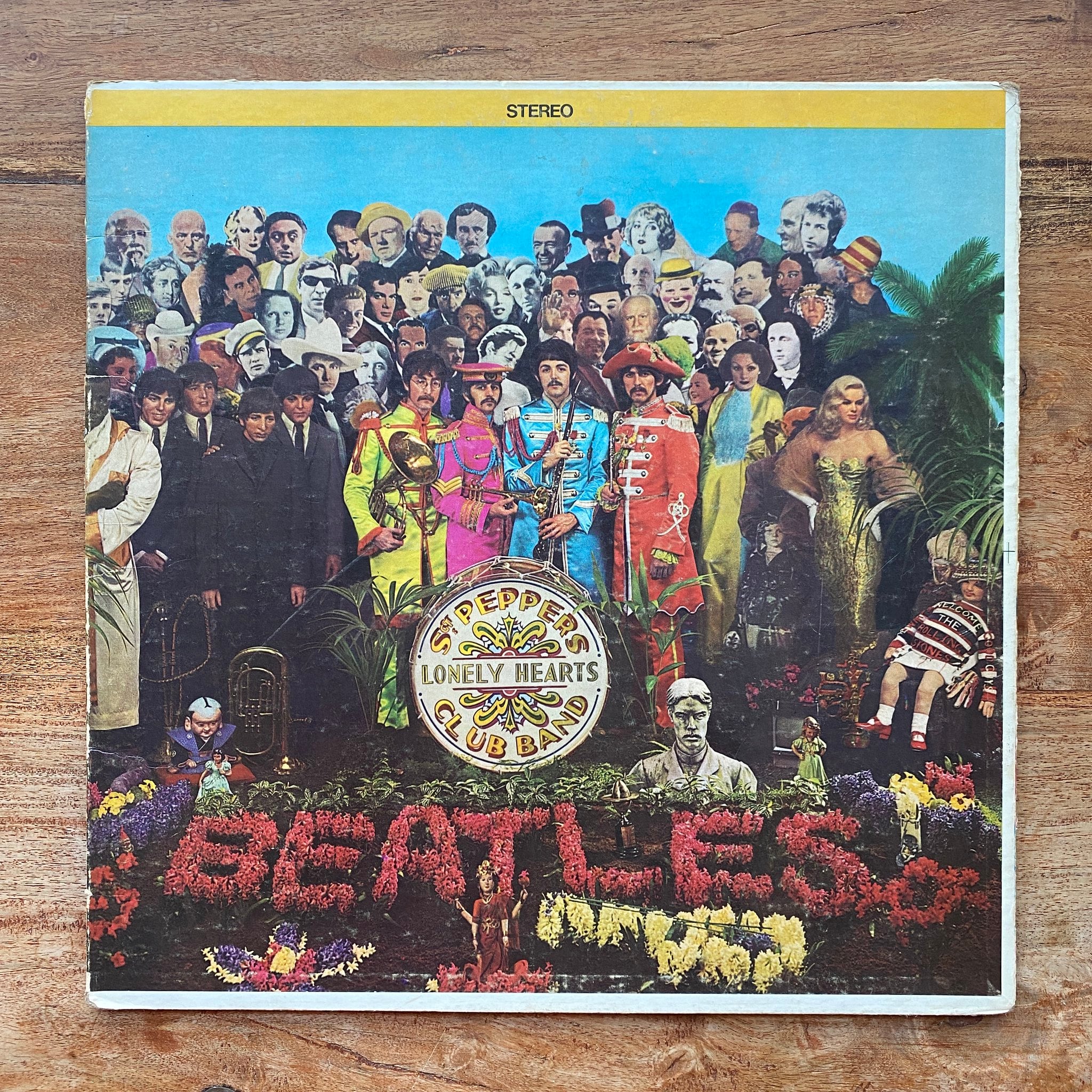
The album that changed everything tops the list. Sgt. Pepper’s concept of creating an alter ego band freed the Beatles to experiment without limits.
The psychedelic production, theatrical arrangements, and literary lyrics pushed rock music into uncharted territory. “A Day in the Life” builds to one of the most famous crescendos in music history.
“Lucy in the Sky with Diamonds” paints vivid surreal imagery. Interestingly, “Strawberry Fields Forever” and “Penny Lane” were recorded during these sessions but released separately as a double A-side single.
Every track flows into the next, creating an immersive experience that demanded to be heard as a complete work. The album sparked the Summer of Love and remains the gold standard for what a rock album can achieve.
Beyond Rankings
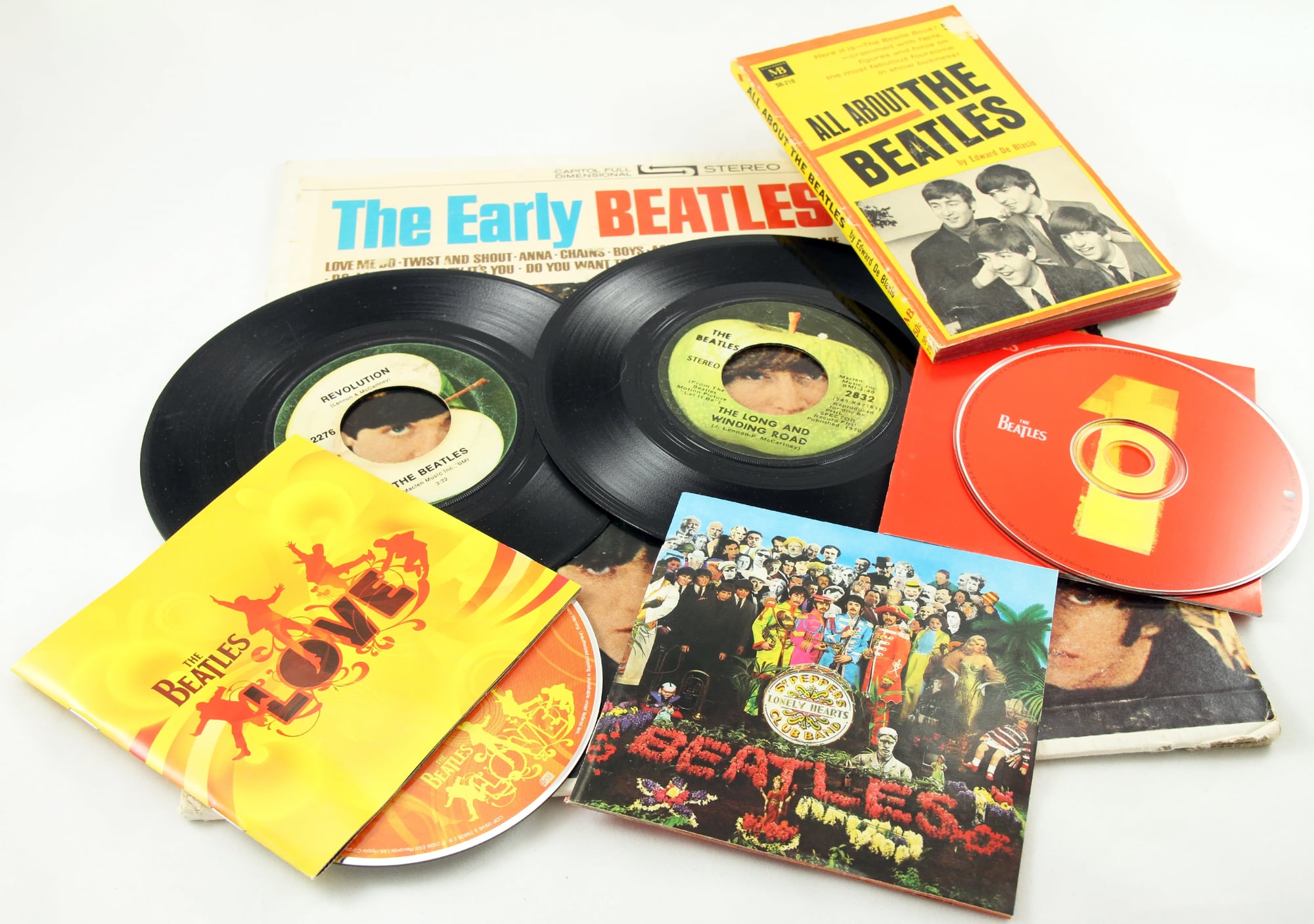
Trying to rank Beatles albums ultimately misses the point. What matters is that over seven remarkable years, four musicians from Liverpool created a body of work that redefined popular music.
From the energetic simplicity of Please Please Me to the baroque complexity of Sgt. Pepper’s, they never stopped evolving, experimenting, and pushing themselves to create something new. Even their lesser albums contain songs that would be the highlight of most other bands’ careers.
The Beatles’ catalog isn’t just a collection of albums—it’s a roadmap of how far creativity and ambition can take you when you refuse to repeat yourself.
More from Go2Tutors!

- The Romanov Crown Jewels and Their Tragic Fate
- 13 Historical Mysteries That Science Still Can’t Solve
- Famous Hoaxes That Fooled the World for Years
- 15 Child Stars with Tragic Adult Lives
- 16 Famous Jewelry Pieces in History
Like Go2Tutors’s content? Follow us on MSN.



