Things Older Than the Pyramids
When people think about ancient history, the Egyptian pyramids probably pop into their heads pretty quickly. They’re iconic, massive, and feel impossibly old.
The Great Pyramid of Giza was built around 2560 BCE—making it roughly 4,500 years old, which is genuinely ancient by most standards. Yet here’s the thing: plenty of artifacts and structures are even older than that.
Sometimes way older. Here’s a look at what was already ancient when the Egyptians were just getting started on their architectural achievements.
Göbekli Tepe
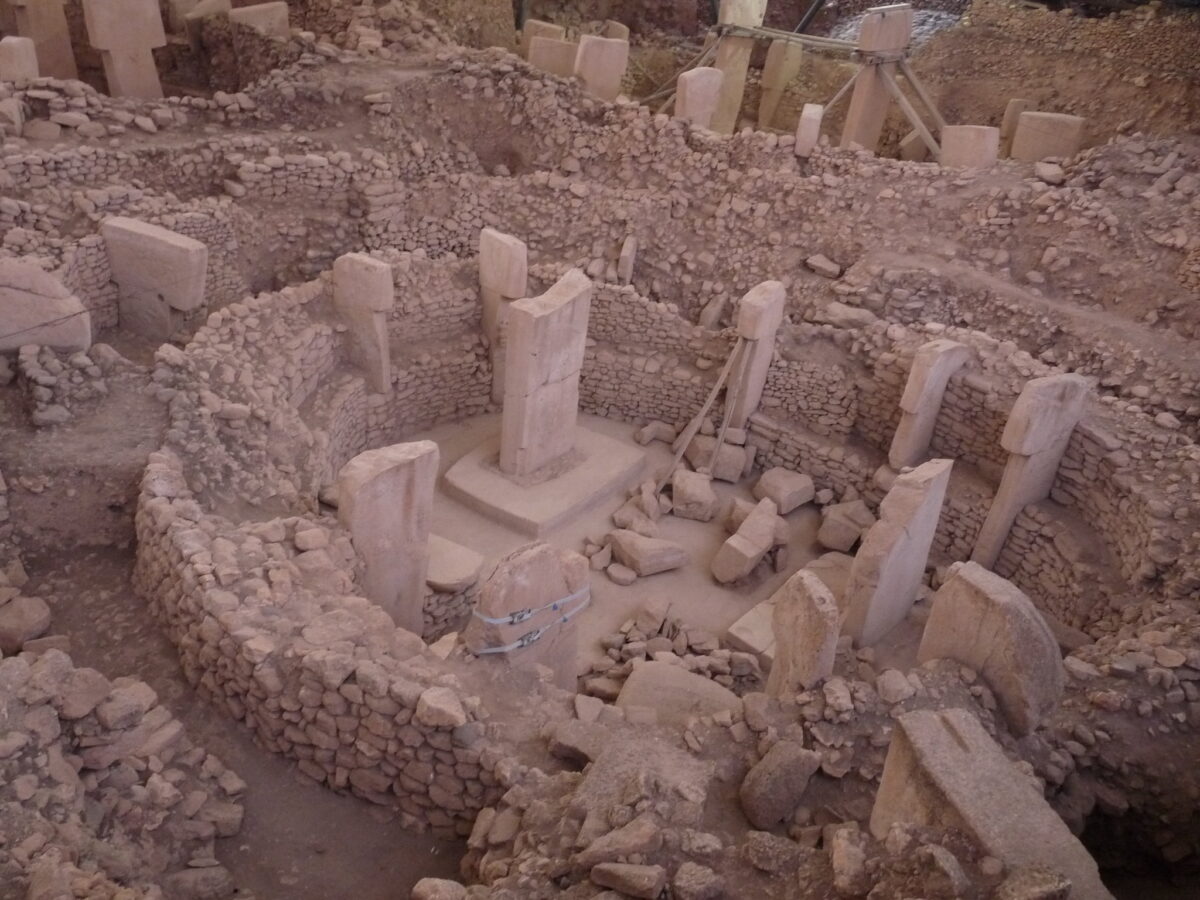
This Turkish archaeological site is absolutely remarkable. Built around 9500 BCE, Göbekli Tepe predates the pyramids by about 7,000 years—meaning when the pyramids were being constructed, this complex was already as ancient to them as the pyramids are to modern observers.
It’s a massive arrangement of stone circles with T-shaped pillars decorated with animal carvings, built by hunter-gatherers before agriculture existed, before pottery, before basically anything associated with civilization. The site’s exact purpose remains unknown, though the prevailing theory suggests some kind of ritual or religious center.
The remarkable part? After using it for about a thousand years, the inhabitants deliberately buried the entire complex and abandoned it.
Stonehenge
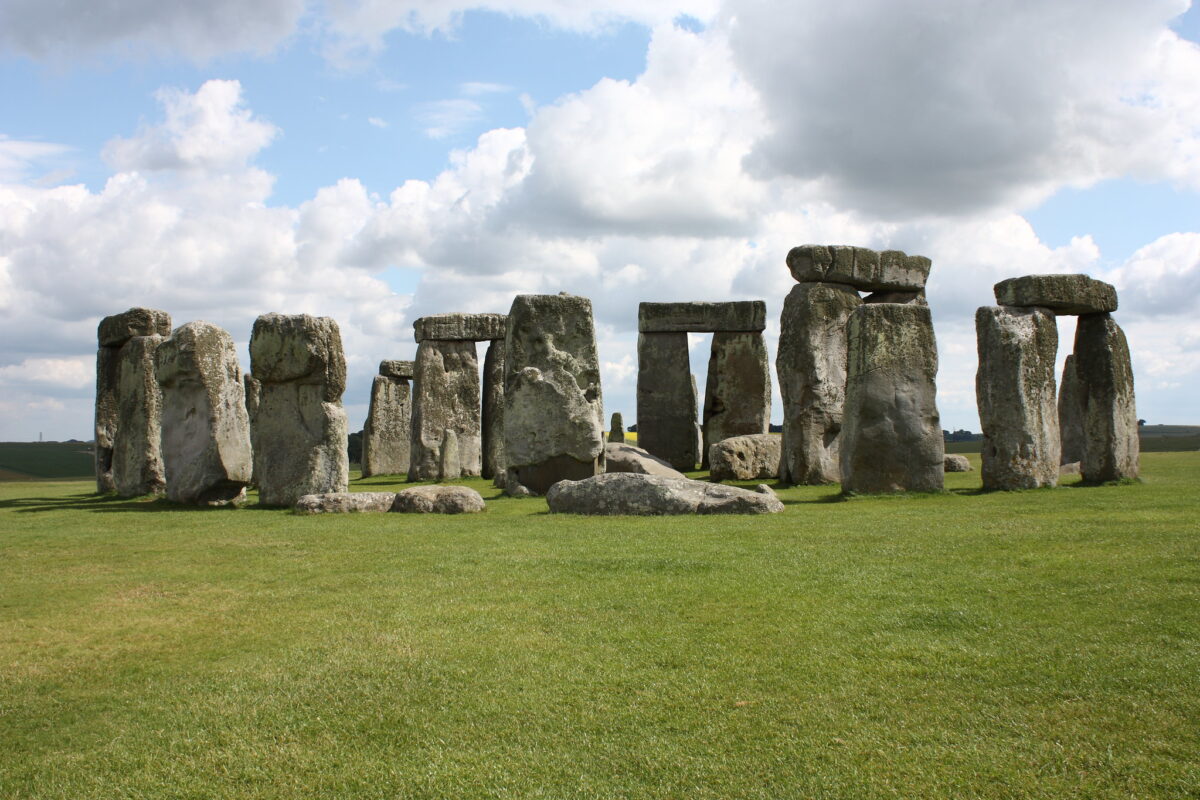
Everyone knows Stonehenge, yet most people don’t realize how old it actually is. The earliest earthwork phases of the site date to around 3000 BCE—making it about 500 years older than the Great Pyramid.
The iconic stone circle that dominates photographs was constructed later, around 2500 BCE, though that makes it roughly contemporary with the pyramids. What’s particularly interesting is that Stonehenge developed in stages over approximately 1,500 years.
It wasn’t a single construction project but rather an evolving monument that successive generations modified and expanded.
Newgrange
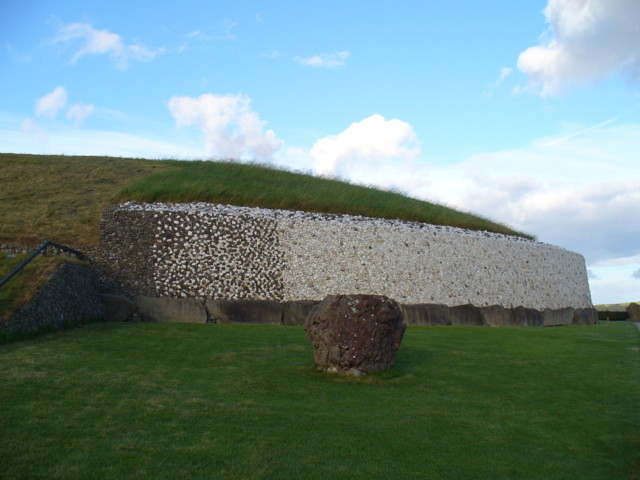
This passage tomb in Ireland’s Boyne Valley predates the pyramids by about 600 years, having been built around 3200 BCE—and it’s older than Stonehenge by several centuries. The structure consists of a massive circular mound with a stone passageway and interior chambers.
The most impressive feature is its winter solstice alignment—once annually, sunlight penetrates directly through the passage and illuminates the inner chamber for exactly 17 minutes. Neolithic engineers achieved this precision 5,000 years ago with Stone Age technology.
The exterior facade was originally covered in white quartz that would’ve gleamed brilliantly, making it both functional and deliberately aesthetic.
The Wheel

The wheel was invented around 3500 BCE in Mesopotamia—roughly a thousand years before pyramid construction began. Yet the Egyptians somehow built their pyramids without wheeled vehicles, which seems nearly impossible given the logistics of transporting 2.5-ton limestone blocks.
They managed through a combination of sledges, rollers, lubricants, and presumably immense human labor. Interestingly, the earliest wheels were actually used for pottery rather than transportation.
Wheeled vehicles came later. It’s one of those inventions that seems obvious in hindsight yet took humans approximately 200,000 years of existence to develop.
Cuneiform Writing
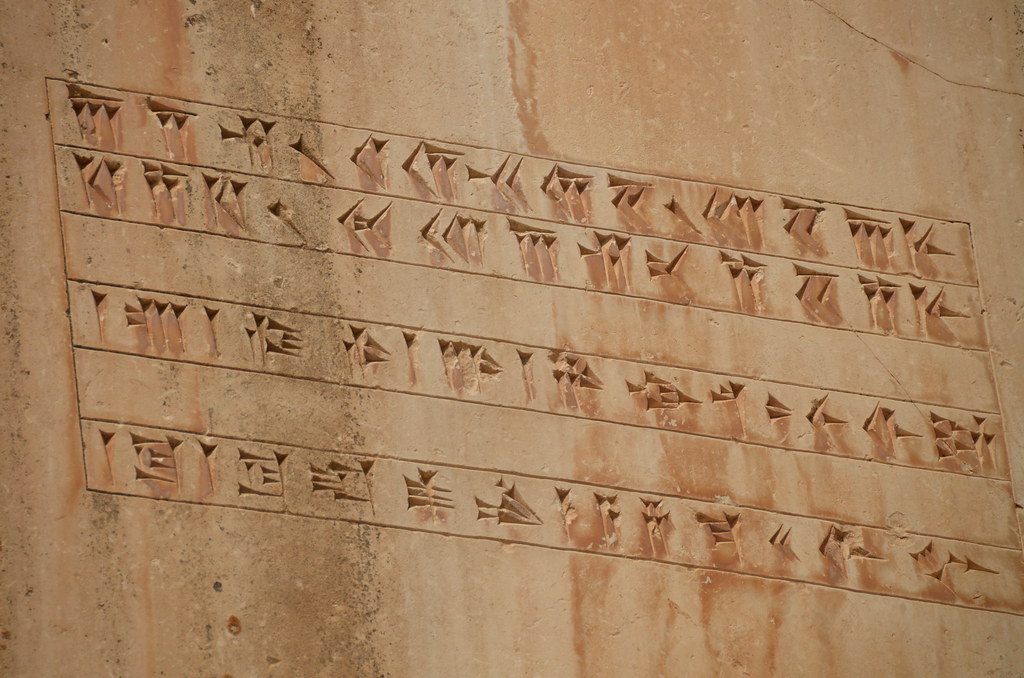
Writing itself predates the pyramids. Cuneiform—those distinctive wedge-shaped marks pressed into clay tablets—emerged in ancient Sumer around 3200 BCE. By the pyramid-building era, Mesopotamian scribes had already been maintaining written records for over six centuries.
They documented everything from administrative tax records to literary works to commercial complaints. One famous clay tablet from around 1750 BCE contains a customer named Nanni’s grievance about receiving substandard copper ore—proving that customer service disputes are timeless.
Aboriginal Australian Rock Art
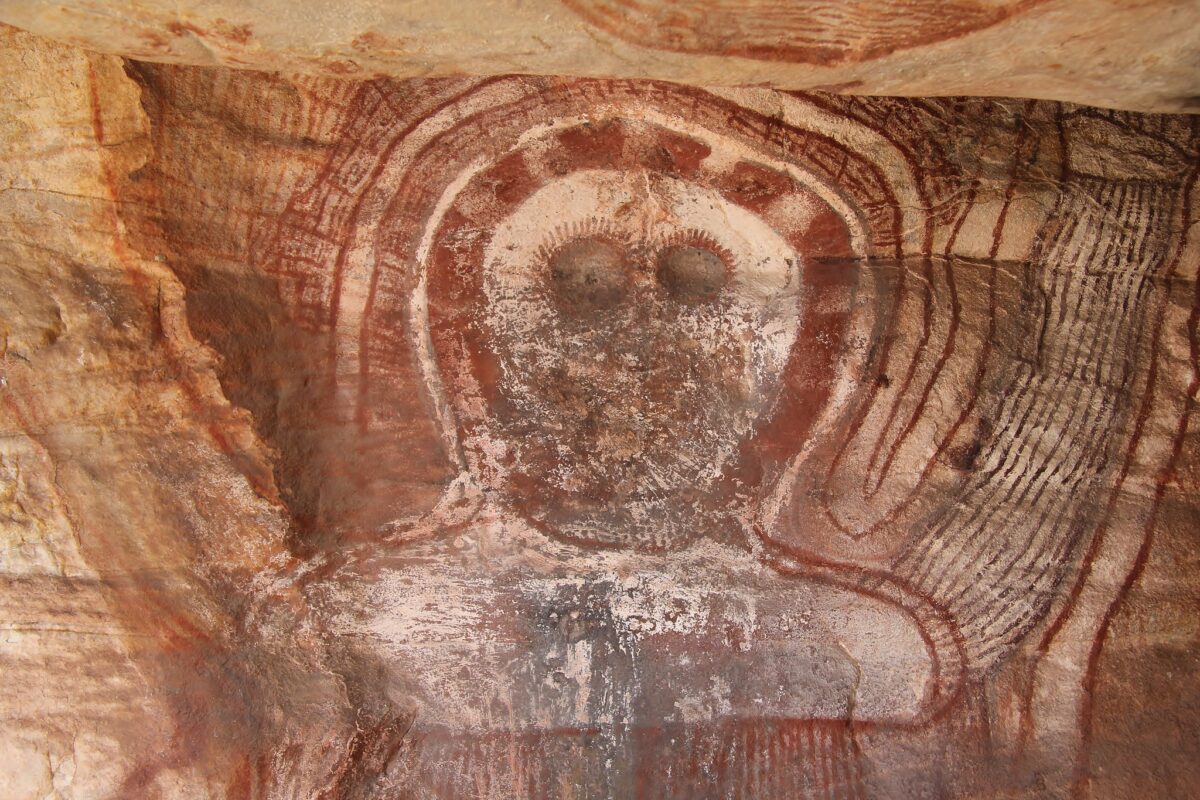
Some Aboriginal rock art in Australia is breathtakingly ancient. Paintings in the Kimberley region may be up to 40,000 years old, while works in Arnhem Land date back at least 28,000 years.
The oldest confirmed artwork at Nawarla Gabarnmang dates to approximately 28,000 years ago. When the pyramids were constructed, these paintings were already over 25,000 years old.
Even more remarkable, the same artistic traditions continue in Aboriginal communities today, representing the longest continuous cultural practice in human history.
Chauvet Cave Paintings
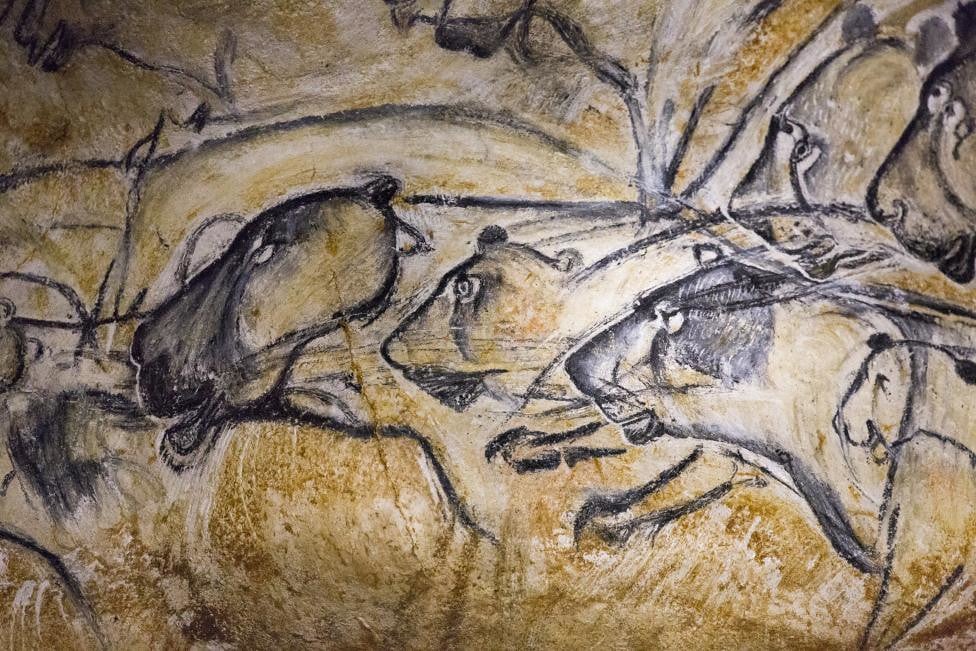
These paintings in southern France date to approximately 30,000-32,000 BCE. They’re not crude stick figures—they’re sophisticated, naturalistic depictions of horses, lions, rhinoceroses, and mammoths rendered with shading, depth, and compositional awareness.
When discovered in 1994, scientists initially questioned the dating because the artistic technique seemed too advanced for the Paleolithic period. Carbon dating confirmed their antiquity, though.
The artists who created these works lived during the last Ice Age, likely wore animal skins, hunted megafauna, and somehow possessed the same aesthetic impulses recognizable in humans today. The caves also contain handprints that feel oddly personal—individuals pressing their palms against stone 30,000 years ago, never imagining future observers.
Jericho
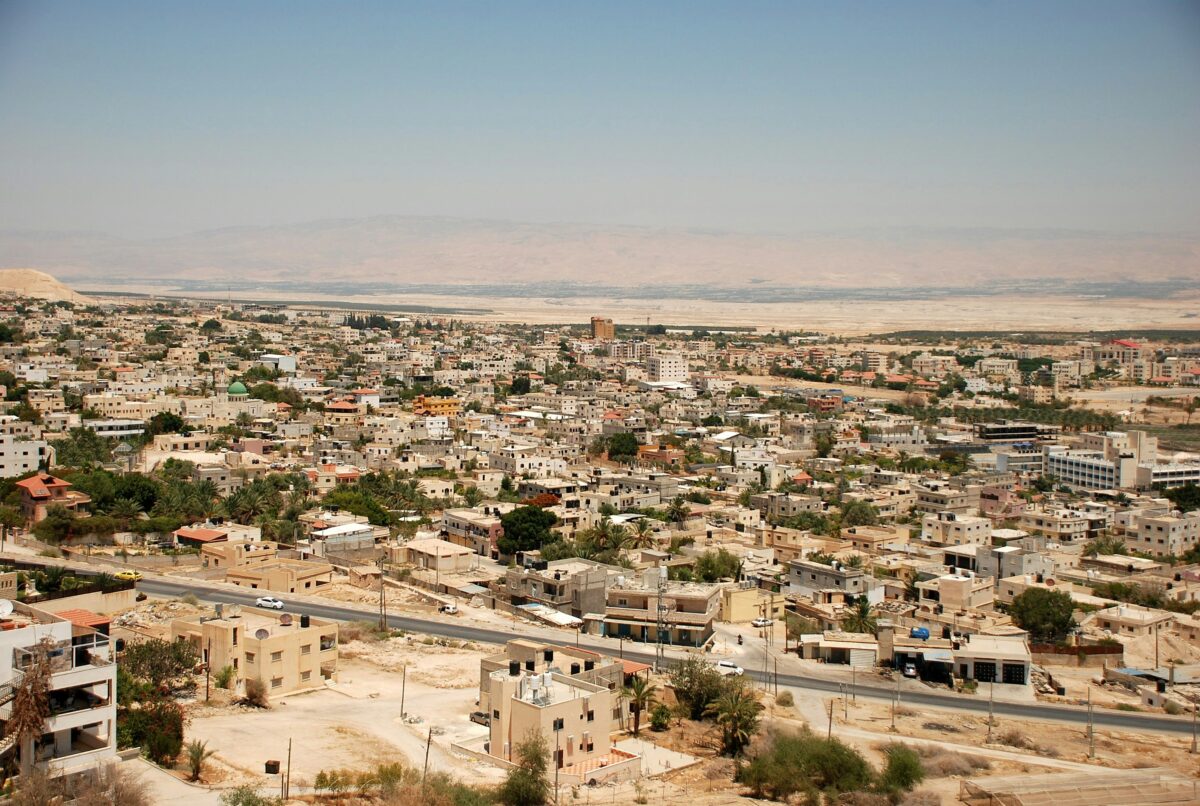
The city of Jericho in the West Bank has been continuously inhabited for approximately 11,000 years. By the time pyramid construction began, Jericho had already functioned as an established settlement for over 6,000 years—complete with defensive walls, towers, and organized agricultural systems.
That represents a longer timespan than from the pyramids to the present. The Biblical Jericho, famous for its walls allegedly tumbling down, was actually a much later iteration of the city.
The original Neolithic settlement would’ve been unrecognizable to later Biblical figures.
Domesticated Dogs
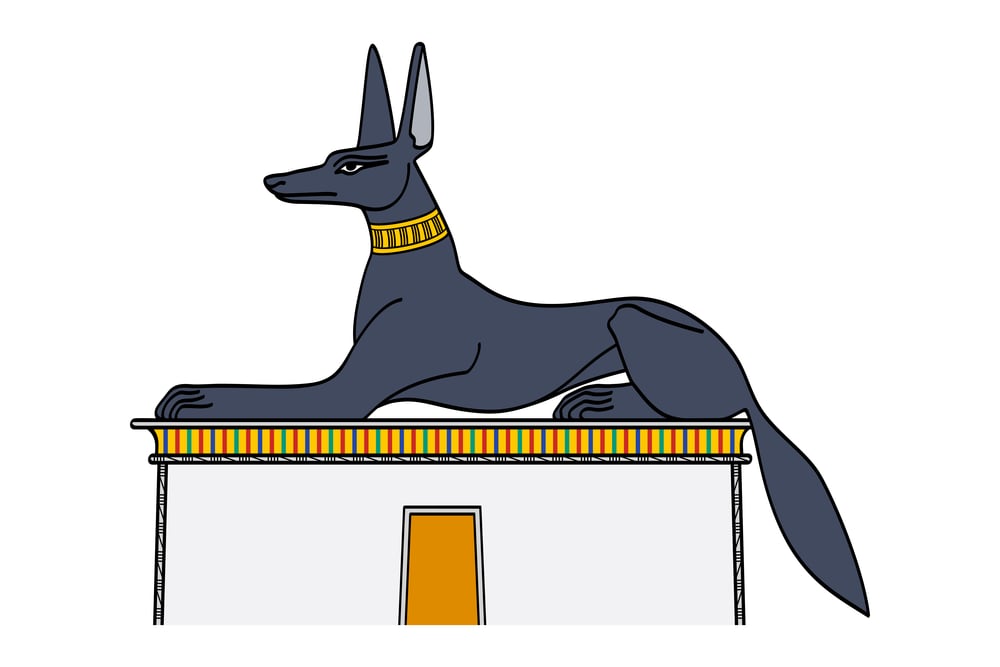
Dogs have been humanity’s companions for somewhere between 15,000 and 40,000 years, depending on which genetic studies and archaeological evidence are considered. Even conservative estimates place initial domestication at around 15,000 years ago.
This means ancient Egyptians were constructing pyramids alongside canines that had been domesticated for over 10,000 years. The human-dog bond had existed longer than written history itself.
Agriculture and Farming
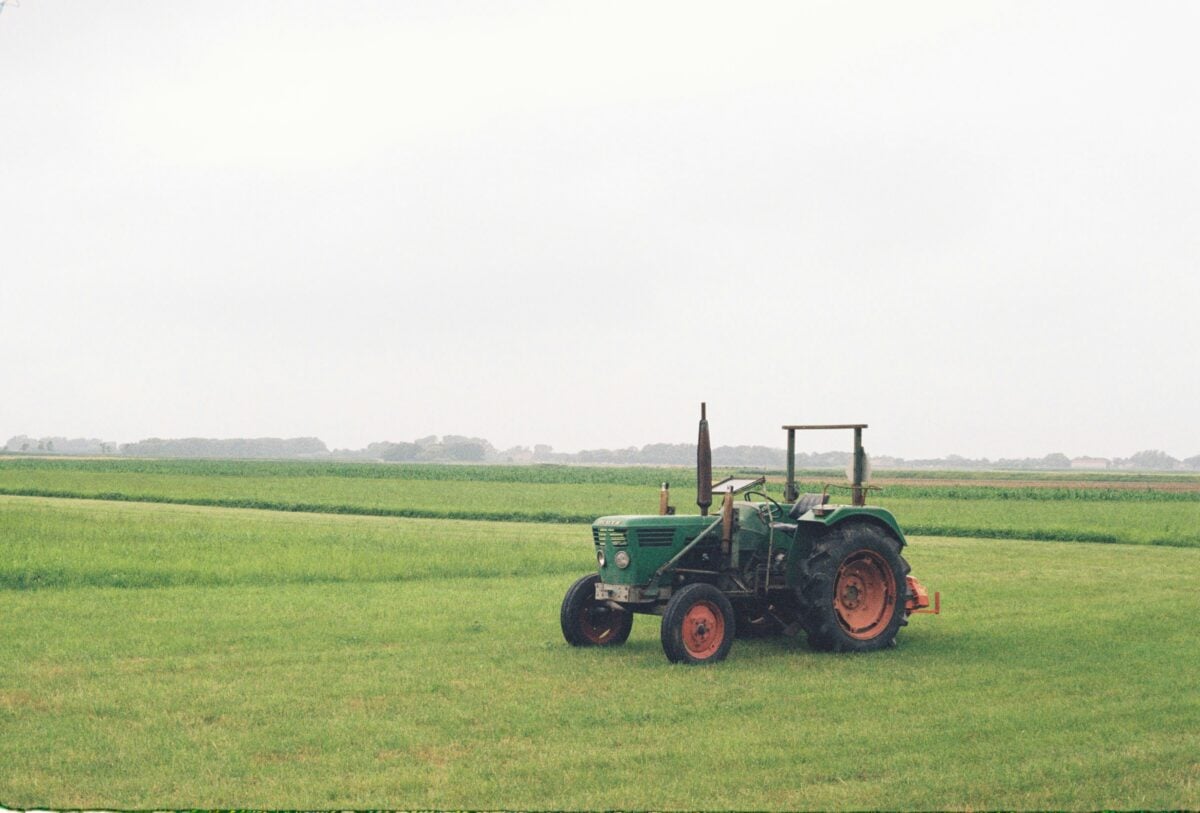
Humans began deliberately cultivating and harvesting crops around 10,000 BCE in the Fertile Crescent region, encompassing modern-day Iraq, Syria, and Turkey. This Neolithic Revolution marked the transition from nomadic hunter-gatherer societies to settled agricultural communities.
By Egypt’s pyramid-building period, agriculture was already an ancient, well-established practice that had diffused across most inhabited continents. Wheat, barley, lentils, and peas were all domesticated millennia before the first pyramid stone was quarried.
Malta’s Megalithic Temples
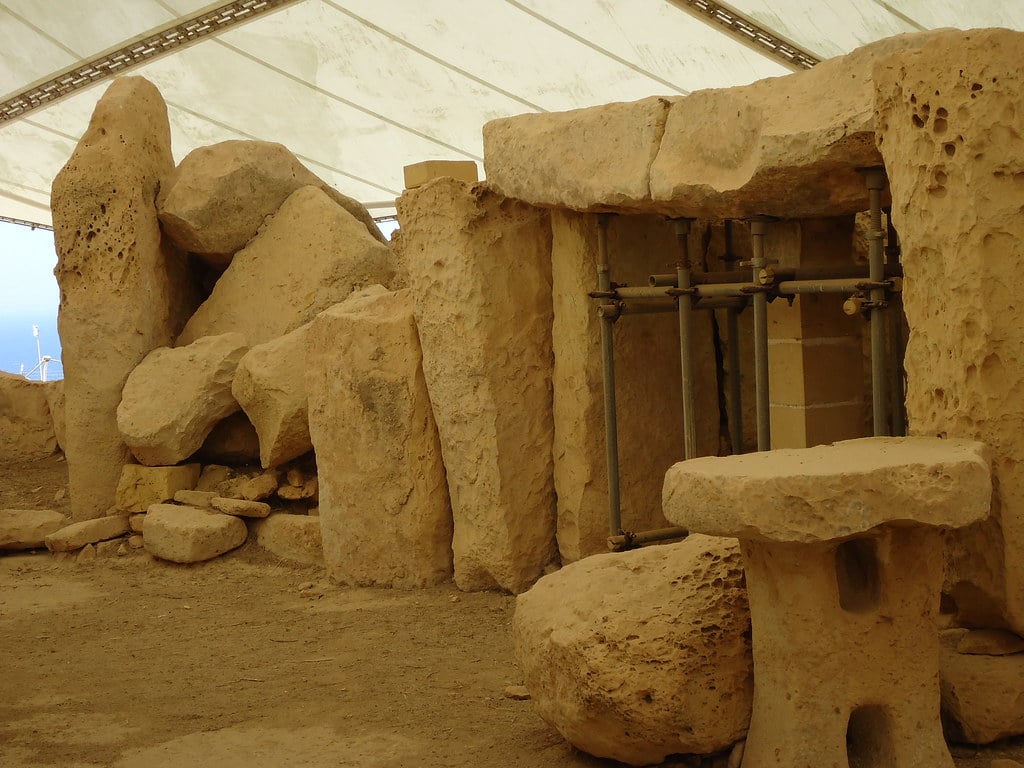
The temple complexes on Malta and Gozo were constructed between 3600 and 2500 BCE. Several predate Stonehenge, and all of them are older than the Egyptian pyramids. These aren’t simple stone arrangements—they’re architecturally complex structures featuring multiple chambers, intricate spiral carvings, and detailed animal reliefs.
The Ġgantija temples, built around 3600 BCE, rank among the earliest free-standing stone buildings anywhere in the world. Local Maltese legend attributed their construction to a giantess, which seems almost as plausible as humans moving those massive limestone blocks without mechanized equipment.
Bristlecone Pine Trees
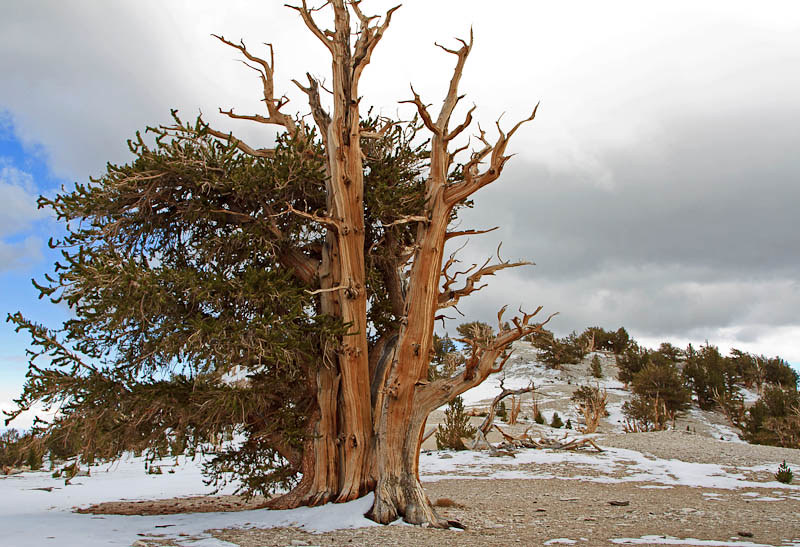
This category differs slightly since it involves individual living organisms rather than human constructions. Still, bristlecone pine trees in California and Nevada were already ancient when pyramid construction began.
The oldest known living specimen—nicknamed Methuselah—is approximately 4,850 years old, meaning it germinated around 2,850 BCE. It was already a mature, centuries-old tree when work commenced at Giza.
Researchers have likely identified even older specimens but won’t publicly reveal their locations, presumably to prevent vandalism or damage from tourists.
The Sumerian City of Uruk
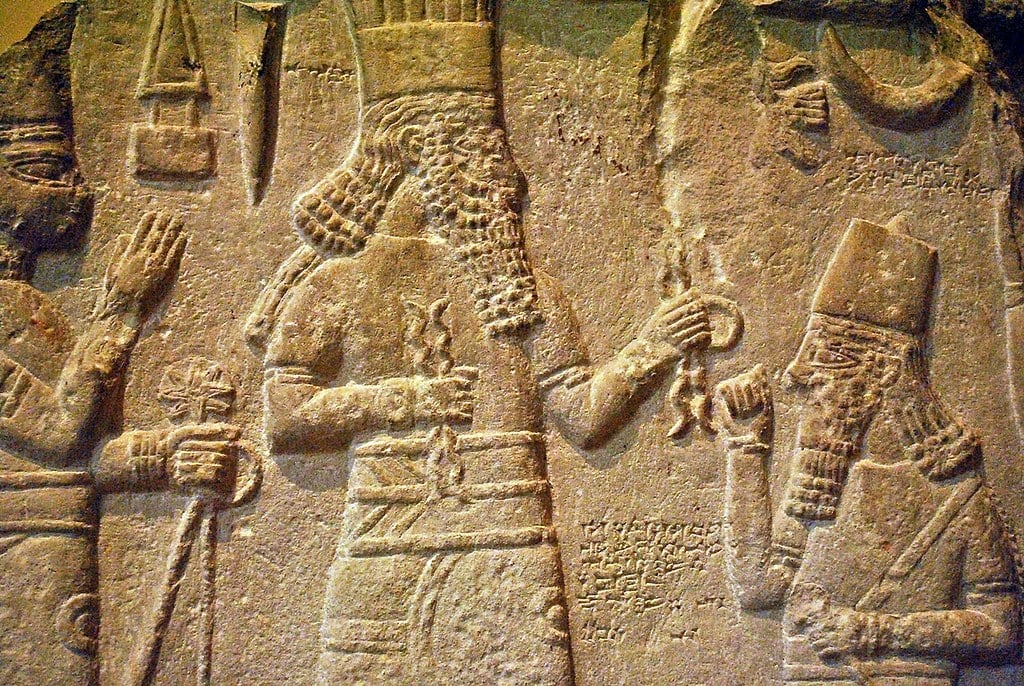
Uruk, located in ancient Mesopotamia (modern Iraq), was among the world’s first true urban centers and reached its zenith around 4000-3000 BCE. By the pyramid era, it had functioned as a major city for over a millennium, featuring monumental architecture, stratified social hierarchies, and the aforementioned cuneiform writing system.
The city may have inspired the Biblical reference to Uruk, called Erech in some translations. At its height, Uruk covered approximately 2.3 square miles and may have housed 80,000 residents—potentially making it the world’s largest city at that time. All before Egypt began its monumental stone construction projects.
Jomon Pottery from Japan
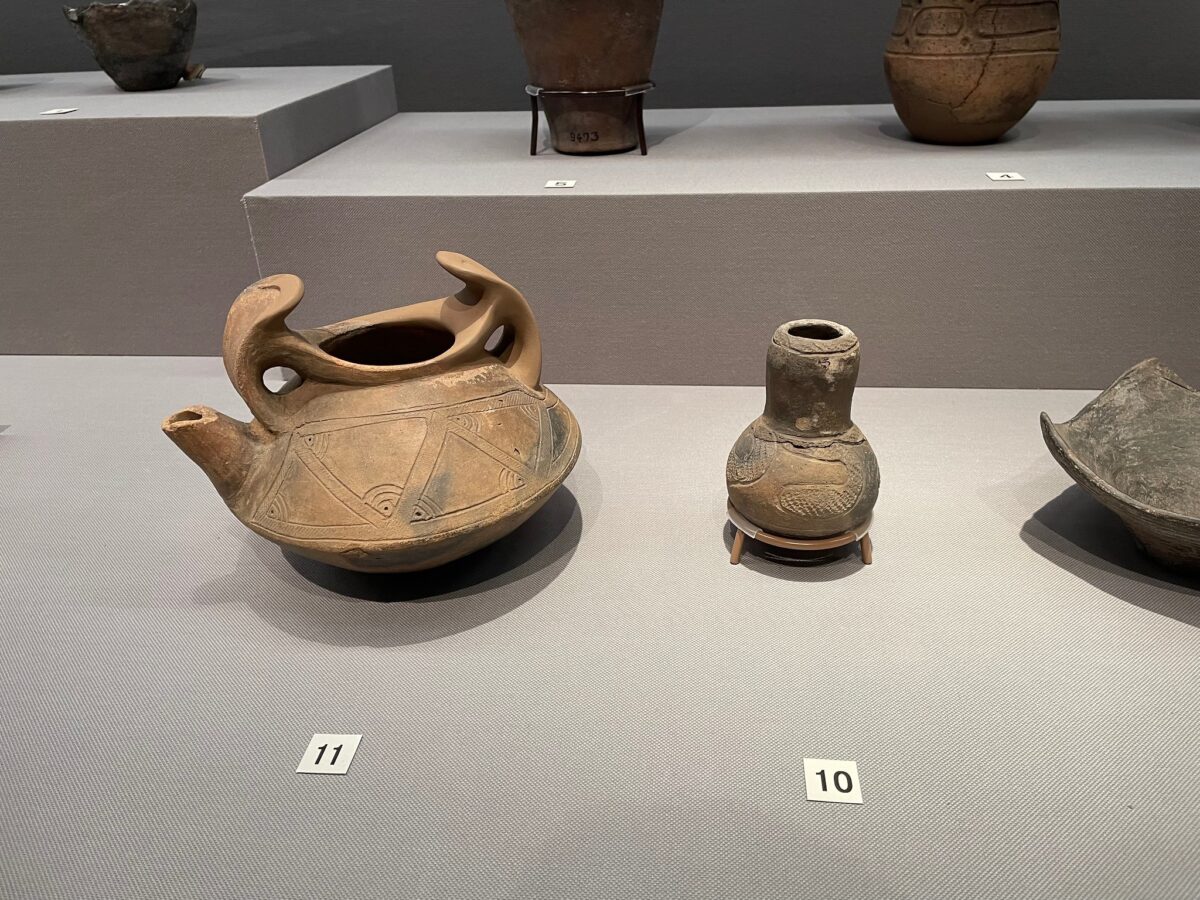
The Jomon culture of ancient Japan was producing pottery as early as 14,500 BCE, though some archaeological evidence suggests even earlier dates. This makes their ceramic technology roughly 12,000 years older than the pyramids.
These weren’t merely utilitarian vessels—Jomon pottery features elaborate decoration including cord-marked patterns (jomon translates to “cord-marked”), flame-like rims, and sculptural elements. While Egypt was still in its Stone Age period, Jomon artisans were already firing clay and creating ceramics that wouldn’t seem out of place in contemporary art galleries.
Time Stretches Further Than Expected

The pyramids feel like humanity’s ancient edge, yet they’re relatively recent compared to much of this evidence. Humans were creating art, constructing monuments, cultivating crops, and domesticating animals for thousands of years before Egyptian civilization emerged.
This recognition raises questions about what remains undiscovered—how many sites like Göbekli Tepe still lie buried, how much human history will never be recovered. The depth of time extends far beyond common perception.
More from Go2Tutors!

- The Romanov Crown Jewels and Their Tragic Fate
- 13 Historical Mysteries That Science Still Can’t Solve
- Famous Hoaxes That Fooled the World for Years
- 15 Child Stars with Tragic Adult Lives
- 16 Famous Jewelry Pieces in History
Like Go2Tutors’s content? Follow us on MSN.