Why Certain Spices Transformed Global Economies
The scent of cinnamon in a shop or the kick of black pepper on your meal seems normal today – yet those tastes once shifted history. Because of spices, countries fought, built vast powers, opened sea paths where none existed.
It began simply: folks just wanted tastier food.
Black Pepper Created the First Global Supply Chain

Black pepper mainly came from India’s Malabar Coast, yet places across South and Southeast Asia grew it too. Romans valued it so much they’d swap gold for a taste.
Traders braved long stretches of dangerous land just to carry it back. Those paths later shaped how global commerce unfolded.
Once Rome collapsed, pepper trading kept going – just passed around. Arabs took turns, then Persians, South Indians, later Southeast Asians – all funneling it west, each era reshuffling who was in charge.
Europeans forked out big sums while tangled routes linked diverse traders across lands. This linked network grew crucial – so much so, Portugal and Spain set out to reach India by sea.
These trips rewrote geography for good. The cost of pepper had a big impact on Europe’s money systems.
Now and then, just one pound was enough to cover serious rental costs. Some property owners took it instead of cash.
It showed up in marriage deals every once in a while. That’s where “peppercorn rent” started – back when even a tiny bit meant something valuable, even if real prices changed depending on region or decade.
Cloves Funded Entire Naval Fleets

The Maluku Islands produced cloves, and nowhere else on Earth did. This made them the most valuable real estate in the 16th century.
Portugal sailed around Africa to control these islands. Spain crossed the Pacific.
The Dutch eventually seized them and protected that monopoly with warships. The profits from cloves, along with nutmeg, pepper, textiles, and tea, paid for the Dutch East India Company’s rise to power.
This wasn’t just a business. It was a military force with its own army and the authority to negotiate treaties.
The spice trade made this possible, with cloves being one valuable component. The company’s shareholders got rich while Dutch naval power grew strong enough to challenge empires.
When the price of cloves stayed artificially high, the Dutch burned warehouses full of them to maintain scarcity. They destroyed trees on islands they didn’t control.
This wasn’t about food anymore. It was about financial dominance through botanical control.
Nutmeg and Mace Sparked Colonial Wars
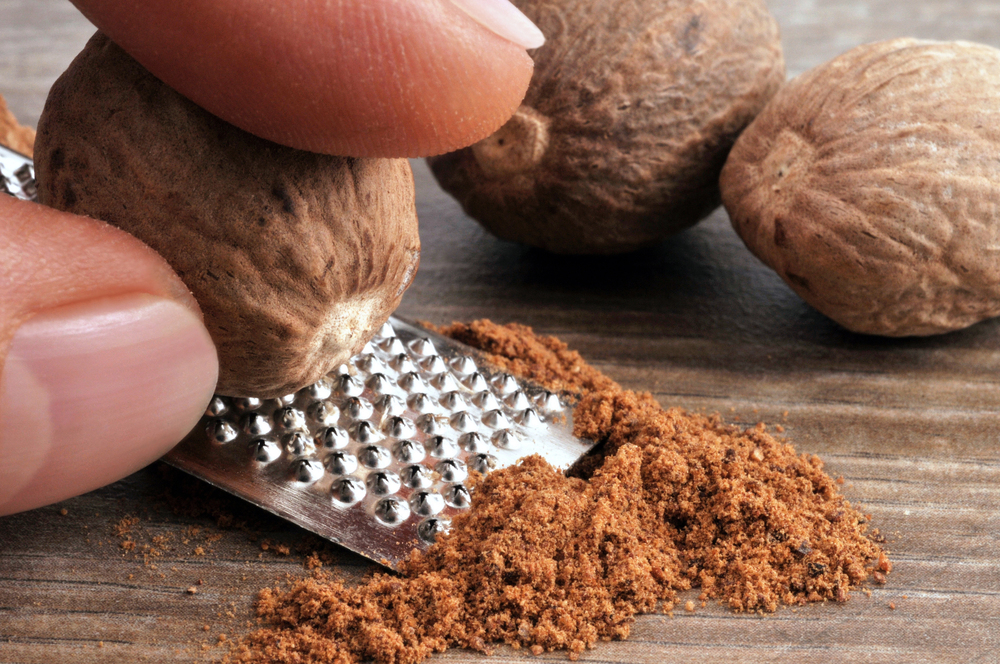
Nutmeg and its covering, mace, grew on even fewer islands than cloves. The Banda Islands held this monopoly, and European powers fought brutal wars to possess them.
The Dutch won, but the cost was staggering. They killed or enslaved most of the local population to maintain total control.
The economic model was simple and violent. Control the source, control the price, control the wealth.
The Dutch transplanted nutmeg trees to other colonies they owned, but only under armed guard. Anyone caught smuggling seeds faced execution.
England eventually traded Manhattan to the Dutch for the nutmeg island of Run as part of the 1667 Treaty of Breda, which settled broader conflicts between the two powers. That deal shows which territories held strategic spice value at the time.
A small island of trees factored into negotiations alongside major territorial exchanges.
Cinnamon Built Portuguese Power in Asia

True cinnamon came from Ceylon, now Sri Lanka. The Portuguese discovered they could strengthen their Asian trade position by controlling this island.
They built fortresses, installed governors, and taxed the cinnamon trade heavily enough to help fund their presence in the Indian Ocean. The cinnamon monopoly worked partly because true cinnamon commanded premium prices from European buyers, even though cassia had been widely used and valued in the ancient world.
This price difference kept Portuguese trading posts profitable for over a century. When the Dutch took Ceylon from Portugal, they inherited this money-making system.
They refined it, made it more efficient, and extracted even more wealth. Cinnamon remained valuable enough to justify the military costs of holding territory halfway around the world.
Ginger Opened East-West Banking Networks

Ginger traveled better than most spices. It didn’t spoil quickly, and it grew in multiple regions.
This made it perfect for establishing regular trade relationships. Merchants could count on ginger shipments arriving, which meant they could plan, invest, and create credit systems.
The reliability of the ginger trade contributed to something that developed across multiple commodity networks: promissory notes and letters of credit that worked across continents. These financial instruments emerged over centuries through various trade relationships.
A merchant in Venice could promise payment to a trader in India based on future deliveries. This system became part of the foundation of international banking.
Ginger also acted as a gateway spice. Traders who proved themselves reliable with ginger earned the trust to handle more valuable commodities.
The networks built on ginger made room for pepper, cloves, and cinnamon to flow through the same channels.
Saffron Established Luxury Markets

Saffron required so much labor to produce that it never moved in bulk like other spices. You needed 150 flowers to make one gram.
Major supplies came from Spain, Iran, and later Kashmir. This labor-intensive production made it exclusive from the start.
But that exclusivity created a market for luxury goods that hadn’t existed before. Wealthy families displayed their status through saffron.
They used it in food, fabric dyes, and medicines. The price stayed high because production couldn’t scale.
This taught merchants that some customers would pay any price for distinction. The saffron trade proved that perceived value mattered as much as practical utility.
This insight changed how merchants thought about all goods. If people would pay for exclusivity itself, then controlling supply became even more profitable than meeting demand.
Cardamom Linked Indian and Arab Economies
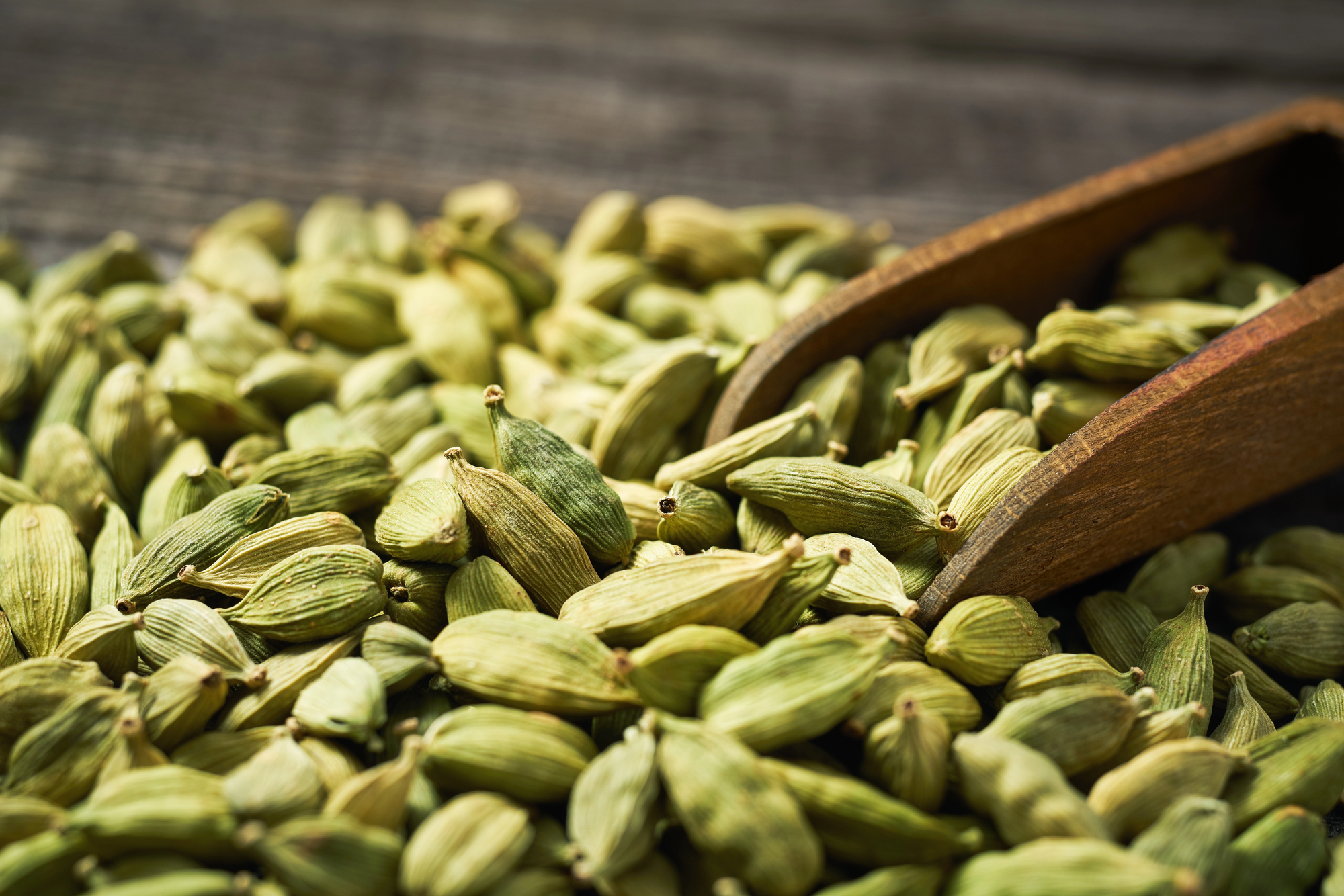
Cardamom grew in the mountains of southern India and became essential to Arab cuisine and culture. This created a trade relationship that lasted thousands of years.
Arab merchants had permanent outposts in Indian ports, and Indian merchants established themselves in Middle Eastern cities. The cardamom trade required trust that spanned years and thousands of miles.
Payment terms stretched across seasons. Families built reputations over generations.
This network became so stable that it survived wars, regime changes, and religious conflicts. Later, other regions like East Africa entered production, though the original routes remained important.
When Europeans tried to break into the established cardamom trade, they found it difficult. The relationships were deep, the networks well-established.
This showed that economic power came from connections as much as from controlling sources.
Turmeric Created Medicine-Food Crossover Markets
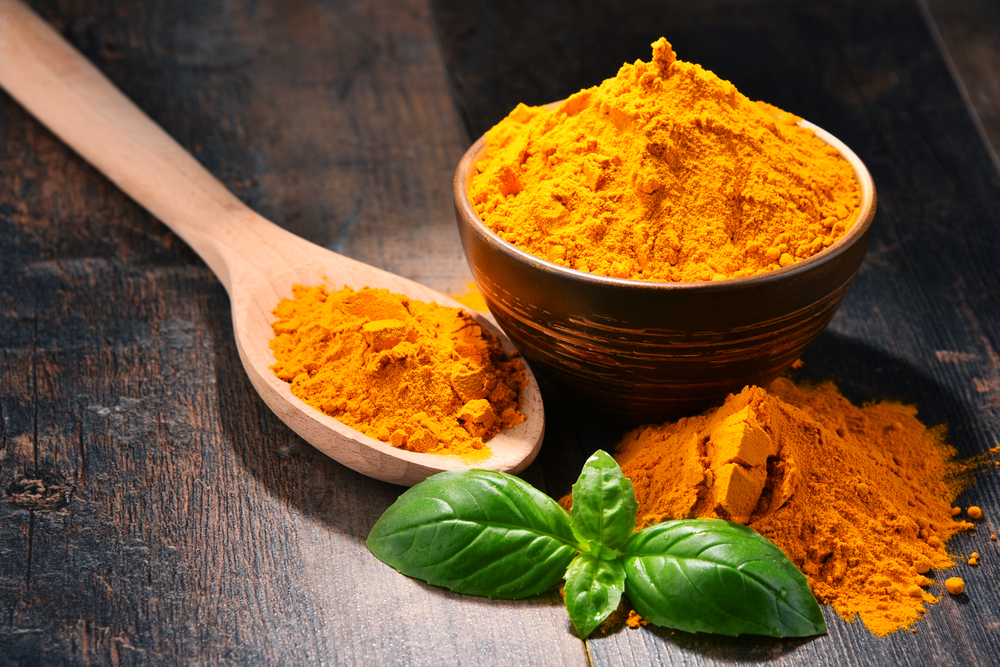
Turmeric served double duty as both spice and medicine. This dual purpose opened interesting market possibilities.
Apothecaries stocked it alongside ingredients used only for healing. Kitchens kept it alongside ingredients used only for flavor.
Merchants could sell to both groups. The medical claims around turmeric, whether accurate or not, added value beyond its use as a food seasoning.
This created a template for marketing other spices as health products. Suddenly spices weren’t just making food taste better—they were considered beneficial for health.
This crossover market proved useful for merchants. Even when prices for some spices fluctuated due to changes in supply, turmeric maintained steady demand because people bought it for different reasons.
Merchants learned that diversifying a product’s uses protected against some price volatility.
Vanilla Became the New World’s Answer to Asian Spices

When Europeans colonized the Americas, they wanted their own monopoly crops to compete with Asian spices. Vanilla, native to Mexico, became that crop.
The Totonac and Aztec empires had tightly controlled vanilla trade for centuries before Europeans arrived, maintaining their own monopoly through knowledge and power. Vanilla presented a problem for European colonial expansion: the plants wouldn’t produce pods outside Mexico.
The natural pollinator, a specific bee species, didn’t exist elsewhere. This mystery protected Mexican growers for decades and kept prices high.
In 1841, Edmond Albius, an enslaved person on Réunion Island, discovered the hand-pollination technique that finally allowed vanilla production to spread to other colonies. The vanilla trade showed how botanical knowledge translated directly into economic power.
Understanding how a plant reproduced meant controlling where it could grow. This pattern repeated with other crops and shaped colonial agricultural policies for centuries.
Chili Peppers Redistributed Agricultural Power
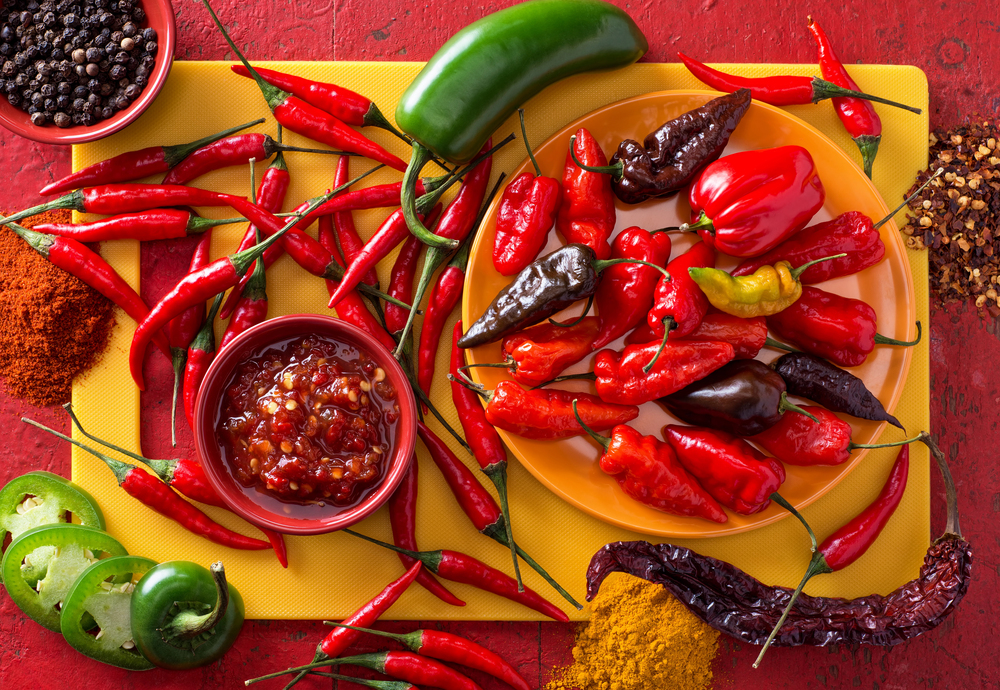
Chili peppers grew easily in many climates. Unlike nutmeg or cloves, they didn’t require specific conditions.
This meant power didn’t concentrate in a few hands. Instead, chilies created distributed wealth.
Farmers in Mexico, India, China, and Africa all profited. The ease of growing chilies changed food cultures, though not instantly.
Over 100 to 150 years following contact with the Americas, Asian cuisines gradually integrated them. This speed of adoption, while not immediate, still showed how new crops could reshape economies and diets when they weren’t locked behind monopolies.
Chilies also demonstrated that volume could matter more than rarity. The profit per pound stayed low, but farmers could grow so much that total returns stayed high.
This economic model differed entirely from the high-price, low-volume approach that worked for nutmeg or saffron.
Star Anise Connected Chinese and European Pharmacies

Star anise grew primarily in southern China and northern Vietnam. European pharmacists valued it for its resemblance to anise, which grew in the Mediterranean.
But star anise came from a completely different plant family. This botanical coincidence created a trade bridge between Chinese and European medicine.
The spice moved through complex networks involving overland caravans and maritime shipping. Multiple middlemen took their cuts, but the price remained viable because both ends valued the product.
Chinese herbalists and European apothecaries both stocked it, creating steady demand. This trade route carried more than just star anise.
Silk, tea, and porcelain—goods with much longer trade histories—moved through these same networks. Star anise benefited from infrastructure that these other commodities had already established.
Cumin Stabilized Mediterranean Trade Routes
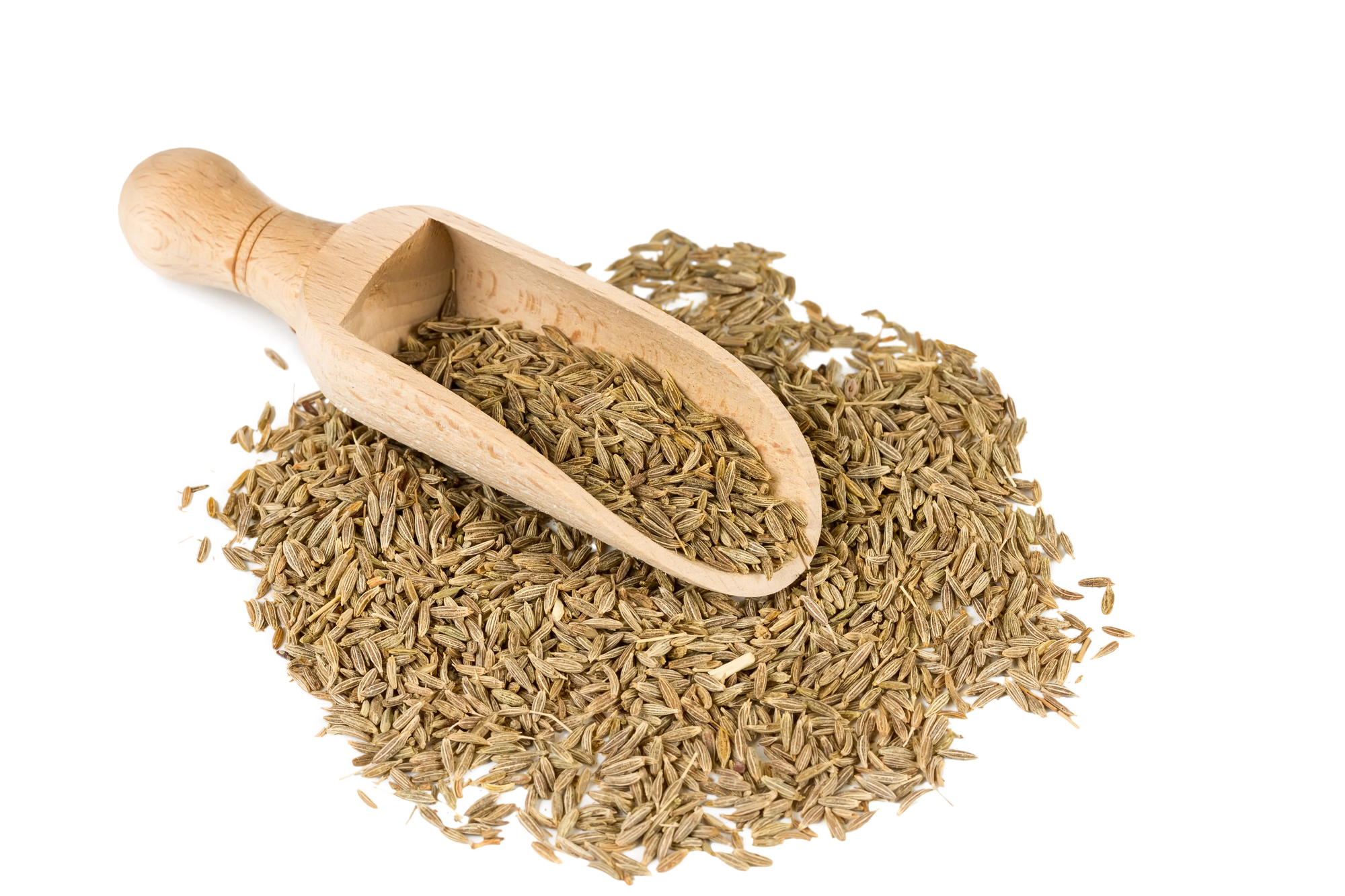
Cumin grew well around the Mediterranean and Middle East. Its abundance kept prices reasonable, which made it part of regular, predictable trade.
Merchants could include cumin deals to help fill their ships while they searched for more valuable cargo. This reliability made cumin one of many foundation goods for maritime commerce, alongside grains, wine, and olive oil.
A ship with cumin wouldn’t make anyone rich, but it guaranteed the voyage wouldn’t be a total loss. This insurance aspect helped merchants take risks on more speculative goods.
The steady cumin trade also employed thousands of people in roles beyond farming and selling. Packers, ship crews, warehouse managers, and inspectors all found work in this stable market.
When exotic spice prices crashed, cumin kept these workers employed.
Why Some Spices Mattered More Than Others
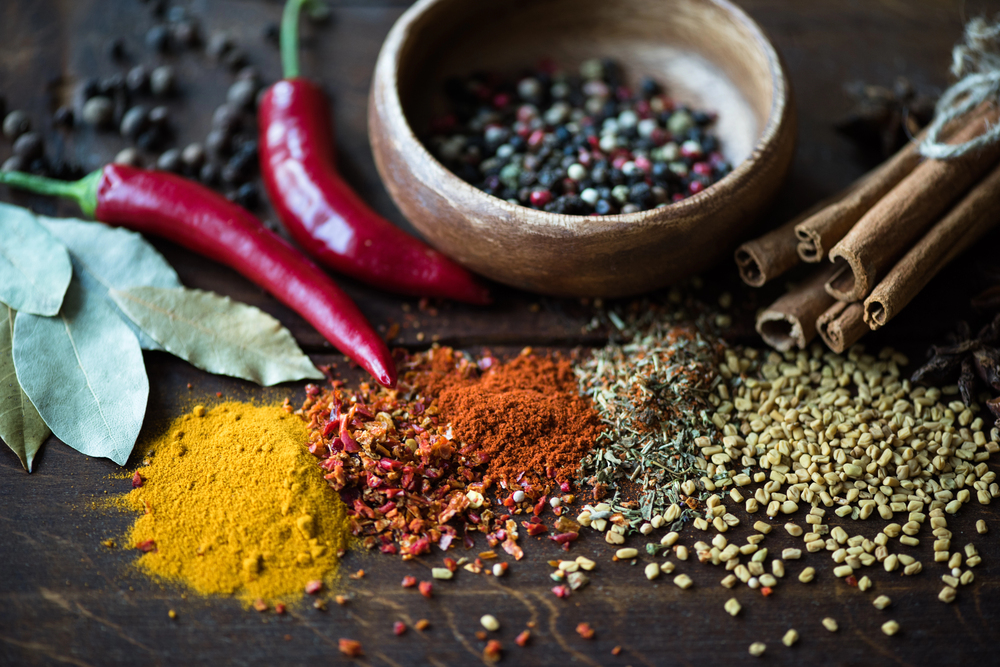
Geography determined everything. Spices that grew in only one place gave that place power.
Spices that grew easily everywhere created different kinds of economies—less concentrated, more stable, but perhaps less dramatic. The labor required to produce a spice also shaped its impact.
Saffron’s intensive harvesting kept it expensive and exclusive. Black pepper’s easier processing allowed higher volumes and broader markets.
These differences meant each spice created its own economic ecosystem. But the biggest factor was how desperately people wanted something they couldn’t have.
That desire justified the ships, the wars, the exploitation, and the fortunes made and lost. Spices didn’t just flavor food.
They flavored ambition, and that changed the world.
The Quiet Revolution in Your Kitchen

Stroll down any grocery store’s spice section today. Cinnamon jars line up beside cardamom, also star anise – each costs just a handful of bucks.
Big corporate grip faded. Shipping lanes widened.
Journeys that took forever on ships now take mere days by air or cargo. Sure, spices don’t drive economies like before – but their mark stuck around, quietly shaping how things work, even if we barely notice it anymore.
The businesses they set up later shaped big companies. Because of their needs, today’s banks started taking form.
Their colonial ideas stuck around for ages, influencing worldwide imbalances even now. Whenever you sprinkle pepper on a meal, you’re part of an outcome tied to wars that cost lives while making others rich.
Not bad for such a tiny spice.
More from Go2Tutors!

- The Romanov Crown Jewels and Their Tragic Fate
- 13 Historical Mysteries That Science Still Can’t Solve
- Famous Hoaxes That Fooled the World for Years
- 15 Child Stars with Tragic Adult Lives
- 16 Famous Jewelry Pieces in History
Like Go2Tutors’s content? Follow us on MSN.