Invented Sports That Never Caught On
People have always looked for new ways to compete. Some inventors thought they could improve on traditional athletics, or create something entirely different.
Most of these experiments faded quickly. A few lingered for decades before disappearing.
The stories behind them reveal something about ambition, timing, and the stubborn nature of human habits.
Roller Derby’s Brief Golden Age

In the 1930s, Leo Seltzer created a competition that combined skating with physical contact. Roller derby packed arenas for years.
Fans loved the speed and the collisions. Then television arrived, and the sport shifted from genuine competition to scripted entertainment.
By the 1970s, most people had moved on. Modern revivals exist, but they attract a niche audience compared to those early crowds.
Chess Boxing Never Found Its Crowd
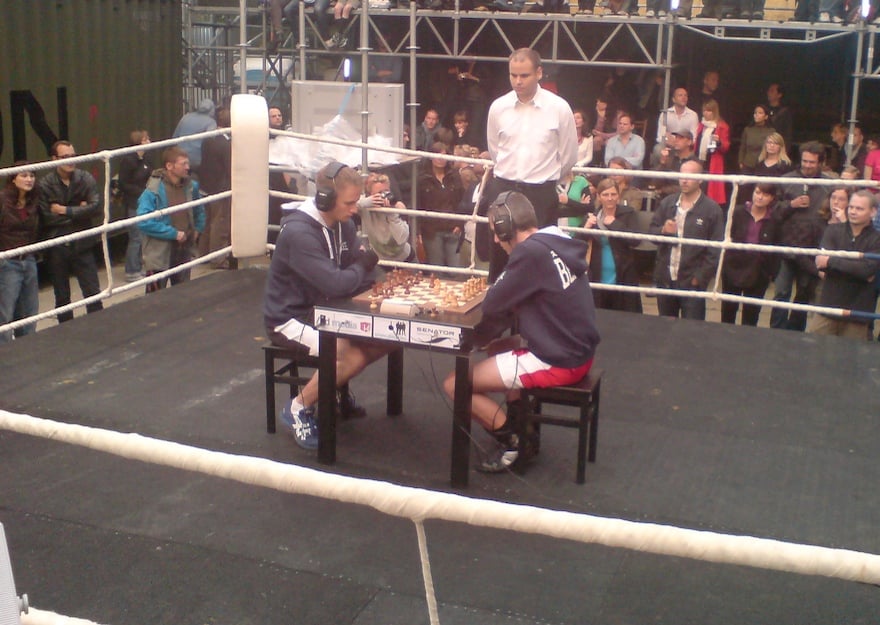
You alternate between rounds of chess and rounds of boxing. The concept sounds absurd, but organizers meant it seriously.
A Dutch artist invented it in 2003. The sport requires both physical conditioning and mental sharpness.
Matches can end with a checkmate or a knockout. Despite media attention, it never spread beyond a handful of European clubs.
The training demands alone discouraged most potential participants.
Underwater Hockey Stays Below the Surface
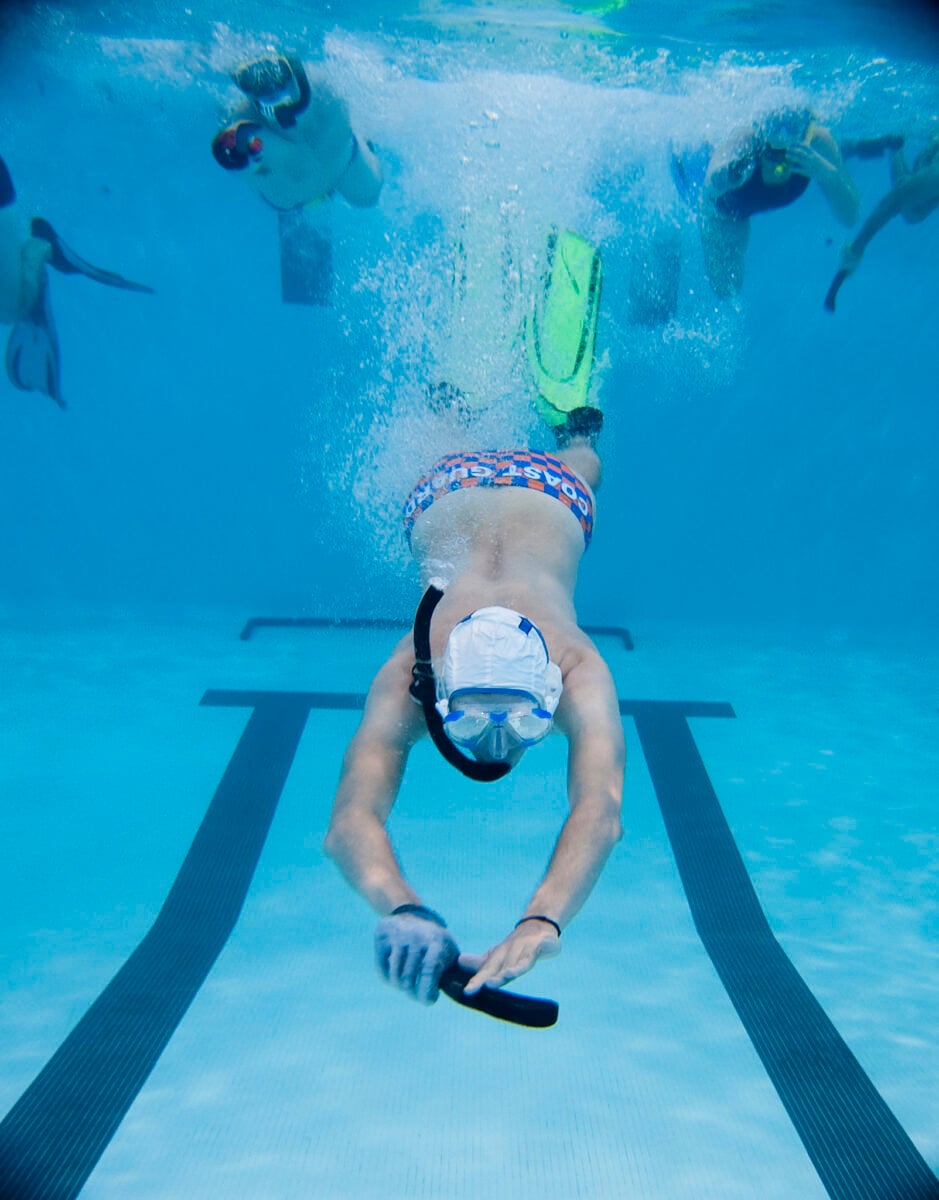
Canadian divers created this game in the 1950s as a way to stay active during winter. Players push a puck across the bottom of a pool while holding their breath.
The sport requires intense cardiovascular fitness and specialized equipment. It has a small but dedicated following in certain countries.
Most people have never heard of it. The inability to see much of the action from above the water limits its appeal as a spectator sport.
Extreme Ironing Peaked Early

Someone in England decided to iron clothes in ridiculous locations. Mountain peaks.
Underwater. While skydiving.
The concept worked as performance art and generated plenty of photographs. An extreme ironing world championship even took place in 2002.
But the joke wore thin quickly. Without real athletic challenge or competitive depth, it remained a novelty rather than a legitimate sport.
Unicycle Polo Proved Too Difficult
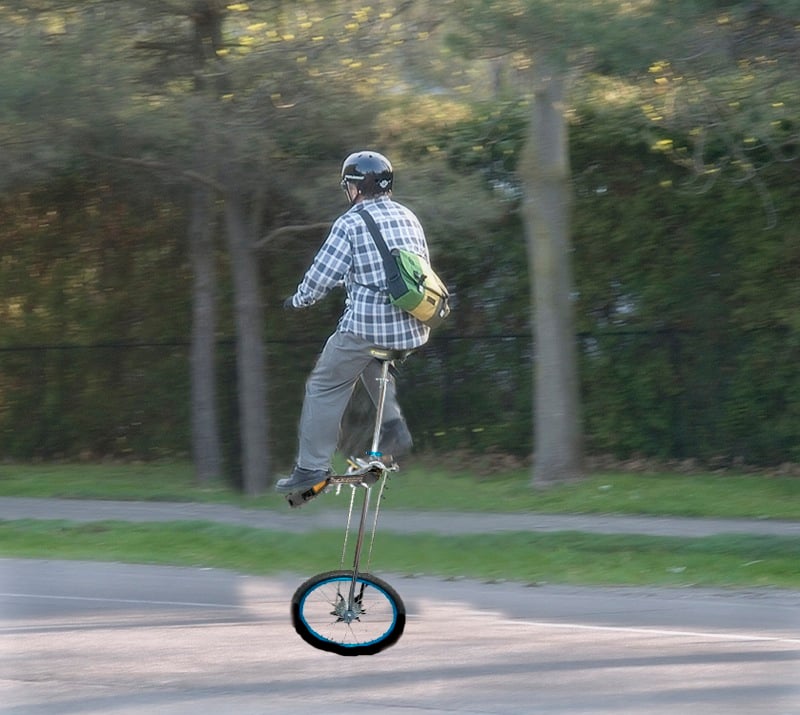
Take the complexity of polo and add the balance challenges of a unicycle. Players struggle to control their mount while hitting targets with mallets.
The sport exists mainly at circus schools and among juggling enthusiasts. Equipment costs stay low compared to traditional polo, but the learning curve deters newcomers.
Most people can’t ride a unicycle at all, much less while competing.
Kabaddi’s Western Expansion Stalled
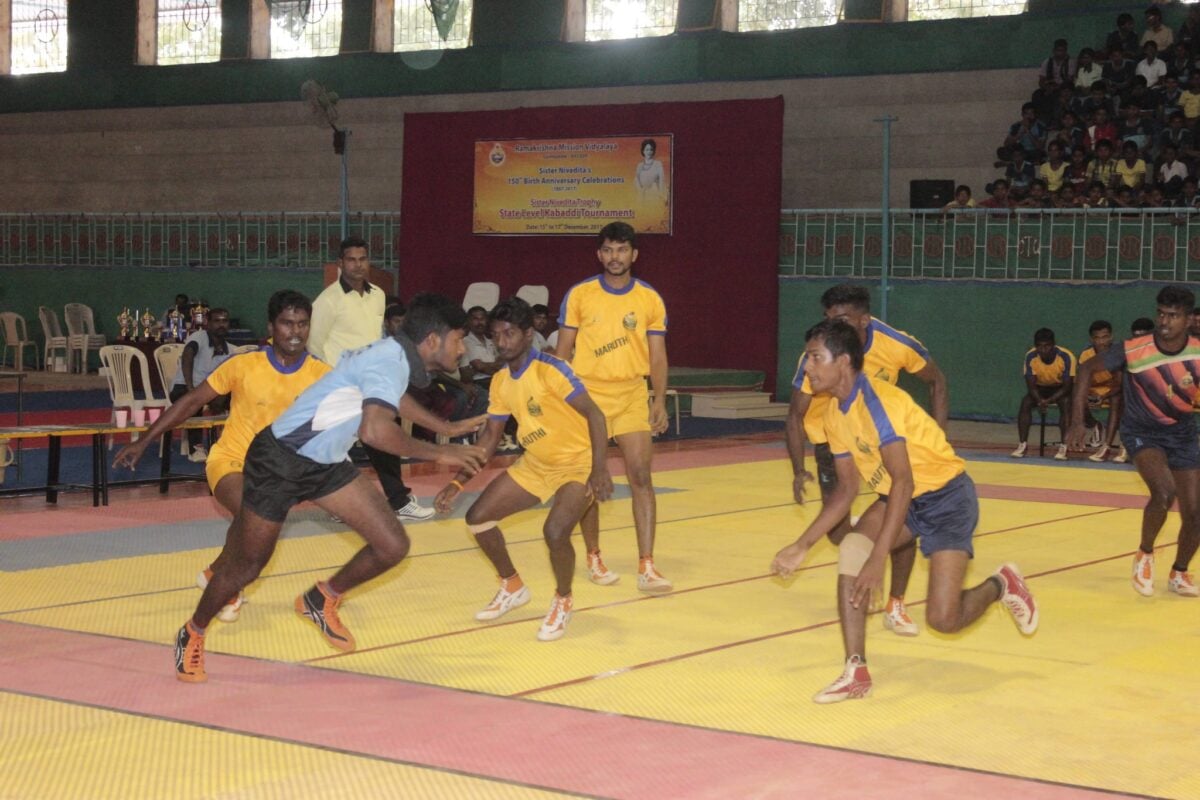
This contact sport from South Asia requires no equipment. One player raids the opposing team while chanting “kabaddi” continuously.
The raider tries to tag opponents and return without being tackled. In India and neighboring countries, professional leagues draw huge audiences.
Western countries showed initial interest but never developed serious competitions. Cultural unfamiliarity with the rules created barriers that marketing couldn’t overcome.
Joggling Combined Two Activities Poorly
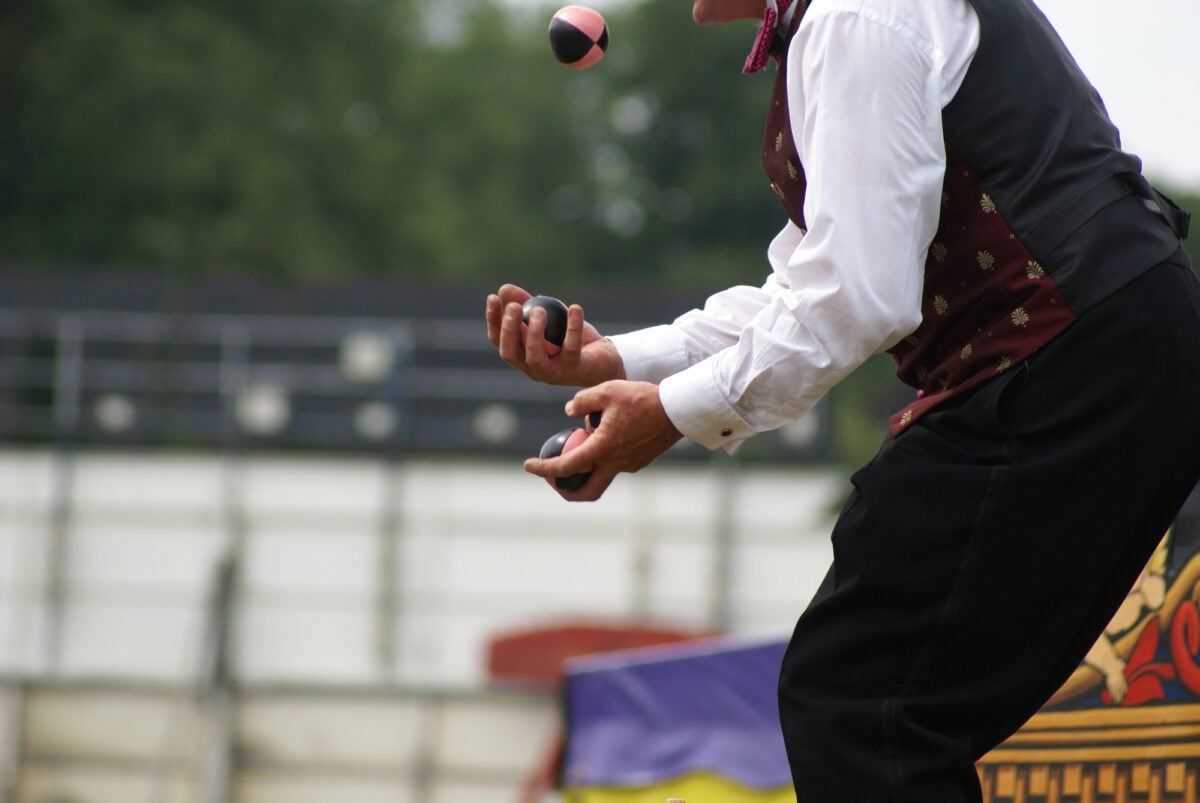
Running while juggling sounds like a fun challenge. Some people took it seriously enough to establish records and organize races.
The problem is that joggling makes you slower at running and worse at juggling. Neither skill enhances the other.
Events struggled to attract participants beyond novelty runners. Without spectator appeal or practical benefit, joggling remains a curiosity.
Cycle Speedway Lost to Motorcycles

After World War II, bicycle racing on dirt tracks attracted crowds in Britain and Australia. It offered excitement without the expense of motor sports.
But as economies recovered, motorcycle speedway overtook it. The motorized version provided more dramatic racing and louder thrills.
Cycle speedway competitions still occur, but they’ve been relegated to small venues and modest prize pools.
Sepak Takraw Remained Regional
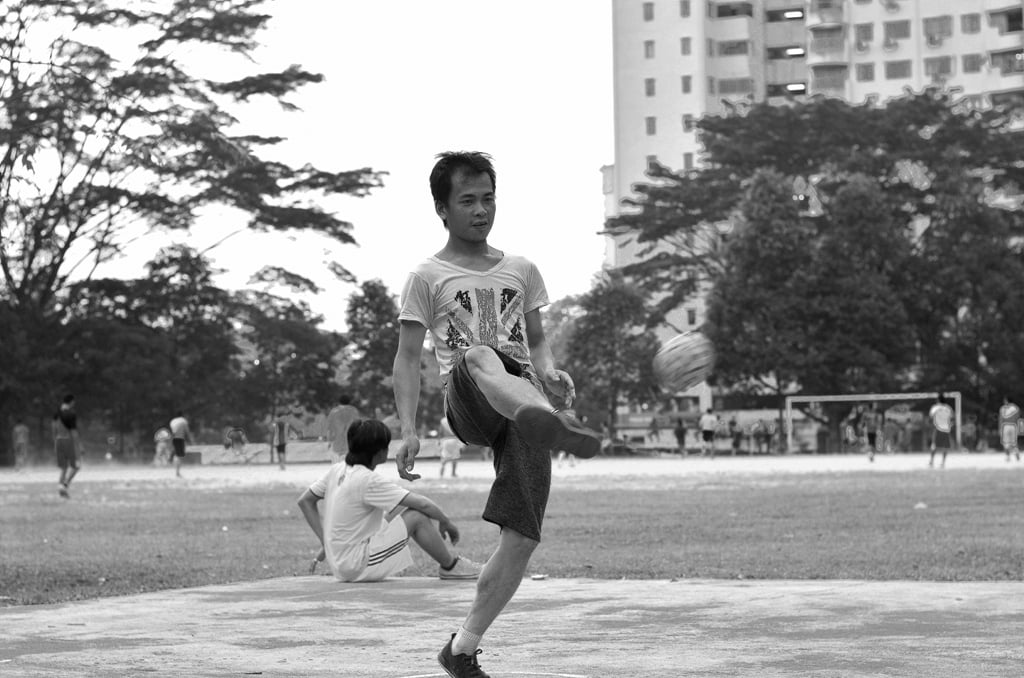
This Southeast Asian sport resembles volleyball but players can only use their feet, knees, chest, and head. The athleticism required is remarkable.
Players perform acrobatic kicks while keeping a woven rattan object in play. Despite Olympic committee recognition, it never gained traction outside Asia.
The skills needed are too specialized, and the learning curve too steep for casual adoption.
Bo-Taoshi Stayed in Japanese Schools

This chaotic team sport originated in Japanese military training. Seventy-five players per side either defend or attack a pole.
The defending team forms a human pyramid around it. The attacking team tries to bring the pole down to a specific angle.
It’s pure organized mayhem. Schools in Japan still play it during sports festivals.
International interest never materialized, probably because organizing 150 people for a single match presents obvious logistical problems.
Yukigassen Needed More Snow

Japanese snow warriors formalized competitive snow combat in the 1980s. Teams build snow forts and throw snowballs at opponents wearing helmets.
Getting hit eliminates you from the round. The sport requires specific weather conditions and proper snow consistency.
Championships happen annually in Japan and Scandinavia. Climate limitations prevent year-round training or global expansion.
Most regions that get snow don’t get enough of the right kind consistently.
Toe Wrestling Never Gained Legitimacy

Competitors lock feet and try to pin their opponent’s foot. It started as a pub game in England during the 1970s.
Organizers petitioned for Olympic inclusion. The sport has world championships, but attendance stays small.
The concept works as a novelty but lacks the depth for serious athletic pursuit. Athletes from other sports don’t cross over, and media coverage remains minimal.
Competitive Cheese Rolling Faced Safety Concerns

Chasing a nine-pound wheel of cheese rolls fast downhill at crazy speeds near Gloucestershire. Every single year, someone ends up hurt during the run.
That flying dairy projectile can zoom past 70 mph without slowing. Cops and officials stepped in more than once hoping to shut it down – danger’s just too high.
Still hangs around as a neighborhood thing, yet growth’s blocked by legal risks. Other spots haven’t copied it well – mainly since hardly any hills offer that exact angle and ground type.
The Pattern That Emerges

Many made-up games flop – they fix issues nobody has. Old-school sports grew slowly, shaped by real use over time.
Fresh ones work only if they’re way better or fit what people want right now. Luck often beats cleverness when it comes to catching on.
The top thought flops if timing’s off. Weird thing?
Creators still push forward – sure their invention will break the pattern. Most times, it doesn’t.
More from Go2Tutors!

- The Romanov Crown Jewels and Their Tragic Fate
- 13 Historical Mysteries That Science Still Can’t Solve
- Famous Hoaxes That Fooled the World for Years
- 15 Child Stars with Tragic Adult Lives
- 16 Famous Jewelry Pieces in History
Like Go2Tutors’s content? Follow us on MSN.