Bunkers Built for the End of the World
The idea of hiding underground when everything falls apart has existed for as long as humans have imagined disasters. But what started as Cold War paranoia has become a thriving industry.
Today, people spend millions preparing for catastrophes that range from nuclear war to pandemics to complete societal collapse. These aren’t your grandfather’s fallout shelters.
Modern survival bunkers look more like luxury condos than concrete openings in the ground.
The Basics Cost More Than You Think
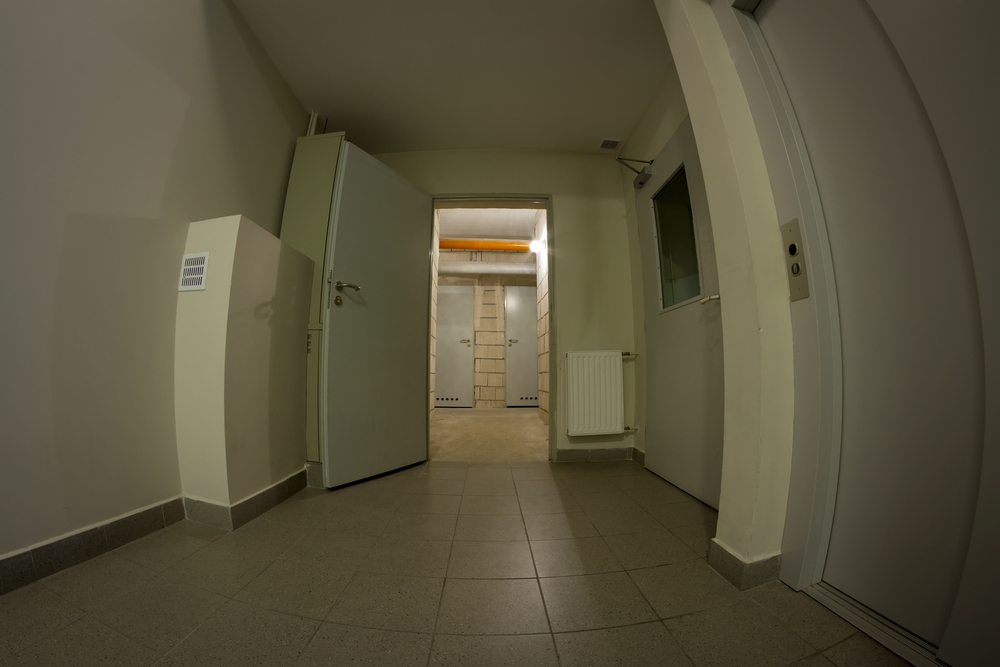
Building a basic bunker starts around $50,000 for something that would keep you alive but not comfortable. That gets you a steel container buried in your backyard with some ventilation and maybe a bathroom.
If you want something livable for more than a few weeks, the price jumps fast. A mid-range bunker with proper air filtration, water storage, and living space for a family runs between $200,000 and $500,000.
Luxury Complexes That Look Like Hotels
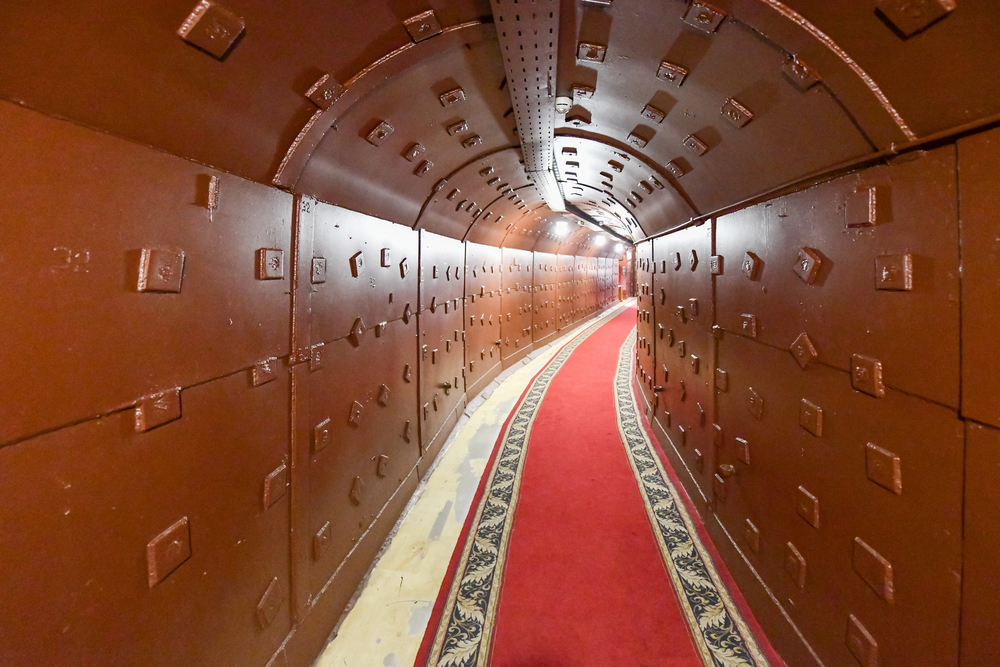
The high end of the market barely resembles survival equipment. Companies now sell spaces in converted missile silos that include swimming pools, movie theaters, and hydroponic gardens.
One facility in Kansas converted a 1960s missile silo into condos that sold for $3 million each. The building goes 15 stories underground and includes a climbing wall, library, and enough supplies to last five years.
These places don’t look like bunkers when you’re inside them. Designers use LED screens on the walls to simulate windows with views of forests or beaches.
The apartments have stainless steel appliances and hardwood floors. You could forget you’re 200 feet underground if you ignore the armed guards and blast doors.
Where People Hide Them
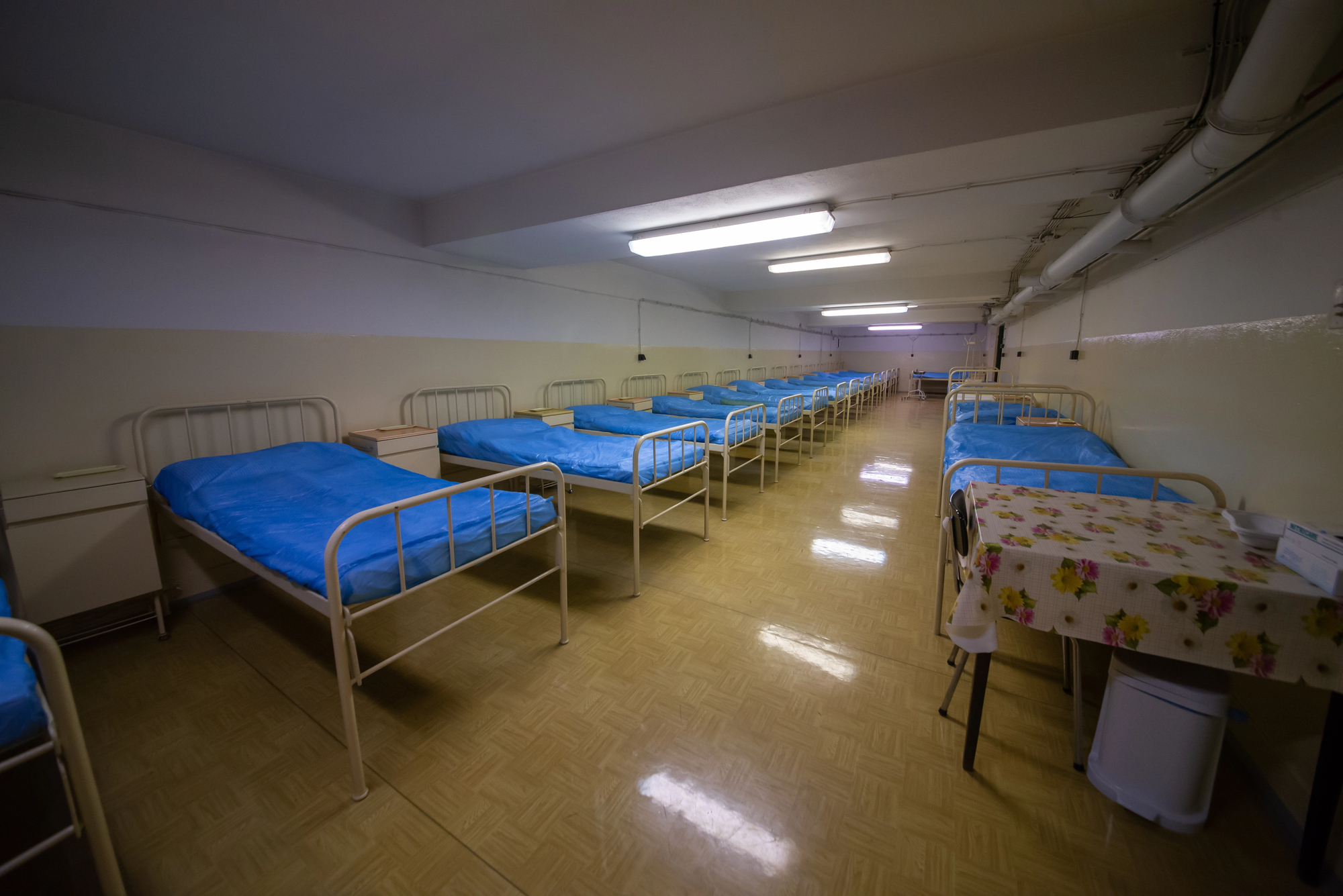
Location matters more than you think. You can’t just dig a pit anywhere and expect it to work.
The ground needs to drain properly or you’ll flood. You need enough space that neighbors won’t notice the construction.
And you want to be far enough from major cities to avoid both the initial disaster and the chaos that follows.
South Dakota has become popular because the land is cheap and the bedrock is solid. Parts of Montana and Idaho see a lot of bunker construction too.
Some people buy property in New Zealand, which seems far from most global conflicts and has a stable government. Others go for rural areas in the American South where building codes are relaxed and questions are few.
Air Systems That Keep You Breathing
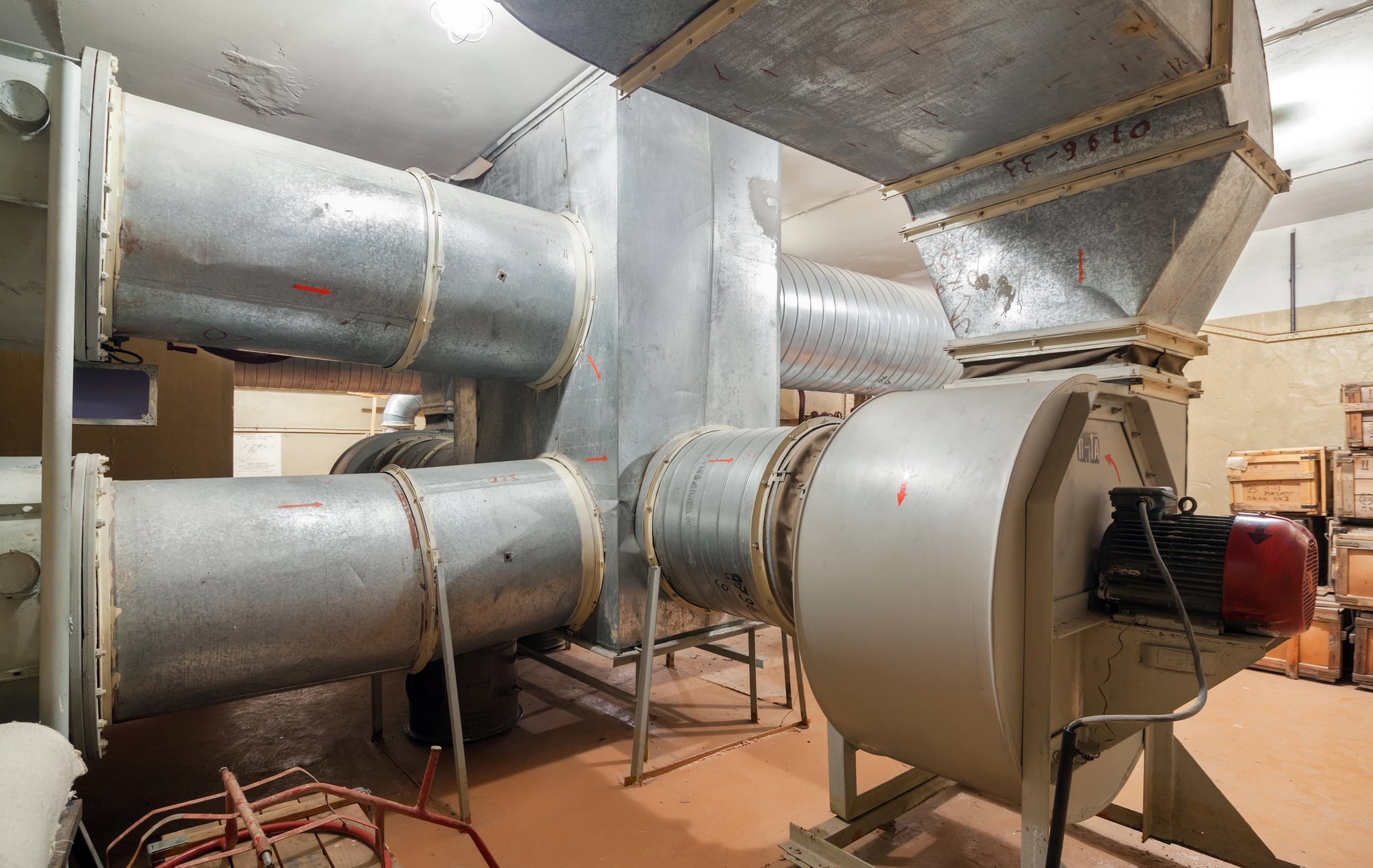
You can survive about three minutes without air, which makes ventilation the most critical system in any bunker. Basic setups use NBC filters—that stands for nuclear, biological, and chemical.
These filters remove everything from radiation particles to anthrax spores. But filters clog and need replacing, which creates a problem if you’re sealed underground for months.
Better bunkers use positive pressure systems that constantly push filtered air in, keeping contaminated air out. The really expensive ones have redundant systems with backup generators and manual pumps.
Some include CO2 scrubbers like submarines use. You need about 10 cubic feet of fresh air per person per minute to stay comfortable.
That number drops to 3 cubic feet if you’re just trying to survive.
Food Storage Gets Complicated
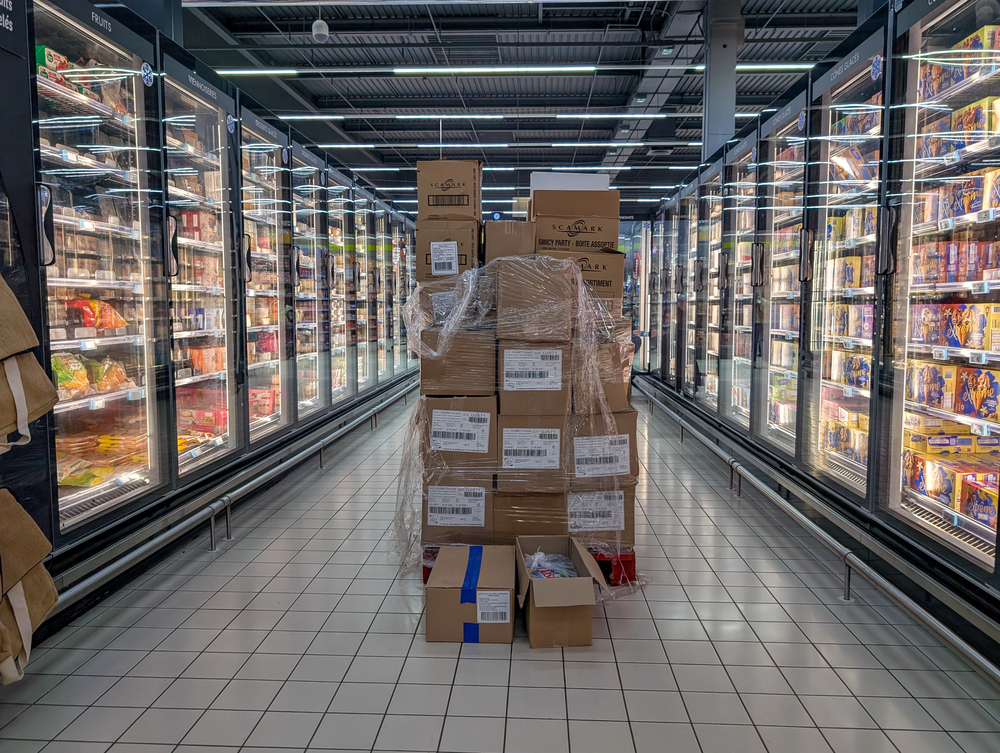
You can’t just fill a bunker with canned goods and call it done. Most canned food lasts 2-5 years before the nutrition breaks down, even if it’s technically still edible.
Freeze-dried meals last longer—some companies claim 25-30 years—but they need water to prepare. That means your water supply becomes the limiting factor.
Long-term bunkers often include hydroponics or aquaponics systems. These let you grow vegetables and raise fish in a closed loop.
The fish waste feeds the plants, and the plants clean the water for the fish. It sounds perfect until you realize these systems need electricity 24 hours a day and constant monitoring.
One pump failure can kill everything.
Water Comes From Somewhere

The average person needs about a gallon of water per day just to drink. Add in cooking, cleaning, and hygiene, and you’re looking at 10-20 gallons per person daily.
For a family of four planning to stay underground for a year, that’s over 29,000 gallons minimum. You can’t store that much in a small bunker.
Most serious bunkers drill wells. This works great until you consider that nuclear fallout, chemical weapons, and biological agents can all contaminate groundwater.
So you need filtration systems on top of the well. Reverse osmosis removes most contaminants but wastes a lot of water in the process.
Some bunkers collect rainwater, but that doesn’t help if the surface is contaminated.
The really paranoid ones include water recycling systems that purify urine and gray water. Astronauts do this on the International Space Station.
It works, but drinking recycled waste water takes some mental adjustment even when you know it’s clean.
Power Systems Never Last Forever

Solar panels seem like an obvious choice for off-grid power, but they don’t work underground. You need above-ground panels connected to your bunker, which creates a weak point someone could sabotage or destroy.
Plus, if you’re hiding from nuclear fallout, going topside to maintain solar panels defeats the purpose.
Most bunkers use diesel generators as the primary power source. Diesel stores better than gasoline—it can last years if you add stabilizers and store it properly.
But it still runs out eventually. You need to stockpile thousands of gallons for a year-long stay, and that much fuel is dangerous to store.
The best setups combine multiple power sources. Solar for when it’s safe to use, diesel for when it’s not, and hand-crank generators as a backup.
Some people add small wind turbines. But every system needs maintenance, and replacement parts won’t be available during the apocalypse.
Medical Supplies Face Expiration Dates
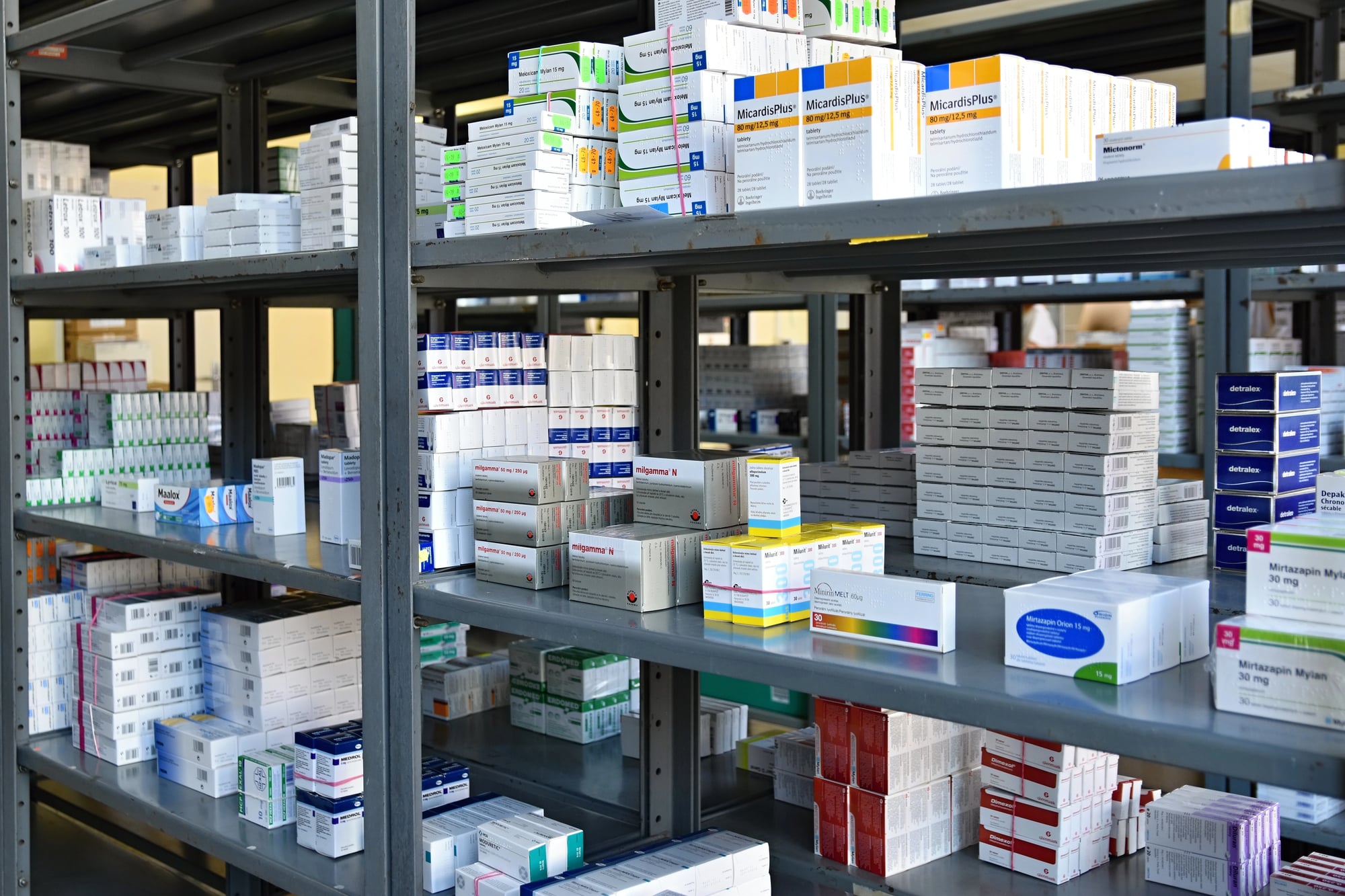
Antibiotics lose potency after a few years. Insulin needs refrigeration.
Epinephrine auto-injectors expire in 18 months. Medical supplies present one of the trickiest challenges in long-term survival planning.
You can’t just buy a first aid kit and forget about it.
Serious preppers stockpile veterinary antibiotics because they’re chemically identical to human versions but don’t require prescriptions. They rotate their supplies, using older medications and replacing them with fresh stock.
Some learn to make basic antibiotics from mold cultures, though the quality and safety of homemade drugs is questionable at best.
The bigger problem is injuries and illnesses that need professional treatment. If someone breaks a bone or needs surgery, a bunker full of supplies won’t help much without medical training.
This is why some bunker communities specifically recruit doctors, nurses, and paramedics.
The Social Dynamics Get Weird

Locking yourself underground with the same people for months or years creates psychological pressure that most folks underestimate. NASA and the Russians have studied this extensively with their space station programs and Antarctic research bases.
Tensions build over small things—someone chewing too loud, another person not cleaning up properly.
Bunker designers now include private spaces for each person, even if they’re just small sleeping pods. The communal areas stay larger to give people places to spread out.
Some bunkers include gyms or workshops where people can burn off stress through physical activity.
The worst scenarios involve bunkers shared by multiple families who didn’t know each other well before sealing the doors. Arguments about resource allocation, authority, and future plans can turn violent when there’s no escape.
This is why most experts recommend only bunking with people you trust completely.
Communications Equipment Becomes Essential

You need to know what’s happening on the surface. Is it safe to leave?
Are there other survivors? Has the government reestablished order?
Without information, you’re just guessing when to unseal the doors.
Ham radios work well for long-distance communication and don’t rely on infrastructure. But they require licenses to operate legally, and you need to know what frequencies to monitor.
Satellite phones seem useful until you remember that satellites can be destroyed in a war.
Some bunkers include periscopes or remote cameras so you can see outside without opening the doors. These help, but cameras can be disabled and periscopes can be blocked.
The safest approach uses multiple methods—radio, cameras, and occasional physical reconnaissance when conditions permit.
Children Change the Equation Completely

Kids need education, entertainment, and room to move. Keeping a child occupied and learning while locked underground for months requires planning most adults never consider.
You can’t just hand them an iPad because the internet won’t exist.
Books help, but they take up space. Some bunkers include tablets loaded with educational software and movies that run on local servers.
Others have board games, art supplies, and musical instruments. Physical activity becomes critical—children stuck in small spaces with nothing to do will drive everyone toward madness.
The psychological impact on children also deserves thought. Growing up underground, possibly watching the world end on news broadcasts or hearing stories about what happened—that leaves marks.
Parents need to balance honesty about the situation with protecting their kids’ mental health.
Exit Strategies That Actually Work
Everyone focuses on getting into the bunker, but getting out safely matters just as much. You need to know when conditions are safe, and you need multiple exits in case one gets blocked.
Radiation levels decrease predictably over time. Two weeks after a nuclear blast, radiation drops to about 1% of the initial level.
Most fallout becomes safe after three months. But other disasters don’t follow neat timelines.
Biological weapons might linger in the environment for years. Social collapse could mean the surface is physically safe but lawless and dangerous.
Multiple exits prevent you from getting trapped. If the main entrance collapses or gets blocked, you need another way out.
Some bunkers include escape tunnels that surface hundreds of feet away from the main entrance. These need to be hidden well enough that raiders can’t find them but marked clearly enough that you can locate them in an emergency.
The People Who Build These Things
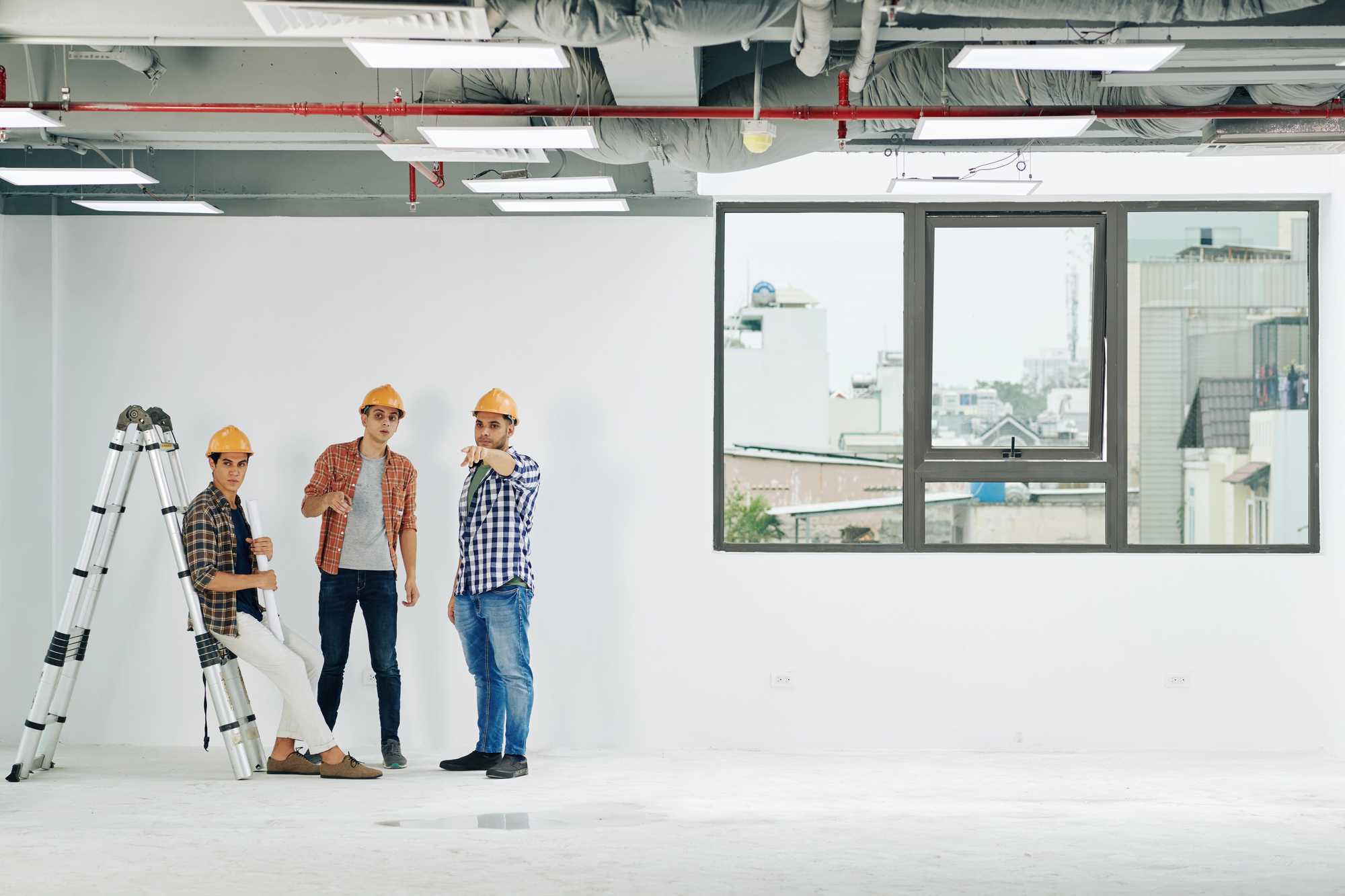
The survival bunker industry employs thousands of people, from architects to welders to engineers. Some companies specialize in retrofitting old military facilities.
Others custom-build new structures from scratch. And then there are the DIYers who construct their own bunkers using shipping containers, concrete, and determination.
The builders see things most people miss. They understand how water pressure works at different depths, which materials resist corrosion, and how to maintain structural integrity when you bury something under tons of earth.
This knowledge comes from experience—mistakes in bunker construction can be fatal.
Most builders won’t publicly discuss their client lists. Secrecy is part of the service.
The ultra-wealthy don’t advertise that they have escape plans, and bunker companies sign non-disclosure agreements as standard practice.
Why People Really Buy Them

Fear drives the industry, but not always the fear you’d expect. Some buyers worry about nuclear war, but many more concern themselves with economic collapse, civil unrest, or pandemics.
After COVID-19, bunker sales jumped noticeably as people realized how quickly normal life can change.
For some buyers, bunkers represent insurance policies. They don’t expect to use them, but having the option brings peace of mind.
These people often treat their bunkers as investments—real estate that happens to be underground and fortified.
Others see bunkers as practical responses to real risks. They live in areas prone to natural disasters, or they work in industries that make them targets, or they simply recognize that civilization is more fragile than most people want to admit.
These buyers tend to actually use their bunkers, visiting regularly to maintain systems and rotate supplies.
The Market Keeps Growing

Bunker sales increased every year for the past decade. Companies can’t build fast enough to meet demand.
Some have waiting lists stretching years into the future. The price tags don’t seem to discourage buyers—if anything, higher prices signal better quality and exclusivity.
New companies enter the market constantly, each promising better features or lower prices. Some offer bunkers made from repurposed shipping containers for under $100,000.
Others pitch abandoned missile silos converted into luxury survival communities. The competition drives innovation, which means better air systems, more efficient power generation, and smarter layouts.
But the growth also attracts scammers. Stories emerge regularly about companies that took deposits and never delivered, or bunkers that failed basic safety tests, or promises that turned out to be lies.
Buyers need to do real research and ideally inspect their bunker before final payment.
When the Door Finally Closes
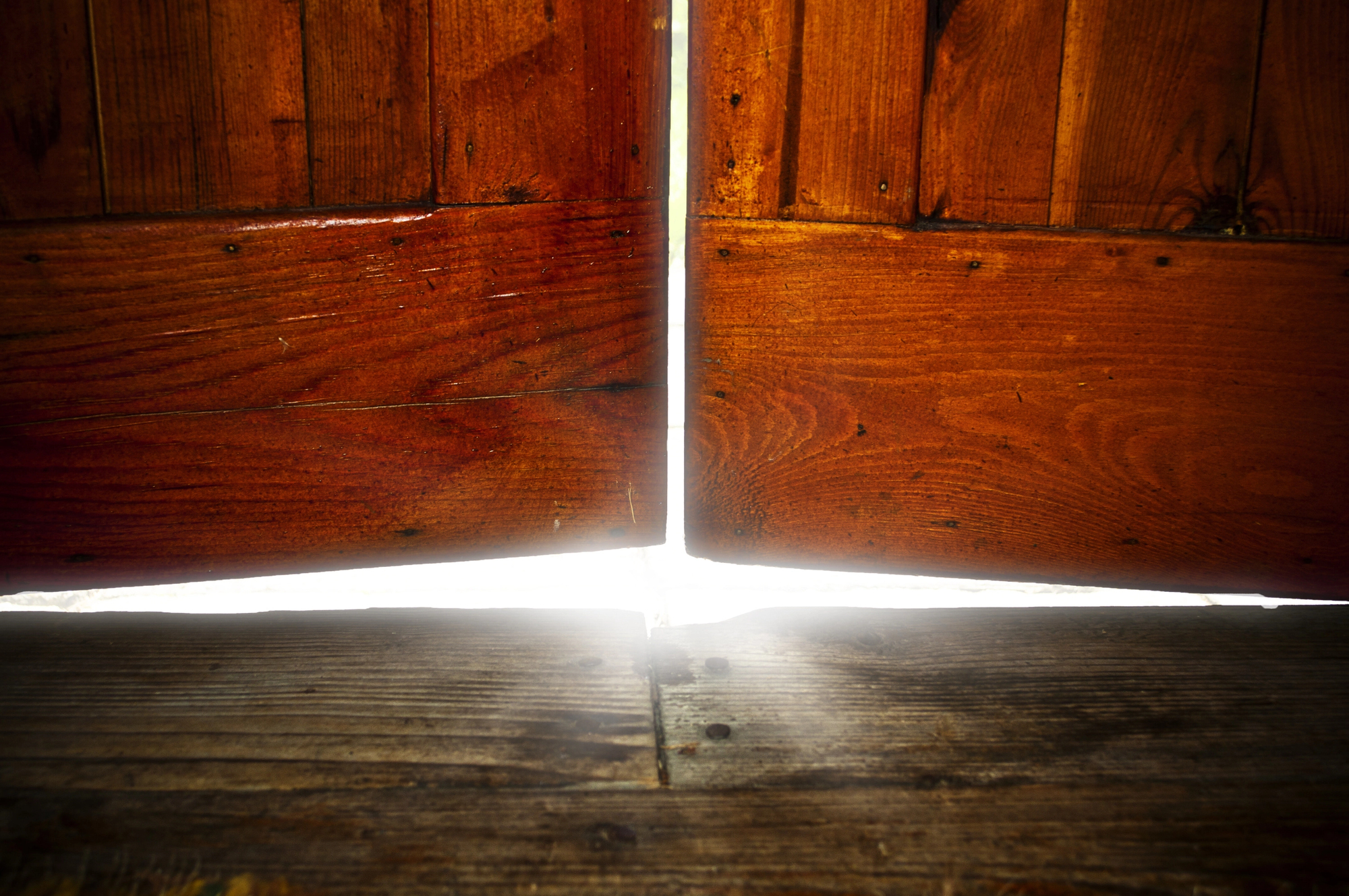
Down there, once the door shuts, nothing stays the same. Light from above turns into a memory.
Without sunrise or sunset, minutes stretch or vanish. Walls close in, shaped by choices made long before descent.
Comfort lives in that bareness for some. Without commutes, without payments due, without schedules to follow.
Right away, others sense pressure building inside four walls. Normal routines fade fast into a mindset ruled by need.
This change strikes quicker than imagined – handling it differs wildly from person to person.
Something holds folks steady when times get hard: having something to do. Tending the shelter turns into daily work.
Raising crops, checking equipment, teaching kids, moving the body – each task builds a rhythm. When there is no pattern, time slips away, mood drops.
Places that last longest think about how minds cope, not only bodies surviving.
Down below, folks stay human. Connection matters down there too – so does a reason to carry on.
Without those things, even safe walls become cages of the mind. Hope fades where it is ignored, much like air runs thin.
Survival means more than heartbeat; it includes light behind the eyes. Structures missing this truth merely delay collapse instead of preventing it.
More from Go2Tutors!

- The Romanov Crown Jewels and Their Tragic Fate
- 13 Historical Mysteries That Science Still Can’t Solve
- Famous Hoaxes That Fooled the World for Years
- 15 Child Stars with Tragic Adult Lives
- 16 Famous Jewelry Pieces in History
Like Go2Tutors’s content? Follow us on MSN.



