Cereal Mascots That We Miss
Saturday morning cartoons and a big bowl of sugary cereal used to be the perfect combination. The characters on those boxes became just as familiar as cartoon characters on TV.
They had personalities, catchphrases, and sometimes even their own comic strips on the back of the box. These mascots weren’t just selling cereal; they were creating memories that stuck around long after the milk turned colors and the prizes got claimed.
Some of those beloved characters have disappeared from grocery store shelves over the years. Here are the cereal mascots that left a gap in breakfast tables across the country.
Quisp
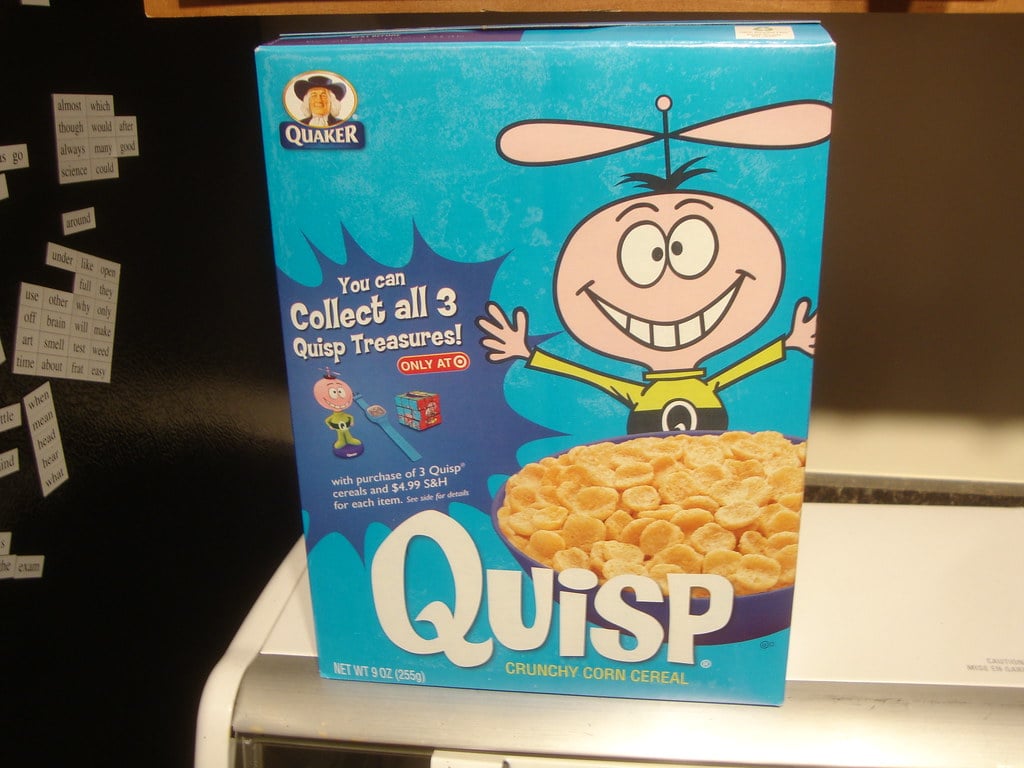
This pink alien with a propeller on his head represented Quisp cereal, a crunchy saucer-shaped breakfast option that launched in 1965. Quisp came from the planet Q and constantly competed with his rival Quake in commercials that turned breakfast into an intergalactic debate.
The character had such a strong fan base that Quaker Oats brought the cereal back multiple times due to popular demand. Quisp still appears occasionally in limited releases, but the regular grocery store presence that made him a household name is long gone.
King Vitaman

An elderly king with a crown and a surprisingly energetic attitude sold King Vitaman cereal from 1968 until it faded away in the 2000s. The character stood out because most cereal mascots were young and hyperactive, but this guy embraced being older while still having fun.
He had companions like Sir Laffalot and the Brown Cow who appeared in commercials and on the box. The cereal itself was shaped like little crowns and tasted vaguely of vanilla and almond.
King Vitaman represented a gentler era of breakfast marketing before extreme sports and attitude took over cereal aisles.
Linus the Lionhearted
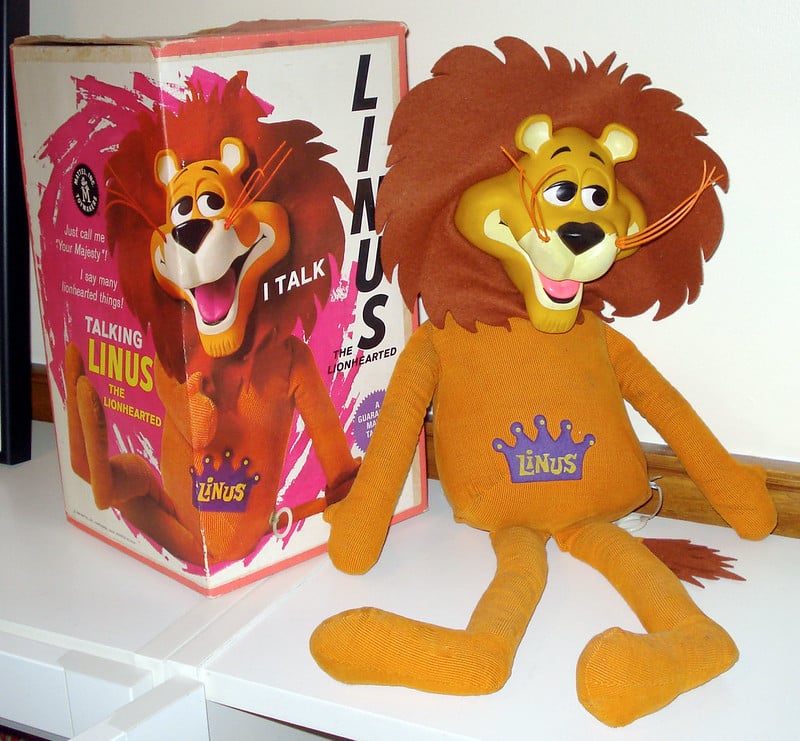
This friendly lion sold Crispy Critters cereal and had his own Saturday morning cartoon show in the 1960s. Linus wore a crown and lived in Africa with friends like Rory Raccoon and So-Hi the giraffe.
The show got canceled after new regulations limited how much advertisers could use cartoon characters to market to children. Crispy Critters cereal came back briefly in the 1980s with Linus still on the box, but both the cereal and the character eventually vanished for good.
The connection between the cartoon show and the cereal made Linus more than just a mascot; he was an actual TV star who happened to sell breakfast food.
Smaxey the Seal
Sugar Smacks featured a smiling seal named Smaxey in the early days before switching to other mascots like Quick Draw McGraw and eventually Dig’em Frog. Smaxey appeared on boxes in the 1950s with a cheerful expression that suggested seals absolutely loved wheat puffs covered in sugar.
The character design was simple compared to later mascots, just a happy seal doing seal things while somehow being associated with cereal. Kellogg’s moved on from Smaxey pretty quickly, probably because a seal doesn’t have an obvious connection to puffed wheat.
Dig’em Frog made more sense since frogs actually do dig, even if that’s a stretch for cereal marketing.
Crispy and his pals
Before the Cinnamon Toast Crunch squares started talking directly to consumers, three animated bakers named Wendell, Bob, and Quello handled the advertising. These characters wore chef hats and competed to create the best cinnamon-sugar toast cereal.
Commercials showed them in a bakery arguing about their recipes while batches of cereal appeared around them. General Mills eventually decided to make the cereal pieces themselves the characters, giving them mouths, eyes, and a tendency to become cannibalistic by eating each other.
The bakers disappeared completely, and nobody really talks about poor Wendell anymore, even though he put in years of service promoting that cereal.
Fruit Brute
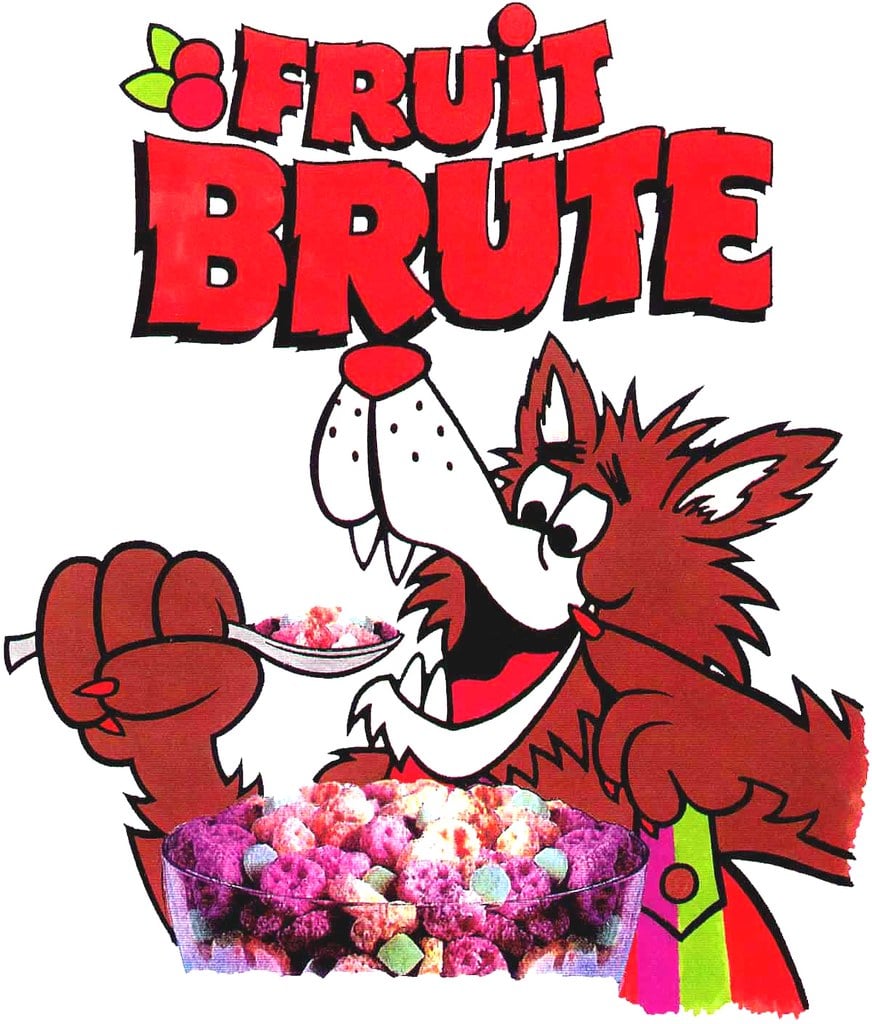
This werewolf character was part of General Mills’ monster cereal lineup alongside Count Chocula, Franken Berry, and Boo Berry. Fruit Brute appeared in 1974 with a lime-flavored cereal that had multicolored marshmallows.
The character wore overalls and had a somewhat goofy expression that made him less scary and more country bumpkin. General Mills discontinued Fruit Brute in 1982, making it one of the shortest-lived monster cereals.
A different fruity monster named Fruity Yummy Mummy replaced him briefly in the 1980s, but neither character had the staying power of the original three monsters. Collectors now hunt for Fruit Brute boxes and merchandise, turning this forgotten werewolf into a valuable piece of cereal history.
Marky Maypo
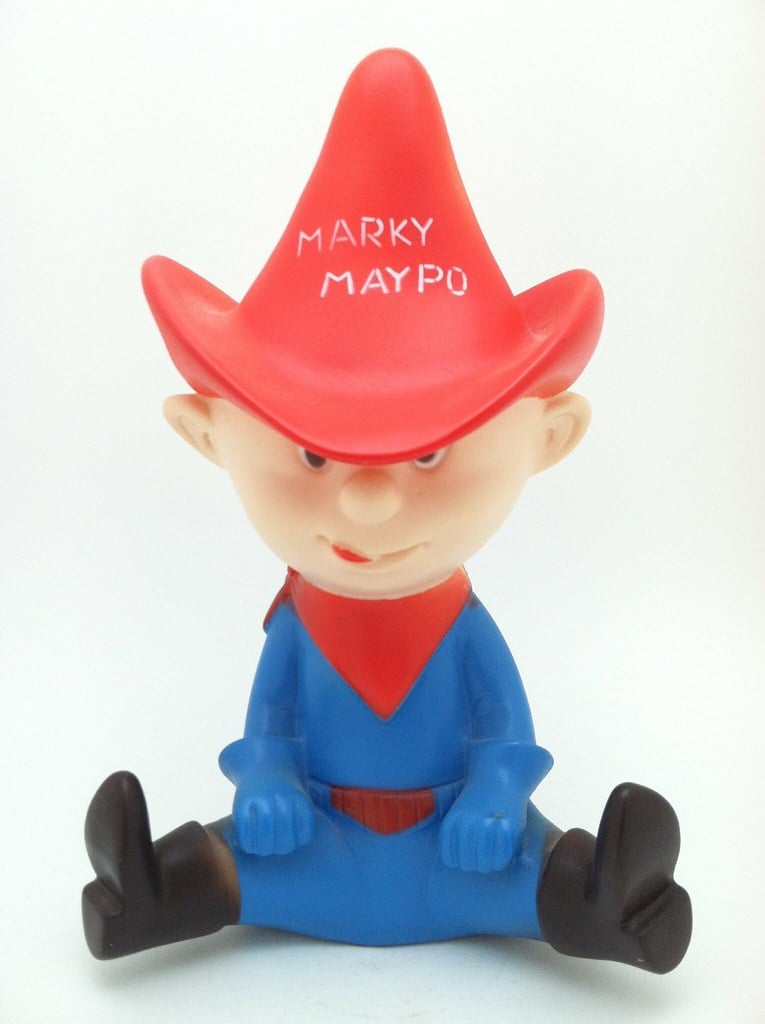
This crying little boy who initially refused to eat Maypo hot cereal became an unlikely mascot in the 1950s and 1960s. Marky would sob ‘I want my Maypo!’ in commercials until he finally tried it and loved it.
The character was unusual because he started out hating the product he represented. Maypo still exists as a brand, but Marky hasn’t appeared on packaging or in advertising for decades.
The whole concept of a crying child selling cereal wouldn’t work with modern marketing strategies, so Marky stays retired. His catchphrase lived on much longer than his actual presence on cereal boxes, with people still referencing ‘I want my Maypo’ years after the commercials stopped airing.
Twinkles the Elephant
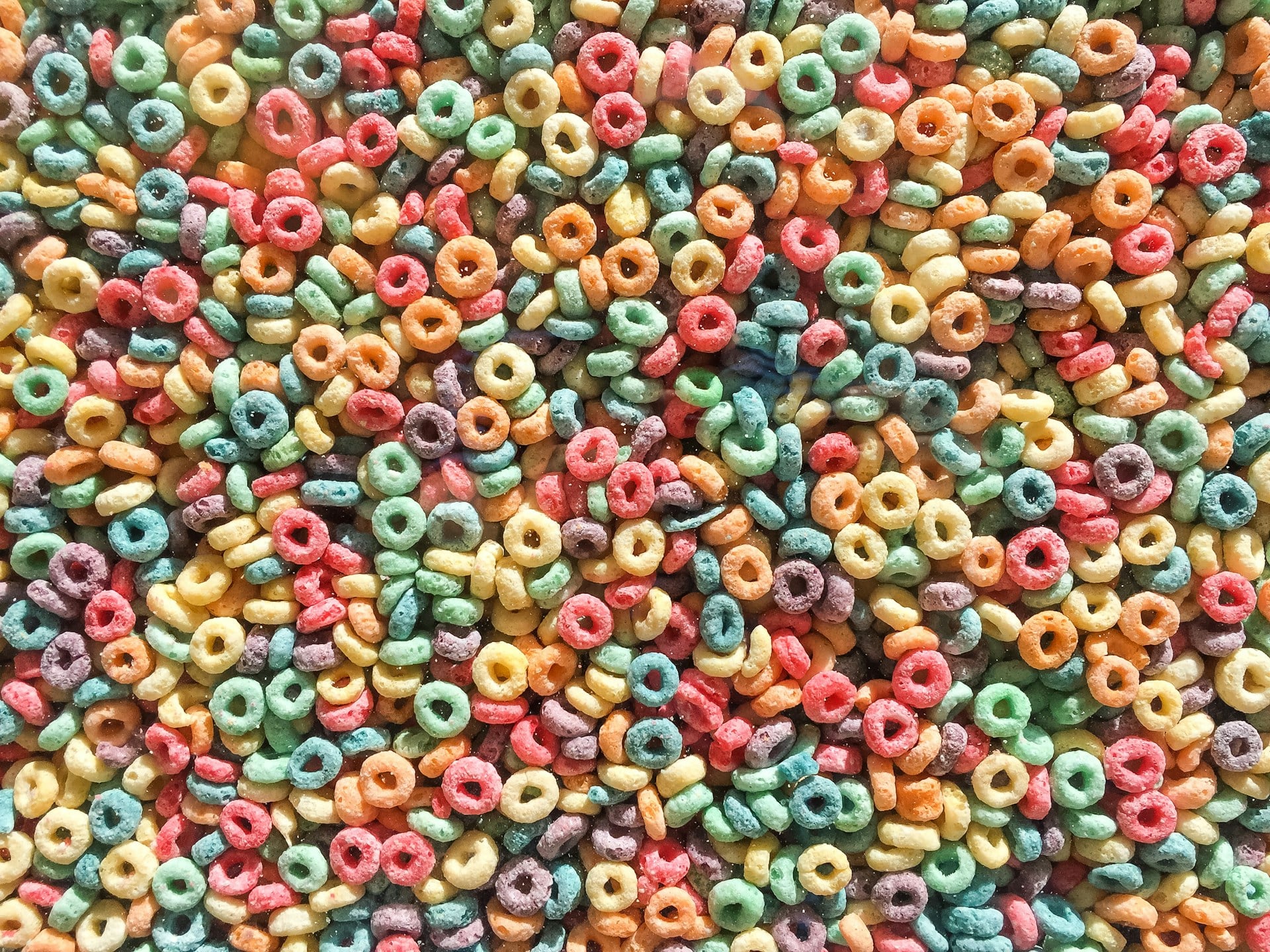
This pink elephant promoted a short-lived cereal called Twinkles in the 1960s. The cereal pieces were star-shaped and came in different colors, with Twinkles the mascot appearing as a cheerful elephant who clearly loved stars for breakfast.
General Mills didn’t keep Twinkles around very long, and the cereal disappeared along with its elephant mascot. The whole brand faded so thoroughly that many people don’t even remember it existed.
Twinkles joined the long list of experimental cereals that didn’t find an audience, taking his pink elephant self into obscurity while other General Mills characters thrived.
Waldo and his friends
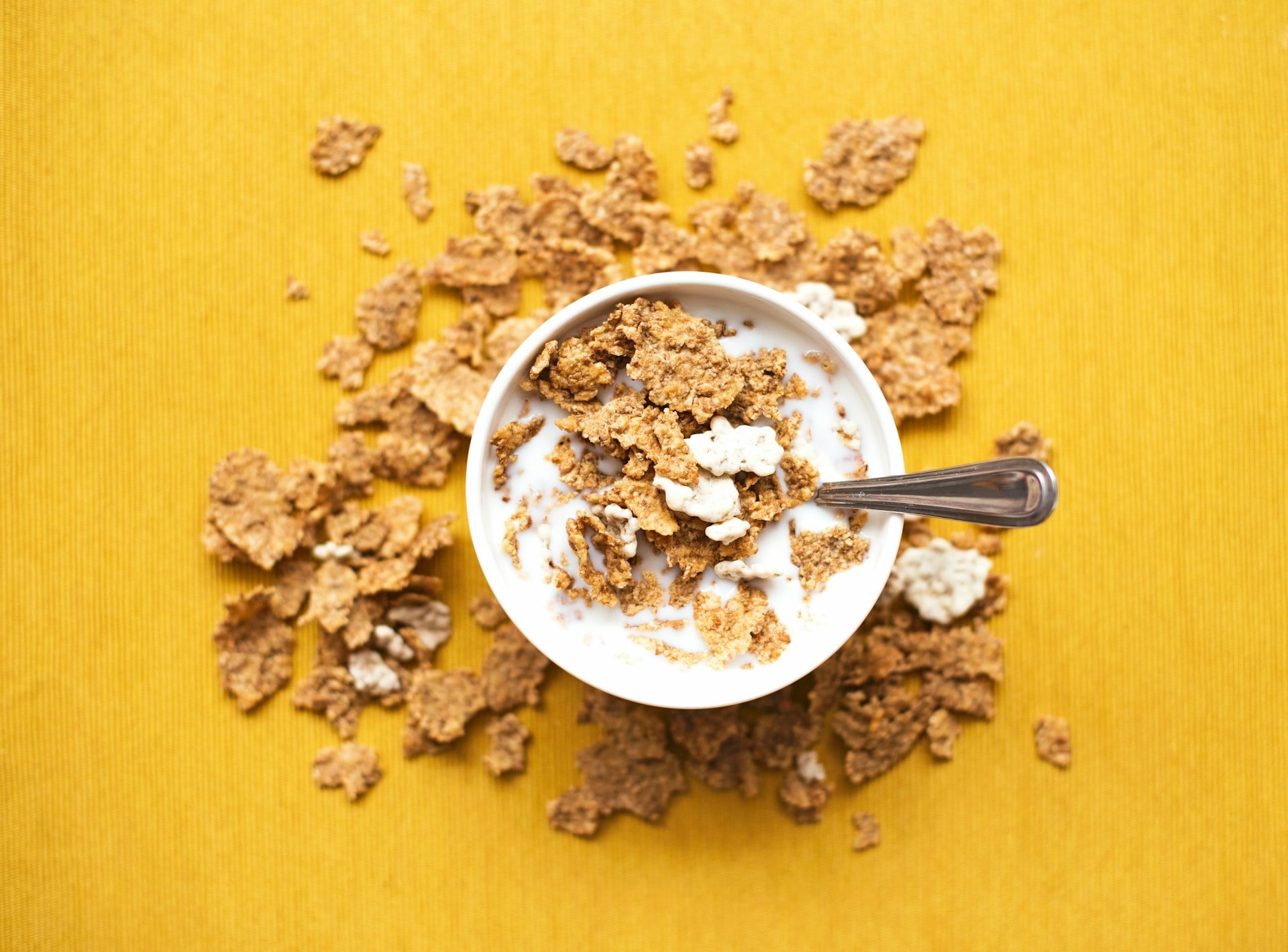
C.W. Post created a cereal called Post Toasties that featured several different characters over the years, including a group of kids led by a boy named Waldo. These children appeared in commercials during the 1960s having adventures while eating corn flakes.
The characters never achieved the fame of Tony the Tiger or Snap, Crackle, and Pop, probably because Post Toasties was basically just Kellogg’s Corn Flakes with a different name. Post eventually dropped these mascots entirely and focused on other cereal brands.
Waldo and his friends represent the many forgettable attempts to create the next big cereal character that just never caught on with audiences.
Big Yella
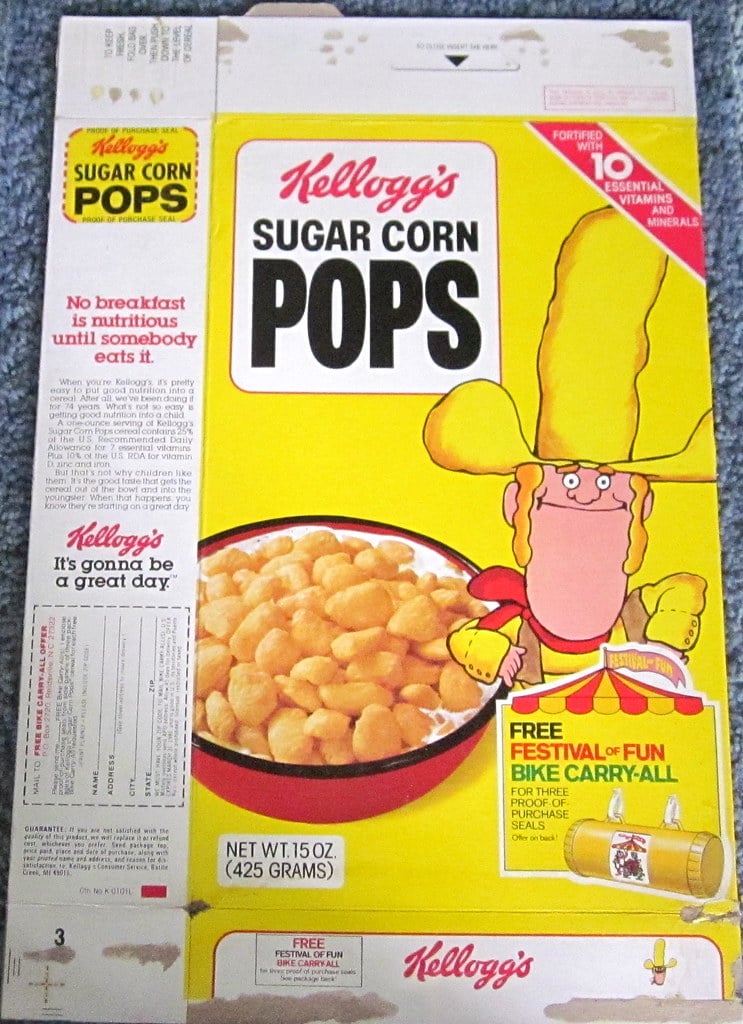
A chunky golden figure once stood front and center for Super Sugar Crisp – later called Super Golden Crisp – until a bear stepped into the spotlight. Shaped like puffed wheat molded into a basic human-like form, he came across as odd even back then.
He showed up in the 1950s, built simple, almost crude compared to today’s cartoon styles. Over time, the company shifted gears, swapping him out.
In his place arrived Sugar Bear, smoother, livelier, humming jazzy tunes that fit ads far better. Out of nowhere, Sugar Bear pushed Big Yella aside, leaving almost no trace behind.
It turned out kids responded more to bold traits than to a bland yellow shape with a name.
Granny Goodwitch
Back in the 70s, an older witch named Granny Goodwitch appeared in ads for a brief time. She felt warmer than most witches do in stories, acting like a kindly grandma who also cast spells.
Her cereal, Kaboom, reminded people of Cap’n Crunch but came with little marshmallow stars inside. Instead of keeping her around, General Mills revived the brand years after with a new face – a cheerful clown took her place entirely.
Out of nowhere, a clown showed up instead of a witch – maybe they thought it would sell better. Still, Granny Goodwitch never caught on like others did; only those who bought boxes back in the 70s likely recall her at all.
So-Hi the Giraffe
A giraffe named So-Hi once stood high above the rest. Dressed in garments inspired by traditional Chinese fashion, he moved through scenes with a distinct way of speaking.
Alongside Linus the Lionhearted, he belonged to a group called Crispy Critters. That pairing lived in animated shorts shown on TV screens back in the sixties.
Boxes of breakfast food carried his image, too. Times have shifted since then, making such portrayals feel out of step with current views.
Once the lion vanished from ads, the giraffe faded just as quietly. Their exit marked the close of a short chapter where animals hawked crunchy morning meals.
Outdated views shaped So-Hi’s look, which is why reviving the figure never caught on – even when old trends came back. What once seemed normal now shows how ads shift as people pay closer attention to fairness in images.
Chip the Dog
Back then, breakfast cereals had wild stories. Not long after Cookie Crisp hit shelves, a dog in a cop outfit kept an eye on things.
His name was Chip – bloodhound by breed, officer by duty. A sneaky character called Crook tried grabbing the cereal every chance he got.
But sniffing him out? That was easy for Chip. Parents didn’t mind sugary treats so much back then, somehow.
The chase scenes played like little crime dramas on TV. Later on, magic replaced law enforcement – the brand brought in a wizard named Cookie Jarvis.
Eventually, even that shifted; Crook stopped being a villain. Odd twist: he and Chip ended up sharing screen time without fighting.
Time changed what made sense in a cereal ad. One day, the first Chip used by police vanished without explanation.
Still, copies of him popped up now and then in odd places. That initial version stood for clear right-and-wrong ideas.
Later on, breakfast ads grew messier, shifting how he was shown.
The cereal aisle remembers
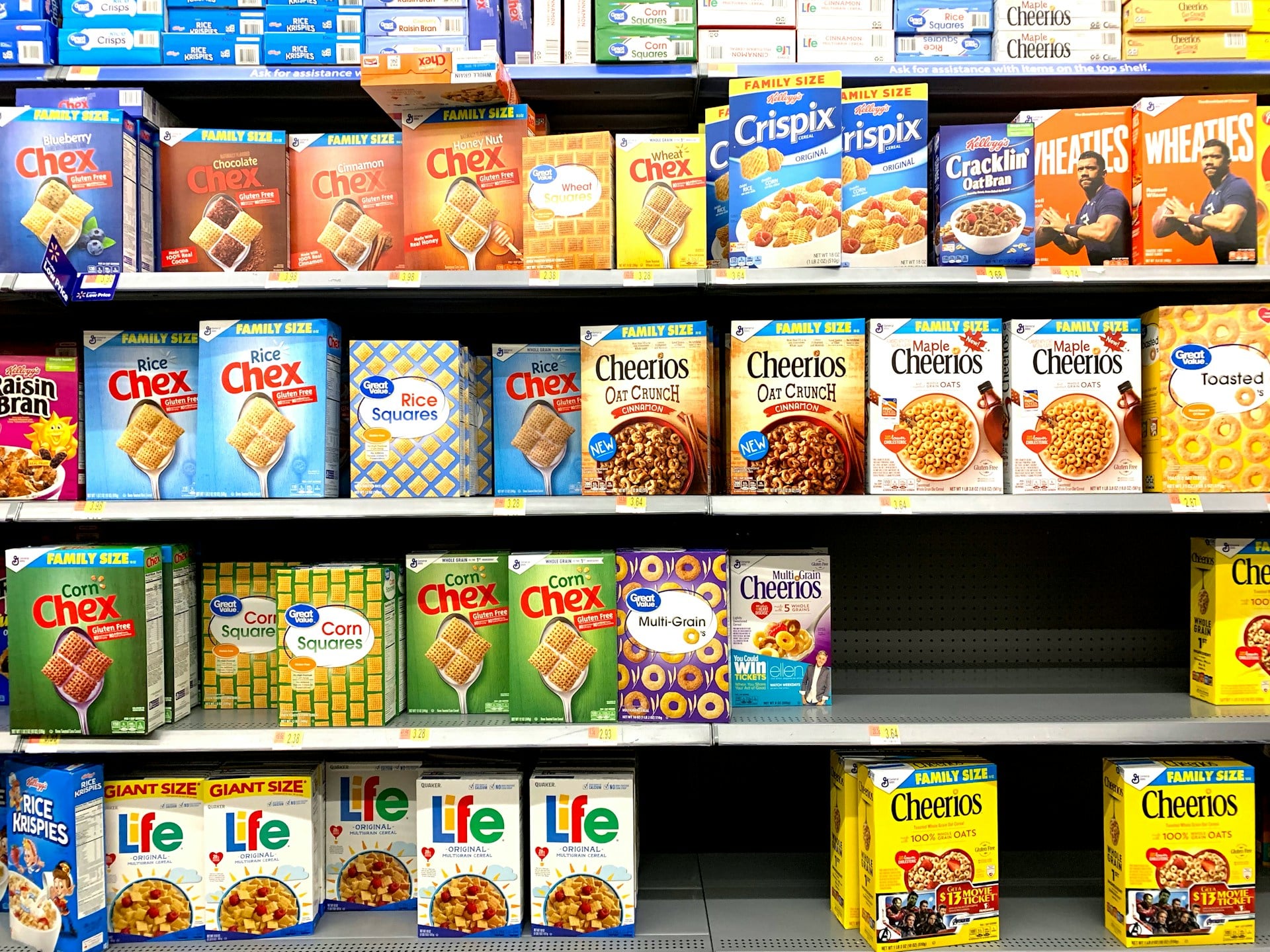
Morning routines once lit up by cartoon faces now flicker only in memory. When tastes shift or voices raise concerns, brands let go of familiar figures without ceremony.
A box failing to fly off shelves often seals its mascot’s fate quietly. Even strong personalities sometimes bow out when boardrooms redraw brand maps.
Staying relevant means bending without breaking what fans loved most. Forgotten ones rest untouched, echoes inside grainy ads and eBay listings found late at night.
More from Go2Tutors!

- The Romanov Crown Jewels and Their Tragic Fate
- 13 Historical Mysteries That Science Still Can’t Solve
- Famous Hoaxes That Fooled the World for Years
- 15 Child Stars with Tragic Adult Lives
- 16 Famous Jewelry Pieces in History
Like Go2Tutors’s content? Follow us on MSN.