Famous Rivalries That Fueled Entertainment History
Competition drives creativity. Sometimes the best work comes not from harmony but from friction—two forces pushing against each other until something memorable emerges.
The entertainment world has always known this. Behind the polished performances and chart-topping songs, there are grudges, stolen lovers, broken promises, and egos large enough to fill stadiums.
These feuds have produced some of the most compelling stories in show business, and they remind you that the people behind your favorite movies, songs, and shows are as complicated as anyone else.
Bette Davis and Joan Crawford
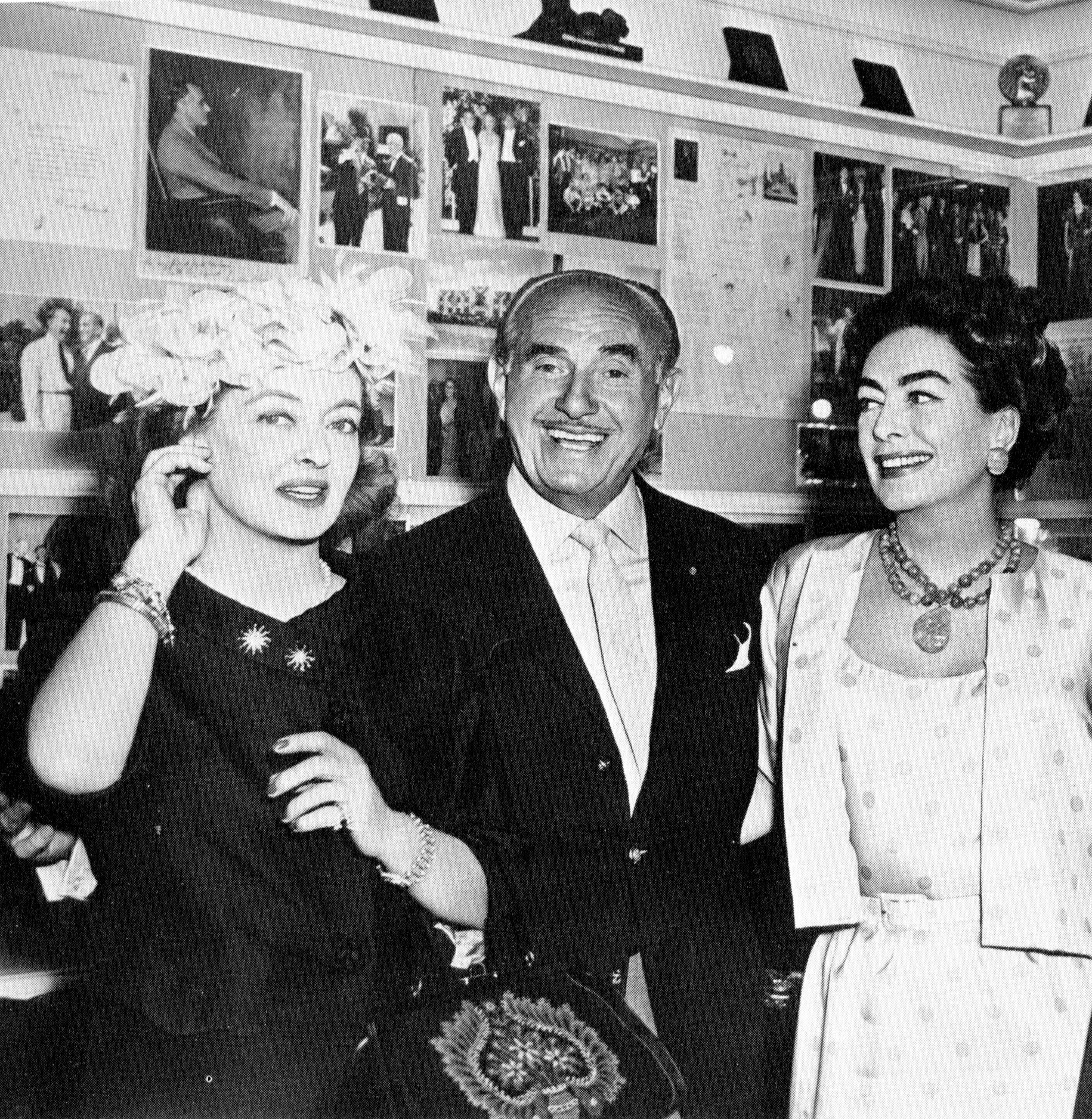
If you want to understand Hollywood rivalry, start here. Bette Davis and Joan Crawford despised each other for four decades, and their feud became the template for every celebrity clash that followed.
The animosity began in 1935 when Crawford married Franchot Tone, an actor Davis had fallen for while filming together. Davis never forgave her.
The two actresses circled each other for years, taking shots through the press and competing for roles. When they finally appeared together in the 1962 horror film What Ever Happened to Baby Jane?, the set became a battlefield.
Stories emerged of on-set sabotage: Davis allegedly struck Crawford hard enough during a scene to require stitches, and Crawford reportedly made herself as heavy as possible during a scene where Davis had to drag her across the floor, knowing Davis had chronic back problems. Director Robert Aldrich later said Crawford wanted Davis to suffer.
When only Davis received an Academy Award nomination for the film, Crawford contacted the other nominees and offered to accept the award on their behalf if they couldn’t attend. Anne Bancroft won, and Crawford swept past Davis to accept on her behalf, relishing every second.
The animosity outlasted both careers. A famous quote—about speaking only good of the dead, then remarking that Crawford was dead, “Good”—has long been attributed to Davis after Crawford’s 1977 death, though researchers have traced the joke to comedian Moms Mabley, with drag performers later using it in their Davis impersonations.
The Beatles and The Rolling Stones
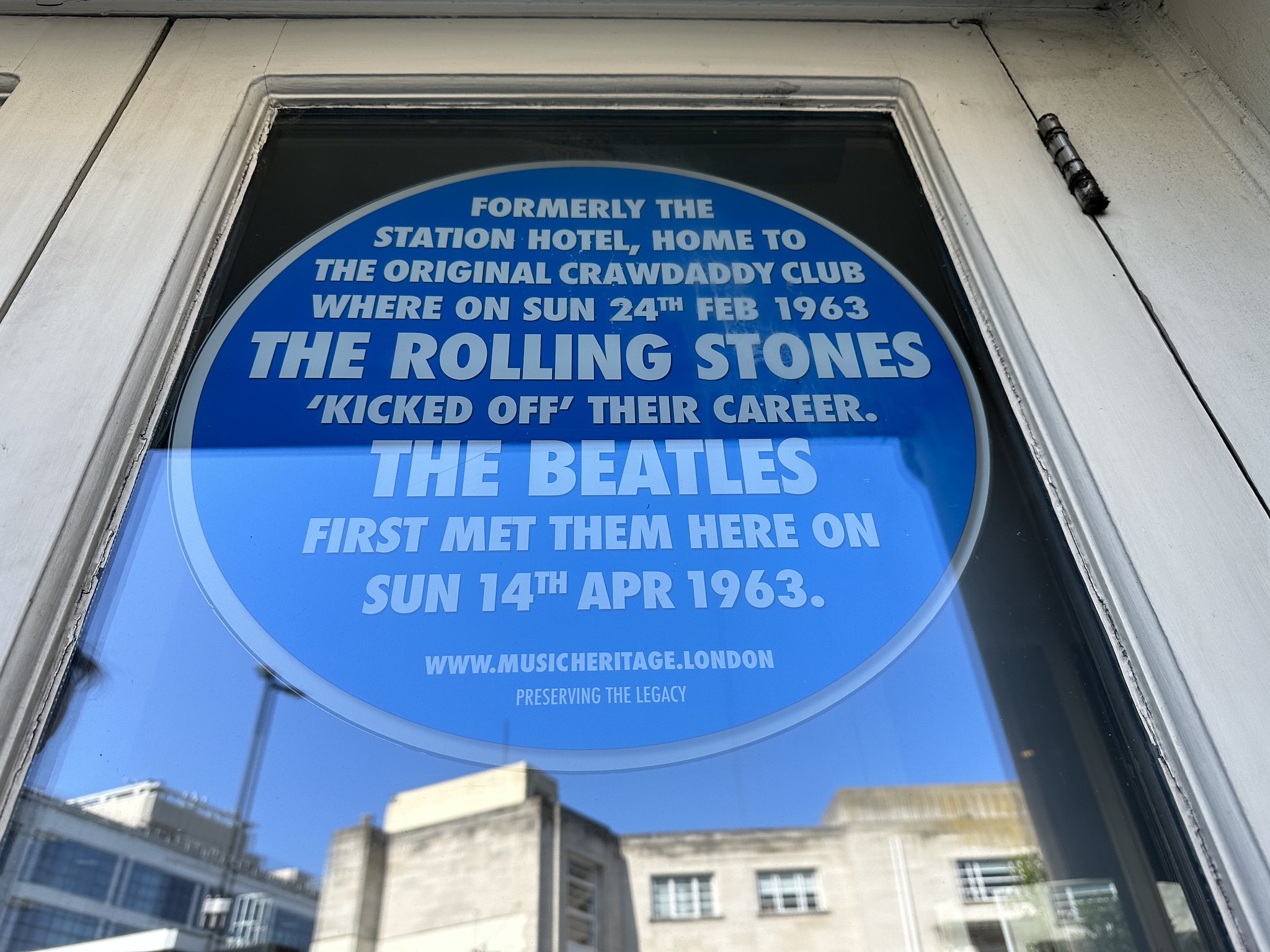
This rivalry was largely manufactured, but that didn’t stop it from defining an era. In the 1960s, you picked a side.
The Beatles were the polished, charming lads who wrote love songs and experimented in the studio. The Rolling Stones were the dangerous ones, playing blues-infused rock with a rebellious edge.
The media loved the contrast. The truth was more complicated.
The bands were friendly, and The Beatles even gave The Rolling Stones one of their early hits by writing a song for them. But the perception of competition pushed both groups to outdo each other creatively.
When The Beatles released an ambitious album, The Stones felt pressure to respond. This back-and-forth produced some of the greatest rock music ever recorded.
The rivalry extended to their images. Parents approved of The Beatles (at least initially) while fearing The Stones.
Both bands benefited from this dynamic. Competition sharpened their work and kept fans engaged for years.
Tupac Shakur and The Notorious B.I.G.
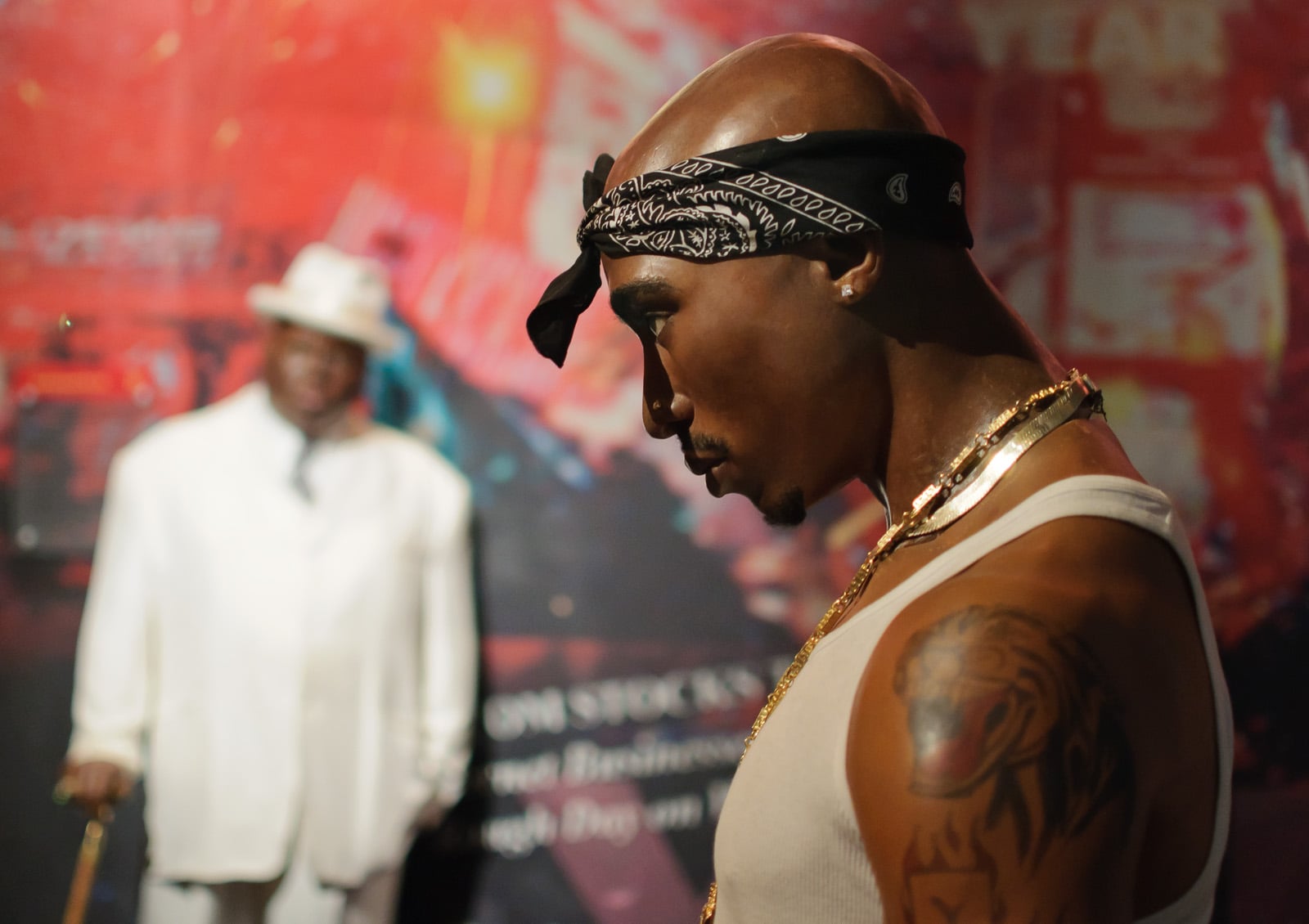
Before the feud, there was friendship. Tupac Shakur and Christopher Wallace—known as Biggie Smalls or The Notorious B.I.G.—met in 1993 and became close.
They hung out, supported each other’s careers, and seemed destined to dominate hip-hop together. Everything changed in November 1994.
Tupac was robbed and shot five times in the lobby of a New York recording studio. Biggie and his crew were in the same building, and Tupac became convinced his friend had prior knowledge of the attack.
The suspicion festered, especially after Biggie released a track that appeared to reference the incident. Tupac responded with one of the most vicious diss tracks in hip-hop history.
The feud escalated into something larger than either artist. It became East Coast versus West Coast, Bad Boy Records versus Death Row, New York versus Los Angeles.
Media coverage amplified every insult, every rumor, every threat. In September 1996, Tupac was fatally shot in Las Vegas at age 25.
Six months later, Biggie was killed in Los Angeles at 24. Both cases remain unsolved.
Two of hip-hop’s greatest talents were gone, and the genre still carries the weight of what might have been.
David Letterman and Jay Leno

When Johnny Carson announced his retirement from The Tonight Show in 1991, everyone assumed David Letterman would inherit the throne. Letterman had hosted Late Night on NBC for years and was widely seen as Carson’s natural successor.
Carson himself reportedly preferred Letterman. NBC chose Jay Leno instead.
The decision launched a rivalry that lasted over two decades. Letterman left NBC for CBS, where he created Late Show and went head-to-head with Leno every weeknight.
The competition was fierce. Leno won the ratings war more often, but Letterman maintained critical respect and a devoted audience.
The two hosts traded barbs publicly and privately, with Letterman once calling Leno the funniest person he’d ever known—and also the most insecure. The feud defined late-night television for a generation and forced both hosts to stay sharp.
Neither could coast when the other was waiting to capitalize on any slip.
Thomas Edison and Nikola Tesla
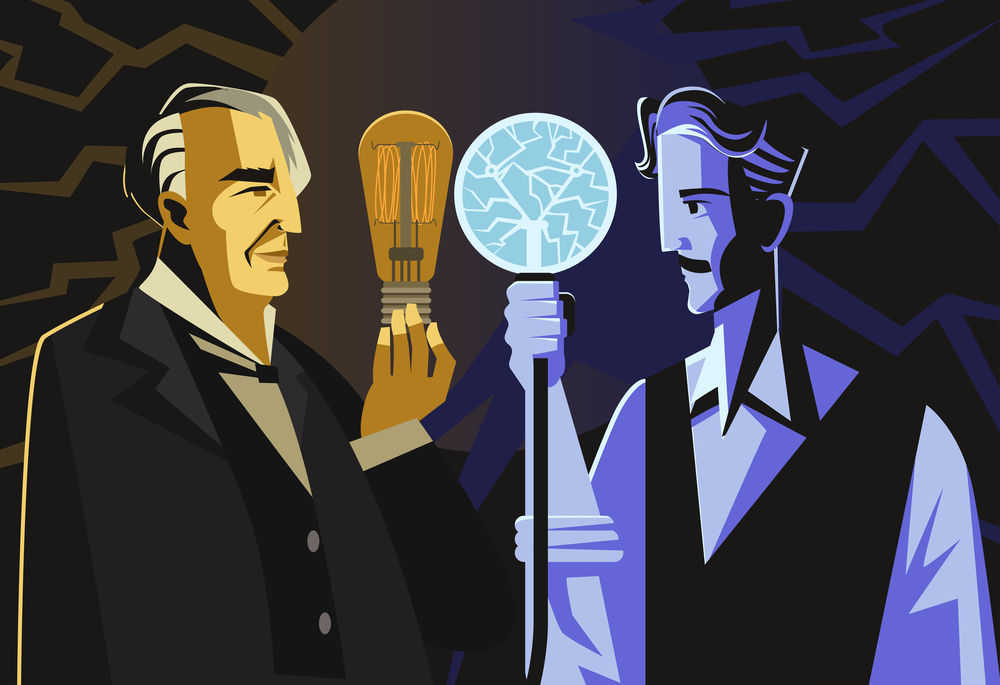
Their battle shaped the modern world. In the 1880s, Thomas Edison championed direct current electricity while Nikola Tesla promoted alternating current.
Edison hired Tesla briefly, but the two clashed over methods and vision. Tesla believed AC was superior for transmitting power over long distances.
Edison, heavily invested in DC infrastructure, disagreed violently. The conflict became known as the War of Currents.
Edison launched a propaganda campaign to discredit alternating current, claiming it was dangerous. He publicly electrocuted animals to demonstrate AC’s lethality.
He even helped design the electric chair to use alternating current, hoping to associate his competitor’s technology with death. None of it worked.
AC’s practical advantages were too clear. George Westinghouse, who had purchased Tesla’s patents, won the contract to power the 1893 World’s Fair in Chicago and later built the hydroelectric plant at Niagara Falls using Tesla’s system.
By the end of the decade, alternating current had won. Your home runs on it today because Tesla was right and Edison couldn’t accept it.
Oasis and Blur
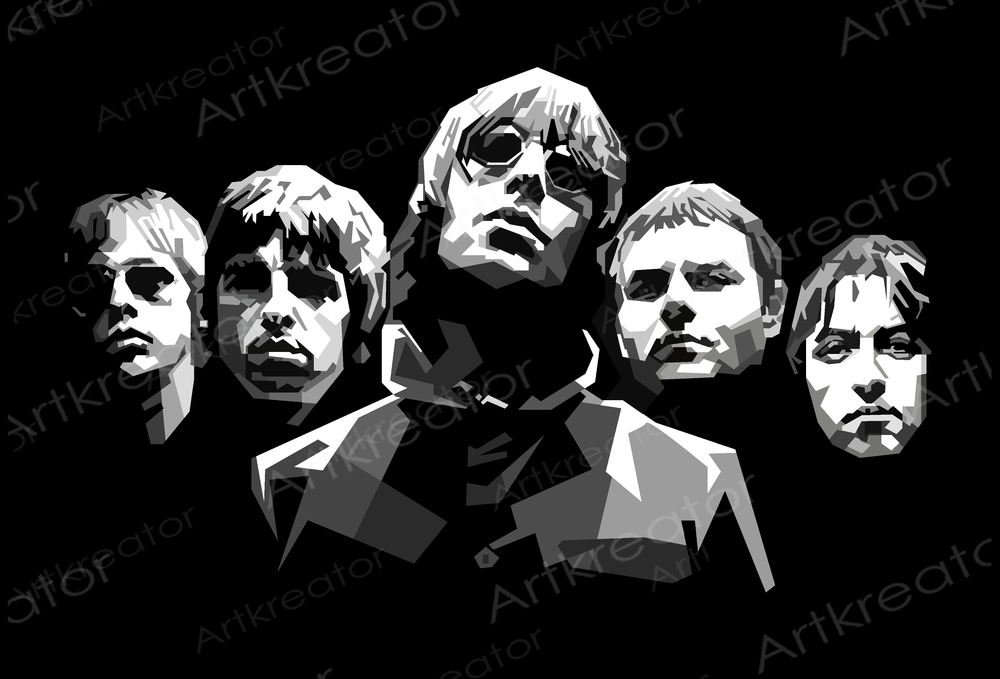
British music in the 1990s came down to one question: Oasis or Blur? The two bands represented different strains of Britpop and different visions of what it meant to be British.
Blur was clever, art-school influenced, and southern. Oasis was working-class, swagger-filled, and northern.
Their fans treated the rivalry like a religious divide. The feud peaked in August 1995 when both bands released singles on the same day.
The chart battle became a national event, with newspapers covering it like a sporting match. Blur won that particular week, but Oasis went on to sell more albums overall.
The competition pushed both bands to their creative limits and produced some of the defining British rock of the decade. The personal animosity was real.
Members of each band exchanged insults in interviews for years. Noel Gallagher of Oasis infamously told The Observer in 1995 that he hoped Damon Albarn and bassist Alex James would “catch AIDS and die”—a remark he later apologized for, claiming he was under the influence of drugs at the time.
The intensity eventually cooled, and Gallagher and Albarn have since become friendly. But for a few years, the hatred was genuine—and musically productive.
Olivia de Havilland and Joan Fontaine
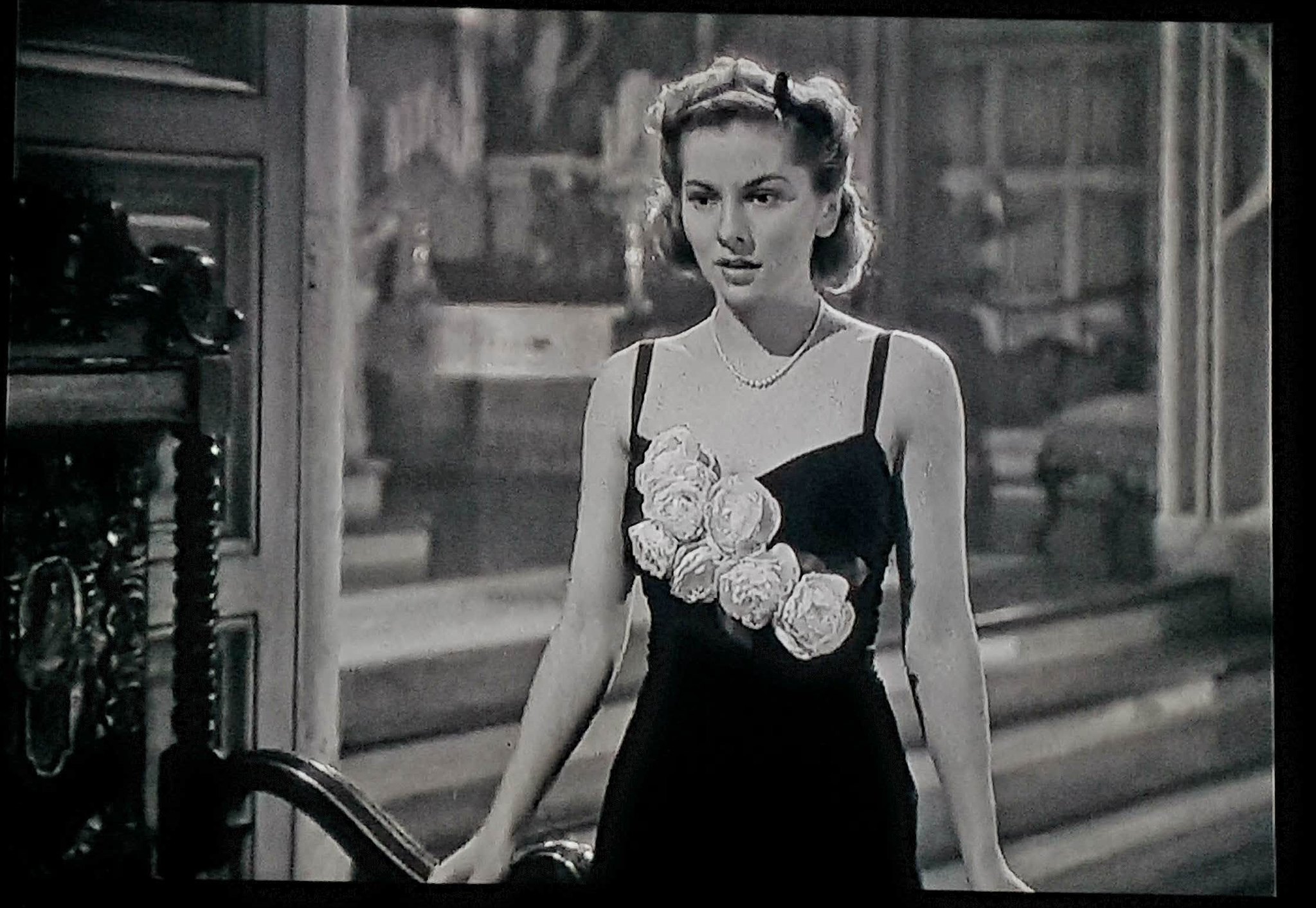
Sisters who competed for everything. Olivia de Havilland and Joan Fontaine were both successful actresses in Golden Age Hollywood, and their rivalry began in childhood and never truly ended.
They competed for roles, for attention, for awards, and for their mother’s approval. The Academy Awards intensified their feud.
In 1942, Fontaine won Best Actress, beating her older sister. When de Havilland won her first Oscar in 1947, Fontaine approached to congratulate her—and de Havilland visibly snubbed her in front of photographers.
The image captured the reality of their relationship. They reportedly stopped speaking entirely after a dispute over their mother’s death in 1975—Fontaine claimed de Havilland failed to properly notify her and excluded her from the memorial service.
The sisters remained estranged until Fontaine’s death in 2013. De Havilland lived until 2020 at age 104, widely considered the last surviving major star from Hollywood’s Golden Age.
John Lennon and Paul McCartney
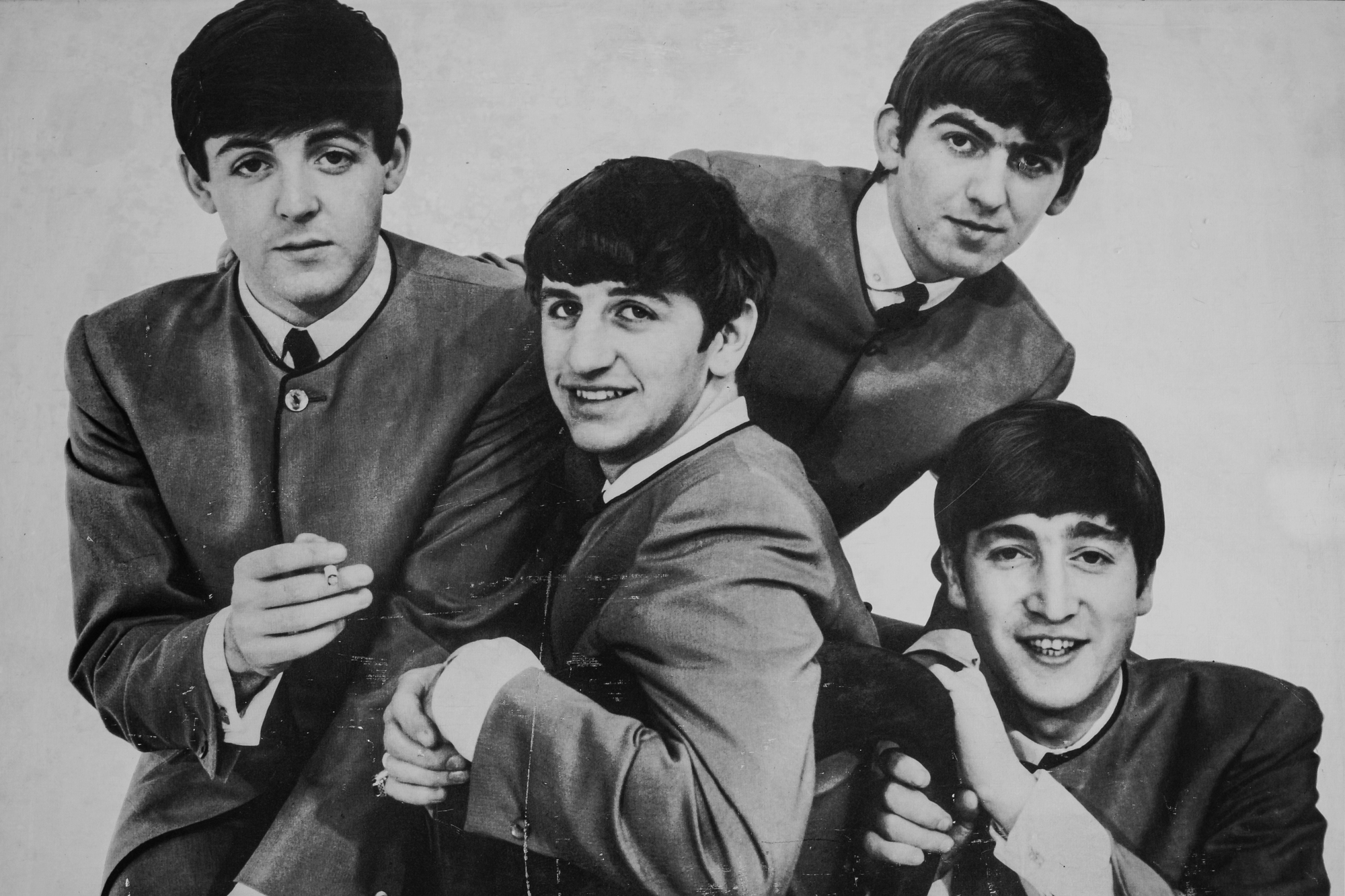
The greatest songwriting partnership in rock history ended badly. John Lennon and Paul McCartney created magic together in The Beatles, but tensions grew as the 1960s ended.
Creative differences, business disputes, and Lennon’s relationship with Yoko Ono all contributed to the breakdown. After The Beatles dissolved in 1970, the two former partners publicly attacked each other through their music and the press.
Lennon gave interviews criticizing McCartney’s leadership and artistic choices. McCartney embedded subtle jabs in his songs.
The acrimony lasted years and seemed irreconcilable. By the mid-1970s, the relationship had thawed.
The two began speaking again and reportedly got along well in their final years before Lennon’s death in 1980. McCartney has spoken about cherishing a brief visit when Lennon showed up at his home, and both seemed to have moved past the worst of their bitterness.
But the window for full reconciliation closed forever that December night in New York.
Mariah Carey and Jennifer Lopez

When asked about Jennifer Lopez in a 2000 interview, Mariah Carey delivered one of the most quoted lines in pop culture: “I don’t know her.” The dismissal seemed designed to wound, and it succeeded.
The phrase became shorthand for celebrity shade. The origins of their tension remain murky.
Both artists operated in similar spaces during the late 1990s and early 2000s, and competition for roles, chart positions, and media attention created natural friction. Carey repeated the “I don’t know her” line multiple times over the years, turning it into a running joke that kept the rivalry alive in the public imagination.
Lopez has responded diplomatically, generally declining to escalate. But the feud—if it can be called that—demonstrates how a single cutting remark can define a relationship for decades.
50 Cent and Ja Rule
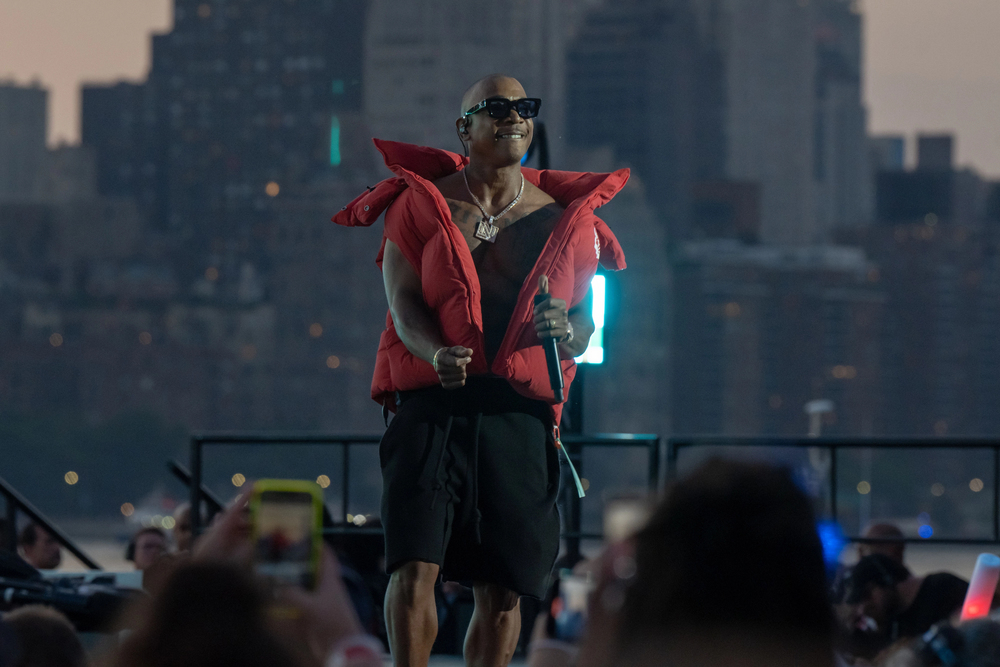
Hip-hop feuds don’t get pettier or longer-lasting than this one. The conflict between 50 Cent and Ja Rule began in 1999 when Ja Rule was robbed at gunpoint in New York, allegedly by an associate of 50 Cent.
From there, the two rappers exchanged diss tracks, insults, and provocations for over two decades. 50 Cent won the commercial battle decisively.
His debut album sold millions while Ja Rule’s career faded. But winning wasn’t enough.
50 Cent continued to mock his rival at every opportunity, once buying 200 tickets to a Ja Rule concert just to leave the seats empty. He trolled Ja Rule on social media, in interviews, and anywhere else he could find an audience.
The feud has become almost comedic in its persistence. Neither artist seems capable of letting go, and fans have accepted it as a permanent feature of hip-hop culture.
The Beach Boys and The Beatles

Unlike most rivalries, this one made both parties better. Brian Wilson of The Beach Boys and The Beatles engaged in a friendly competition during the 1960s, with each artist trying to top the other’s latest album.
When Wilson heard Rubber Soul, he became obsessed with creating something that could match its quality. The result was Pet Sounds.
The Beatles were equally inspired. Pet Sounds influenced their approach to Sgt. Pepper’s Lonely Hearts Club Band, which in turn pushed Wilson to work on an even more ambitious project.
The creative back-and-forth elevated both bands far beyond what they might have achieved alone. This rivalry proved that competition doesn’t require hatred.
Mutual respect and artistic ambition can fuel just as much creativity as personal animosity.
When the Curtain Falls

Rivalries reveal character. They expose insecurities, ambitions, and the lengths people will go to protect their position.
But they also produce results. The greatest albums, the most memorable films, the sharpest late-night monologues—so many of them emerged from competition.
When artists have something to prove, they work harder. When they have someone to defeat, they dig deeper.
The feuds chronicled here changed industries. They shaped careers and ended some of them.
They gave audiences stories to follow and sides to take. And they remind you that the entertainment you consume doesn’t come from nowhere.
It comes from people—brilliant, petty, ambitious, wounded people—pushing against each other until something extraordinary happens.
More from Go2Tutors!

- The Romanov Crown Jewels and Their Tragic Fate
- 13 Historical Mysteries That Science Still Can’t Solve
- Famous Hoaxes That Fooled the World for Years
- 15 Child Stars with Tragic Adult Lives
- 16 Famous Jewelry Pieces in History
Like Go2Tutors’s content? Follow us on MSN.