Fans Who Caught Famous Home Run Souvenirs
The crack of the bat echoes through the stadium. Everyone stands.
Heads turn skyward as the white sphere arcs through the air, and suddenly thirty thousand people want to be in the same spot at the same time. For a few lucky fans over the decades, that moment turned into something unforgettable—a piece of sports history landing right in their hands.
These catches didn’t just mean free memorabilia. They sparked legal battles, created instant celebrities, and sometimes changed lives.
Some fans gave the souvenirs back. Others held onto them.
A few made fortunes. The stories behind these catches reveal something fascinating about sports, ownership, and the strange intersection of luck and history.
The Restaurant Worker Who Caught 756

Steve Williams worked at a restaurant when he caught Barry Bonds’ record-breaking 756th home run in 2007. The hit sailed into the stands at AT&T Park in San Francisco, and Williams emerged from the scrum with the prize.
He didn’t immediately return it to Bonds, despite pressure from fans and media. Fashion designer Marc Ecko bought the souvenir from Williams for $752,467.
Then Ecko held an online poll asking the public what to do with it—give it to Cooperstown, give it to Bonds, or brand it with an asterisk. The asterisk won.
The Hall of Fame now displays it with a permanent mark, a reference to the steroids controversy. Williams used the money to pay off student loans and put a down payment on a house.
He later said the experience taught him about human nature—both the generous offers to help him and the angry messages from people who thought he should have just given it back.
Hank Aaron’s 715th and the Grounds Crew Member
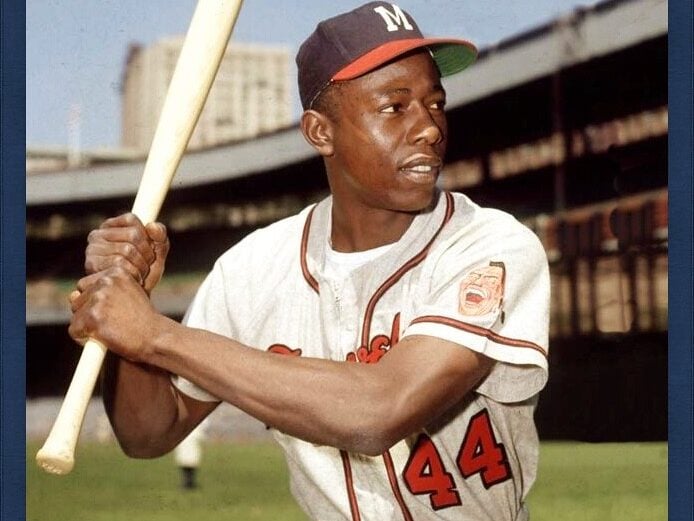
Tom House wasn’t a fan in the traditional sense. He played for the Braves and was warming up in the bullpen when Hank Aaron’s 715th home run came his way in 1974.
House caught it on the fly, then sprinted to home plate to return it to Aaron immediately. The moment gets remembered as much for House’s sprint as for the home run itself.
He preserved Aaron’s historic achievement without hesitation. Years later, House became a pitching coach and biomechanics expert, working with quarterbacks like Tom Brady.
But that catch remains his most famous moment. Aaron kept the souvenir for decades.
It eventually sold at auction for over $650,000 in 1999, with Aaron using the proceeds for charity.
The Mark McGwire Battle in Right Field
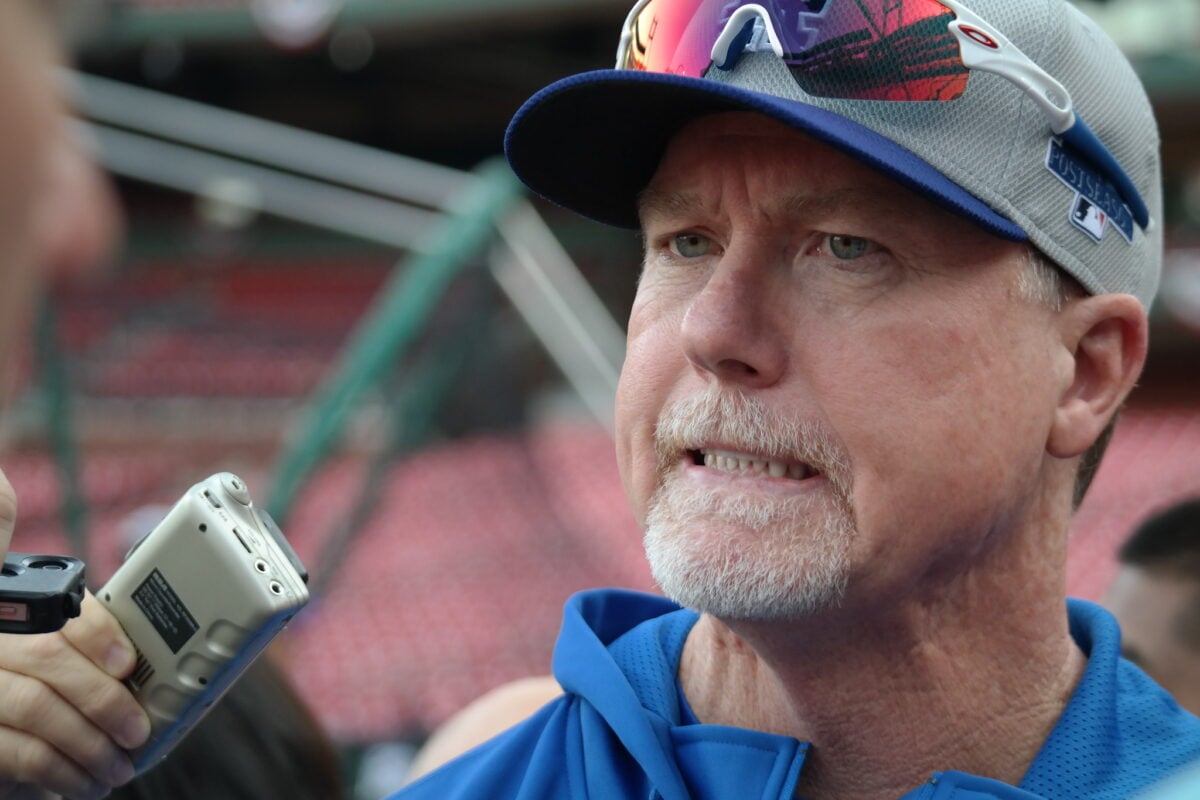
Tim Forneris worked as a groundskeeper at Busch Stadium in 1998 when Mark McGwire hit his 62nd home run, breaking Roger Maris’ single-season record. The hit landed in the stands, where research scientist Philip Ozersky made the catch after a brief scramble.
Wait, that’s not quite right. Ozersky caught number 63. Number 62 went to Mike Davidson, a scientist who immediately gave it back to McGwire without asking for anything.
Davidson said later he never considered keeping it—the moment belonged to McGwire. McGwire’s 70th home run that season went to Forneris, who also returned it immediately.
Both men received season tickets and signed memorabilia as thanks, but nothing close to the potential auction value of hundreds of thousands of dollars.
The Subway Series Scramble
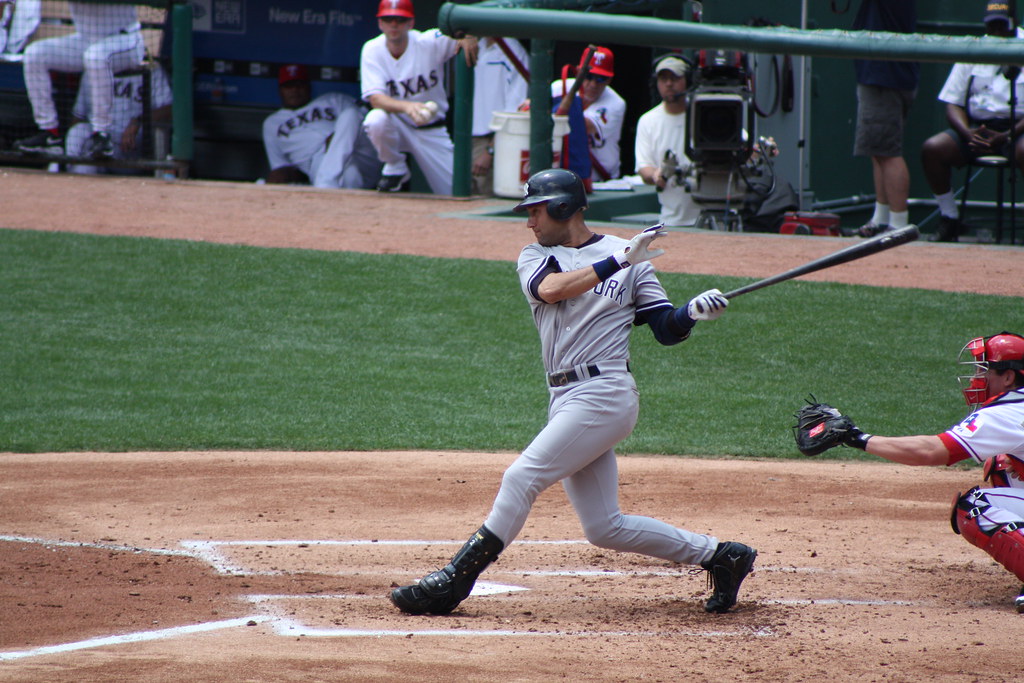
During the 2000 World Series between the Yankees and Mets, several historic home runs landed in the stands at Yankee Stadium. One fan, who chose to remain anonymous at first, caught a Derek Jeter home run.
The fan kept the souvenir but didn’t seek publicity. Another fan grabbed a Mike Piazza home run and immediately tried to negotiate with Mets representatives for memorabilia in exchange.
The negotiations happened right there in the stands, with security and team officials crowding around. The fan eventually traded it for signed items and game tickets.
These moments showed how quickly the calculus changed by 2000. Fans understood the value of what they held and weren’t shy about negotiating.
Alex Rodriguez’s 3,000th Hit
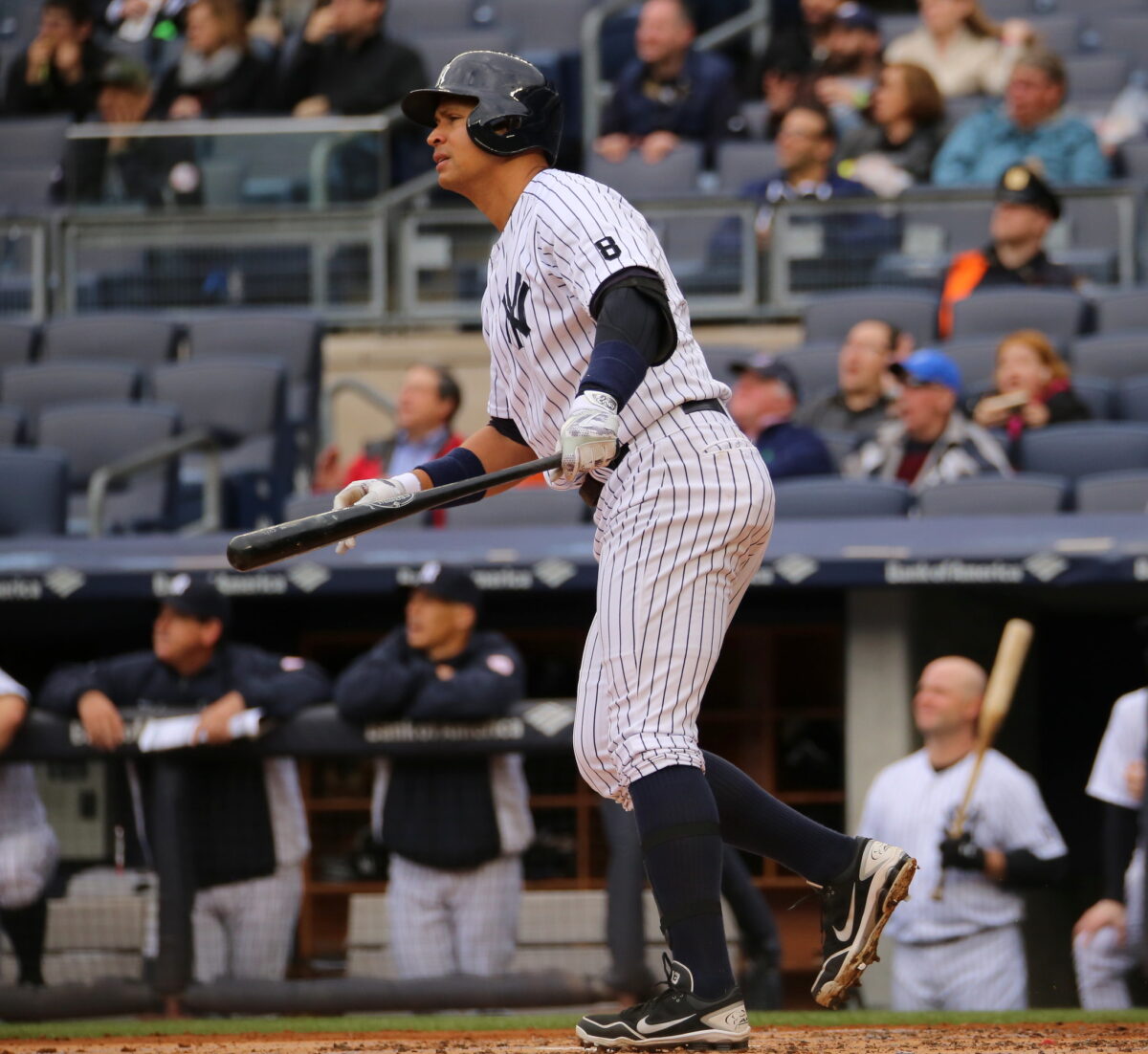
Zack Hample caught Alex Rodriguez’s 3,000th hit home run in 2015. Hample wasn’t a typical fan—he made a career of catching home runs at stadiums across the country.
His lifetime total exceeded 10,000 catches at the time, and he’d written books about his techniques. Hample returned the souvenir to Rodriguez without asking for payment, though he did request a meeting and some signed memorabilia.
Critics argued Hample should have given it back without conditions since he was essentially a professional. Supporters said he handled it gracefully.
The catch sparked debates about whether professional catchers like Hample should be allowed to keep historic souvenirs or if they should face different rules than casual fans.
The Teenager at the 1961 Record
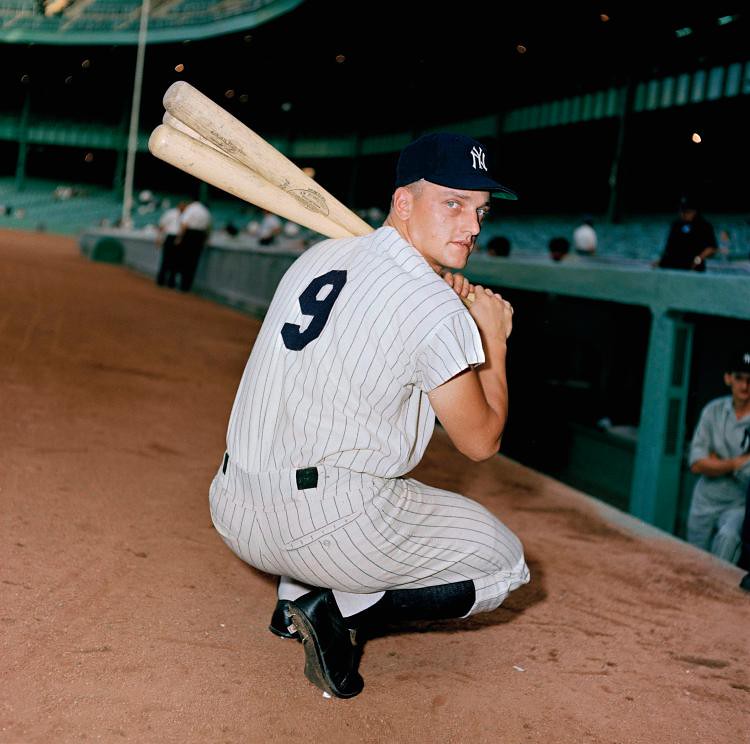
Roger Maris hit his 61st home run in 1961 at Yankee Stadium, breaking Babe Ruth’s single-season record. Sal Durante, a 19-year-old fan from Brooklyn, made the catch in the right field stands.
Durante immediately faced pressure to return it, but he held firm. A Sacramento restaurant owner offered him $5,000 for the souvenir—significant money in 1961, equivalent to about $50,000 today.
Durante accepted and used the money to pay for his wedding and honeymoon. Maris understood.
He even attended Durante’s wedding. The restaurant owner displayed the souvenir for years before eventually donating it to the Hall of Fame.
The Cub’s Fan Interference Controversy
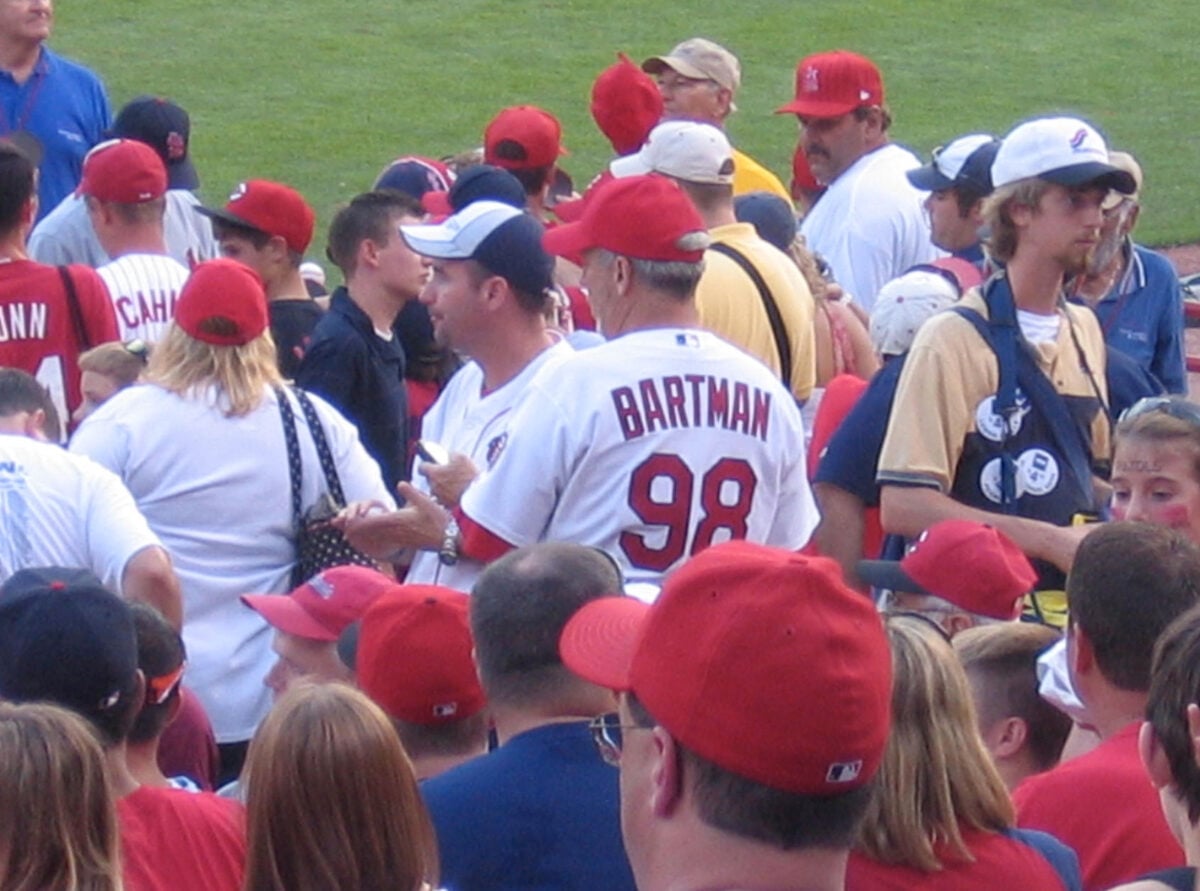
Steve Bartman reached for a foul pop during the 2003 National League Championship Series. The moment is infamous not because he caught something historic, but because his interference prevented Cubs outfielder Moises Alou from catching it.
The Cubs collapsed after that play and lost the series. Bartman became a pariah in Chicago.
He received death threats and had to go into hiding. The incident revealed the darker side of fan interactions with game action.
People blamed him for the Cubs’ curse continuing. Years later, after the Cubs finally won the World Series in 2016, the team invited Bartman to a celebration and gave him a championship ring.
He accepted through a representative and issued a gracious statement. The gesture brought closure to one of sports’ most uncomfortable moments.
The Japanese Tourist at McCovey Cove
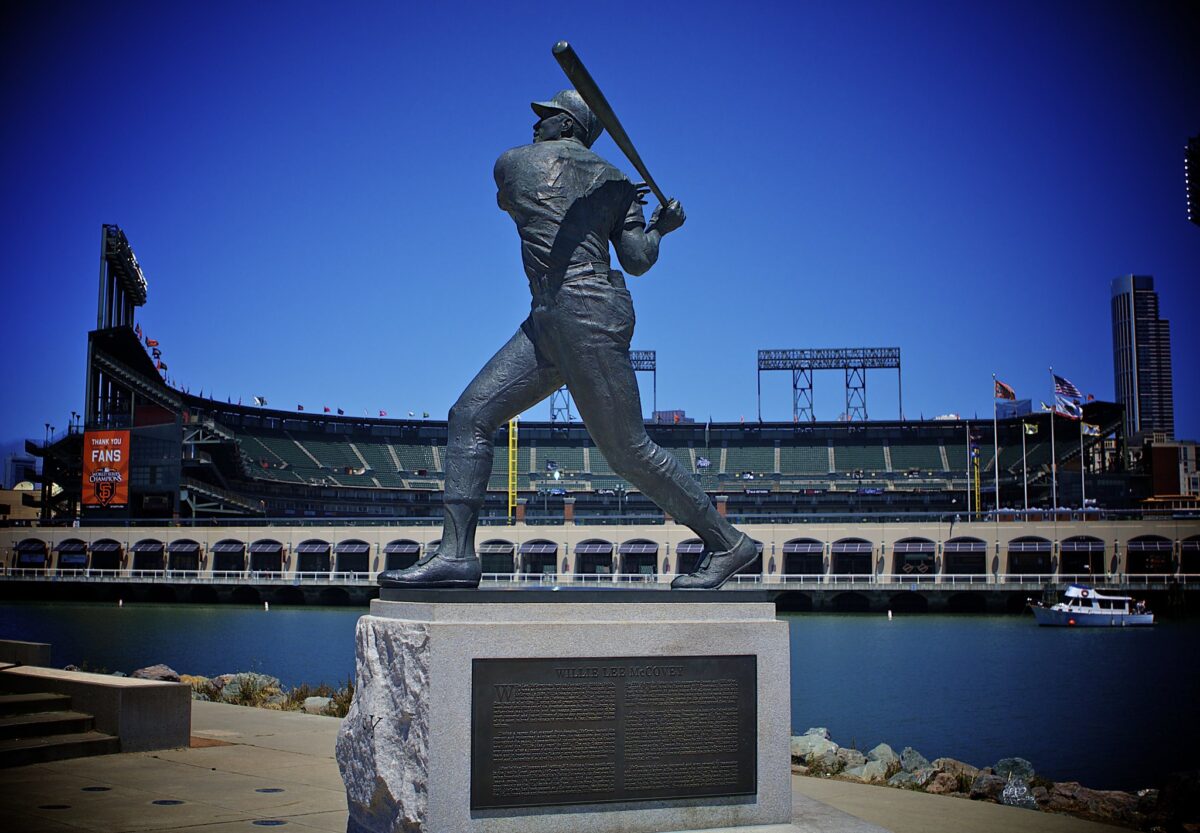
Kayakers and boaters regularly gather in McCovey Cove beyond the right field wall at Oracle Park in San Francisco, hoping to snag home runs. One Japanese tourist on vacation paddled his rental kayak into position and caught one of Barry Bonds’ mammoth shots.
He didn’t speak much English and had no idea who Bonds was. He just thought catching a home run while kayaking would make a great vacation story.
Other boaters who recognized the significance tried to buy it from him on the spot, but he politely declined and took it home as a souvenir of his American trip. The story only came out years later through social media.
By then, the tourist had long since returned to Japan with his unique memento displayed somewhere in his home.
The Auction King from St. Louis
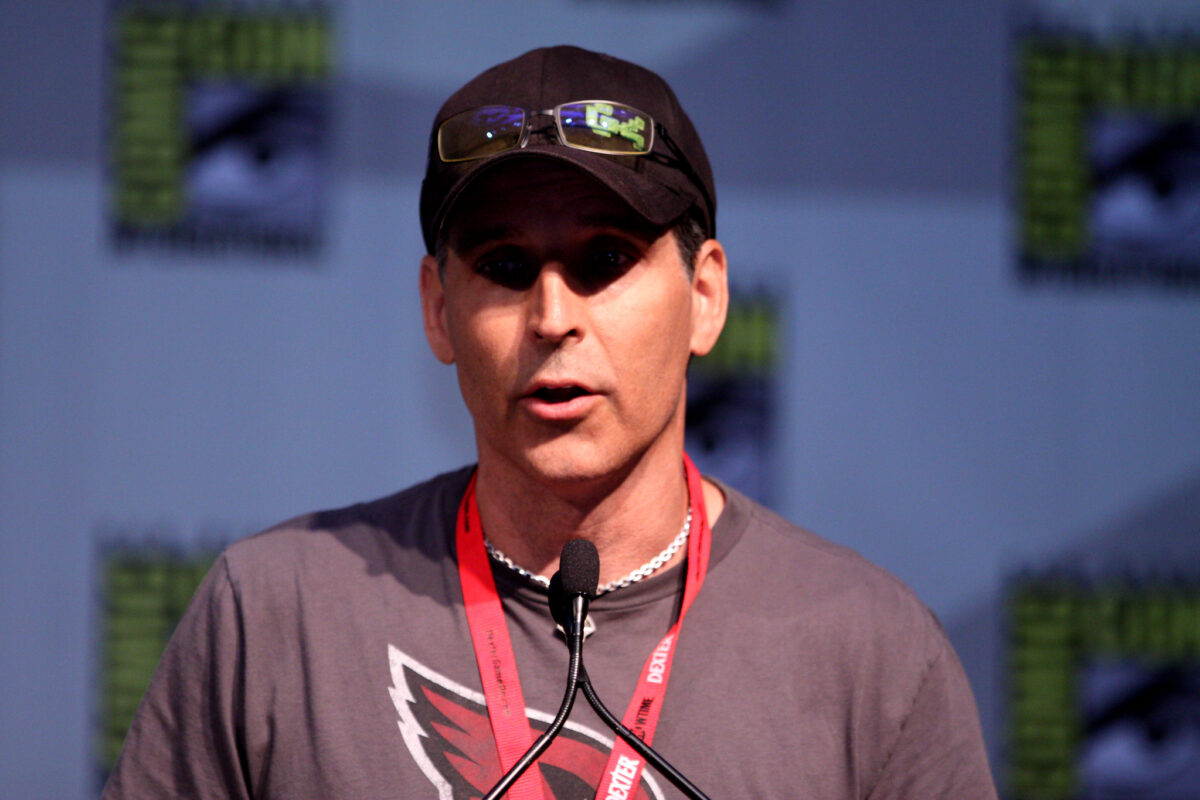
Todd McFarlane, creator of the Spawn comic series, bought not just one but multiple historic home run souvenirs at auctions. He spent $3 million on Mark McGwire’s 70th home run from 1998. He also bought several other significant pieces.
McFarlane didn’t catch these—he bought them from fans who did. But his purchases changed the market for historic memorabilia.
Suddenly everyone knew these catches had massive financial value. Fans who might have returned souvenirs in the past started calculating potential auction prices instead.
McFarlane displayed his collection in a touring exhibit, arguing that he was preserving history. Critics said he was just driving up prices and encouraging greed.
The Teenager Who Caught Pujols’ 600th
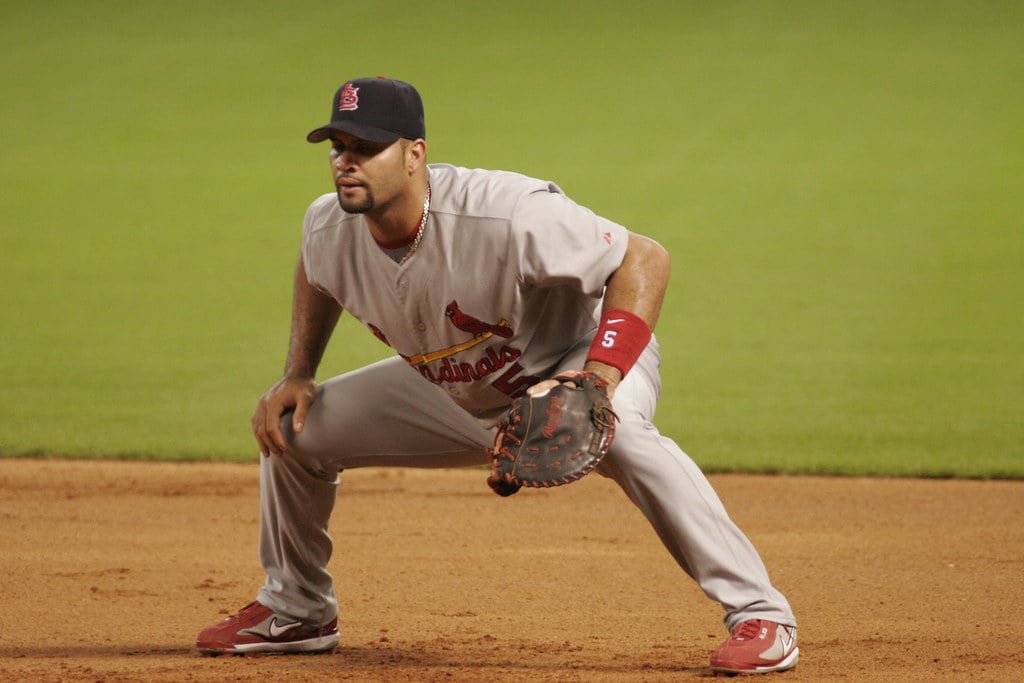
Byron Kennedy, a teenager from Louisiana, caught Albert Pujols’ 600th home run in 2014. Sitting in left field at Busch Stadium, Kennedy grabbed the souvenir and immediately gave it back to Pujols.
The Cardinals gave Kennedy signed memorabilia, including jerseys and items autographed by Pujols. His family received tickets to future games.
Kennedy said he never considered keeping it—giving it back felt right. The catch came at a time when most fans had become more mercenary about historic souvenirs.
Kennedy’s generosity stood out. People praised him on social media and sports talk radio for days afterward.
The Veterans Who Caught a President’s Throw
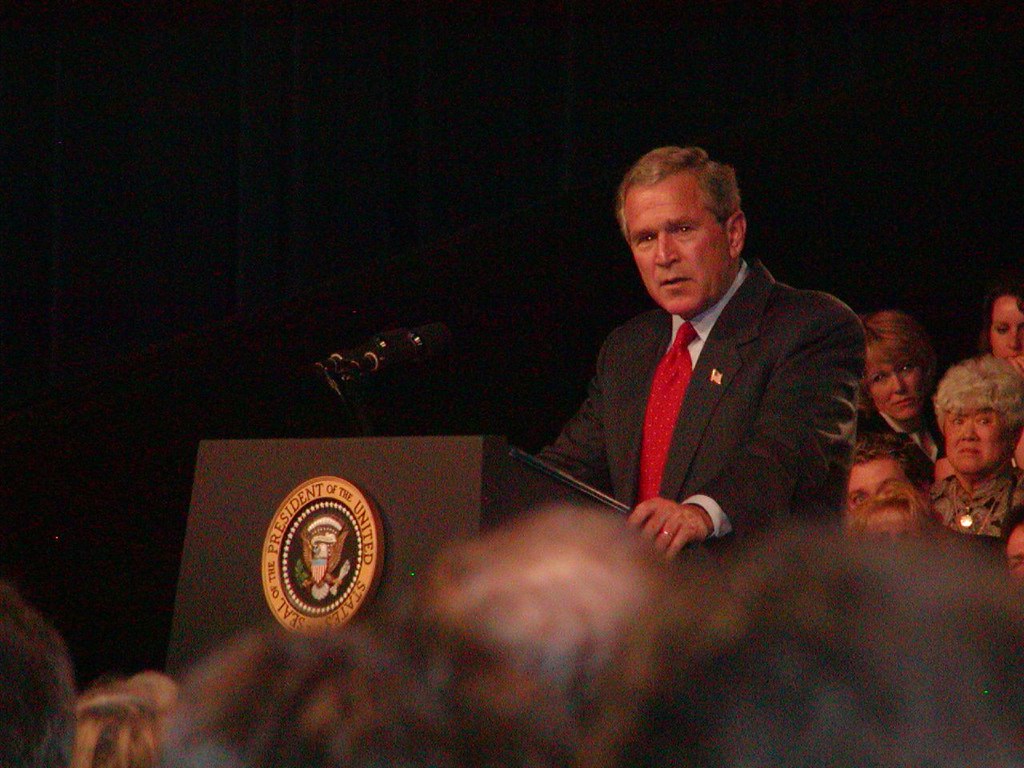
This one’s different. President George W. Bush threw out the first pitch at the 2001 World Series, shortly after September 11th. A military veteran sitting behind home plate caught the throw—a moment heavy with symbolism during a difficult time for the country.
The veteran kept the souvenir but donated it to a museum honoring first responders and military personnel. The catch itself mattered less than what it represented—resilience, tradition, and national unity during the crisis.
Bush later said that pitch, thrown from the mound at Yankee Stadium in front of 50,000 fans and surrounded by security concerns, was one of the most nervous moments of his presidency.
The Child in Left Field at Fenway
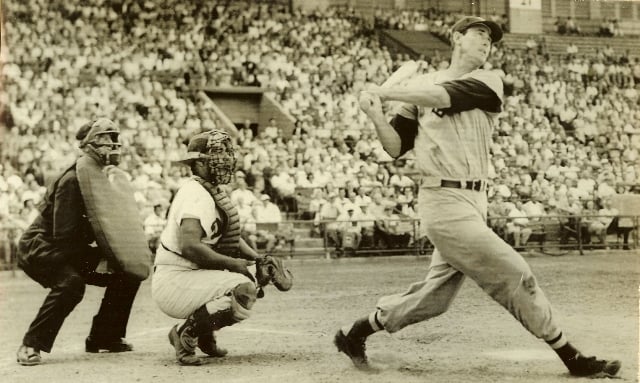
A young boy caught Ted Williams’ final home run at Fenway Park in 1960. Williams hit it in his last at-bat before retirement, providing a storybook ending to his career.
The boy’s grandfather helped him make the catch in the right field stands. The family kept it for decades.
It stayed in a safe deposit box, and the family only discussed it occasionally. After the boy grew up and had his own children, he eventually consigned it to an auction house.
It sold for over $650,000. The decision to sell sparked family debates.
Some members wanted to keep it as an heirloom. Others argued the money could provide for grandchildren’s education and secure the family’s future.
The practical side won.
The Lawyer’s Legal Battle
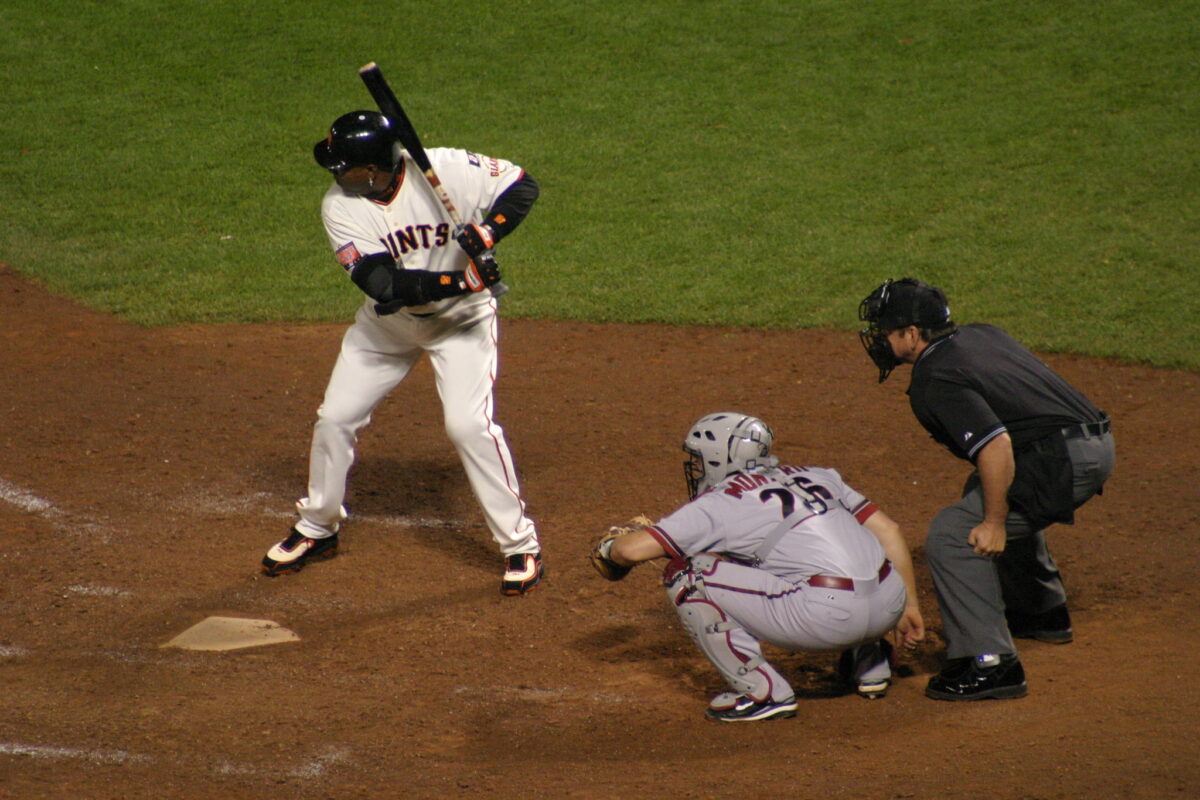
Alex Popov and Patrick Hayashi both claimed they caught Barry Bonds’ 73rd home run in 2001. Popov got his glove on it first, but Hayashi ended up with it after a scrum in the stands.
Both men hired lawyers. The case went to court. Judge Kevin McCarthy eventually ruled that both men had a legitimate claim and ordered the souvenir sold at auction with the proceeds split between them.
It sold for $450,000—less than expected because the legal battle had dragged on so long and Bonds’ reputation suffered from steroid allegations. After legal fees, each man netted far less than if they’d simply agreed to split it immediately.
The case became a cautionary tale about litigation costs exceeding potential winnings.
The Collector’s Dream Catch
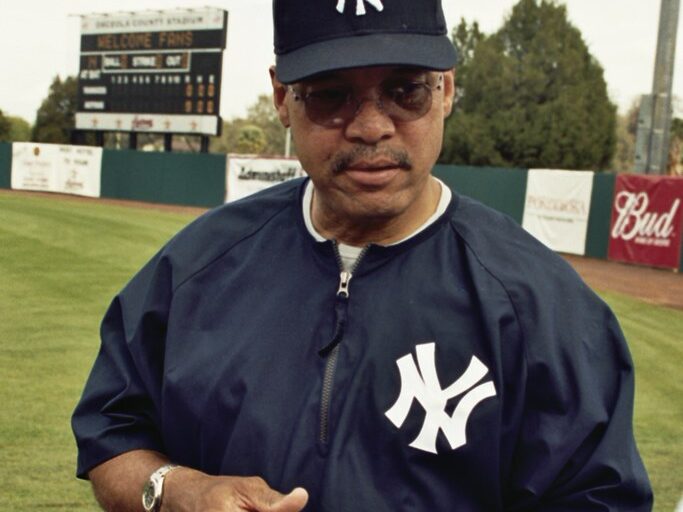
One fan who preferred anonymity caught Reggie Jackson’s third home run during Game 6 of the 1977 World Series. Jackson’s three home runs on three consecutive pitches created one of the most electric World Series moments ever.
The fan kept the souvenir in a safe for years, occasionally loaning it to exhibitions. When he finally decided to sell decades later, it fetched far more than anyone expected—collectors valued it not just as a record, but as a symbol of playoff dominance.
The sale happened quietly through a private dealer rather than a public auction. The fan used the proceeds to fund his retirement.
He never sought publicity and gave only one brief interview years later, saying he was glad to have been in the right place at that moment.
When Luck Becomes History

Happenstance writes history, never schedules it. Get in line, take a seat, wait.
Now and then, an instant lands in your lap. How you move after that tells a story – who you are when faced with what just appeared.
Hold on. Give back. Cash out.
Argue till you’re tired. Not every fan shifted things.
Just present when everything shifted anyway. A few walked away richer.
Others carried moments stuck in their heads. Each one left with a tale longer than the instant it came from.
That single play tied them, somehow, to more than cash or arguments over its fate. Part of the story now.
Even without cleats on dirt.
More from Go2Tutors!

- The Romanov Crown Jewels and Their Tragic Fate
- 13 Historical Mysteries That Science Still Can’t Solve
- Famous Hoaxes That Fooled the World for Years
- 15 Child Stars with Tragic Adult Lives
- 16 Famous Jewelry Pieces in History
Like Go2Tutors’s content? Follow us on MSN.



