15 Surprising Facts About the World’s Most Secure and Secretive Bunkers
Deep beneath our feet lies a hidden world that most people never think about. While you go about your daily routine, an entire network of fortified spaces exists in silence — some protecting government officials, others safeguarding humanity’s most precious resources.
These aren’t the fallout shelters your grandfather might have built in his backyard during the Cold War. These are engineering marvels that cost billions of dollars and took decades to construct.
The stories behind these bunkers reveal as much about human paranoia as they do about human ingenuity. From bunkers that can withstand nuclear blasts to underground cities that could house thousands for years, the lengths we go to in order to survive reveal something profound about our deepest fears — and our refusal to give up.
Cheyenne Mountain
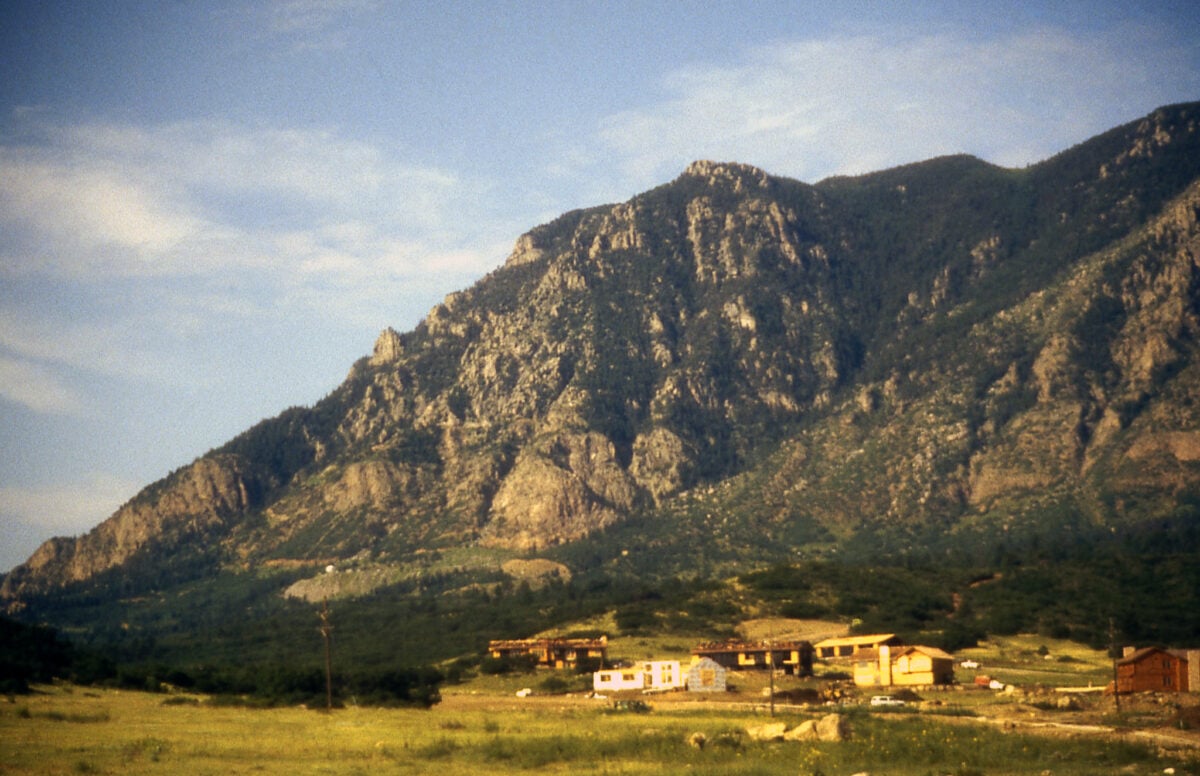
NORAD’s Cheyenne Mountain bunker sits behind blast doors that weigh 25 tons each. The entire facility rests on giant springs designed to absorb nuclear shock waves.
Most people assume this is where the military tracks Santa every Christmas, but that’s just the public relations side of a facility built to survive the end of the world.
Mount Weather
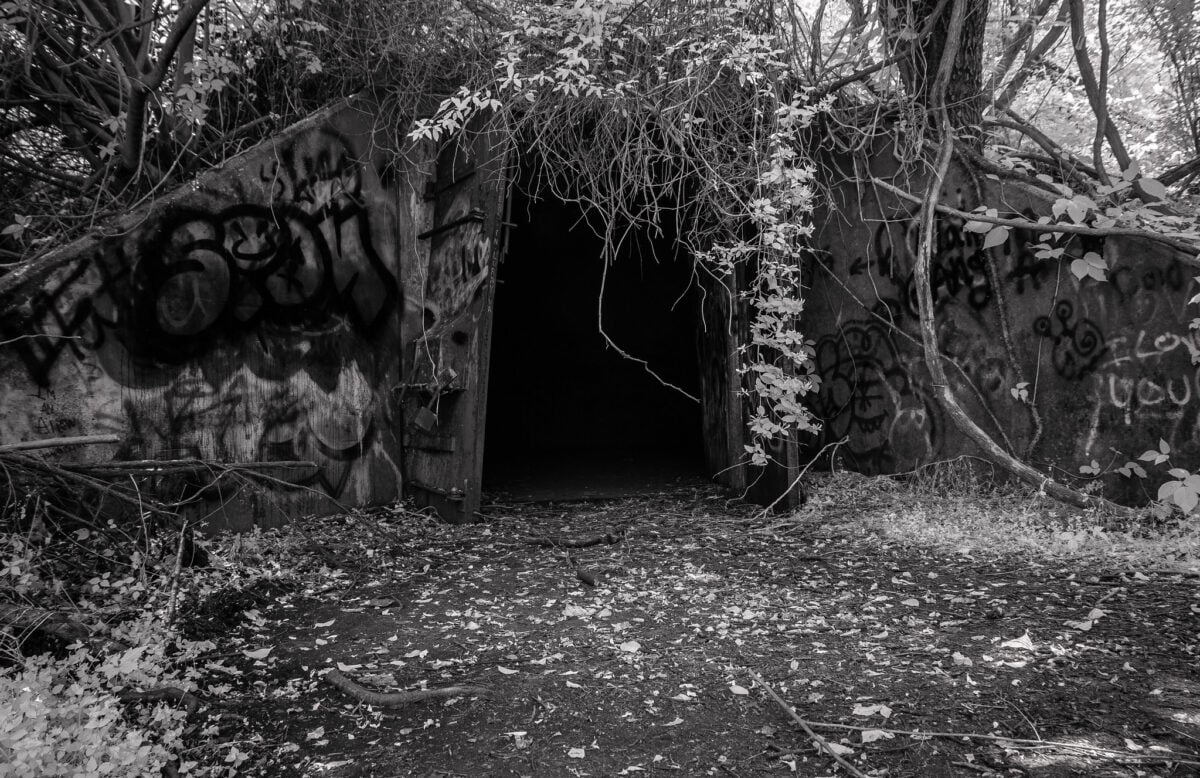
This Virginia bunker serves as the government’s shadow capital. When disaster strikes, Congress doesn’t head to a basement under the Capitol — they come here. The facility includes its own television studio, crematorium, and enough supplies to keep the government running for months.
And yet most Americans have never heard of it, which is exactly the point.
The Svalbard Seed Vault
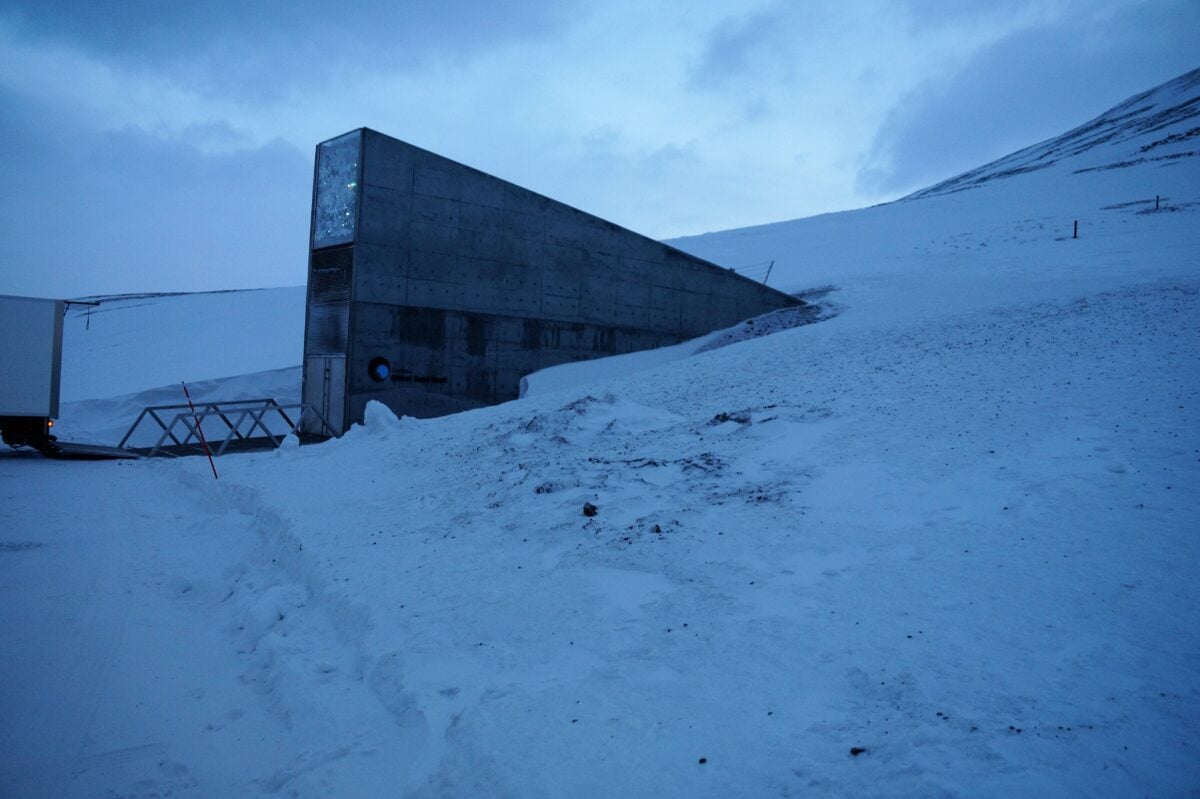
Built into a mountainside in Norway, this bunker doesn’t protect people — it protects the future of agriculture itself, and the story of how it came to exist reads like something out of science fiction (though the threats it guards against are disappointingly real). The vault stores nearly a million seed samples from around the world, each one carefully catalogued and frozen at minus 18 degrees Celsius, because someone, somewhere, decided that if civilization collapses, we should at least be able to grow tomatoes again.
The entrance looks like the mouth of a spaceship that’s crashed into the Arctic tundra, all angular concrete and stainless steel, but inside it’s surprisingly mundane — just rows and rows of shelves holding packets that look like they came from a hardware store garden section. So unremarkable.
And yet this boring-looking warehouse contains genetic material from crops that no longer exist anywhere else on Earth, varieties that were wiped out by industrial farming or climate change, sitting in climate-controlled silence waiting for a world that might never need them but probably will. The facility was designed to operate without human intervention for decades, which means it’s essentially a time capsule that maintains itself.
Even if everyone forgets it exists, the seeds will keep waiting.
Iron Mountain
This Pennsylvania facility isn’t run by the government — it’s a private company that stores the most important documents and data for corporations and institutions. The original master recordings of Elvis Presley sit here next to classified government files.
Your medical records might be stored deeper underground than nuclear launch codes, which says something unsettling about modern priorities. Iron Mountain proves that in America, capitalism finds a way to monetize even apocalypse preparation.
Companies pay millions to store their data in what amounts to a luxury bunker for hard drives and filing cabinets.
Raven Rock
Think of Raven Rock as the Pentagon’s evil twin — it lives underground, works in complete secrecy, and most people pretend it doesn’t exist, even though everyone knows it does (which creates the peculiar cognitive dissonance that surrounds so many government facilities that are simultaneously top secret and openly acknowledged). Built during the 1950s when paranoia about Soviet nuclear attacks reached fever pitch, this Maryland bunker was designed to house the Joint Chiefs of Staff and continue military operations even if Washington D.C. got turned into radioactive glass, because apparently the most important thing during a nuclear apocalypse is maintaining a proper chain of command.
The facility spans several acres underground and includes everything you’d expect — communications equipment, conference rooms, living quarters — but also everything you wouldn’t expect, like a barbershop and a cafeteria that serves three meals a day to people who might never see sunlight again. And the strangest part isn’t that it exists, but that it’s been continuously staffed and operational for over sixty years, which means there are people who go to work every day in a bunker built for the end of the world, filing reports and attending meetings as if this were the most normal thing imaginable.
The code name “Raven Rock” sounds ominous enough, but the military also calls it “Site R,” which somehow makes it sound even more sinister.
Greenbrier Bunker
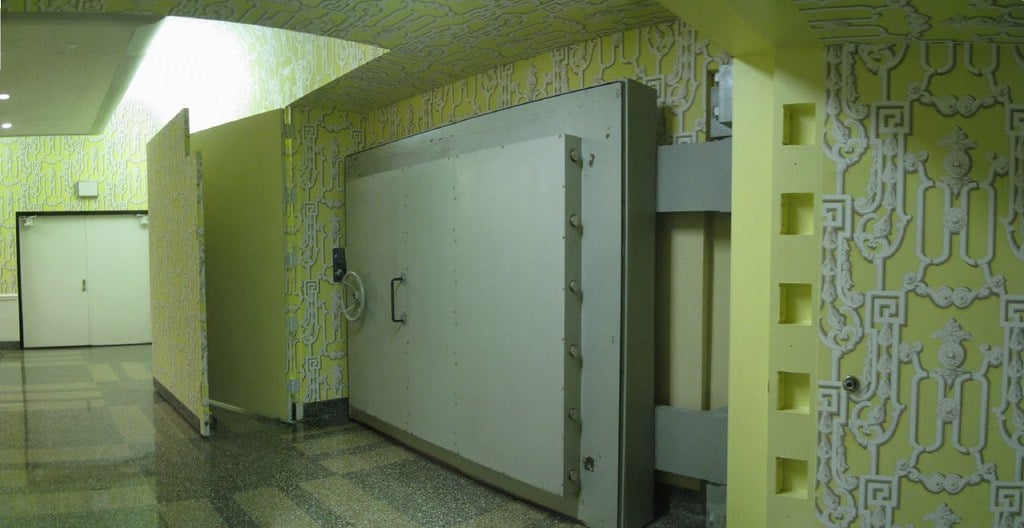
For thirty years, this West Virginia resort hid a massive government bunker beneath its golf course and conference rooms. Guests played tennis and ate fancy dinners while congressmen’s emergency offices sat empty one floor below. The bunker was finally exposed by a journalist in 1992, but here’s the thing that nobody talks about — it was decommissioned not because the secret got out, but because the government had already built something better somewhere else.
The Greenbrier proves that paranoia and luxury make strange bedfellows. Even during nuclear war, apparently, senators expected room service.
Yamantau Mountain
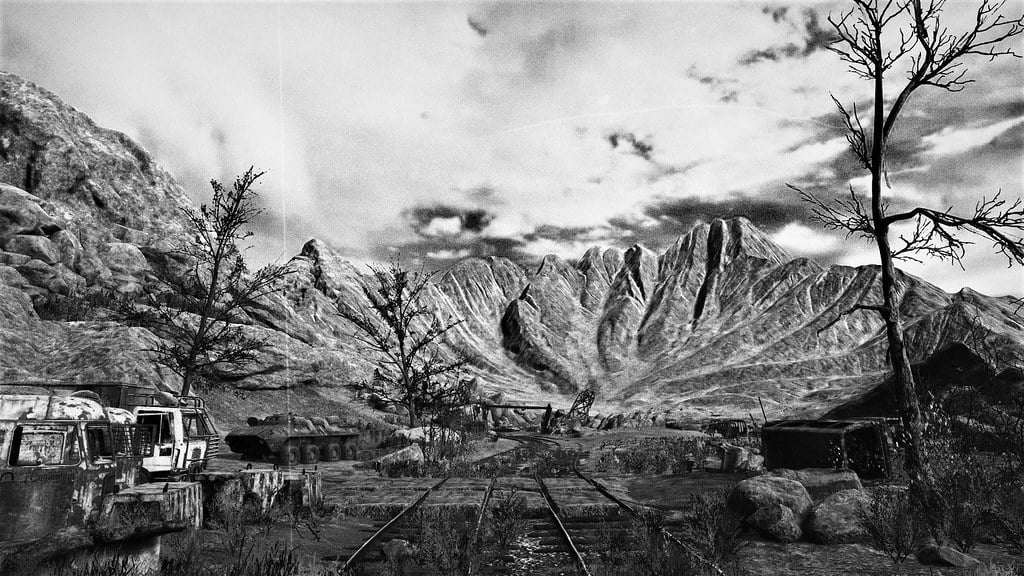
Russia’s Yamantau Mountain complex represents the kind of project that makes other countries nervous, and for good reason — it’s been under construction for decades, employs thousands of workers, and nobody outside the Russian government knows what it actually does (though the scale suggests it’s not designed for anything small or peaceful). American intelligence agencies have been watching this project since the 1990s, trying to figure out whether it’s a military command center, a nuclear weapons storage facility, a mining operation, or something else entirely, but the Russians have been remarkably good at keeping secrets, which is saying something in an age when satellite imagery can count the cars in your driveway.
The mountain itself has been hollowed out to an extent that’s visible from space — you can literally see the scars where rock has been removed — but the purpose remains as opaque as ever. And the timing is what makes it truly unsettling: construction ramped up just as the Cold War was supposedly ending, which suggests that someone in Moscow decided the world was becoming more dangerous, not less.
Workers at the site live in a closed city that doesn’t appear on maps, which means there’s an entire community of people whose job it is to build something they’re not allowed to talk about.
Burlington Bunker
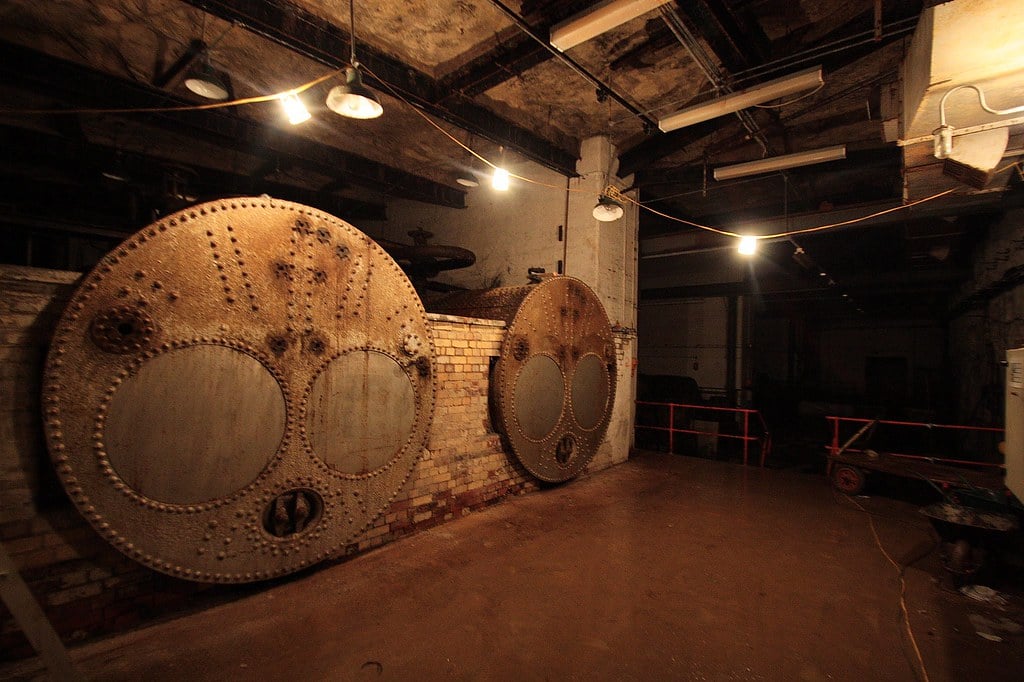
Britain built this bunker in the 1950s to house 4,000 government officials during nuclear war. The facility includes a BBC studio for broadcasting to survivors and a pub called “The Rose and Crown” because apparently British morale during the apocalypse depends on maintaining proper drinking establishments.
The bunker was kept secret until the 1980s, when the government quietly admitted it existed but refused to give tours.
Chagai Hills
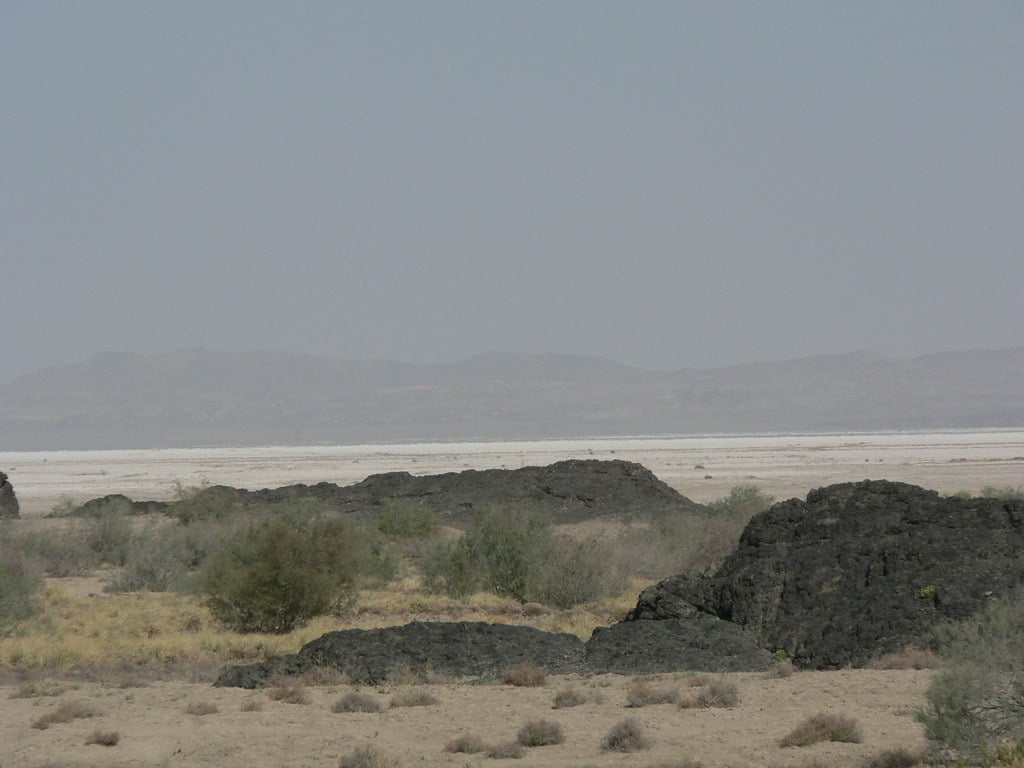
Pakistan’s nuclear test site doubles as a hardened bunker complex built into natural caves and reinforced with concrete. The location was chosen not just for its remoteness, but because the mountain itself provides natural protection against both surveillance and attack.
Pakistan conducted its first nuclear tests here in 1998, and the facility has been continuously expanded ever since.
Continuation of Government Facilities
The U.S. operates dozens of bunkers designed to keep the government running during disasters, but the exact number and locations remain classified even decades after construction, which creates the slightly surreal situation where everyone knows these places exist but nobody’s supposed to talk about them (kind of like that relative everyone has who drinks too much at family gatherings but is never directly acknowledged as having a problem). What makes these facilities particularly fascinating isn’t their existence — of course the government built backup locations — but their redundancy: there are backups for the backups, alternative sites for the alternative sites, a whole network of underground offices and conference rooms and communications centers that most elected officials don’t even know about.
And the people who work at these places live in a strange professional limbo, maintaining facilities that might never be used, testing equipment for scenarios that everyone hopes will never happen, keeping secrets that aren’t particularly interesting but remain classified anyway out of institutional habit. So they show up to work every day in bunkers that smell like concrete and recycled air, updating emergency protocols and checking generator fuel levels, just in case the world ends on a Tuesday.
The strangest part isn’t that these facilities exist, but that they’re designed to preserve a government that might be governing a country that no longer exists.
Deep Underground Command Centers
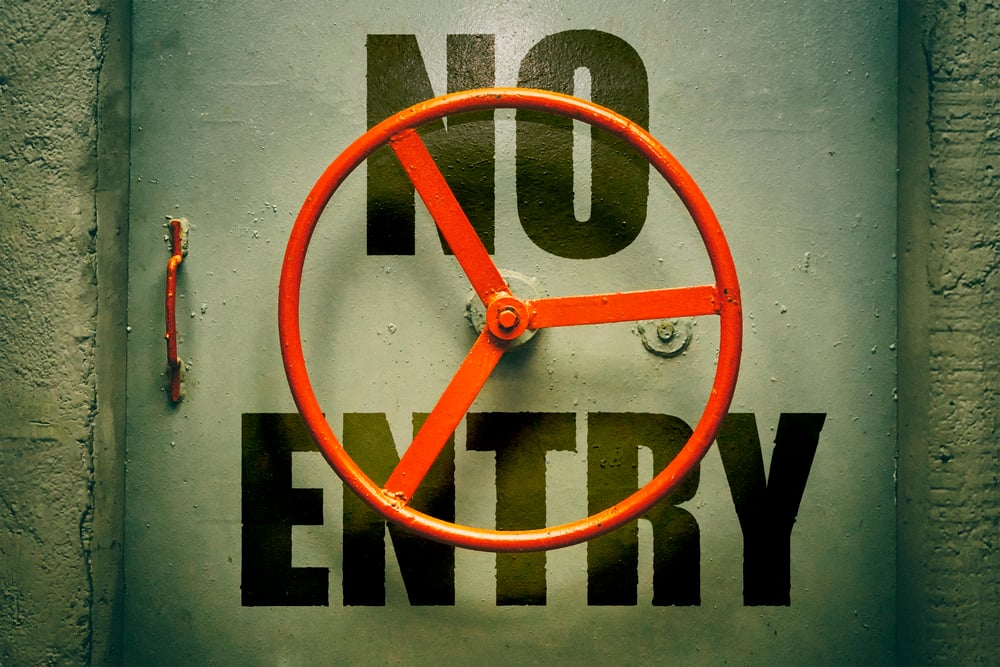
Modern military bunkers go deeper than their Cold War predecessors. Some facilities descend over 1,000 feet below ground, deep enough that even bunker-busting nuclear weapons can’t reach them.
These depths require specialized elevators, pressurization systems, and geological surveys to ensure the bedrock can support the weight. The engineering challenges alone cost more than most countries’ entire defense budgets.
Swiss Bunker Network
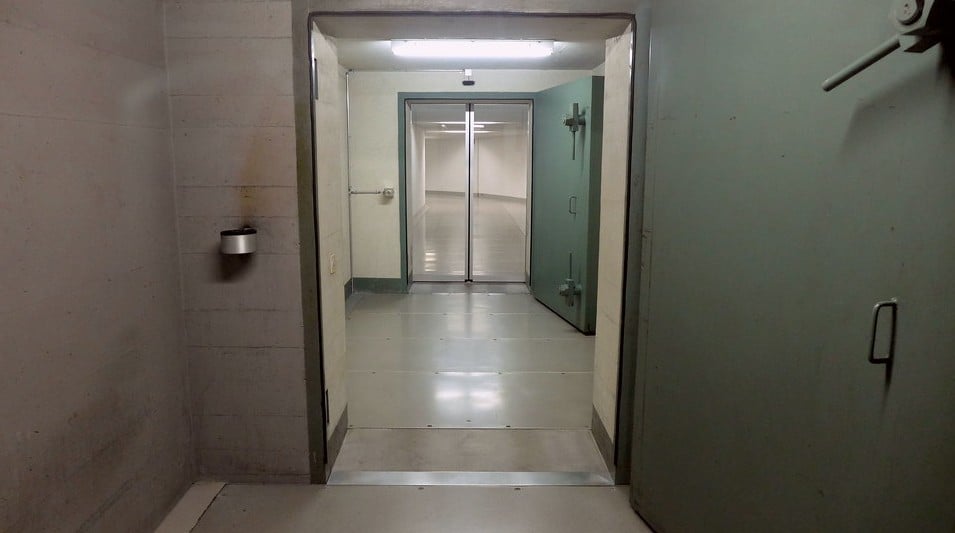
Switzerland built enough bunker space to shelter its entire population during the Cold War. Every building constructed after 1963 was required to include a fallout shelter, and the country maintains massive underground facilities carved into the Alps.
Switzerland proves that neutrality doesn’t mean being unprepared — sometimes it means being more prepared than everyone else. The Swiss approach to bunkers reflects their national character: methodical, thorough, and slightly obsessive about details that other countries might overlook.
Beijing Underground City
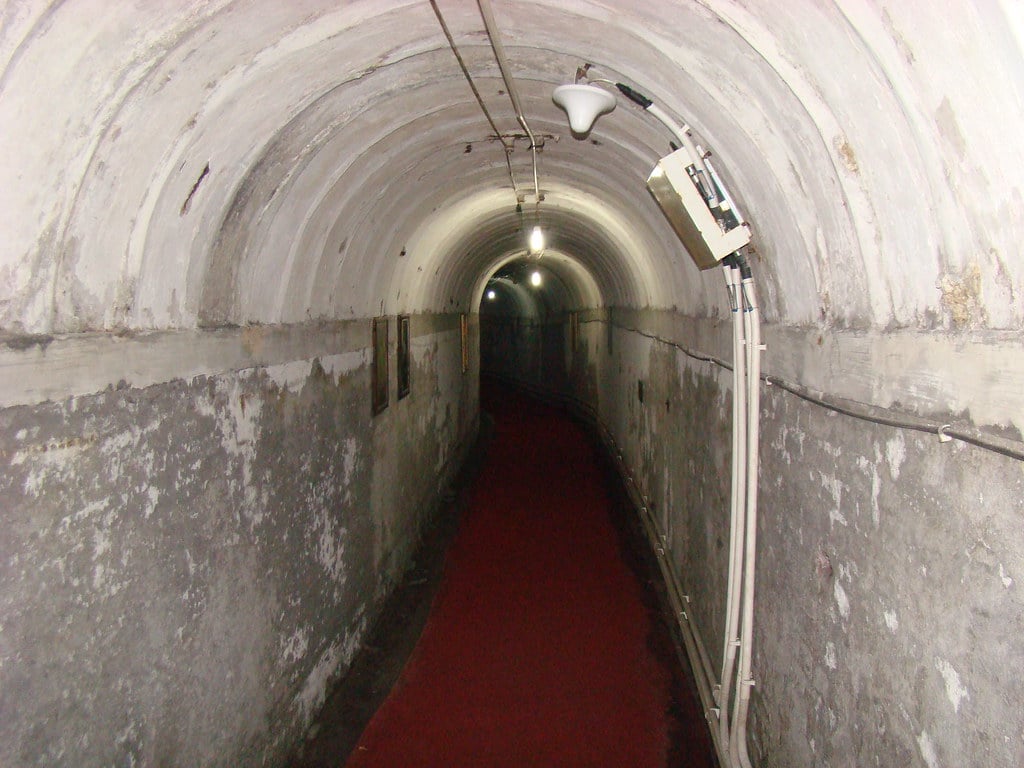
China’s underground tunnel system beneath Beijing was built during the 1970s to protect citizens from Soviet nuclear attack, and walking through these tunnels today feels like exploring the physical manifestation of political paranoia — miles of concrete corridors connecting basements and bomb shelters, wide enough for trucks but lit like hospital hallways, empty now except for the occasional tourist group being led through sections that have been converted into museums. The system was designed to shelter hundreds of thousands of people, with underground hospitals, schools, and even factories, because Mao’s government apparently believed that life during nuclear war should continue as normally as possible, just several stories below ground.
And the scale is what strikes you first: this isn’t a bunker, it’s a shadow city, complete with its own ventilation systems and underground rivers diverted to provide fresh water, built by hand during a time when China’s economy could barely feed its population but somehow found resources to hollow out the bedrock beneath its capital city.
Most of the tunnels remain sealed and unused, a vast network of empty spaces that cost enormous amounts of money and accomplished nothing except making a few officials feel more secure.
Strategic Petroleum Reserve
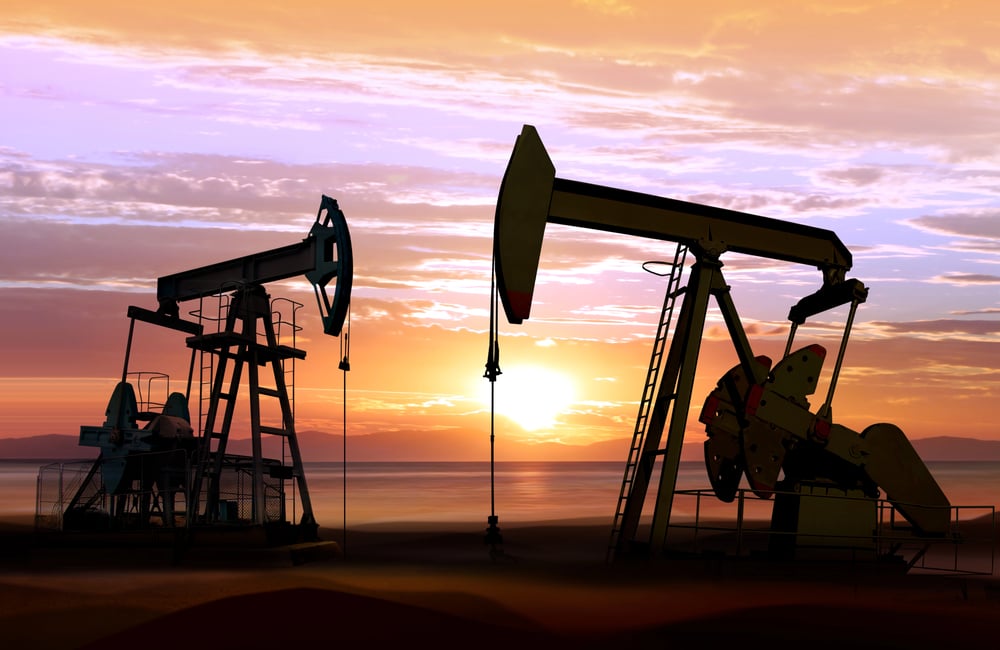
America’s emergency oil supply sits in underground salt caverns along the Gulf Coast. These aren’t traditional bunkers, but they serve the same purpose — protecting a critical resource from attack or disruption.
The caverns are so large that each one could hold the entire volume of oil that America consumes in a day, yet they’re nearly invisible from the surface.
Project Greek Island
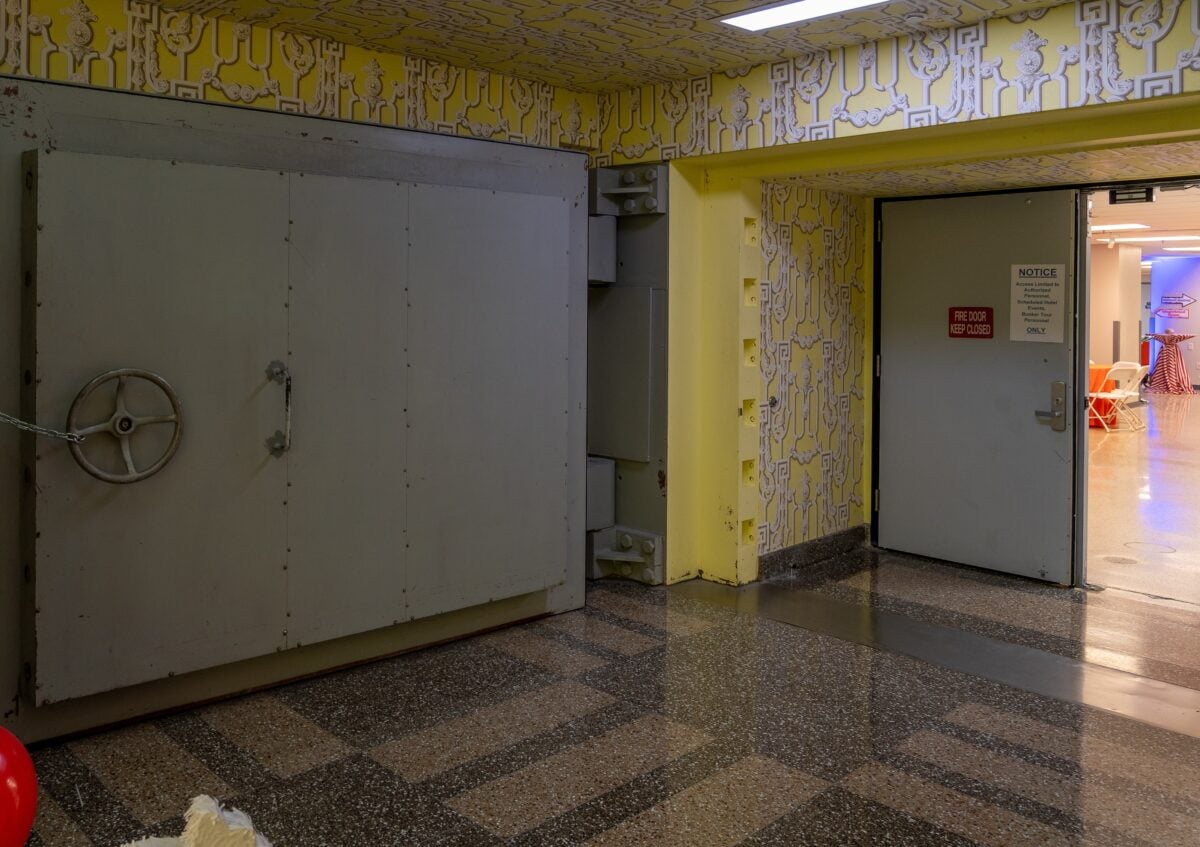
This was the code name for the Greenbrier bunker project, but it also represents something larger — the military’s tendency to give normal-sounding names to abnormal projects. “Greek Island” sounds like a vacation destination, not a place where Congress would govern a post-nuclear America.
The naming convention reveals how bureaucrats think about the unthinkable: by making it sound routine.
What Lies Beneath
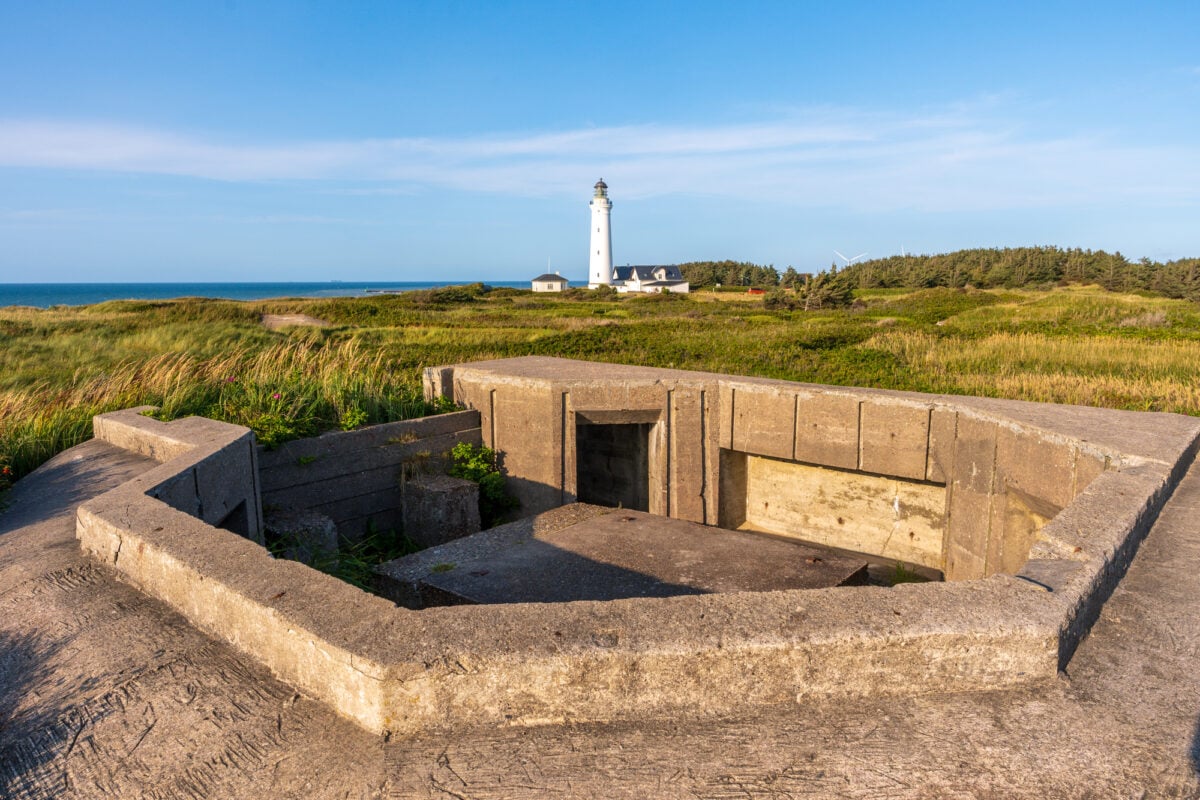
These bunkers exist in the space between rational preparation and irrational fear. They’re engineering marvels built for scenarios that everyone hopes will never happen, maintained by people who spend their careers planning for disasters they’ll probably never see.
And yet their existence provides a strange kind of comfort — not because they guarantee survival, but because they represent humanity’s stubborn refusal to accept endings. The real surprise isn’t what these bunkers contain, but what they reveal about the people who built them.
Faced with the possibility of annihilation, we didn’t just dig pits and hope for the best. We built underground cities, preserved seeds for future harvests, and made sure that even after the world ended, someone would still be around to argue about budgets and broadcast the news.
More from Go2Tutors!

- The Romanov Crown Jewels and Their Tragic Fate
- 13 Historical Mysteries That Science Still Can’t Solve
- Famous Hoaxes That Fooled the World for Years
- 15 Child Stars with Tragic Adult Lives
- 16 Famous Jewelry Pieces in History
Like Go2Tutors’s content? Follow us on MSN.