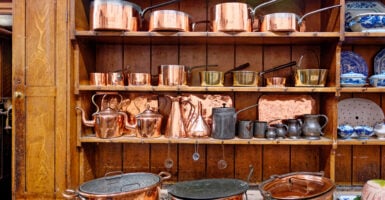
Ancient Materials We Still Admire
Some things last because they work. Stone, bronze, clay, wood—materials people have used for thousands of years still show up in modern buildings, art, and everyday objects.
The ancient world figured out how to work with what the earth provided, and many of those choices turned out to be permanent. You see these materials everywhere, often without thinking about how old their use really is.
The marble countertop in a kitchen uses the same stone that Roman emperors chose for their palaces. The bronze sculpture in a city park relies on metalworking techniques perfected millennia ago.
These materials survived not because of nostalgia, but because their properties remain unmatched even with modern alternatives.
Marble’s Enduring Elegance

Marble transforms when light hits it. The stone has a translucency that makes it seem to glow from within.
Ancient sculptors in Greece and Rome understood this quality and used it to create figures that appeared almost alive. The Parthenon’s marble columns still stand partly because the material ages well, developing a patina rather than crumbling.
Modern architects and designers keep returning to marble for the same reasons. The stone works equally well in grand public spaces and intimate interiors.
Each piece carries unique veining patterns, making every installation distinct. The weight and coolness of marble communicate permanence and luxury without requiring any embellishment.
Quarrying and working marble remains expensive and labor-intensive, but alternatives never quite match it. Synthetic materials can mimic the look, but not the feel or the way natural light interacts with the stone.
Marble continues to signify quality precisely because it has for so long.
Bronze’s Reliable Strength

Bronze was humanity’s first major metal alloy, and it changed everything. Mixing copper with tin created a material harder than either component alone, durable enough for tools and weapons that could hold an edge.
The Bronze Age earned its name for good reason. But bronze’s real staying power comes from its versatility.
The alloy doesn’t rust like iron. It can be cast into intricate shapes, polished to a mirror finish, or left to develop a green patina.
Sculptures cast in bronze 2,000 years ago still exist, weathered but intact, while iron pieces from the same era have long since corroded away.
Today, bronze appears in everything from church bells to ship propellers. The metal’s resistance to saltwater corrosion makes it essential for marine applications.
Its acoustic properties remain unmatched for musical instruments and bells. Architects still specify bronze for door hardware and decorative elements that will last decades without maintenance.
Terracotta’s Practical Beauty
Clay, shaped and fired, becomes terracotta. The ancient Chinese built the Terracotta Army with it.
Roman builders used terracotta tiles for roofs and water pipes. Mediterranean cultures made storage vessels that kept wine and olive oil fresh for months.
The material was cheap, abundant, and durable. Terracotta remains popular because it solves practical problems elegantly.
The fired clay breathes, allowing air circulation that prevents mold in humid climates. Terracotta pots are still the preferred container for many plants because the porous material wicks away excess water while insulating roots from temperature swings.
Modern architecture has rediscovered terracotta cladding. The material’s natural color varies from yellow to deep red depending on the clay and firing temperature, providing visual interest without paint.
Terracotta panels age gracefully, developing richer tones over time rather than looking worn. And unlike many modern materials, terracotta is genuinely sustainable—just earth and fire.
Gold’s Permanent Shine

Gold doesn’t tarnish, rust, or decay. Ancient Egyptians knew this, which is why they used gold for burial masks and jewelry meant to last through eternity.
Gold artifacts pulled from shipwrecks look nearly as bright as the day they sank. No chemical reaction can touch pure gold at normal temperatures.
This permanence gives gold a psychological weight beyond its monetary value. Gold represents the unchanging and eternal in ways other materials can’t match.
Wedding rings are gold because the metal symbolizes a bond that won’t corrode. Luxury brands use gold accents because the material immediately communicates lasting value.
Modern industry relies on gold’s unique properties. The metal conducts electricity reliably and resists corrosion, making it essential for electronic connections in devices that must work flawlessly.
Every smartphone contains small amounts of gold in its circuits. The ancient world valued gold for beauty, but its functional properties ensure continued use.
Cedar’s Natural Resistance

Cedar wood repels insects, resists rot, and smells pleasant. Ancient shipbuilders in the Mediterranean preferred cedar for vessels that would spend years at sea.
The wood’s natural oils protect it from decay without any treatment. Lebanese cedar was so prized that ancient empires fought for control of the forests.
Modern uses of cedar haven’t changed much. The wood lines close because moths avoid it.
Cedar shingles protect roofs for decades without chemical preservatives. Outdoor furniture made from cedar withstands weather that destroys other woods.
The pleasant aroma is a bonus—the compounds that create the scent are the same ones that repel insects and prevent fungal growth. Unfortunately, centuries of overharvesting decimated the ancient cedar forests.
Today’s cedar comes from managed sources, mostly different species than the legendary Lebanese cedars, but the wood’s properties remain remarkably similar across cedar varieties. The material that built ancient temples still builds modern decks.
Granite’s Tough Foundation

Granite is hard. Really hard.
Ancient Egyptians somehow carved granite obelisks weighing hundreds of tons, transported them hundreds of miles, and erected them as monuments. Those obelisks still stand, their hieroglyphics still crisp after 3,000 years.
Granite outlasts almost everything else. This durability makes granite the practical choice for applications requiring extreme longevity.
Gravestones, monuments, building facades—anywhere that wear resistance matters, granite appears. The stone takes a high polish that lasts outdoors for decades.
It doesn’t stain easily, doesn’t scratch easily, and doesn’t chip easily. Kitchen countertops use granite for the same reason ancient temples did: nothing else combines hardness, beauty, and practical durability in quite the same way.
Each piece displays unique patterns of minerals locked in crystalline structure. The stone feels substantial.
It communicates permanence at a primal level that newer materials struggle to match.
Linen’s Ancient Comfort

Flax fibers, woven into linen, create fabric that gets softer with each washing. Ancient Egyptians wrapped mummies in linen because the fabric lasted.
Medieval Europeans used linen for everything from undergarments to ship sails. The textile breathes better than almost any other natural fiber, making it cool in summer and comfortable against skin.
Linen keeps reappearing in fashion because its qualities remain desirable. The fabric drapes beautifully.
It resists dirt and bacteria naturally. High-quality linen develops a unique patina with age, becoming more attractive over time rather than wearing out.
Expensive bed linens are linen for the simple reason that nothing else feels quite as good. Modern synthetic fabrics can mimic some of linen’s properties, but the combination of breathability, strength, and texture proves difficult to replicate.
Linen wrinkles easily, which once seemed like a flaw but now reads as a sign of natural fiber in a world of permanent press. The creases prove authenticity.
Limestone’s Quiet Presence

Limestone built the pyramids. The stone is softer than granite, easier to cut and shape, but still hard enough to last millennia.
Ancient quarries near building sites provided massive blocks that crews could move with simple tools and techniques. The stone’s relative softness made carving decorative elements possible.
Modern construction uses limestone for the same practical reasons. The stone cuts cleanly, works easily, and costs less than harder alternatives.
Crushed limestone becomes the base for roads and buildings. Whole limestone becomes architectural cladding that ages gracefully, darkening slightly over decades but remaining structurally sound for centuries.
The warmth of limestone’s color—usually cream, tan, or light gray—makes it psychologically appealing in ways purely white materials aren’t. Limestone feels grounded and natural without overwhelming spaces with strong color.
It’s the background material that lets other elements shine.
Iron’s Transformation

Pure iron corrodes easily, but ancient blacksmiths discovered that heating and hammering iron into steel created something far more useful. The process removed impurities and aligned the metal’s crystalline structure, resulting in material that could hold a sharp edge and withstand tremendous force.
Damascus steel became legendary for its strength and distinctive wavy patterns. Modern steel is purer and more consistent than ancient versions, but the basic principle remains unchanged.
Iron alloyed with small amounts of carbon becomes steel, which still forms the skeleton of buildings, the structure of vehicles, and the edge of cutting tools. No other material combines strength, workability, and affordability in quite the same way.
Cast iron—iron with higher carbon content poured into molds—appears in everything from skillets to engine blocks. The material distributes heat evenly, holds heat well, and lasts essentially forever with minimal care.
Ancient cast iron bells still ring. Modern cast iron cookware often comes pre-seasoned but otherwise uses manufacturing techniques that would be recognizable to craftspeople from centuries ago.
Glass’s Clear Advantage
Roman glassmakers perfected techniques for creating clear, relatively flat panes. Glass vessels from the Roman era still exist in museums, their transparency intact.
Glass doesn’t decay, doesn’t absorb liquids, and doesn’t react with most substances. These properties made glass essential for containers, windows, and decorative objects.
Modern glass manufacturing creates stronger, clearer products than ancient versions, but the fundamental material remains the same: melted silica sand. Glass still fills the same roles it did 2,000 years ago—windows that admit light, containers that preserve contents, decorative objects that catch and refract light.
The material’s total imperviousness to most forms of decay means glass from any era looks essentially the same if properly preserved. Specialized glasses now exist for countless applications, from tempered safety glass to fiber optics, but these innovations build on the same basic chemistry ancient glassmakers stumbled upon.
The material’s transparency and formability ensure its continued relevance.
Jade’s Cultural Weight
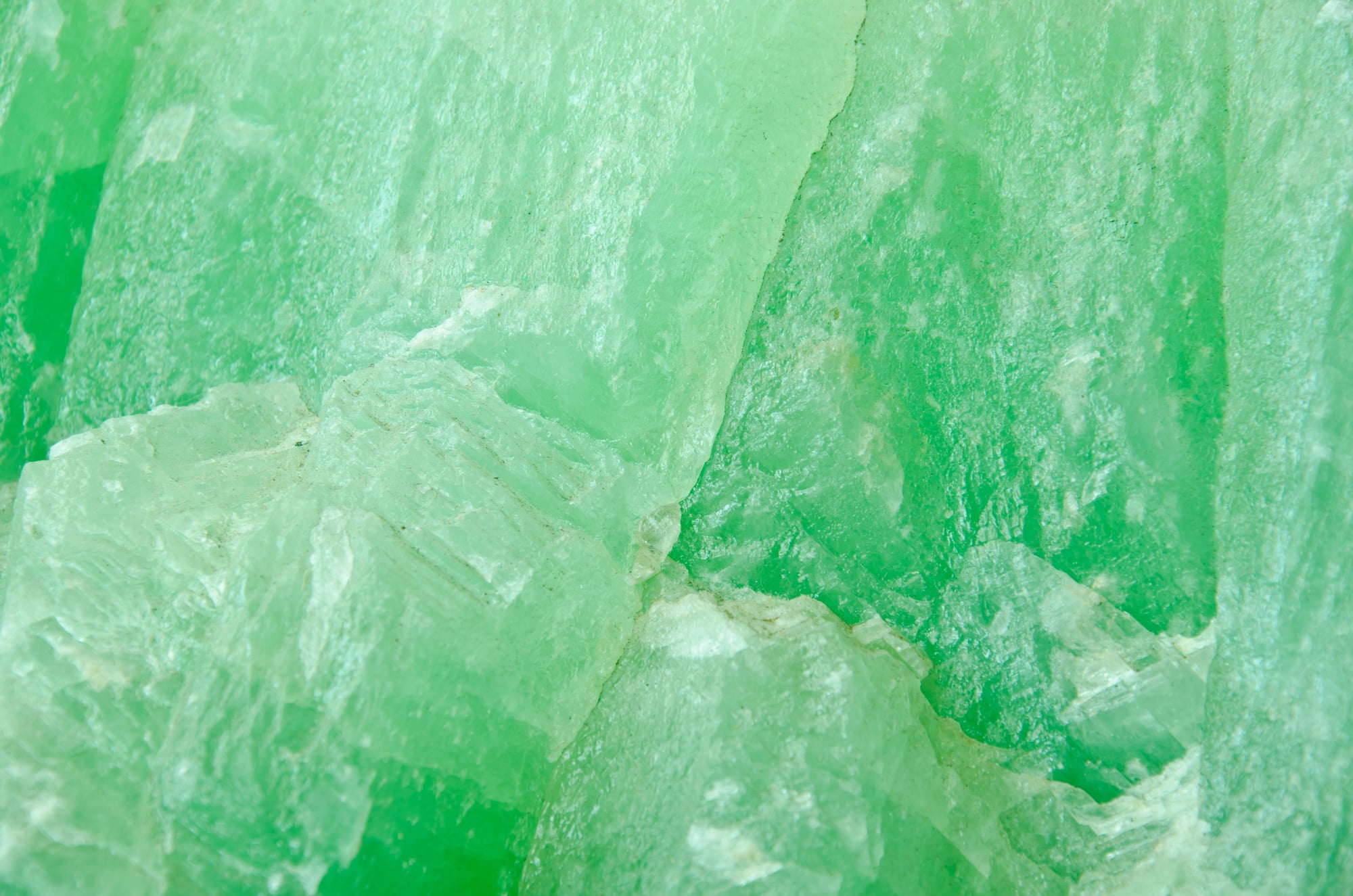
Jade is harder than steel. Ancient Chinese craftspeople spent months carving a single piece, using abrasives and tremendous patience to shape the stone.
The effort invested in jade objects made them valuable, but the stone’s properties made them durable. Jade carvings thousands of years old show remarkably fine detail still perfectly preserved.
The stone’s toughness comes from its interlocking crystalline structure. You can’t shatter jade easily—it absorbs impact rather than fracturing cleanly.
This made jade useful for tools in some cultures, but its beauty and rarity made it more valuable for ceremonial and decorative purposes. The cool, smooth feel of polished jade and its subtle color variations create an aesthetic that’s instantly recognizable.
Modern jade carving follows ancient techniques because there’s no significantly better way to work the material. Diamond tools speed the process, but hand finishing still produces the best results.
Jade remains culturally significant in many East Asian communities, valued for the same reasons it was 4,000 years ago—beauty, durability, and the skill required to work it.
Leather’s Flexible Durability
Tanned animal hides create leather, material that’s both flexible and durable. Ancient civilizations used leather for clothing, armor, containers, and writing surfaces.
Properly tanned leather lasts decades, developing character as it ages. The material breathes, stretches, and molds to use patterns while maintaining its structure.
Modern leather production has become more consistent and less labor-intensive than ancient methods, but the resulting material serves the same purposes. Leather shoes still conform to feet better than synthetic alternatives.
Leather upholstery still feels more substantial than fabric. Leather goods still signal quality and durability in ways plastic can’t match.
The material’s ability to absorb dyes while retaining natural texture makes each leather item slightly unique. Scratches and wear marks add character rather than diminishing value.
Well-maintained leather items from a century ago still function perfectly. That longevity, combined with leather’s tactile appeal, ensures continued use despite the availability of cheaper alternatives.
What These Materials Share
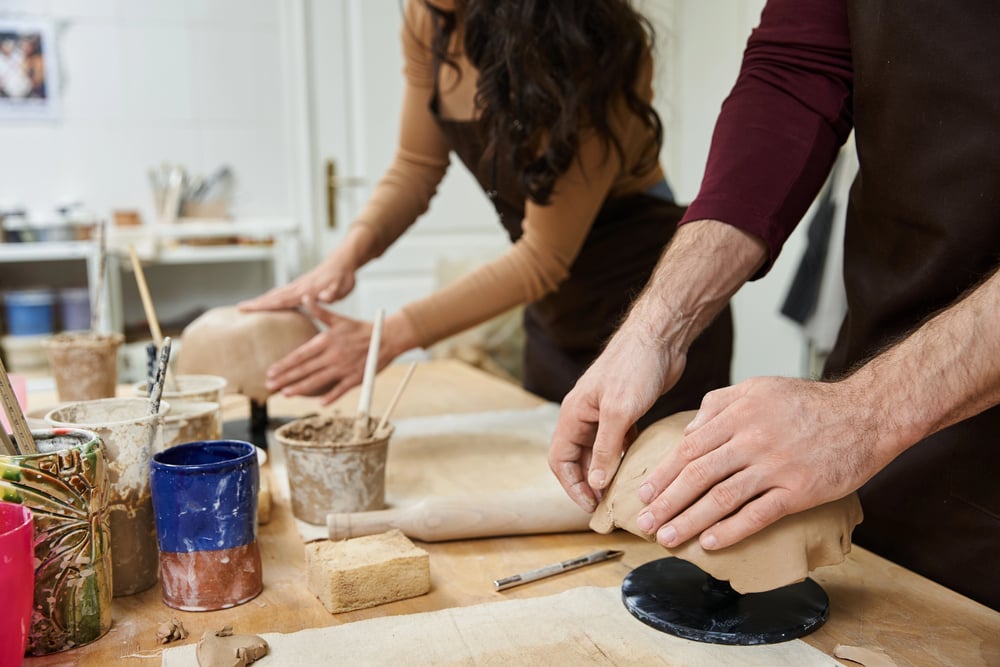
These materials persist because they solved problems perfectly the first time. Bronze doesn’t rust. Marble catches light beautifully.
Granite resists everything. Each material does something specific better than alternatives, ancient or modern.
Their physical properties haven’t changed in thousands of years, and neither have human needs and preferences. The materials also age well.
Stone develops patina. Bronze turns green. Wood gains character.
These changes generally improve appearance rather than diminishing it, unlike many modern materials that simply look worn after years of use. The aging process becomes part of the material’s story, adding layers of meaning and visual interest over time.
Ancient builders and craftspeople worked with what the earth provided, and their choices proved good enough that nobody’s found sufficient reason to abandon them.
More from Go2Tutors!

- The Romanov Crown Jewels and Their Tragic Fate
- 13 Historical Mysteries That Science Still Can’t Solve
- Famous Hoaxes That Fooled the World for Years
- 15 Child Stars with Tragic Adult Lives
- 16 Famous Jewelry Pieces in History
Like Go2Tutors’s content? Follow us on M