Ancient Ruins Discovered Beneath Modern City Streets
There’s something quietly disorienting about standing on a busy sidewalk, coffee in hand, traffic grinding past, and knowing that somewhere beneath your feet — maybe twenty feet down, maybe fifty — the remnants of an entirely different civilization are sitting in the dark. Not metaphorically. Literally.
Across dozens of cities around the world, construction crews drilling for subway lines or utility workers digging for pipes have broken through into chambers, streets, and temples that nobody living had ever seen. The ground beneath modern cities turns out to be one of the most honest historians on the planet — stubborn, patient, and completely indifferent to the skyline above it.
Rome’s Underground Neighborhoods
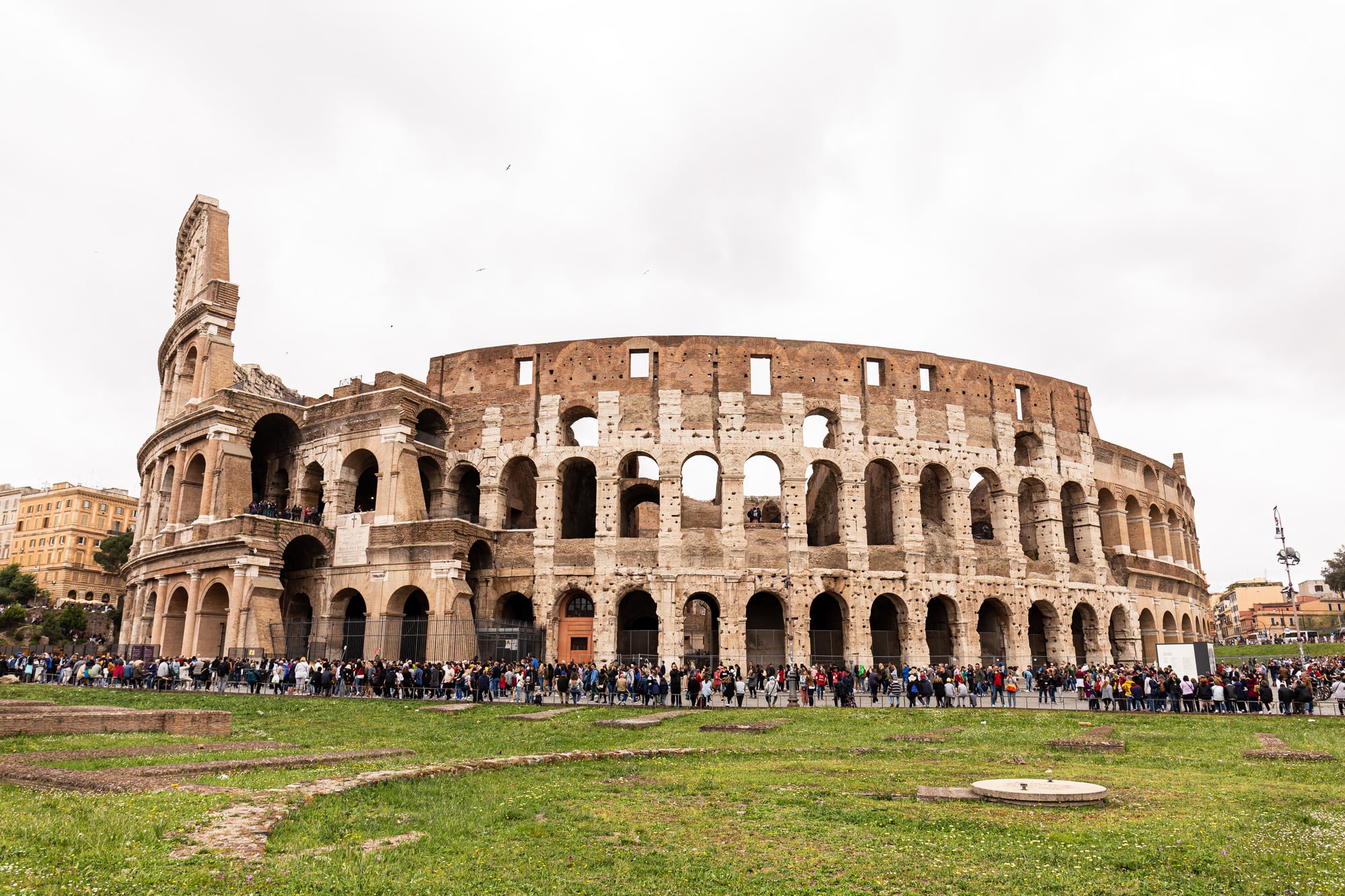
Rome doesn’t hide its age so much as layer it, the way a geological formation layers rock — each stratum a different era, compressed and preserved beneath the weight of everything that came after. Construction on the metro system has been paused, rerouted, and redesigned so many times due to unexpected archaeological finds that the city’s transit authority practically builds archaeological uncertainty into its budget.
A planned station near the Piazza Venezia uncovered a sprawling neighborhood of ancient Roman homes, shops, and streets — intact enough to walk through, if the engineers hadn’t needed to keep going.
London’s Roman Amphitheater
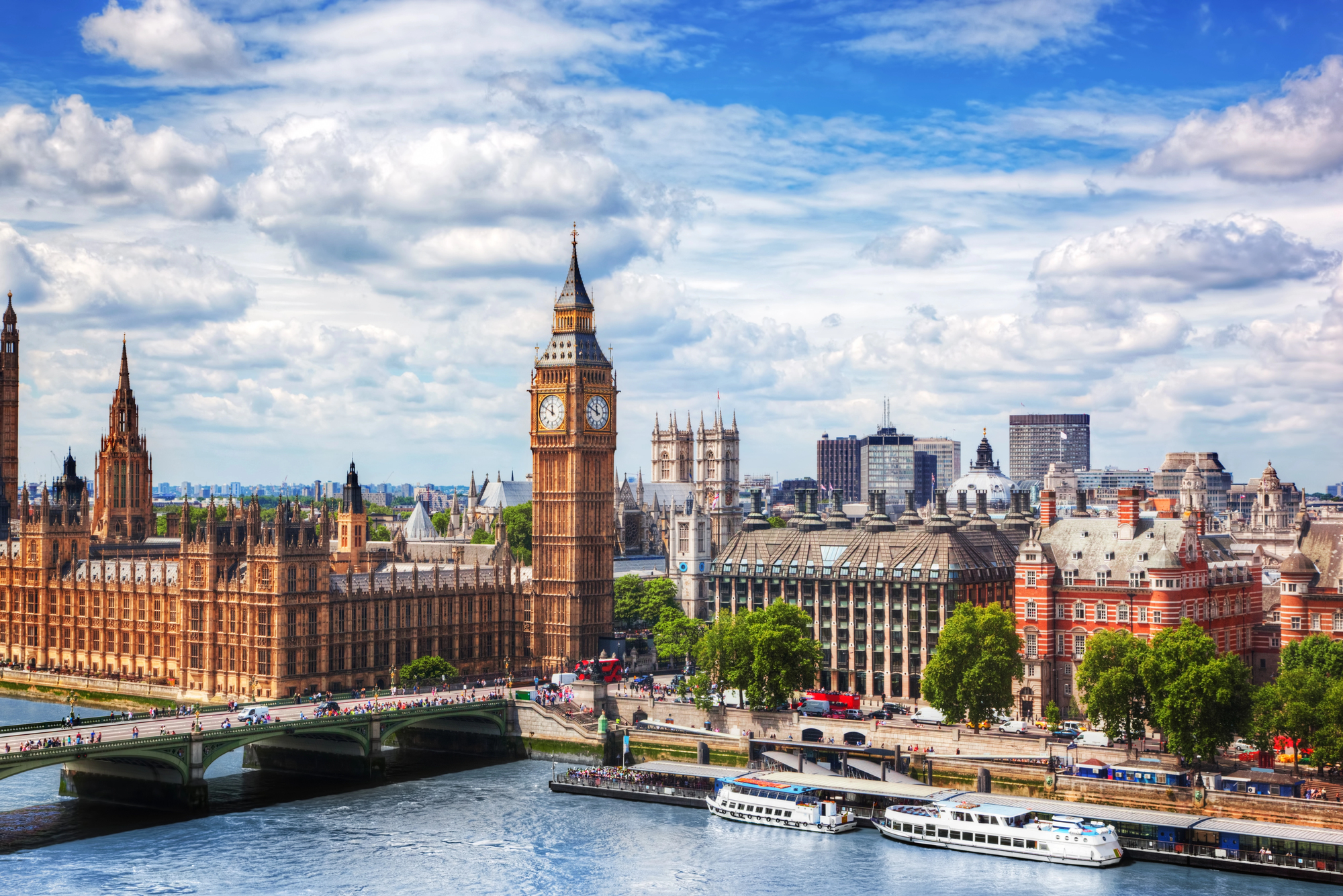
The Romans built an amphitheater in London around 70 AD, and then London promptly forgot about it for roughly eighteen centuries. It was rediscovered in 1988 during construction of the Guildhall Art Gallery, sitting directly beneath what had become the civic heart of the city.
The outline of the arena is now marked in the pavement of the gallery’s courtyard with dark stone — so you can stand on a London street, look down, and be standing exactly where the crowd once was.
Mexico City’s Aztec Temples
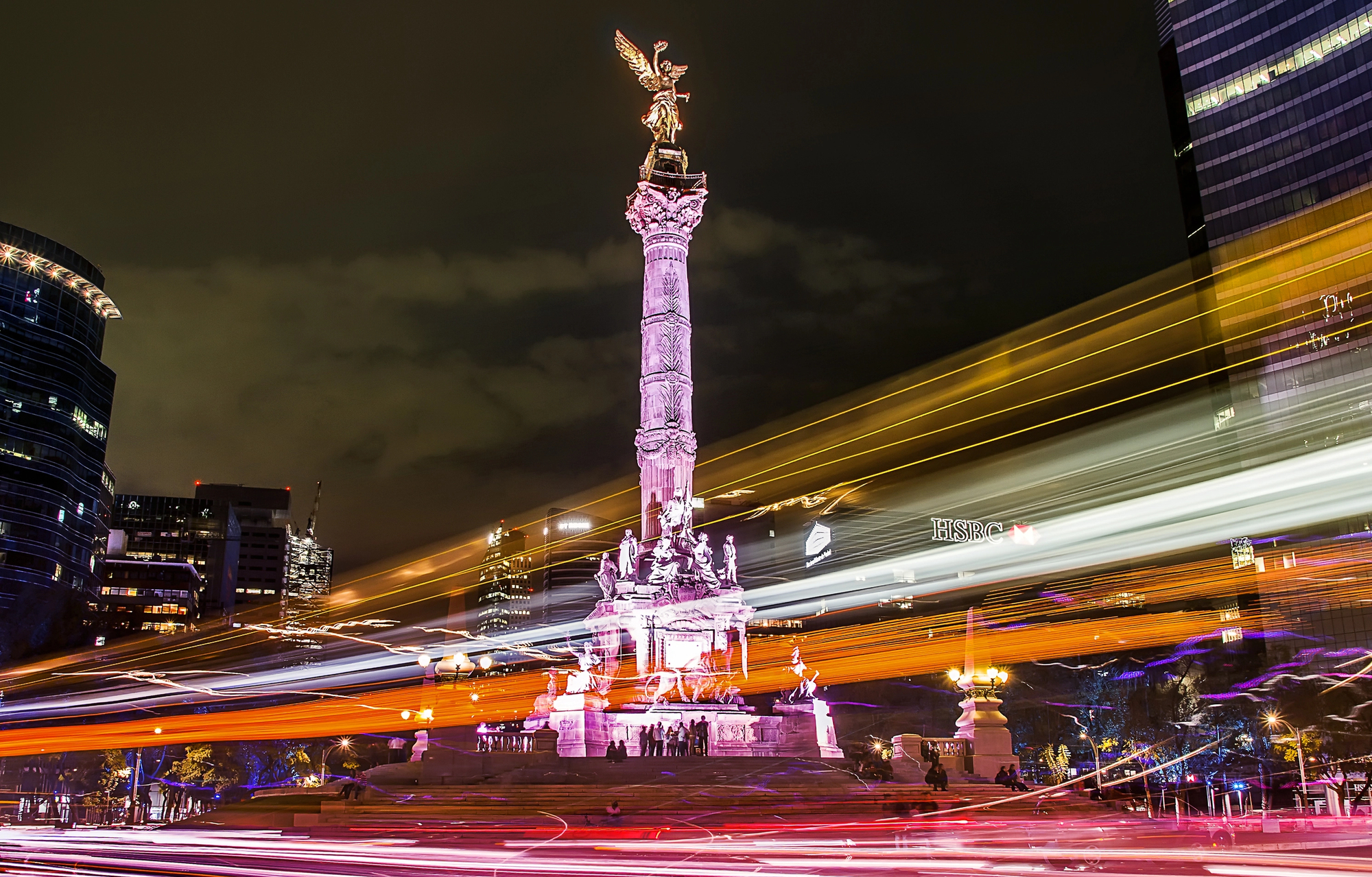
Mexico City is built directly on top of Tenochtitlan, the former capital of the Aztec Empire, which is either remarkable or the most loaded piece of urban geography in the Western Hemisphere — possibly both. The Templo Mayor, the great ritual center of Tenochtitlan, was rediscovered in 1978 when electrical workers hit carved stone while laying cable near the city’s central plaza.
What they’d struck was a massive stone disk depicting the dismembered moon goddess Coyolxauhqui, and beneath it, one of the most significant pre-Columbian sites ever excavated.
Edinburgh’s Mary King’s Close
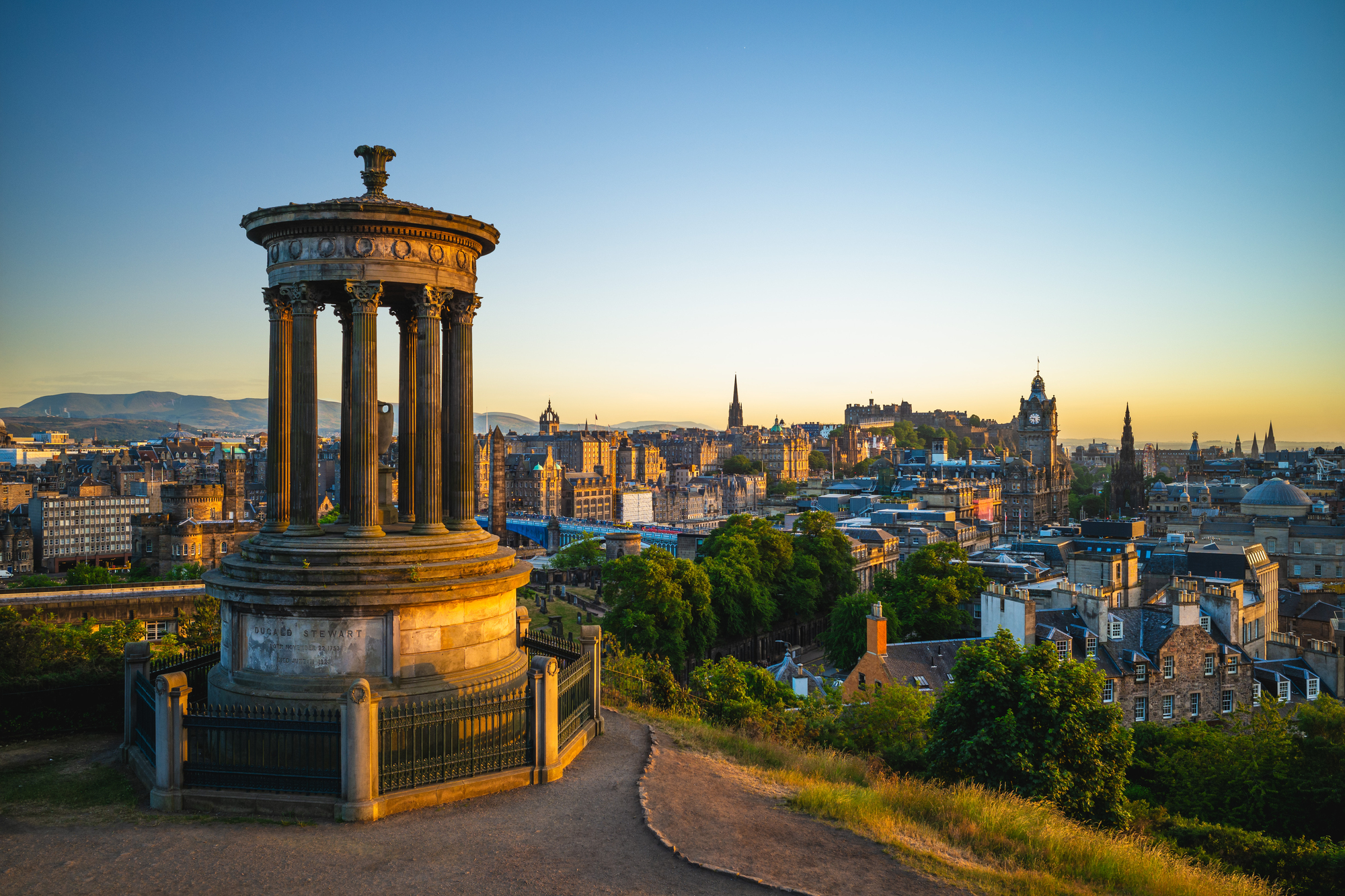
History in Edinburgh doesn’t disappear — it gets roofed over and built on top of, which is almost worse. Mary King’s Close, a series of medieval streets and buildings, was sealed beneath the Royal Mile in the 17th century when city officials simply constructed the Royal Exchange (now the City Chambers) directly over the top of it.
The streets, rooms, and even some furniture survived intact, preserved by the sheer indifference of the city above — and they’re open to visitors today.
Athens and the Thessaloniki Metro
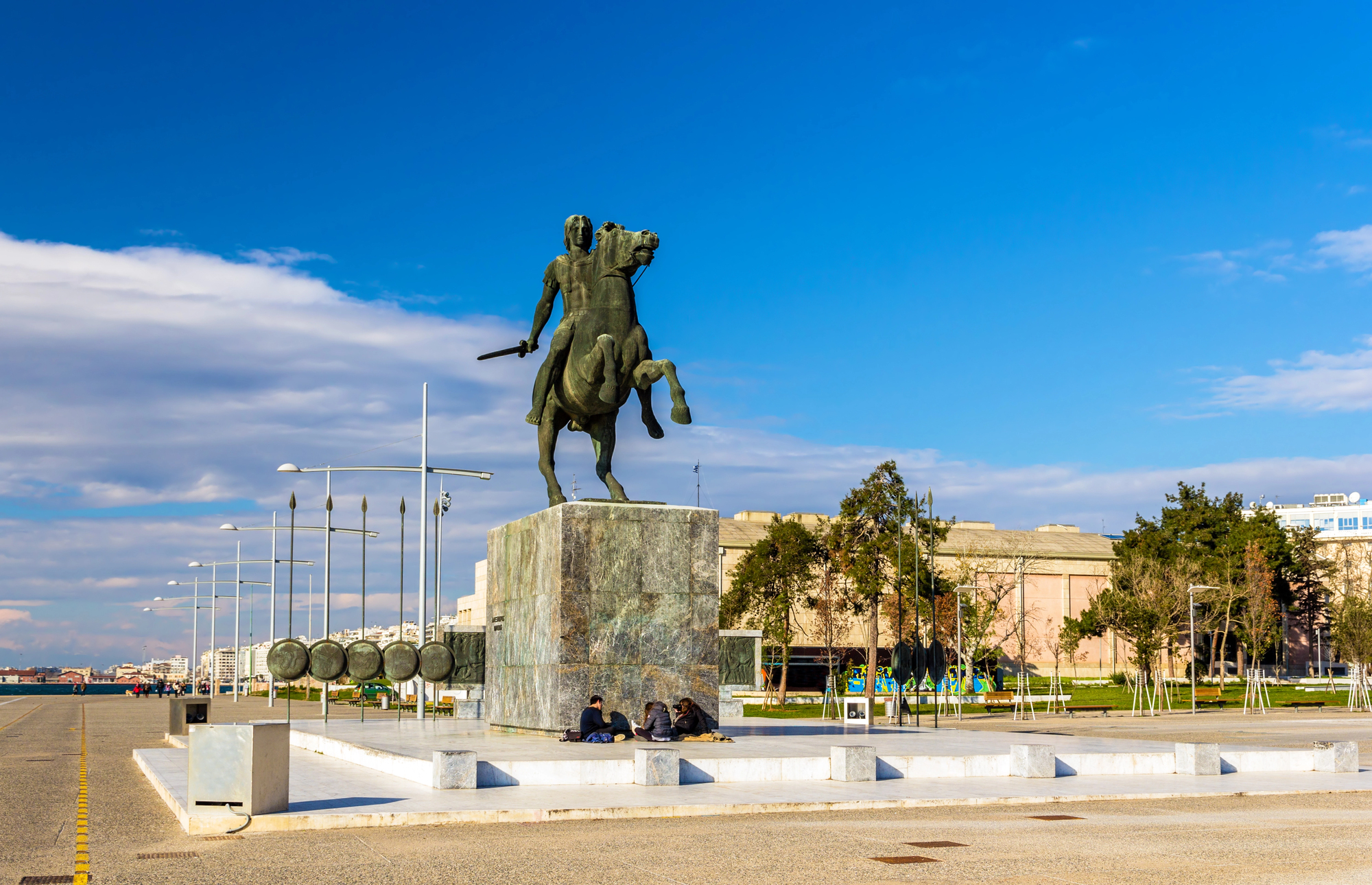
Building a metro in a city that’s been continuously inhabited for over three thousand years is, to put it plainly, an archaeological gauntlet. In Thessaloniki, excavation for the metro uncovered Byzantine streets, mosaic floors, and thousands of artifacts spanning multiple civilizations — enough material to essentially rewrite chapters of the city’s known history.
The project was delayed for years as archaeologists worked alongside construction crews, a collaboration that was probably more tense than productive, but the results were extraordinary.
The Ancient Port Beneath Marseille
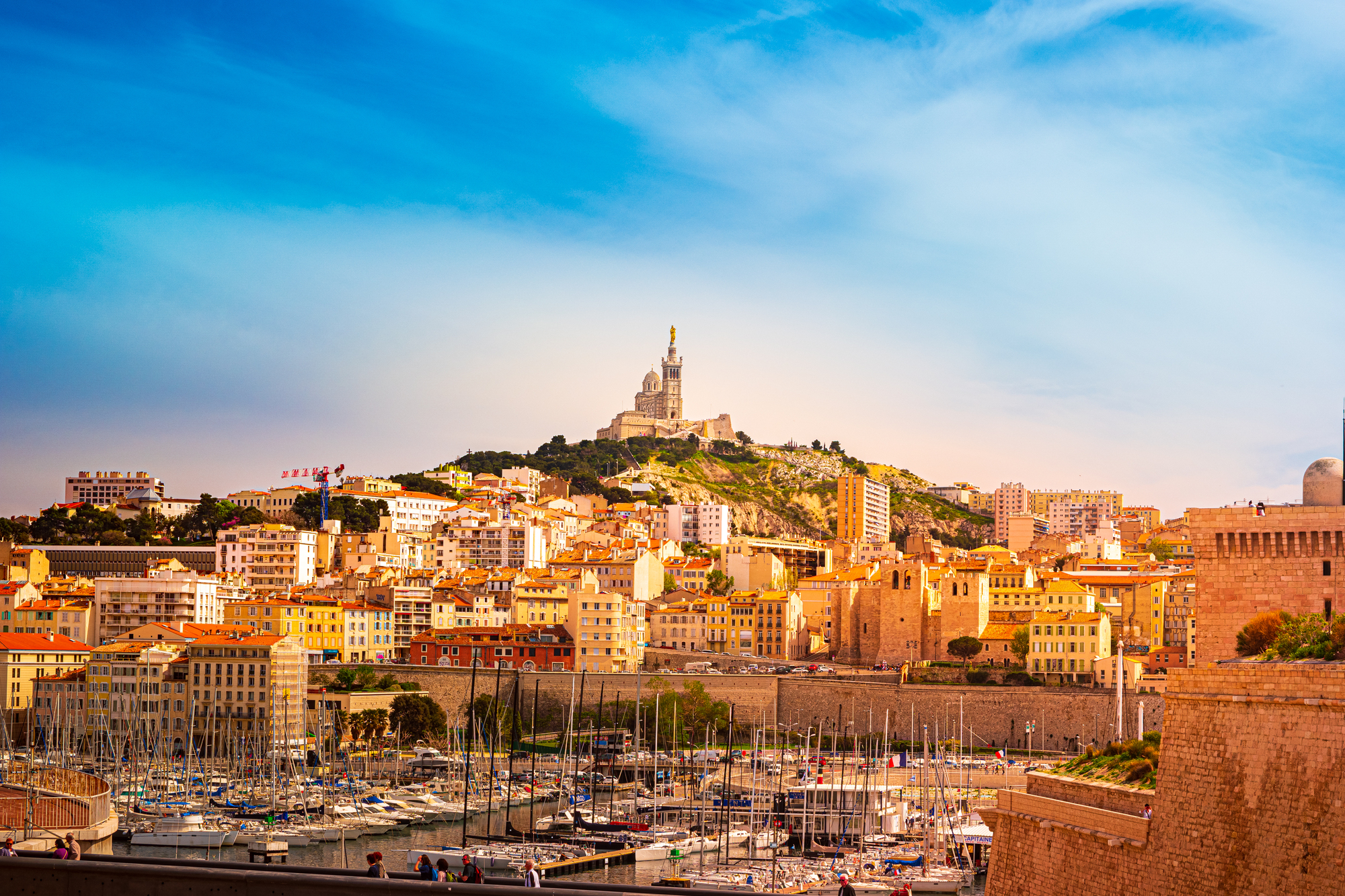
Marseille is one of the oldest cities in France, founded by Greek colonists around 600 BC, and the soil beneath the modern city knows it. During construction of a shopping center in the 1990s, excavations uncovered the original Greek port — quays, mooring posts, and the remains of ancient vessels still in the sediment.
The site is now a museum called the Musée d’Histoire de Marseille, which houses the artifacts in situ, meaning the ruins are visible exactly where they were found, below the floor of what is otherwise a functioning modern building.
Jerusalem’s Layers
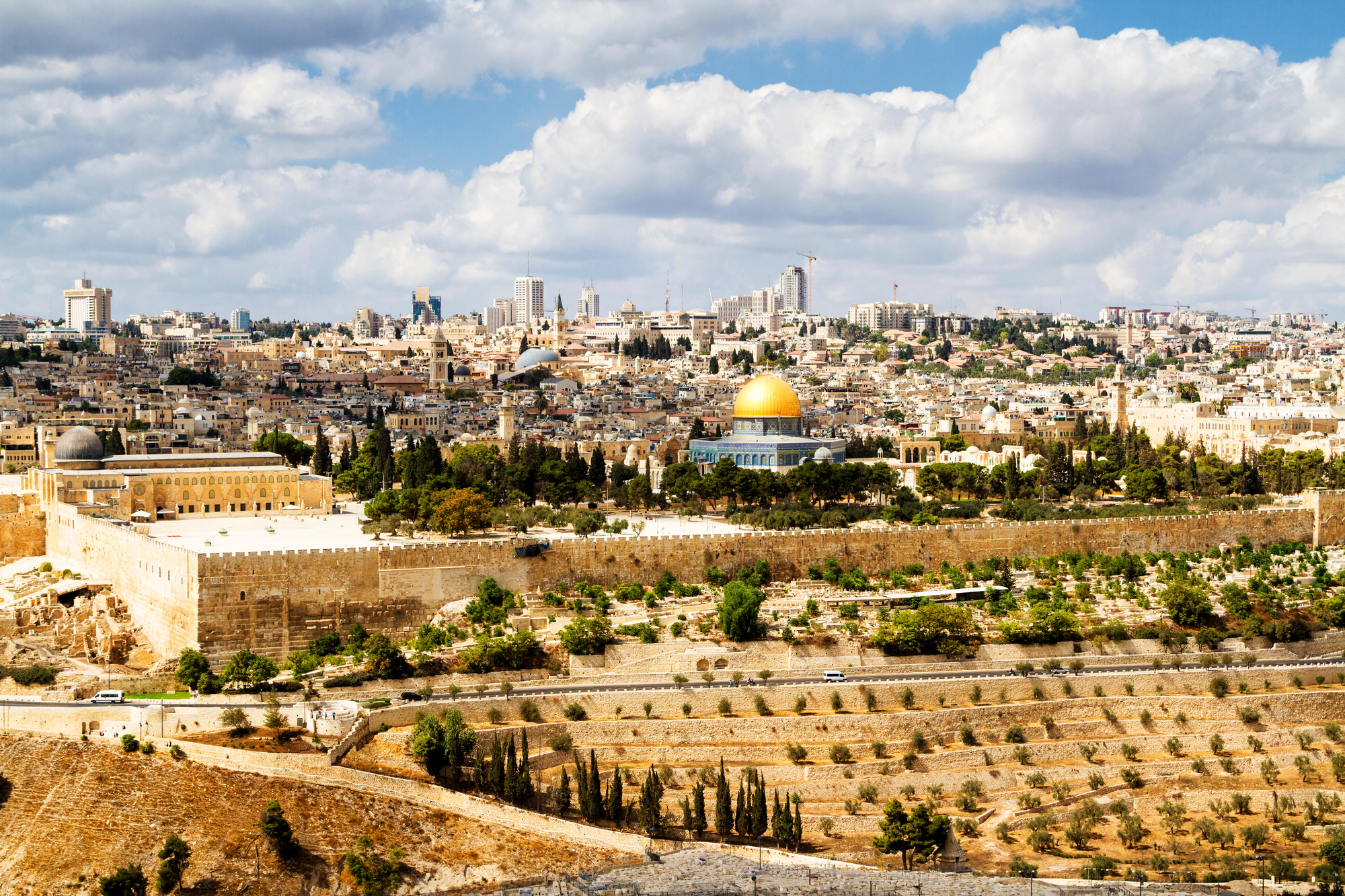
Jerusalem is arguably the most geologically complicated city on Earth in terms of human occupation — people have been building, destroying, and rebuilding on that particular hill for so long that the city exists in genuine vertical layers. Archaeological digs beneath the Muslim Quarter have revealed Byzantine streets sitting on top of Roman streets sitting on top of Iron Age structures, all pressed together like pages in a book that nobody thought to separate.
Every construction project in the Old City is essentially an excavation whether anyone planned it that way or not.
The Mithraeum Beneath a London Bloomberg Office
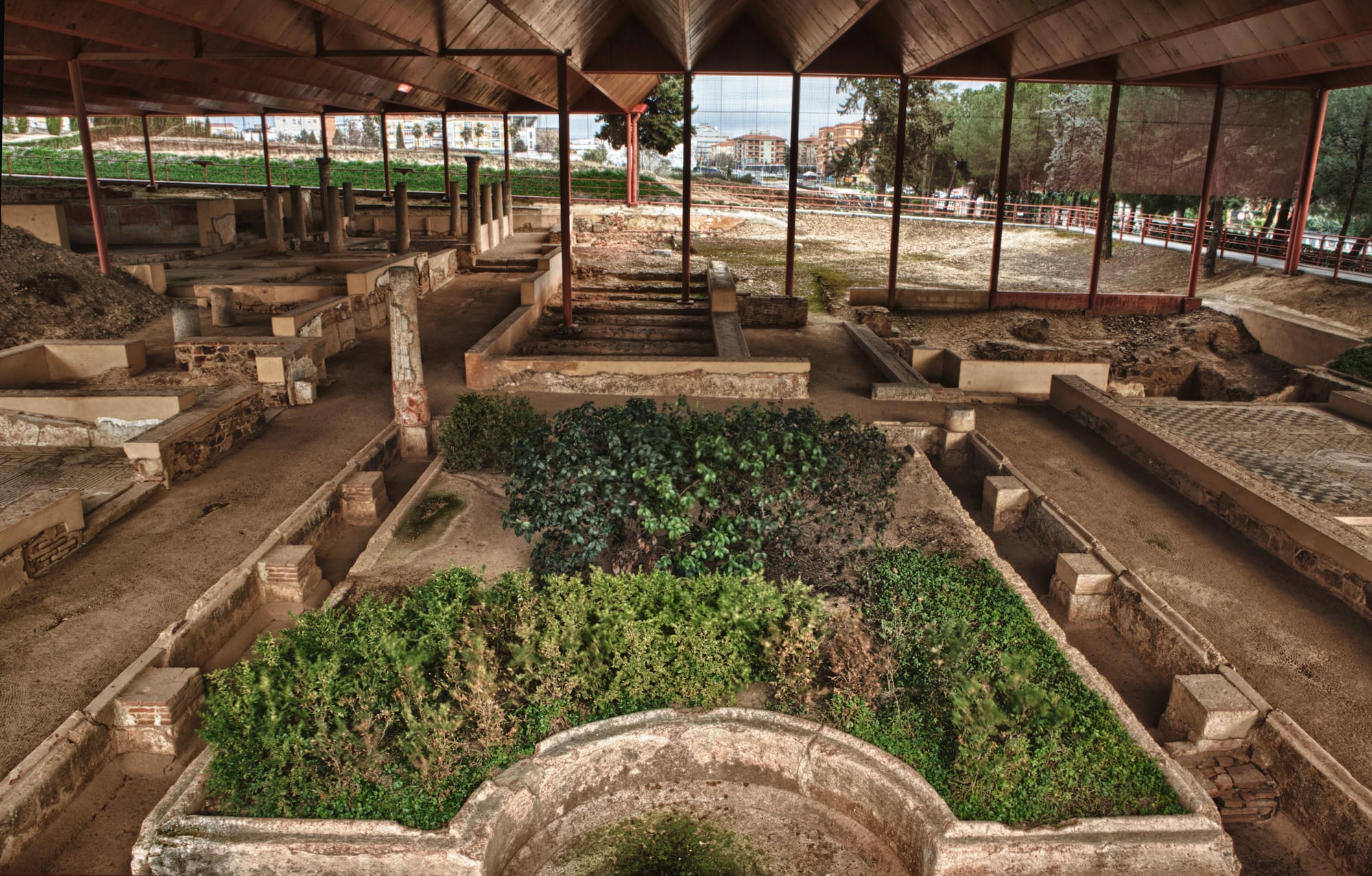
When Bloomberg built its European headquarters in the City of London, excavation uncovered a Roman temple to Mithras — a mystery cult popular with soldiers and merchants — originally discovered in 1954 and then reburied. Bloomberg had the Mithraeum carefully reconstructed and installed it in the basement of the new building, open to the public, seven feet below street level.
It is, without question, the most archaeologically responsible thing a financial company has ever done.
Pompeii’s Underground Secrets
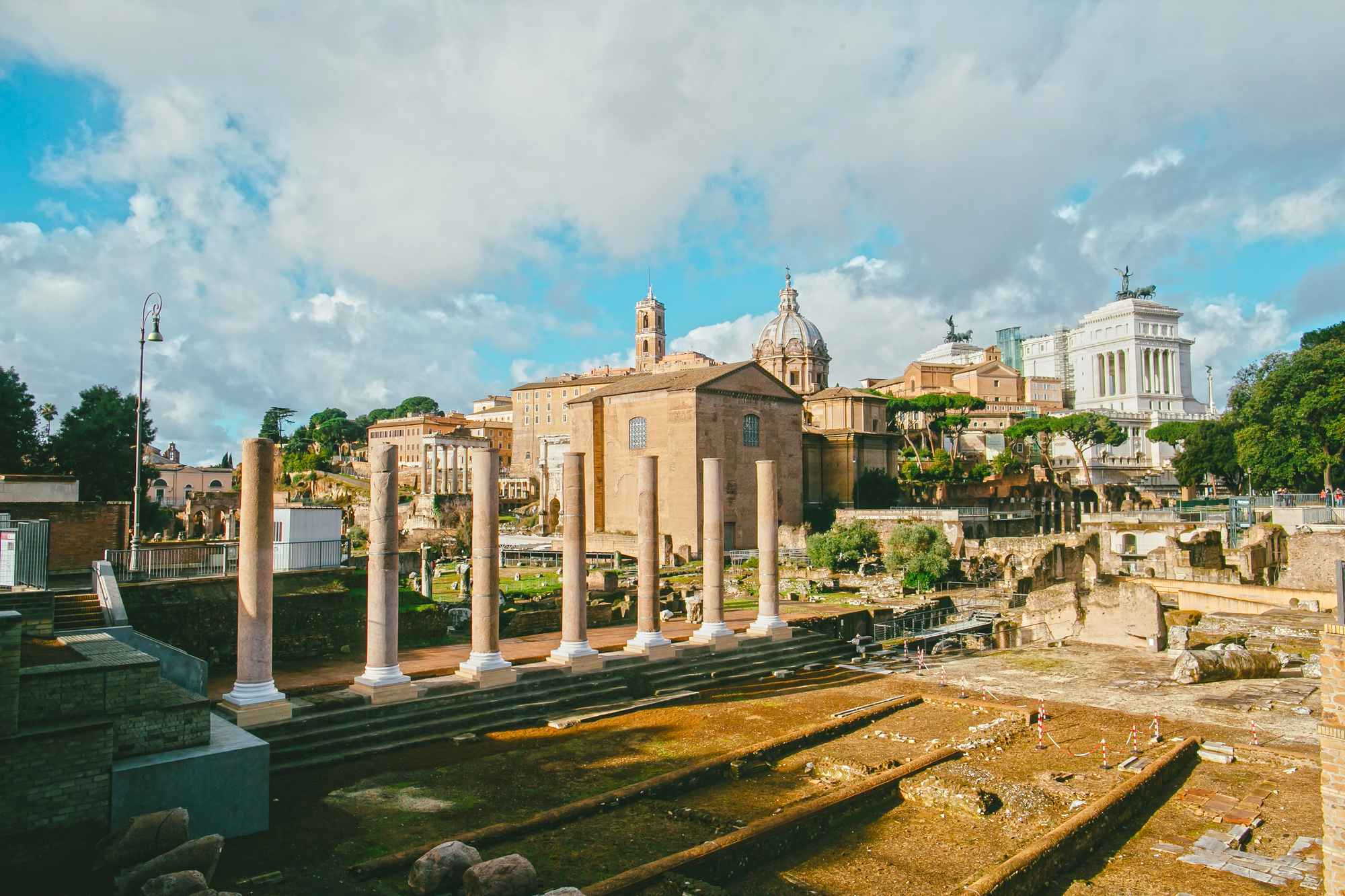
Most people think of Pompeii as fully excavated — a fixed, known quantity. Turns out, roughly a third of the city has never been dug up, and recent work using ground-penetrating radar and other non-invasive technology has revealed entire streets, buildings, and garden layouts still buried beneath the ash.
The Great Pompeii Project launched in 2012 has been uncovering new rooms, paintings, and artifacts regularly, including a remarkably preserved ceremonial chariot found in 2021 in what was essentially a stable.
Cairo’s Fatimid City
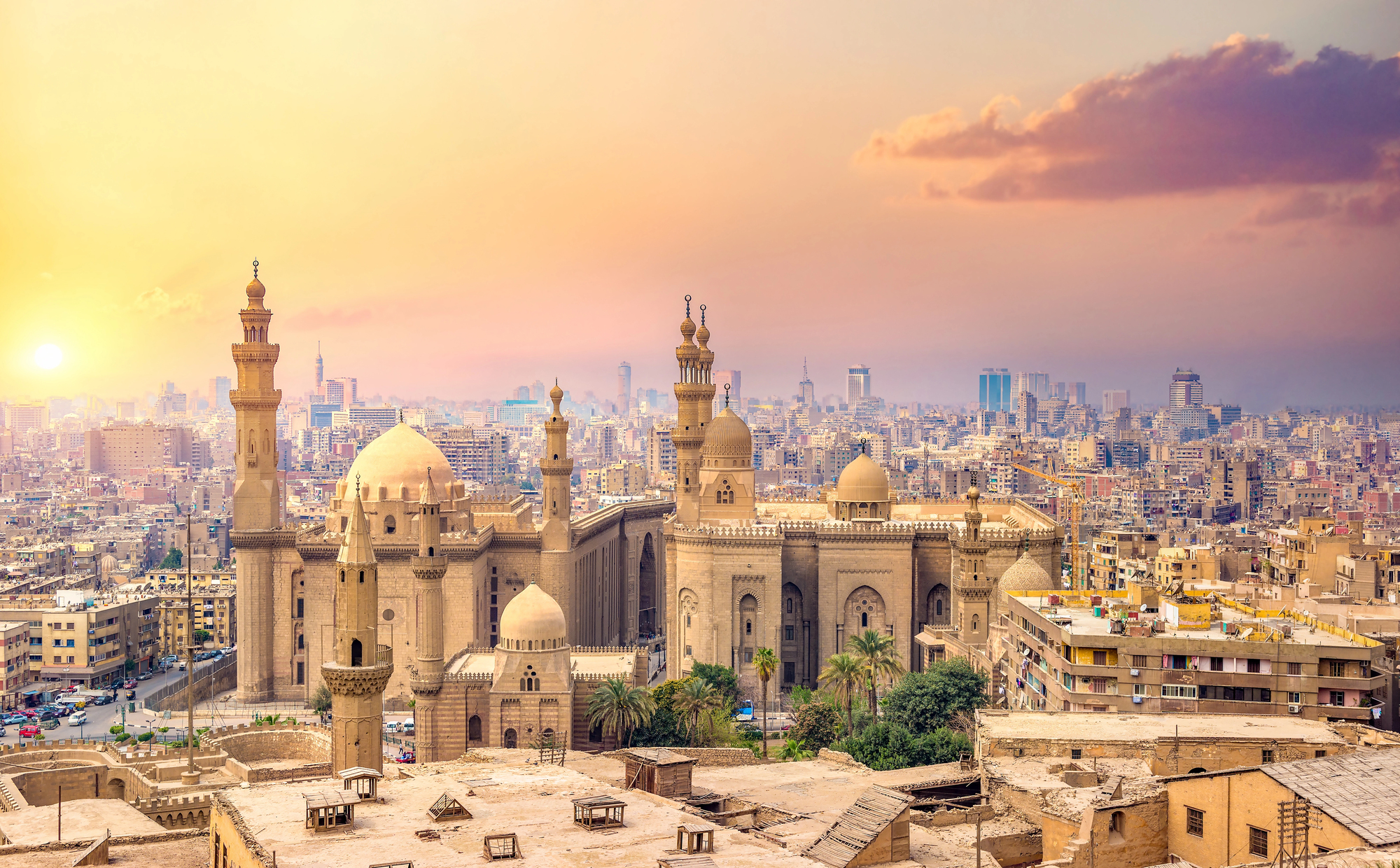
Beneath the streets of Islamic Cairo lies a city within a city — the Fatimid-era capital of Al-Qahira, founded in 969 AD, whose walls and gates are still partially standing above ground, but whose streets and lower structures extend into the earth in ways that modern Cairo has largely built over. Archaeological work in and around the historic district keeps producing medieval bath complexes, storage facilities, and residential quarters — not dramatically, but steadily, the way an old house keeps producing things you didn’t know were there.
The city has been occupied for so long that excavating it is less like archaeology and more like reading someone else’s mail.
Beirut’s Phoenician Harbor
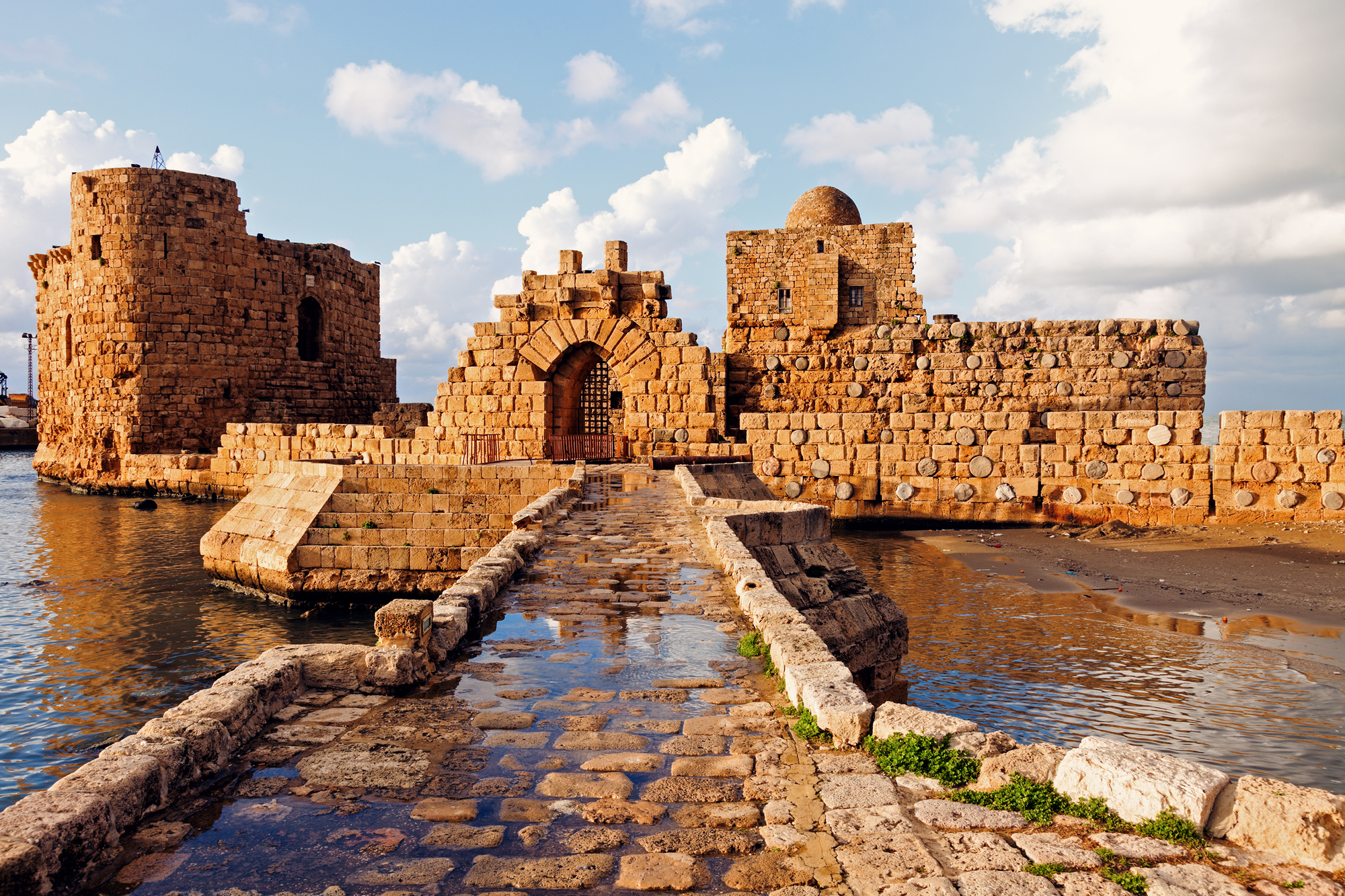
War and reconstruction are brutal and indifferent to everything underground, but Beirut’s post-civil-war rebuilding of the downtown district in the 1990s accidentally created one of the most significant archaeological windows in the Middle East. Construction of the new city center uncovered Phoenician, Hellenistic, Roman, Byzantine, and Ottoman remains in the same trenches — a sequence of civilizations stacked so neatly it barely seemed real.
The finds were documented, some were preserved in a small open-air park called the Garden of Forgiveness, and then the city kept building.
The Viking Dublin Discovery
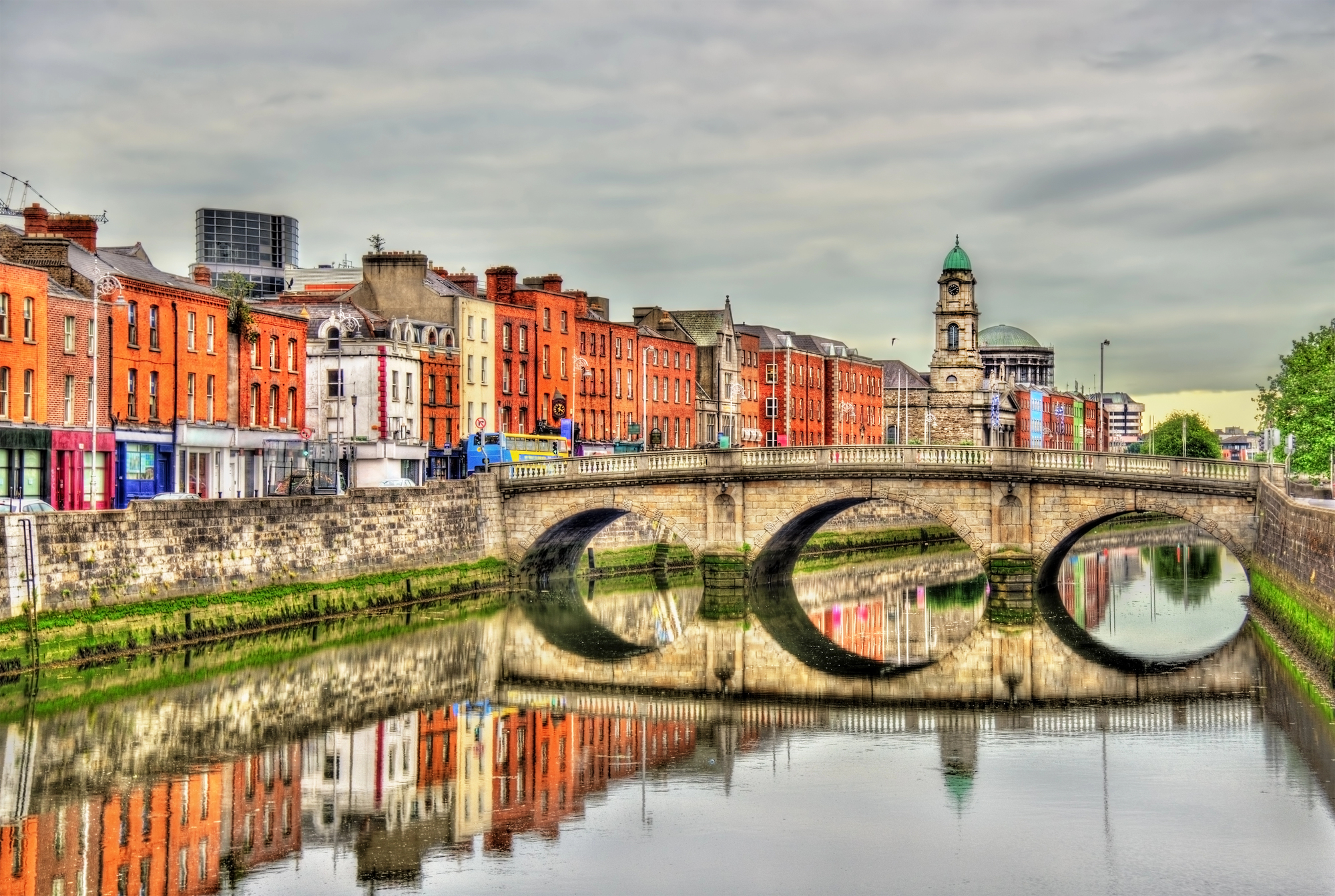
In 1974, plans to build offices in Wood Quay in Dublin ran headlong into one of the most significant Viking Age sites ever found outside Scandinavia. The site contained the remains of a 10th-century Viking town — post-built houses, workshops, and thousands of artifacts including combs, shoes, and gaming pieces — covering roughly eleven acres in the center of the modern city.
The city built the offices anyway, which was and remains one of the more dispiriting decisions in Irish cultural history, though not before archaeologists excavated what they could.
The Sunken City of Alexandria
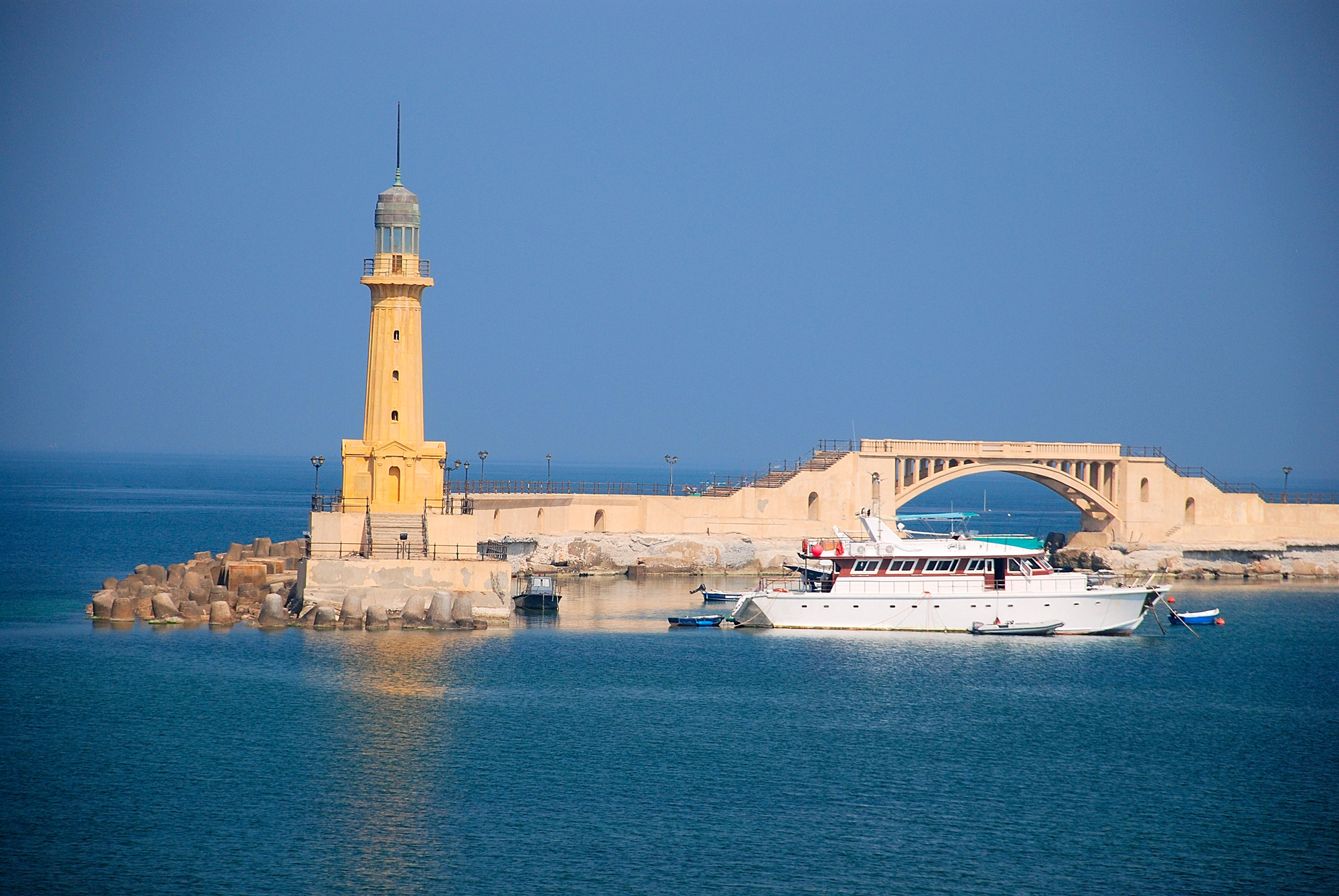
Alexandria’s ancient royal quarter, including what are believed to be the palace of Cleopatra and the lighthouse of Alexandria — one of the Seven Wonders of the ancient world — is sitting on the floor of the Eastern Mediterranean, about twenty feet below the surface of the modern harbor. The city slid into the sea following a series of earthquakes and tsunamis between the 4th and 8th centuries AD, and French marine archaeologist Franck Goddio began mapping the submerged ruins in the 1990s.
The finds include colossal statues, granite columns, and the remnants of temple complexes that had been sitting untouched in the silt for over a thousand years.
The Ancient Streets of Naples
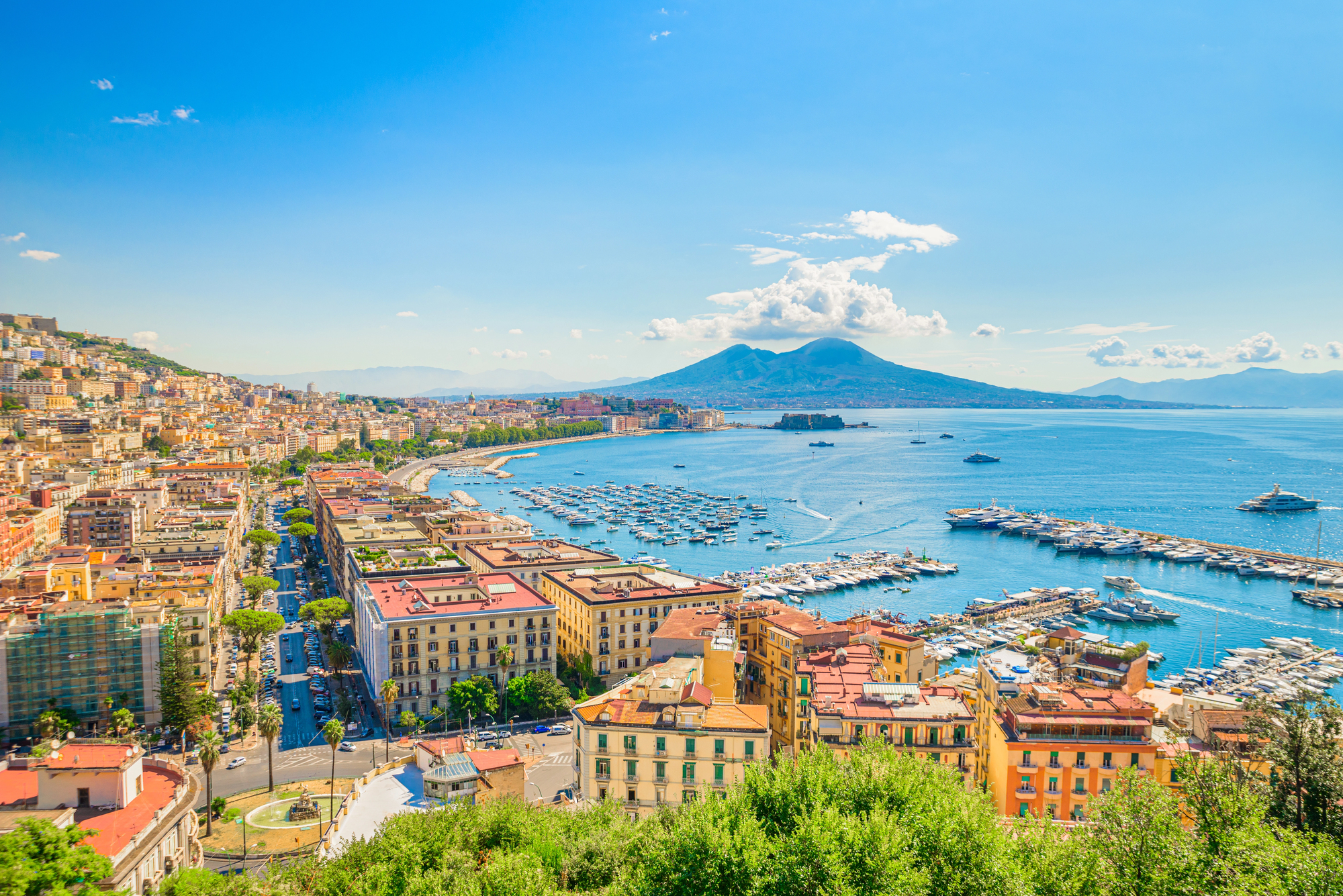
Naples keeps its history under pressure — the modern city sits directly on top of Neapolis, the Greek-Roman settlement that gave Naples its name, and the geological conditions of the region have preserved the underground remarkably well. The Napoli Sotterranea, a network of tunnels, cisterns, and caverns stretching beneath the historic center, includes sections of the original Greek street grid from the 4th century BC — laid out in a precise pattern that the modern streets above still roughly follow.
Walk through the old center and you are, without realizing it, tracing the logic of a Greek urban planner from 2,400 years ago.
What the Ground Keeps
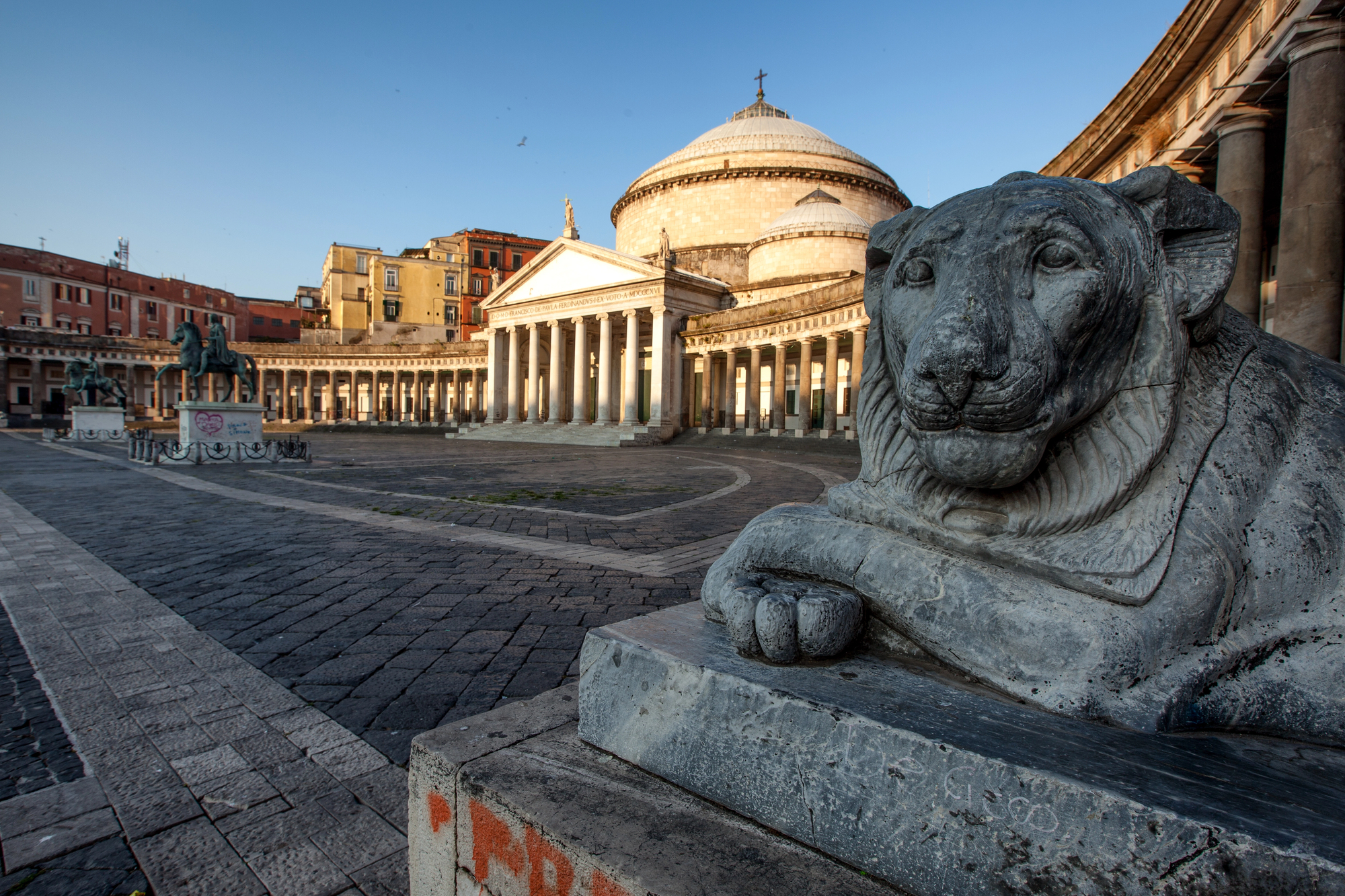
The thing about ruins discovered beneath city streets is that they don’t just complicate urban planning — they complicate the idea that anything is ever fully finished, fully gone, or fully past. A city is not a place so much as an accumulation, and the deeper you go, the more honest it gets.
What sits beneath London or Rome or Mexico City isn’t a dead world — it’s the same basic impulse that built the streets above: people trying to live somewhere, leaving marks, and moving on. The ground holds all of it without judgment, and every so often, a drill bit goes through a floor and the past stares back.
More from Go2Tutors!

- The Romanov Crown Jewels and Their Tragic Fate
- 13 Historical Mysteries That Science Still Can’t Solve
- Famous Hoaxes That Fooled the World for Years
- 15 Child Stars with Tragic Adult Lives
- 16 Famous Jewelry Pieces in History
Like Go2Tutors’s content? Follow us on MSN.



