Athletes Traded the Moment They Signed
A deal in pro sports should mean trust, a promise to stick around. Still, players get moved weeks after the pen hits paper.
Strange? Sure. But cold math runs most decisions now. Front offices weigh next year’s draft, cap space, upside – then act fast.
What looks sudden on screen was likely planned months ago. Boots might never touch the turf before orders change.
A fresh glance shows what drives these deals, revealing hidden sides of sports culture. While some see luck, others notice patterns few discuss openly.
The Business Behind the Blitz

Even though it may feel personal when a newly signed player is traded, the reality is that sports are a business first. Teams constantly juggle budgets, roster spots, and long-term strategy.
A player might be signed with one team in mind, only for a better opportunity to arise elsewhere almost immediately. Salary cap constraints, the chance to acquire a promising rookie, or the need to shore up a different position can all trigger a rapid turnaround.
From the front office perspective, it’s a balancing act: maximizing talent while minimizing financial risk. This approach isn’t new.
Even in earlier decades, executives knew that flexibility could be the difference between playoff glory and a season of disappointment. Today, the stakes are higher, contracts are larger, and the ripple effects of a trade can make or break a team’s entire strategy.
The evolution of player contracts over the past 50 years has made trades like these not only possible but, in some cases, a strategic necessity. Free agency, salary caps, and complex multi-team deals have turned what once might have been seen as an unfair shake into a sophisticated game of resource management.
Notable Early Trades in Major Leagues
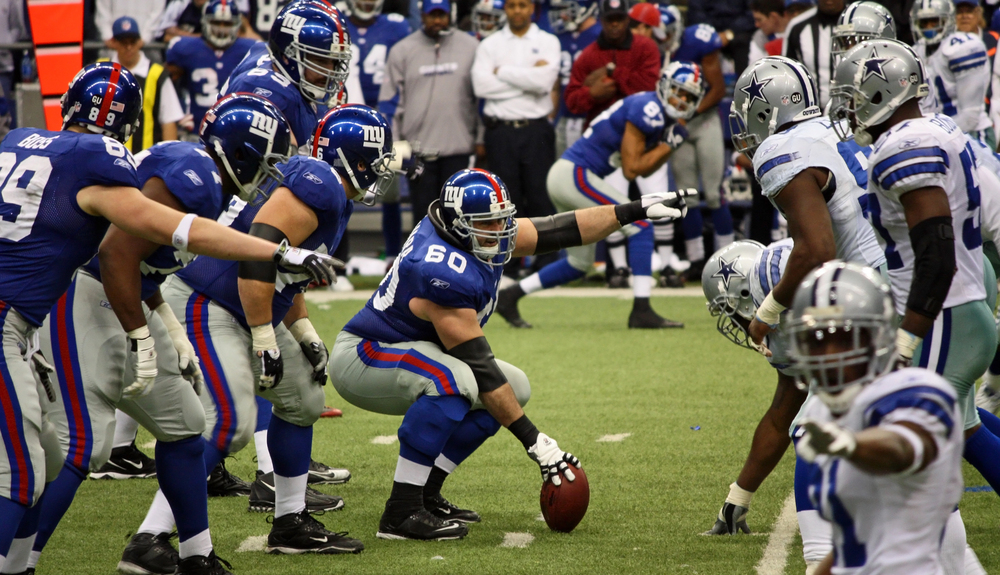
The NFL, NBA, and MLB have all seen their share of high-profile trades immediately after signings. In basketball, one striking example involved a top draft pick who never wore his new team’s jersey in a regular-season game before being sent elsewhere.
Baseball has a history of players being traded after signing minor-league deals, often catching them off guard while highlighting the strategic chess game played by team executives. Football fans, meanwhile, have witnessed rookies drafted with much fanfare, only to find themselves shipped to a completely different city days later.
The NHL, too, has its own roster of quick-turn trades. Young prospects, often drafted with media fanfare, have been moved before even hitting the ice in a professional game.
The underlying strategy is consistent: teams identify where talent is most needed and aren’t afraid to move pieces rapidly to improve their competitive edge. These trades often involve multiple layers of negotiation, including conditional picks, salary-sharing arrangements, and even future player considerations.
The complexity is staggering, but for those at the helm, it’s part of a well-oiled process designed to maximize advantage.
The Player’s Perspective

It’s easy to assume athletes feel blindsided when traded immediately, and often they do. Packing up, relocating, and adjusting to a new playbook or coaching style can be stressful.
The personal toll is real, affecting not only the athletes themselves but their families. Still, professional players are often mentally prepared for the business side of sports.
Many have agents and support networks that help navigate the emotional and logistical challenges of sudden trades. For rookies or less experienced players, the experience can be jarring.
One day they’re celebrating a new contract, the next, they’re unpacking in an unfamiliar city. Despite the upheaval, stories abound of players who adapt quickly and even thrive after an unexpected move, proving resilience is just as important as skill on the field.
Some even credit the experience with jump-starting their careers: exposure to different coaching philosophies, teammates, and markets can broaden a player’s perspective and improve performance.
Fan Reactions and Cultural Impact

Fans have a complicated relationship with these trades. On one hand, they understand the business logic — winning is the ultimate goal, after all.
On the other, there’s a sense of betrayal. Supporters form emotional bonds with players, and seeing a newly signed favorite vanish almost immediately can feel like a personal slight.
Social media amplifies the drama, turning trades into viral talking points and meme fodder within hours. Yet, the cultural fascination isn’t all negative.
For some fans, these rapid trades become part of the spectacle, a reminder of the unpredictability of sports. They fuel debates, fantasy league strategies, and even documentaries.
In a way, these moments underscore that professional sports aren’t just games; they’re high-stakes theater where every move matters. The narrative around quick trades often adds another layer of intrigue, giving commentators and fans alike a fresh storyline to follow each season.
Strategic Advantages for Teams
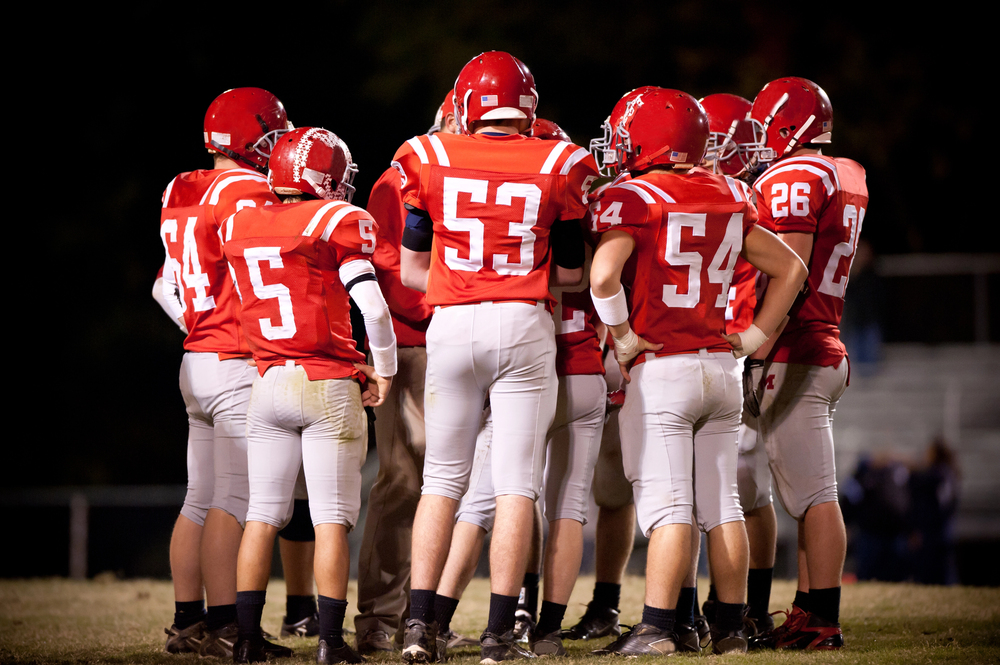
Trading an athlete immediately after signing can yield several strategic advantages. Teams might gain better draft picks, balance their salary caps, or acquire a player whose style better complements the existing roster.
Sometimes, these trades are pre-arranged — the signing is a stepping stone to a larger, multi-team deal. Front offices also use these trades to send a message about the organization’s direction.
A team willing to make bold, unexpected moves signals ambition and adaptability, which can be crucial in attracting other top talent. For management, it’s about shaping a competitive landscape while keeping long-term goals in mind, even if that means short-term disruptions.
Teams also study market reactions carefully; making a trade that appears shocking but ultimately strengthens the roster can boost confidence in leadership, even among skeptical fans.
Lessons in Adaptability

For athletes, being traded immediately is an exercise in adaptability. The situation tests mental toughness, professionalism, and the ability to perform under changing circumstances.
Many players emerge stronger, using the experience to refine focus, strengthen relationships with new teammates, and even redefine career trajectories. Beyond the personal level, these trades reflect a larger lesson about the sports ecosystem itself.
Talent and effort are essential, but so are timing, strategy, and sometimes plain luck. The intersection of human ambition and business pragmatism creates a dynamic, unpredictable environment that keeps players, teams, and fans alike on their toes.
Coaches and executives often emphasize that while skill can take a player far, the ability to adapt to unexpected changes can define their longevity and success.
The Ripple Effect Across Sports Culture

These trades also shape the culture surrounding sports. They influence how teams communicate with fans, negotiate contracts, and plan for future seasons.
Sports media thrives on these sudden moves, often dissecting them for months afterward. The trades become reference points, teaching fans and analysts alike about the complexity behind decisions that, on the surface, may seem impulsive.
Merchandise sales, local fan loyalty, and team branding are all affected. When a highly anticipated signing is traded immediately, merchandise demand can spike in surprising ways — both for the team the player left and the one they join.
Sponsors and local businesses often feel the impact too, as fan engagement shifts with each unexpected move. In this sense, these trades are more than simple roster changes; they ripple through the sports ecosystem, affecting economies, communities, and narratives alike.
Why It Still Matters

Far from smooth, these deals expose something core in pro sports – strategy often matters just as much as talent. Right after signing, some athletes get moved, showing how quickly things can shift.
Teams make these choices carefully, chasing stability years down the line. Each exit teaches players how to bend without breaking.
Peering into old highlights reveals shifts in how sports operate behind the scenes. What happened years ago – plays, policies, setups – influences choices made now.
These deals aren’t just news flashes; each one marks a beat in a longer tale of rivalry, drive, and hidden gears turning beneath the surface fans rarely notice.
Behind every move lies something subtle: being ready when it counts, adjusting fast, seeing clearly – these weigh heavy, even when skill seems like the only thing that matters.
More from Go2Tutors!

- The Romanov Crown Jewels and Their Tragic Fate
- 13 Historical Mysteries That Science Still Can’t Solve
- Famous Hoaxes That Fooled the World for Years
- 15 Child Stars with Tragic Adult Lives
- 16 Famous Jewelry Pieces in History
Like Go2Tutors’s content? Follow us on MSN.



