Authors With the Most Published Books
Some people write a book or two in their lifetime. Others churn out hundreds.
The difference between these two groups isn’t just talent or dedication. It’s something harder to pin down, something that keeps certain writers at their desks year after year while the rest of us struggle to finish a single manuscript.
The numbers are staggering when you look at history’s most prolific authors. We’re not talking about people who wrote ten or twenty books.
These writers produced hundreds, sometimes thousands, of published works. They wrote through world wars, personal tragedies, and changing literary landscapes.
And they kept going.
L. Ron Hubbard: The Record Holder
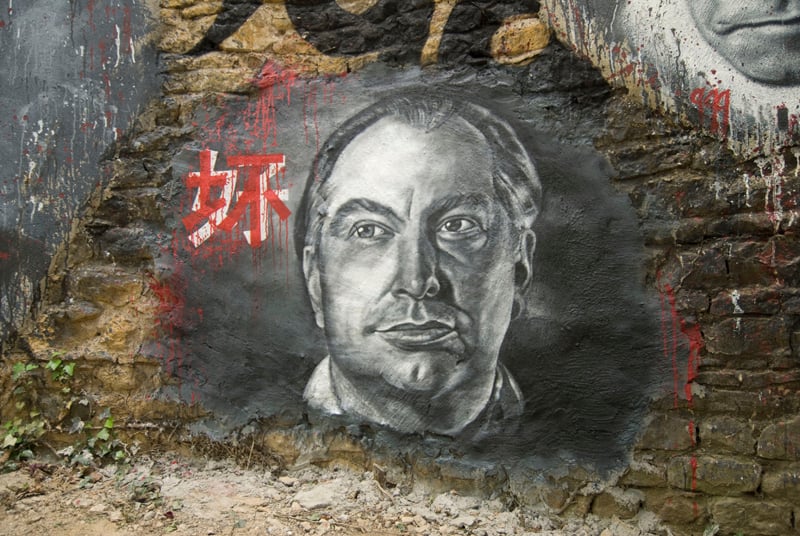
The official record belongs to L. Ron Hubbard, who published 1,084 works between 1934 and 2006. That number comes straight from Guinness World Records, which makes it as official as these things get.
Hubbard started as a pulp fiction writer in the 1930s. He wrote westerns, adventure stories, and science fiction before most people knew what science fiction was.
His early work appeared in magazines with names like Astounding Science Fiction and Unknown. The pay was terrible, but he wrote fast enough to make a living.
Later, Hubbard founded the Church of Scientology and shifted his focus to religious and philosophical texts. This is where his output really exploded.
He produced lectures, books, and instructional materials at a pace that seems impossible. More than 250 of his works were fiction.
The rest covered everything from management techniques to spiritual practices.
Ryoki Inoue: Brazil’s Speed Writer

Brazilian author Ryoki Inoue comes close to Hubbard’s record with 1,075 published books. Inoue worked as a thoracic surgeon by day and wrote novels by night.
Some of his books took a single day and night to complete. He wrote under multiple pseudonyms and tackled every genre you can imagine.
His book Sequestro Fast Food was finished in one night. When asked about his method, Inoue said success came from 98 percent sweat, one percent talent, and one percent luck.
The discipline required for this kind of output is hard to comprehend. Inoue didn’t wait for inspiration. He sat at his computer and didn’t leave until the work was done.
This approach produced over a thousand books, most of which never made it outside Brazil.
Kathleen Lindsay: Eleven Names, Hundreds of Books

Kathleen Mary Lindsay held the world record for most published books for many years. She wrote under eleven different pseudonyms, including Mary Faulkner, Margaret Cameron, and Hugh Desmond.
The Guinness Book of World Records credits her with 904 books. Lindsay specialized in romance novels during the mid-20th century.
Each pen name represented a slightly different style or target audience. Readers who loved one of her pseudonyms often had no idea they were reading another Lindsay book under a different name.
This strategy allowed her to dominate the romance market without saturating it with a single author’s name. Publishers loved it because they could release multiple Lindsay books simultaneously without confusing readers.
Lindsay loved it because she could write without restraint.
Corín Tellado: Spain’s Romance Queen

Spanish romance author Corín Tellado published over 4,000 titles during her career. She sold more than 400 million books, making her the best-selling Spanish-language author of romance novels in history.
What set Tellado apart was her willingness to challenge the genre’s conventions. While other romance writers stuck to happy endings, Tellado explored more complex emotional territory.
Her novels in the 1970s tackled controversial subjects during the women’s rights movement, which raised eyebrows in conservative Spain. She didn’t care about literary awards or critical acclaim.
Tellado wrote for regular people who wanted to escape into a story after a long day. Her output was so consistent that readers could count on finding new Tellado novels whenever they visited a bookstore.
Barbara Cartland: Pink and Prolific

Barbara Cartland wrote 723 books and holds the Guinness World Record for most novels written in a single year. In 1977, she published 23 novels.
That’s nearly two books every month. Cartland had a distinctive style both on and off the page.
She dressed almost exclusively in pink, wore dramatic makeup, and lived in a mansion. Her books featured virginal heroines, dashing heroes, and predictable plots.
Critics dismissed her work as formulaic, but readers couldn’t get enough. She dictated her novels rather than typing them herself.
This method allowed her to produce finished manuscripts in just days. Cartland would lie on a couch, close her eyes, and speak the story while a secretary typed.
She claimed this approach kept her imagination flowing freely. Even after her death in 2000, publishers continued releasing Cartland novels from manuscripts found in her estate.
The Barbara Cartland Pink Collection extended her literary presence beyond the grave.
Enid Blyton: Childhood’s Champion

Enid Blyton wrote approximately 700 books and over 2,000 short stories during her career. She created some of the most beloved children’s series in English literature, including The Famous Five, The Secret Seven, and Noddy.
Blyton’s productivity was legendary. At her peak, she published more than 50 books per year while also writing for magazines.
She claimed to produce 10,000 words daily, and there’s no reason to doubt it. Her daughter once said that Blyton would sit at her typewriter and the stories would pour out almost fully formed.
The books followed patterns that children found comforting. Adventures involved groups of kids solving mysteries or having adventures without adult interference.
Boarding school stories focused on midnight feasts and rivalries. Fantasy tales transported readers to magical worlds filled with enchanted trees and talking toys.
Critics have always been harsh on Blyton. They accused her of limited vocabulary, repetitive plots, and outdated attitudes.
But children didn’t care what critics thought. They loved her books because Blyton understood what kids wanted to read.
Her work has sold over 600 million copies worldwide and has been translated into 90 languages.
Georges Simenon: The Mystery Master

Belgian author Georges Simenon published more than 500 novels during his career. He’s best known for creating Inspector Maigret, the Paris detective who appeared in 75 novels and 28 short stories.
Simenon wrote in short, intense bursts. He would isolate himself for days, sometimes weeks, and emerge with a completed novel.
His first drafts were essentially final drafts because he believed extensive revision killed the energy of a story. The Maigret novels weren’t typical detective stories.
They focused less on clever puzzles and more on the psychology of criminals. Maigret often solved cases through observation and empathy rather than brilliant deductions.
This approach influenced generations of crime writers who followed. Beyond Maigret, Simenon wrote literary novels that explored darker themes.
These books, which he called his “hard novels,” examined human weakness and moral decay. They never achieved the popularity of his detective stories, but critics considered them his best work.
Isaac Asimov: Science and Fiction Combined
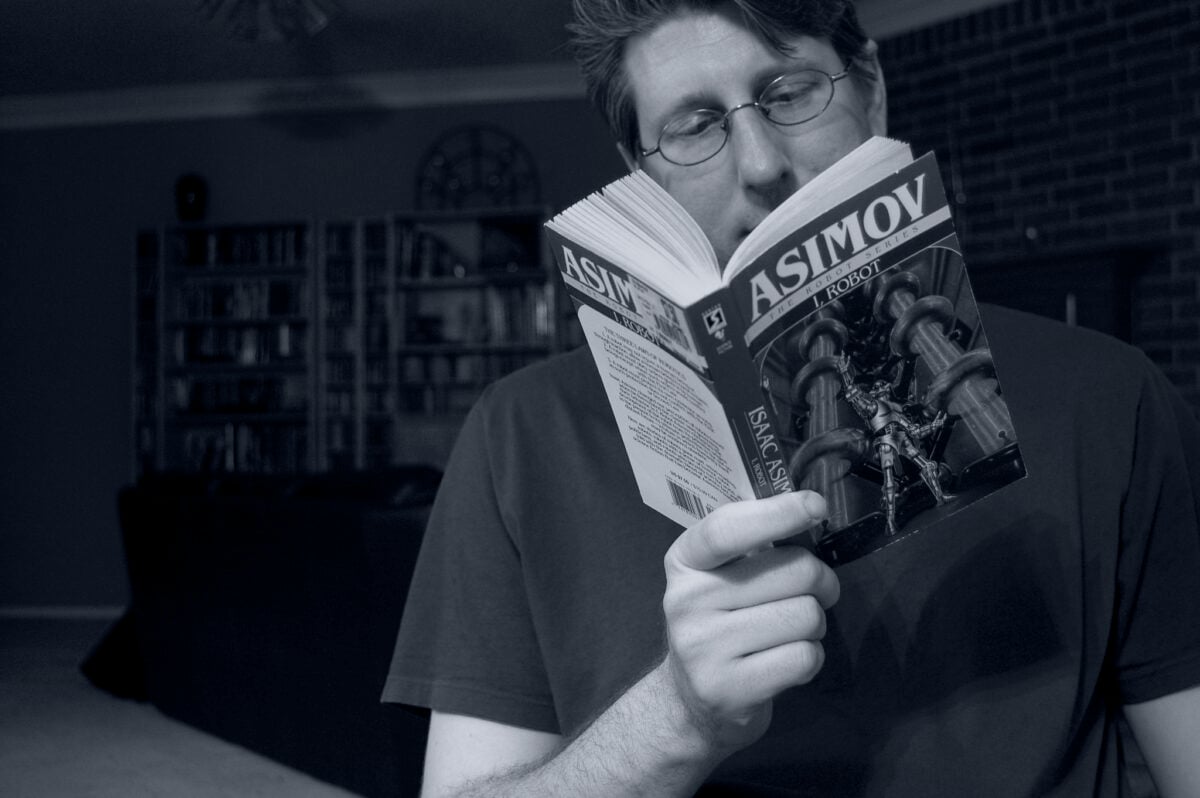
Isaac Asimov wrote or edited more than 500 books across a 53-year career. He published 40 novels, 383 short stories, and over 280 nonfiction books.
His bibliography spans science fiction, popular science, history, and even books about the Bible and Shakespeare. Asimov was trained as a biochemist and taught at Boston University, but he eventually quit teaching to write full-time.
His science fiction work, particularly the Foundation and Robot series, shaped the genre for decades. His Three Laws of Robotics became so influential that engineers still reference them today.
What made Asimov prolific was his approach to writing. He worked every single day, rarely took vacations, and wrote for eight hours straight.
If he got bored with one project, he simply switched to another. He always had multiple books in progress at different stages.
Asimov claimed he never suffered from writer’s block because he refused to stare at blank pages. If the words weren’t flowing for one project, he moved to another until inspiration returned.
This flexibility kept him productive even on difficult days.
Stephen King: The Modern Horror Machine

Stephen King has published over 60 full-length novels, more than 200 short stories, and numerous essays and screenplays since the 1970s. He writes roughly 2,000 words every single day, including holidays and birthdays.
King’s discipline is almost frightening in its consistency. He sets a daily word count goal and doesn’t stop until he reaches it.
This habit has produced some of the most iconic horror novels in modern literature, from Carrie to The Shining to It. But King doesn’t just write horror.
He’s published fantasy series, prison dramas, coming-of-age stories, and even nonfiction books about the craft of writing. His book On Writing is considered one of the best guides to the profession ever written.
What’s remarkable about King isn’t just the quantity but the quality. Many of his books have become classics that transcend the horror genre.
He’s won numerous awards, including the National Medal of Arts and the National Book Foundation Medal for Distinguished Contribution to American Letters.
R.L. Stine: Fear Street and Beyond

R.L. Stine has written more than 300 books in his career, with over 400 million copies sold worldwide. He’s best known for the Goosebumps series, which introduced an entire generation of children to horror fiction.
Stine wrote Goosebumps books at an almost inhuman pace during the series’ peak years. At one point, he was producing two books per month.
The formula was simple: create scary situations that would frighten kids without traumatizing them. The books always included humor alongside the horror, which made them less intense.
Before Goosebumps, Stine wrote the Fear Street series for teenagers. These books were darker and more violent than Goosebumps but still accessible to young readers.
The series ran for decades and spawned numerous spin-offs. Stine’s success came from understanding his audience.
He knew exactly how scared kids wanted to be and never crossed that line. Parents trusted his books because they delivered thrills without nightmares.
Danielle Steel: Romance Redefined
Danielle Steel has published over 190 books since 1973. Her novels have sold more than 800 million copies, making her one of the best-selling authors alive.
She’s published at least one book every year for more than four decades. Steel writes on an old typewriter and works 20-hour days when she’s in the middle of a book.
She’s said that she can complete a novel in as little as two weeks when the story is flowing. Her routine involves massive amounts of coffee and almost no sleep.
The books follow certain patterns: strong female characters facing adversity, complicated romantic relationships, and emotional depth beneath melodramatic plots. Critics have never been kind to Steel, but readers don’t care.
They know exactly what they’re getting when they pick up a Danielle Steel novel. Steel has said she writes to entertain, not to win literary awards.
This philosophy has served her well. She’s one of the few authors whose books consistently debut at number one on bestseller lists.
Alexandre Dumas: The Historical Fiction Pioneer
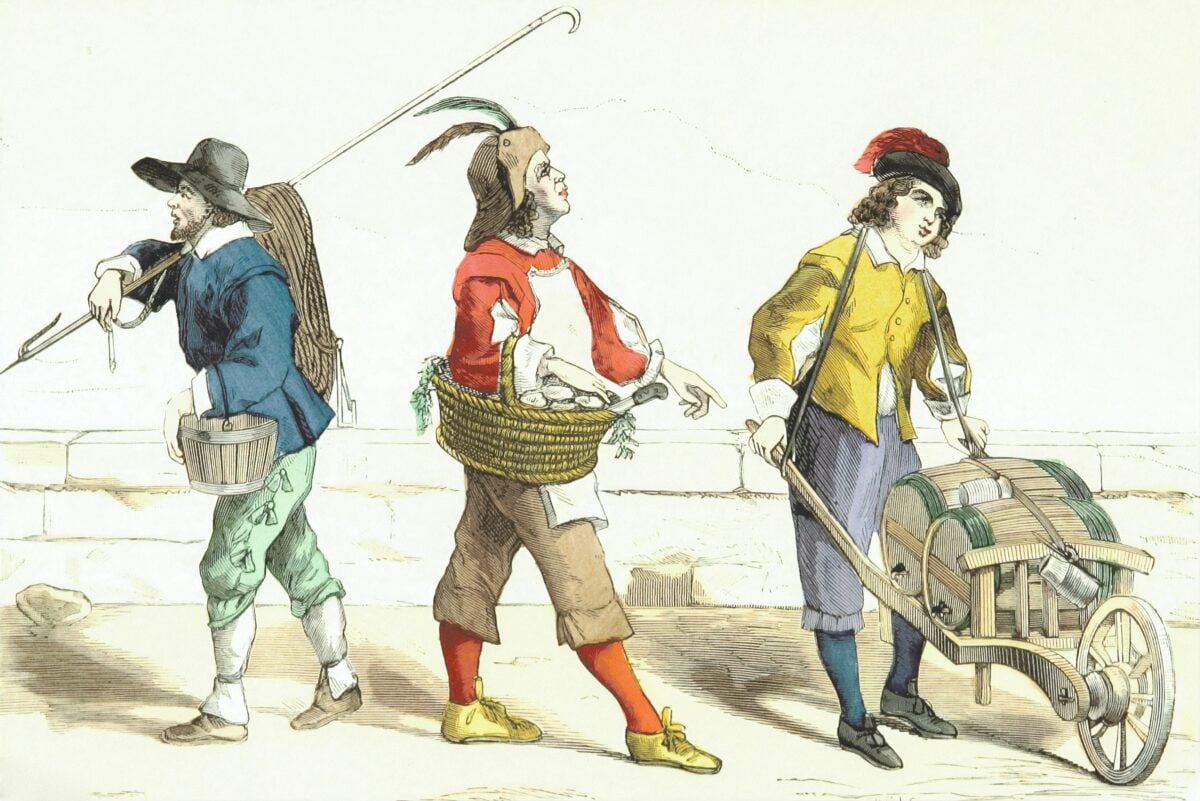
Alexandre Dumas published 277 books during his lifetime in the 1800s. His most famous works, The Three Musketeers and The Count of Monte Cristo, remain popular today.
Dumas employed a team of collaborators who helped research and draft his novels. This practice was controversial even in his time. Critics accused him of not writing his own books.
Dumas didn’t care. He orchestrated the stories, provided the creative vision, and polished the final manuscripts.
That was enough for him. His historical novels made French history accessible and exciting to ordinary readers.
Before Dumas, historical fiction was often dry and focused on dates and facts. Dumas brought adventure, romance, and humor to the genre.
The scale of his ambition was enormous. He tackled multi-volume series that spanned decades of history.
Some of his novels ran to thousands of pages. Modern readers struggle with the length, but 19th-century readers devoured them eagerly.
Agatha Christie: The Mystery Phenomenon

Pulling stories from thin air, Agatha Christie shaped 78 mysteries alongside nearly twenty plays. Books bearing her name moved past two billion copies – few authors ever reached that mark.
Out stepped Christie, shaping two figures who’d linger long past their first pages – Poirot, sharp-featured and foreign-born, alongside a quiet woman from a sleepy village corner. One cracked cases with logic wound tight, the other noticed things folks tended to overlook.
Each twist she built carried weight; nothing sat in her stories by accident. A misplaced word, a missed train – everything clicked when the truth came.
Most of her novels came out at a calm rhythm, one or two yearly. Not once did she hurry.
Planning intricate puzzles mattered deeply, so every answer felt honest yet unexpected. Because of that precision, people still read her stories close to 100 years later.
Not many know Christie penned love stories too, using Mary Westmacott as her alias. Emotions ran deep in those pages, minds tangled, no clues to solve.
Popularity didn’t follow like it did with Poirot or Marple. Still, something quieter showed through – another version of her voice.
The Price of Pages
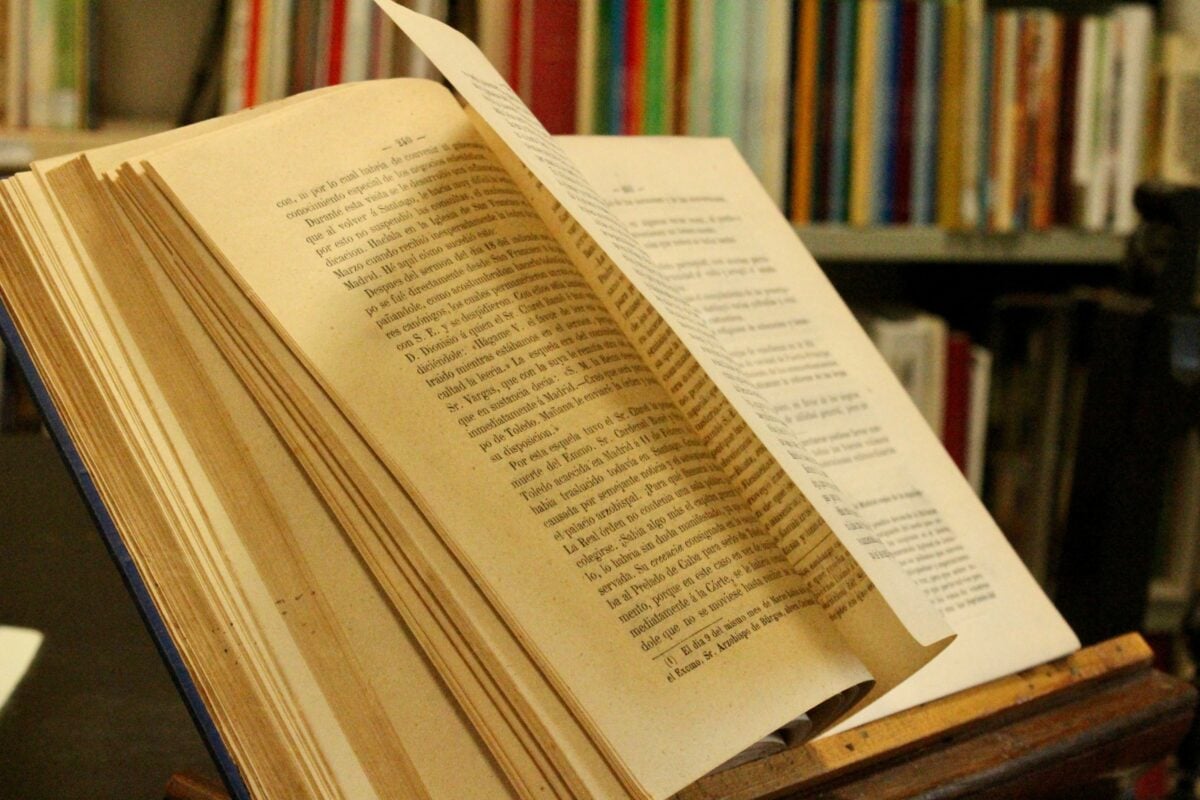
Hours vanish when words stack into volumes. Many traded evenings out, quiet pastimes, even rest, just to keep going.
Sickness did not stop them, nor arguments at home, nor grief that weighed heavy. Silence on paper demanded attention, always, without delay.
For some, such as Asimov and King, delight came through the routine act of writing each day. Not unlike Cartland and Stine, who approached storytelling like a steady trade – reliability outweighing flashes of insight.
Then there were figures like Hubbard and Inoue, whose drive appeared rooted in forces they could not easily resist. What remains behind goes beyond numbers on a page or milestones met.
Staying active creatively through years turns out doable when showing up matters more than inspiration. Showing up again and again reveals writing does not depend on moments of sudden clarity.
Doing the task even when motivation fades becomes its own kind of truth. Shelves everywhere hold their books, tucked into corners of houses and public rooms alike.
Masterworks among them reshaped how stories get written. Forgotten paperbacks linger too, kept alive by those who hunt rarities.
Every volume came from long stretches at a table, lines built word by careful word. Effort like that earns notice, regardless of whether the writing soars.
More from Go2Tutors!

- The Romanov Crown Jewels and Their Tragic Fate
- 13 Historical Mysteries That Science Still Can’t Solve
- Famous Hoaxes That Fooled the World for Years
- 15 Child Stars with Tragic Adult Lives
- 16 Famous Jewelry Pieces in History
Like Go2Tutors’s content? Follow us on MSN.