Bizarre Fashion Rules for Victorian Men
Picture the most buttoned-up era in history, where showing an ankle was scandalous and proper posture could determine your social standing. Victorian men didn’t just get dressed in the morning — they armored themselves in layers of rigid expectations, each piece of clothing carrying its own encyclopedia of unspoken rules.
These weren’t suggestions or gentle guidelines. Break them, and you’d find yourself whispered about at dinner parties, passed over for promotions, or worse — completely ostracized from polite society.
The Trouser Crease Commandment

Victorian trousers had to hang perfectly straight. No creases, no wrinkles, no evidence that you’d actually sat down like a regular human being.
Men would hang their trousers under mattresses overnight to achieve this impossible standard. The wealthy hired servants whose entire job was trouser management — stretching, pressing, and ensuring that each leg fell like a marble column.
A single horizontal crease across the knee could signal that you were either poor (couldn’t afford proper pressing) or lazy (didn’t care about appearances). Either way, social death.
The Handkerchief Hierarchy

So here’s where things get properly ridiculous: Victorian gentlemen carried multiple handkerchiefs, and (this is the part that sounds made up but absolutely wasn’t) each one had a specific purpose that everyone was somehow supposed to know. The display handkerchief lived in your breast pocket — pristine, perfectly folded, never actually used for anything as vulgar as nose-blowing.
And then you had your working handkerchief, hidden away in a trouser pocket, which could handle the messy business of actual bodily functions. But wait — there’s more.
Evening events required a third, silk handkerchief, because apparently cotton wasn’t fancy enough for nighttime sniffling. The whole system was so complex that etiquette books devoted entire chapters to handkerchief protocol, which is either impressively thorough or completely insane, depending on how you look at it.
The Walking Stick as Character Witness

A walking stick wasn’t just an accessory — it was an autobiography you carried in your hand. The wood told people where you’d traveled, the handle revealed your taste level, and the way you held it broadcast your intentions.
Men collected walking sticks like modern people collect sneakers, but with far more anxiety attached. Oak meant reliability, ebony suggested sophistication, and anything too ornate screamed “trying too hard.”
The grip had to be confident but not aggressive, the swing purposeful but not showy. Lean on it too heavily and you appeared weak.
Ignore it completely and you seemed careless with expensive things.
Collar Height Mathematics
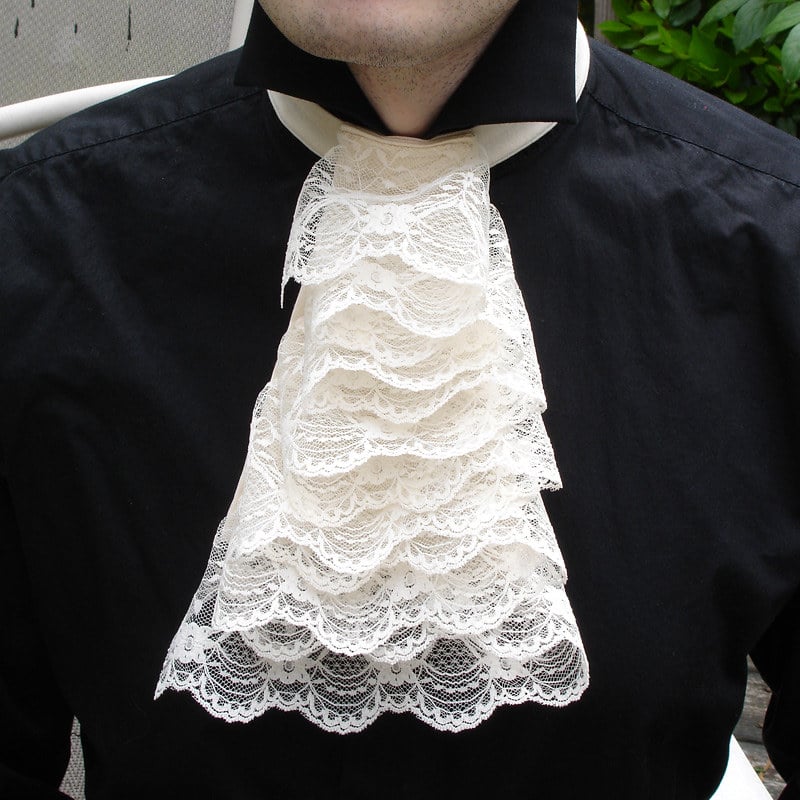
Victorian shirt collars weren’t just tall — they were architectural achievements that defied both comfort and logic. The higher your collar, the more respectable you appeared, which created an obvious problem: at what point does a collar become a neck prison? Society magazines actually published measurements, suggesting that a proper gentleman’s collar should reach halfway up his ears.
Some fashion extremists pushed theirs even higher, creating a look that was part businessman, part medieval torture device. Men practiced turning their heads in mirrors, learning to move like robots to avoid collar-induced decapitation.
The Waistcoat Weather Wars

The waistcoat rule was simple in theory, brutal in practice: never remove it in public, regardless of temperature. Victorian summers were just as hot as modern ones, but men sweltered through heat waves in full three-piece suits because social expectations trumped basic human comfort.
Removing your waistcoat suggested either poor planning (you should have dressed for the weather) or weak character (you couldn’t handle a little discomfort). Office workers fainted at their desks rather than appear underdressed.
Garden parties became endurance contests where the last man standing in full formal wear won some kind of pyrrhic social victory.
Button Behavior by the Book

Every button carried meaning, and (because nothing could be straightforward in Victorian fashion) the rules changed depending on whether you were standing, sitting, or walking down different types of streets. Your top waistcoat button stayed fastened always — this wasn’t negotiable.
The bottom button remained open, but only on waistcoats, never on coats, except during specific social seasons when the reverse applied. Jacket buttons followed their own protocol: always button when standing, sometimes unbutton when sitting, but never unbutton if ladies were present, unless you were in your own home, in which case different rules applied entirely.
Men carried mental flowcharts just to get dressed properly.
The Great Trouser Length Debates

Think modern fashion arguments are petty? Victorian society held passionate debates about where exactly trousers should end in relation to a man’s shoe. Too short and you looked like you’d outgrown your clothes.
Too long and you appeared sloppy. The sweet spot was precisely one inch above the heel, measured while standing completely straight on level ground.
Tailors used rulers. Fashion magazines printed diagrams.
Men bent over in mirrors, checking their ankle exposure like it was a scientific experiment.
Facial Hair as Social Currency

Your mustache wasn’t just hair — it was a carefully curated statement about your personality, profession, and place in society. Mutton chops suggested conservative reliability (good for bankers), while a handlebar mustache indicated creative flair (acceptable for artists, questionable for lawyers).
The length, curl, and daily maintenance routine were all subject to public scrutiny and private judgment. Men spent more time grooming their facial hair than most modern people spend on their entire morning routine.
Wax, combs, tiny scissors, and specialized brushes turned every bathroom into a barbershop. Clean-shaven men were viewed with suspicion — what were they hiding?
The Science of Sock Selection

Even socks had rules, because apparently no item of clothing was too insignificant for social regulation. Colors had to coordinate not just with your outfit, but with the season, the occasion, and your perceived social standing.
Dark socks with dark trousers, light socks with light trousers, but never white socks unless you were engaging in actual athletic activity (which gentlemen rarely did). The height mattered too — socks that showed skin between trouser and shoe were social kills.
Men’s sock drawers looked like military supply closets, everything organized by color, weight, and appropriate usage.
Glove Etiquette Gone Mad

Gloves weren’t just for warmth — they were like a secret handshake that everyone had to learn. Different gloves for different times of day, different activities, different social classes you might encounter. Leather for business, silk for evening, cotton for casual (though “casual” barely existed).
You couldn’t shake hands while wearing gloves unless the other person was also wearing gloves, but you couldn’t remove your gloves without following a specific sequence that involved your hat, your walking stick, and a subtle bow. The whole ritual was so complex that young men practiced glove etiquette the way others practiced piano scales.
Hat Tipping Calculations

Removing your hat wasn’t just polite — it was a mathematical equation based on the other person’s age, gender, social status, and relationship to you. A slight tip for acquaintances, a full removal for ladies, a specific angle for superiors, and don’t even think about keeping it on in certain buildings, neighborhoods, or weather conditions.
Men developed hat-related reflexes, their hands moving automatically based on whoever approached. The wrong hat gesture could end friendships, derail business deals, or mark you as someone who clearly hadn’t been raised properly.
The Shoe Shine Status System

Your shoes told everyone exactly how much money you had, how much free time you enjoyed, and whether you employed domestic staff. Scuffed leather suggested either poverty or carelessness — both social death sentences.
Wealthy men had their shoes polished twice daily, before leaving the house and upon returning. The shine had to be mirror-perfect, the laces precisely tensioned, the leather supple but not too soft. Shoe care required special cloths, specific polishes, and brushes designed for different leather types.
A gentleman’s shoe care kit was more extensive than most modern tool boxes.
The Evening Wear Transformation

Daytime clothes and evening clothes weren’t just different — they represented completely separate identities. Men changed not just their outfits but their entire personas when the sun went down.
Evening wear was tighter, more formal, more expensive, and far less forgiving of any mistakes. White bow ties had to be hand-tied (pre-tied was for servants), tailcoats had to hang at exactly the right length, and patent leather shoes had to gleam like black mirrors.
The transformation from day to evening took over an hour and required assistance, planning, and nerves of steel.
When Fashion Rules Ruled Everything

These weren’t just clothes — they were a daily performance where every man was both actor and critic, constantly judged and constantly judging others. The rules weren’t written down in any single place, which made them even more treacherous to navigate.
You learned by watching, by making mistakes, by suffering through social embarrassment until you got it right. And the truly maddening part? The rules kept changing, shifting like sand beneath everyone’s feet, ensuring that no one could ever be completely confident they were doing it right.
More from Go2Tutors!

- The Romanov Crown Jewels and Their Tragic Fate
- 13 Historical Mysteries That Science Still Can’t Solve
- Famous Hoaxes That Fooled the World for Years
- 15 Child Stars with Tragic Adult Lives
- 16 Famous Jewelry Pieces in History
Like Go2Tutors’s content? Follow us on MSN.