Bizarre Laws About Driving in Other Countries
Anyone who’s driven abroad knows that traffic rules change the moment you cross a border. Speed limits shift, right-of-way rules flip, and suddenly everyone’s honking for reasons you can’t quite figure out.
But some countries take their driving regulations to truly extraordinary places — laws so specific and strange they make you wonder what exactly happened to inspire them.
Germany’s Autobahn Speed Zones
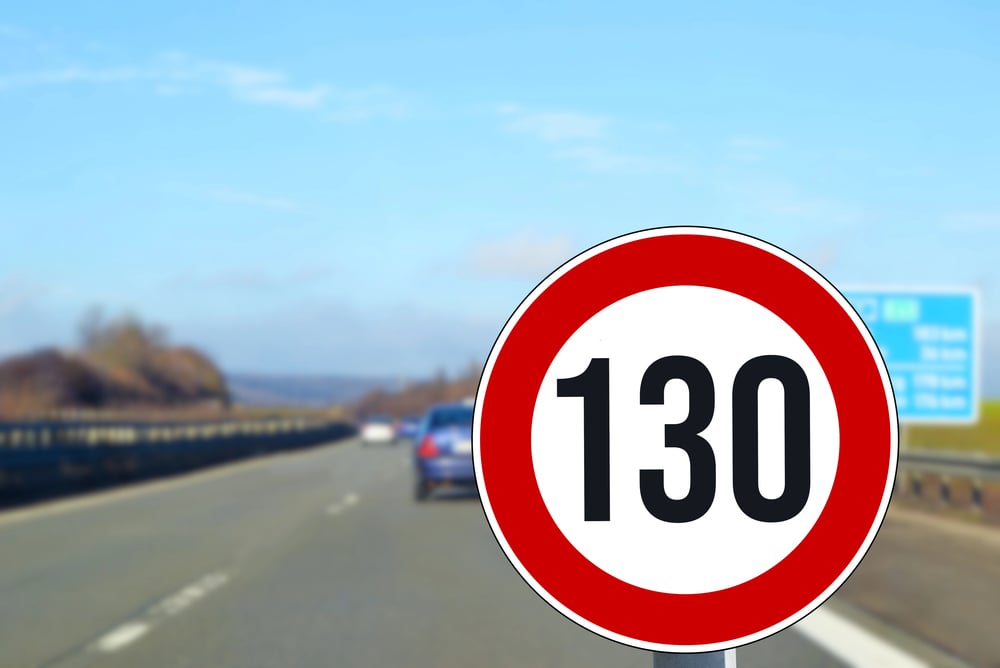
The Autobahn gets all the glory for having no speed limits, but that’s only part of the story. Running out of gas on the Autobahn is actually illegal.
Not just inconvenient or dangerous — genuinely against the law. The reasoning makes sense once you think about it: if you can’t be bothered to check your fuel gauge, you’re creating an avoidable hazard on roads where cars regularly travel at 150+ mph.
Pull over for any non-emergency reason and the fines start stacking up. Even emergency stops require specific protocols that most tourists never hear about until it’s too late.
Japan’s Splash Laws
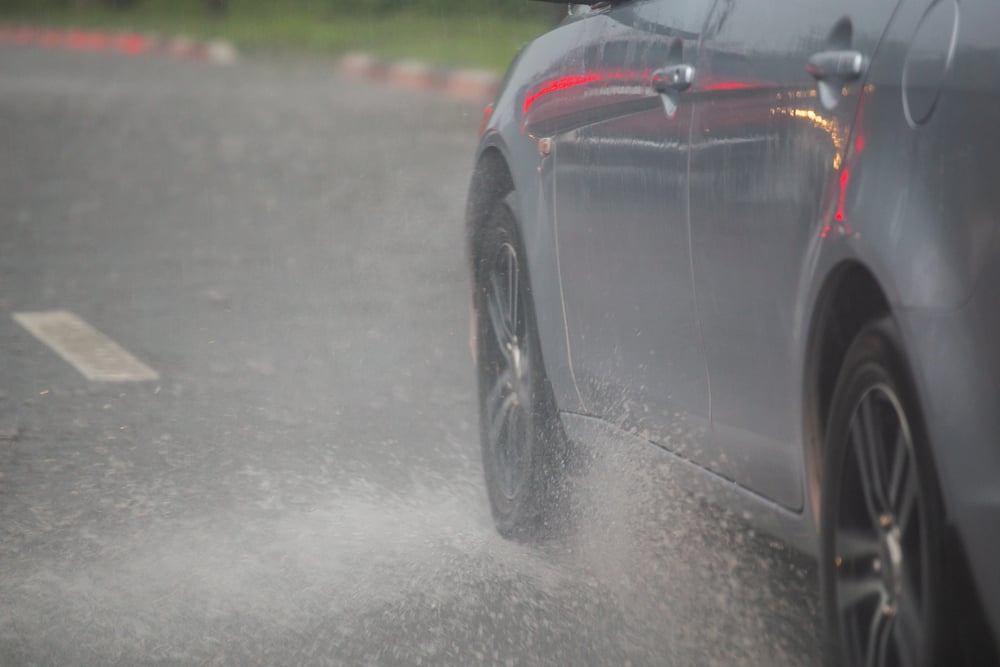
Picture this: you’re navigating Tokyo’s narrow streets during the rainy season (which, if you’ve been there in June, feels like driving through a perpetual car wash), and you hit a puddle a little too enthusiastically. That spray of water that arcs gracefully toward the sidewalk? It’s not just rude — it’s expensive. Japan takes pedestrian protection seriously enough that soaking someone with your car can result in fines that make parking tickets look generous.
And the enforcement isn’t theoretical: police actually write these citations, especially in areas with heavy foot traffic where umbrellas and business suits create a particularly vulnerable population. So when it rains in Japan, drivers slow down not just for safety, but because that puddle might cost them the equivalent of a nice dinner.
Cyprus and the Drinking Ban
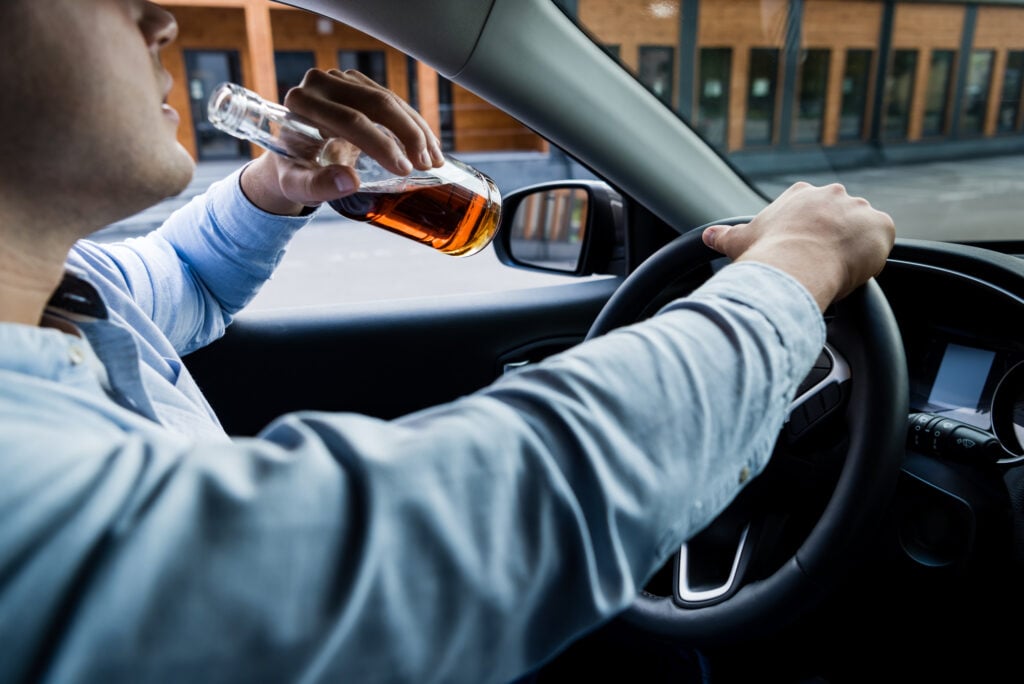
Eating or drinking anything while driving in Cyprus will get you pulled over. Not just alcohol — water, coffee, even unwrapping a piece of gum counts as a distraction worth ticketing.
The law treats your morning coffee the same way most countries treat texting behind the wheel. This creates some genuinely awkward situations for long road trips.
Pull over to hydrate or risk the fine. Cyprus doesn’t mess around with driver attention.
France’s Former Breathalyzer Requirements

For several years, every car in France was technically required to carry an unused breathalyzer kit at all times. Not for the police to use — for you to test yourself before driving.
The government decided that drivers should have no excuse for not knowing their blood alcohol level, so they made the testing equipment mandatory. Think of it as the automotive equivalent of requiring smoke detectors in every home, except instead of preventing fires, you were preventing yourself from becoming a road hazard after that third glass of wine at dinner.
The kits expired, which meant French drivers found themselves making regular trips to the pharmacy not for medicine, but for legal compliance. The law was ultimately repealed in 2020 after years of controversy — the planned fines for noncompliance were never actually enforced, and it emerged that a lobbyist who pushed for the requirement was an executive at a company that manufactured the testing kits.
Thailand’s Shirt Rule

Drive shirtless in Thailand and face a fine. The law specifically targets men driving without shirts, treating it as inappropriate public behavior rather than a traffic violation.
Beach towns see the most enforcement, where tourists regularly discover this rule the expensive way. The logic connects to broader public decency standards, but applying it to private vehicles strikes many visitors as oddly specific.
Thailand simply extends its dress code expectations to anyone visible from public spaces.
South Africa’s Passenger Limits
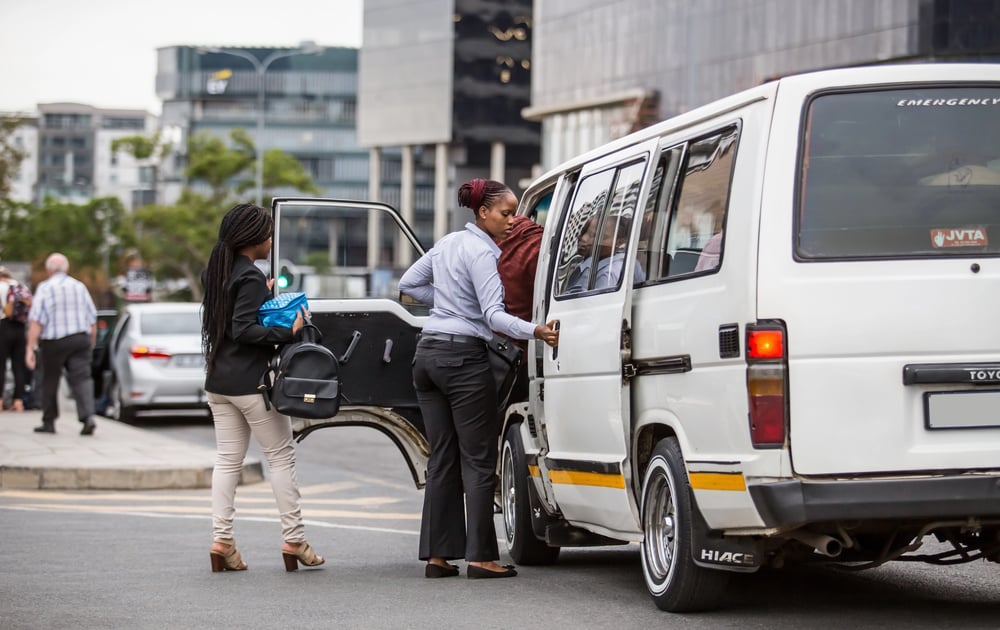
Some vehicles in South Africa have passenger limits that seem to ignore basic math. Minibus taxis — the backbone of public transport — can legally carry specific numbers that don’t always match the available seats.
Meanwhile, private cars face different rules for different provinces. The regulations create situations where crossing a provincial border means your perfectly legal passenger count suddenly becomes a violation.
Navigation apps don’t warn you about changing occupancy laws.
Russia’s Dirty Car Fines

A dirty car in Russia isn’t just unsightly — it can be illegal. If mud, snow, or grime obscures your license plate or lights enough that authorities deem it a safety hazard, expect a ticket.
This becomes particularly challenging during spring thaw, when Moscow’s roads turn into a relentless mix of slush and salt that seems designed to coat every surface of every vehicle. Russian drivers develop an almost compulsive relationship with car washes during certain seasons, not out of vanity, but out of legal necessity.
The enforcement varies by region and officer mood, which means you might drive past ten equally muddy cars before getting pulled over for the exact same violation. But when the fine comes, arguing about selective enforcement rarely helps your case.
Denmark’s Light Laws
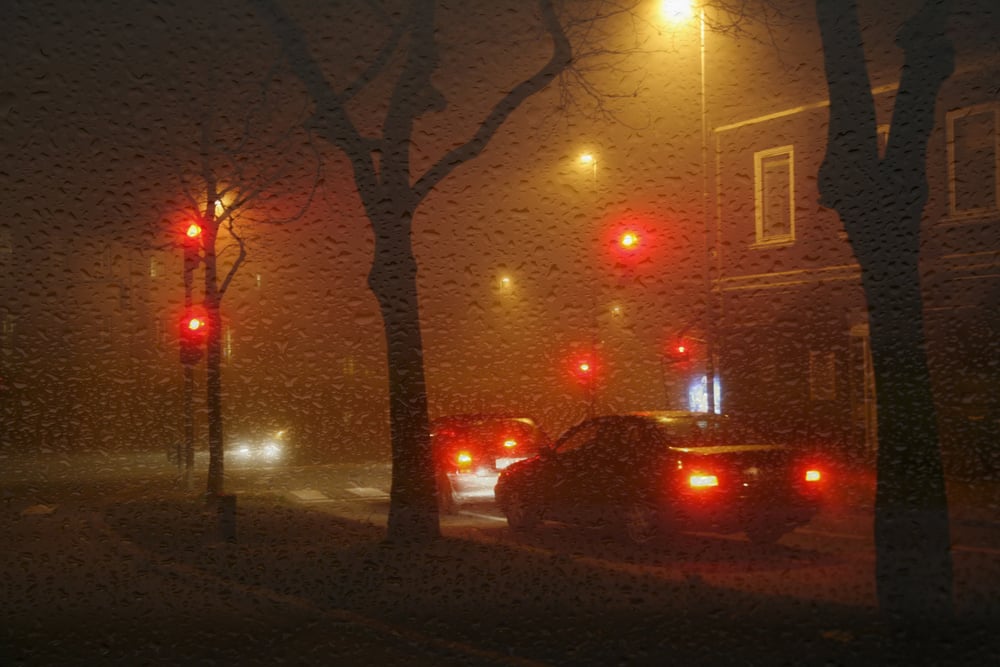
Danish drivers must keep their headlights on at all times, regardless of weather or time of day. Noon on a sunny summer day? Lights on.
The law treats headlight visibility as a constant safety requirement, not something that changes with conditions. This rule catches tourists immediately.
Rental car companies in Denmark build the reminder into their standard briefing, but enforcement starts the moment you leave the lot. Danish roads see more consistent lighting than most countries experience even at dusk.
Spain’s Flip-Flop Restrictions
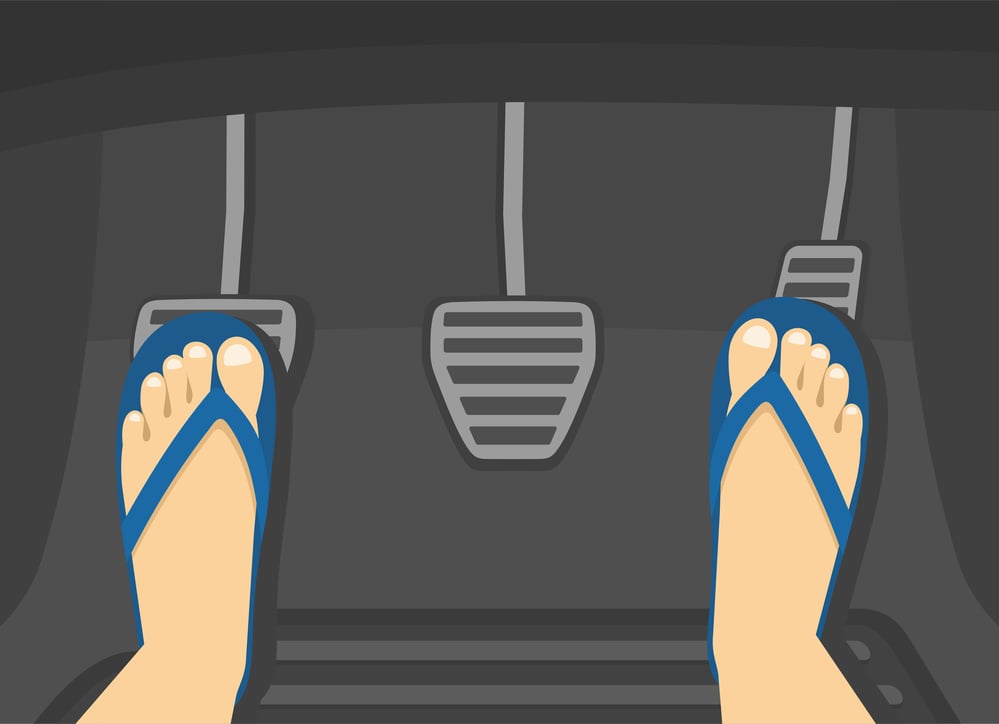
Driving in flip-flops, barefoot, or in certain types of sandals can result in fines in Spain. The law focuses on footwear that might slip off or get caught under pedals during critical moments.
High heels face similar restrictions, creating some interesting wardrobe decisions for Spanish drivers. The enforcement tends to increase during summer months when beach footwear becomes more common.
Spanish traffic police have developed a surprisingly keen eye for identifying problematic shoe choices from a distance.
Singapore’s Music Volume
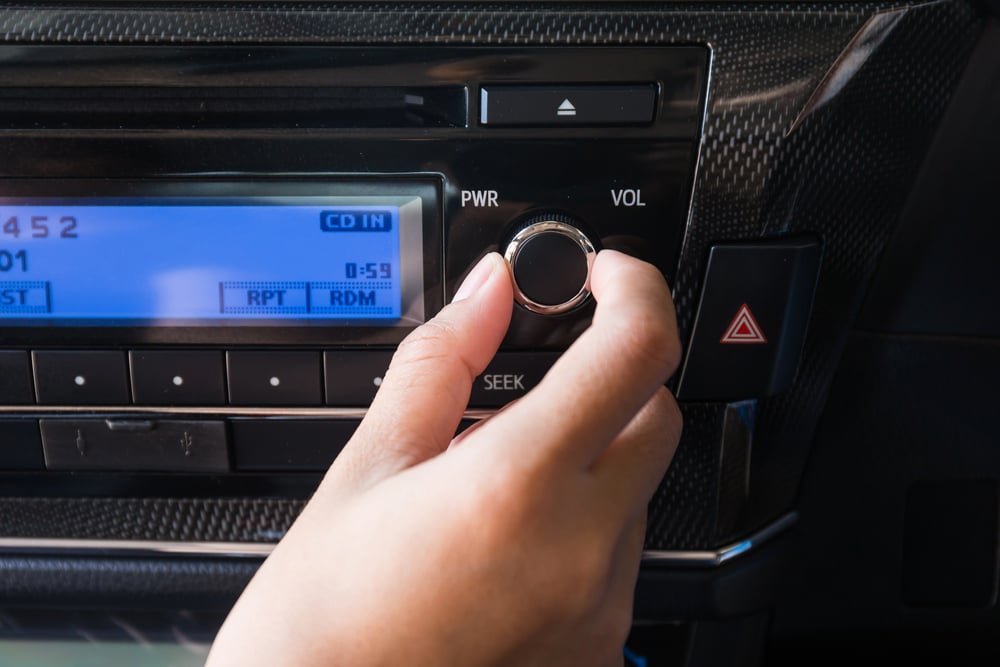
Singapore regulates how loud your car stereo can be, with specific decibel limits that apply even inside your own vehicle. Play music too loudly and face fines that reflect the city-state’s commitment to noise control.
The enforcement extends to both stationary and moving vehicles. Traffic stops in Singapore sometimes include sound level measurements.
The precision of this enforcement reflects the country’s broader approach to urban planning — every aspect of city life gets measured and regulated.
UAE’s Roadside Assistance Rules
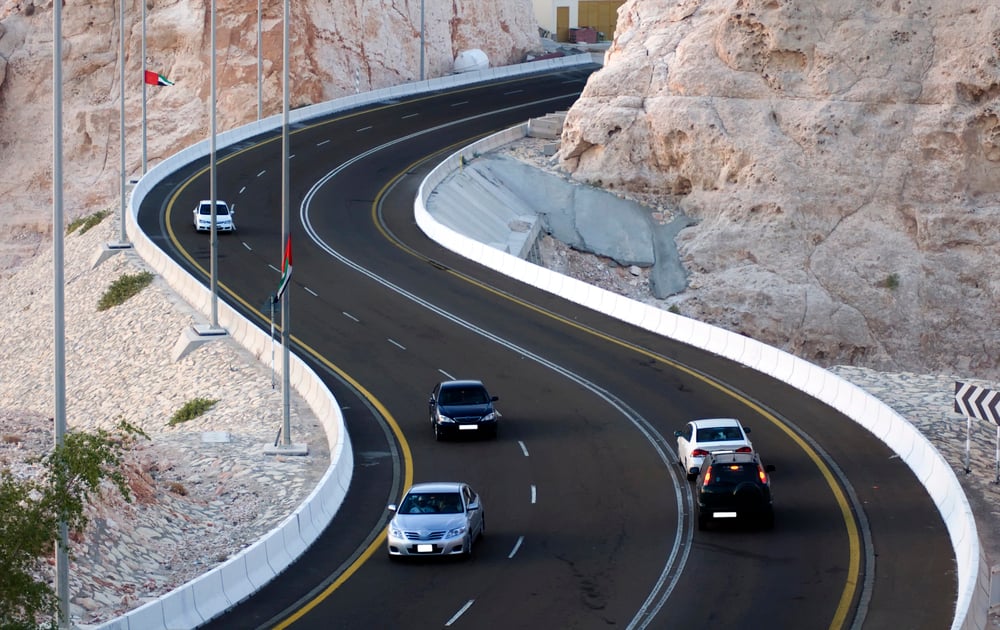
Breaking down on certain highways in the UAE means you legally cannot attempt your own repairs. Call professional assistance or face penalties for creating additional hazards.
The law particularly applies to major highways where high speeds make any stopped vehicle dangerous. This creates expensive situations for minor problems that drivers might normally fix themselves.
Change a tire on the wrong road and discover that self-reliance sometimes conflicts with traffic law.
Italy’s ZTL Zones

Italian cities use Limited Traffic Zones (ZTL) that restrict access during specific hours, but the signage assumes knowledge that most tourists don’t possess. Drive through Florence’s city center at the wrong time and automated cameras issue fines that arrive months later at your home address.
The zones change daily schedules, seasonal restrictions, and vehicle type exceptions that create a navigation puzzle even GPS systems struggle with. Italian driving requires understanding local bureaucracy as much as traffic patterns.
Sweden’s Headlight Cleaning
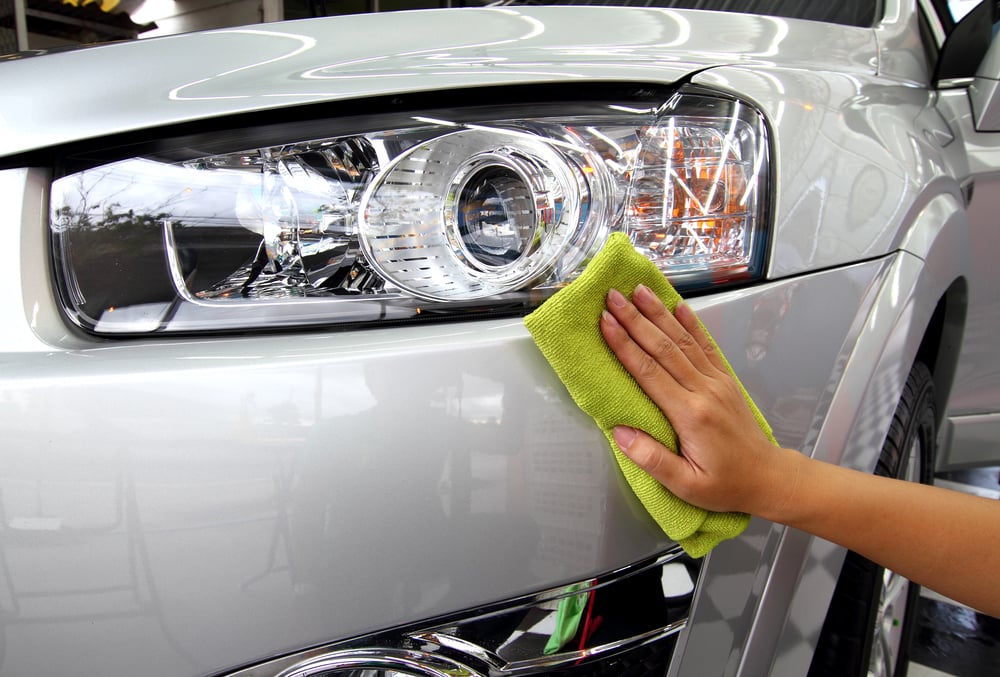
Swedish law requires clean headlights, but takes it further than most countries. If your headlight cleaning system breaks, you’re legally required to clean them manually at regular intervals during winter driving.
The enforcement recognizes that dirty headlights in Swedish winter conditions become genuinely dangerous. This law creates a secondary market for headlight cleaning supplies and has influenced vehicle design standards for cars sold in Sweden.
The Real Cost of Ignorance

These laws exist for reasons that make sense within their local contexts, but they create genuine financial risks for unprepared drivers. Insurance rarely covers fines for legal violations, and arguing ignorance provides little protection when the citation arrives.
The smartest approach involves research before travel, not explanation after tickets. Every country’s roads come with their own cultural assumptions built into law, and respecting those assumptions costs far less than learning them through enforcement.
More from Go2Tutors!

- The Romanov Crown Jewels and Their Tragic Fate
- 13 Historical Mysteries That Science Still Can’t Solve
- Famous Hoaxes That Fooled the World for Years
- 15 Child Stars with Tragic Adult Lives
- 16 Famous Jewelry Pieces in History
Like Go2Tutors’s content? Follow us on MSN.