Candies That Were Popular in the 1920s
The 1920s brought jazz music, flapper dresses, and a whole lot of sweet treats that are still around today. This decade saw candy makers getting creative with new flavors, textures, and packaging that made their products irresistible to kids and adults alike.
Many of these candies became instant classics, and some have stayed on store shelves for over a century. The Roaring Twenties wasn’t just about speakeasies and dance halls—it was also when America’s love affair with candy really took off.
Here are the sweet treats that had everyone reaching into their pockets for spare change during the 1920s. Some of these names might surprise anyone who thought they were modern inventions.
Baby Ruth

This chocolate-covered peanut and caramel bar hit the market in 1921 and quickly became one of the most popular candies in America. The Curtiss Candy Company claimed they named it after President Grover Cleveland’s daughter, though many people suspected it was really about baseball legend Babe Ruth.
Either way, the combination of chewy nougat, crunchy peanuts, and smooth chocolate was hard to resist. The candy bar cost just a nickel and gave people plenty of energy during long workdays.
Bit-O-Honey

This chewy candy made its debut in 1924 and offered something different from the chocolate bars that dominated the market. Made with honey and almond bits mixed into a stretchy-like base, it gave candy lovers a taste that felt a bit more wholesome than pure sugar.
The pieces were individually wrapped, making them easy to share or save for later. Kids loved how long a single piece lasted, since the chewy texture meant they could enjoy it for several minutes.
Charleston Chew

Named after the popular dance craze that swept the nation in 1925, this candy bar featured vanilla-flavored nougat covered in chocolate. The Fox-Cross Candy Company knew how to capitalize on trends, and linking their product to the hottest dance move of the decade was smart marketing.
The bar had a unique texture that was chewy at room temperature but became crunchy and brittle when frozen. Many people still stick Charleston Chews in the freezer today for that satisfying snap.
Milk Duds

These round, chocolate-covered caramel candies appeared in 1926 and got their name from manufacturing ‘duds.’ The candy makers at the Holloway Company tried to create perfect spheres, but the caramel and chocolate coating always resulted in slightly misshapen pieces.
Instead of scrapping the idea, they embraced the imperfection and called them Milk Duds. The candies became a movie theater staple because they lasted a long time and didn’t make much noise when people chewed them.
Oh Henry!

This candy bar launched in 1920 and packed peanuts, caramel, and fudge into one convenient package. The Williamson Candy Company created a bar that was filling enough to serve as a quick meal replacement for factory workers.
Some stories suggest it was named after a boy who hung around the candy company doing odd jobs, though the real origin remains a bit mysterious. The bar’s dense texture and sweet-salty combination made it a favorite among working-class Americans.
Payday

This peanut-covered caramel bar arrived in 1932, just after the decade ended, but its predecessor versions were being tested throughout the late 1920s. The Hollywood Candy Company wanted to create something that felt like a treat but also provided real nutrition with all those peanuts.
Unlike other candy bars, Payday skipped the chocolate coating entirely and let the roasted peanuts be the star. The name played on the idea that this bar was substantial enough to enjoy after getting your paycheck.
Reese’s Peanut Butter Cups

H.B. Reese created these chocolate-covered peanut butter treats in 1928, and they changed candy forever. Reese was a former dairy farmer who worked for Milton Hershey before starting his own candy business.
The combination of sweet chocolate and salty peanut butter was so good that the cups outsold many of Reese’s other candy creations. They were originally sold in five-pound boxes to candy shops before becoming individually wrapped treats.
Red Hots

These tiny cinnamon-flavored candies hit the market in the 1920s and brought serious heat to the candy aisle. The Ferrara Pan Candy Company used a panning process to create the hard shell around each spicy little piece.
Red Hots were popular with people who wanted something that lasted a long time and cleared their sinuses in the process. The intense cinnamon flavor was much stronger than most other candies of the era.
Slo Poke

This caramel sucker on a stick debuted in 1926 and lived up to its name perfectly. The Holloway Company designed it to be hard enough that kids couldn’t bite through it quickly, making parents happy that one piece would keep their children occupied for a while.
The dense caramel had a buttery flavor that was less sweet than many other candies. It became a favorite for long car rides and church services, anywhere kids needed to stay quiet.
Sugar Daddy

Another caramel creation from the 1920s, this one came in the form of a large caramel pop that took forever to finish. The Robert Welch Company created a caramel recipe that was firm enough to hold its shape but soft enough to chew once someone worked on it long enough.
The pops were bigger than most other candies, making them feel like better value for the money. Many people remember their grandparents talking about Sugar Daddy pops from their childhood.
Tootsie Roll

While Tootsie Rolls were invented in 1907, they exploded in popularity during the 1920s when they became one of the first candies sold individually for a penny. The chocolate-flavored candy was cheap to make and could withstand heat without melting, unlike regular chocolate bars.
Soldiers loved them during World War I, and that reputation carried into the following decade. The chewy texture and cocoa flavor made them different from both hard candies and soft chocolates.
Valomilk

This unusual candy cup filled with creamy marshmallow center appeared in 1931, but similar versions were tested in the late 1920s. The Sifers Candy Company created a chocolate cup that held a liquid marshmallow filling, giving people two textures in one treat.
Biting into a Valomilk required some care since the filling could squirt out if someone wasn’t gentle. The candy became a regional favorite, especially in the Midwest.
Goo Goo Cluster
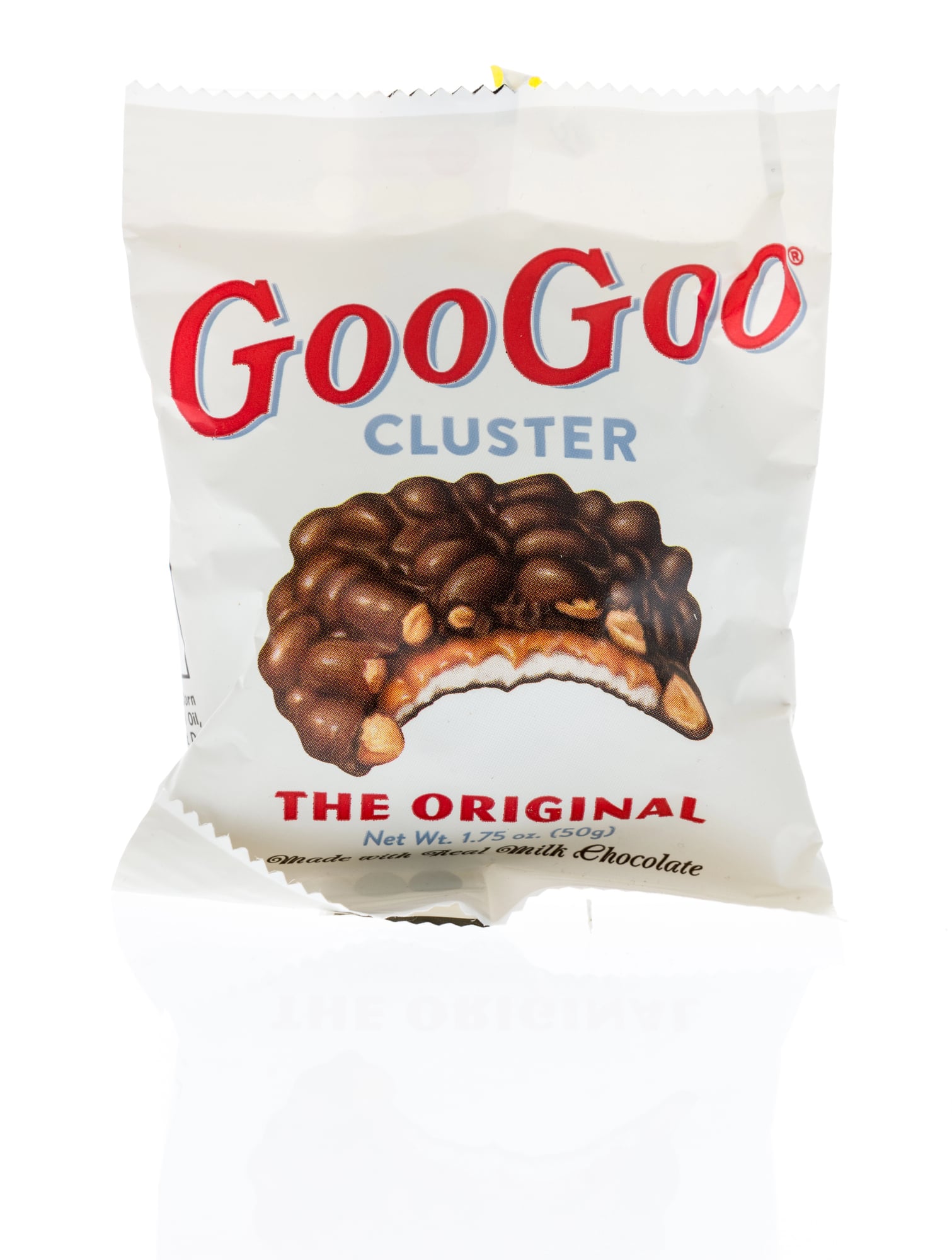
This round candy from 1912 gained massive popularity in the 1920s and is considered the first combination candy bar ever made. The Standard Candy Company in Nashville mixed caramel, marshmallow, peanuts, and chocolate into one large cluster.
Each piece was hand-made until machines could replicate the process in the mid-1920s. The name supposedly came from how babies would reach for the candy and make ‘goo goo’ sounds.
Chuckles

These jellied fruit candies in five flavors came out in 1921 and offered something lighter than heavy chocolate bars. The Fred W. Amend Company created strips of sugar-coated jelly candies that were easy to share.
Each package contained lemon, lime, cherry, orange, and licorice flavors, though the licorice was later replaced with grape. The candies had a firm texture that was somewhere between gummies and hard candy.
Mallo Cup
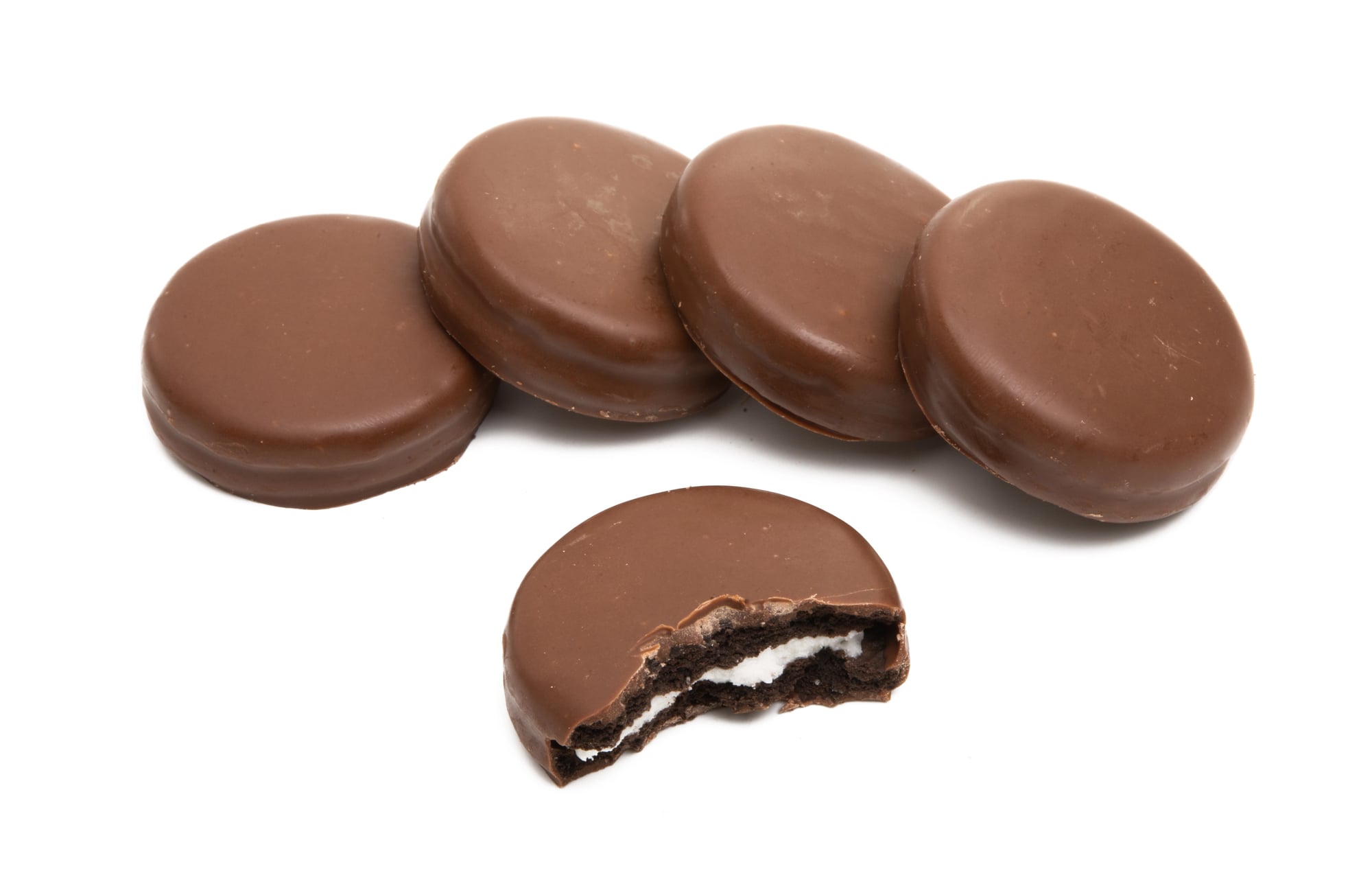
Boyer Brothers introduced this chocolate cup filled with whipped marshmallow cream in 1936, but they were perfecting the recipe throughout the late 1920s. The cup came with cardboard play money inside that kids could collect and redeem for prizes.
This early loyalty program made the candy more exciting than just a sweet treat. The light, fluffy filling contrasted nicely with the thick chocolate coating.
Black Cow

A sweet treat wrapped in crunchy chocolate first showed up in 1926, bringing two flavors into one bite. Holloway Company used its classic caramel candy, coated it with chocolate, then rolled it through tiny bits for a rough feel.
Making each piece required patience, which made them last longer than most snacks when money was tight. Its name? Inspired by how the rich, soft center looked like milk from a deep-coated cow.
Little Candies Stuck To A Strip Of Paper

Back in the 1920s, little blobs of tinted sugar glued to thin paper started catching on fast. Pressed by the Cumberland Valley Company, sweetened crystals formed tiny mounds along lengthy sheets meant for peeling and munching.
What made it interesting? Picking each sugary bump clean – though bits of soggy paper often slipped down the throat.
Made at low cost, they sold for next to nothing, which let households stretching every penny still grab one or maybe two. By then, most had tasted those crumpled strips at least once.
When Sugar Ruled

A burst of sugary delight swept through the 1920s, birthing candies that stuck around far longer than anyone expected. Back then, flavor mattered more than flash, so those classics survived while trends faded.
When hard times hit during the Depression, these small pleasures stayed within reach, lifting spirits without draining pockets. Some makers from that decade still operate now, though a few wear new corporate names on their labels.
Grabbing a Tootsie Roll today means biting into decades of unchanged sweetness, one chewy moment at a time.
More from Go2Tutors!

- The Romanov Crown Jewels and Their Tragic Fate
- 13 Historical Mysteries That Science Still Can’t Solve
- Famous Hoaxes That Fooled the World for Years
- 15 Child Stars with Tragic Adult Lives
- 16 Famous Jewelry Pieces in History
Like Go2Tutors’s content? Follow us on MSN.