Cartoon Characters Based on Real People
Growing up, most people watched their favorite cartoons without realizing something pretty interesting. A lot of those animated characters weren’t just made up out of thin air—they were actually based on real people.
From voice actors to celebrities, animators have been taking inspiration from living, breathing humans for decades. Let’s take a closer look at some of the most surprising examples where cartoons and reality collided.
Popeye the Sailor Man
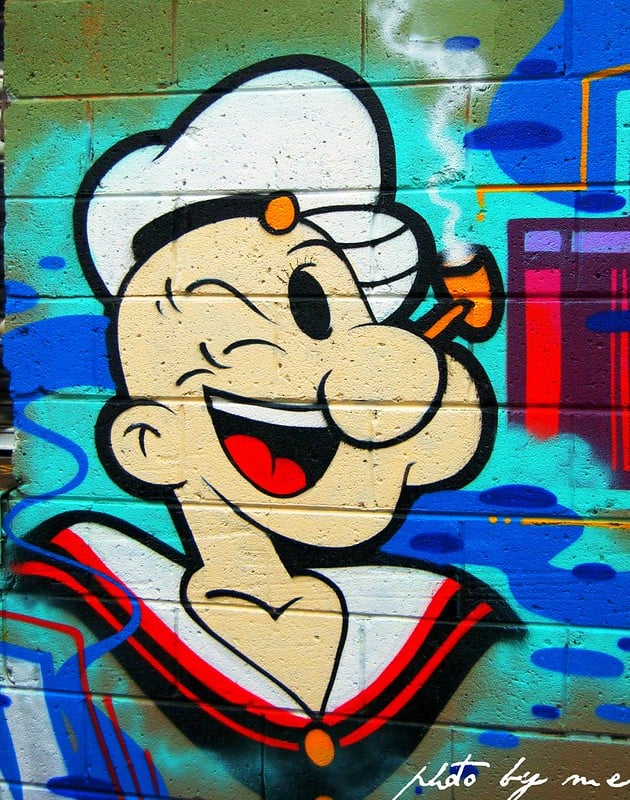
Elzie Crisler Segar, the creator of Popeye, drew inspiration from real life rather than just fiction. He used Frank “Rocky” Fiegel, a local from Chester, Illinois, rather than making it up.
This guy Rocky smoked a pipe, had a strong jaw, and never backed down from a fight—he always mixed things up. Locals said that despite his tough exterior, he was actually kind, much like Popeye in stories.
It’s easy to see the similarities once you hear this background.
Bugs Bunny
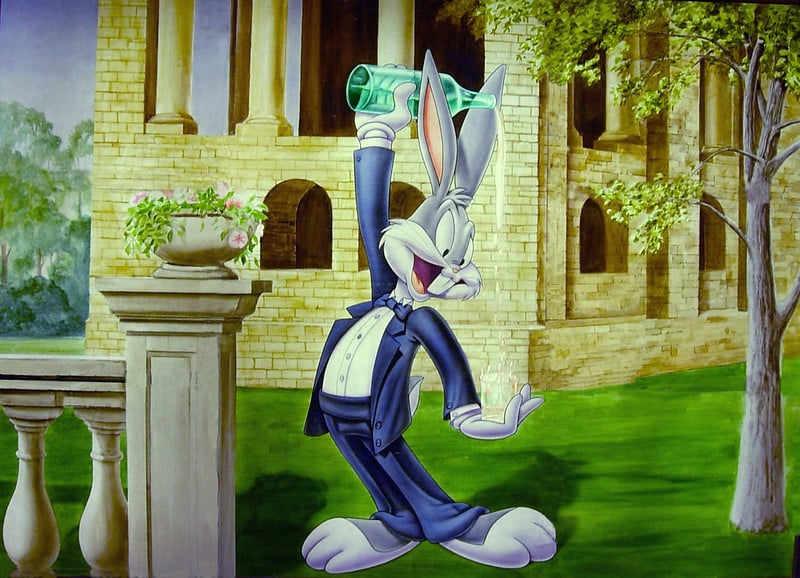
The sassy rabbit with a New York vibe took heavy inspiration from comic legend Groucho Marx. Warner’s animation crew checked out how Marx tossed off sharp jokes, smirked through lines, or waved a cig – just like a carrot in Bugs’ hand.
Instead of copying outright, they tweaked those quirks into something fresh. Tex Avery pushed for that bold, cheeky energy – the kind Marx owned on screen.
Chomping veggies while dishing sarcasm? That snappy rhythm came straight from old Hollywood gold.
Betty Boop

This old-school cartoon character from the ’30s took cues from performer Helen Kane. She sang in a squeaky tone, tossed out lines like “boop-oop-a-doop” – a phrase Betty later ran with.
The similarity stood out so much that Kane hit back with a lawsuit against the animators, but didn’t win it in court. Big peepers, bouncy curls, playful vibe – Betty borrowed every bit from how Kane acted on stage during the jazz-filled twenties.
The Little Mermaid’s Ariel
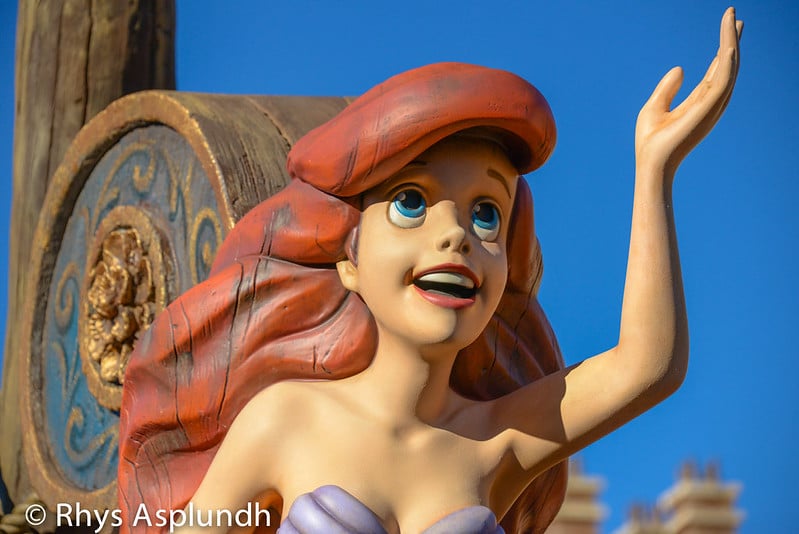
Disney artist Glen Keane examined Alyssa Milano’s face while drawing Ariel. Ever since she appeared on “Who’s the Boss?He was impressed at the time by how animated and honest her facial expressions were—perfect for a mermaid full of inquiries.
Even though parts of Ariel originated from different concepts, those large eyes and happy smile? completely inspired by Milano’s on-screen persona. Milano was exactly the kind of person he needed—someone who would seem kind and in awe of everything.
Shaggy from Scooby-Doo

Comedian Bob Denver’s character Maynard G. Krebs from “The Many Loves of Dobie Gillis” served as the model for the lanky, insatiably hungry member of Mystery Inc. Maynard was a beatnik who shunned work, enjoyed jazz, and had a carefree attitude that would come to define Shaggy.
Shaggy was even given the same shabby goatee and loose clothing that Denver wore on the show by the character designers. Although voice actor Casey Kasem added his own unique touch to the part, Denver’s cherished TV character served as the basis for the character’s appearance and personality.
Tinker Bell
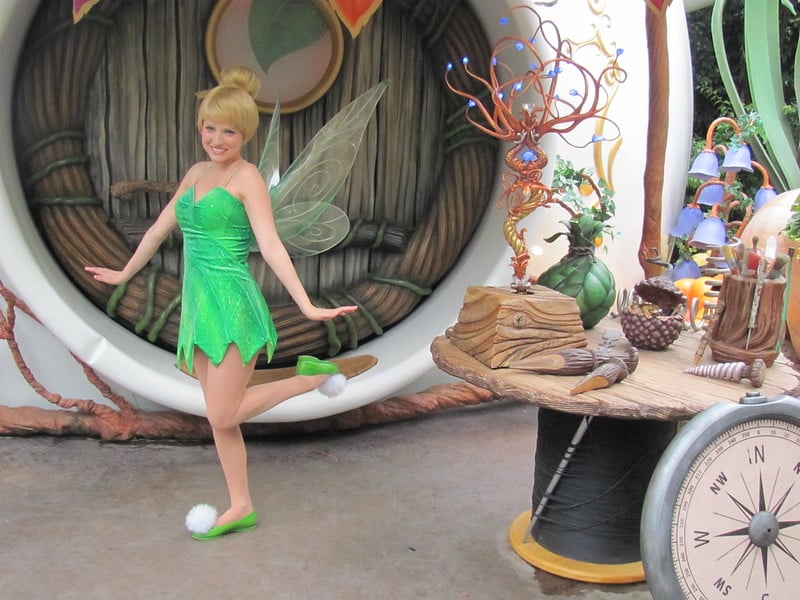
Most people don’t know that the feisty fairy from “Peter Pan” was modeled after actress Margaret Kerry. Disney animators filmed Kerry performing Tinker Bell’s movements and expressions, then used that footage as reference for the animation.
Kerry spent hours acting out scenes in front of cameras, giving the animators realistic human movements to work from. Her graceful gestures and playful attitude became the blueprint for one of Disney’s most recognizable characters, even though she never provided the voice.
Ursula from The Little Mermaid
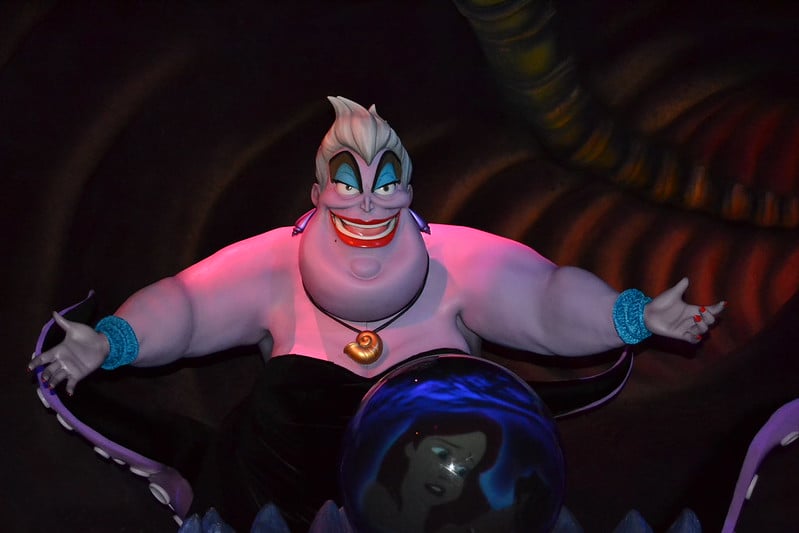
The sea witch villain was inspired by legendary drag queen Divine, known for working with filmmaker John Waters. Divine’s dramatic makeup, larger-than-life personality, and theatrical presence gave animators the perfect template for a memorable villain.
The character designers wanted someone who could be threatening but also entertaining, and Divine’s stage persona offered both qualities. Ursula’s confident movements and dramatic flair came directly from studying Divine’s performances in films like “Hairspray” and “Pink Flamingos.”
Edna Mode from The Incredibles

Fashion designer Edith Head served as the main inspiration for the tiny, no-nonsense costume designer in Pixar’s superhero film. Head won eight Academy Awards during her career and was known for her severe bob haircut and dark-rimmed glasses.
Director Brad Bird even admitted that he voiced Edna himself because he wanted to capture that sharp, direct personality that Head was famous for. The character’s blunt advice and refusal to make capes mirrors the kind of strong opinions real fashion designers often have about their work.
Aladdin
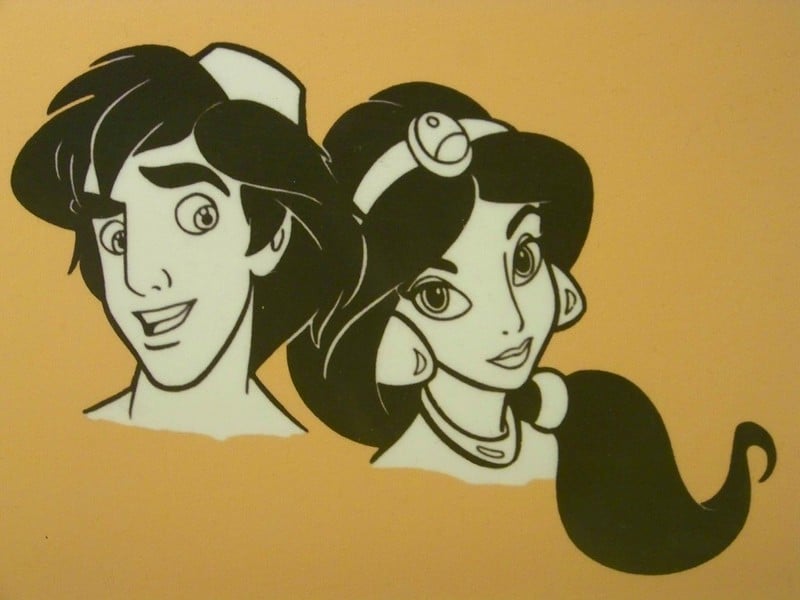
Disney animators used actor Tom Cruise as a reference when designing the street-smart hero from Agra. They studied Cruise’s smile, his confident posture, and the way he moved in action scenes from films like “Top Gun.”
The idea was to create a charming leading man who could win over audiences the same way Cruise did in his movies. While voice actor Scott Weinger brought Aladdin to life with his performance, the physical appearance and swagger came from one of Hollywood’s biggest stars.
Doc from Snow White
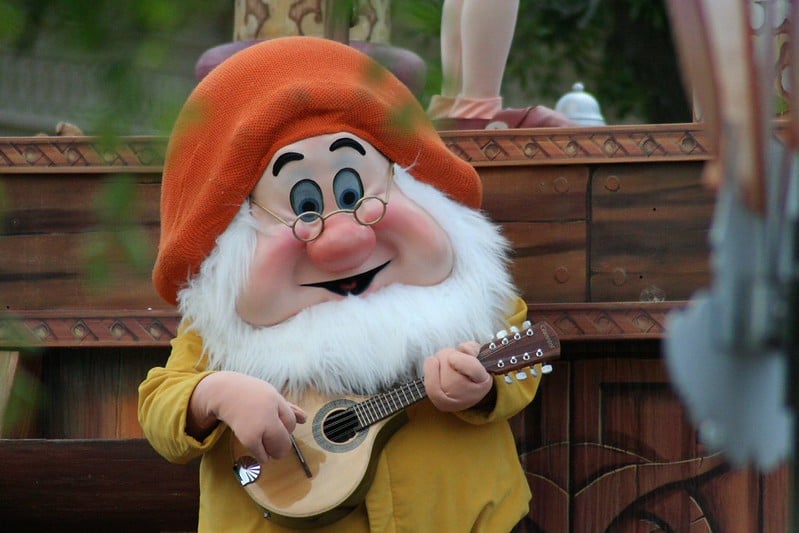
The leader of the seven dwarfs was based on President Theodore Roosevelt, believe it or not. Walt Disney admired Roosevelt’s leadership qualities and wanted Doc to have that same authoritative but caring presence.
Animators gave Doc the round glasses and firm jaw that Roosevelt was known for in photographs and political cartoons. The character’s tendency to mix up his words and act flustered was added for comedy, but his role as the group’s decision-maker came straight from Roosevelt’s reputation as a strong leader.
The Genie from Aladdin
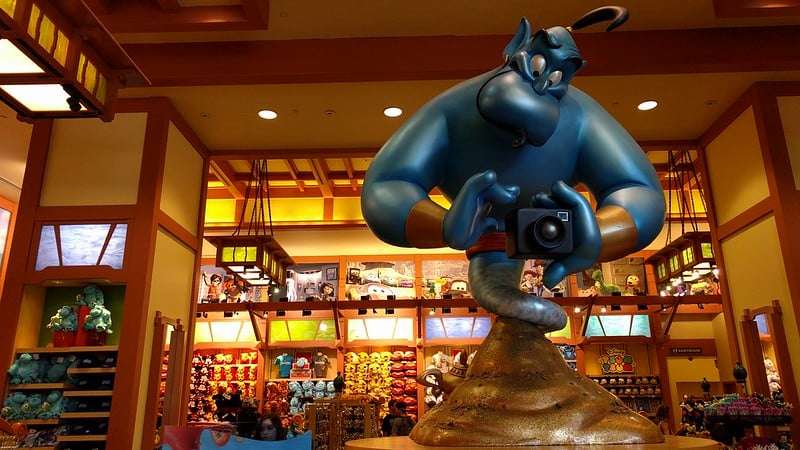
Robin Williams didn’t just provide the voice for this character—the animators designed the Genie’s movements and expressions around Williams’ energetic performance style. They watched hours of his stand-up comedy and film work to capture his rapid-fire delivery and physical comedy.
The character’s ability to transform into different celebrities and pop culture references was written specifically for Williams’ improvisational talents. This created one of the most unique collaborations between a voice actor and animation team in Disney history.
Judge Doom from Who Framed Roger Rabbit
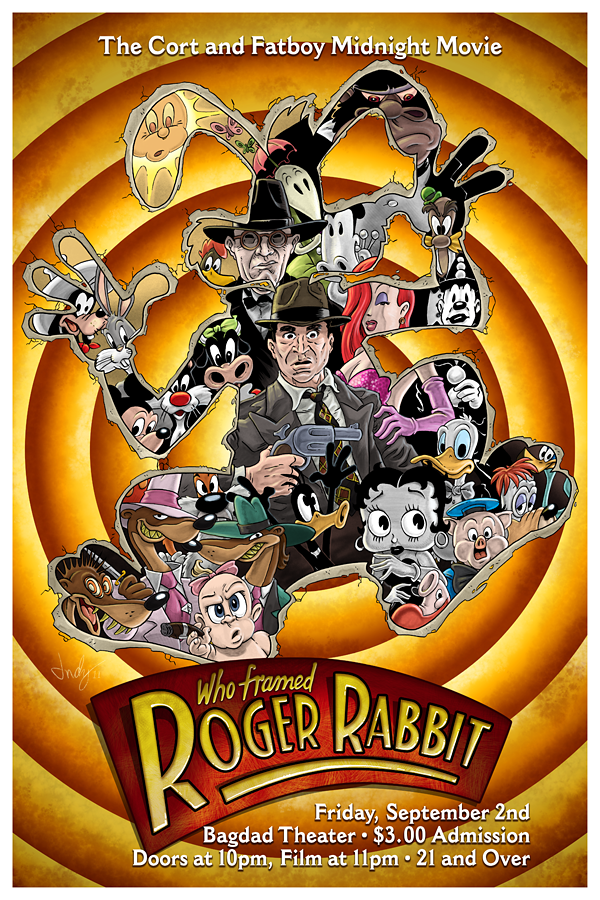
The terrifying villain from this live-action and animation hybrid was partially inspired by film noir actors and prosecutors from old crime movies. Actor Christopher Lloyd brought his own menacing presence to the role, but the character’s design took cues from stern authority figures in the 1940s cinema.
The animators wanted someone who could be both a respected public figure and a hidden monster. Lloyd’s ability to switch between calm professionalism and unhinged rage made the character work on screen.
Jessica Rabbit
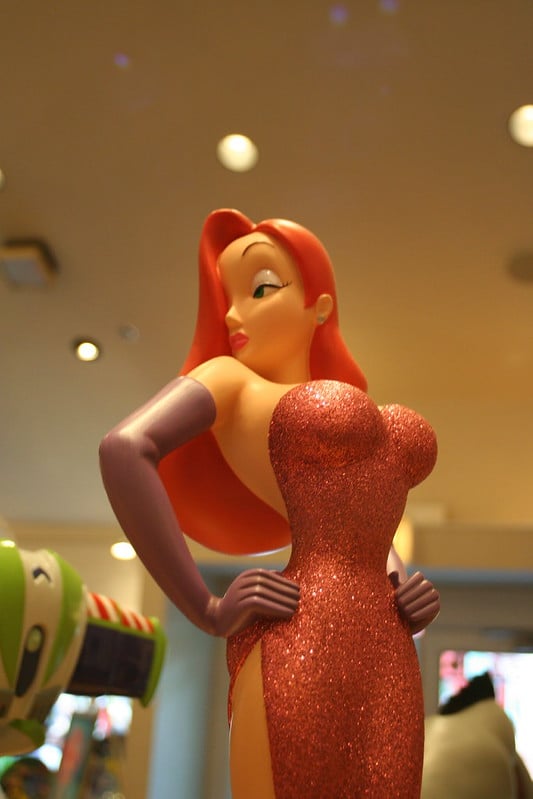
This femme fatale character combined elements from several Hollywood icons, including Rita Hayworth and Veronica Lake. Animator Mark Henn studied old films featuring these actresses to capture their sultry movements and glamorous presence.
The character’s red dress and wavy hair came directly from Rita Hayworth’s appearance in the film “Gilda.” Voice actress Kathleen Turner added the husky voice that completed the character, but the visual design was pure old Hollywood glamour.
Mr. Burns from The Simpsons
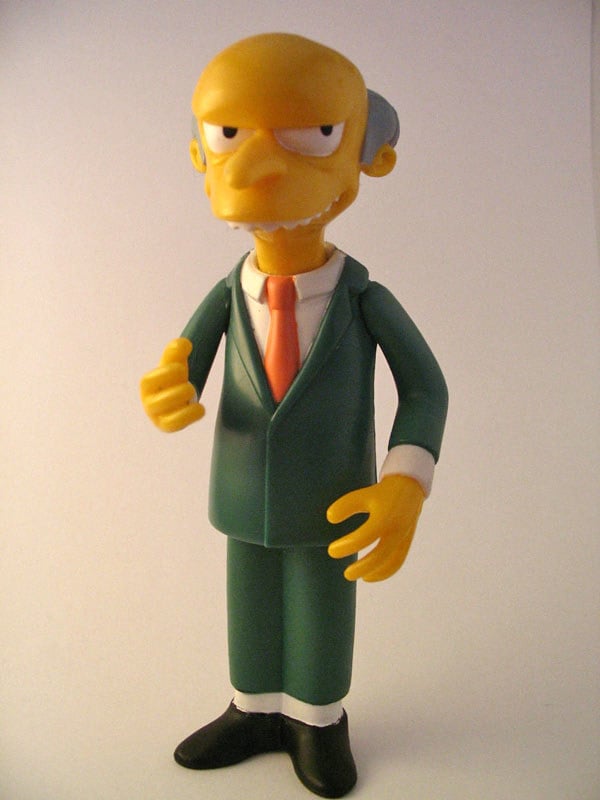
The evil billionaire who runs Springfield’s nuclear power plant was based on several sources, including former President Richard Nixon and Fox network executive Barry Diller. Creator Matt Groening wanted Burns to embody corporate greed and political corruption in one character.
The hunched posture and skeletal appearance came from classic depictions of misers and villains in old cartoons. Voice actor Harry Shearer added the weak, menacing voice that made Burns one of television’s most memorable antagonists.
Ariel’s Sisters in The Little Mermaid
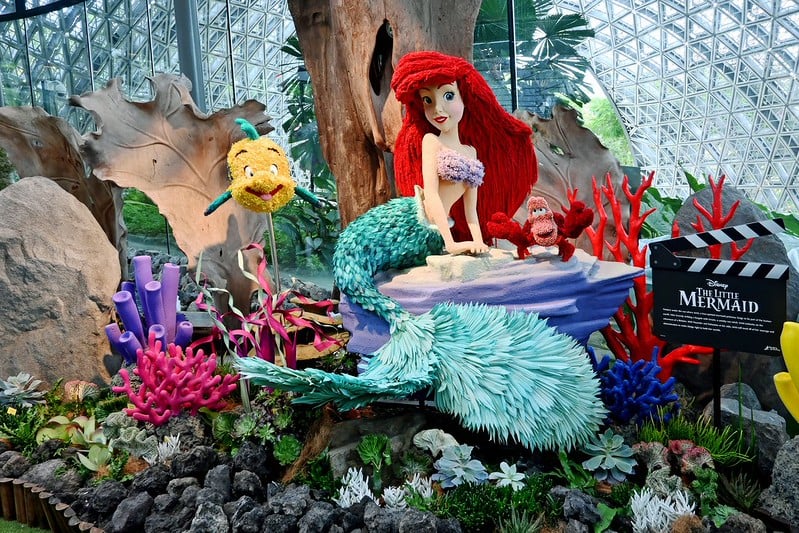
Disney held a competition among the animation staff where they could design mermaids based on their own wives and girlfriends. This resulted in Ariel’s six older sisters having distinct personalities and appearances that reflected real women the animators knew.
Each sister got unique hair colors, facial features, and character traits based on these real-life inspirations. The approach added variety to the underwater kingdom and made King Triton’s family feel more authentic and diverse.
Cruella de Vil from 101 Dalmatians
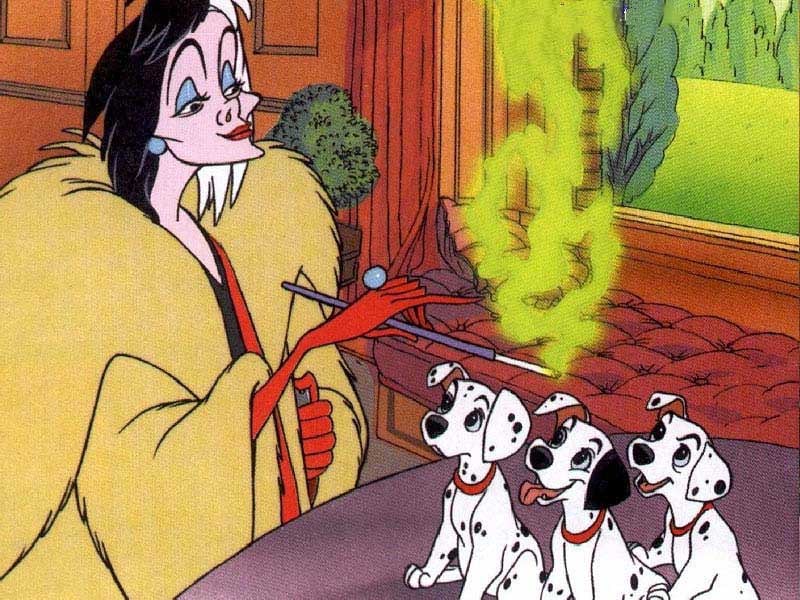
Actress Tallulah Bankhead provided the inspiration for this puppy-hating villain with her dramatic personality and distinctive voice. Bankhead was known for her deep voice, wild behavior, and love of luxury—all traits that defined Cruella’s character.
Animator Marc Davis studied photographs of Bankhead and incorporated her angular features and theatrical gestures into the design. The character’s two-toned hair and cig holder were added to make her even more visually striking and memorable.
Dory from Finding Nemo
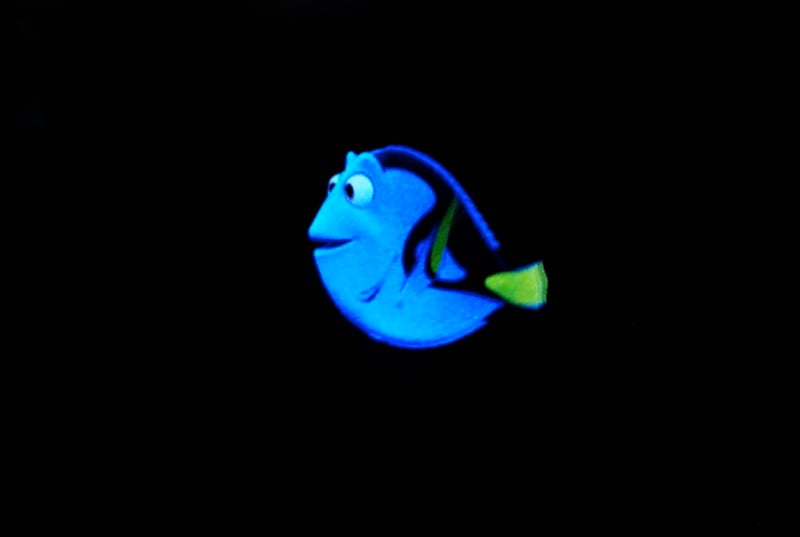
Ellen DeGeneres didn’t just voice the forgetful blue tang fish—director Andrew Stanton wrote the character specifically with her in mind. Stanton watched DeGeneres’ talk show and stand-up performances, then crafted Dory’s optimistic personality and tendency to ramble around her comedy style.
The character’s friendly nature and ability to make friends everywhere she goes mirrors DeGeneres’ public persona. Animators studied her facial expressions and hand gestures to make Dory’s movements feel as natural and expressive as the comedian herself.
Carl Fredricksen from Up
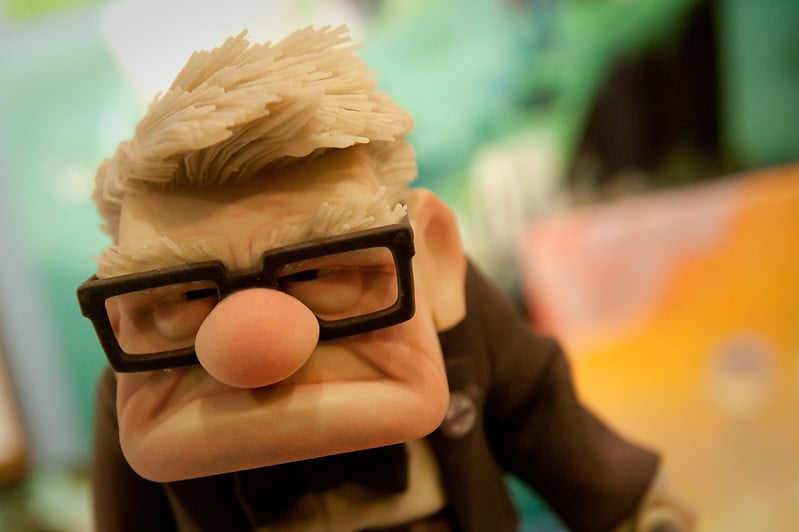
The grumpy old man at the heart of Pixar’s adventure film was partly inspired by Spencer Tracy, the legendary actor known for playing tough but lovable characters. Director Pete Docter wanted Carl to have that same quality where audiences could see past his rough exterior to the good person underneath.
The animators studied Tracy’s performances in films like “Guess Who’s Coming to Dinner” to capture his facial expressions and body language. Voice actor Ed Asner brought his own interpretation, but the foundation came from one of Hollywood’s most respected performers.
When Cartoons Meet Reality
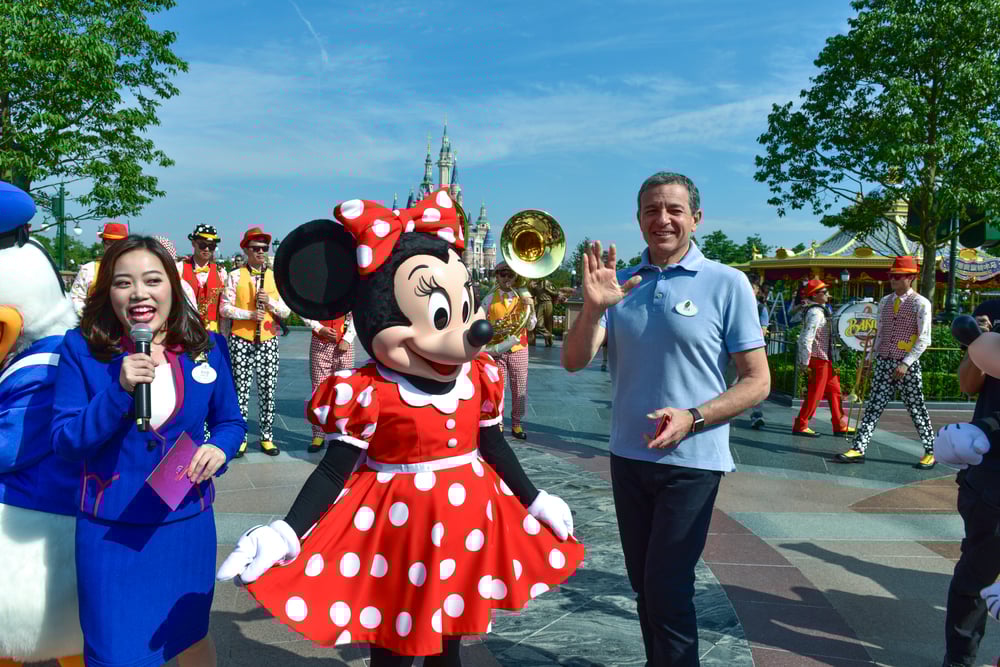
These connections between animation and real life show how artists find inspiration everywhere around them. Whether they’re studying a comedian’s timing, an actor’s smile, or a politician’s posture, animators have always used the real world to make their drawings feel alive.
The next time you watch an old cartoon, you might start noticing little details that seem familiar—and now you’ll know why. These characters stick with us partly because they’re rooted in real people we recognize, even if we didn’t realize it at first.
More from Go2Tutors!

- The Romanov Crown Jewels and Their Tragic Fate
- 13 Historical Mysteries That Science Still Can’t Solve
- Famous Hoaxes That Fooled the World for Years
- 15 Child Stars with Tragic Adult Lives
- 16 Famous Jewelry Pieces in History
Like Go2Tutors’s content? Follow us on MSN.