Christmas Candy Trivia That Will Surprise You
Christmas candy sits in bowls on every table, hangs from tree branches, and fills stockings across the country. These sweet treats feel like they’ve always been part of the holiday, but most of them have stories that go back hundreds or even thousands of years.
The candy canes, gingerbread, and chocolates that define the season didn’t start out looking or tasting the way they do now. They changed over centuries, shaped by wars, trade routes, church rules, and plain old accidents.
The treats that make Christmas taste like Christmas have traveled further and changed more than anyone expects. Some facts about them sound too strange to be true.
Candy canes were plain white for over 200 years
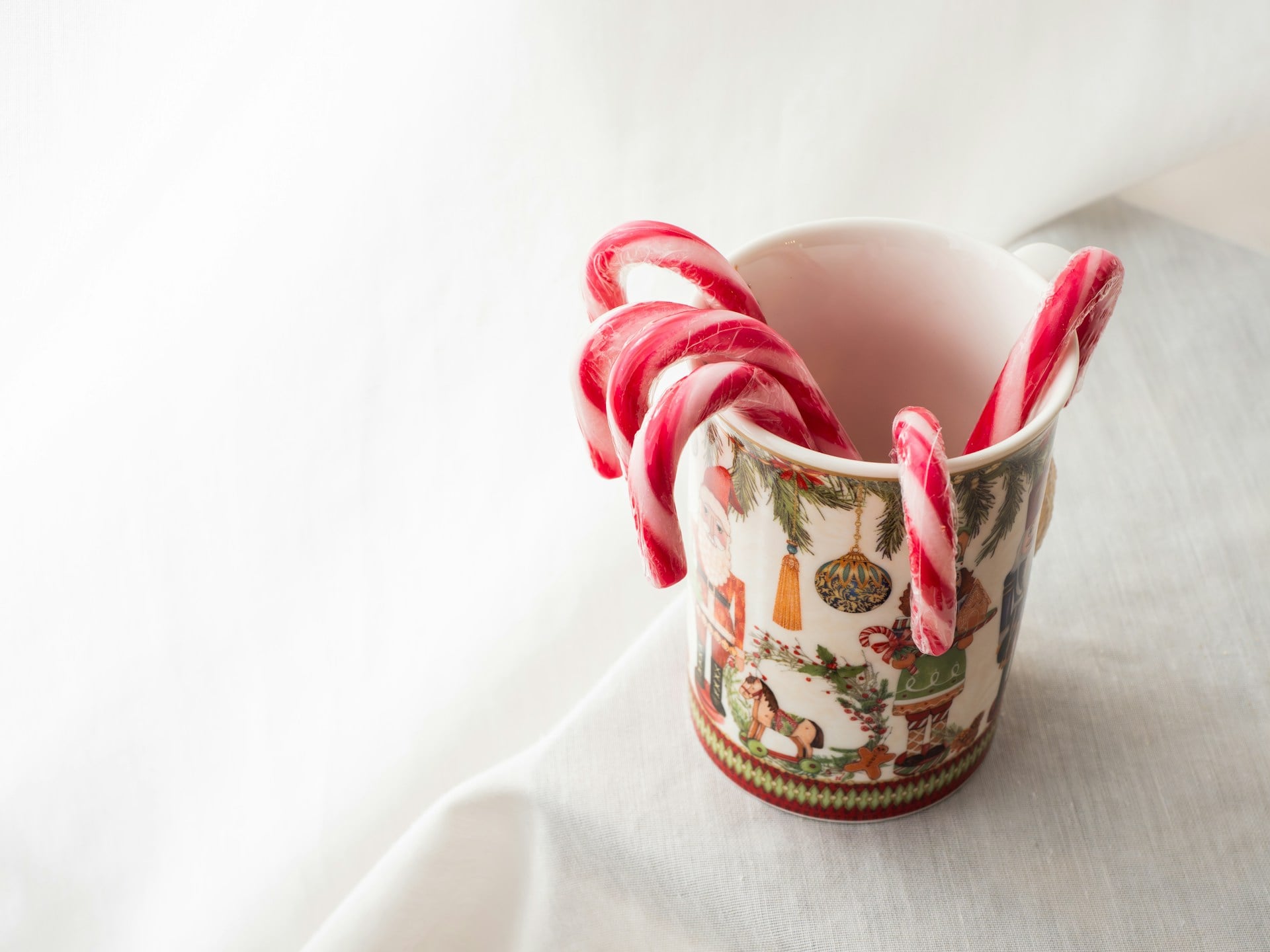
The red and white stripes everyone knows didn’t show up until around 1900. For over 350 years before that, candy canes stayed completely white.
The recipe for adding colored stripes to peppermint sticks appeared in a cookbook from 1844, but it took decades for the practice to catch on. When German immigrant August Imgard decorated his Christmas tree with candy canes in Ohio in 1847, those candies were still just white.
The bold red stripes that now define the candy came along during the early 20th century when production methods improved and dyes became easier to work with.
A priest invented the candy cane making machine

Making candy canes by hand was slow, expensive, and resulted in huge amounts of broken candy. Gregory Harding Keller, a Roman Catholic priest, spent summers working in his brother-in-law’s candy factory and noticed this problem.
In 1957, he patented a machine that automated the twisting, striping, and cutting process. This invention transformed candy canes from a labor-intensive specialty item into something factories could produce by the millions.
Without Keller’s machine, candy canes might still be a rare Christmas luxury instead of something people buy by the box.
The choirboy story is probably made up

The popular tale about a German choirmaster giving children candy sticks bent into shepherd crooks in 1670 lacks any documentation before the mid-20th century. Historians call it apocryphal, meaning it’s a nice story but probably not true.
The hook shape more likely developed as a practical way to hang the candies on Christmas trees, which Germans were already decorating with edible treats. Stories connecting the shape to religious symbolism came later, possibly added to make giving candy in church seem more appropriate.
The real origin is probably more boring than the legend.
Peppermint was once considered medicine
During the Renaissance, candymakers were also apothecaries, and peppermint’s strong taste helped mask the flavor of bitter medicines. The mint also settled upset stomachs and freshened bad breath.
Ancient people cultivated peppermint as far back as 1500 BC, and Egyptians valued the oil so much they buried dried peppermint leaves in pyramids with their dead. When peppermint finally made it into candy instead of medicine, people already associated it with feeling better.
That connection between peppermint and wellness might explain why it still feels like a comforting winter flavor.
Candy canes kept animals away from Christmas trees

Peppermint works as a natural animal deterrent, and people originally hung peppermint candy canes on trees to keep rodents and small animals from damaging them. The strong smell repelled mice, rats, and even cats that might otherwise climb the tree or chew on branches.
This practical use made candy canes popular long before they became purely decorative. German families in the 1700s valued them as much for pest control as for their sweet taste.
The tradition stuck around even after people stopped worrying about rodents eating their holiday decorations.
Most people eat candy canes wrong

Research shows that 58 percent of people start eating from the straight end, while 30 percent begin with the curved end. The remaining 12 percent break the candy into pieces before eating it.
There’s no right answer, but the debate gets surprisingly intense. Some claim starting with the hook preserves the candy cane shape longer.
Others argue the straight end makes more sense because it’s easier to hold. A few people insist breaking it up is the only civilized approach.
The candy industry has studied this question seriously, treating it like important consumer research.
Peppermint bark only became popular in the 1990s
The combination of chocolate and peppermint dates back to ancient times, but peppermint bark as a holiday confection began in the United States in the 1990s. Williams Sonoma founder Chuck Williams assembled a team in 1998 to create a nostalgic treat that reminded him of old candy shops.
Their version became so popular that other companies copied it, and within a few years peppermint bark flooded grocery stores every December. Williams Sonoma only produces it for 12 weeks each year, firmly establishing winter holidays as peppermint bark season.
Something that feels like an ancient tradition is barely older than the internet.
Gingerbread men were invented to flatter important guests
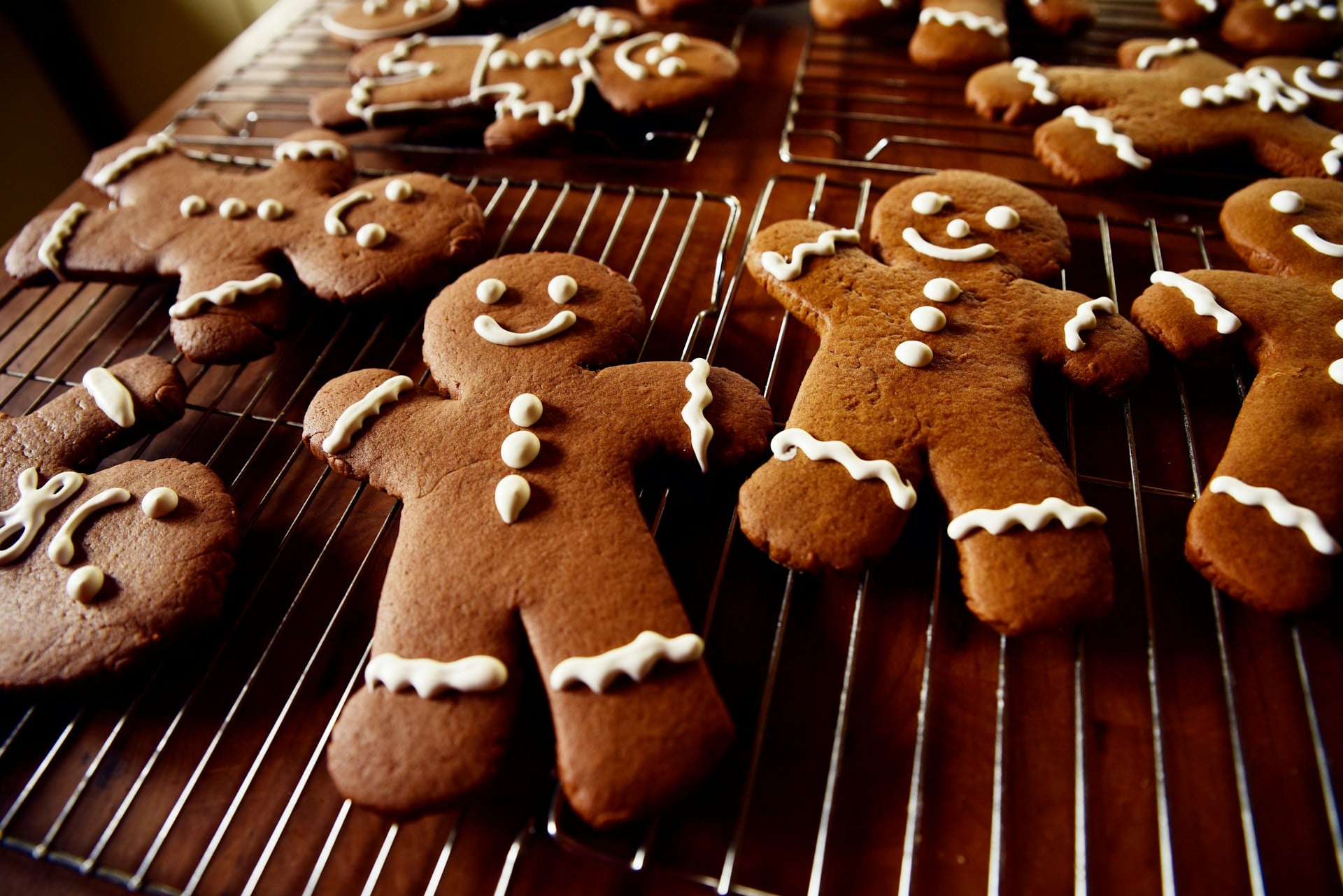
Queen Elizabeth I ordered her bakers to create gingerbread cookies that looked like visiting dignitaries. These fancy cookies featured elaborate gold leaf decorations and intricate details meant to impress foreign nobles.
The practice of shaping gingerbread into human forms spread from the royal court to common people, who made simpler versions for fairs and festivals. Before Queen Elizabeth’s edible portraits, gingerbread mostly appeared as flat decorated cakes or molded shapes of animals and birds.
The gingerbread man as we know it started as royal flattery.
Professional guilds controlled gingerbread baking
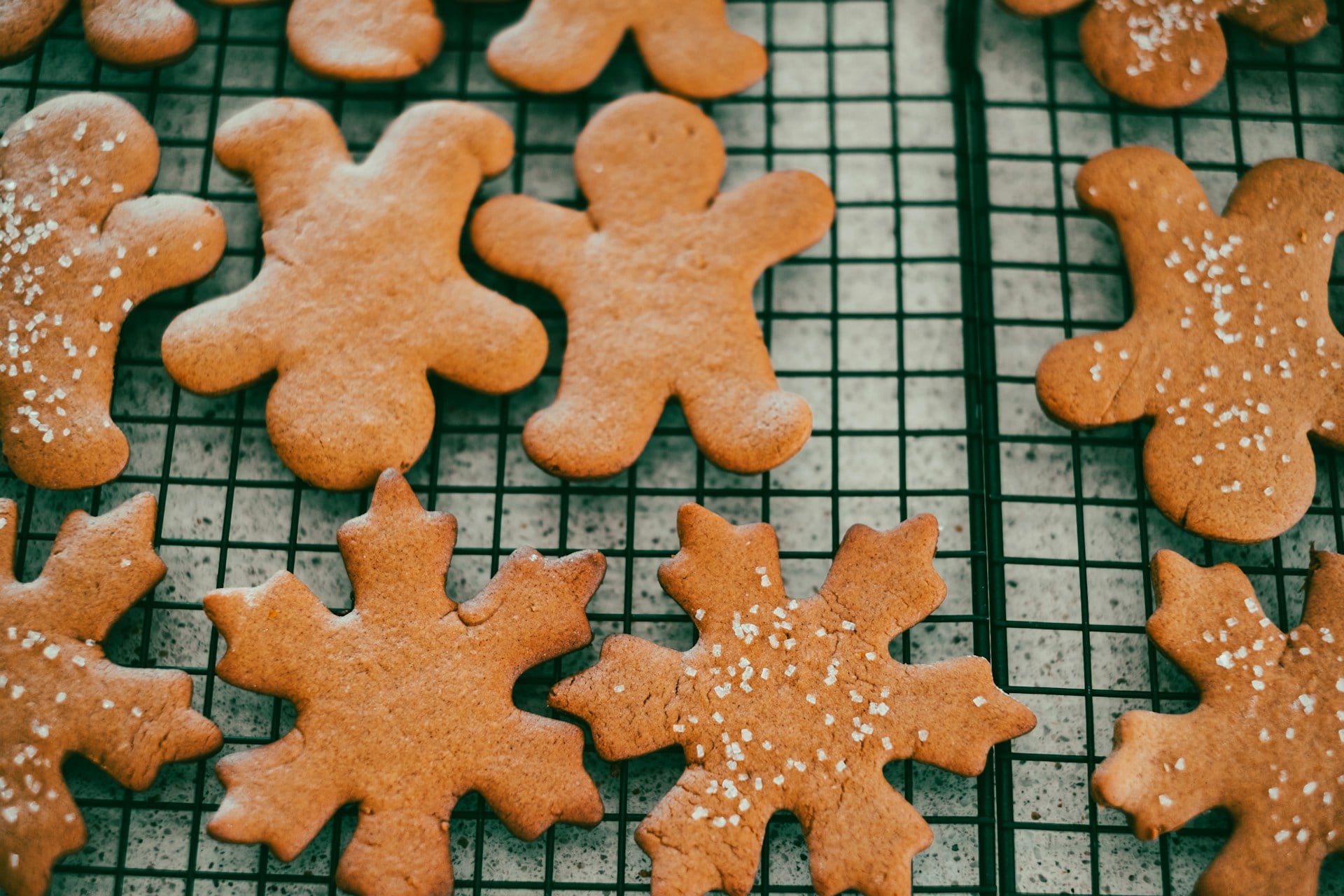
In 17th century Europe, only professional gingerbread bakers could make it except during Christmas and Easter. These guilds protected their recipes and techniques, treating gingerbread making as a serious profession requiring years of training.
Nuremberg, Germany became known as the gingerbread capital of the world in the 1600s, and it still holds that title today. The city regulated who could sell gingerbread and set strict standards for ingredients and quality.
Breaking these rules could get a baker kicked out of the guild or even banned from baking entirely.
Gingerbread houses came from a fairy tale

The Brothers Grimm published Hansel and Gretel in 1812, featuring a witch’s house made of bread, cake, and candy. Food historians debate whether the story inspired German bakers to create edible houses or if bakers were already making them and inspired the tale.
Either way, the connection between the fairy tale and gingerbread houses became permanent. The story made gingerbread houses popular across Europe, and German immigrants brought the tradition to America.
What started as either a scary story or a bakery display became a family Christmas activity.
The largest gingerbread house covered a tennis court
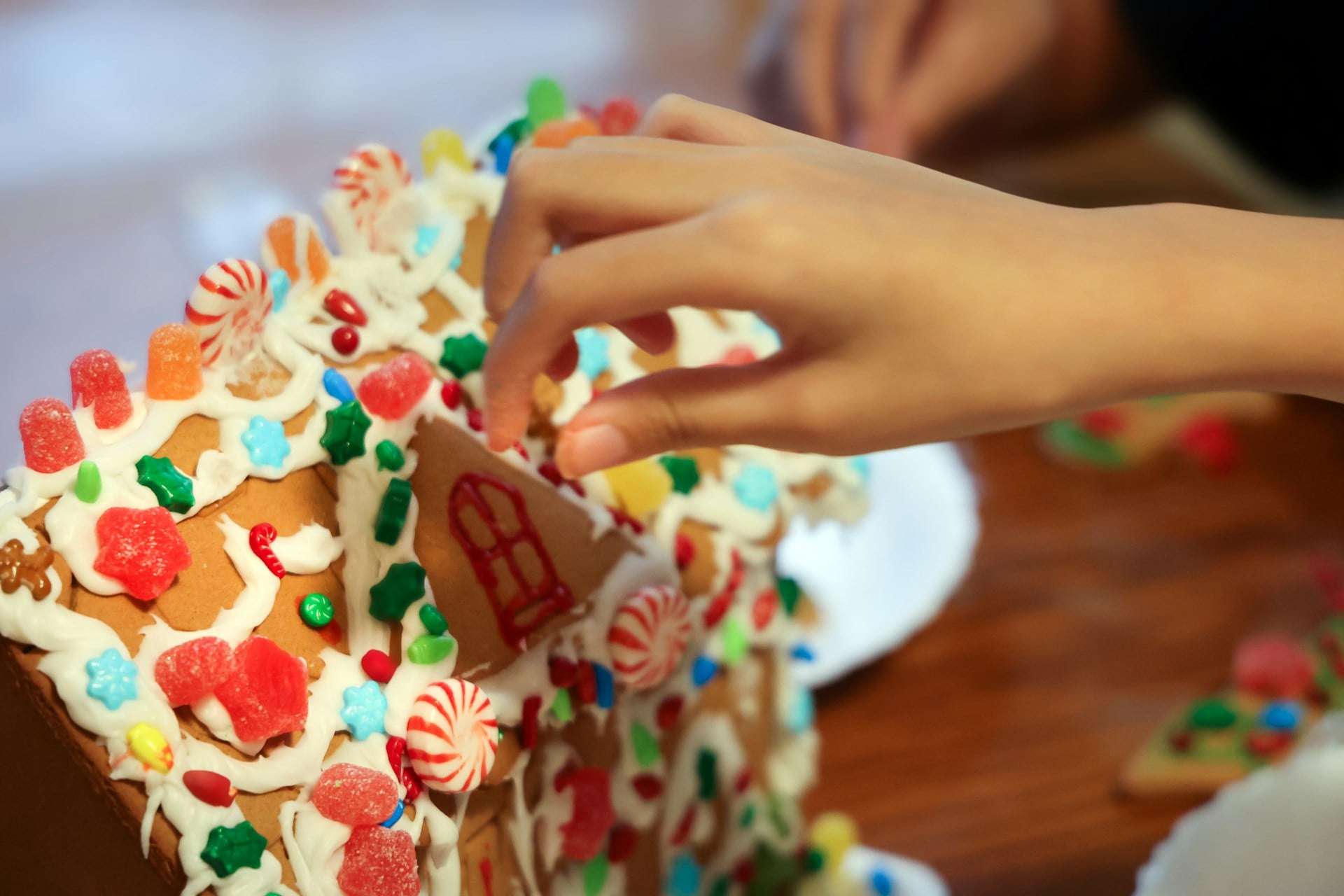
In November 2013, volunteers in Bryan, Texas built a gingerbread house covering the size of a tennis court to raise money for a trauma center. The project required 1,800 pounds of butter, 2,925 pounds of brown sugar, 7,200 eggs, 7,200 pounds of flour, and 1,080 ounces of ground ginger.
The structure had 10-foot-high walls and featured an exterior mounted over a wooden frame that people could actually eat. The fundraiser worked, bringing in money for St. Joseph’s Hospital while setting a world record.
Everything really is bigger in Texas, including Christmas cookies.
Ancient Romans invented fruitcake as soldier food
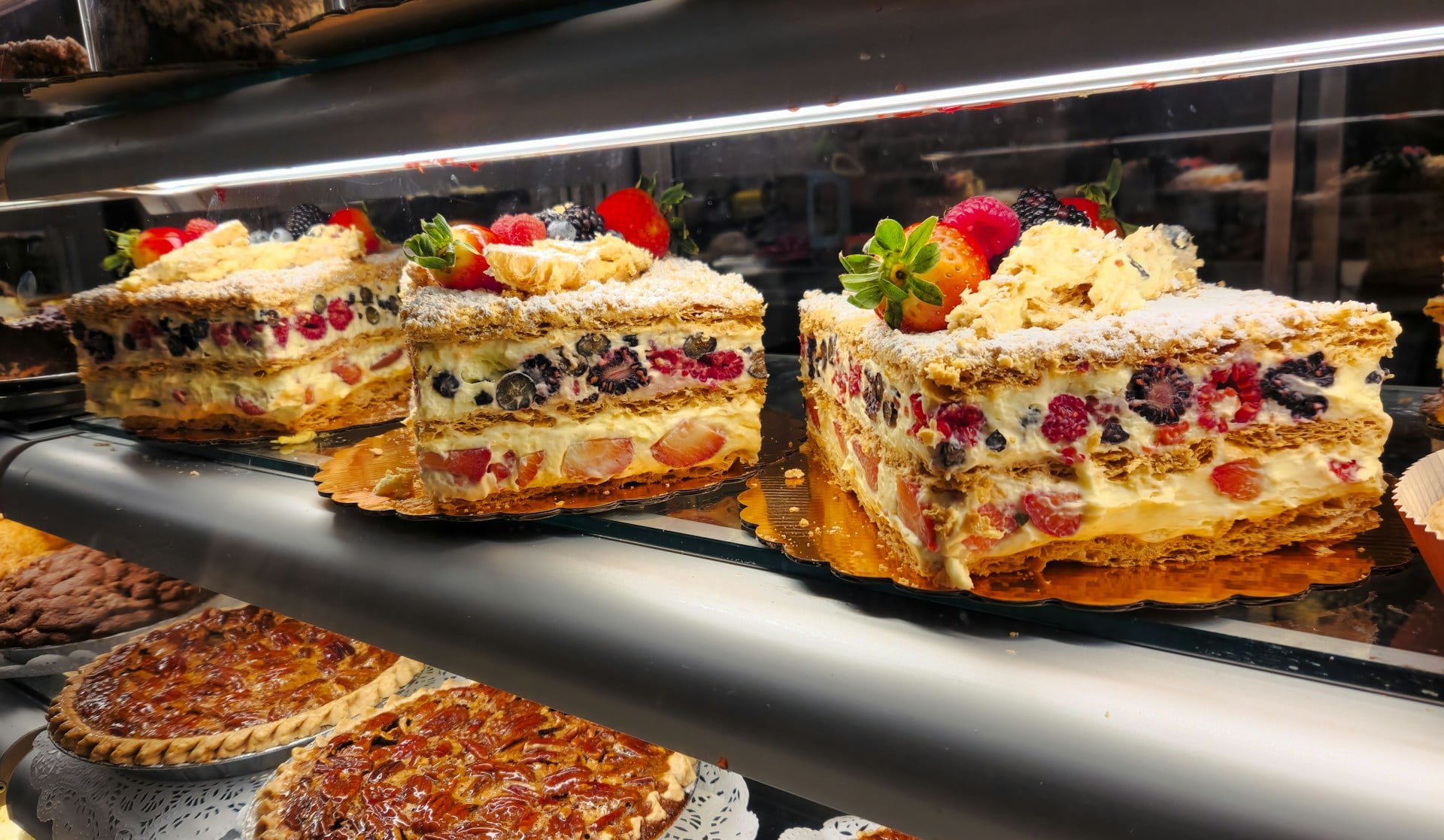
The earliest recipe from ancient Rome included pomegranate seeds, pine nuts, and raisins mixed into barley mash. Roman soldiers carried these cakes called satura into battle because they lasted forever without spoiling and provided concentrated nutrition.
The cakes were dense, portable, and packed with energy. As Roman armies expanded across Europe, they brought fruitcake with them.
The combination of dried fruit, nuts, and grain made an ideal military ration in an era before refrigeration. Modern fruitcake comes from ancient army food.
The Catholic Church banned fruitcake for being too delicious

In the 1400s, the rich flavor of fruitcake became so excessive that the Catholic Church prohibited bakers from using butter during Advent. Church leaders felt the dessert was sinfully indulgent during a time meant for fasting and reflection.
A desperate Saxon prince eventually convinced Pope Innocent VIII to lift the butter ban, though the Pope added a tax to keep fruitcake expensive and exclusive. The restriction forced bakers to create stollen, a less rich German version made with oil instead of butter.
Once the ban ended, fruitcake roared back into popularity and never left.
Fruitcakes can last for decades

In Antarctica, way back in 1910, Robert Falcon Scott dropped off a fruitcake – still eatable after more than 100 years. That cake’s from the late 1800s, actually made while President Hayes was in office.
Folks who tried bites didn’t get sick, so yeah, it’s kind of safe even aged like that. Sugar packed inside helps stop rot, blocking mold plus germs pretty well.
Relatives sometimes keep re-gifting one loaf as a gag; honestly, biology says it’s likely no danger at all.
Johnny Carson ruined fruitcake’s reputation

In the ’60s on The Tonight Show, Carson cracked up fans by saying just one fruitcake existed – passed around forever through mail. Each holiday season he brought back the gag, but folks never got tired of it.
Earlier, before his punchlines, people actually liked fruitcake a lot. Back in 1953, the LA Times labeled it essential for celebrations, while by 1958, the Christian Science Monitor hailed it as a perfect present.
Yet Carson’s constant teasing shifted how people saw it, making fruitcake a joke. A single comic’s repeat bit wiped out ages of food tradition.
UK royals keep serving old-fashioned cake at marriage parties
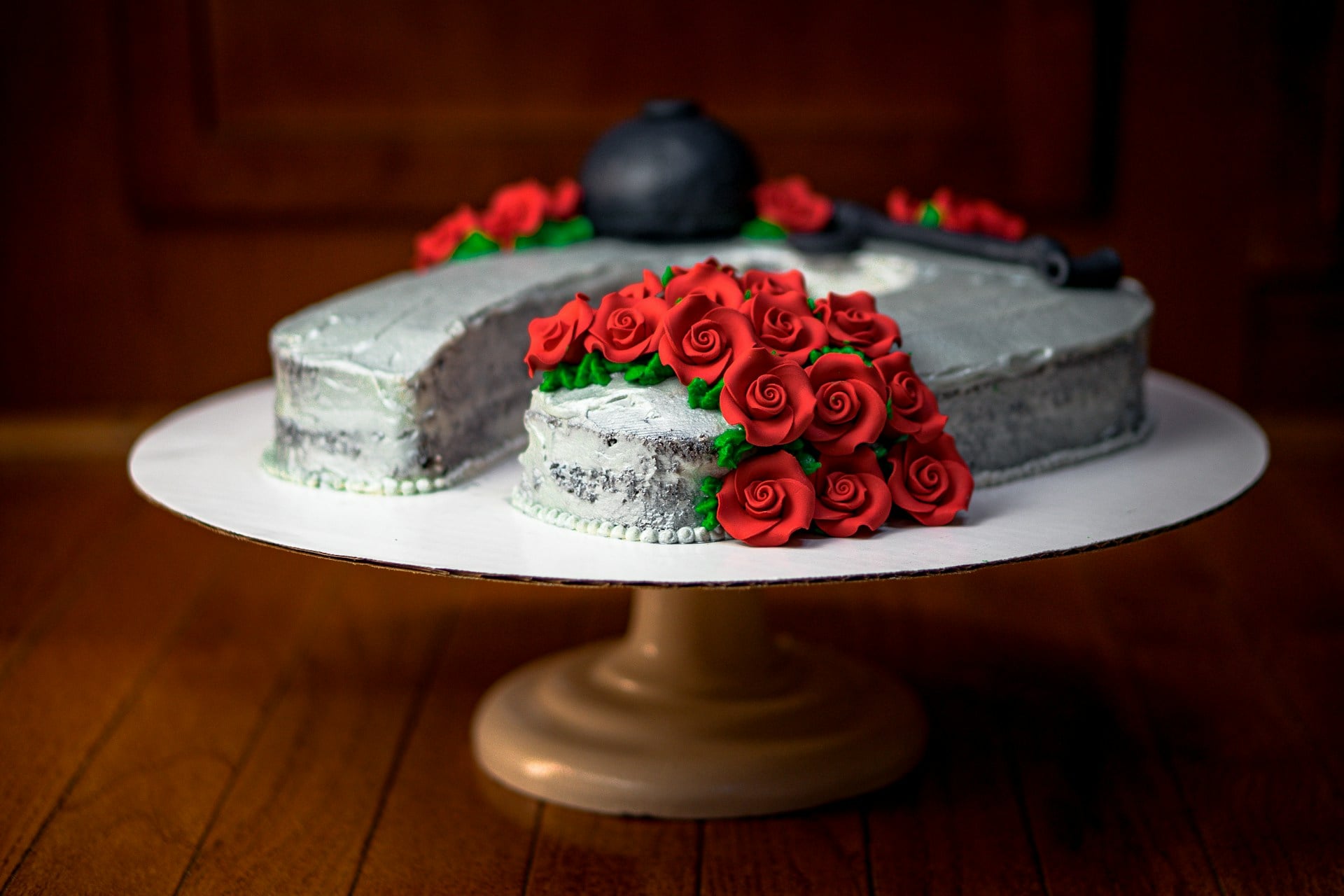
Queen Victoria, then later Princess Diana, followed by Kate Middleton plus Prince William – each picked fruitcake for their big day. Back in the 1800s, folks in England started using rich butter-based fruitcake as the go-to wedding dessert.
They’d stash one piece to munch a year after tying the knot, since that cake hardly ever spoiled. Even now, certain UK households stick with it, liking its heavy texture more than fluffy new-style ones.
While U.S. people might laugh at it come Christmas, across Britain it’s still seen as proper celebration fare.
Every year in Manitou Springs, people chuck fruitcakes just for fun

Since ’96, this small town in Colorado runs a quirky event every January’s opening Saturday – flinging fruitcakes as far as folks can manage. Some craft homemade launchers like catapults or slingshots; others go old-school and toss them barehanded.
A few even rig up compressed-air shooters for extra power. Locals joke it’s eco-friendly reuse, not just passing off bad gifts.
Because tossing edible stuff seems wasteful, each thrower chips in canned goods or cash to feed hungry families nearby. The event began as a laugh over bad holiday presents yet turned into a yearly habit. Seeing fruitcakes fly via DIY catapults unites neighbors each cold season.
Williams Sonoma tests peppermint bark recipes obsessively
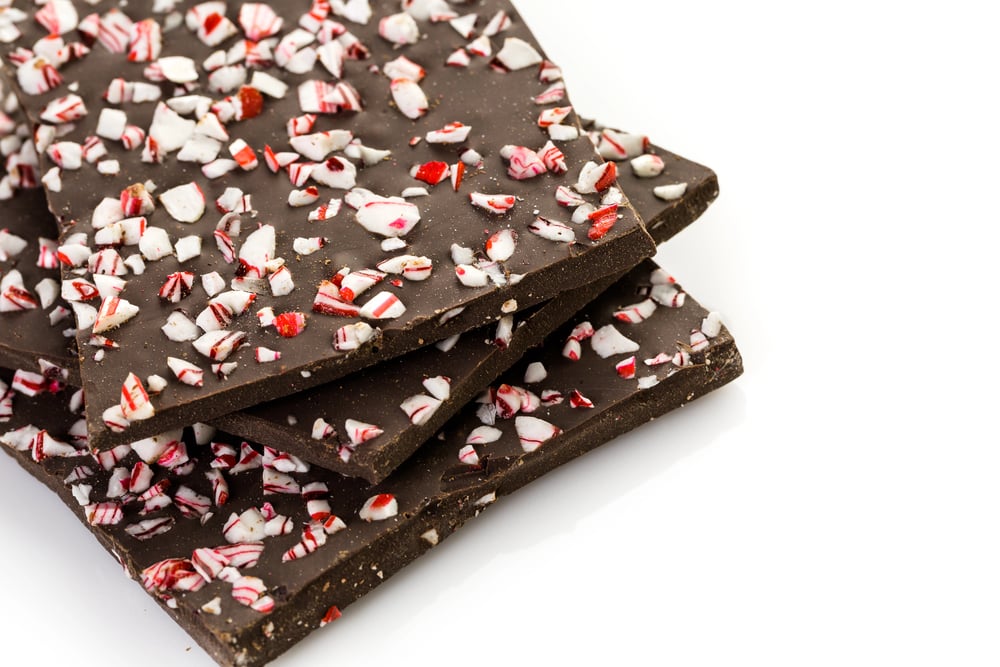
The company tested its peppermint bark over 20 times before getting it just right. One round takes a full day to complete, while they melt through well over a million pounds of chocolate every holiday period.
During each batch, staff scatter around 65,000 bits of crushed mint across the surface. Keeping temps exact is key – otherwise the layers fail or the candy chunks won’t hold.
Even though it seems basic, this treat needs sharp know-how and steady hands.
Once sugar turns into the past
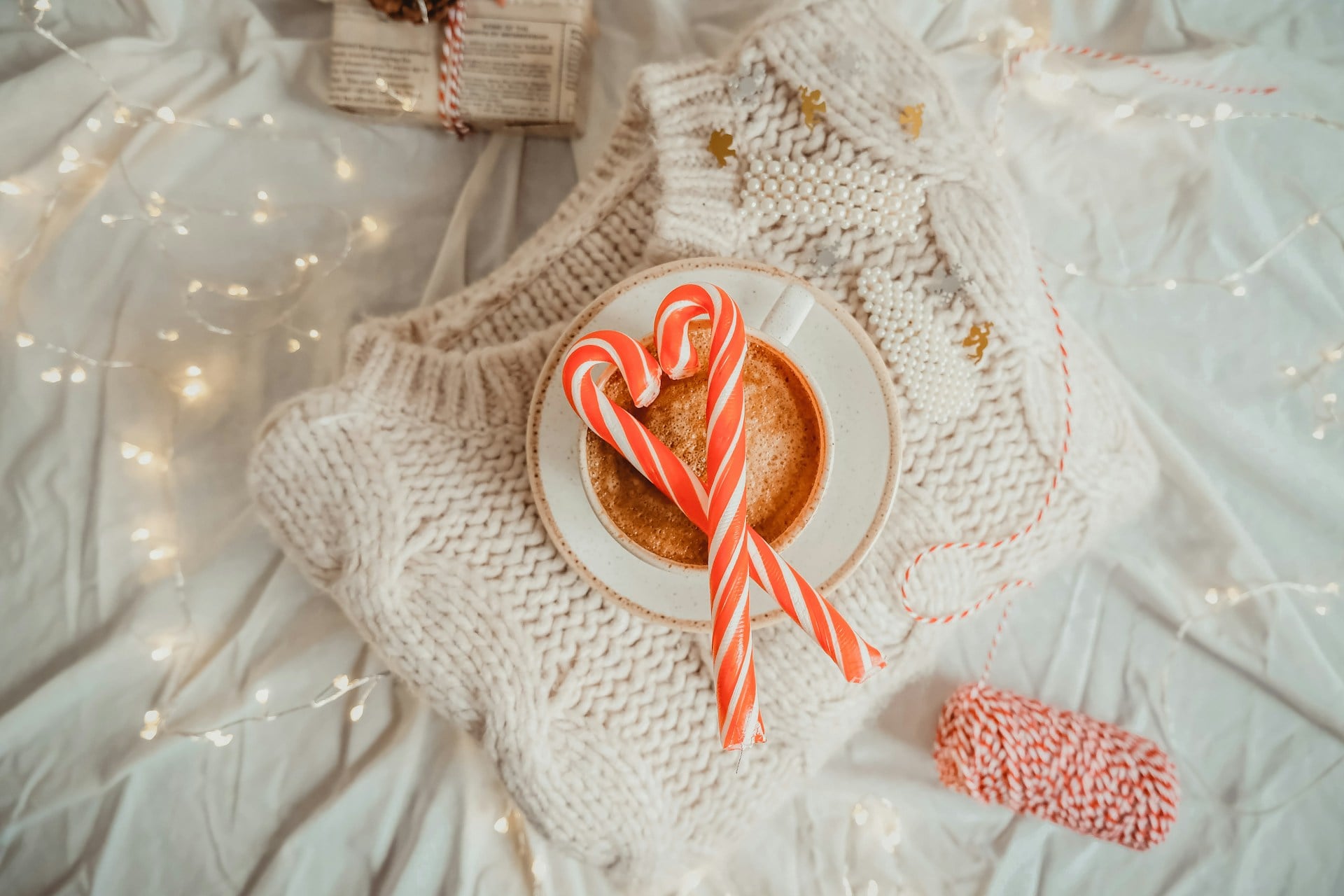
Sugary treats at Christmas tie folks to old customs – no one even realizes it. Children who hang peppermint sticks on evergreens are copying something Germans began three centuries back.
Folks assembling little biscuit homes keep up a habit possibly born from a storybook – or maybe sparked one. Each time someone mocks fruitcake, they’re poking fun at food once eaten by ancient troops and explorers stuck in icy cold lands.
The candy looking newest usually has the deepest past, while sweets feeling ancient could’ve popped up just years ago. Eating holiday flavors is like eating stories from before, even if no one notices.
More from Go2Tutors!

- The Romanov Crown Jewels and Their Tragic Fate
- 13 Historical Mysteries That Science Still Can’t Solve
- Famous Hoaxes That Fooled the World for Years
- 15 Child Stars with Tragic Adult Lives
- 16 Famous Jewelry Pieces in History
Like Go2Tutors’s content? Follow us on MSN.