Christmas Gift-Giving Facts from History
The tradition of exchanging presents during the holiday season feels timeless, but the customs around Christmas gifts have changed dramatically over the centuries. What started as simple religious observances evolved into the elaborate gift-giving rituals you see today.
The journey from ancient winter festivals to modern shopping frenzies reveals surprising twists about human nature, economics, and how we show love to each other.
The Romans Started It All
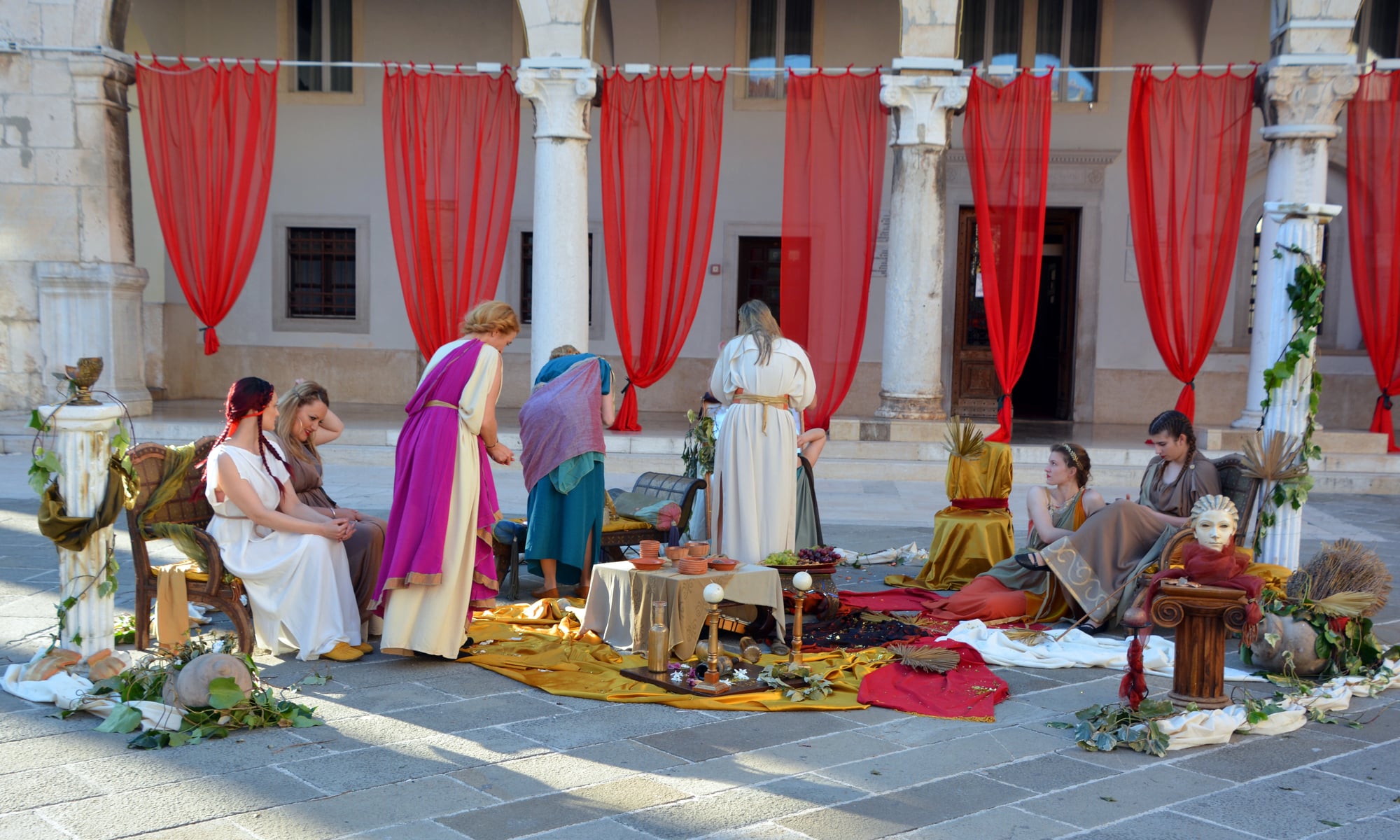
Long before Christmas existed, Romans celebrated Saturnalia in mid-December. They exchanged gifts during this week-long festival—mostly practical items like candles, pottery, and food.
The wealthy gave money to their servants, while friends traded small tokens. When Christianity spread through the Roman Empire, many of these customs merged with the new religion’s celebrations.
The timing worked out perfectly since both holidays fell around the winter solstice.
Medieval Gifts Were Mostly Food

During the Middle Ages, Christmas gifts looked nothing like the wrapped packages under modern trees. People gave each other food, especially items that would help neighbors survive the winter.
A wealthy lord might distribute meat, bread, or ale to those who worked his land. Spices counted as luxury gifts because they came from far away and cost a fortune.
Sugar, when anyone could get it, qualified as an extraordinary present that only the rich could afford.
The Magi Changed Everything

The biblical story of the three wise men bringing gold, frankincense, and myrrh to baby Jesus established a religious foundation for gift-giving. Christians viewed January 6th—Epiphany—as the proper day for exchanging gifts, not December 25th.
This tradition lasted for centuries in many parts of Europe. Some countries still emphasize Epiphany over Christmas Day for presents.
The gifts the Magi brought weren’t random. Gold symbolized kingship, frankincense represented divinity, and myrrh foreshadowed death and burial.
Each item carried deep meaning. This idea that gifts should communicate something important influenced how Christians thought about giving for hundreds of years.
Children Didn’t Always Get Presents

For most of history, children received almost nothing at Christmas. The holiday focused on religious observance and adult gatherings.
When children did get gifts, they received something useful—a new pair of shoes, warm clothing, or school supplies. The concept of buying toys specifically to delight children emerged surprisingly late.
In poor families, an orange or a handful of nuts counted as a special treat.
The shift toward child-centered gift-giving accelerated in the 1800s as the middle class grew. Parents started viewing childhood as a distinct phase of life that deserved special attention and indulgence.
Saint Nicholas Wasn’t Always Jolly

The modern Santa Claus evolved from Saint Nicholas of Myra, a 4th-century bishop known for secret gift-giving. According to legend, he threw bags of gold through the window of a poor man’s house so his daughters wouldn’t be sold into servitude.
This act of anonymous generosity became his defining characteristic.
But Saint Nicholas traditions varied wildly across Europe. In some regions, he appeared as a stern figure who rewarded good children and punished bad ones.
He showed up on December 6th, not Christmas Eve. The Dutch settlers brought their version—Sinterklaas—to America, where he gradually transformed into the cheerful, rotund character you recognize today.
Victorian England Invented Modern Christmas
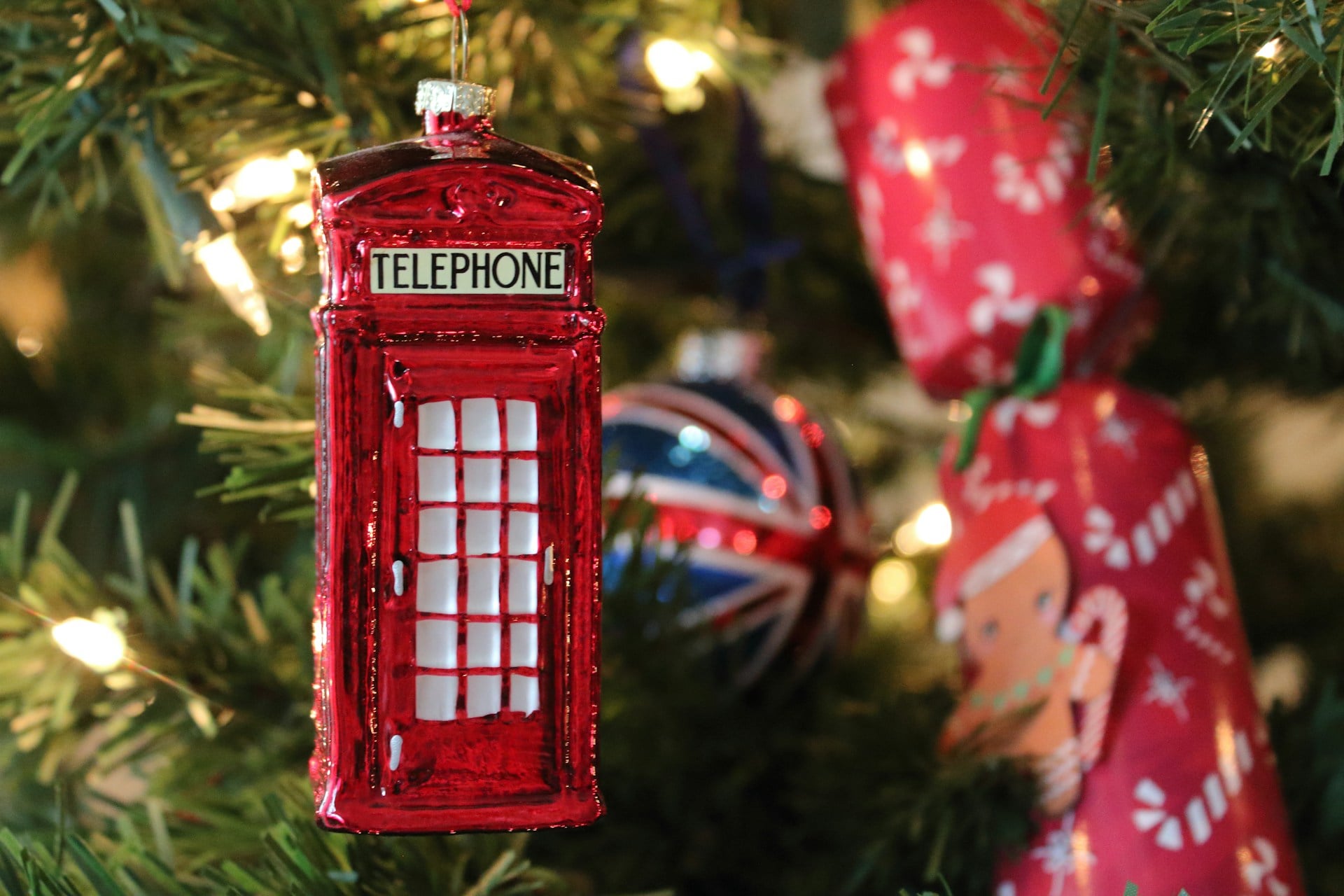
The Victorians revolutionized Christmas gift-giving in the 1840s and 1850s. Queen Victoria and Prince Albert, who came from Germany, popularized Christmas trees, cards, and elaborate presents.
Charles Dickens published “A Christmas Carol” in 1843, which emphasized generosity and family togetherness. The story sold out its first printing in days.
Middle-class Victorians embraced Christmas as a time to display their wealth and taste through carefully selected gifts. Department stores began creating special Christmas displays.
The modern concept of holiday shopping as a seasonal economic boom started during this era. Gift-giving shifted from a religious obligation to a social expectation.
Stockings Came from a Legend

The tradition of hanging stockings originated from another Saint Nicholas tale. According to the story, he dropped gold coins down the chimney of a poor family’s home, and the coins landed in stockings that were drying by the fire.
Whether this actually happened doesn’t matter—the story stuck, and people started hanging stockings hoping for similar fortune.
In early America, children hung their everyday stockings and found them filled with nuts, fruit, and small candies on Christmas morning. Factory-made Christmas stockings didn’t appear until the late 1800s.
Catalogs Changed Everything
When Sears and Montgomery Ward started publishing massive mail-order catalogs in the late 1800s, rural Americans suddenly had access to thousands of products. People in remote areas could order manufactured toys, clothing, and household items that weren’t available in local general stores.
The catalogs arrived in late summer, giving families months to plan their Christmas purchases.
These catalogs transformed gift-giving from a local, homemade tradition into a commercial enterprise. They also standardized expectations about what constituted an appropriate Christmas gift.
World Wars Disrupted the Tradition

Both World Wars forced dramatic changes in Christmas gift-giving. During World War I, families sent care packages to soldiers overseas—practical items like warm socks, cigarettes, and candy.
The government encouraged children to make homemade gifts instead of buying manufactured ones. Resources needed for the war effort took priority over consumer goods.
World War II brought even stricter rationing. Toy production stopped as factories converted to making military equipment.
Parents got creative, making toys from scrap materials. The scarcity made small gifts feel more precious.
When peace returned, pent-up demand exploded into the consumer boom of the 1950s.
Credit Cards Enabled Bigger Spending

The introduction of credit cards in the 1950s fundamentally altered Christmas shopping. Before credit, people saved cash throughout the year or used layaway plans to buy gifts.
Credit cards allowed immediate purchases with delayed payment. This convenience encouraged larger expenditures and impulse buying.
By the 1960s, retailers began promoting the idea that love correlated with spending. The more you spent, the more you cared.
This message, amplified through television advertising, created the expectation that Christmas required significant financial investment. Many families still grapple with the debt accumulated during holiday seasons.
Black Friday Became a Spectacle

The term “Black Friday” emerged in the 1960s in Philadelphia, where police used it to describe the chaotic day after Thanksgiving when suburban shoppers flooded the city. Retailers later rebranded it as the day their sales moved from red ink to black ink—from losses to profits.
The name stuck.
By the 1990s, stores began opening earlier and offering dramatic doorbuster deals. The competition for the lowest prices created a shopping frenzy that sometimes turned dangerous.
People camped outside stores overnight and rushed through doors when they opened. The spectacle became as much about the hunt as the actual gifts.
Gift Cards Solved an Old Problem

The first gift cards appeared in the 1990s, though the concept had precursors. They addressed the eternal dilemma of buying for someone whose taste you don’t quite know.
Before gift cards, people gave cash in envelopes or bought generic items they hoped would work.
Retailers loved gift cards because recipients often spent more than the card’s value, and unused balances added up to millions in pure profit. Critics argued that gift cards lacked the personal thought that made gifts meaningful.
But their convenience won out, and they now account for billions in holiday spending.
Online Shopping Shifted the Season

Shopping for presents isn’t what it used to be. Now, clicking through screens beats pushing through packed aisles.
Distance means nothing – stores across the country ship fast. Waiting until the last minute? Not a problem anymore.
A date invented long after dial-up made its mark: Cyber Monday arrived in 2005.
Shopping got easier, yet something was lost along the way. Gone were the little moments – hands brushing fabric, kids pressing toy buttons, judging how heavy things felt.
What used to bring families together each season slowly faded. Bricks-and-mortar shops, once packed during holidays, shut down one by one – priced out and left behind.
The Meaning Keeps Shifting

Christmas present traditions shift as new generations bring different beliefs and financial realities. Not everyone wants more stuff; some choose less.
Instead of things you can touch, people give moments like a meal together or learning something new. Helping others by giving to charity stands in place of wrapped boxes.
What matters changes, slowly.
Picking names helps some households cut down on presents. Still others decide on price limits or trade only handmade items.
Yet behind these choices lies a push and pull – market demands versus real emotional ties. What sticks around changes slowly, shaped by constant doubt about what giving ought to mean.
Finding Connection in the Exchange

Wrapped gifts hold old traditions, even if you never think about them. A long time ago, someone in Rome handed out candles just because.
Centuries later, parents picked toys with too much worry. Soldiers far away opened tins of cookies sent by the family.
Each act shared one quiet truth. What matters is letting others feel seen.
Shapes shift across years. Still, the reason stays.
Gifts that mattered most weren’t shiny or costly. Instead, they came from seeing someone clearly – what they need, what weighs on them, what brings quiet joy.
This hasn’t changed, no matter how much else shifts around it. Picking something because it truly matches a person? That act links us to moments long before today’s holidays began.
More from Go2Tutors!

- The Romanov Crown Jewels and Their Tragic Fate
- 13 Historical Mysteries That Science Still Can’t Solve
- Famous Hoaxes That Fooled the World for Years
- 15 Child Stars with Tragic Adult Lives
- 16 Famous Jewelry Pieces in History
Like Go2Tutors’s content? Follow us on MSN.



