Cities with Unusual Addressing Systems
Most people take street addresses for granted. You assume every city uses numbers and street names the same way your hometown does.
But travel around the world, and you’ll discover that some places have developed completely different methods for helping people find their way around. These systems often reflect the unique history, geography, and culture of each location.
Here are some cities where finding an address means playing by entirely different rules.
Tokyo
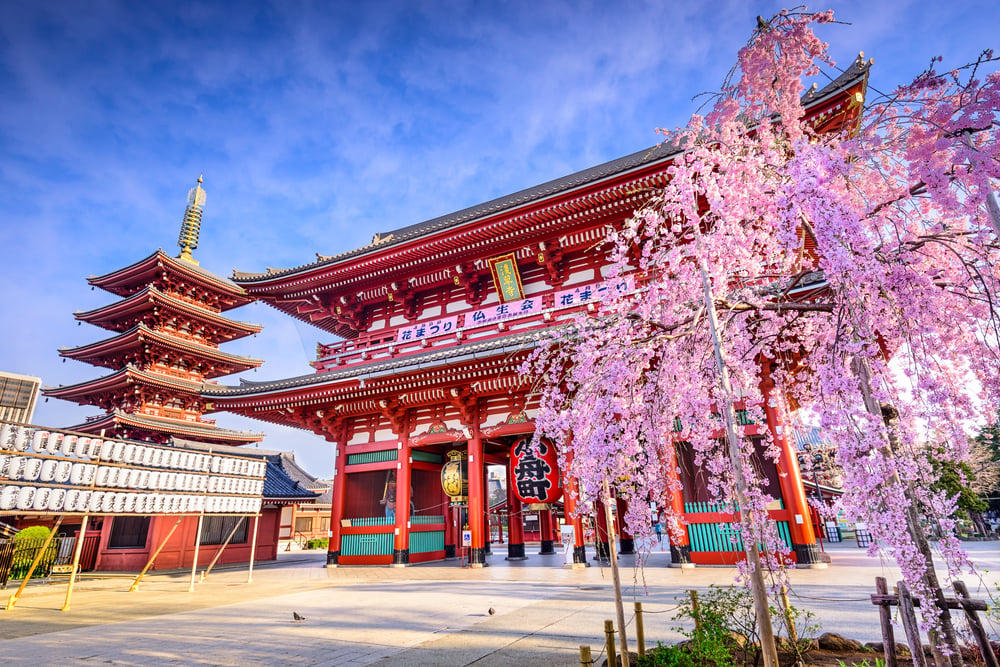
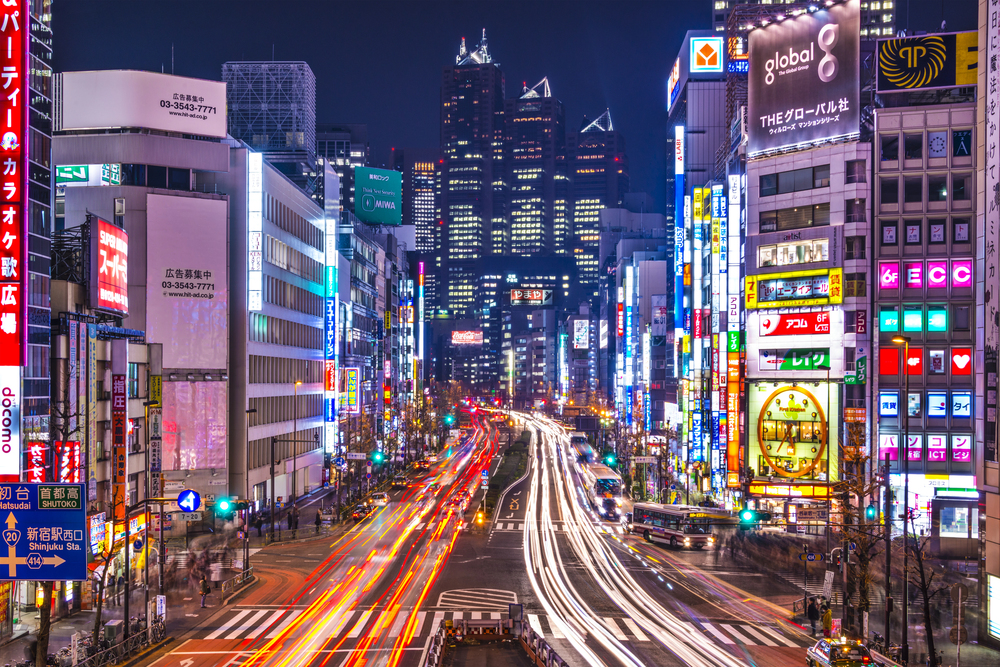
Tokyo doesn’t use street names for most addresses. The city divides itself into wards, then districts, then blocks, and finally buildings within those blocks.
Buildings get numbered based on when they were constructed, not their position on the street. Someone looking for an address needs to know the ward, district, and block number, then hunt for the building number that might be sandwiched between totally different numbers.
Even longtime Tokyo residents often meet people at train stations rather than trying to explain their address.
Seville
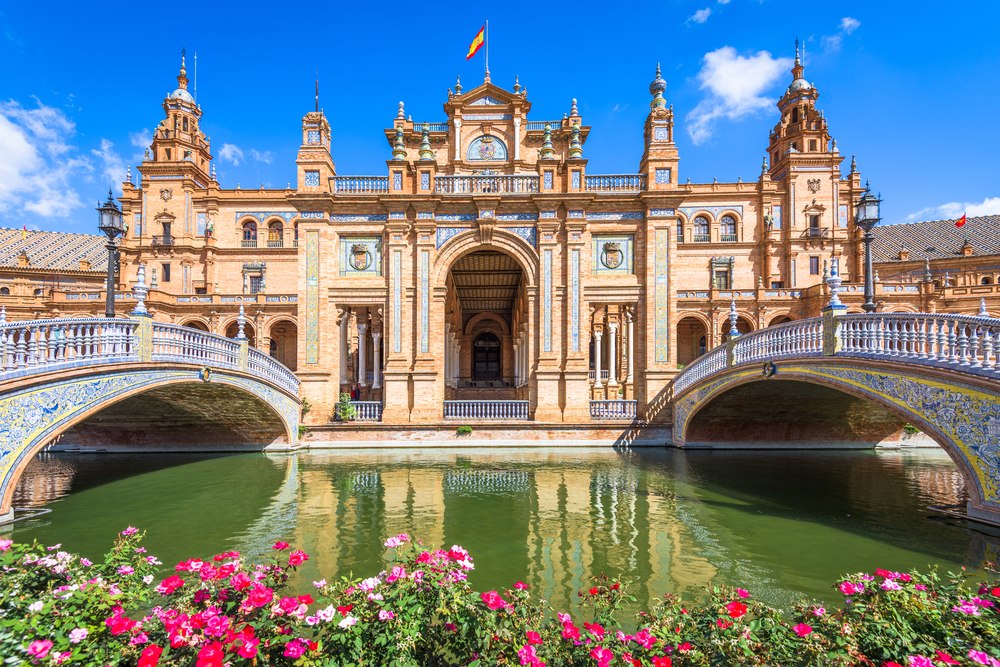
The old quarter of Seville uses a system where some streets have multiple names depending on which section you’re standing in. A single street might change names three or four times as you walk down it.
The city’s layout dates back over a thousand years, and different neighborhoods insisted on naming their own sections. Locals navigate by landmarks and know which section belongs to which name, but visitors often end up hopelessly turned around.
The postal service has adapted by accepting multiple possible names for the same location.
Mannheim
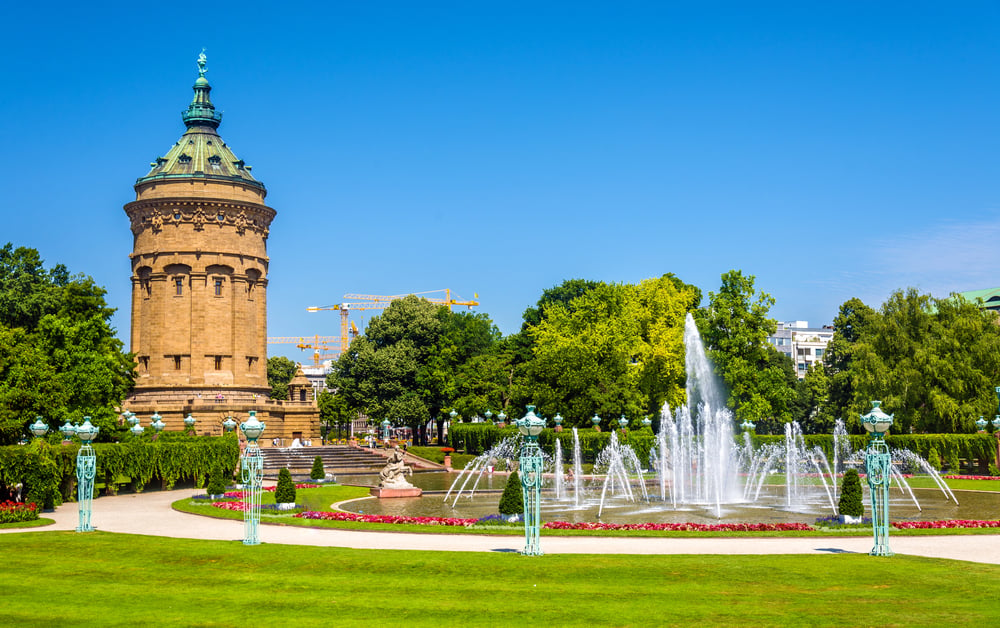
Mannheim threw out traditional street names in its city center and replaced them with a grid of letters and numbers. The blocks are called squares, and each one gets a letter-number combination like C4 or M7.
This system started in the 1600s when the city was rebuilt as a planned fortress town. Finding an address means thinking like you’re navigating a chessboard rather than walking through a regular city.
The system is actually quite efficient once you understand it, but it feels strange to tell someone you live in square L15.
Costa Rica

Most of Costa Rica never developed a formal address system with street names and numbers. People give directions based on landmarks, distances, and cardinal directions.
An address might read something like ‘200 meters north and 100 meters west of the old fig tree’. The problem comes when landmarks disappear or change, but everyone still references them in addresses.
A building that burned down 20 years ago might still serve as a reference point for dozens of addresses. The country has been slowly implementing a formal system, but the old way persists in daily life.
Venice
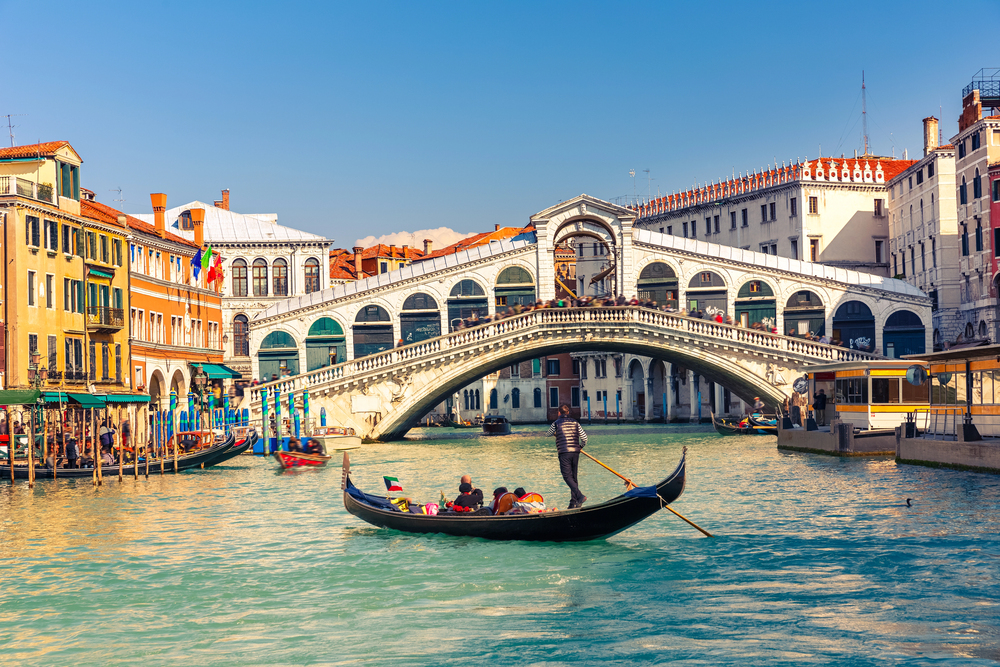
Venice can’t use normal addressing because it’s built on islands connected by bridges and canals. The city numbers buildings sequentially within each of its six districts called sestieri.
Numbers can run into the thousands, and they zigzag through the district in an order that made sense centuries ago but baffles everyone now. Two buildings with sequential numbers might be a ten-minute walk apart across multiple bridges.
Finding an address often requires asking locals or using detailed maps that show the serpentine numbering pattern.
Reykjavik
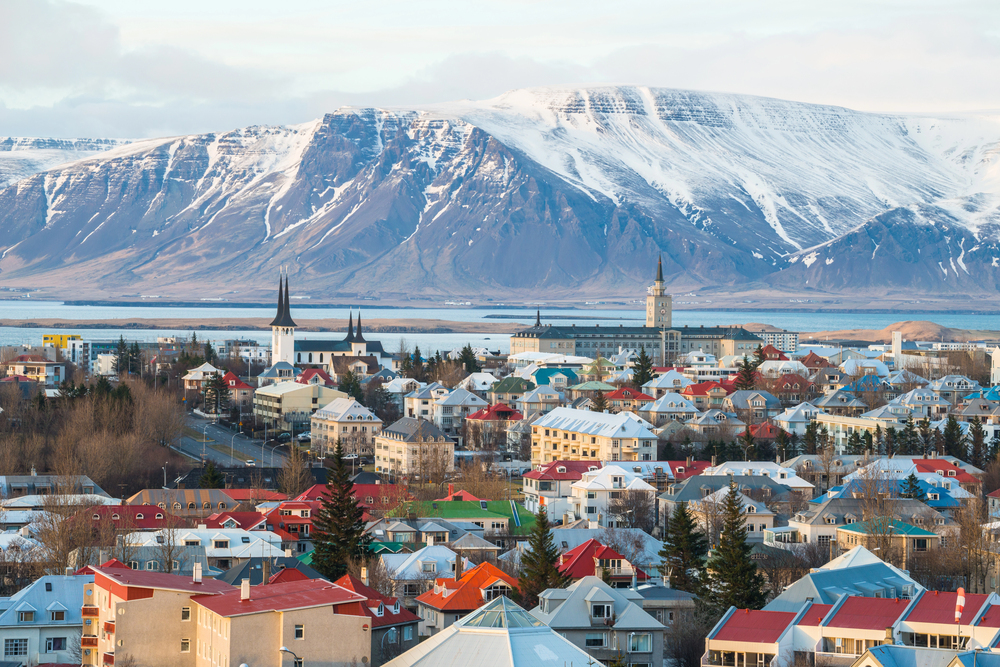
Reykjavik and other Icelandic cities use a system where the street name comes before the house number in addresses. The house numbers themselves can include letters and fractions like 15B or 23 1/2.
Buildings on corner lots sometimes have two different addresses for their two sides. The system developed when Iceland was a small country with few urban areas, and it never standardized as the population grew.
Mail carriers need to know the quirks of their routes intimately to deliver everything correctly.
Seoul
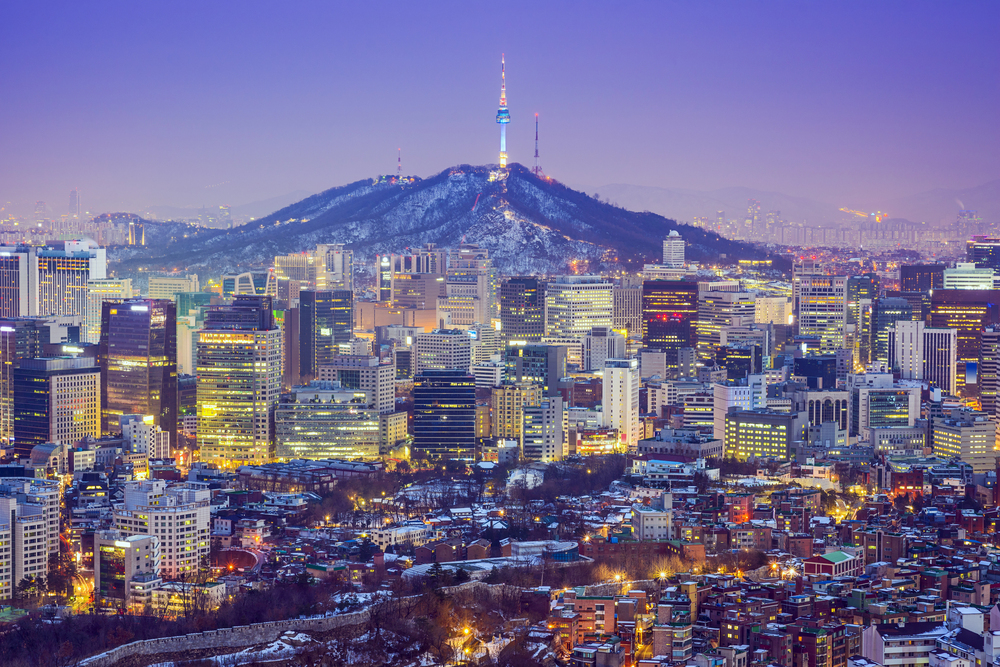
Seoul switched its entire addressing system in 2014 from a Japanese-style system to one based on road names and building numbers. Before the change, addresses used dong neighborhoods and building numbers that followed construction order.
The new system assigned names to nearly every street and numbered buildings based on distance from the start of the street. The transition meant every business, resident, and government office had to update their information.
Many older residents still use the old system, and you’ll see both addresses posted on buildings throughout the city.
Dublin
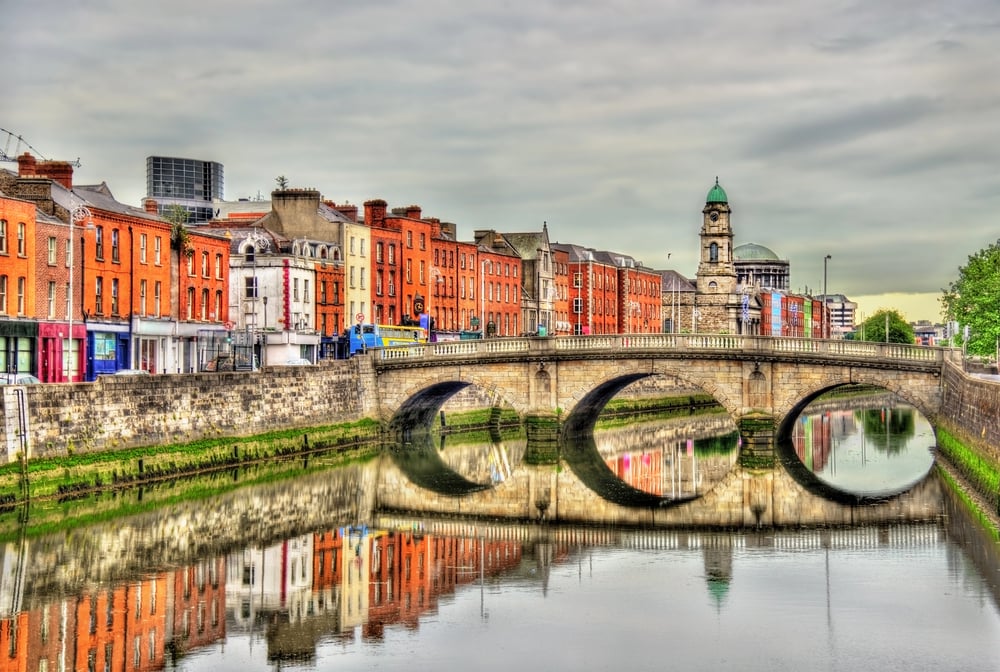
Dublin uses a postal district system with numbers that spiral outward from the city center. Odd numbers go north of the River Liffey, and even numbers go south.
But the system only covers Dublin city proper, and it was created in 1917 when the city was much smaller. Newer suburbs don’t fit into the numbering scheme at all, creating confusion about where areas actually are.
Someone living in Dublin 6W isn’t anywhere near Dublin 6, despite the similar designation. The W stands for west, but casual visitors have no way to know that.
Beirut
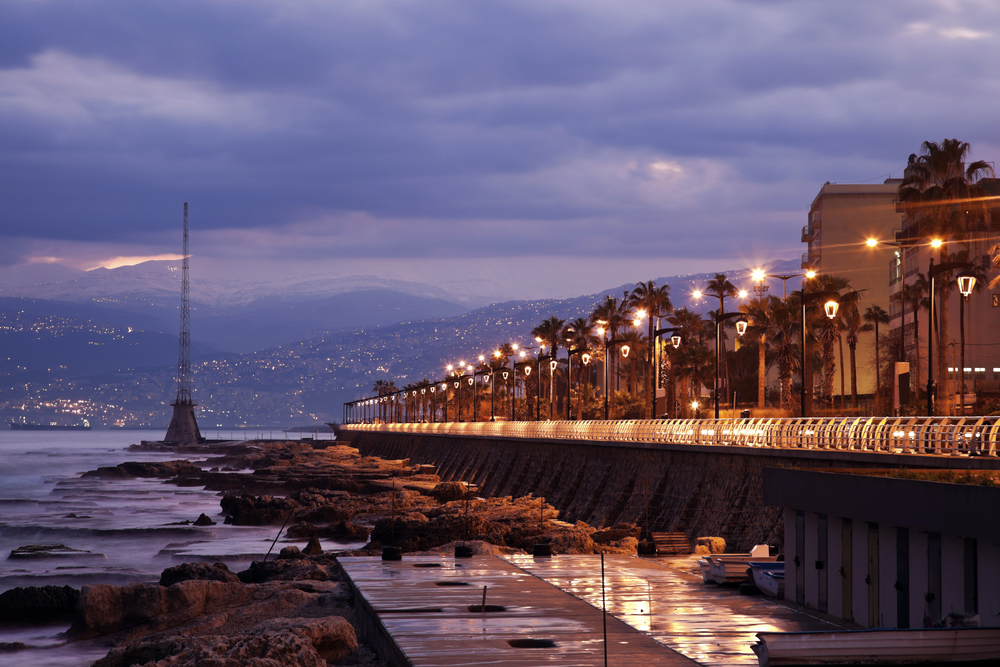
Beirut relies heavily on building names rather than street addresses for many locations. Major apartment buildings and commercial properties have names that everyone in the neighborhood knows.
Directions typically involve these landmark buildings, the nearest mosque or church, and sometimes the name of a prominent family that lives nearby. Street names exist but many residents don’t use them in daily conversation.
The system works because communities are tight-knit and people know their neighborhoods intimately, but it makes giving directions to outsiders nearly impossible.
Prague

Prague’s Old Town still uses a dual numbering system that confuses almost everyone. Buildings have a red number that shows their position in the district’s registry and a blue number that shows their position on the street.
Both numbers appear on the building, and locals use them interchangeably depending on context. The red numbers date back to the 18th century when Empress Maria Theresa ordered a census, and they’ve stuck around ever since.
Postal workers need to know which number system an address uses, or they might deliver mail to completely the wrong location.
Kabul
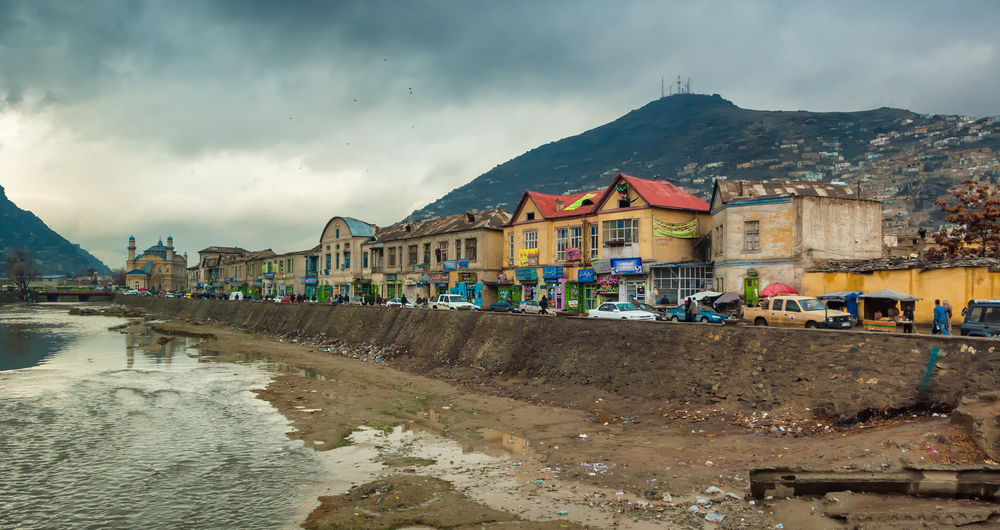
Kabul developed without formal city planning for most of its history. Neighborhoods grew organically, and streets didn’t get official names until recently.
Most residents still give directions using nearby shops, mosques, or other prominent features. The government has tried multiple times to implement a proper addressing system, but years of conflict disrupted these efforts.
Even now, many streets have names that exist on maps but that local residents have never heard of. GPS technology has helped somewhat, but personal knowledge of an area remains more reliable than any official address.
Melbourne
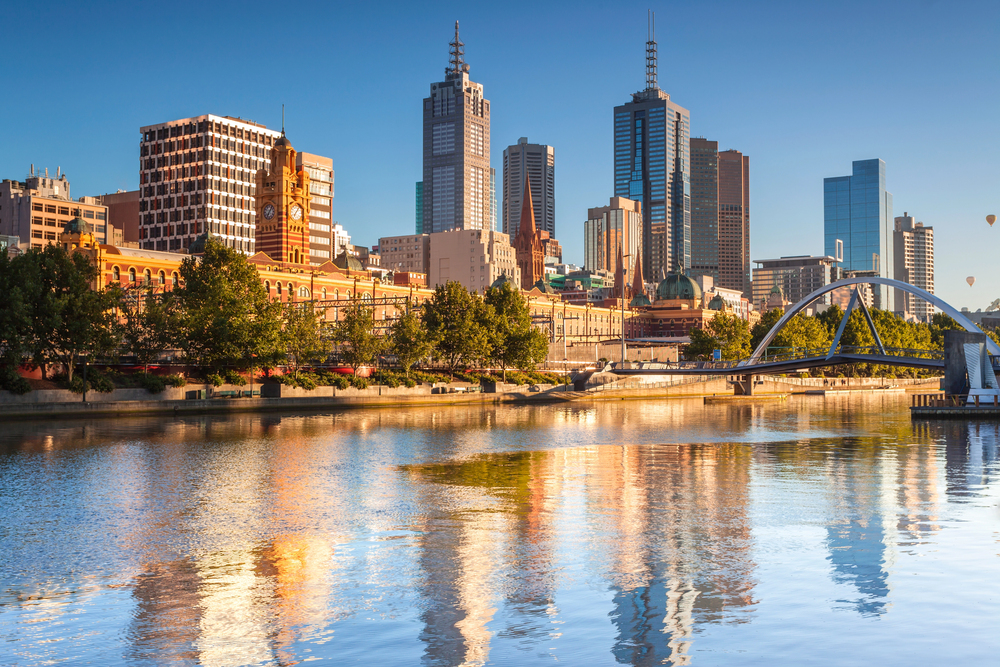
Melbourne’s city center uses a system where one side of the street has completely different numbers than the other side. Even-numbered buildings on one side don’t line up across from their even-numbered counterparts.
The system dates back to when the city was first surveyed in the 1830s, and each side of the street was numbered independently from its own starting point. This means building 50 might sit across from building 200, with no obvious logic to visitors.
The system extends to many inner suburbs, making it a peculiarity that defines the entire city.
Jerusalem
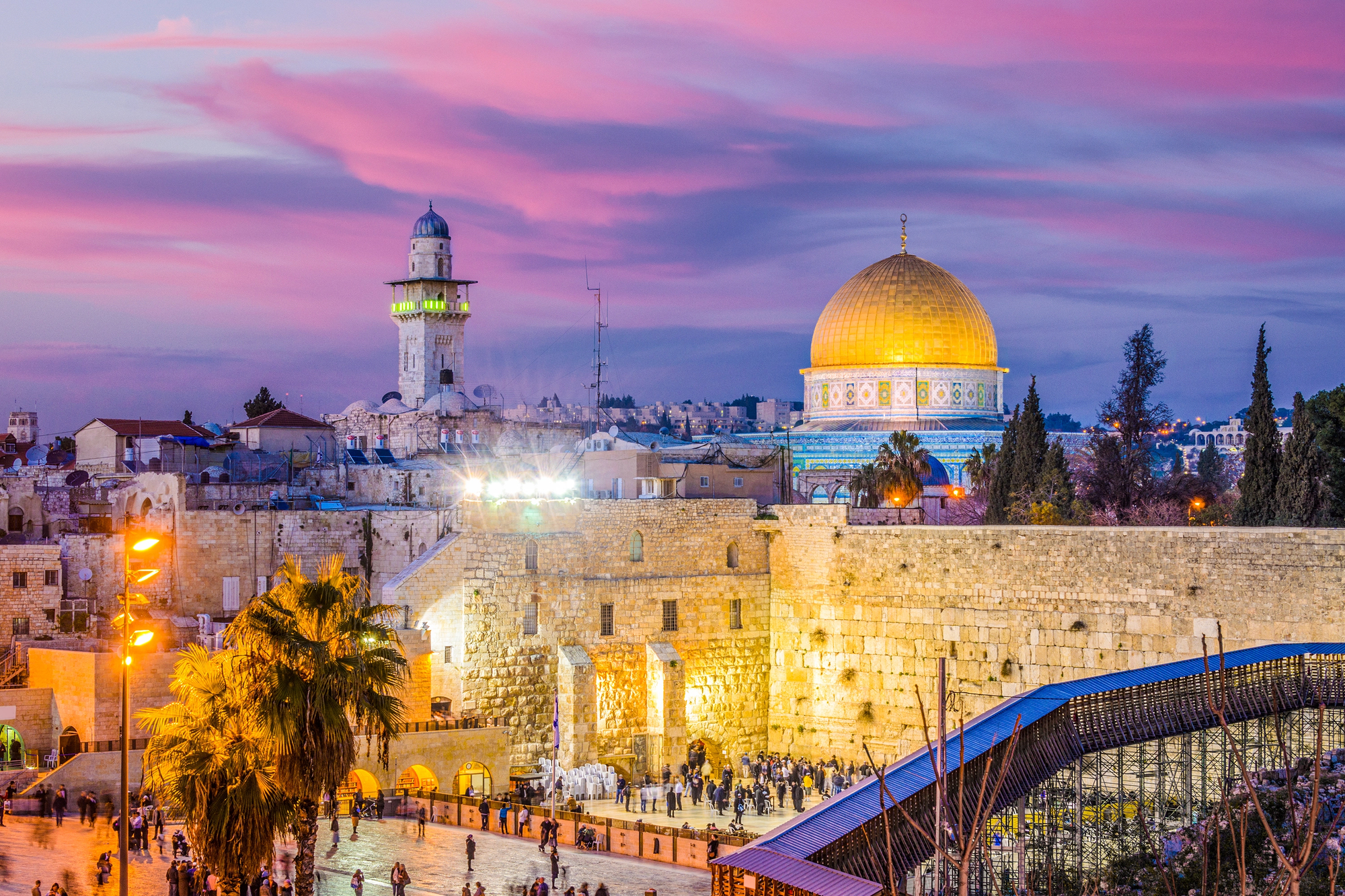
Jerusalem’s complex political and historical situation means many streets have different names depending on who you ask. The same street might have a Hebrew name, an Arabic name, and sometimes an English name that doesn’t match either one.
Maps produced by different authorities show different names, and residents use whichever version they grew up with. Finding an address sometimes requires knowing which community your destination belongs to so you can ask for the right name.
The situation reflects the city’s divided history and present, making navigation a reminder of deeper tensions.
Sao Paulo
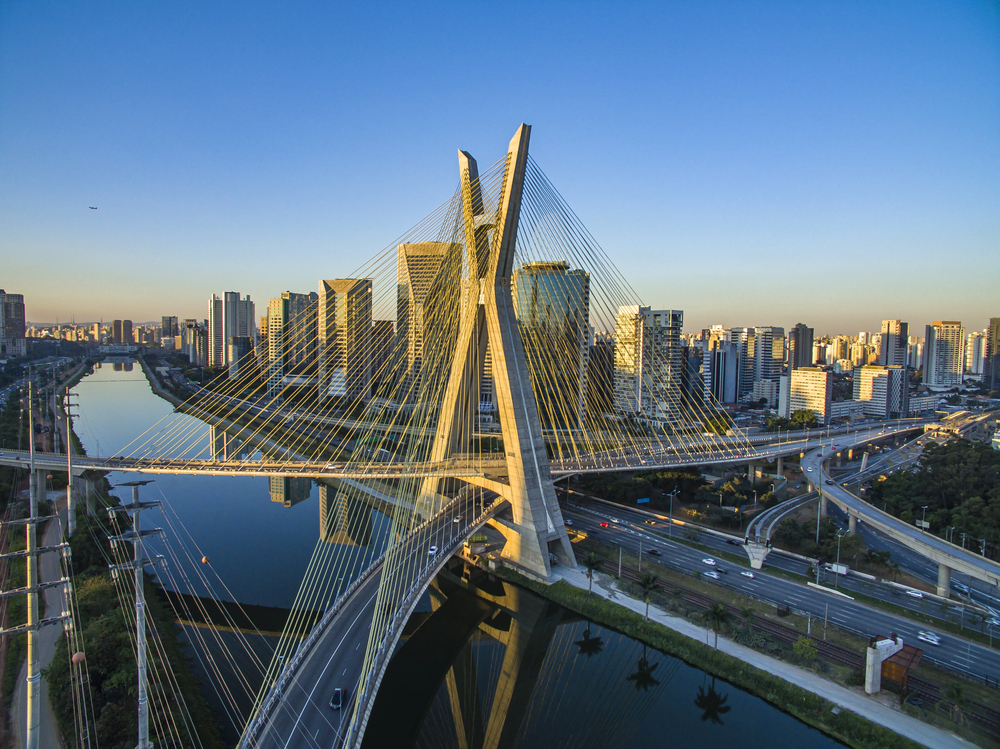
Sao Paulo puts the street name first, followed by the house number, which is the reverse of what most countries do. But the real quirk is that building numbers can jump by hundreds or even thousands between neighboring properties.
A building at number 100 might sit next to one numbered 850 with nothing in between. The system reserves number ranges for future development, but those gaps often never get filled.
Visitors expecting a short walk between similar numbers can find themselves hiking much farther than anticipated.
Pyongyang
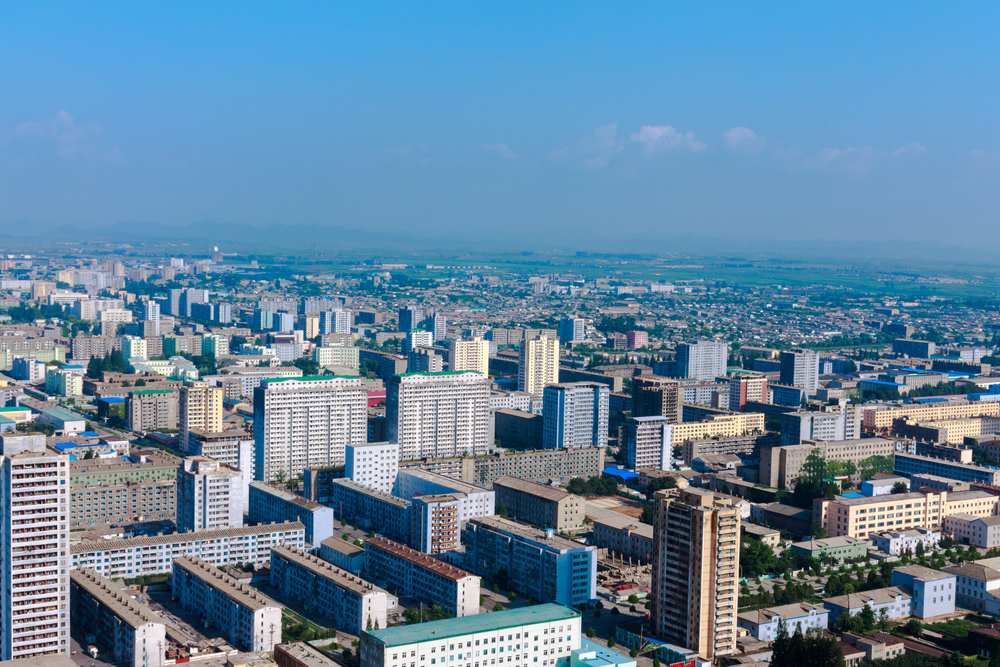
Out near the big statues, people give directions by pointing toward what stands tallest. Forget street signs – most folks just talk about landmarks instead.
Whole neighborhoods fan out from places like Kim Il-sung Square, built that way on purpose. To send something there, you need the zone and the building cluster.
Names of roads? They’re missing when locals chat about where they live. Out there, city layouts show who’s in charge – it’s less about maps, more about power.
Spotting where you are? That comes from recognizing what stands out, not looking for posted names.
The Bahamas
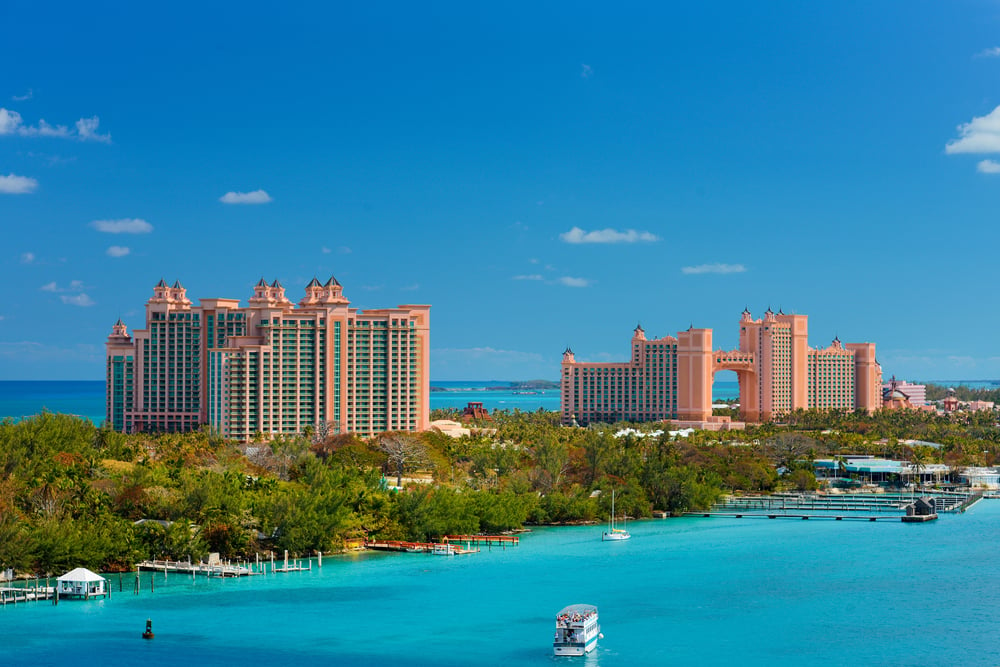
Out on the islands of the Bahamas, homes often go without street addresses entirely. Mail finds its way through P.O. boxes instead, while places are pointed out using nearby spots people recognize – or just called by their owner’s name.
In tiny island towns, folks tend to know each other well, making numbered streets feel like extra work more than anything useful. Nassau, though it’s the main city, still has parts where roads wear no signs and houses carry no digits.
Because life stays close-knit here, the loose setup runs fine – still, finding a spot fast can trip up drivers bringing packages or help when seconds count.
How we find our way
What seems odd at first glance shows how addresses aren’t the only way to find a place. A town’s method often grows from its past – narrow lanes formed long before blueprints existed, or neighbors who rely on shared memory instead of maps.
With growth comes pushback, especially when big firms expect uniform formats. Still, people hold on to local methods simply because they fit the rhythm of daily life too well to toss aside easily.
More from Go2Tutors!

- The Romanov Crown Jewels and Their Tragic Fate
- 13 Historical Mysteries That Science Still Can’t Solve
- Famous Hoaxes That Fooled the World for Years
- 15 Child Stars with Tragic Adult Lives
- 16 Famous Jewelry Pieces in History
Like Go2Tutors’s content? Follow us on MSN.



