Clean Energy Breakthroughs To Know
A while back, clean power seemed stuck somewhere far off. Costly solar arrays sat on rooftops like odd decorations.
Heavy storage units took up space without much return. Whole sectors ran on the idea that oil and coal could never really be swapped out.
Lately though – slowly at first – the setup shifted into something real you can count. Experiments slipped into everyday systems without fanfare.
The edge of tomorrow now runs quietly beneath city grids.
Breakthroughs now? They’re skipping the spotlight, aiming straight at tough everyday issues instead. Reliability takes center stage – scale matters just as much – cost can’t be ignored.
After all, clean energy lives or dies by these details. Step back, the pattern emerges: this field is maturing fast, trading big talk for actual results.
A fresh peek into today’s key advances in clean energy – notice how things like sunlight and wind are being turned into electricity more cleverly. Power no longer just flows one way; it shifts, adapts, responds.
Storage isn’t stuck in old boxes; batteries evolve beyond expectations. What gets built now bends toward smarter grids, quieter revolutions.
Efficiency sneaks in through better materials, unseen tweaks. Cities begin to hum differently, fed by choices made far from smokestacks.
These steps add up without fanfare, altering routines we barely notice.
Solar Power That Keeps Getting Cheaper
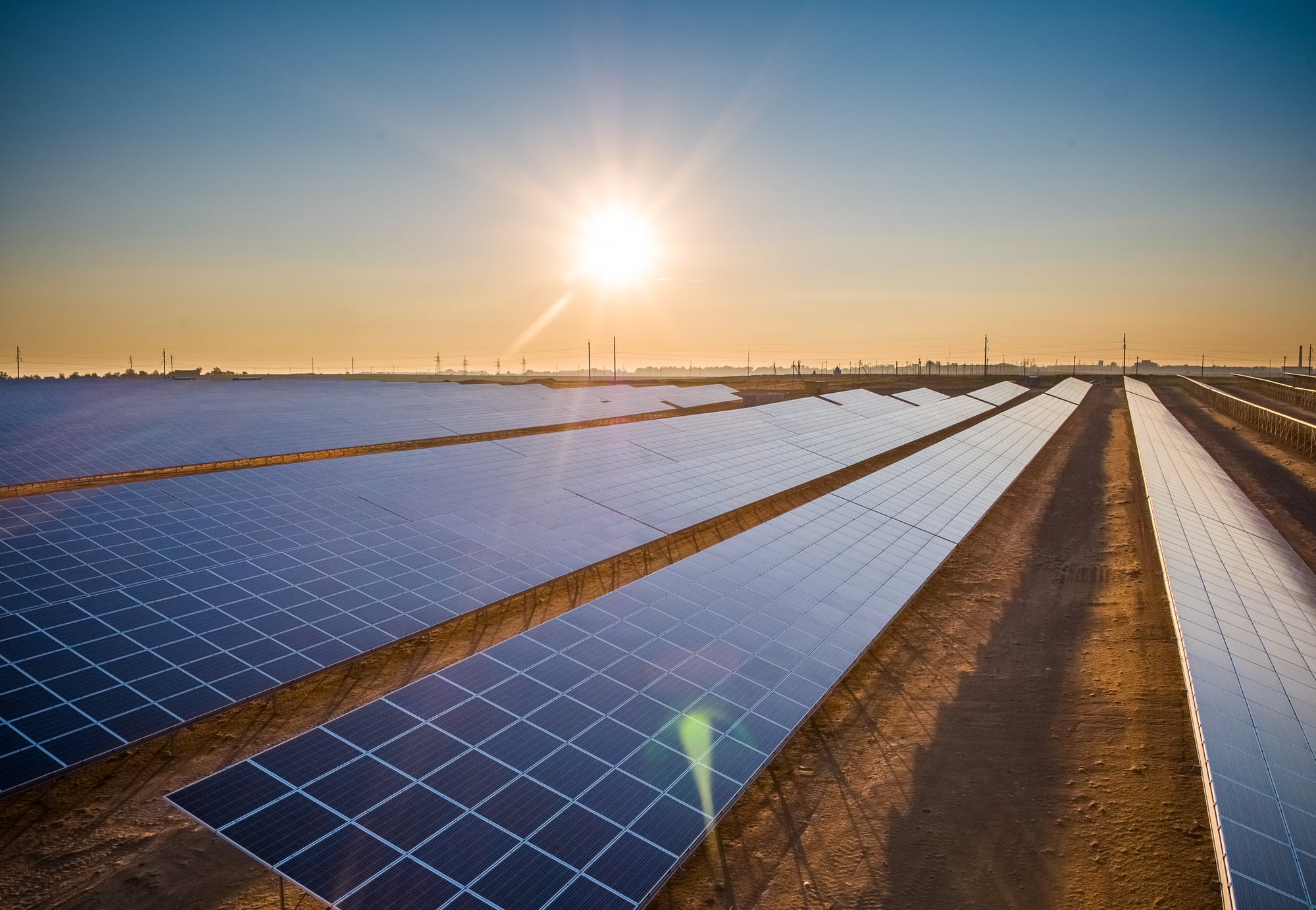
Solar energy’s biggest breakthrough is not a single invention but a steady, compounding improvement that has driven costs down year after year. Panels today produce far more electricity from the same amount of sunlight than their predecessors, thanks to better materials and manufacturing techniques.
At the same time, large-scale production has trimmed costs to levels that would have seemed unrealistic twenty years ago.
Even so, the real shift has been how solar is deployed. Utility-scale solar farms now supply power at prices that compete directly with coal and gas in many regions.
Rooftop systems have also improved, becoming easier to install and integrate into homes without major structural changes. Solar has moved from an alternative option to a default consideration.
This matters because energy transitions accelerate when economics align with environmental goals. Solar power has crossed that threshold, making clean electricity an obvious choice rather than a symbolic one.
Wind Energy Built For Scale And Stability

Wind power has followed a similar path, though its breakthroughs are more visible in sheer size. Modern turbines are taller, wider, and significantly more efficient, capturing wind at heights where airflow is steadier and more predictable.
One turbine today can generate as much electricity as dozens from earlier generations.
Still, the more meaningful advance lies offshore. Offshore wind farms take advantage of stronger, more consistent winds over open water, producing reliable power close to major coastal cities.
Floating turbine platforms have extended this potential even further, allowing wind farms to operate in deeper waters where traditional foundations are not possible.
These developments have turned wind into a cornerstone of national energy strategies rather than a supplementary source. It is no longer about whether wind can contribute, but how quickly it can scale.
Battery Storage That Makes Renewables Reliable
Renewable energy’s long-standing challenge has been variability. The sun sets, and wind speeds change.
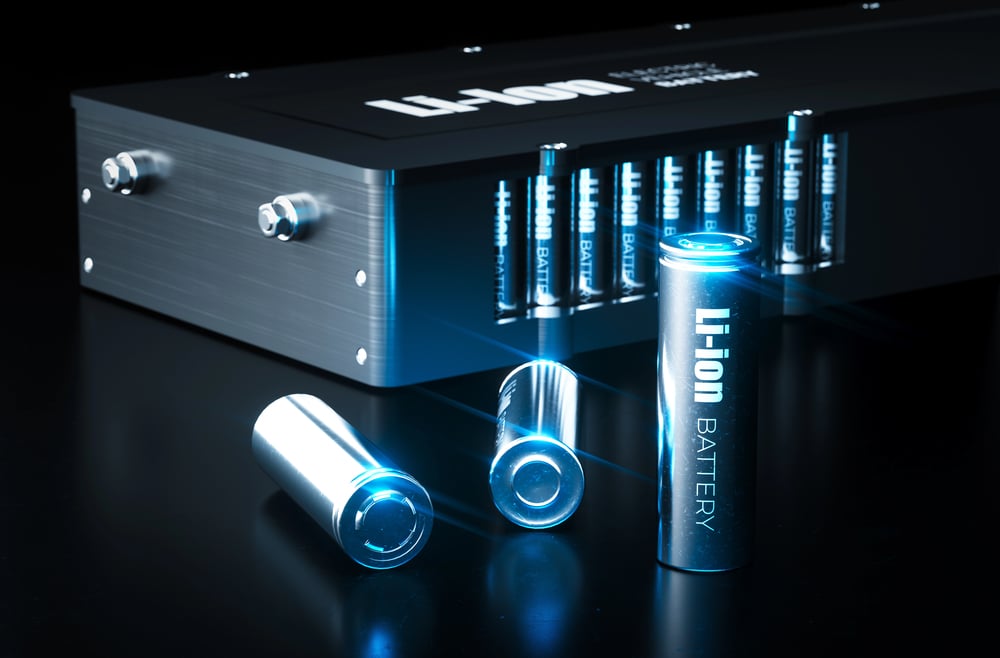
Battery storage has emerged as the technology that turns intermittent power into dependable supply. Modern batteries can store excess electricity during periods of high production and release it when demand peaks.
That said, the breakthrough is not limited to capacity alone. Advances in battery chemistry have improved lifespan, safety, and charging efficiency.
Grid-scale battery installations now operate alongside power plants, smoothing fluctuations and preventing outages. For consumers, home batteries offer backup power and greater control over energy use.
In practical terms, batteries function like a savings account for electricity. They allow clean energy to be generated when conditions are ideal and used when it is needed most, closing a gap that once limited renewable adoption.
Smarter Grids That Balance Supply And Demand
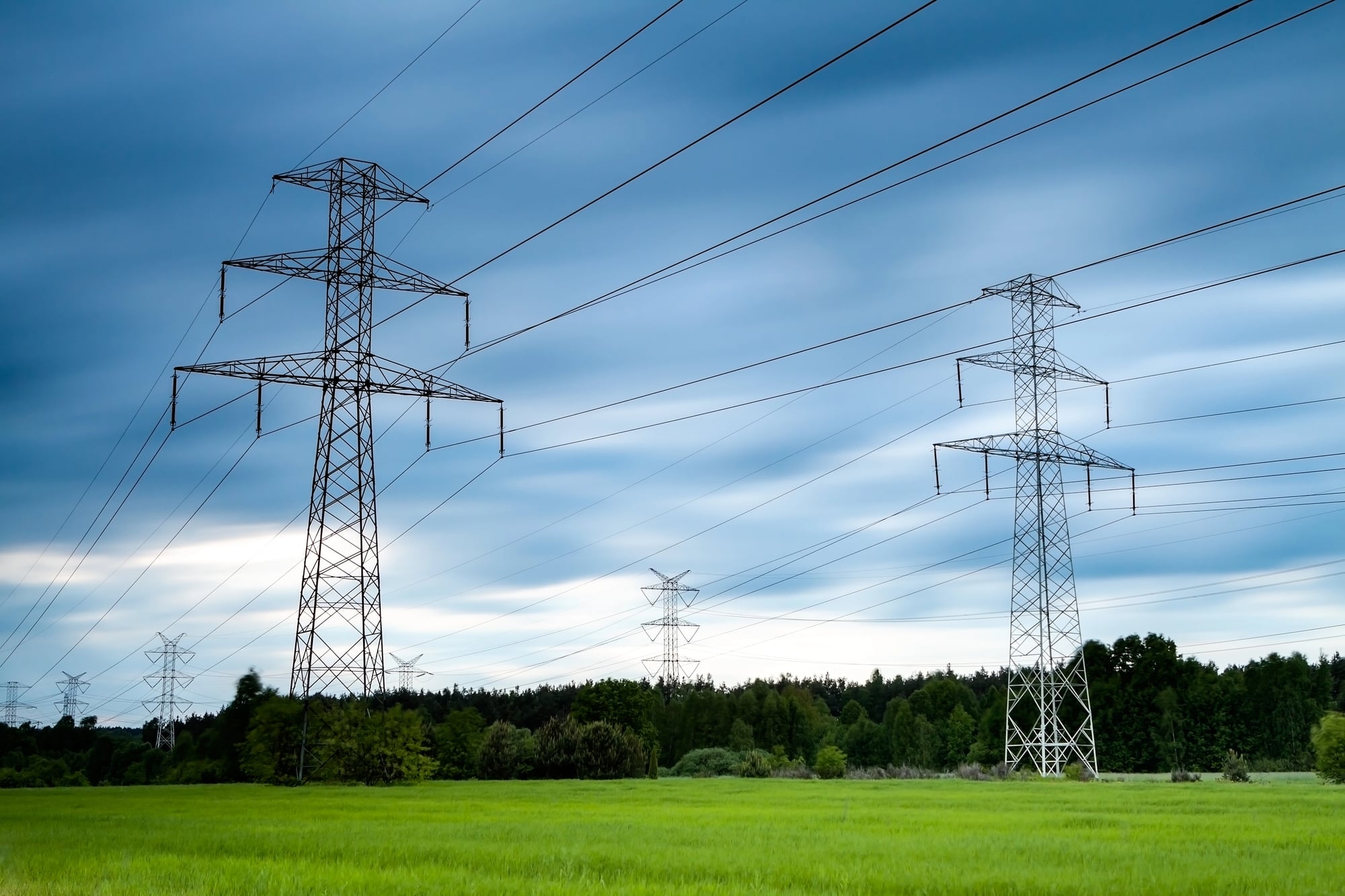
A cleaner energy system requires a smarter way to move electricity around. Traditional grids were designed for one-way flow, from large power plants to consumers.
Today’s grids are evolving into dynamic networks that manage power from thousands of sources in real time.
Smart grids use sensors, automation, and software to balance supply and demand almost instantly. They can reroute power during disruptions, integrate renewable sources seamlessly, and reduce waste by matching production more closely to consumption.
This intelligence makes the entire system more resilient.
On the other hand, these upgrades are largely invisible to end users, which is precisely the point. When the grid works better, people simply experience fewer outages and more stable prices, even as the energy mix becomes cleaner.
Green Hydrogen Stepping Into Heavy Industry
Some sectors are difficult to electrify directly, particularly heavy industry and long-distance transport. Green hydrogen has emerged as a promising solution for these cases.
Produced using renewable electricity to split water into hydrogen and oxygen, it offers a clean fuel without the emissions tied to traditional methods.
Until recently, green hydrogen was too expensive to scale. Breakthroughs in electrolyser efficiency and manufacturing have begun to change that equation.
Costs are falling, and pilot projects are expanding into commercial operations. Steelmaking, shipping, and chemical production are among the industries exploring its potential.
Still, hydrogen is not a universal answer. Its value lies in targeted use, replacing fossil fuels where electricity alone cannot do the job.
Used this way, it fills an important gap in the clean energy transition.
Heat Pumps Replacing Fossil Fuel Heating
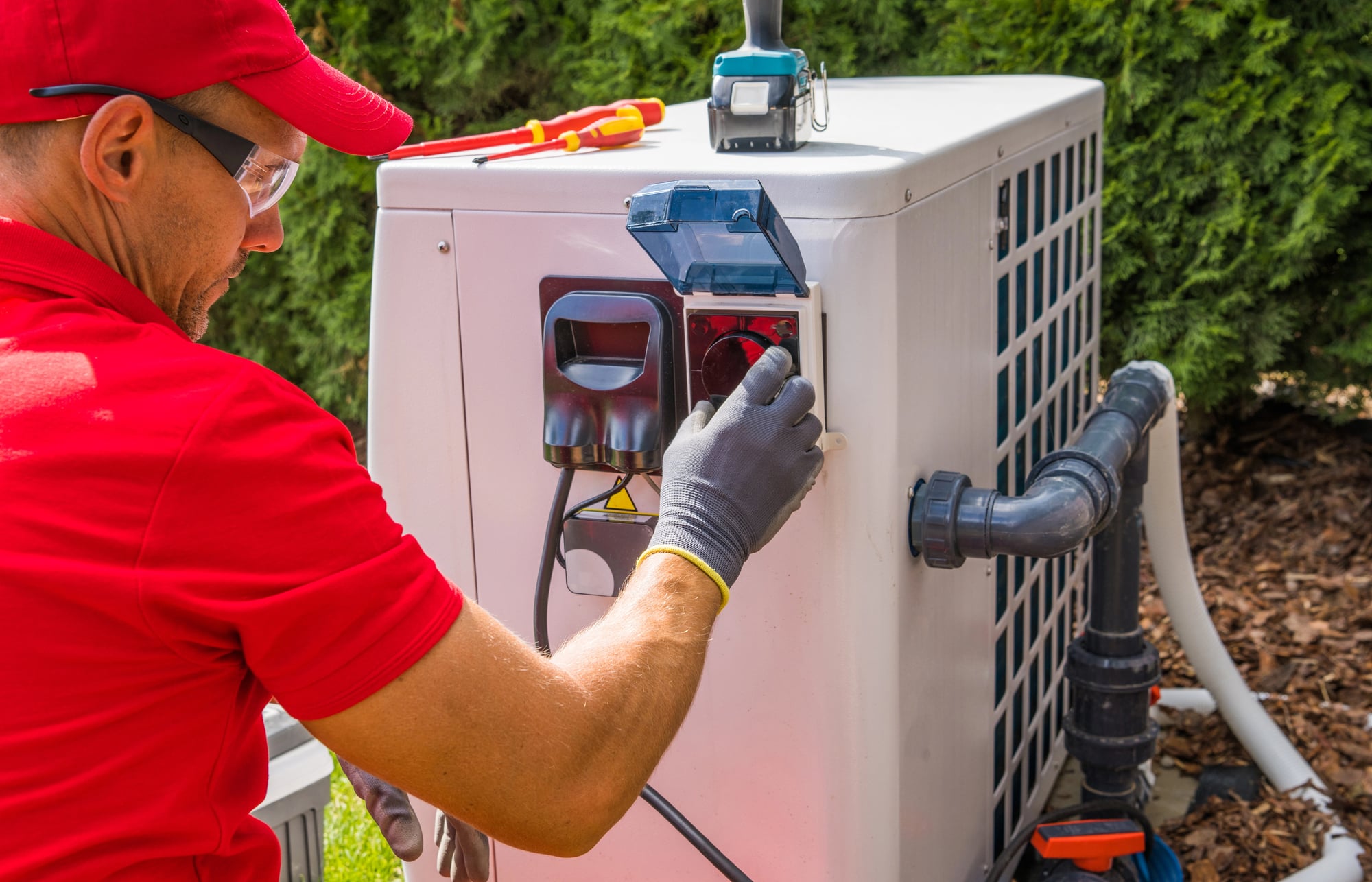
Heating buildings accounts for a significant share of energy use, especially in colder climates. Heat pumps represent one of the most practical clean energy breakthroughs for everyday life.
Instead of generating heat directly, they move existing heat from the air or ground into buildings, using electricity far more efficiently than traditional systems.
Modern heat pumps work effectively even in low temperatures, a limitation that once held them back. They can both heat and cool spaces, reducing the need for separate systems.
As electricity grids get cleaner, the emissions associated with heating drop alongside them.
This shift may lack the drama of large power plants, but its impact is substantial. When millions of homes switch to efficient electric heating, the cumulative effect rivals that of major industrial changes.
Carbon Capture Focused On Unavoidable Emissions
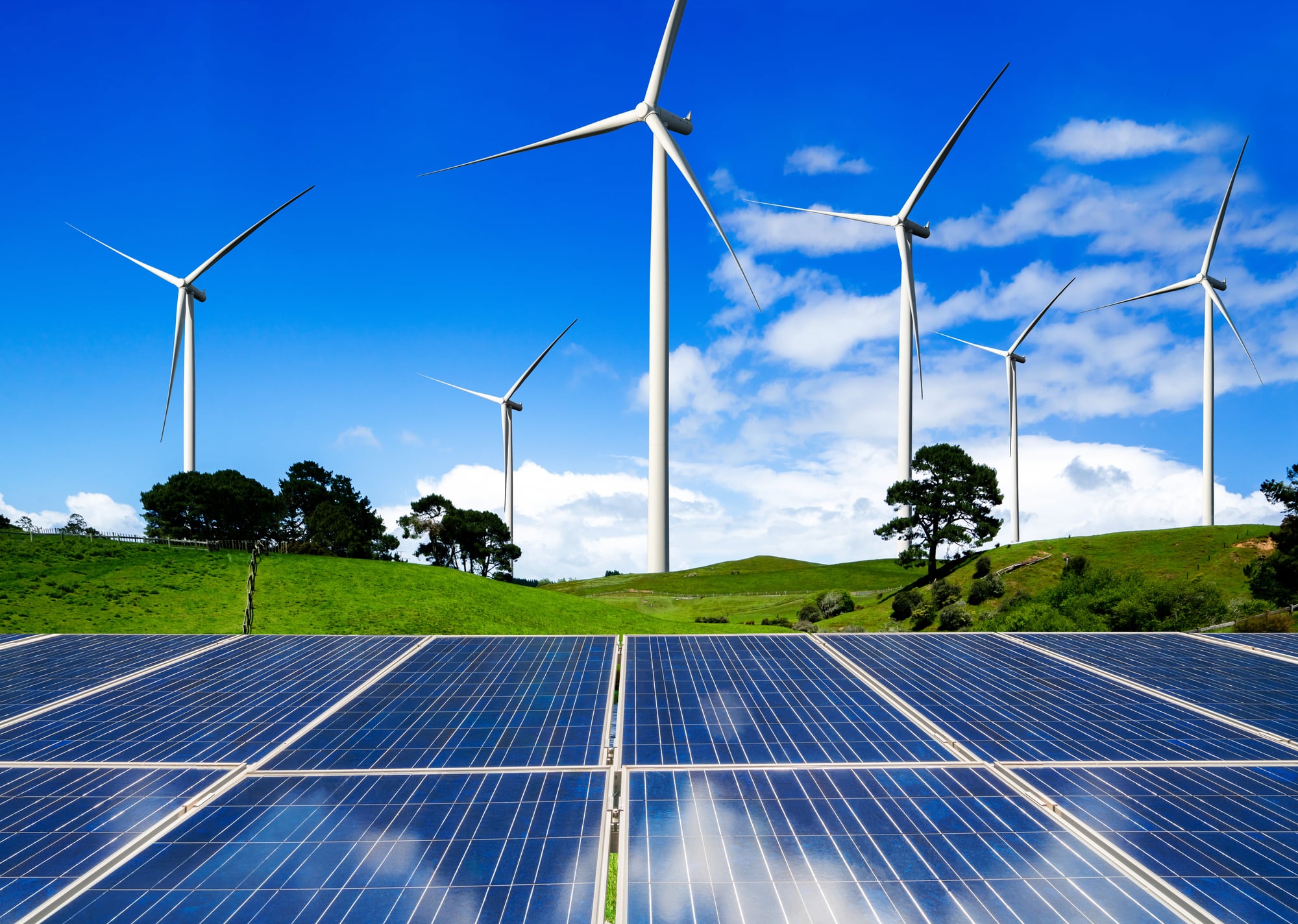
While clean energy reduces the need for fossil fuels, some emissions remain difficult to eliminate entirely. Carbon capture technologies aim to address this reality by removing carbon dioxide from industrial processes or directly from the air.
The captured carbon can then be stored or reused.
Recent breakthroughs have improved capture efficiency and lowered energy requirements. Facilities are moving beyond experimental stages, demonstrating that carbon removal can operate at meaningful scale.
The focus has shifted toward sectors where emissions are hardest to avoid, such as cement and certain chemical processes.
That said, carbon capture is best viewed as a complement rather than a substitute for clean energy. Its role is to handle residual emissions, not to justify continued reliance on polluting systems.
Fusion Research Gaining Steady Momentum

Fusion energy has long been associated with distant timelines and lofty promises. Recently, however, research milestones have suggested tangible progress.
Experiments have achieved conditions where fusion reactions produce more energy than previously possible, narrowing the gap between theory and application.
The breakthrough here is not imminent power plants but improved understanding and control. Advances in materials, magnetic confinement, and computational modelling have accelerated progress across multiple research programs.
Private investment has also increased, bringing new approaches and urgency.
Even so, fusion remains a long-term prospect. Its significance today lies in the credibility it is gaining, shifting from science fiction toward a plausible future option.
Energy Efficiency As A Quiet Breakthrough
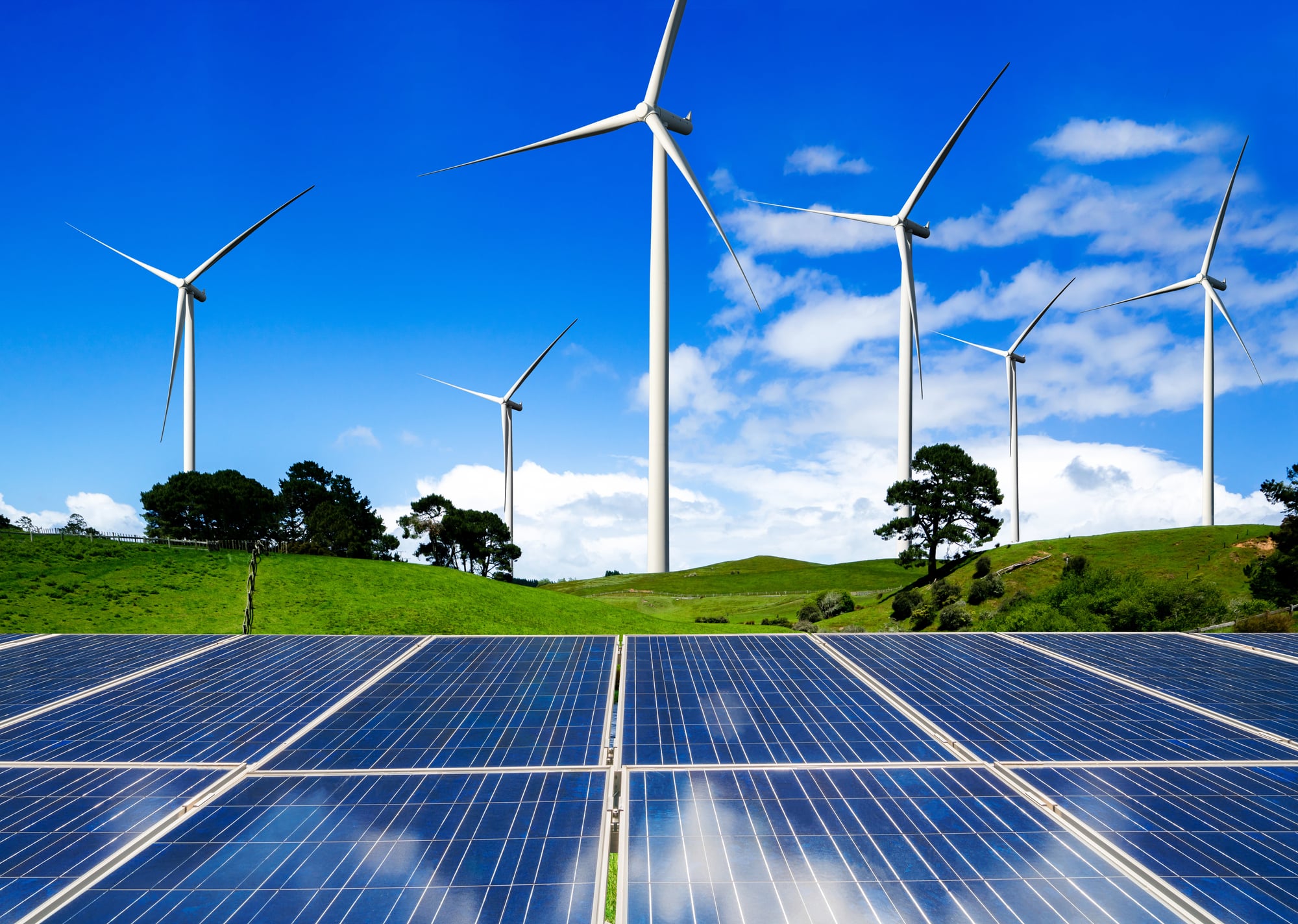
Efficiency rarely grabs headlines, yet it delivers some of the fastest and cheapest emissions reductions available. Improvements in lighting, appliances, industrial equipment, and building design have steadily lowered energy demand without sacrificing performance.
These gains add up across entire economies.
Modern efficiency standards push manufacturers to innovate, producing products that do more with less energy. Digital controls and automation further reduce waste by tailoring usage to actual needs.
The result is lower costs for consumers and less strain on power systems.
In many ways, efficiency is the clean energy breakthrough that enables all others. By reducing demand, it makes renewable supply easier to meet and storage systems more effective.
Why These Breakthroughs Matter Now
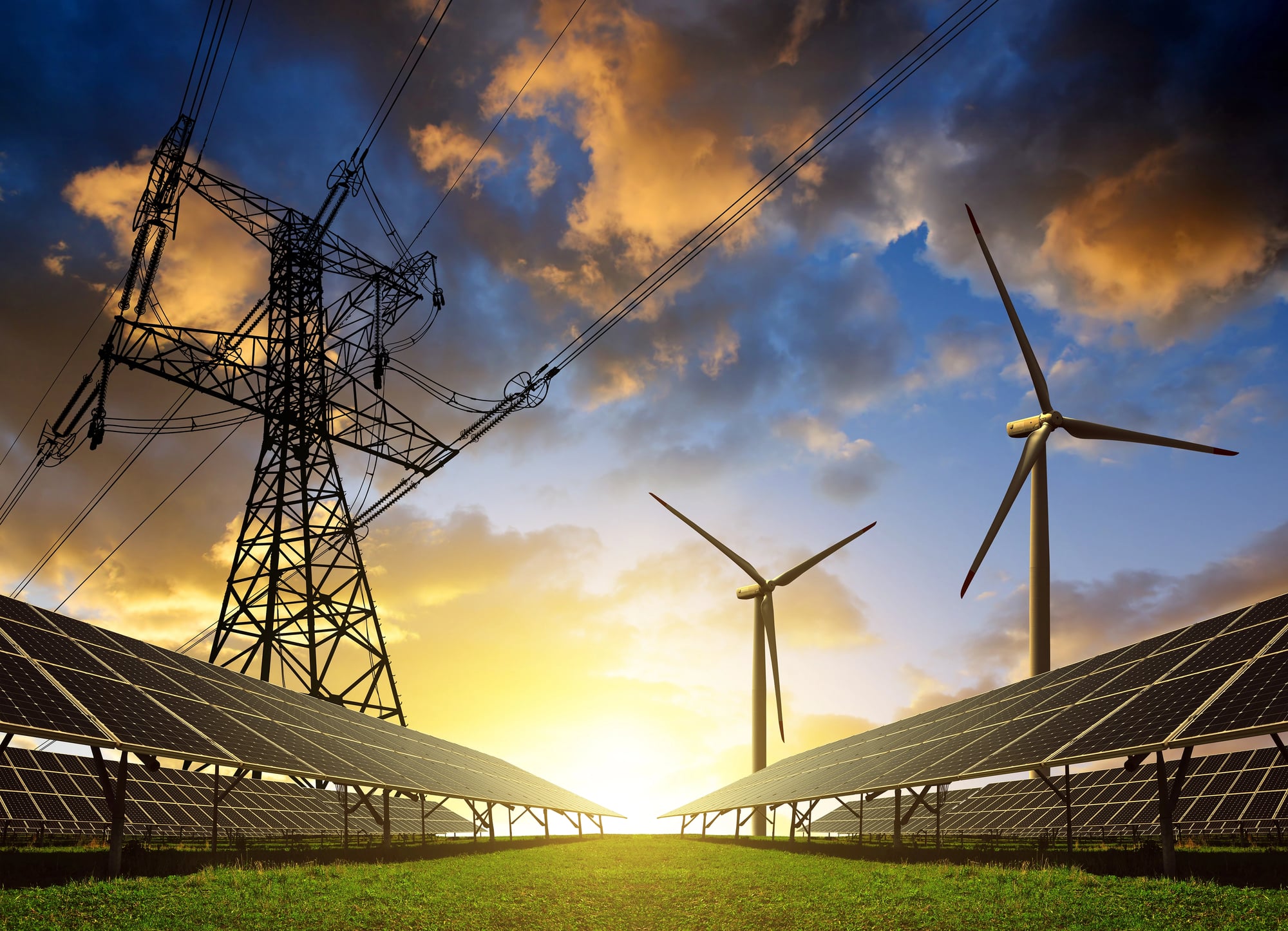
Out of nowhere, clean energy went from a dreamy idea to real-world fix. Where it needed perfect setups before, today it runs just fine in everyday spots – costs have dropped so companies and families both find it fits their budget.
Turns out, progress came not by chasing hype but by fixing what actually broke along the way.
Out here, change isn’t sparked by one big idea – it builds through layers stacking together. Sun power grows stronger when linked with wind, tied neatly into better batteries.
Smarter electricity networks help everything flow smoother than before. Efficiency sneaks in quietly, making each part work harder without waste.
Breakthroughs feed off one another, like echoes bouncing faster down a hall. One advance nudges the next forward, step after steady step.
Quiet shifts often leave the deepest marks. Not tomorrow’s hopes, but today’s work shapes clean power now.
This truth – not some distant dream – holds weight right here. What matters isn’t coming. It’s already arrived.
More from Go2Tutors!

- The Romanov Crown Jewels and Their Tragic Fate
- 13 Historical Mysteries That Science Still Can’t Solve
- Famous Hoaxes That Fooled the World for Years
- 15 Child Stars with Tragic Adult Lives
- 16 Famous Jewelry Pieces in History
Like Go2Tutors’s content? Follow us on MSN.



