Countries That Make It Almost Impossible To Travel To
Most travelers dream of checking off bucket-list destinations like Paris, Tokyo, or the Maldives.
But scattered across the globe are countries that don’t exactly roll out the welcome mat.
Some lock their borders behind mountains of bureaucratic red tape, others are engulfed in conflict, and a few simply prefer to keep the world at arm’s length.
These aren’t places you can book on a whim or reach with a quick flight and a passport stamp.
The reasons vary wildly.
Political isolation, active war zones, authoritarian governments, and infrastructure that barely exists all play a role in making certain nations nearly unreachable.
Either way, these destinations remain off-limits to all but the most determined, well-connected, or foolhardy travelers.
Here’s a closer look at the countries that have turned the simple act of visiting into an almost insurmountable challenge.
North Korea

North Korea stands as perhaps the world’s most famously inaccessible country.
The hermit kingdom doesn’t issue tourist visas in the traditional sense—every foreign visitor must be part of a government-approved tour group, accompanied by state-assigned minders at all times.
Independent travel doesn’t exist here.
Visitors follow carefully choreographed itineraries designed to showcase the regime’s preferred narrative, with zero freedom to wander, photograph unapproved subjects, or interact candidly with locals.
Americans face even steeper hurdles.
The U.S. State Department has maintained a travel ban to North Korea since 2017, meaning American citizens need special validation to enter legally.
Beyond the bureaucratic nightmare, there’s the very real risk factor—several foreigners have been detained under vague charges, facing lengthy prison sentences in a country with no diplomatic safety net for most Western nations.
Turkmenistan

Turkmenistan operates in a strange bubble of isolation that rivals North Korea’s, though it flies under the radar for most people.
The Central Asian nation is ruled by an authoritarian government obsessed with controlling its image and limiting outside influence.
Tourist visas are exceptionally rare and require an official invitation letter from a registered Turkmen entity—something nearly impossible for ordinary travelers to obtain.
The country’s eccentric leadership has created one of the world’s most tightly monitored societies.
Foreign visitors who do manage entry are often assigned government minders, face restrictions on where they can go, and must navigate a web of arbitrary rules that can change without notice.
Infrastructure for tourism barely exists, and internet access is heavily censored and unreliable.
Syria
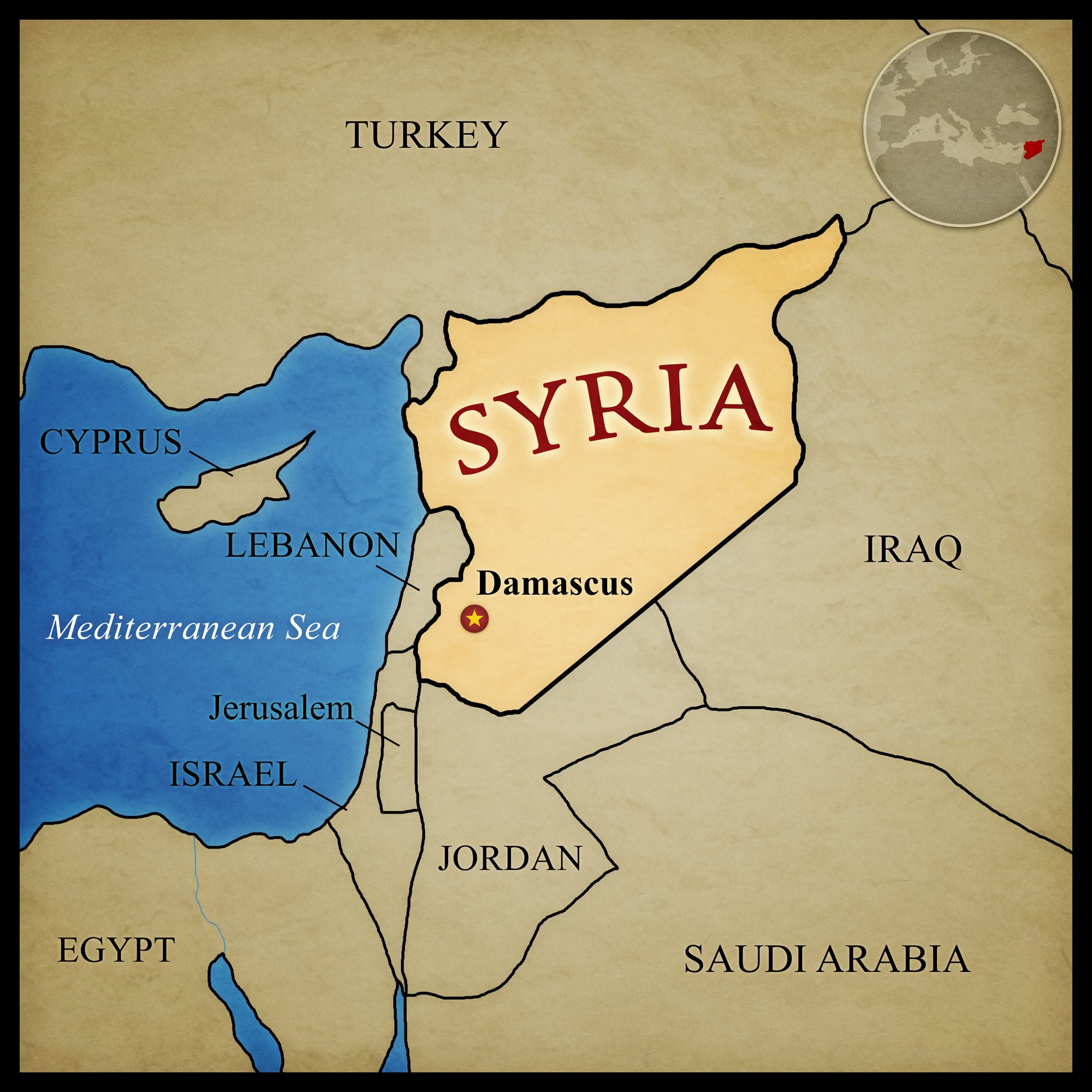
Syria’s ongoing civil war has transformed what was once a cradle of civilization into one of the world’s most dangerous places.
The conflict, which began in 2011, has fractured the country into zones controlled by different factions.
Most Western governments explicitly ban their citizens from traveling there, and those who go anyway forfeit consular assistance.
Even obtaining a visa is a bureaucratic labyrinth.
The Syrian government issues them sparingly, primarily to journalists and aid workers with official backing.
Independent tourists stand almost no chance of approval.
If you somehow managed to enter, you’d face active combat zones, arbitrary checkpoints, the constant threat of kidnapping, and infrastructure devastated by more than a decade of war.
Yemen

Yemen’s descent into chaos rivals Syria’s in severity.
A brutal civil war has raged since 2015, with Houthi rebels controlling much of the north while a Saudi-led coalition backs the internationally recognized government in the south.
Most embassies, including the U.S. and UK, have closed their operations and evacuated staff, leaving no consular support for foreigners.
The security situation defies description.
Airstrikes, ground combat, roadside bombings, and kidnappings are daily occurrences.
The United Nations has labeled Yemen the world’s worst humanitarian crisis, with millions on the brink of famine.
Commercial flights are extremely limited, and tourists have no business here.
Yemen’s borders are closed in every practical sense.
Afghanistan
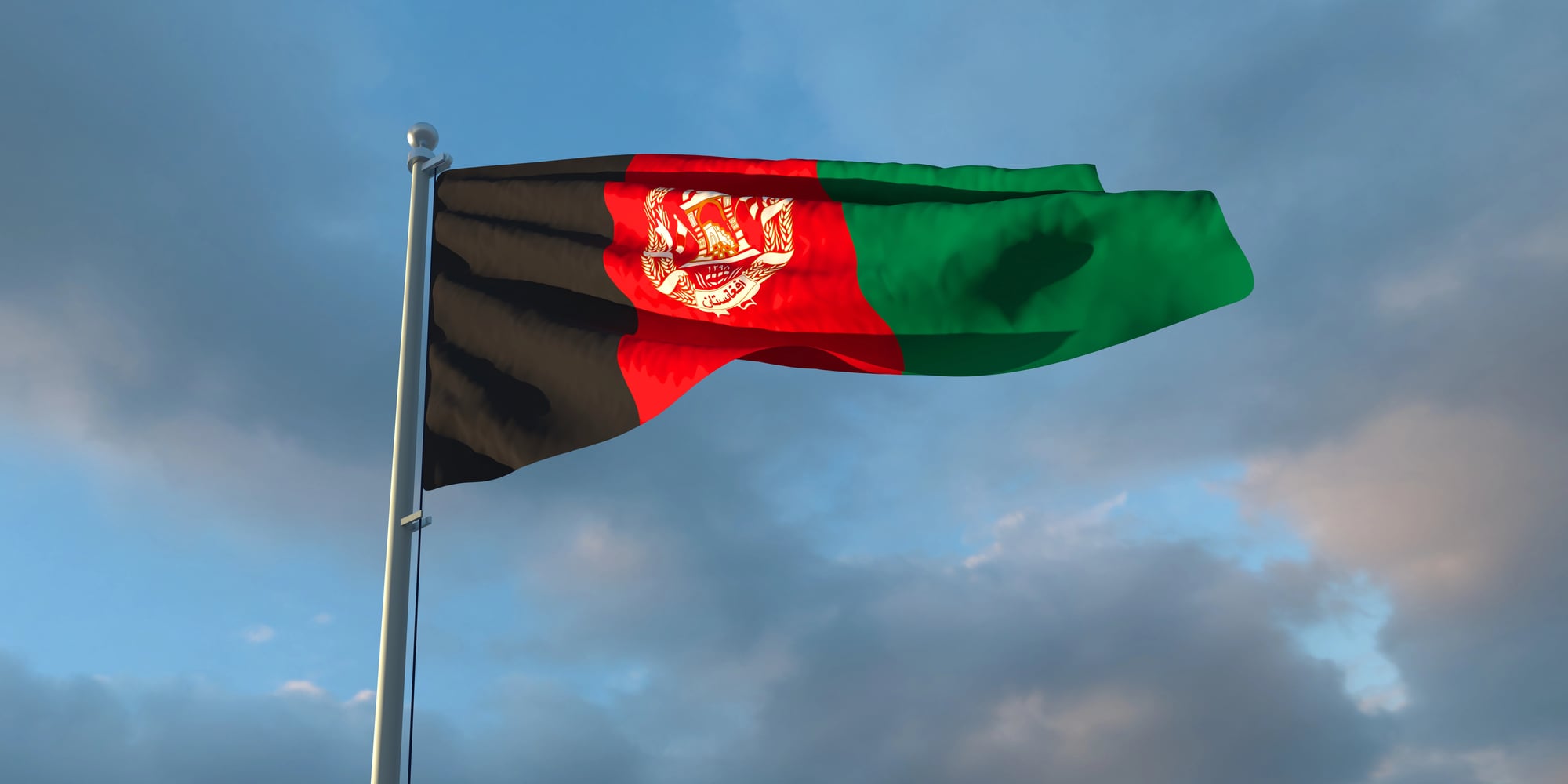
Afghanistan’s fall to the Taliban in 2021 slammed the door on what little tourism existed.
Under Taliban rule, the country has reverted to extreme interpretations of Islamic law, with harsh restrictions on movement and behavior.
Western governments maintain explicit travel bans, and diplomatic presence is minimal to nonexistent.
Security remains the dominant concern.
Despite Taliban claims of stability, insurgent attacks continue, and foreigners remain high-value kidnapping targets.
The country’s infrastructure was already fragile before the Taliban takeover; now it’s deteriorated further.
Travel insurance won’t cover Afghanistan, and emergency evacuation options are virtually nil.
Libya

Libya collapsed into a failed state following the 2011 uprising that toppled Muammar Gaddafi.
More than a decade later, the country remains split between rival governments, militia groups, and criminal networks.
There’s no functioning central authority capable of guaranteeing safety or issuing reliable travel documents.
Western embassies have been closed since 2014, leaving citizens with no consular protection.
The security environment is anarchic.
Kidnappings targeting foreigners are common, and armed militias control checkpoints throughout the country.
Commercial flights into Libya are limited and unpredictable, often canceled due to security concerns.
Even if you made it in, there’s no tourism infrastructure to speak of.
Nauru

Nauru presents a different kind of inaccessibility—not political or security-related, but geographical and logistical.
The tiny Pacific island nation, just eight square miles in size, is one of the world’s most remote countries.
Only one airline serves the island, with flights limited to a few times per week from Brisbane, Australia.
There’s almost nothing resembling a tourism industry.
The island has one main hotel, limited dining options, and few organized activities.
Nauru’s economy, devastated by decades of phosphate mining, offers little to visitors.
The cost of flights is high, the island’s isolation is profound, and there’s simply not much to do once you arrive.
Bhutan

Bhutan takes a radically different approach to limiting tourism—it’s deliberate, unapologetic, and tied to the country’s philosophy of ‘high value, low impact’ travel.
The Himalayan kingdom requires all tourists to book through licensed operators and pay a Sustainable Development Fee that amounts to roughly $100 per day, on top of accommodation and other costs.
The total bill can easily exceed $250 per day.
This isn’t about keeping people out—it’s about controlling how many come and ensuring they leave a positive footprint.
By imposing high fees and requiring guided tours, they’ve created a system that attracts wealthier, more conscientious travelers while deterring backpackers.
Independent travel is impossible, and every day must be planned through an operator.
The Reality Behind Closed Doors

The barriers these countries erect aren’t random or arbitrary—they’re reflections of deeper realities.
Authoritarian regimes fear outside influence and scrutiny.
War zones can’t guarantee safety because safety doesn’t exist there.
Remote islands struggle with the basic logistics of getting people in and out.
What’s striking is how little most of these nations care about missing out on tourism revenue.
While other countries aggressively court travelers, these places remain indifferent or outright hostile to the idea.
The closed borders aren’t just obstacles for travelers; they’re windows into how these countries see themselves and their place in the world.
More from Go2Tutors!

- The Romanov Crown Jewels and Their Tragic Fate
- 17 Halloween Costumes Once Considered Taboo
- Famous Hoaxes That Fooled the World for Years
- 15 Child Stars with Tragic Adult Lives
- 16 Famous Jewelry Pieces in History
Like Go2Tutors’s content? Follow us on MSN.



