14 Classic Novels That Influenced Modern Media
Before movies filled theaters and shows stacked episodes online, people gathered around pages instead. Pages held lives so real they refused to stay put.
Worlds unfolded line by line, not frame by frame. These paper realms shaped ideas now flashing on glowing rectangles everywhere.
Some characters we think of as digital stars began life in ink. Myths spun long ago still twist through what we watch.
Screen revolutions often trace back to quiet books from times most never remember. Time does not dull their influence – it spreads.
At first, you might miss how it fits together. But under superhero flicks, dark future epics, and mind-bending suspense stories sit roots grown from old-school novels.
Here’s a closer look at 14 classic novels that continue to shape modern media in powerful and lasting ways.
Frankenstein By Mary Shelley
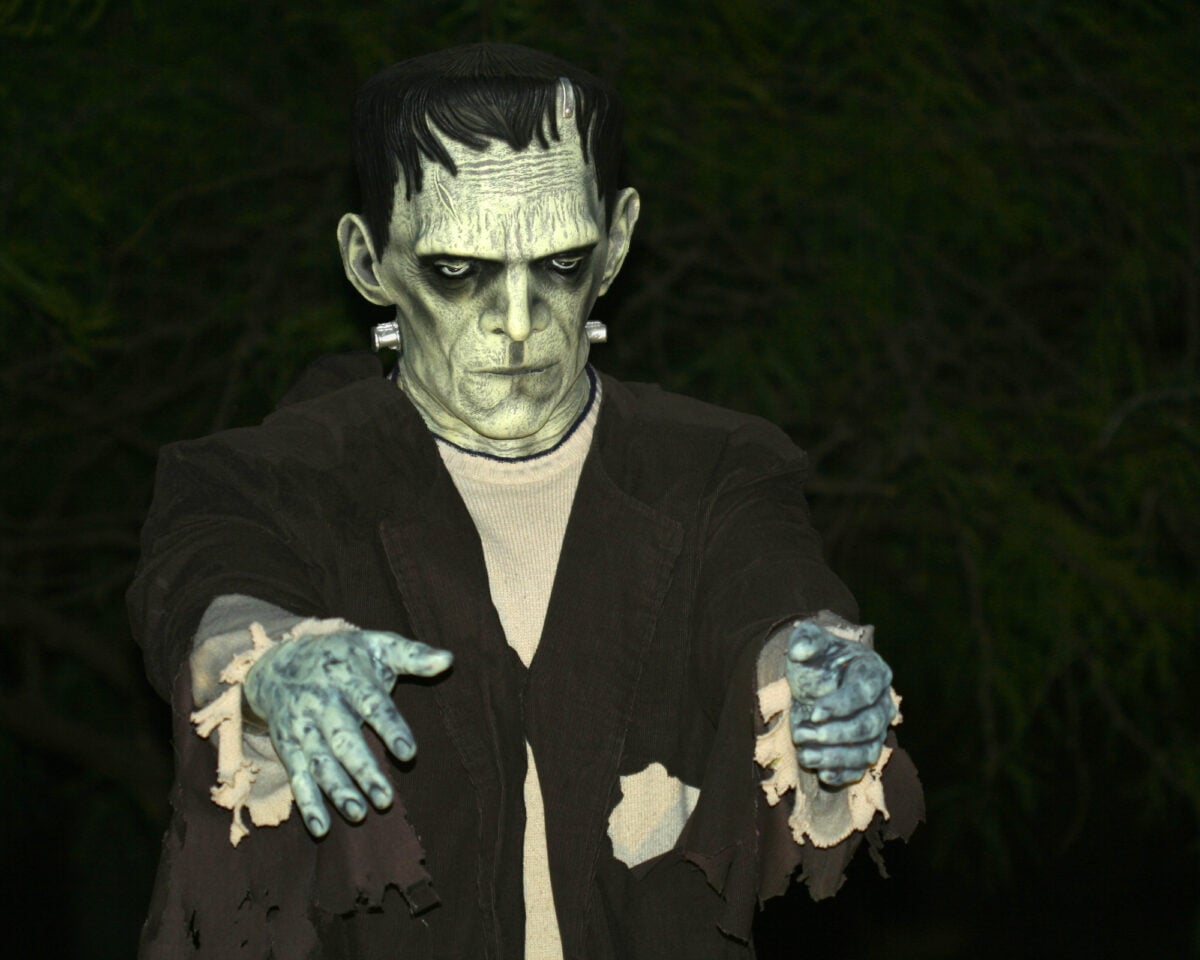
Published in 1818, Frankenstein remains one of the earliest works of science fiction. Shelley’s story of a scientist creating life and losing control of it established themes that dominate modern storytelling: technological ambition, unintended consequences, and moral responsibility.
Countless films, television series, and even superhero narratives borrow from its core tension. Stories about artificial intelligence and genetic engineering trace their lineage back to Victor Frankenstein’s experiment. The novel’s central warning about innovation without ethics still feels remarkably current.
Dracula By Bram Stoker
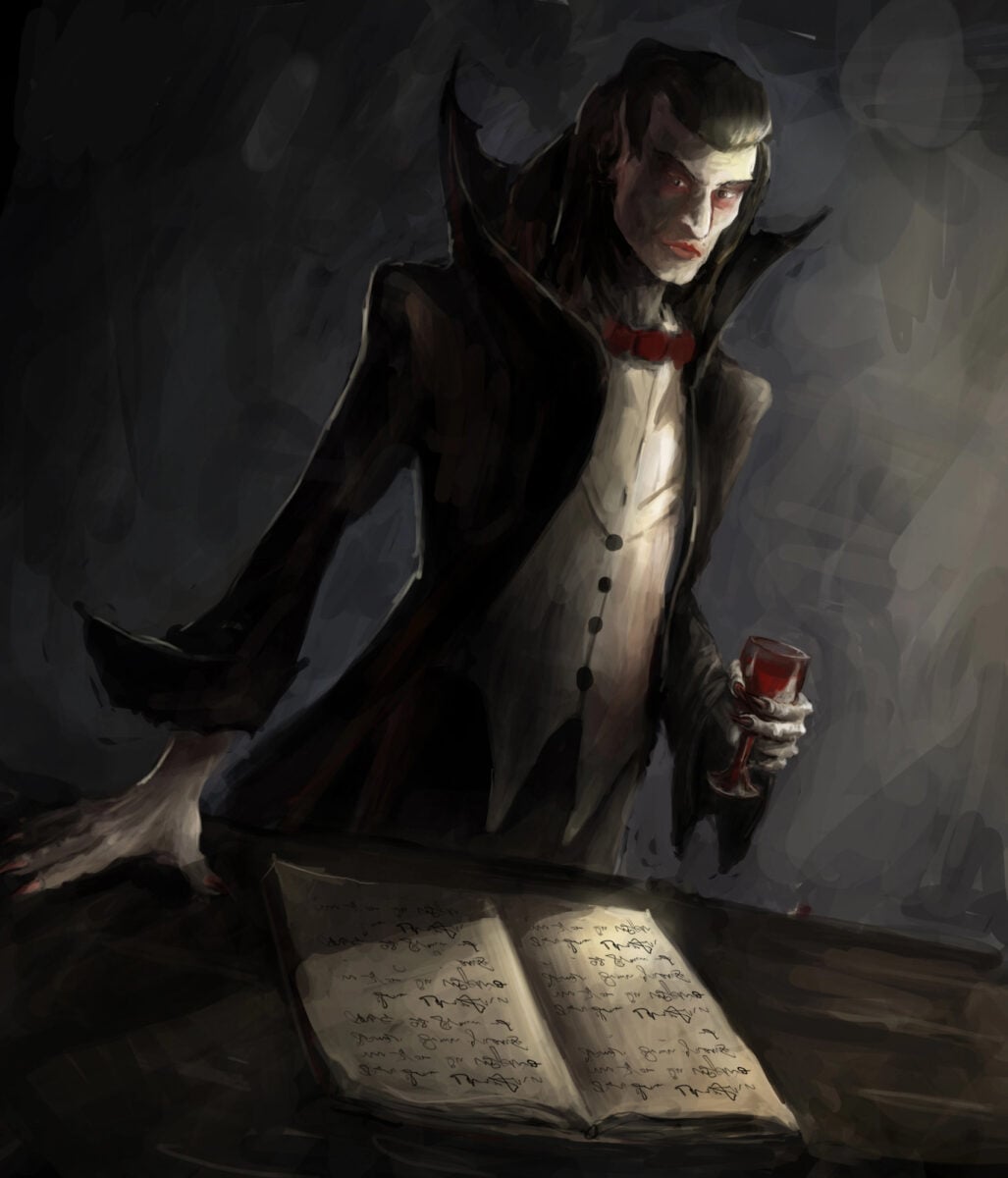
When Dracula appeared in 1897, it defined the modern vampire. Stoker’s aristocratic, predatory Count established the template for supernatural horror that still thrives today.
From television dramas to blockbuster franchises, the seductive yet menacing vampire owes its DNA to Stoker’s creation. The novel also pioneered the idea of assembling documents and perspectives to tell a story — a structural device that modern thrillers continue to use.
1984 By George Orwell
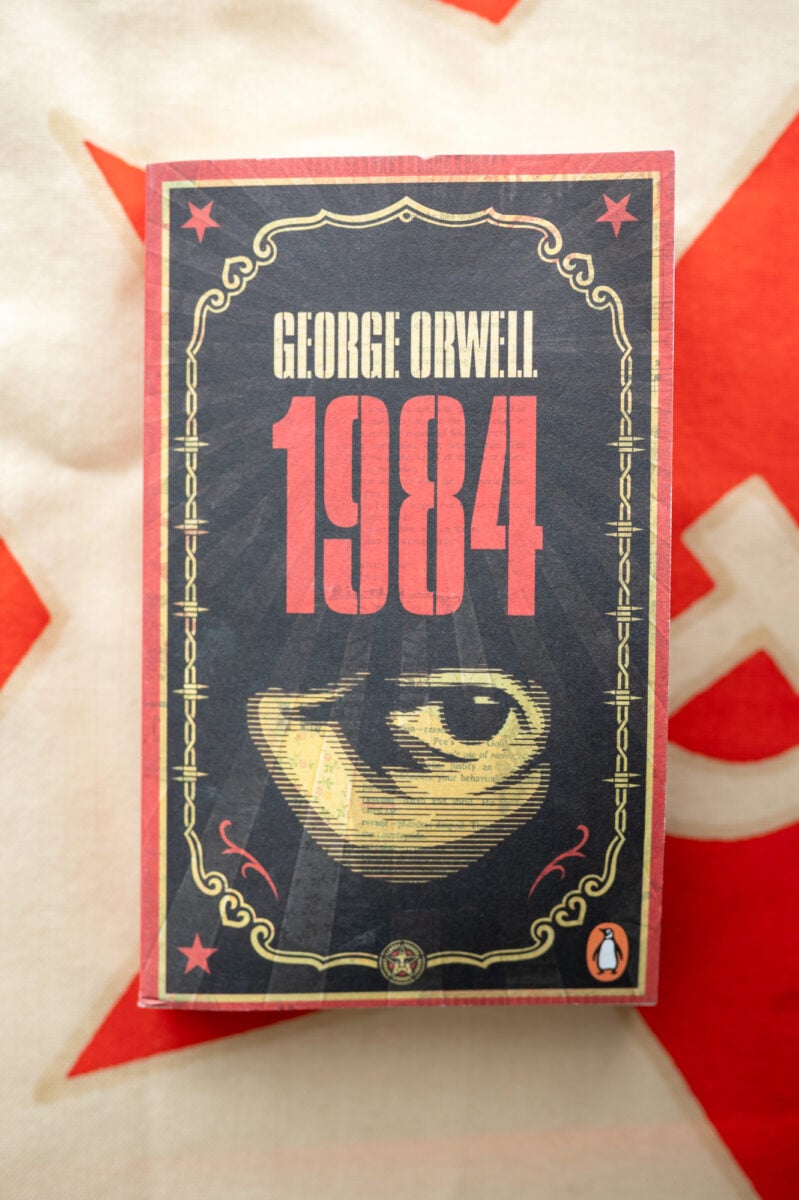
Few novels have influenced modern political storytelling as deeply as 1984. Orwell’s depiction of surveillance, propaganda, and manipulated truth reshaped how dystopian narratives are written.
Modern films and series centered on authoritarian regimes draw heavily from Orwell’s vision. Terms like ‘Big Brother’ and ‘thoughtcrime’ have entered everyday language. The book’s exploration of control through media feels especially relevant in an era defined by digital information.
Brave New World By Aldous Huxley
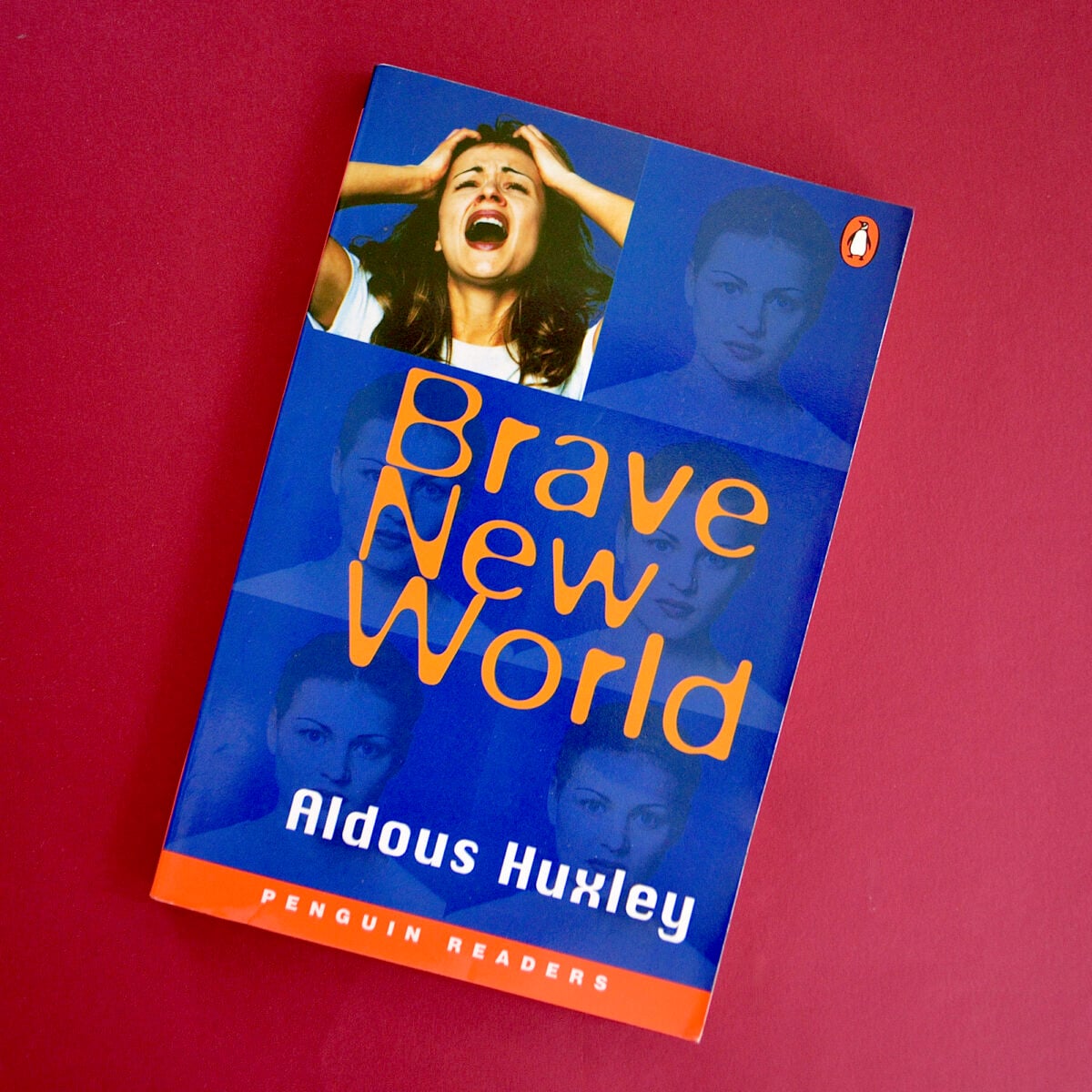
While Orwell focused on fear and repression, Huxley imagined a world subdued by pleasure and distraction. Brave New World introduced the idea that control could come through comfort rather than cruelty.
Modern dystopian franchises frequently blend these two visions. Themes of engineered happiness, social conditioning, and manufactured consent continue to appear in contemporary storytelling. Huxley’s cautionary tale feels less like science fiction and more like social commentary.
The Lord Of The Rings By J.R.R. Tolkien
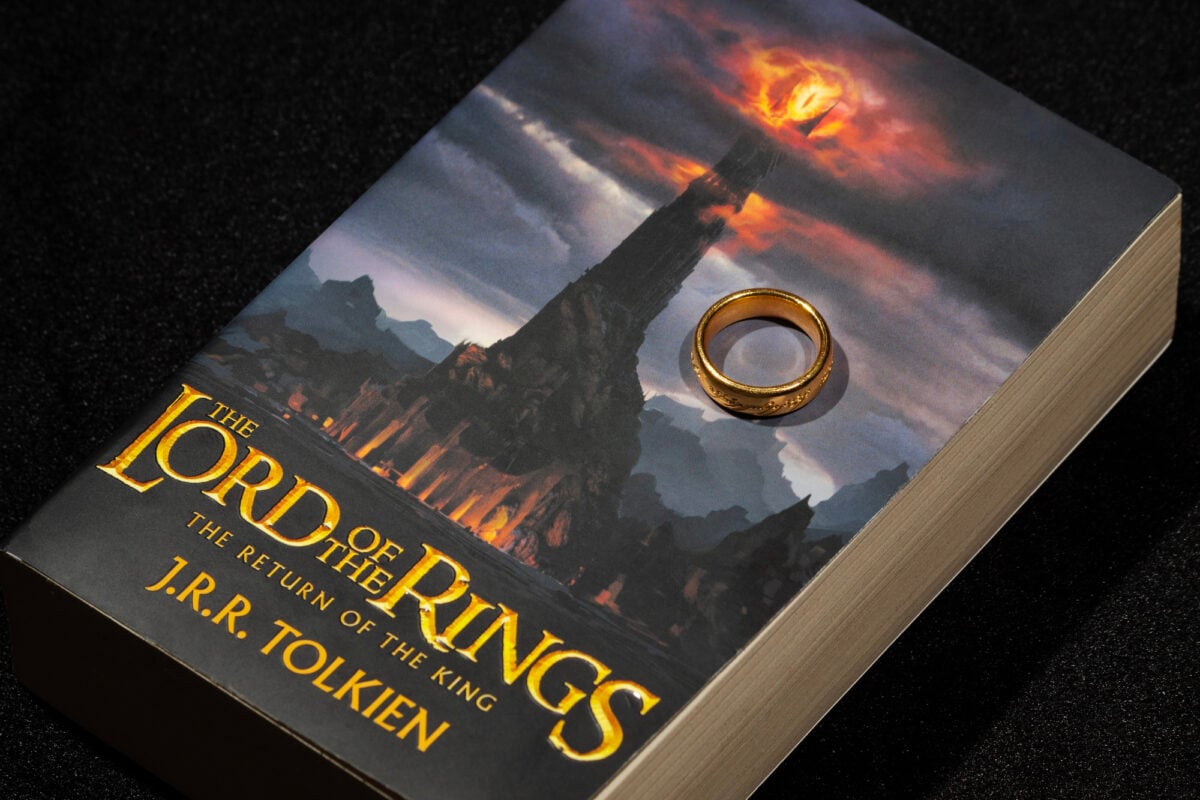
Tolkien’s epic trilogy did more than tell a fantasy story. It constructed an entire mythology complete with languages, histories, and cultures. Modern fantasy media — from sprawling television adaptations to cinematic universes — borrow heavily from his approach to world-building.
The idea of assembling a diverse group on a quest, complete with mapped landscapes and layered lore, became a narrative blueprint. Even outside fantasy, ensemble storytelling owes much to Tolkien’s structure.
Sherlock Holmes By Arthur Conan Doyle
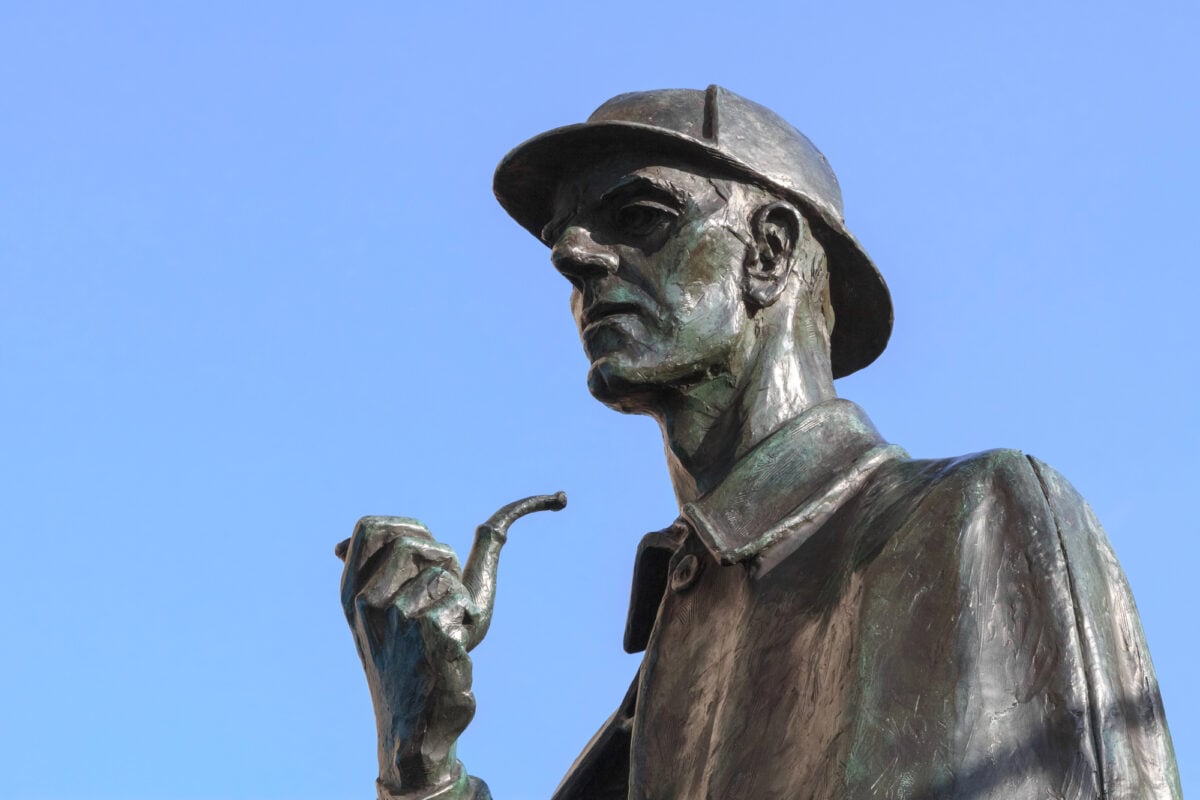
Though technically a collection of stories and novels, Conan Doyle’s Sherlock Holmes shaped the modern detective archetype. The brilliant but flawed investigator solving complex cases remains a staple of television and film.
Procedural dramas, crime thrillers, and even unconventional genius characters trace their lineage to Holmes. The structure of clues, red herrings, and deductive reasoning continues to define the genre.
The War Of The Worlds By H.G. Wells
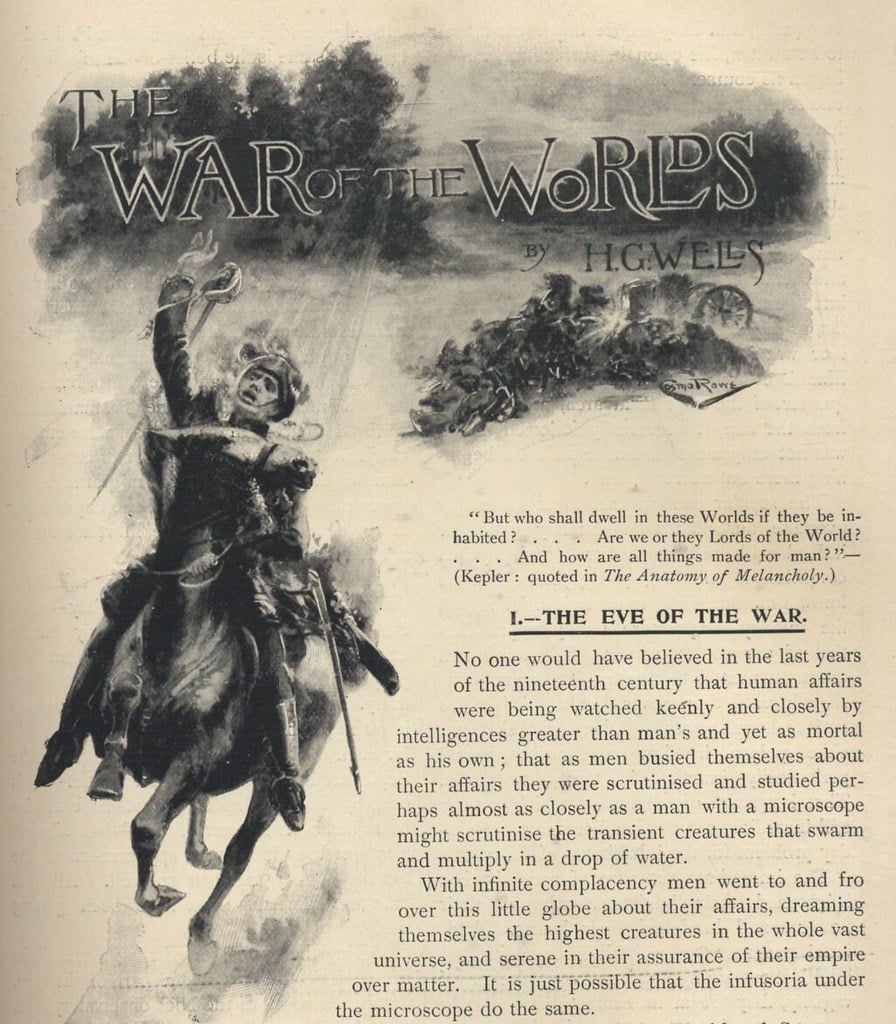
Published in 1898, Wells’s alien invasion novel pioneered the concept of extraterrestrial threats overwhelming humanity. It shifted science fiction from distant fantasy to grounded realism.
Modern alien invasion films and disaster narratives reflect Wells’s influence. His emphasis on human vulnerability in the face of advanced technology laid the groundwork for countless cinematic spectacles.
Pride And Prejudice By Jane Austen
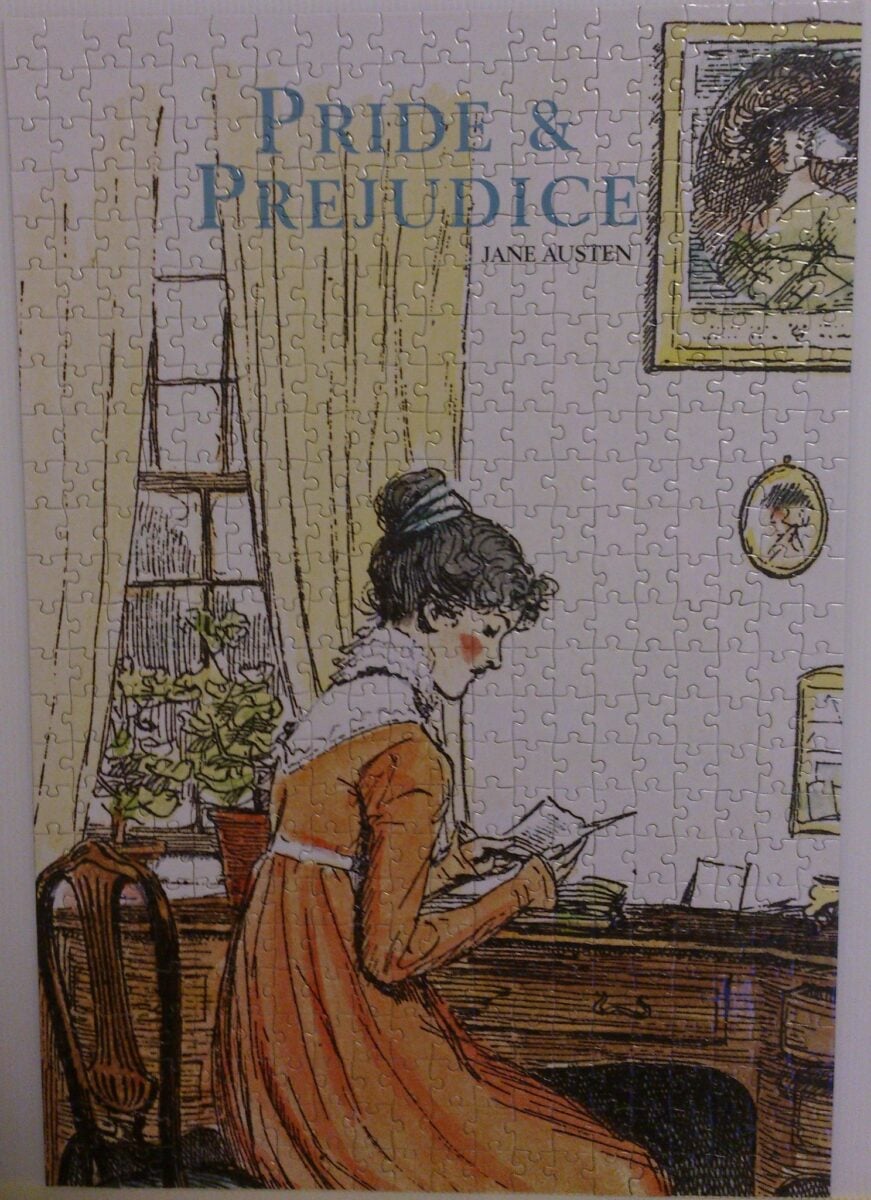
Austen’s sharp observations about class, relationships, and social expectations resonate across modern romantic storytelling. The enemies-to-lovers dynamic popular in romantic comedies owes much to Elizabeth Bennet and Mr. Darcy.
The novel’s focus on character development and dialogue-driven tension established patterns still visible in contemporary romance films and television series. Its adaptability has kept it culturally relevant for over two centuries.
The Great Gatsby By F. Scott Fitzgerald
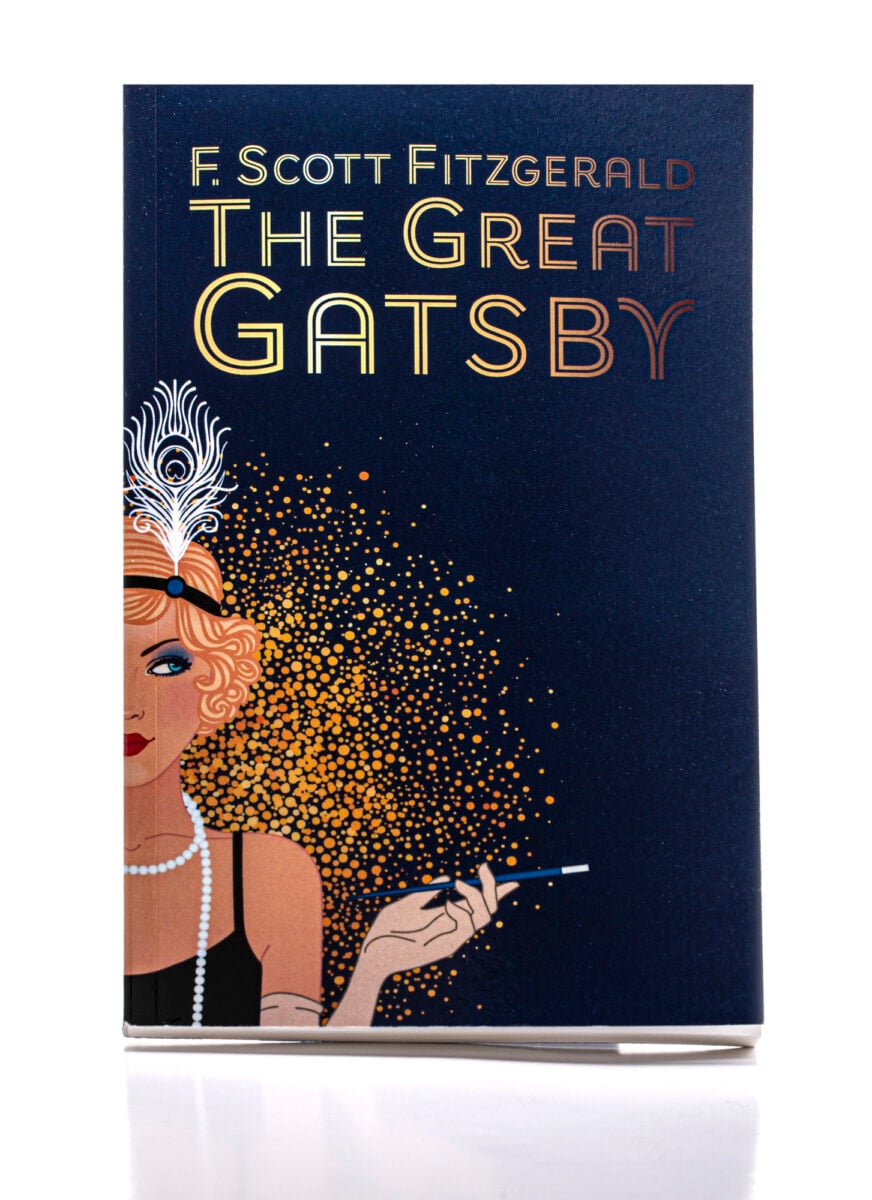
Set during the Roaring Twenties, The Great Gatsby dissected ambition, illusion, and the fragility of the American Dream. Its themes continue to shape stories about wealth and identity.
Modern dramas exploring excess and moral decay often mirror Fitzgerald’s insights. The image of the charismatic dreamer chasing an unattainable ideal remains a powerful narrative device.
To Kill A Mockingbird By Harper Lee
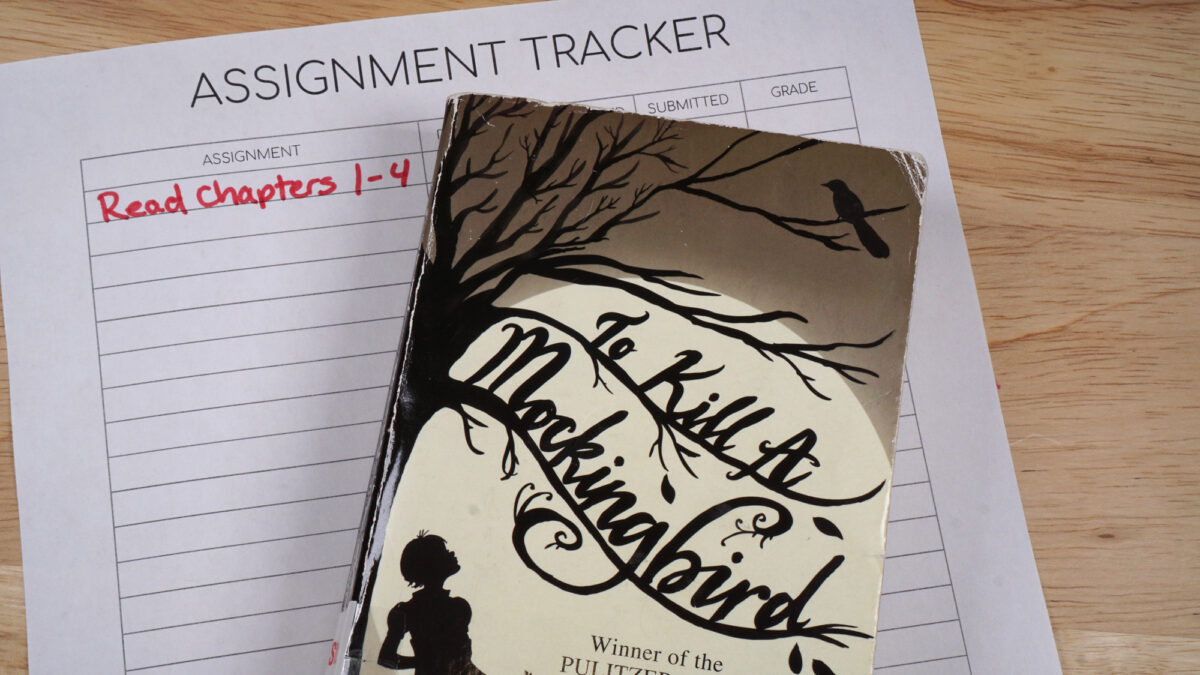
Harper Lee’s novel introduced audiences to a story that blended personal growth with social justice. Its courtroom drama structure has influenced countless legal films and television series.
Beyond genre impact, its exploration of empathy and moral courage shaped character-driven storytelling. The book demonstrated that intimate narratives could address sweeping societal issues without losing emotional depth.
The Time Machine By H.G. Wells
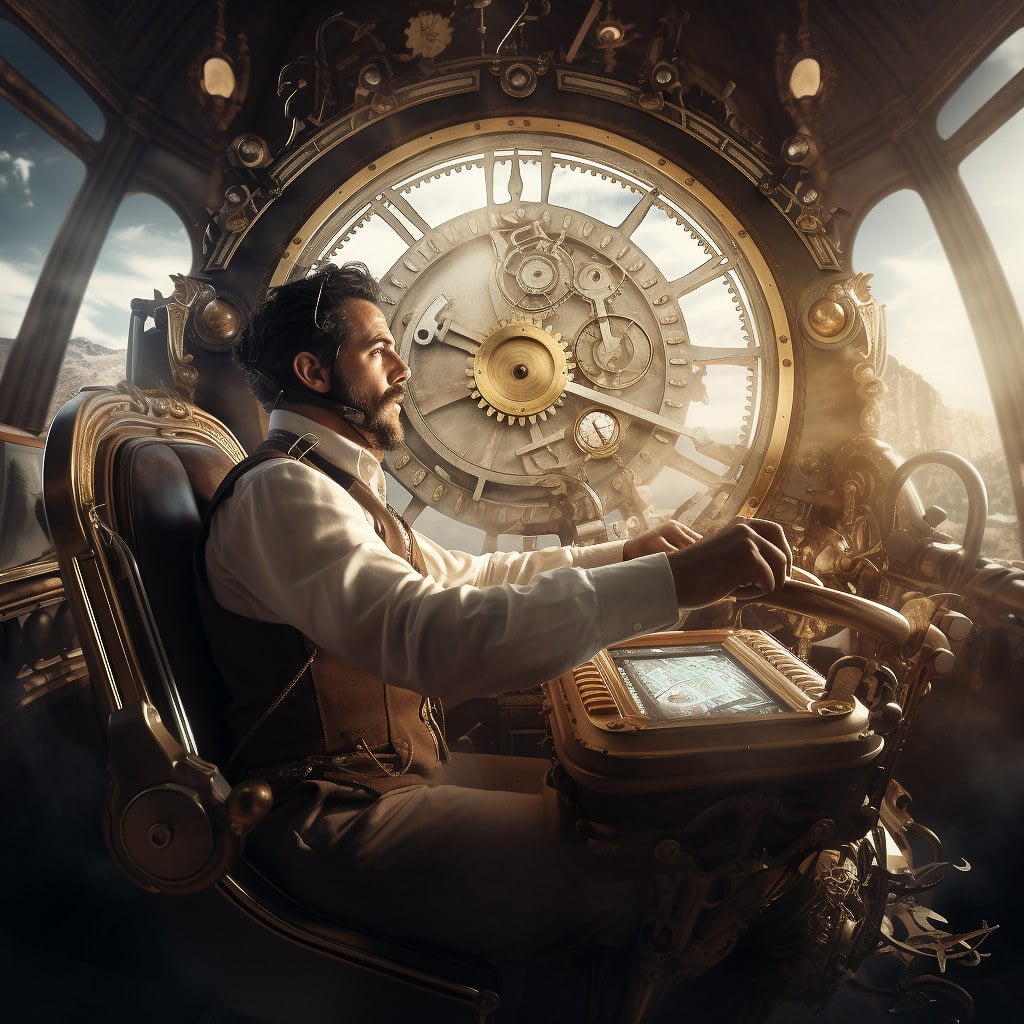
Another influential work by Wells, The Time Machine introduced structured time travel as a storytelling device. The concept of moving across eras to witness humanity’s evolution became a foundation for science fiction.
Modern time-travel films and series rely on mechanisms and paradoxes first imagined in this novel. Its exploration of future societies also reinforced dystopian themes that remain prevalent.
Fahrenheit 451 By Ray Bradbury
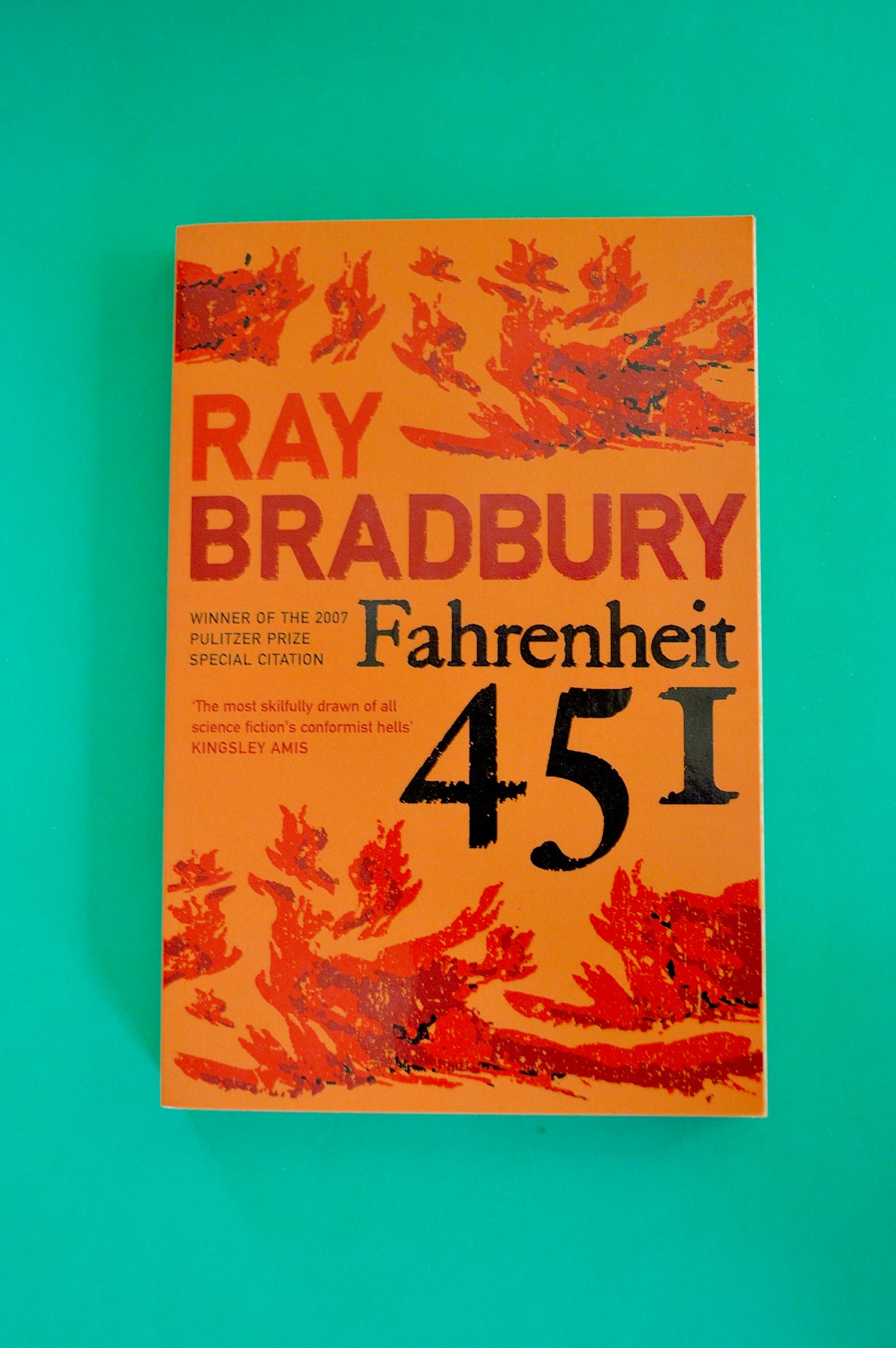
Bradbury’s story of book burning and censorship addressed the dangers of suppressing knowledge. Its vision of a society distracted by shallow entertainment anticipated modern media anxieties.
Many contemporary dystopian narratives reflect Bradbury’s warnings about intellectual complacency. The novel’s imagery of firemen destroying books remains one of literature’s most enduring symbols.
Jane Eyre By Charlotte Brontë
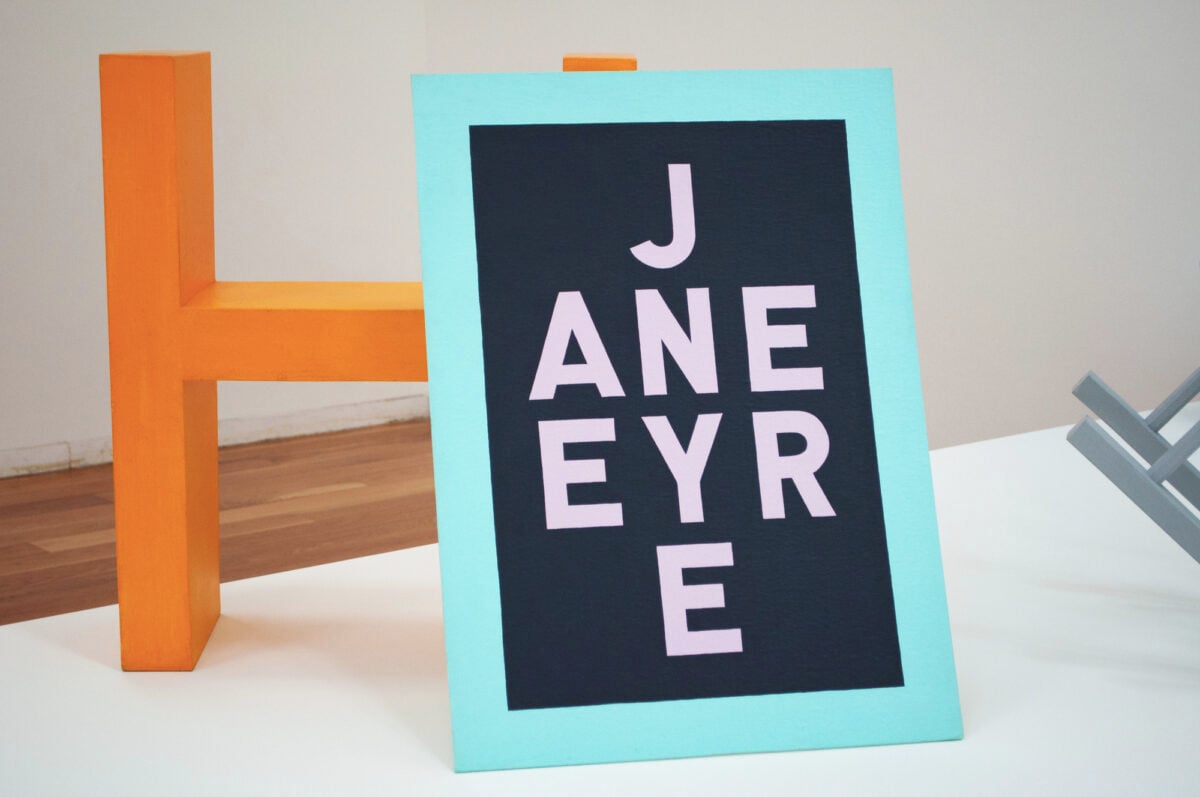
Brontë’s novel blended romance, mystery, and gothic elements into a deeply personal narrative. Its emphasis on an independent female protagonist influenced generations of character-driven storytelling.
Modern dramas featuring resilient heroines navigating power dynamics and personal growth echo Jane Eyre. The balance between emotional intimacy and suspense continues to inspire adaptations and reinterpretations.
The Picture Of Dorian Gray By Oscar Wilde
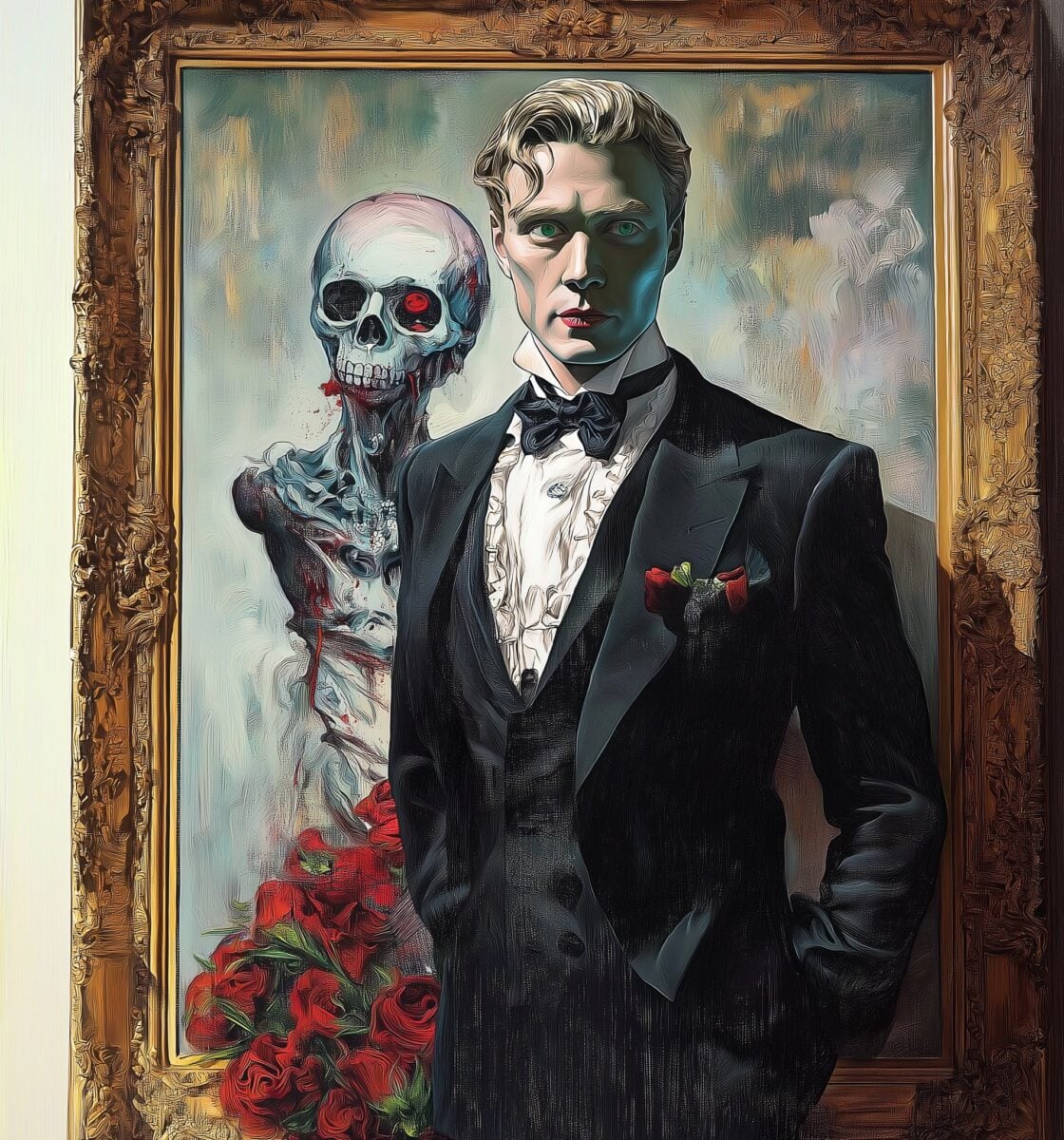
Wilde’s exploration of vanity, corruption, and hidden moral decay resonates strongly in modern psychological thrillers. The idea of an outwardly flawless figure concealing inner darkness has become a recurring motif.
Stories centered on dual identities, fame, and self-destruction often draw from this novel’s themes. Wilde’s blend of wit and darkness set a tone that remains strikingly contemporary.
Stories That Refuse To Fade
Stories from long ago stick around since they show fears and dreams much like our own. Dystopias whisper caution; romance pulls tight; grand tales build worlds – each shaping how stories unfold today.
Old ways shift, sure. Magazines in installments now live online instead. Flashy visuals took over where words once painted pictures. Even so, every tale told today leans on paper-bound origins – those inked chapters first teaching crowds what courage feels like, how desire drives people, when trust cracks, why dread lingers.
Speedy screens dominate today’s stories. Yet slow echoes of old pens still hum beneath them.
More from Go2Tutors!

- The Romanov Crown Jewels and Their Tragic Fate
- 13 Historical Mysteries That Science Still Can’t Solve
- Famous Hoaxes That Fooled the World for Years
- 15 Child Stars with Tragic Adult Lives
- 16 Famous Jewelry Pieces in History
Like Go2Tutors’s content? Follow us on MSN.