Countries with No Rivers at All
Assuming that every nation has at least one small stream or creek running somewhere within its borders, most people take rivers for granted. The truth is very different. There are many nations in the world that do not have a single river that runs through them permanently. These countries have come up with innovative ways to secure their water needs in the face of particular challenges.
Three primary causes usually lead to the lack of rivers: severe aridity, where rainfall is insufficient to maintain permanent waterways; small geographic area that is unable to support river systems; or special geological features that inhibit surface water flow. These nations have prospered in spite of having no rivers at all.
Saudi Arabia
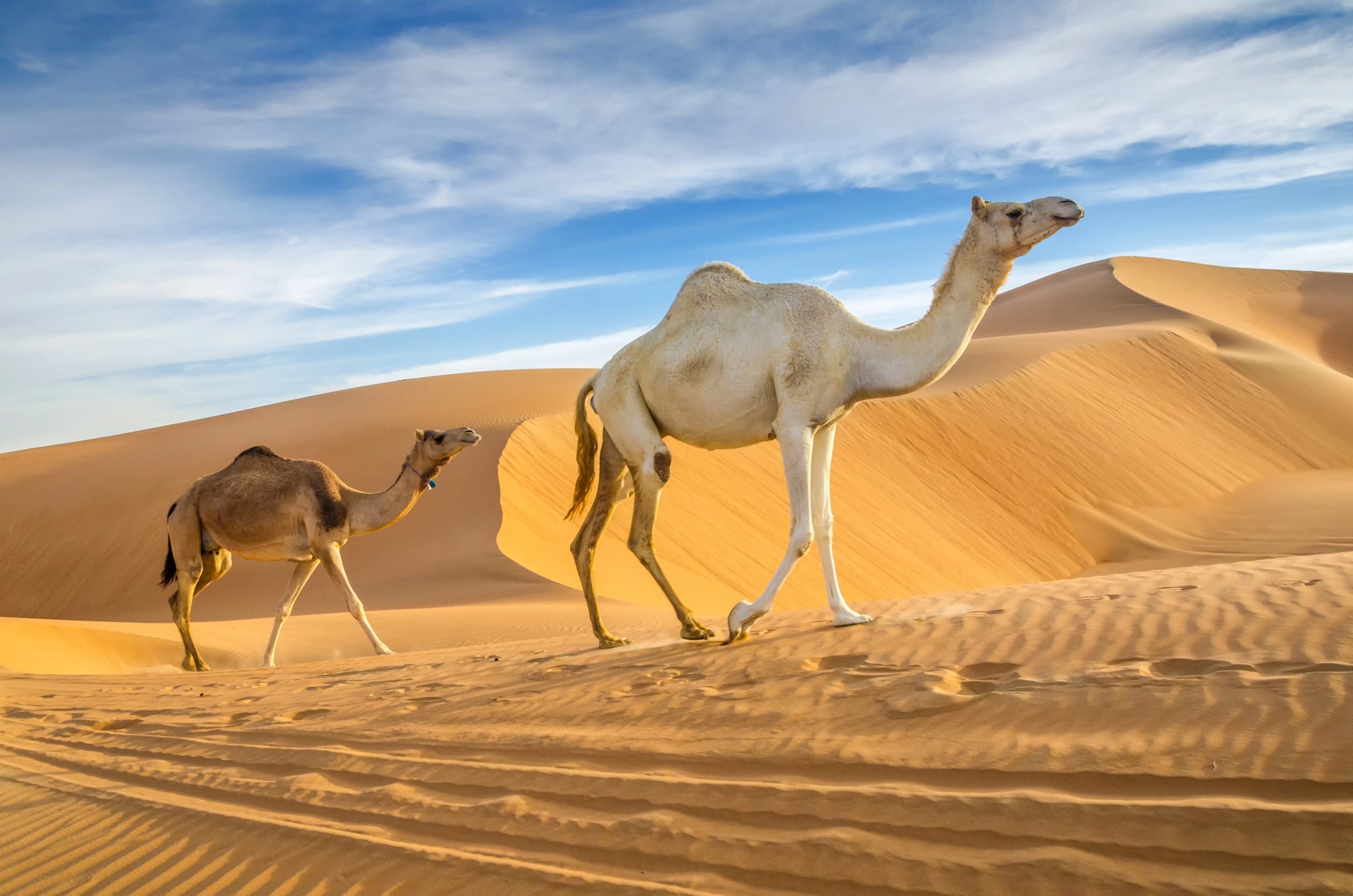
Saudi Arabia stands as the largest country in the world without any permanent rivers, covering over 830,000 square miles of mostly desert terrain. The kingdom’s sandy landscape and scorching temperatures mean that any rainfall gets absorbed into the ground or evaporated before it can form lasting waterways.
The country provides water for its 34 million inhabitants primarily through desalination plants, which produce almost half of the nation’s drinking water from seawater. Scattered oases dot the desert, providing the only natural surface water sources.
Vatican City
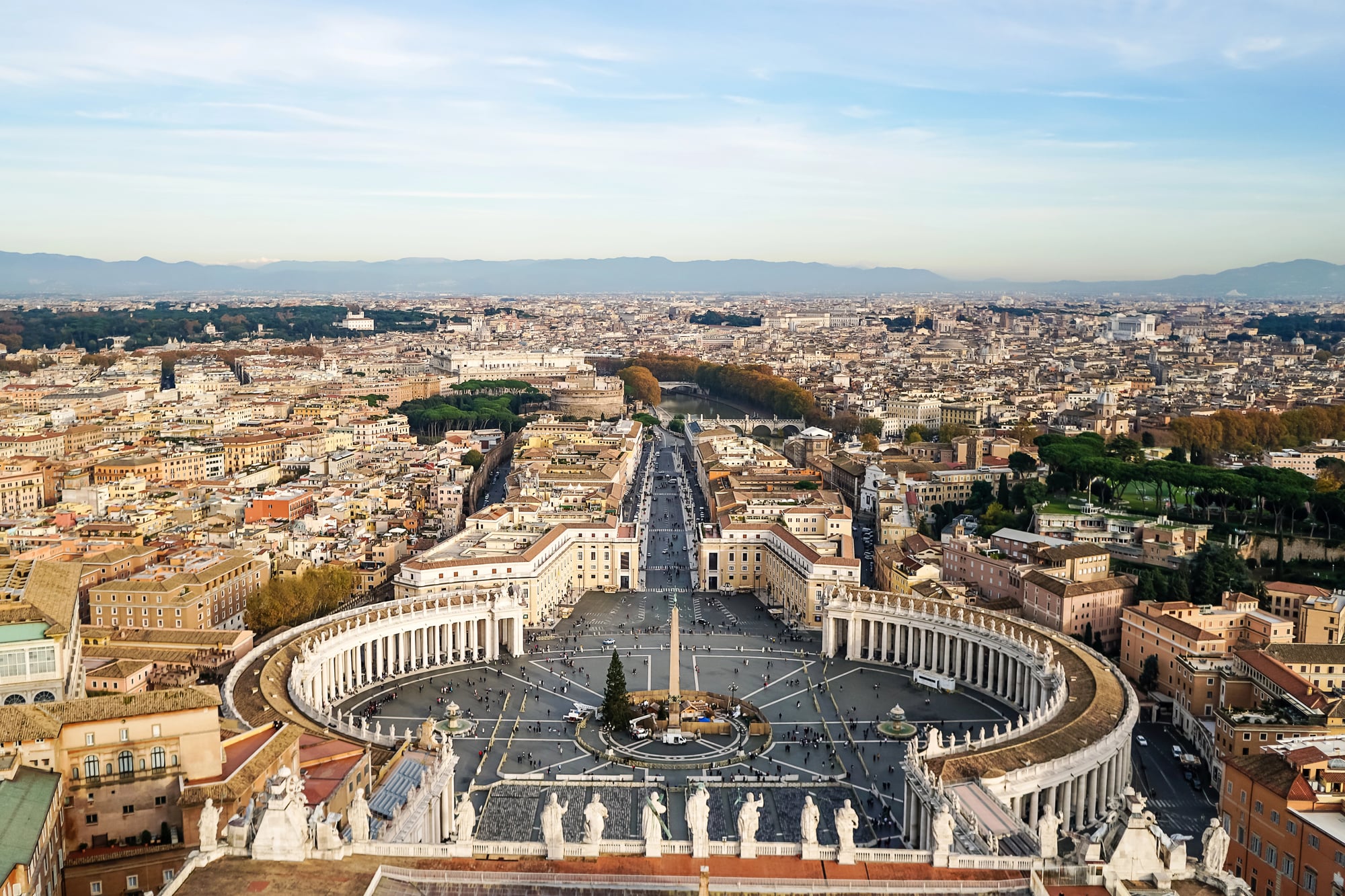
The Vatican represents an extremely unusual case, functioning as a religious city-state within Rome with almost no natural terrain and therefore no possibility for natural rivers. At just 0.17 square miles, it’s essentially a walled enclave containing buildings, courtyards, and gardens.
Interestingly, the Vatican sits only about 400 meters from Italy’s Tiber River, but this proximity doesn’t change its river-free status. The tiny nation relies entirely on Italy for its water supply through municipal connections.
Monaco

Monaco shares similar characteristics with the Vatican as a microstate, but its coastal location gives it a different character entirely. This glamorous principality covers just 0.78 square miles and is bordered by France on three sides and the Mediterranean Sea on the fourth.
While Monaco has some canalized and covered streams, it has no permanent natural rivers flowing through its territory. Monaco relies instead on two Mediterranean ports for its maritime needs.
The country’s wealth allows it to import water and maintain sophisticated infrastructure despite its geographical limitations.
Kuwait

Kuwait belongs to the category of Middle Eastern desert countries that experience arid climates with minimal rainfall throughout the year. The nation occasionally sees temporary watercourses during rare rainstorms, but these disappear quickly in the intense heat.
Kuwait has become a pioneer in desalination technology, turning seawater into fresh water to support its population. The country also imports significant amounts of bottled water and has developed extensive groundwater extraction systems.
Qatar
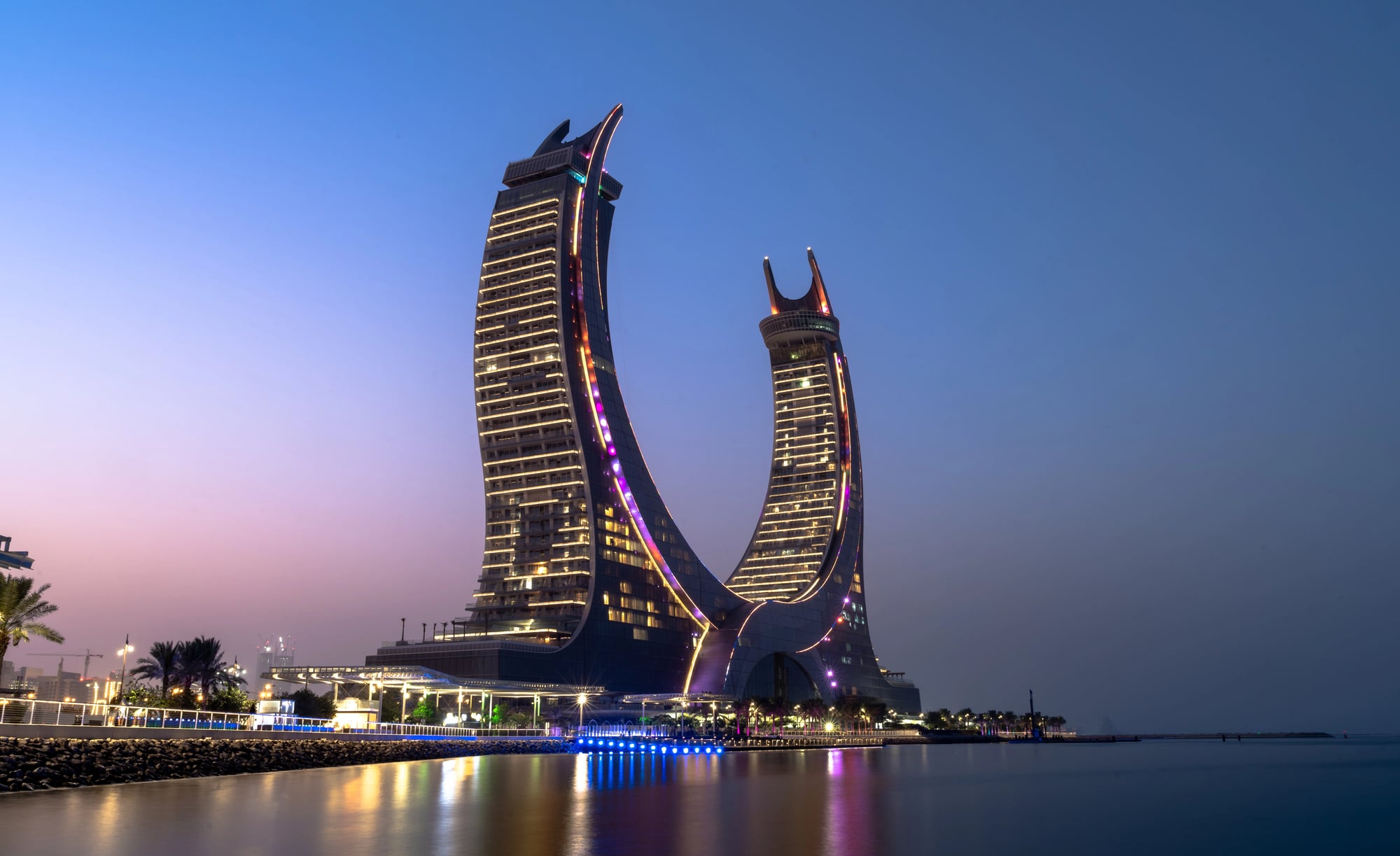
This peninsular nation jutting into the Persian Gulf faces similar challenges to its neighbors, with desert conditions preventing the formation of permanent rivers. Qatar relies heavily on desalination technology to meet its water needs.
The country has invested billions in water infrastructure, including massive desalination plants and water storage facilities. Qatar’s wealth from oil and natural gas exports has enabled it to create one of the world’s most advanced water management systems.
Bahrain

Bahrain, an island nation in the Persian Gulf, experiences the same arid climate patterns that characterize the region. The country consists of a main island and several smaller ones, with terrain too flat and dry to support river formation.
Due to climate change and sea level rise, Bahrain has increasingly turned to desalination of groundwater, seawater, and even wastewater treatment for its water supply. The nation has also implemented strict water conservation measures and rationing systems.
United Arab Emirates
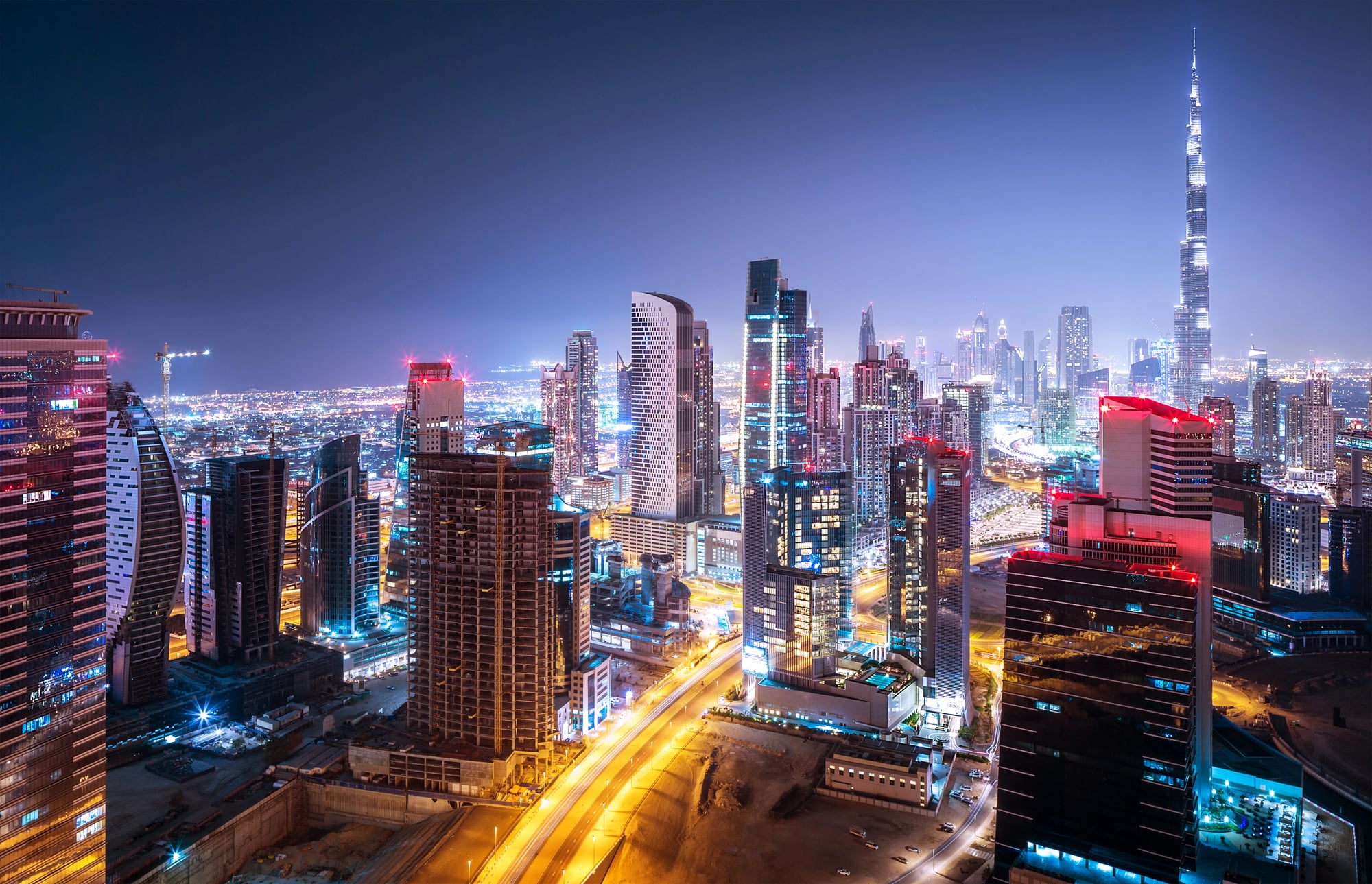
The UAE encompasses seven emirates across the Arabian Peninsula, all sharing the region’s characteristically arid climate. Like other Middle Eastern countries, the UAE may have temporary riverbeds that flood during occasional rainstorms, but no permanent running rivers exist.
The country has transformed itself into a leader in water technology, operating some of the world’s largest desalination facilities. Dubai and Abu Dhabi have created artificial lakes and waterways for aesthetic and recreational purposes, but these rely entirely on desalinated water.
Yemen
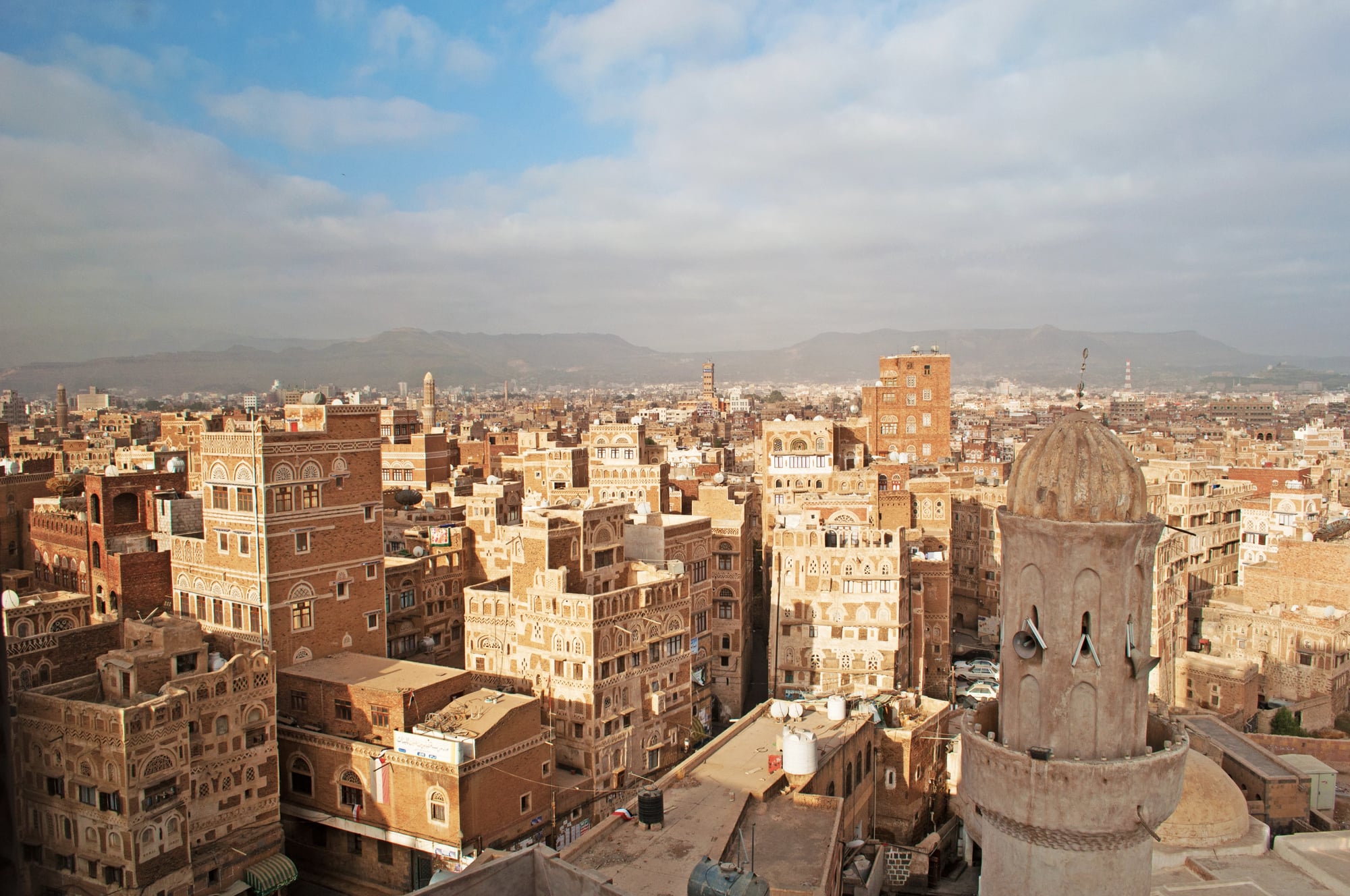
Yemen represents another Middle Eastern country where desert conditions and arid climate prevent the formation of permanent rivers. The country experiences minimal rainfall throughout most of the year, with any precipitation quickly absorbed by the sandy terrain or evaporated in the intense heat.
Yemen has struggled with water scarcity issues, relying heavily on groundwater extraction and limited desalination facilities. The ongoing conflicts in the region have made water infrastructure development and maintenance particularly challenging.
Malta

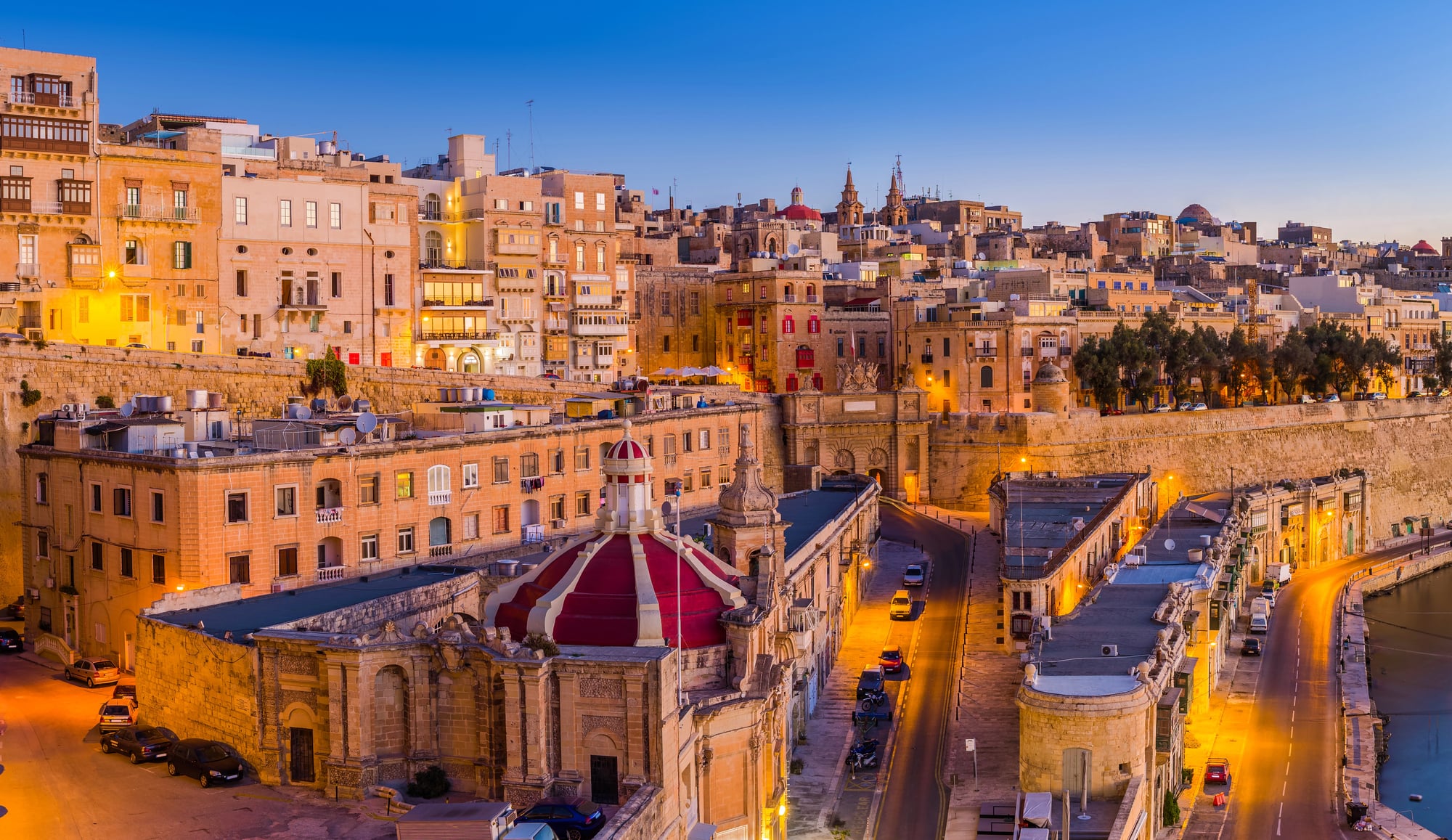
Malta stands as the third European country without rivers, joining Vatican City and Monaco in this distinction. This Mediterranean archipelago may see small temporary waterways form during the rainy season, but these are not permanent.
Looking at satellite images of Malta reveals uniform gray-brown tones with only scattered patches of green, reflecting the absence of major water features. The island nation imports water from Sicily and operates reverse osmosis plants to supplement its limited groundwater resources.
Maldives
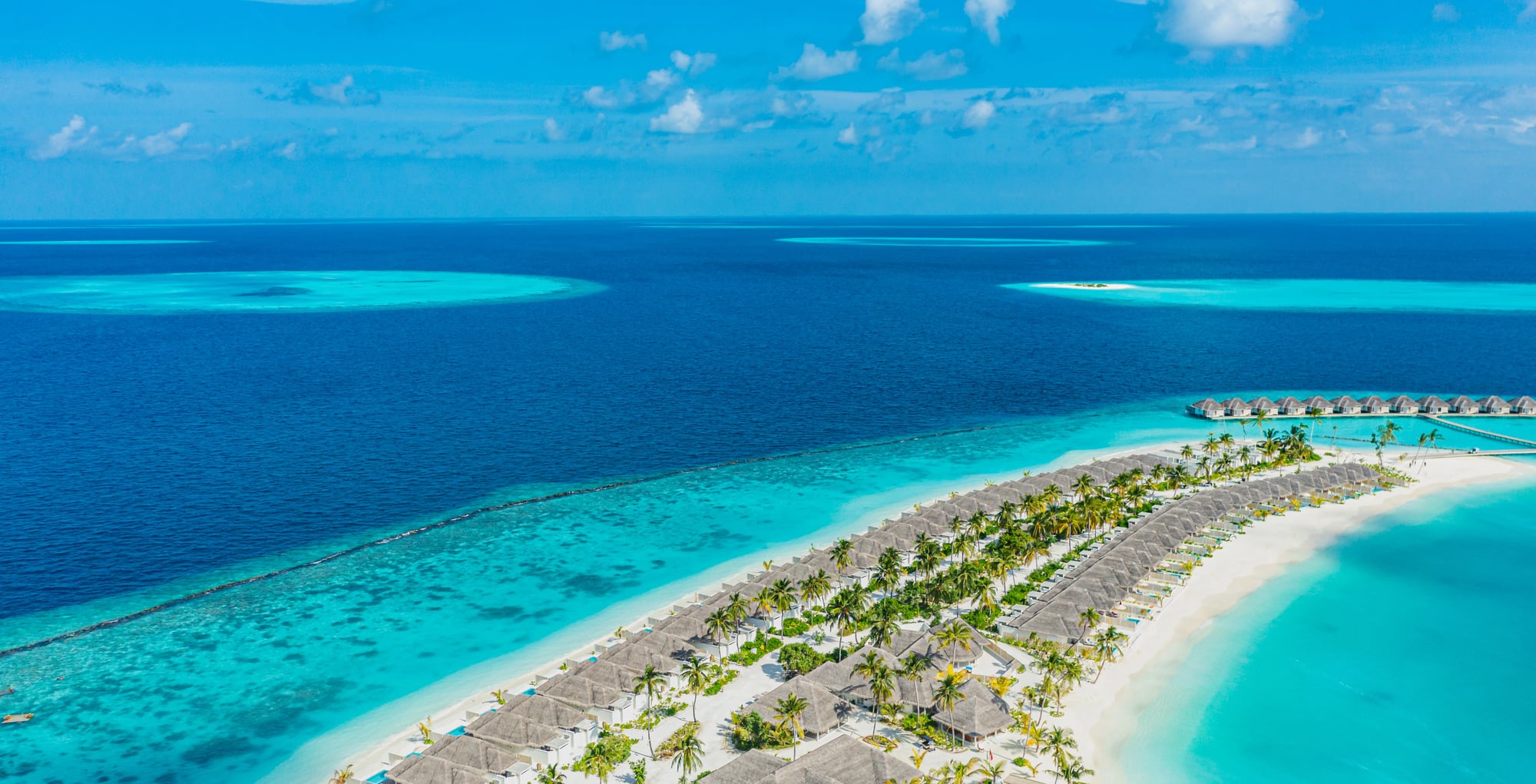
The Maldives represents a classic example of island countries that are either too small to accommodate river flow or lack the necessary elevation for water sources. This collection of 1,200 coral islands scattered across the Indian Ocean has a maximum elevation of just 8 feet above sea level.
The porous coral substrate means any rainwater quickly seeps into the ground rather than forming surface streams. Each resort and community typically maintains its own desalination equipment, and rainwater harvesting has become an essential practice.
Tuvalu

Tuvalu exemplifies the water challenges faced by low-lying Pacific island nations. This country consists of nine coral atolls with a maximum elevation of just 15 feet above sea level, making river formation impossible.
The porous coral substrate means any rainwater quickly filters through to underground freshwater lenses or flows directly into the ocean. Tuvalu faces severe threats from climate change, as rising sea levels and increased storm surges contaminate the limited freshwater supplies with saltwater.
The nation has implemented comprehensive rainwater harvesting systems and water conservation programs to ensure survival.
Kiribati

Kiribati exemplifies the challenges faced by small island nations that lack sufficient elevation for river formation. This Pacific nation consists of 33 coral atolls and islands scattered across an area roughly the size of India, but with a total land area of only 313 square miles.
The highest point reaches just 265 feet above sea level. Climate change poses particular threats to Kiribati’s water security, as rising sea levels contaminate freshwater sources with saltwater.
The country has implemented extensive rainwater harvesting programs and water conservation measures.
Water Solutions for the Riverless
Some of the most cutting-edge water management technologies in the world were developed in nations without rivers. These countries use groundwater abstraction, desalination, and extensive water conservation techniques as alternative water sources.
Many are now world leaders in desalination technology, converting saltwater into potable water on a massive scale. Others have developed complex water trading agreements with nearby nations, perfected rainwater harvesting, or constructed artificial water storage systems.
Their accomplishments show that even though rivers offer practical water sources, human ingenuity can get past even the most difficult geographic constraints.
More from Go2Tutors!

- The Romanov Crown Jewels and Their Tragic Fate
- 13 Historical Mysteries That Science Still Can’t Solve
- Famous Hoaxes That Fooled the World for Years
- 15 Child Stars with Tragic Adult Lives
- 16 Famous Jewelry Pieces in History
Like Go2Tutors’s content? Follow us on MSN.