Countries With Unusual Capital Arrangements
Most people assume every country has one clear capital city where the government sits and business gets done. That assumption works for places like France or Japan, but plenty of nations around the world have decided to do things differently.
Some countries split their government functions between multiple cities, while others have capitals that barely anyone has heard of or that exist more on paper than in reality. Let’s take a closer look at the countries that threw out the rulebook when it came to picking where their capitals should be.
South Africa

South Africa doesn’t just have one capital. It has three.
Pretoria handles all the executive branch work, Cape Town hosts the legislature, and Bloemfontein takes care of the judicial system. This arrangement came about when different regions merged to form the Union of South Africa back in 1910, and nobody wanted to give up their importance.
The setup sounds complicated, but it actually spreads power around and keeps any single city from dominating everything. Government officials spend a lot of time traveling between cities, which probably racks up quite the mileage.
Bolivia
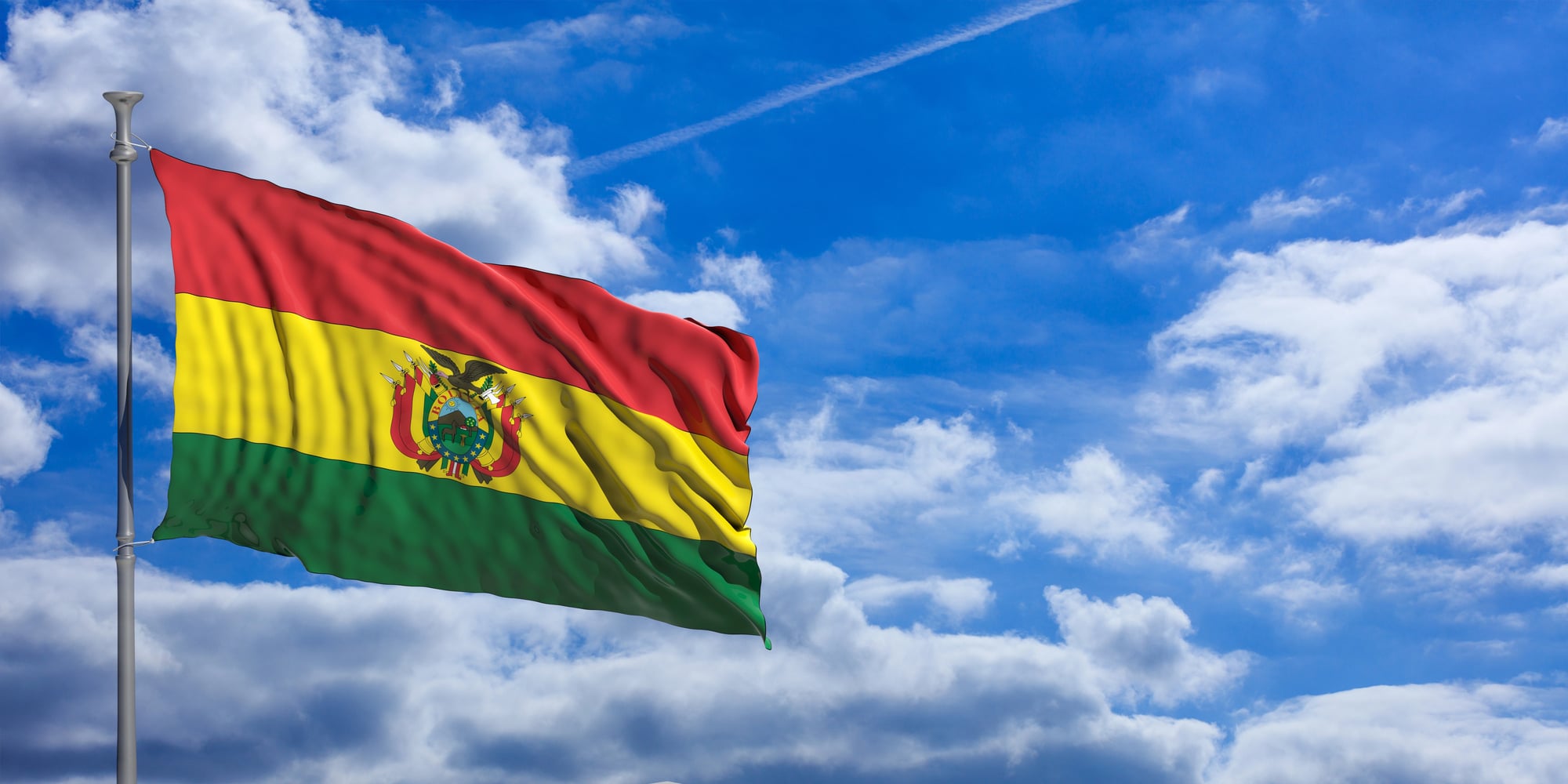
Bolivia officially recognizes two capitals, and the division between them reflects old tensions that still simmer today. Sucre holds the title of constitutional capital and houses the Supreme Court, while La Paz serves as the seat of government where the president and congress actually work.
La Paz sits at a breathtaking altitude of over 11,000 feet, making it one of the highest administrative capitals anywhere. Most foreign embassies set up shop in La Paz since that’s where the real action happens, even though Sucre technically holds the official title.
The dual capital situation remains a point of pride for some Bolivians and a source of ongoing debate for others.
Switzerland

Switzerland keeps things typically Swiss by refusing to officially call Bern its capital. The city serves as the ‘federal city’ where the government operates, but the Swiss avoid using the word capital in their constitution.
This choice fits perfectly with Switzerland’s emphasis on decentralization and the equal treatment of its cantons. Bern got selected back in 1848 partly because it sat in the middle of the country and partly because it wasn’t too powerful or too German-speaking to upset the French and Italian regions.
The Swiss government could theoretically pack up and move somewhere else if they felt like it, though nobody seriously suggests doing that.
Myanmar
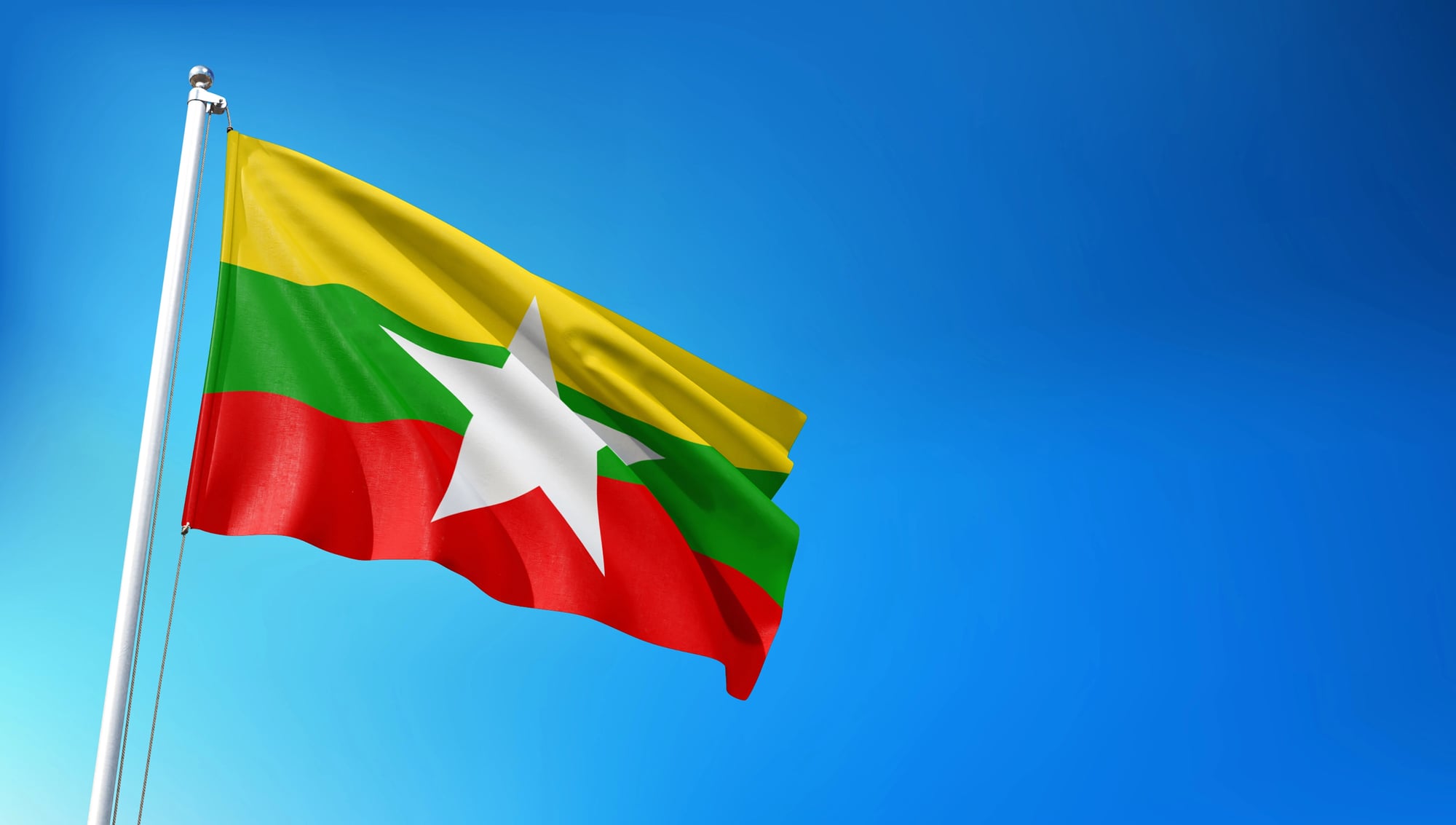
Myanmar moved its capital from Yangon to Naypyidaw in 2005, and the new city still feels like a strange experiment in urban planning. Naypyidaw appeared almost overnight in the middle of the country, built from scratch with massive highways, grand buildings, and space for millions of people.
The problem is that barely anyone lives there. The military government ordered the move without much explanation, though theories range from wanting a more central location to fears about foreign invasion.
Visiting Naypyidaw today feels eerie because you can drive for miles on eight-lane highways without seeing another car.
Sri Lanka

Sri Lanka technically has two capitals, though most people only know about one. Colombo serves as the commercial capital where most businesses and embassies operate, while Sri Jayawardenepura Kotte functions as the legislative capital where parliament meets.
Kotte sits right next to Colombo, practically in its suburbs, which makes the distinction feel a bit unnecessary to outsiders. The government announced this arrangement in 1982 as part of an effort to ease congestion in Colombo, though it mostly just confused everyone about where the capital actually is.
Both cities have grown together so much that telling them apart requires local knowledge.
Benin
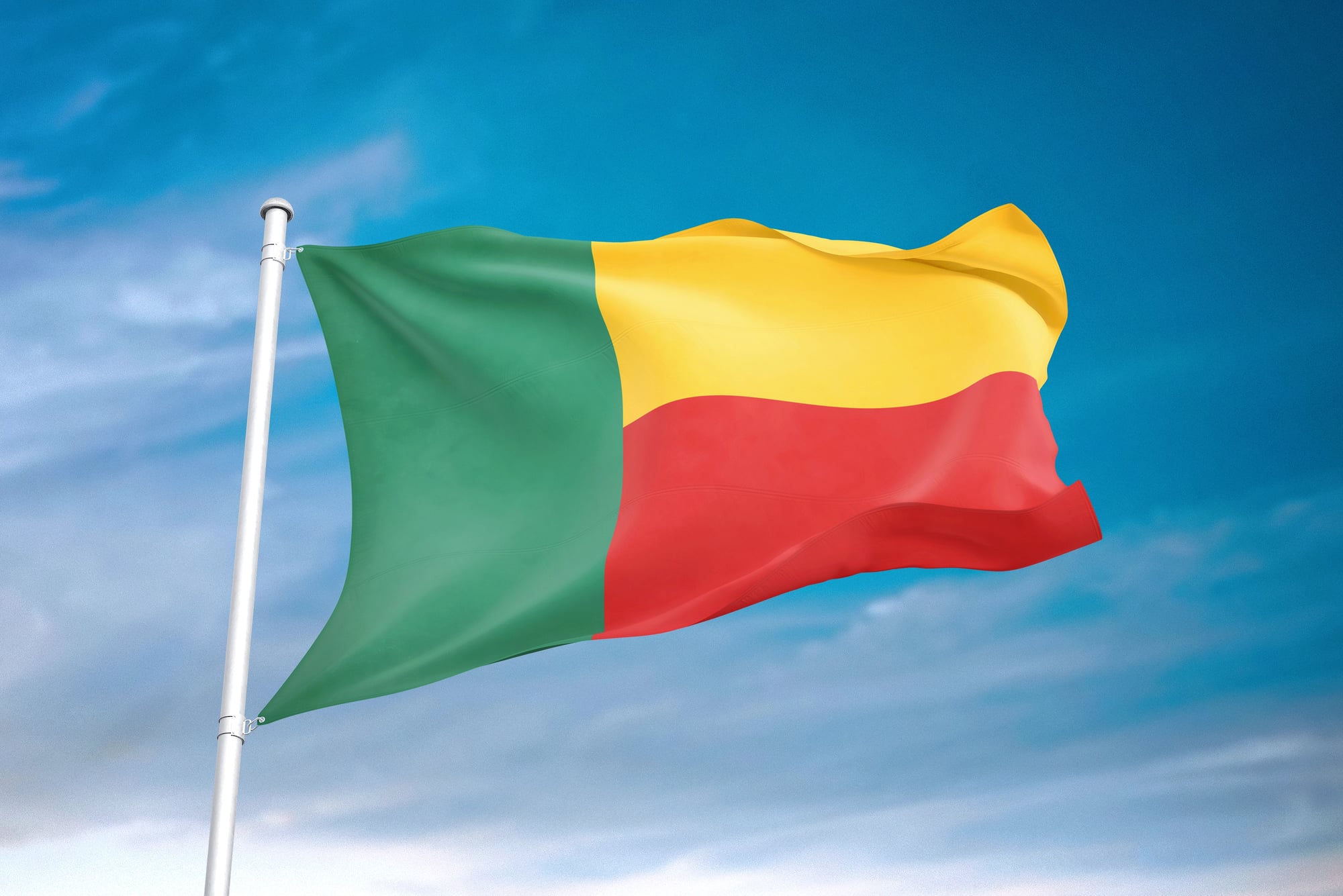
Benin split its capital functions between Porto-Novo and Cotonou in a way that leaves most people scratching their heads. Porto-Novo holds the official title of capital and houses some government offices, but Cotonou has the presidential palace, most ministries, and basically everything that matters.
The president doesn’t even live in the official capital. This odd arrangement dates back to colonial times when different cities served different administrative purposes, and Benin never bothered to clean up the mess after independence.
Anyone trying to do business with the government heads straight to Cotonou and forgets Porto-Novo exists.
Eswatini
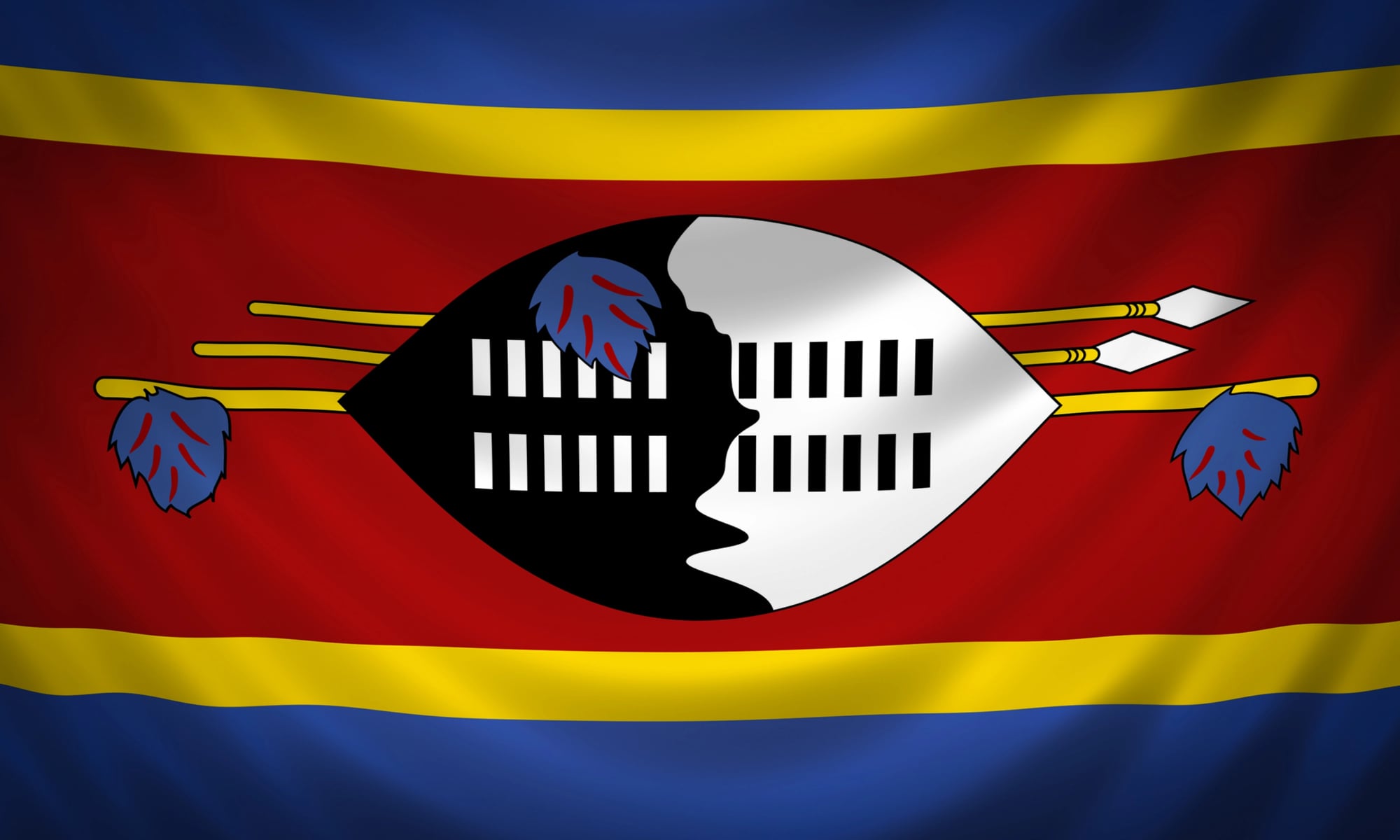
Eswatini, formerly known as Swaziland, takes a scattered approach to governance that fits its traditional monarchy. Mbabane serves as the administrative capital, but Lobamba hosts the royal and legislative functions.
The king maintains his primary residence in Lobamba, which is where parliament meets and cultural ceremonies take place. This division reflects the country’s mix of modern government structures and traditional authority systems.
The two cities sit only about 10 miles apart, so the split causes less confusion than it might in a larger country.
Ivory Coast

Ivory Coast moved its political capital to Yamoussoukro in 1983, but Abidjan refused to fade away. Abidjan remains the economic powerhouse and de facto capital where almost everything important happens.
Yamoussoukro features one of the largest churches in the world and broad boulevards, yet it feels empty compared to bustling Abidjan. The move happened because Yamoussoukro was the hometown of the president at the time, Félix Houphouët-Boigny, who wanted to develop his birthplace.
Most embassies stayed in Abidjan, most businesses stayed in Abidjan, and most Ivorians will tell you that Abidjan is the real capital no matter what the constitution says.
Tanzania

Tanzania split its capital between Dar es Salaam and Dodoma in a process that’s been dragging on for decades. The government officially moved the capital to Dodoma back in 1974, aiming to put it in a more central location and spread development beyond the coast.
Dar es Salaam remains the largest city and economic center, and many government offices never made the move. Parliament meets in Dodoma now, but embassies and businesses mostly stay put in Dar es Salaam.
The incomplete transition creates constant confusion about which city actually runs the country.
Netherlands
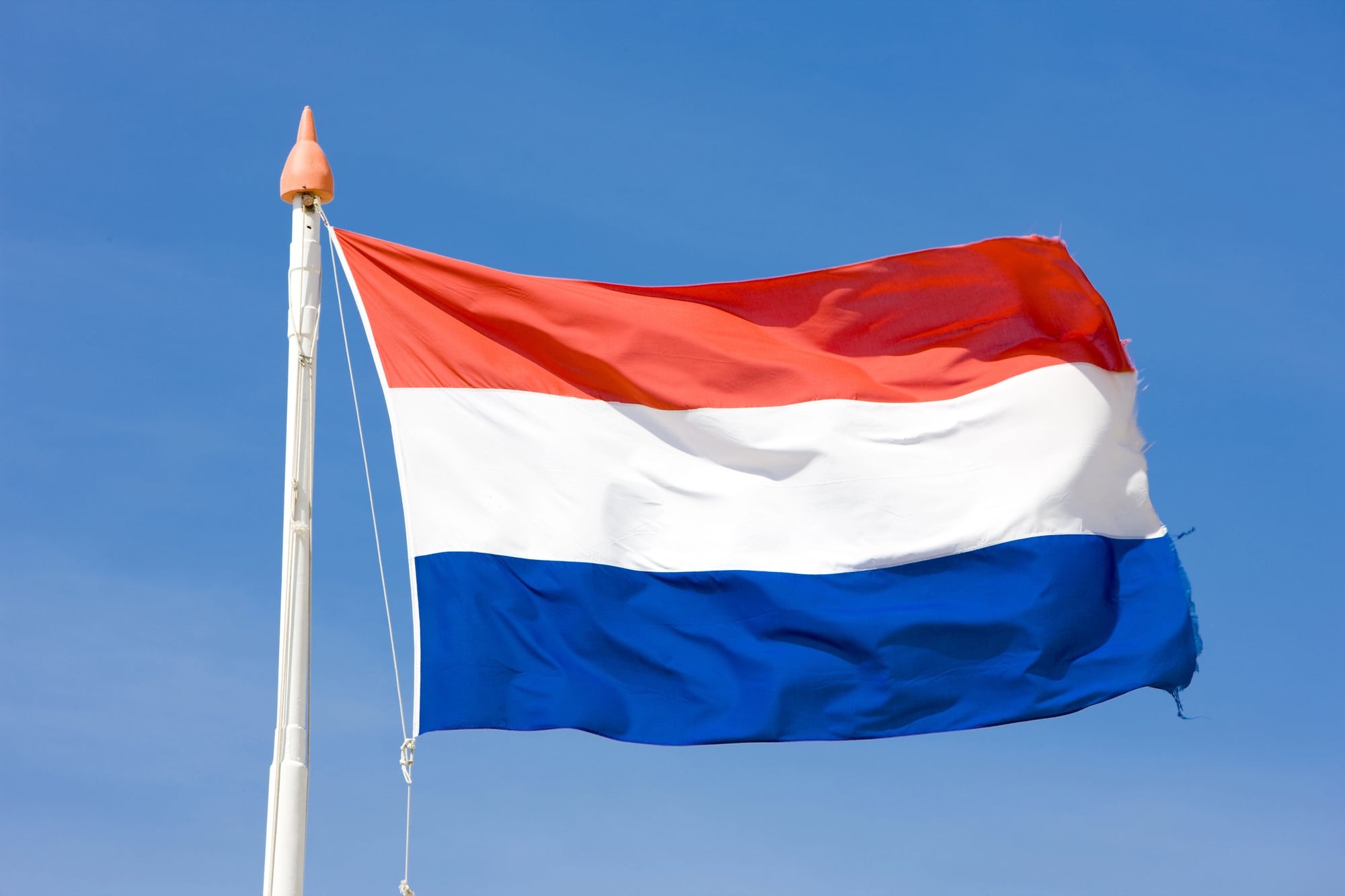
The Netherlands has Amsterdam as its official capital, but the government actually works in The Hague. Amsterdam holds the constitutional title and hosts coronation ceremonies, yet The Hague has the parliament, the prime minister’s office, and all the foreign embassies.
This arrangement came about through historical accident rather than deliberate planning. The Hague served as the seat of government for centuries, but when the Netherlands adopted its constitution, Amsterdam got named as capital for symbolic reasons.
Dutch people handle the confusion just fine, though visitors often wonder why the government isn’t where the capital supposedly is.
Malaysia

Malaysia rotates its king among nine sultans, but it keeps its capital situation somewhat simpler with Putrajaya and Kuala Lumpur sharing duties. Kuala Lumpur serves as the official capital and remains the commercial heart of the country.
Putrajaya was built in the 1990s specifically to house federal government offices and ease crowding in Kuala Lumpur. The two cities sit close enough that the division feels more administrative than geographical.
Putrajaya features impressive modern architecture and carefully planned layouts, though it lacks the energy and chaos that make Kuala Lumpur so vibrant.
Nauru

Nauru might be the only country in the world without an official capital city at all. The tiny island nation in the Pacific covers just eight square miles, which makes designating a capital seem a bit ridiculous.
The government offices sit in the Yaren District, which sometimes gets called the de facto capital, but Nauru never made it official. Everything on the island is so close together that you can drive around the entire country in about 30 minutes.
Having a capital would be like declaring a capital for your apartment.
Micronesia
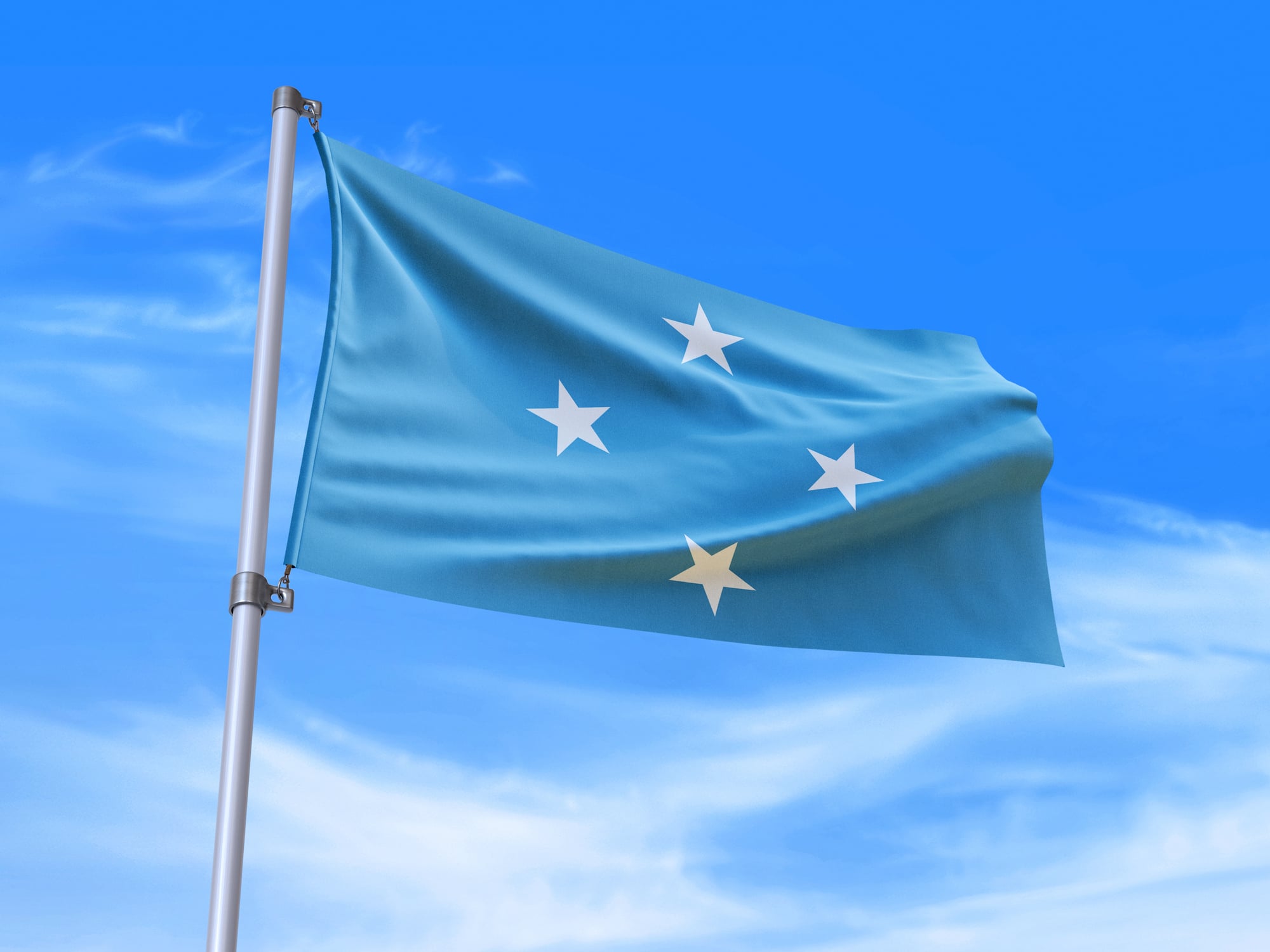
The Federated States of Micronesia spreads its capital across the Pacific in a way that reflects its scattered geography. Palikir on Pohnpei Island serves as the national capital, but each of the four states has its own capital too.
The country consists of more than 600 islands spread across nearly a million square miles of ocean, which makes centralized government tricky. Palikir is tiny, with a population under 10,000, and many government functions happen at the state level instead.
This decentralized setup works for a nation where traveling between islands requires flights over vast stretches of ocean.
Montenegro
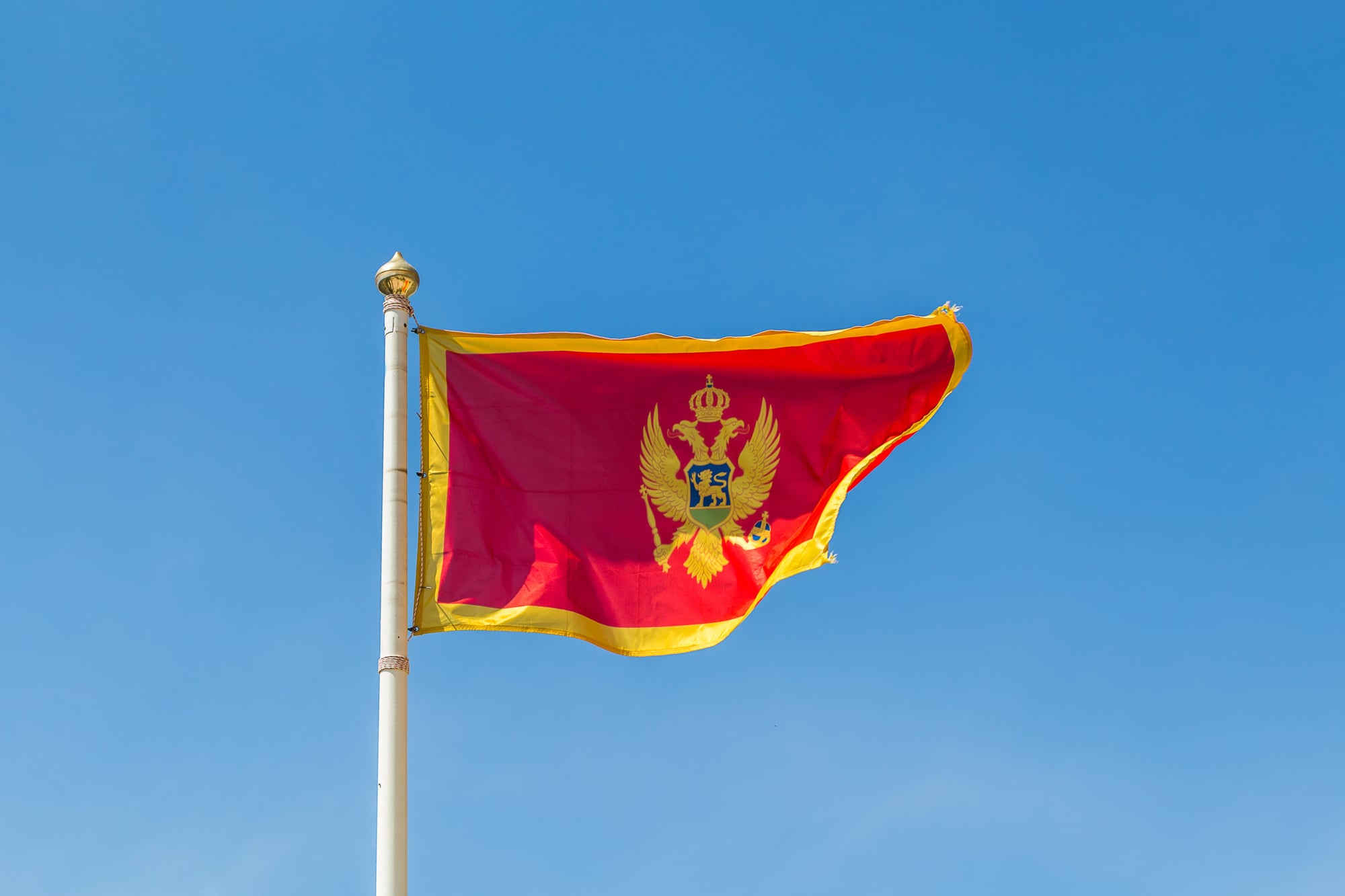
Montenegro uses Podgorica as its administrative capital where the government operates, but Cetinje holds the title of ‘Old Royal Capital’ and maintains constitutional significance. Cetinje served as the historical capital when Montenegro was an independent kingdom, and it still hosts presidential inaugurations and embassies.
The city sits in the mountains and carries deep symbolic importance for Montenegrin identity and history. Podgorica handles the day-to-day business of running a country, being larger and more centrally located.
The split between old prestige and modern practicality creates an arrangement that honors tradition while getting things done.
Chile

Not every nation divides up where leaders work, yet Chile chose to station lawmakers far from Santiago. About seventy miles west, Valparaíso now holds the National Congress – a choice made on purpose once Pinochet’s rule collapsed.
Spreading authority across regions mattered more than keeping everything centralized. Power used to cluster tightly in the capital; that changed when coastal voices gained space.
Lawmakers travel back and forth regularly, day after day. Distance wasn’t added just for show – it acted like a guard against dominance by any single hub.
Sure, scheduling gets messy, transport wears thin. Still, many citizens see the hassle as fair trade for fairness in governance.
Western Sahara
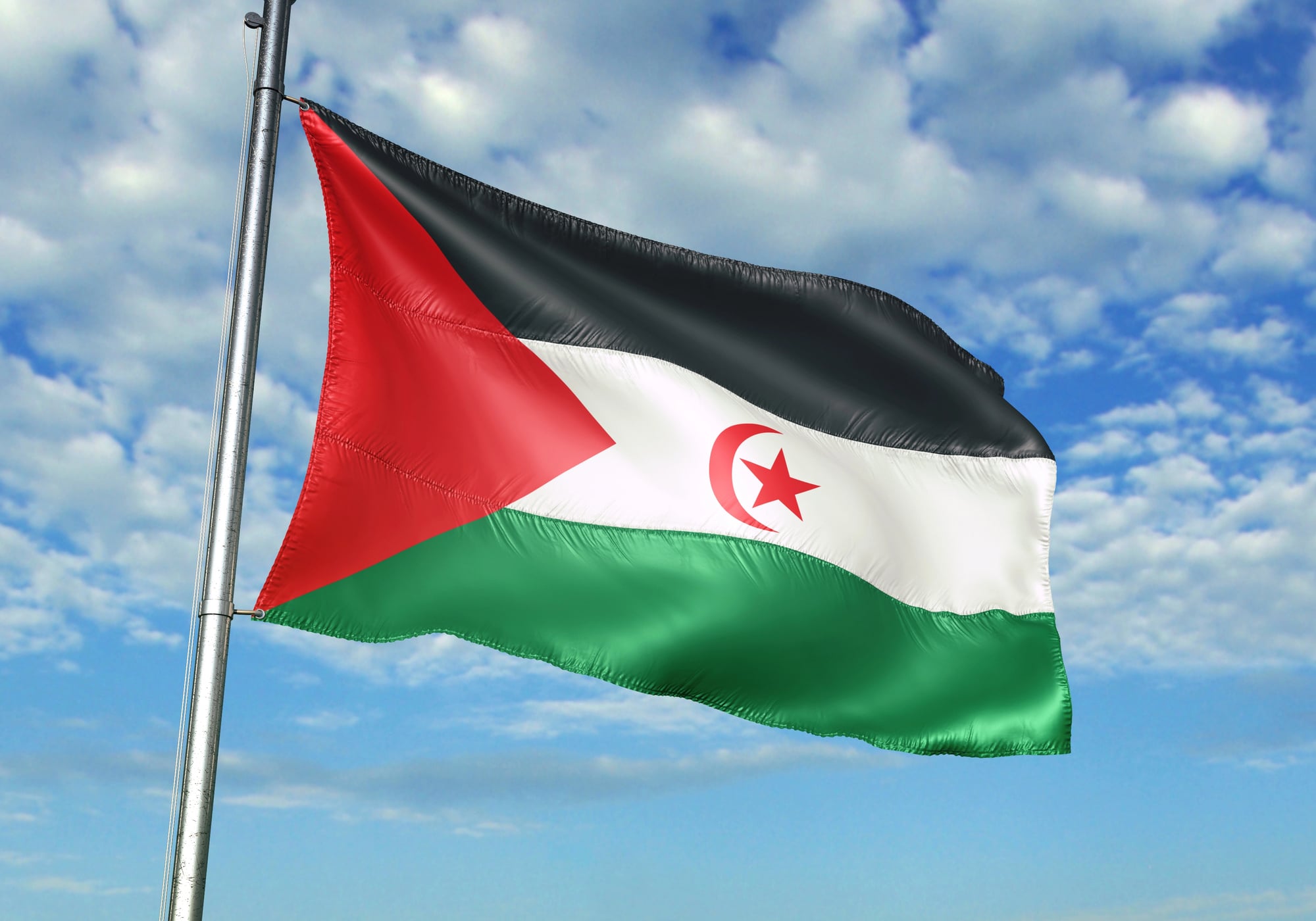
A city called El Aaiún stands at the center of a long-standing puzzle. Though named the capital of Western Sahara, its role is tangled in layers of disagreement.
Most of the land falls under Moroccan authority, which treats the town as its own. From distant Algeria, another group runs an alternative administration, calling itself the Sahrawi Arab Democratic Republic.
One place, two versions of reality. Beliefs about control shift depending on where someone stands.
Years of struggle shaped this split existence – no quick fixes have emerged. What counts as truth here often comes down to perspective.
Today is where capitals sit now

Now picture this: places keep picking odd setups for their capitals because things like fairness or growth feel urgent right now. One spot spreads power between areas; another throws up a fresh city just to spark change.
A handful skip naming anything official entirely – just leave it blank. Each choice ties back to old stories, land shapes, politics pulling strings behind the scenes.
When you hear where a nation says its heart lives, prepare for surprise instead of neat answers.
More from Go2Tutors!

- The Romanov Crown Jewels and Their Tragic Fate
- 13 Historical Mysteries That Science Still Can’t Solve
- Famous Hoaxes That Fooled the World for Years
- 15 Child Stars with Tragic Adult Lives
- 16 Famous Jewelry Pieces in History
Like Go2Tutors’s content? Follow us on MSN.