Cities Known for Unique Culture and Cuisine
Every city has its own personality, shaped by the people who call it home, the history that built it, and the food that feeds its soul. Some places stand out more than others, though.
They become destinations not just because of landmarks or museums, but because of something deeper—a vibe, a flavor, a way of life that you can’t find anywhere else. Let’s take a look at some cities around the world where culture and cuisine come together in ways that make them truly unforgettable.
New Orleans
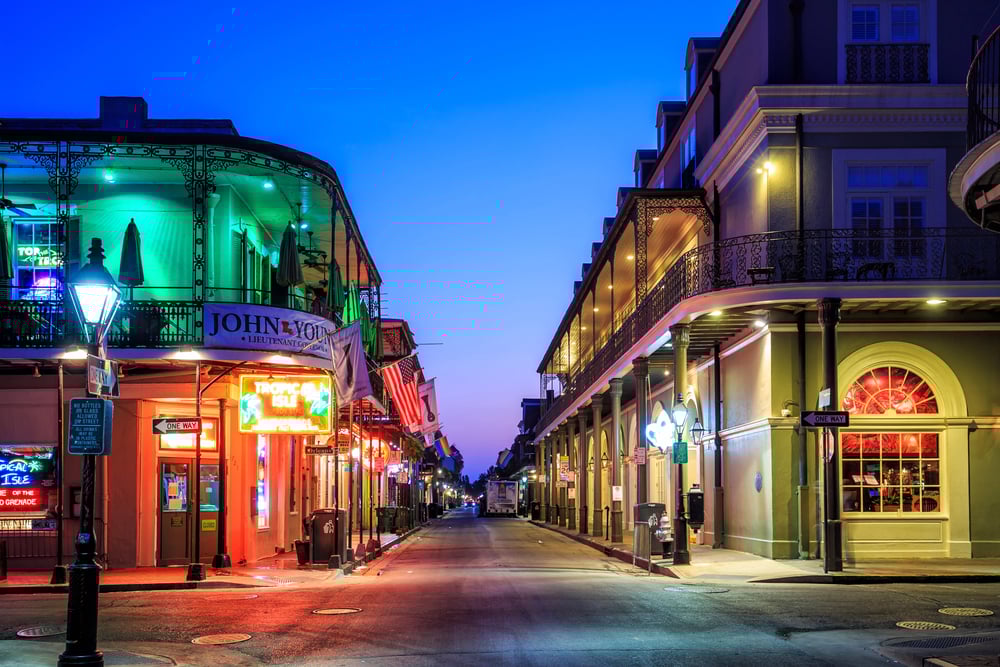
This Louisiana city doesn’t just serve food—it throws a party with every plate. The blend of French, African, Spanish, and Creole influences creates dishes that dance on your tongue.
Gumbo, jambalaya, and beignets aren’t just meals here; they’re expressions of a history that’s as layered as the city’s famous king cake. Walk through the French Quarter and you’ll hear jazz spilling out of doorways, smell crawfish boiling in backyards, and see second-line parades that turn ordinary Sundays into celebrations.
The culture here doesn’t whisper—it shouts, sings, and invites everyone to join in.
Tokyo
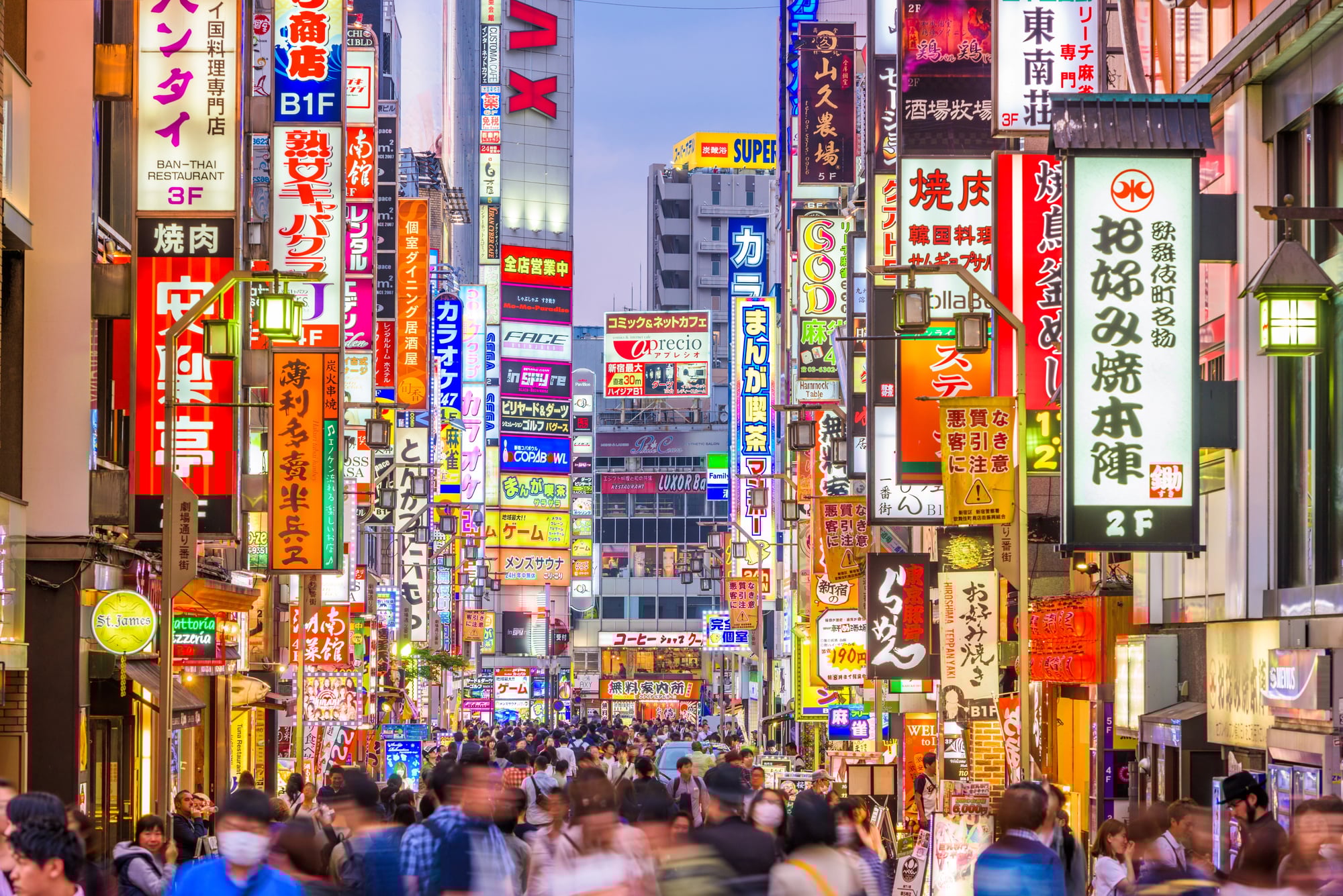
Order and chaos live side by side in Japan’s capital, creating a food scene that ranges from humble ramen shops to three-Michelin-star temples of cuisine. Street vendors serve yakitori under railway bridges while master chefs spend decades perfecting a single type of sushi.
The culture values precision, respect, and tradition, but it also embraces the weird and wonderful with themed cafes and vending machines that dispense hot meals. Tokyo shows you that a city can honor its past while racing into the future, all while making sure you never go hungry.
Oaxaca
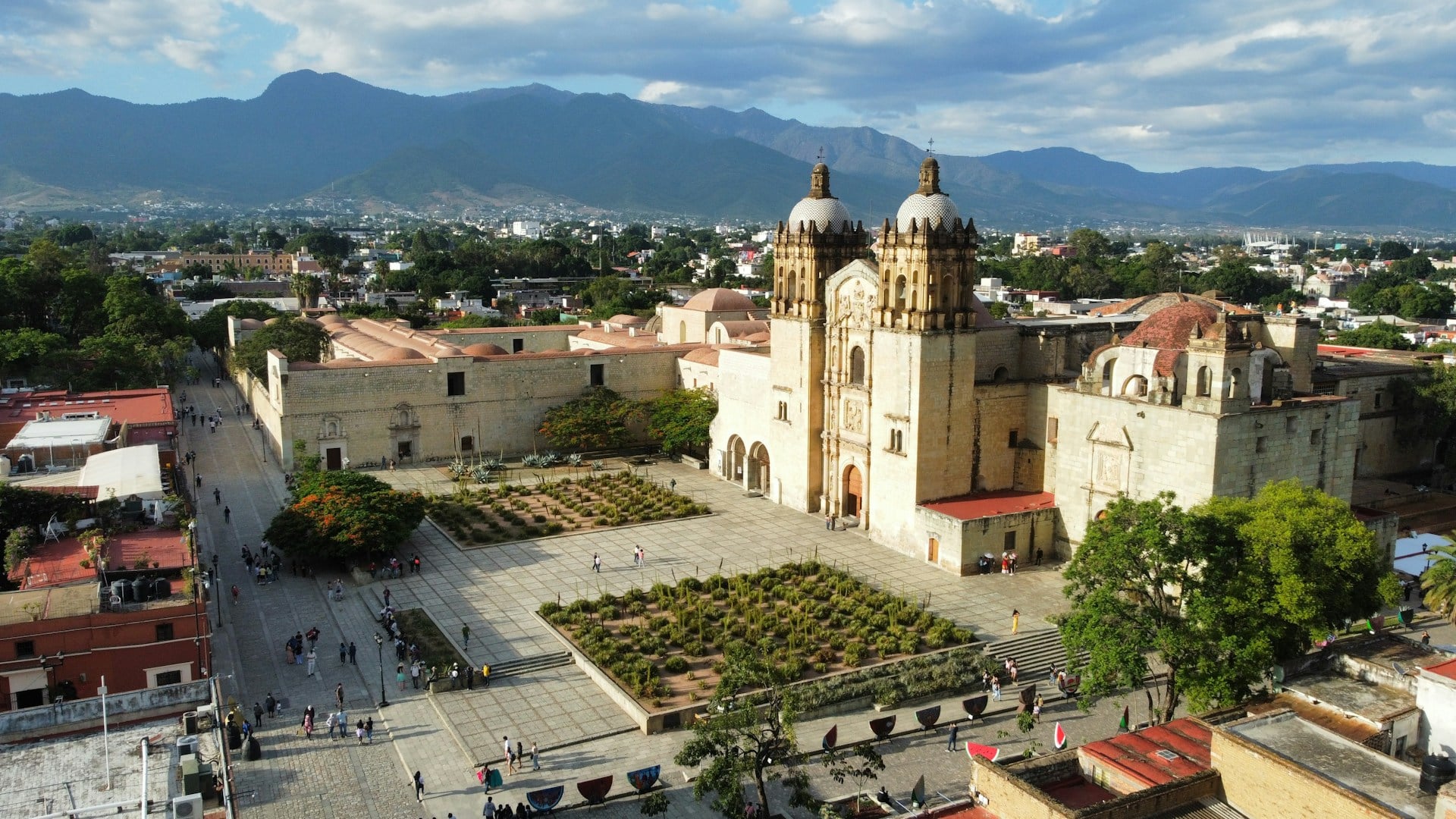
This Mexican city in the southern highlands has held onto its indigenous Zapotec and Mixtec roots tighter than most places. The markets overflow with chapulines (grasshoppers), tlayudas (massive crispy tortillas), and seven different types of mole sauce, each one a project that takes days to make.
Mezcal flows freely, made the traditional way in small villages outside the city. The streets fill with crafts, textiles, and folk art that haven’t changed much in centuries.
Oaxaca proves that preserving culture doesn’t mean living in the past—it means keeping the good stuff alive while moving forward.
Istanbul
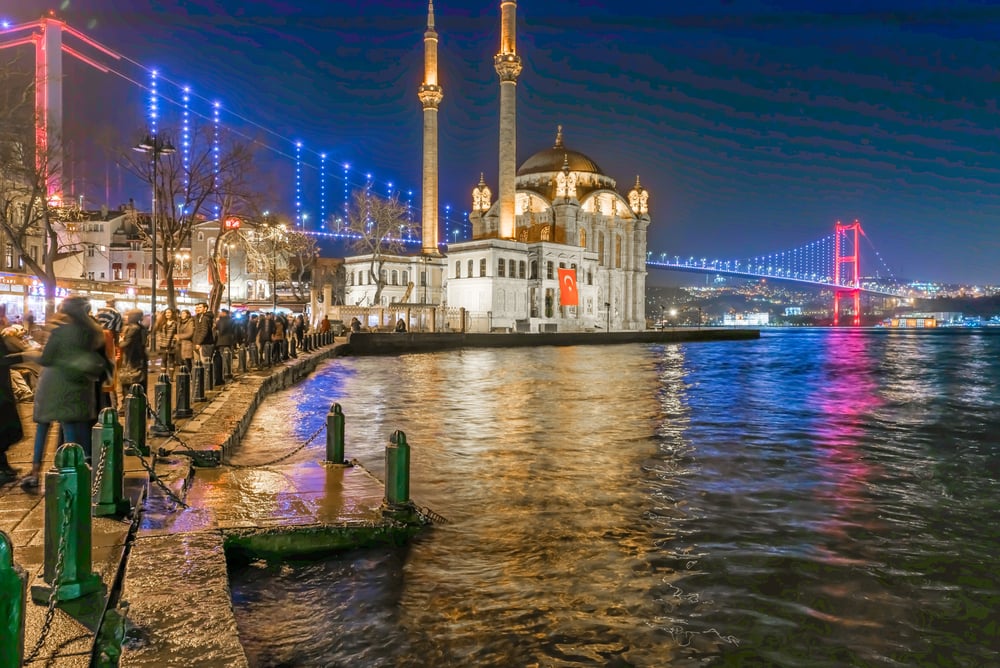
Straddling two continents gives this Turkish city a split personality in the best way possible. Byzantine churches stand next to Ottoman mosques, European cafes share streets with Asian spice markets, and the food tells a thousand years of stories.
Kebabs, baklava, and Turkish coffee are just the beginning. The real magic happens in the neighborhoods where locals gather for breakfast spreads that last hours, filled with cheeses, olives, honey, and bread still warm from the oven.
Istanbul doesn’t choose between East and West—it celebrates being both at once.
Bangkok
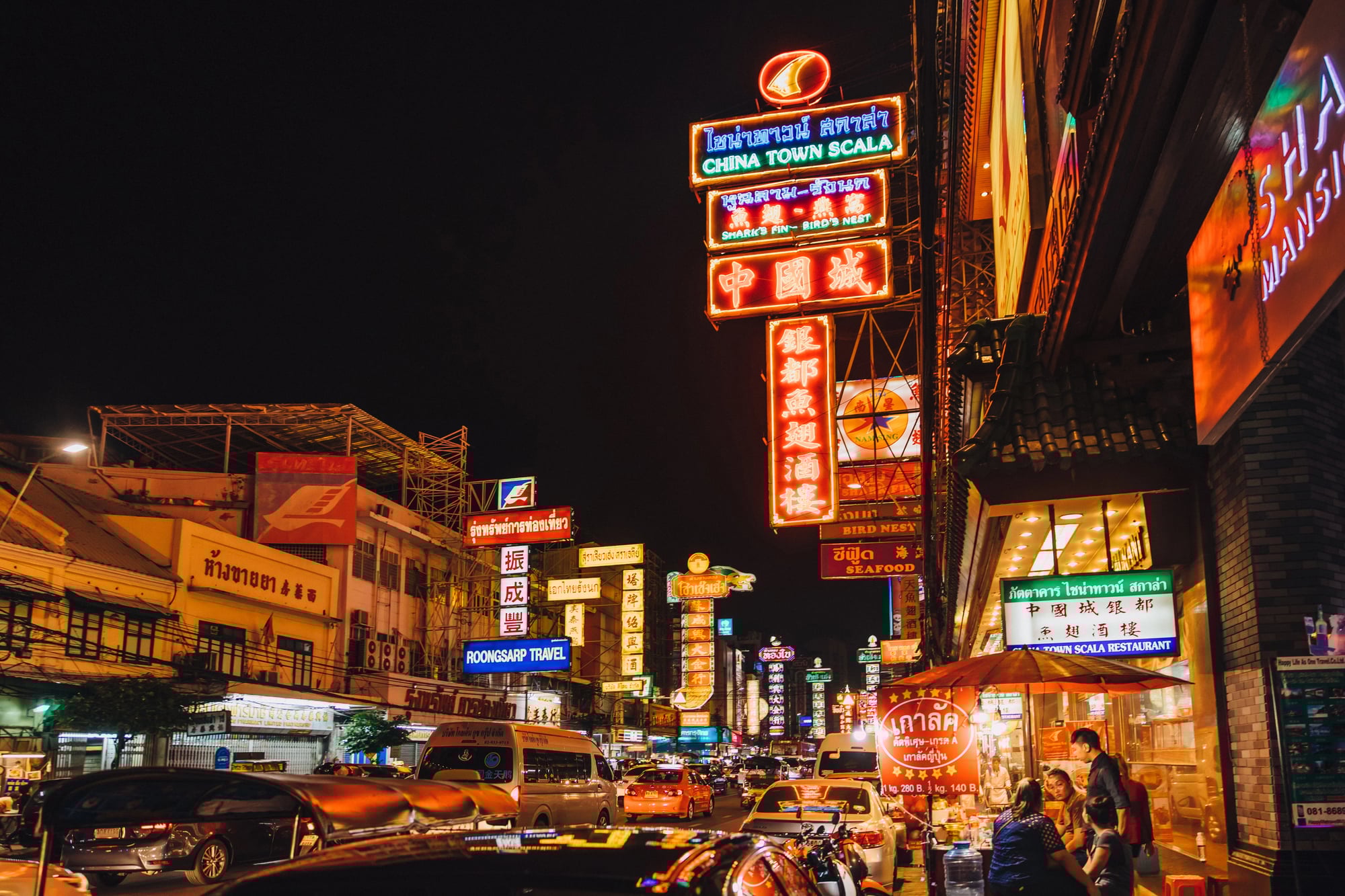
The Thai capital runs on street food and late-night energy. Vendors set up carts on every corner, serving pad thai, green curry, and mango sticky rice to office workers, students, and tourists alike.
The city’s canals and temples remind you of its ancient roots, but the modern sprawl shows how much it’s grown. Thai culture values the concept of ‘sanuk’—finding joy and fun in everything—and you can taste that philosophy in the bright, bold, complex flavors that make every meal an adventure.
Bangkok teaches you that a great city doesn’t need to be orderly to be alive.
Lima
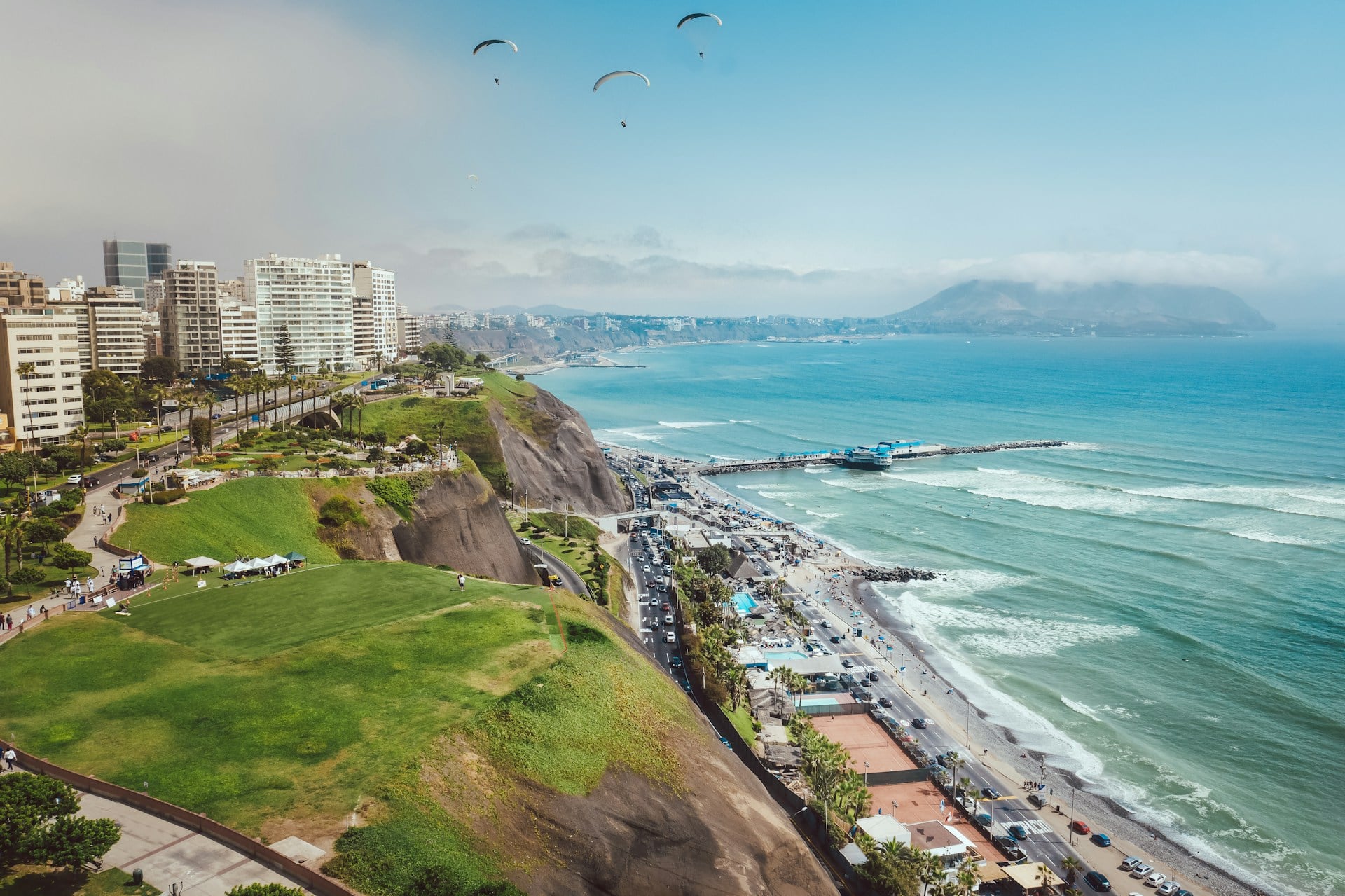
Peru’s capital sits on the Pacific coast and draws from mountains, jungle, and ocean to create one of the world’s most exciting food scenes. Ceviche made with the day’s catch gets cured in lime juice and spiced with aji peppers.
Chinese immigrants brought their cooking techniques generations ago, creating a fusion called chifa that’s become uniquely Peruvian. The ancient Inca heritage shows up in ingredients like quinoa and purple corn.
Lima’s restaurants range from humble pits-in-the-wall to spots that regularly land on best-of lists, proving that great cuisine doesn’t need fancy settings to shine.
Marrakech
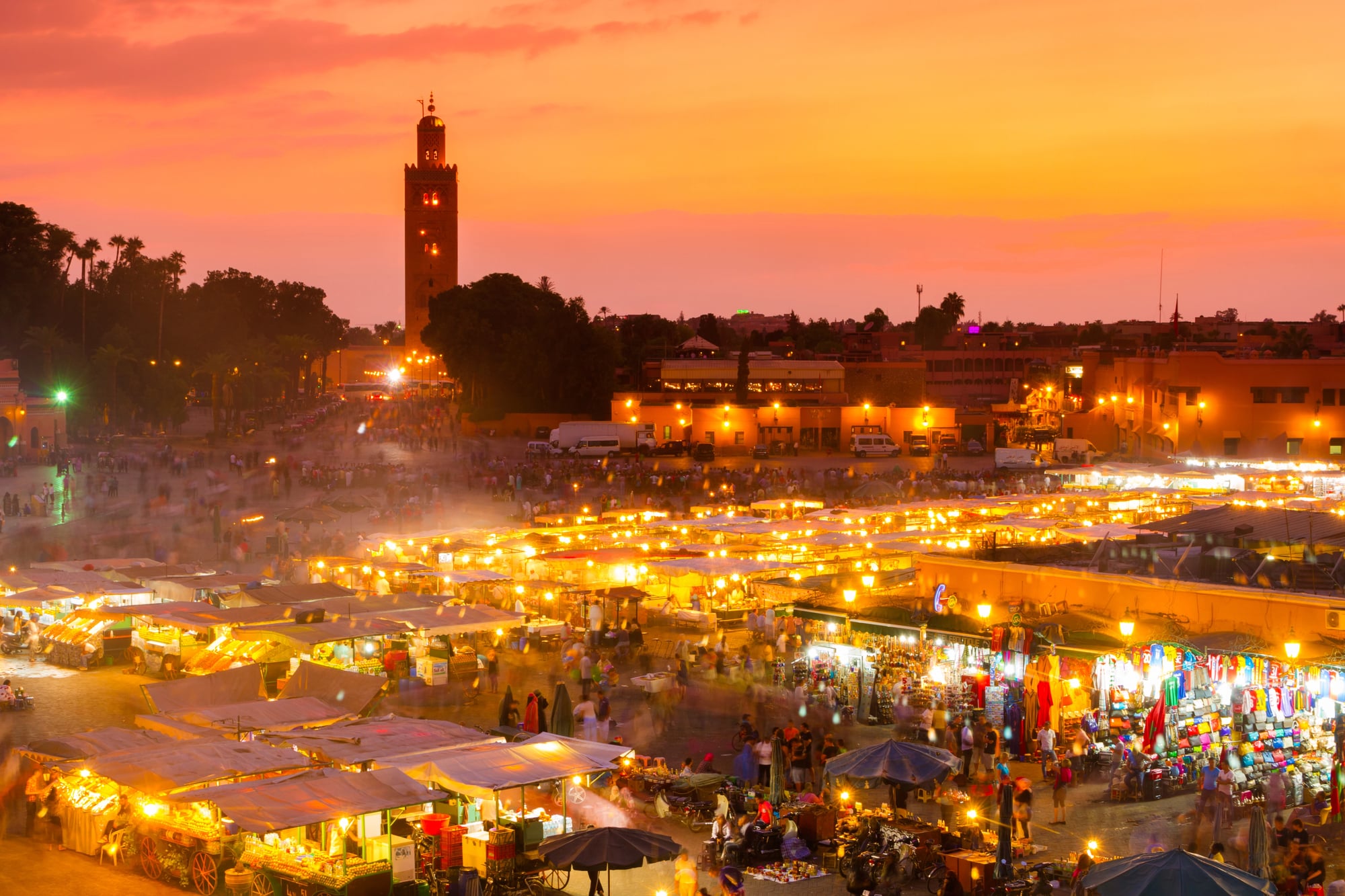
The Moroccan city wraps you in color, sound, and scent the moment you arrive. The medina’s narrow streets twist and turn past spice pyramids, leather tanneries, and riads with hidden gardens.
Tagines simmer for hours, couscous gets steamed to fluffy perfection, and mint tea gets poured from dramatic heights. The call to prayer echoes five times a day, snake charmers perform in the main square, and storytellers continue traditions that go back centuries.
Marrakech operates on its own clock, where rushing is considered rude and hospitality is sacred.
Mumbai
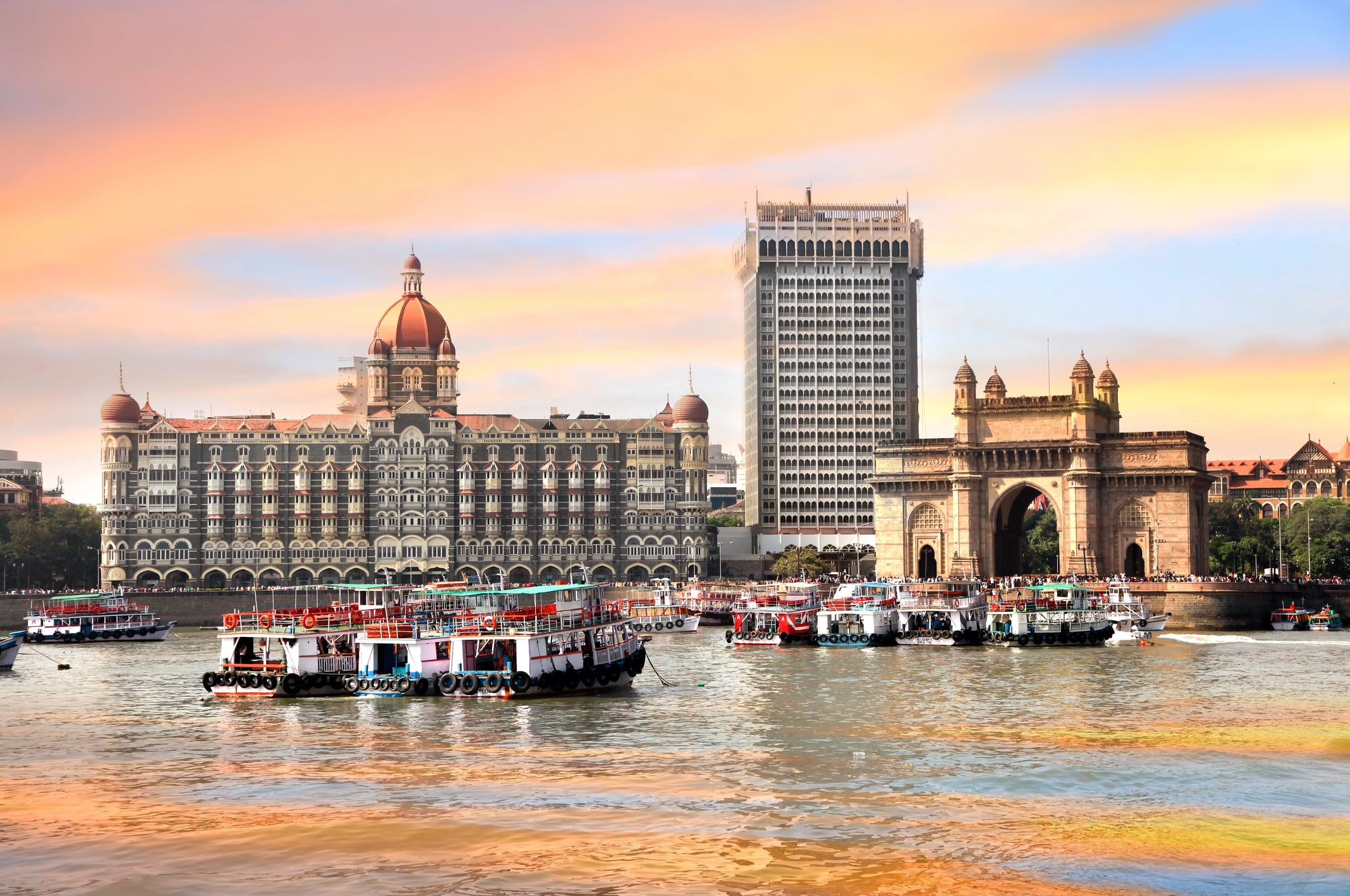
India’s financial center never stops moving, and neither does its food culture. Street vendors serve pav bhaji, vada pav, and bhel puri to crowds that form at all hours.
The city blends influences from across the subcontinent—Gujarati snacks, Maharashtrian seafood, Parsi dishes brought by Persian immigrants. Bollywood dreams get made here, religious festivals light up the skyline, and million-dollar apartments tower over ancient fishing villages that refuse to budge.
Mumbai shows you what happens when ambition and tradition compete for space—they learn to share the same streets.
Barcelona
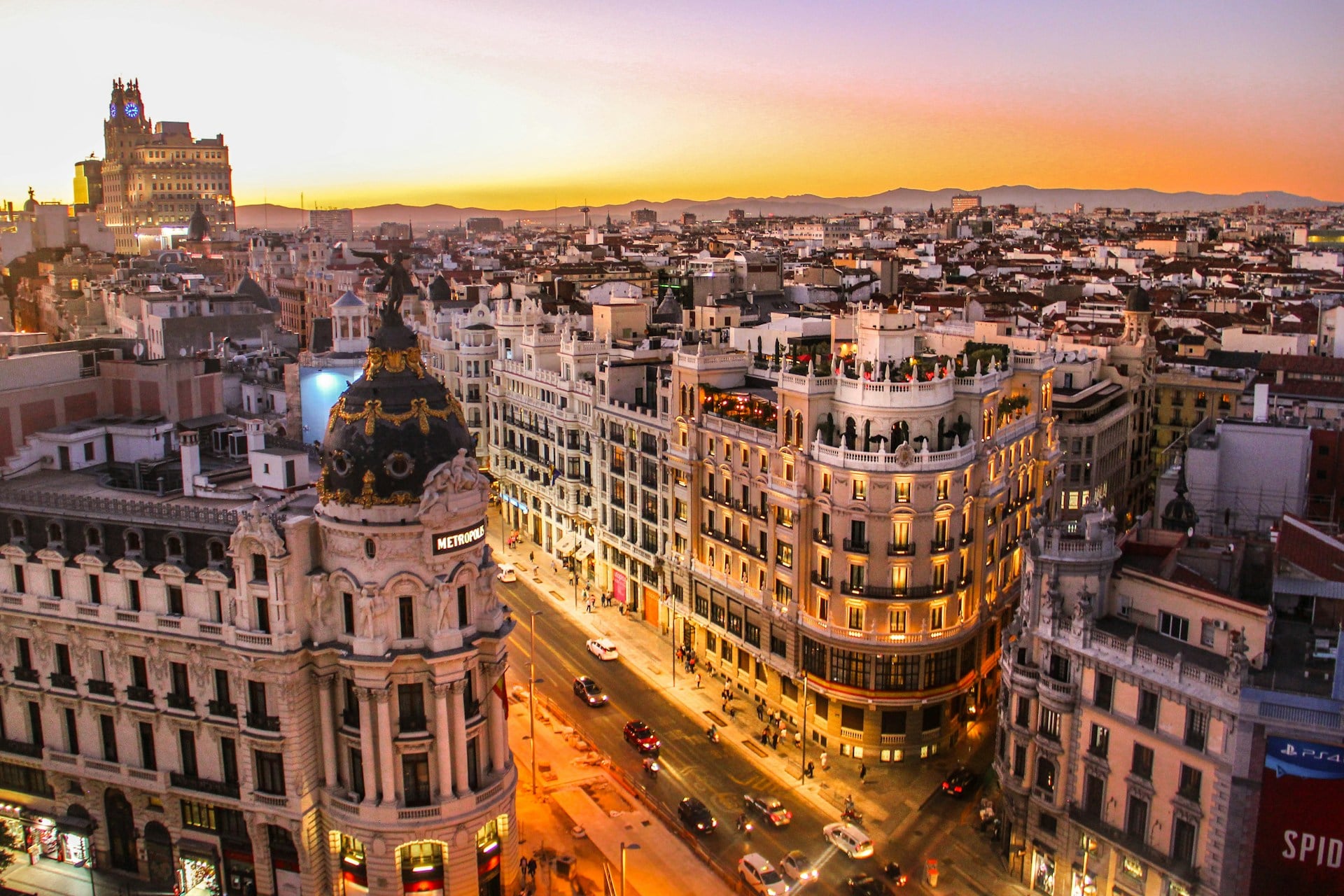
The Catalan capital does things its own way, thank you very much. Tapas culture turns eating into a social event that can last all night, hopping from bar to bar for small plates and good conversation.
The Gothic Quarter preserves medieval charm while Gaudí’s bizarre architecture reminds you that rules are meant to be broken. Fresh seafood comes straight from the Mediterranean, and the nearby countryside supplies olive oil, wine, and vegetables that taste like sunshine.
Barcelona has an independent streak that shows up in its language, its politics, and its refusal to be just another Spanish city.
Chengdu
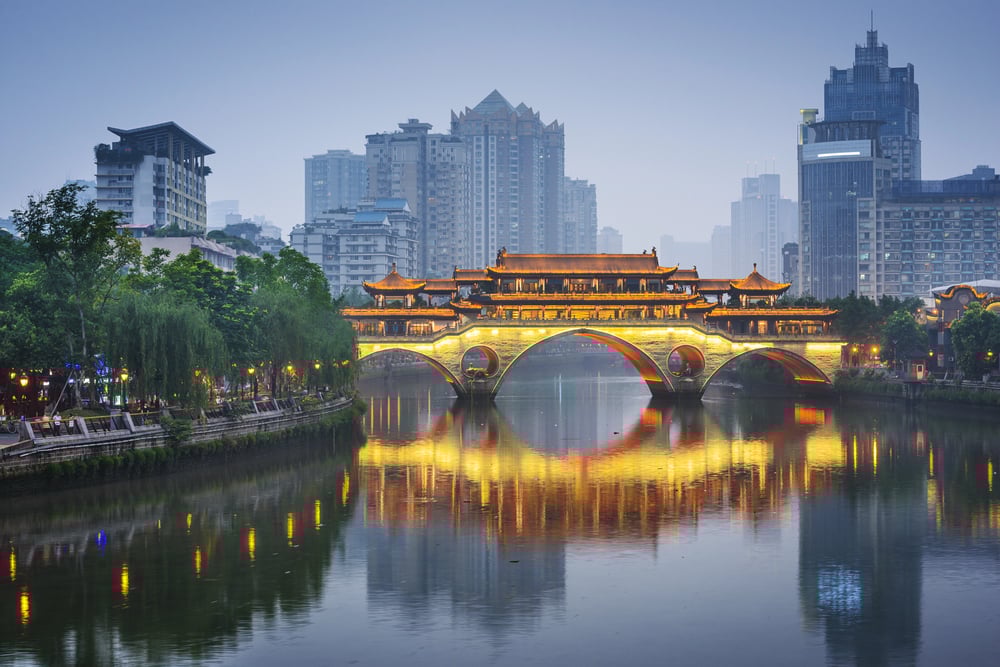
This Chinese city in Sichuan province has built its reputation on food that makes your mouth tingle and your eyes water. The famous Sichuan peppercorns create a numbing sensation that’s addictive once you get used to it.
Hot pot restaurants let diners cook their own ingredients in bubbling, spicy broth. The city also protects its relaxed teahouse culture, where people spend entire afternoons playing mahjong and watching Sichuan opera performers do face-changing tricks.
Giant pandas live in a breeding center just outside town, but honestly, the food might be an even bigger draw.
New Delhi
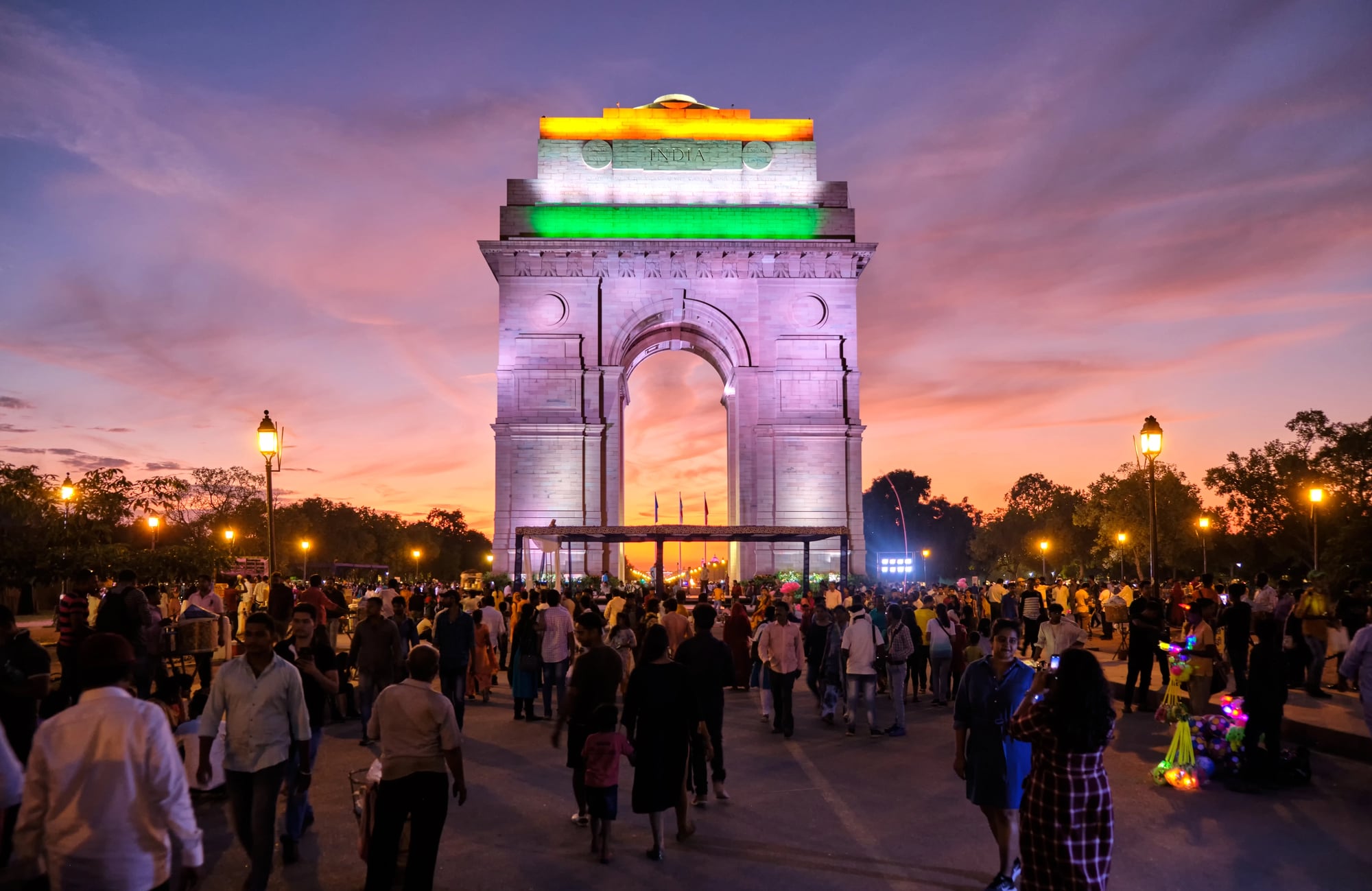
India’s capital city runs on contrasts that would break most places but somehow work here. Ancient monuments from multiple empires dot the landscape while new construction seems to happen overnight.
The street food scene offers everything from spicy chaat to creamy butter chicken, with regional specialties from across the country represented. Markets overflow with textiles, jewelry, and crafts.
The city’s energy can overwhelm, but it also shows you a culture that’s been mixing and evolving for thousands of years without losing its essential character.
Charleston
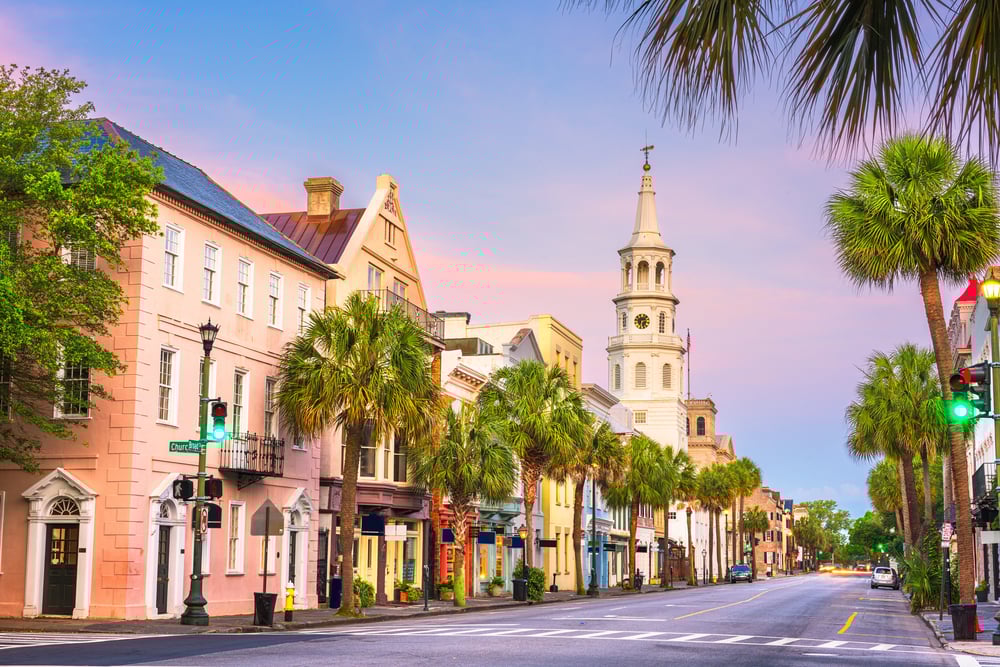
This South Carolina city holds onto Southern traditions while adding its own coastal twist. Lowcountry cuisine features shrimp and grits, she-crab soup, and hoppin’ john made with rice grown in nearby fields.
Historic homes with wide porches line streets shaded by live oak trees draped in Spanish moss. The city’s complicated history includes both beautiful architecture and painful truths about slavery that it’s learning to address.
Charleston proves that respecting heritage means acknowledging all of it, not just the pretty parts, while moving toward something better.
Melbourne
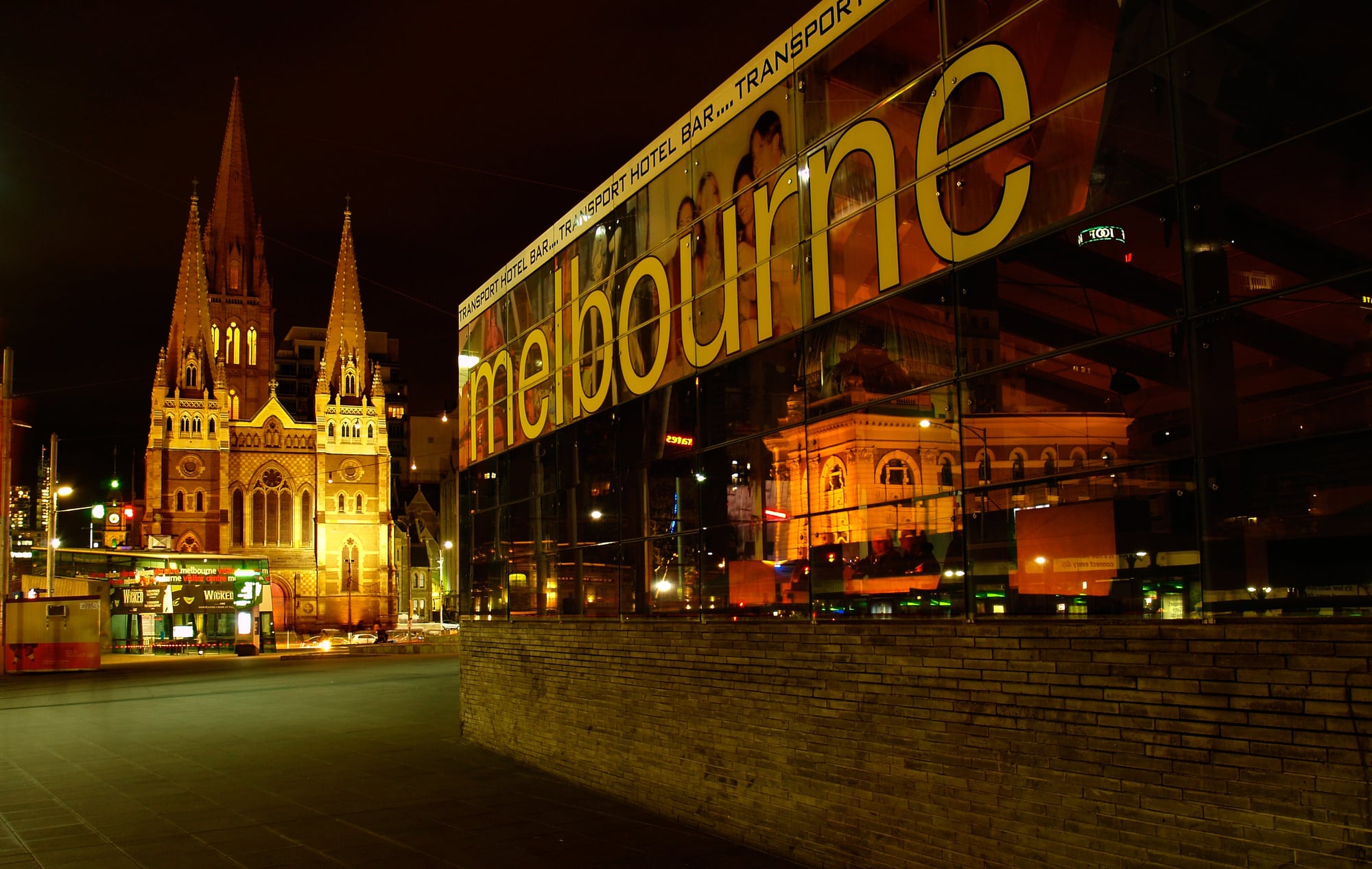
Australia’s second city punches above its weight in the culture department. The coffee scene here rivals anywhere in the world, with baristas who take their craft seriously and cafes on seemingly every corner.
Laneways hide street art, hidden bars, and restaurants serving everything from Vietnamese pho to modern Australian cuisine that plays with native ingredients. The city’s Greek and Italian immigrant communities brought their food traditions, which have been absorbed into the local identity.
Melbourne shows that a relatively young city can still develop a distinct personality when it’s willing to experiment.
Beirut
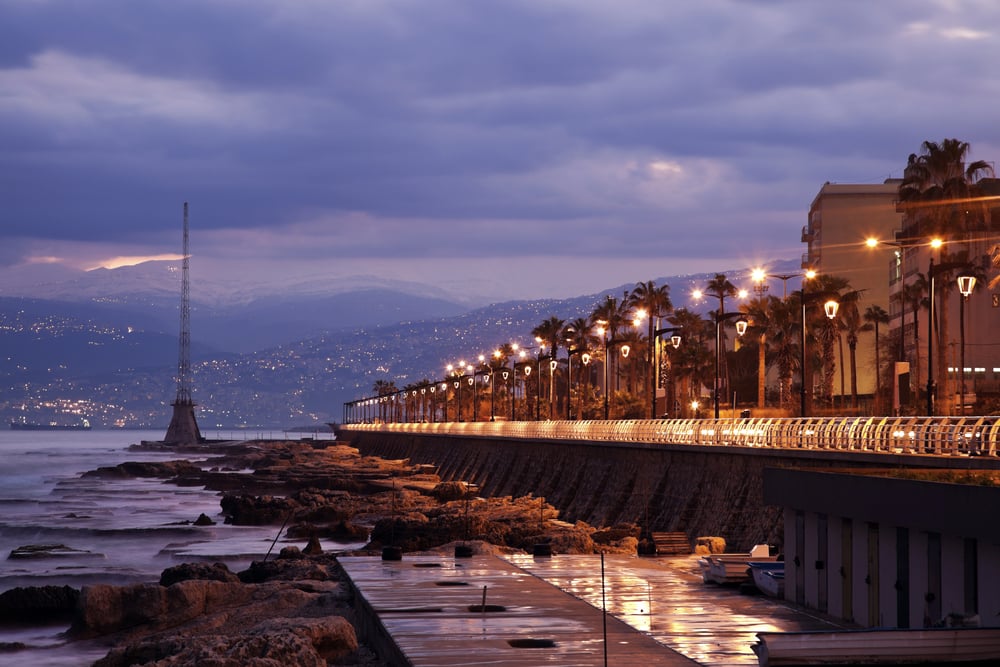
Lebanon’s capital has been through more than most cities can imagine, yet it keeps rebuilding with style. The food culture here is legendary—hummus, tabbouleh, and shawarma done the way they’re meant to be done.
Mezze spreads can include dozens of small dishes, turning dinner into an hours-long affair. French colonial influence shows up in pastries and cafes, while Arabic traditions dominate the music, language, and social customs.
The Mediterranean location means fresh fish, the mountains provide produce, and the resilient spirit of the people provides the soul.
Copenhagen
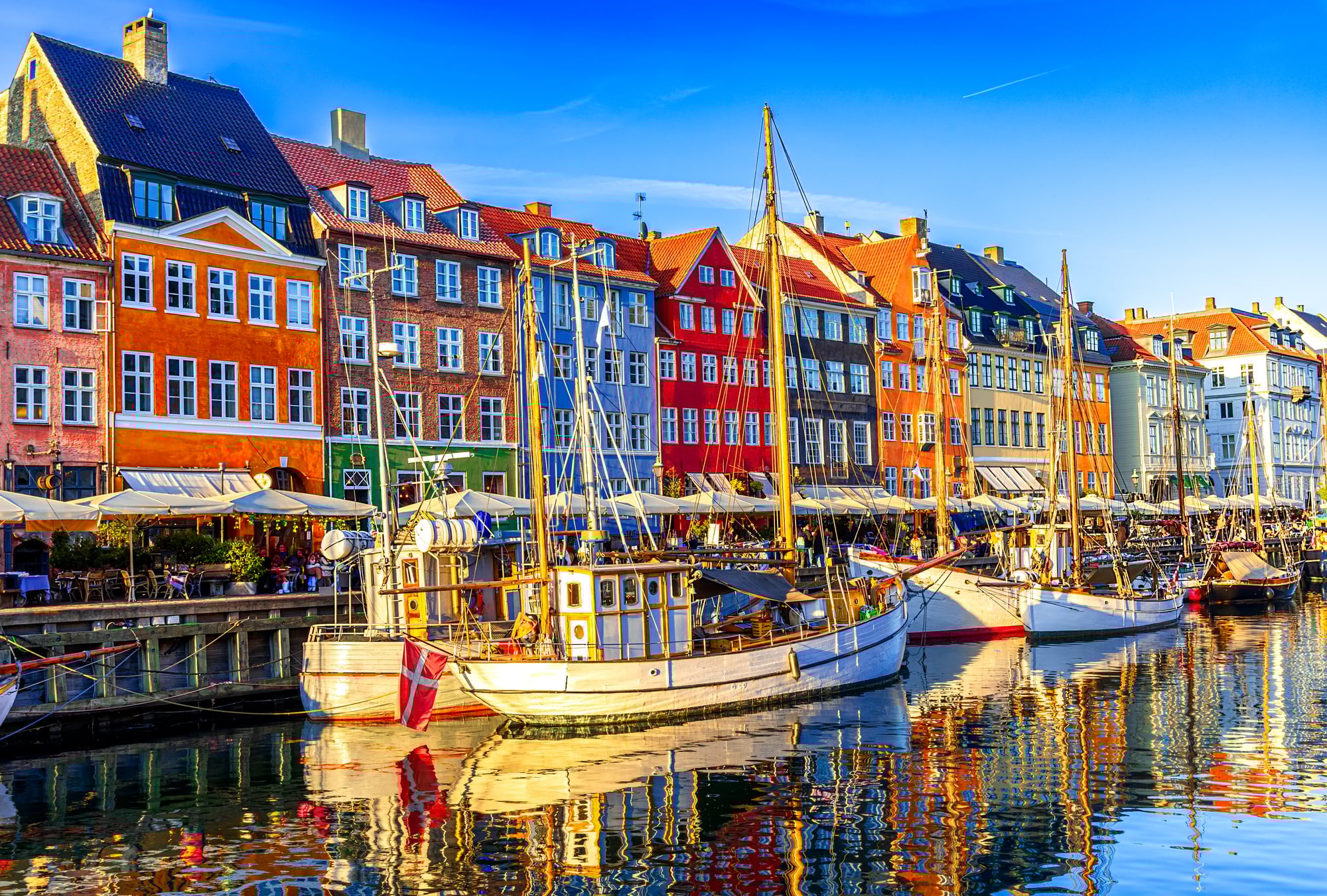
Copenhagen’s turned into a food hotspot by going back to basics. Instead of imported stuff, chefs use what grows nearby – think wild greens or root veggies pulled fresh from the soil.
Some kitchens even ferment their own sauces, letting flavors develop slowly through cold months. You’ll spot this mindset beyond plates: clean-lined chairs, quiet streets filled more with bikes than vehicles.
Cozy moments matter here – not because it sells well, but because people actually prefer calm evenings, warm light, and meals made with care.
Naples
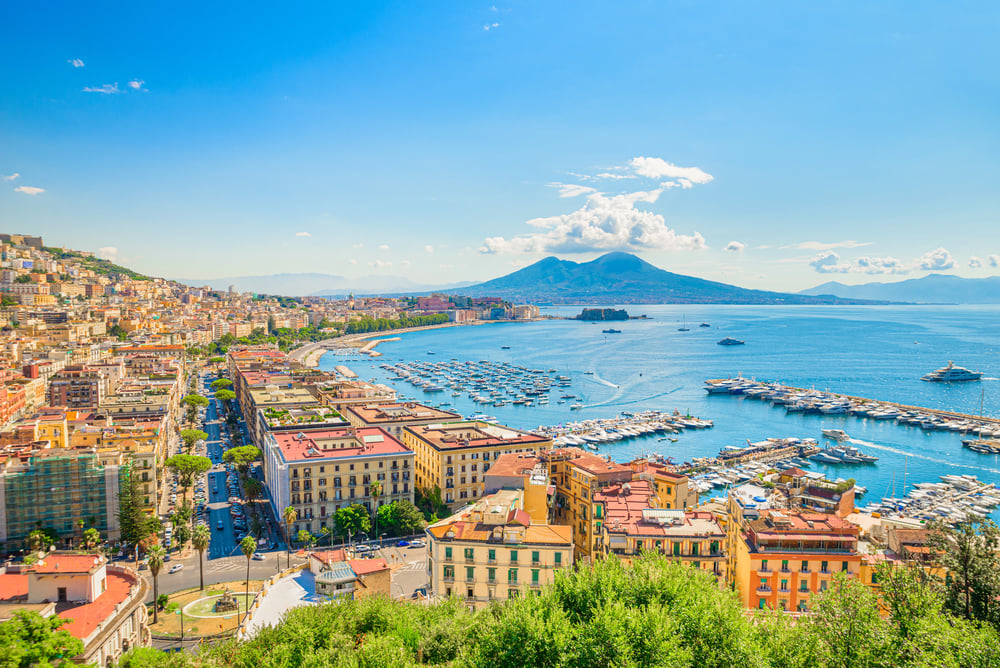
This southern Italian city loves noise and flavor – especially about its meals. Pizza started here, so locals insist no one else really nails it.
You need a soft, stretchy base, topped with San Marzano tomatoes plus cheese made from buffalo milk – anything less just won’t do. Its old district carries UNESCO status, built on layers: Greek foundations under medieval chapels under fancy baroque details.
Clothes drape across narrow alleys, mopeds dart through tight gaps, yet this messy rhythm still serves up real Italian life like nowhere else.
Hanoi
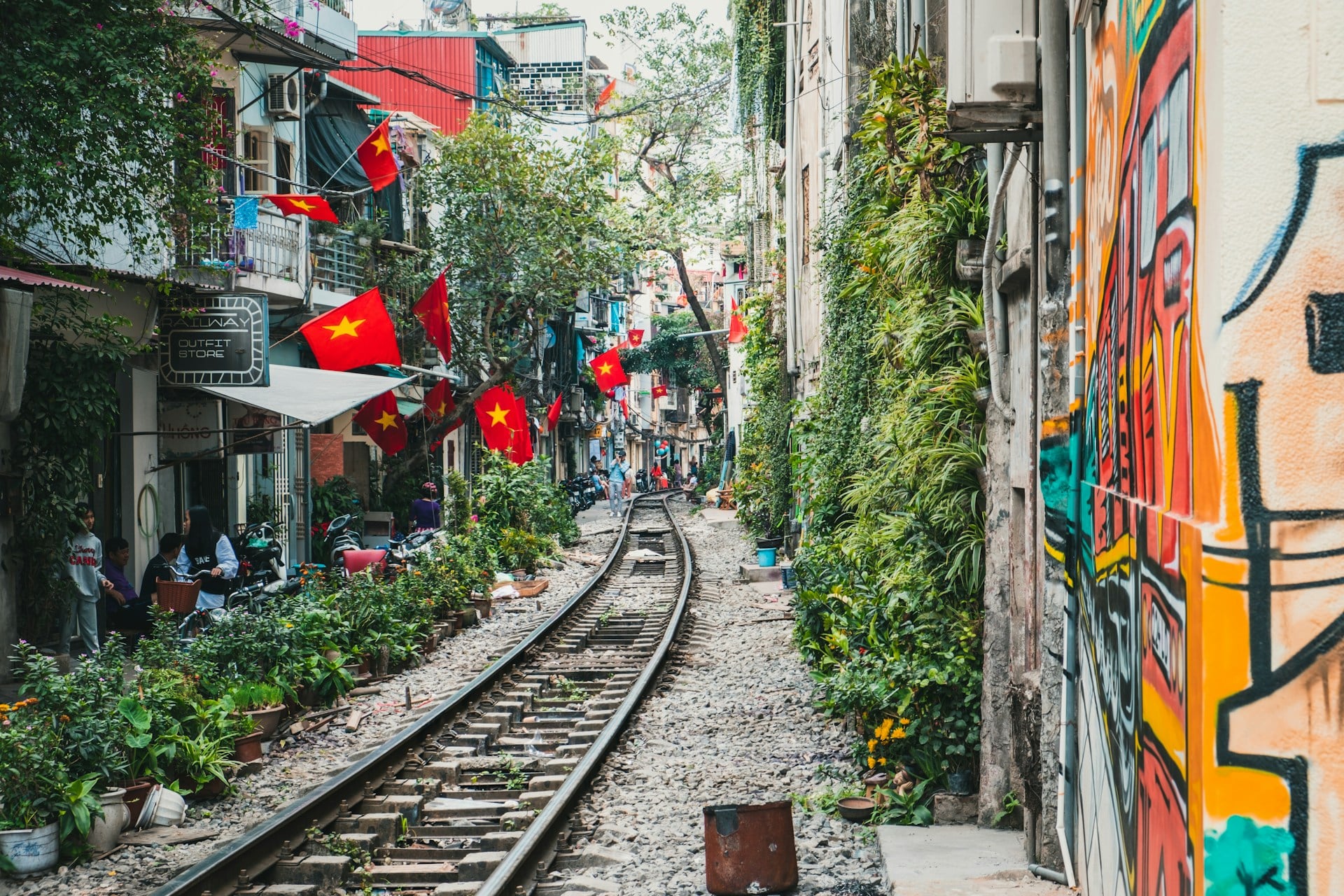
Vietnam’s capital runs nonstop, yet people always find moments for slow lunches or thick coffee. While pho shows up at dawn on sidewalks, cooks stick to recipes passed down years.
Each lane in the Old Quarter carries names tied to old crafts – one sells thread, another metal, others sell notebooks. Though French-era houses stand around, voices, smells, and rhythms stay fully local.
Lakes or parks give space amid crowded city life. Hanoi proves cities can change while still holding onto their roots.
Tangier
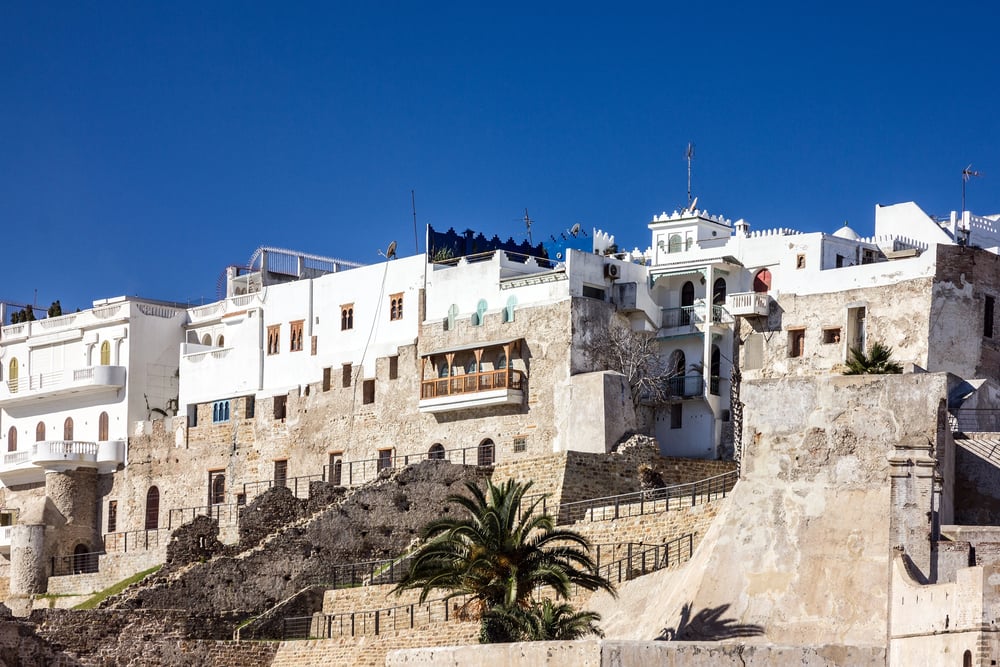
This Moroccan coastal town lies right by the edge of Africa, so near Spain you can spot Europe from the shore. Its position has drawn creatives and wanderers through time who crave a break from the ordinary.
In the old quarter, expect classic dishes like tagine or couscous with mint tea, yet flavors shift thanks to Spanish and French touches. Whitewashed homes tumble down to the sea, forming scenes that’ve sparked many an artist’s brush.
Sitting between worlds, caught in a flow of heritage and evolution, Tangier just rolls with the mix.
A living tradition
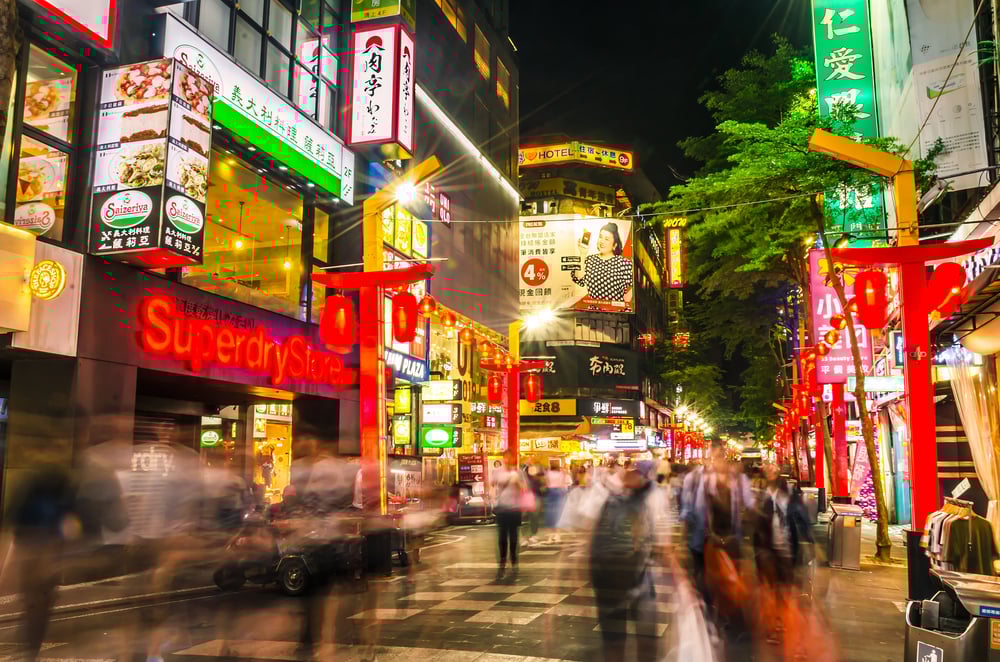
These towns aren’t old relics stuck in the past. Instead, they’re real spots where folks live, hustle, disagree, throw parties – also share meals around tables.
The strongest ones know tradition doesn’t sit behind glass; it shows up daily, like cooking family dishes, using your mother tongue, or passing down skills to kids. What keeps food and customs going isn’t official approval – it’s flavor, comfort, how they tie us to roots deeper than words.
That’s why such places matter: seeing them, learning from them, shielding them matters while everything else races ahead.
More from Go2Tutors!

- The Romanov Crown Jewels and Their Tragic Fate
- 13 Historical Mysteries That Science Still Can’t Solve
- Famous Hoaxes That Fooled the World for Years
- 15 Child Stars with Tragic Adult Lives
- 16 Famous Jewelry Pieces in History
Like Go2Tutors’s content? Follow us on MSN.



