Deathbed Confessions That Shocked History
Something about facing death loosens the tongue. Maybe it’s the weight of carrying secrets for decades, or the sudden need to clear a conscience before it’s too late.
Throughout history, dying people have revealed truths that changed everything—truths that destroyed reputations, solved mysteries, and forced us to rewrite what we thought we knew.
These weren’t small admissions. These were confessions that shook families, nations, and sometimes the entire world.
Charles II’s Secret Faith
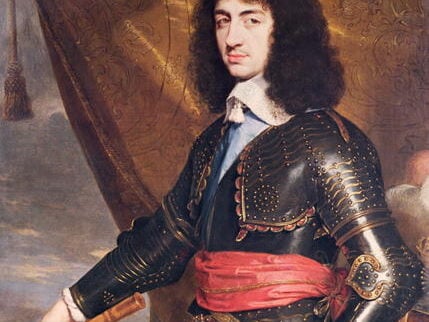
The English king spent his entire reign walking a political tightrope. England was Protestant, fiercely so, and any hint of Catholic sympathy could spark revolution.
Charles II knew this better than anyone. On his deathbed in 1685, with only a few trusted people in the room, Charles asked for a Catholic priest.
Father John Huddleston arrived in secret and received the king into the Catholic Church. The man who had ruled Protestant England for 25 years died a Catholic—exactly what his subjects feared most.
His brother James II, who succeeded him, didn’t hide his Catholicism. That openness led to his overthrow just three years later.
The Woman Who Was Actually a Man
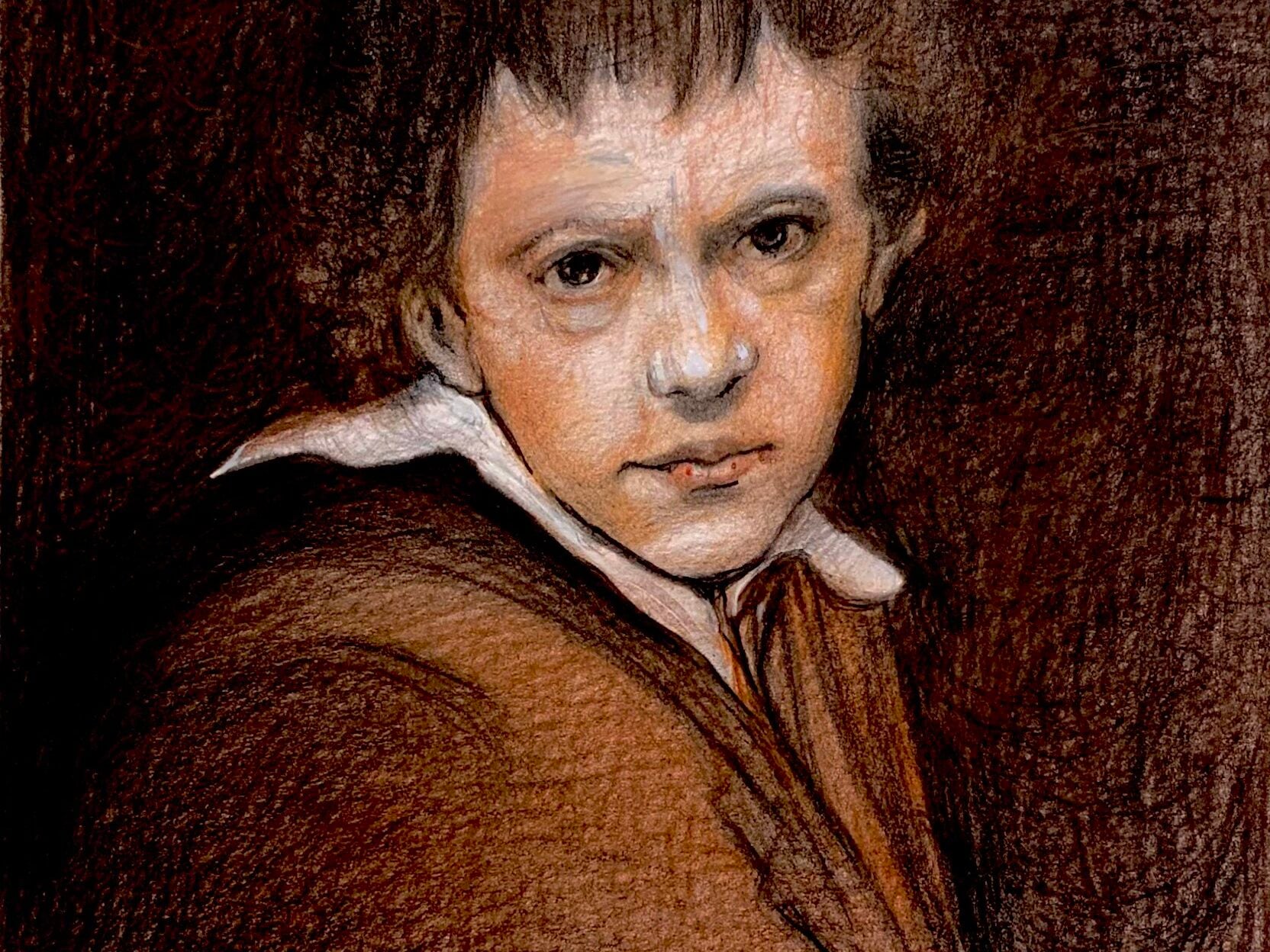
James Barry served as a surgeon in the British Army for more than 40 years. Barry performed groundbreaking procedures, challenged military incompetence, and earned a reputation as a skilled but difficult doctor.
When Barry died in 1865, the woman preparing the body made a discovery that shocked everyone. Barry had been assigned female at birth.
For over four decades, Barry had lived as a man, kept this secret through multiple postings across the British Empire, and achieved what no woman could have achieved at that time—a successful medical career. The military tried to bury the story.
They sealed Barry’s records for 100 years. But the secret was already out.
A President’s Hidden Child

For decades, historians dismissed the story as racist propaganda. Thomas Jefferson, the founding father who wrote about equality, couldn’t have had children with an enslaved woman.
The Jefferson family denied it. Scholars called it a lie. But Madison Hemings, one of Sally Hemings’s sons, gave a statement in 1873 that wouldn’t go away.
He claimed Jefferson was his father. The white Jefferson descendants refused to acknowledge the Black descendants for generations.
DNA testing in 1998 proved Madison Hemings had told the truth. Jefferson almost certainly fathered at least one of Sally Hemings’s children, probably all six.
The confession that began on one man’s deathbed eventually forced America to confront an uncomfortable truth about its third president.
The Mobster Who Broke Omertà

Frank Sheeran painted houses. That’s what he claimed, anyway.
The mob phrase meant he killed people—the blood splattered like paint on walls. In 2003, as Sheeran lay dying, he finally talked.
He confessed to killing Jimmy Hoffa, the famous labor leader who vanished in 1975. Sheeran described picking up Hoffa, driving him to a house in Detroit, and shooting him twice in the back of the head.
The FBI had spent decades searching for Hoffa’s body. Sheeran’s confession gave them a location, but they never found remains.
Some investigators believe him. Others think he was just an old man seeking attention.
Either way, his confession reopened America’s most famous missing person case. The house where Hoffa allegedly died was demolished in 2022.
Workers found nothing underneath.
The Spy Who Fooled Everyone
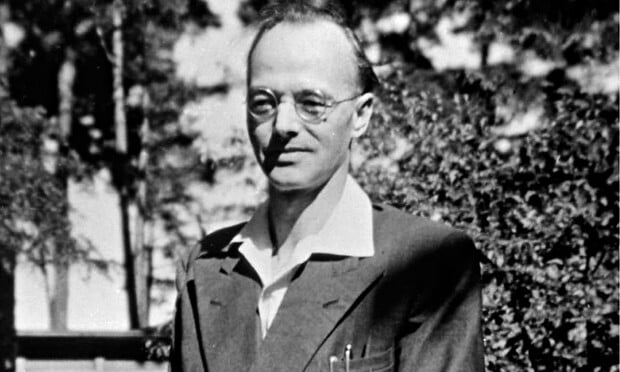
Klaus Fuchs was brilliant. A physicist who escaped Nazi Germany, he worked on the Manhattan Project—the secret American effort to build the atomic bomb.
His colleagues trusted him completely. In 1950, Fuchs confessed to British authorities that he’d been passing atomic secrets to the Soviet Union since 1941.
For years, he’d been giving Stalin’s scientists detailed information about how to build nuclear weapons. His confession helped explain how the Soviets developed their bomb so quickly.
Fuchs served nine years in prison, then moved to East Germany and continued his physics career. His confession revealed how deep Soviet penetration of the Manhattan Project actually went.
It wasn’t just one spy—it was a network. Fuchs was just the one who talked.
A Murder Hidden for Decades

Lynne Harper was 12 years old when she disappeared near a Canadian Air Force base in 1959. They found her body two days later.
Steven Truscott, a 14-year-old boy who’d given her a bike ride, was convicted of her murder and sentenced to hang. The sentence was later reduced, but Truscott spent years in prison for a crime he insisted he didn’t commit.
The case haunted Canada for decades.
In 2007, after new evidence emerged, Truscott was acquitted. But the real killer was never found.
Then, years later, a deathbed confession from an Air Force serviceman who was stationed at the base changed everything. The confession pointed to someone else entirely—but came too late for a proper investigation.
The man who confessed died before authorities could verify his claims. Truscott finally got his name cleared, but the truth remains murky.
The Artist’s Fraudulent Masterpieces
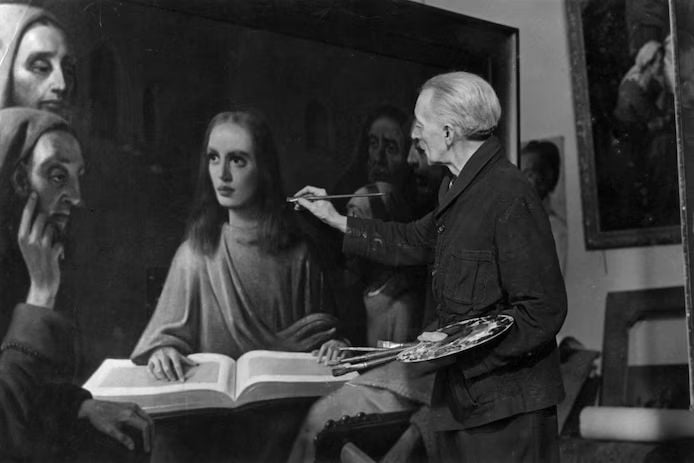
Han van Meegeren was a failed artist with a chip on his shoulder. Critics dismissed his work. Galleries ignored him.
So he decided to fool them all. He painted “new” works by Johannes Vermeer, one of the most famous Dutch masters.
His forgeries were so good that museums bought them. Experts authenticated them.
Van Meegeren became wealthy selling fake masterpieces. Then World War II ended, and the Nazis fell.
During the occupation, van Meegeren had sold a “Vermeer” to Hermann Göring, Hitler’s second-in-command. The Dutch arrested van Meegeren for collaborating with the enemy—selling national treasures to the Nazis was a crime punishable by death.
Van Meegeren faced a choice: hang as a traitor or confess to forgery. He confessed.
To prove it, he painted another “Vermeer” in his cell while authorities watched. The confession saved his life, but destroyed his reputation in a different way.
He died shortly after his trial, his legacy forever tied to deception rather than artistry.
The Serial Killer Who Couldn’t Stop Talking

Donald Henry Gaskins killed more people than he could remember. He claimed 110 victims, though authorities confirmed far fewer.
Imprisoned for multiple murders, Gaskins bragged about his crimes in letters and interviews. On death row, facing execution, Gaskins made one final confession.
He admitted to killing a fellow inmate—a man who’d been on death row for killing a child. Someone on the outside had paid Gaskins to carry out the hit.
He built a bomb disguised as a portable radio and convinced his target to use it. The confession came after his execution date was set.
It didn’t change anything for Gaskins—he was already scheduled to die. But it solved a murder inside the prison system and revealed how easily contracts could be carried out even on death row.
Gaskins was executed in 1991. His confessions, given freely and often enthusiastically, remain some of the most disturbing documents in criminal history.
A General’s Shameful Secret

During the Philippine-American War at the turn of the 20th century, American forces committed atrocities that the military tried to suppress. General Jacob Smith issued an order to his troops to turn the island of Samar into “a howling wilderness” and kill everyone over the age of ten.
Years later, as Smith lay dying, witnesses reported that he confessed to ordering these killings. He expressed some regret, though accounts vary on how much.
His confession confirmed what survivors had been saying for years—that American forces had massacred civilians in the Philippines. The military court-martialed Smith at the time, but gave him a light sentence.
His deathbed admission added weight to the historical record, helping historians understand the true nature of American colonialism in the Philippines.
The Poet’s Hidden Past
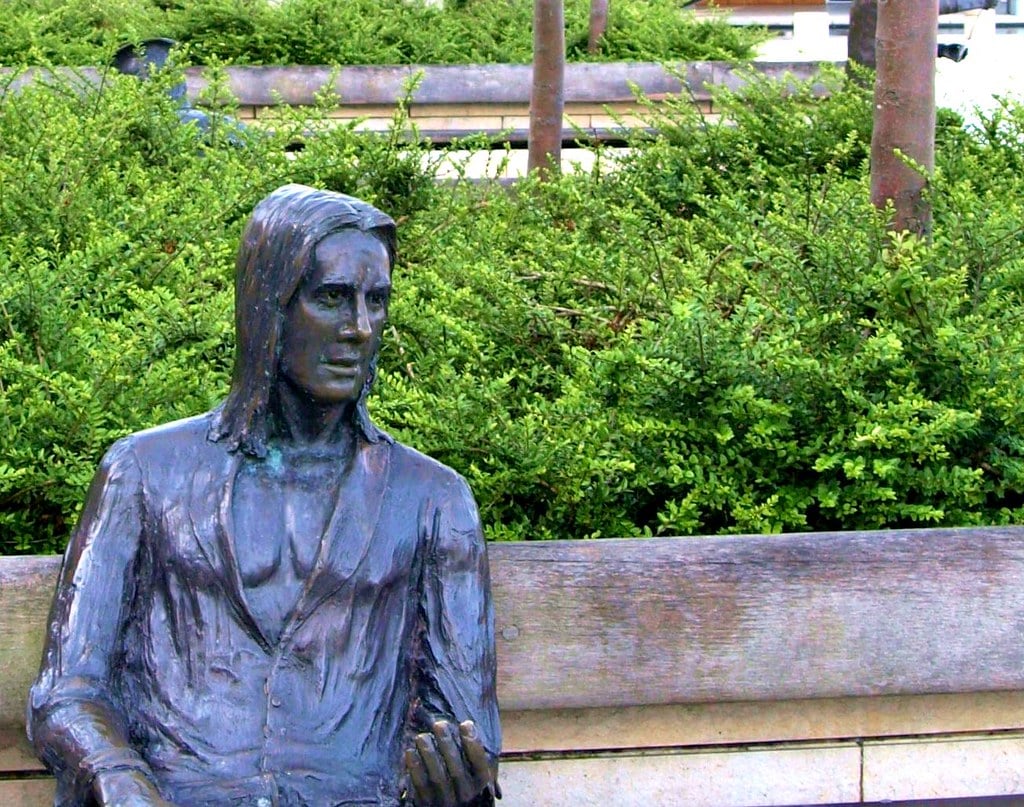
Thomas Chatterton wrote beautiful medieval poetry—or so everyone thought. He claimed to have discovered lost works by a 15th-century monk. Scholars were amazed.
Here were new insights into medieval literature. Chatterton died at 17, likely by poisoning himself.
After his death, literary investigators proved the medieval poems were forgeries. Chatterton had written them himself, creating an entire fictional poet and backstory.
The confession came through his papers and the work itself, which fell apart under scrutiny. Chatterton had tried to fool the literary establishment because they’d rejected his modern poetry.
His fake medieval verses got more attention than his real work ever had. The tragedy inspired Romantic poets a generation later.
They saw Chatterton as a genius destroyed by an unappreciating world. His deathbed confession was silent, but his fraud spoke volumes.
The Diplomat’s Double Life

Donald Maclean worked for the British Foreign Office and had access to sensitive information during the early Cold War. He was a respected diplomat, married with children, seemingly loyal to Britain.
In 1951, Maclean suddenly vanished. So did Guy Burgess, another British official.
Five years later, both men turned up in Moscow. They’d been Soviet spies for years, and had fled when British intelligence got close to catching them.
Maclean never made a formal deathbed confession—he died in Moscow in 1983, still loyal to the Soviet cause. But his defection was itself a confession, revealing that the British establishment had been penetrated at the highest levels.
The confession destroyed careers and families back in Britain. Maclean’s wife, left behind with their children, never fully recovered from the betrayal.
His double life forced Britain to rethink how it vetted government officials.
A Singer’s Stolen Voice

In the 1980s, Milli Vanilli won a Grammy. The duo’s pop songs topped charts worldwide.
Rob Pilatus and Fab Morvan seemed like overnight successes. Then it all came apart.
During a live performance, their backing track skipped, revealing they weren’t actually singing. The producer, Frank Farian, finally admitted the truth: Pilatus and Morvan were models who lip-synced to other singers’ voices.
Farian’s confession destroyed Milli Vanilli. They returned their Grammy.
Their career evaporated. Rob Pilatus struggled with the aftermath for years and died of an overdose in 1998.
Farian’s admission wasn’t technically a deathbed confession—he’s still alive. But his willingness to finally tell the truth felt like a confession, revealing how artificial the music industry could be.
The real singers who’d been hidden behind Pilatus and Morvan’s faces finally got some recognition, but their moment had passed.
The Programmer Who Changed History

Working alone in a small room, a programmer created something that would change how information spread across the world. Tim Berners-Lee invented the World Wide Web in 1989, but this isn’t about him.
This is about the countless programmers who’ve admitted on their deathbeds to creating systems they regret. One notable case involved a security researcher who confessed to creating an early computer virus that spread further than he’d intended.
He’d meant it as a proof of concept. Instead, it caused real damage. These technical confessions usually stay quiet, shared only within industry circles.
But they reveal how much of our digital infrastructure was built by people who didn’t fully understand what they were creating—or who understood perfectly well and felt guilty about it later.
When Silence Finally Breaks

History loves secrets. Every era has them—facts that people hide for years or decades, waiting for a moment when the truth can finally emerge without consequence.
Deathbed confessions remind us that everyone carries something. Some secrets are bigger than others.
Some change how we understand entire periods of history. But they all share one thing: the person keeping them reached a point where silence felt worse than speaking.
You have to wonder how many other confessions never happened. How many people took their secrets to the grave, choosing silence even at the end.
The confessions we know about are just the ones where someone finally decided to talk. The rest remain buried, waiting.
More from Go2Tutors!

- The Romanov Crown Jewels and Their Tragic Fate
- 13 Historical Mysteries That Science Still Can’t Solve
- Famous Hoaxes That Fooled the World for Years
- 15 Child Stars with Tragic Adult Lives
- 16 Famous Jewelry Pieces in History
Like Go2Tutors’s content? Follow us on MSN.