Dinner Party Customs Hosts Followed In The ’60s
A dinner party in 1964 was often a performance with a script, and in some social circles, everyone at the table had read it. The hostess knew which fork went where, the host knew how the evening was expected to unfold, and the guests knew to write a note the following week.
Much of it followed established etiquette, although the rules varied by household and occasion.
Some of these rituals were about food, some about furniture, and a surprising number were about the quiet social pressure of doing things properly. Read together, they describe an evening that ran on rules nobody needed to say out loud.
The Cocktail Hour Ran Before Anyone Sat Down

Guests might be invited for seven and seated for eight, and the hour between was a ritual of its own. The host often took charge of mixing drinks, usually a martini, a Manhattan, or a whiskey sour, while the hostess circulated with a tray of olives, salted nuts, and perhaps a plate of celery stuffed with cream cheese.
Formal entertaining guides generally favored keeping cocktails and hors d’oeuvres brief enough that dinner was not delayed. A late arrival was expected to join the gathering without making the host reorganize the evening.
The Bar Cart Was the Host’s Personal Stage
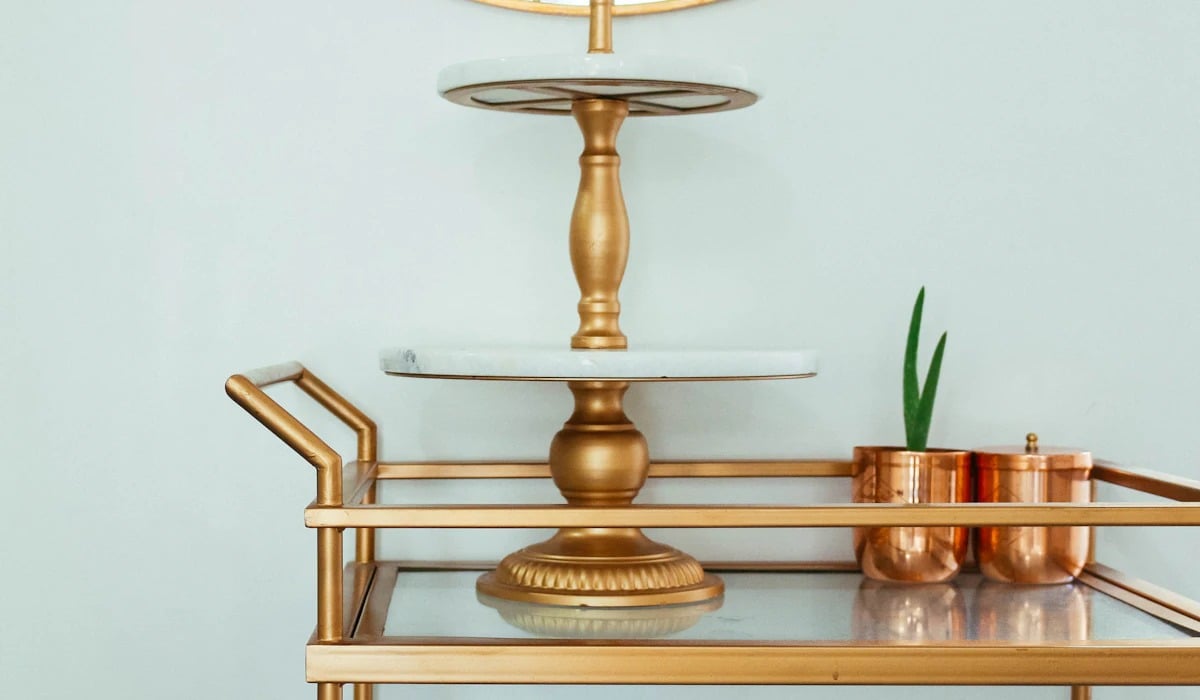
A rolling bar cart in brass or chrome, loaded with a cocktail shaker, a seltzer siphon, an ice bucket with tongs, and a row of bottles, could serve as both a practical station and a living-room display. Mixing drinks was often treated as the man’s job in traditional households, and he was expected to know proportions by heart rather than consult a recipe.
The cart might hold gin, bourbon, Scotch, vermouth, and liqueurs, along with a jigger for measuring spirits. Many carts had a lower shelf for glassware, since the right glass for each drink was considered part of the presentation.
Shrimp Cocktail Opened the Meal in a Stemmed Glass
Shrimp cocktail was a popular restaurant and dinner-party starter, served in a stemmed glass with the shrimp hooked over the rim and a dollop of red sauce in the center. The sauce was often ketchup sharpened with horseradish and lemon, and the glass might sit inside a second dish of crushed ice to keep everything cold.
Because shrimp could be an expensive ingredient, serving it was sometimes seen as a sign of generosity. The course was often eaten with a small seafood fork, though the exact utensil depended on the place setting.
The Fondue Pot Became a Centerpiece
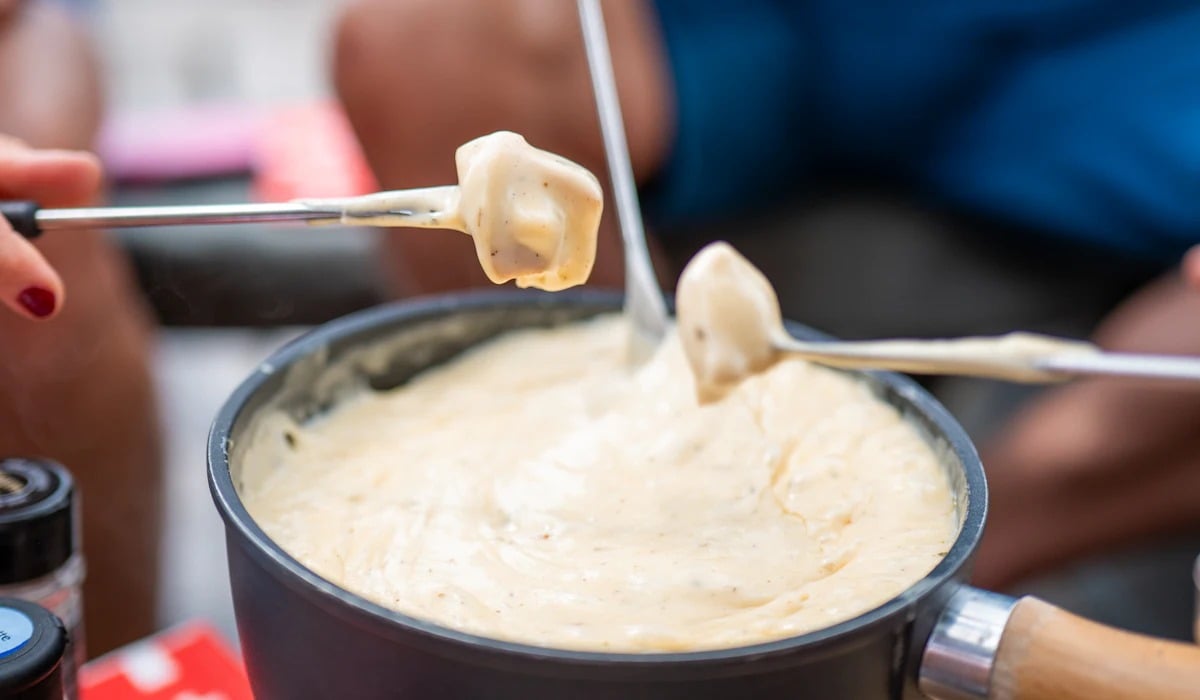
Fondue went from a Swiss dish to an American party fixture during the 1960s, helped by Swiss cheese promotion and appearances at the 1939 and 1964 New York World’s Fairs. Guests speared bread cubes on long forks and dipped them into melted cheese, often made with Gruyère, Emmental, and white wine.
A familiar party joke held that anyone who lost a piece of bread in the pot owed a forfeit. Chef Konrad Egli is credited with popularizing chocolate fondue in the United States in the 1960s, working with Toblerone.
By the decade’s end, fondue sets had become a popular entertaining item, and they were especially fashionable as the fondue craze continued into the 1970s.
The Chafing Dish Kept Food Warm on a Can of Sterno
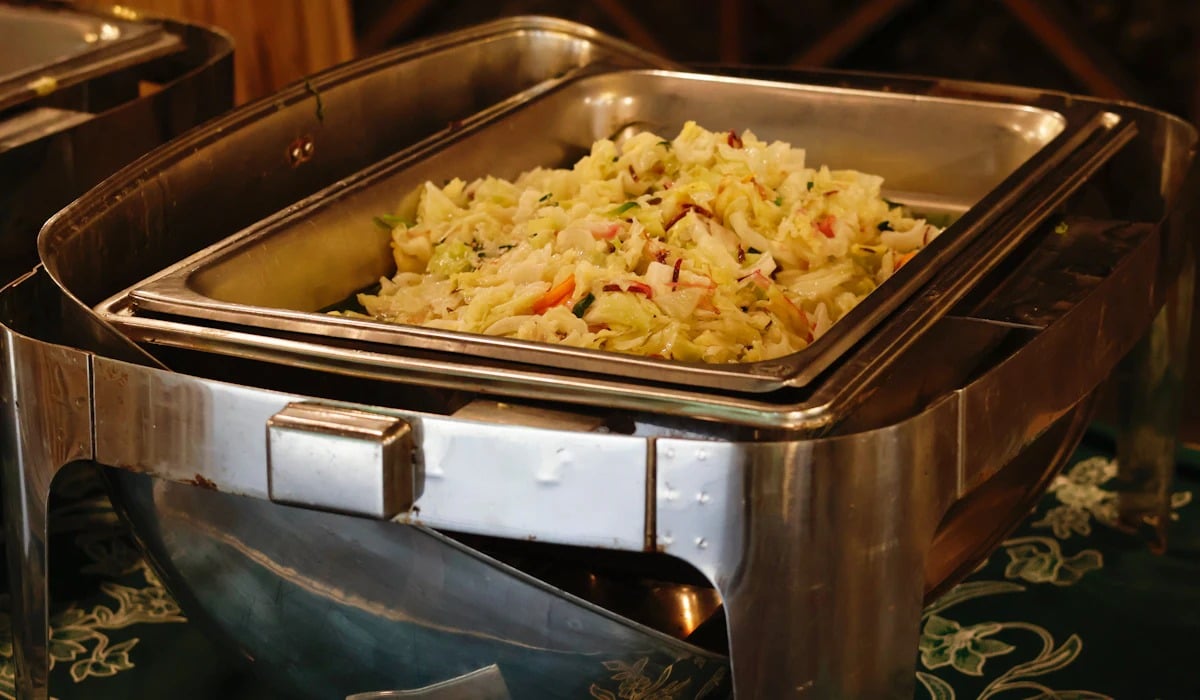
A chafing dish, a shallow pan set over a stand and heated by a small can of jellied alcohol, let a hostess serve hot food without leaving the room. Creamed chicken, Welsh rarebit, and beef stroganoff could all be kept warm over low heat, and the dish could be placed on a buffet table.
Sterno, a well-known brand of canned heat, had been sold since the early 20th century and was used for cooking and keeping food warm. The chafing dish might be silver-plated or copper, and polishing it before a party was one more task on the preparation list.
Printed Place Cards Told Guests Where to Sit
At a formal dinner, a small folded card at each setting might carry the guest’s name, written by hand or printed by a stationer. Traditional etiquette guides offered conventions for names and titles, but the precise wording depended on the guest and the formality of the occasion.
The cards were set above the plate or tucked into a small holder, and guests were generally expected to find their assigned seats rather than ask. Reading the cards could also reveal the host’s intended seating arrangement, since placement at the table sometimes reflected social standing or the importance of a guest.
Seating Alternated Men and Women by Design
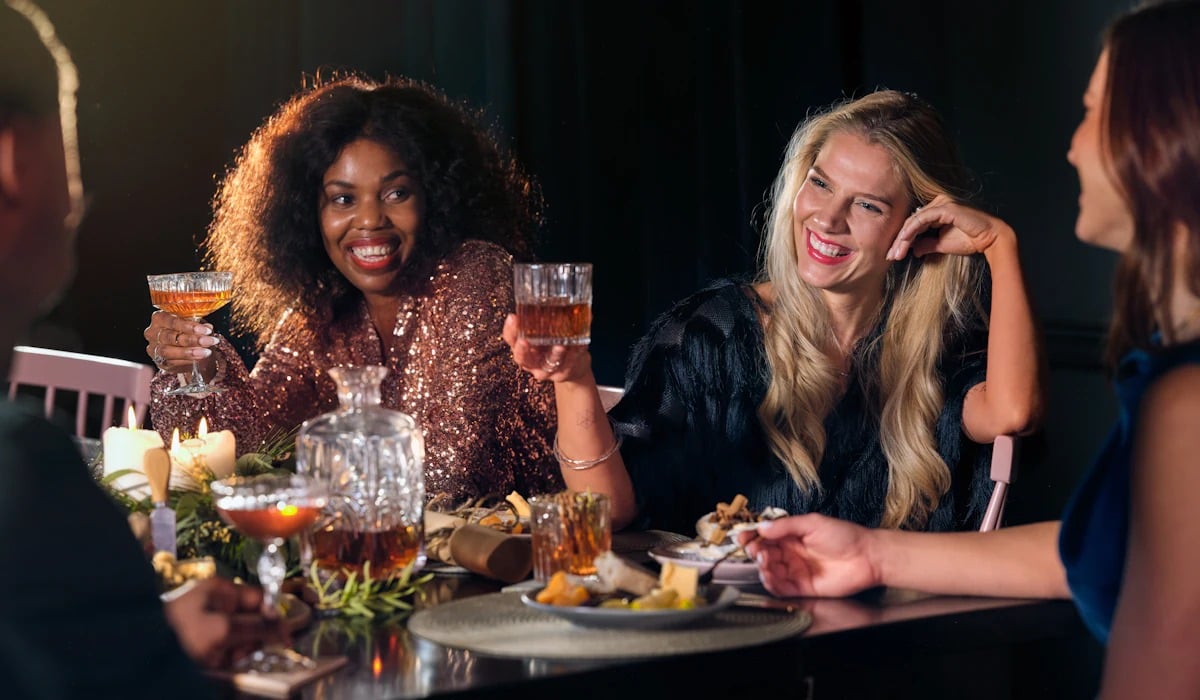
In traditional formal entertaining, the host might sit at one end of the table and the hostess at the other, with men and women seated alternately. The woman guest of honor was traditionally seated to the host’s right, while the man guest of honor sat to the hostess’s right.
Married couples were sometimes separated to encourage conversation with other guests. These arrangements were conventions rather than universal requirements, and hosts often adapted them to the size and mix of the group.
Some people also treated a party of 13 as unlucky, although not every hostess took the superstition seriously.
The Hostess Gift Had Its Own Set of Rules
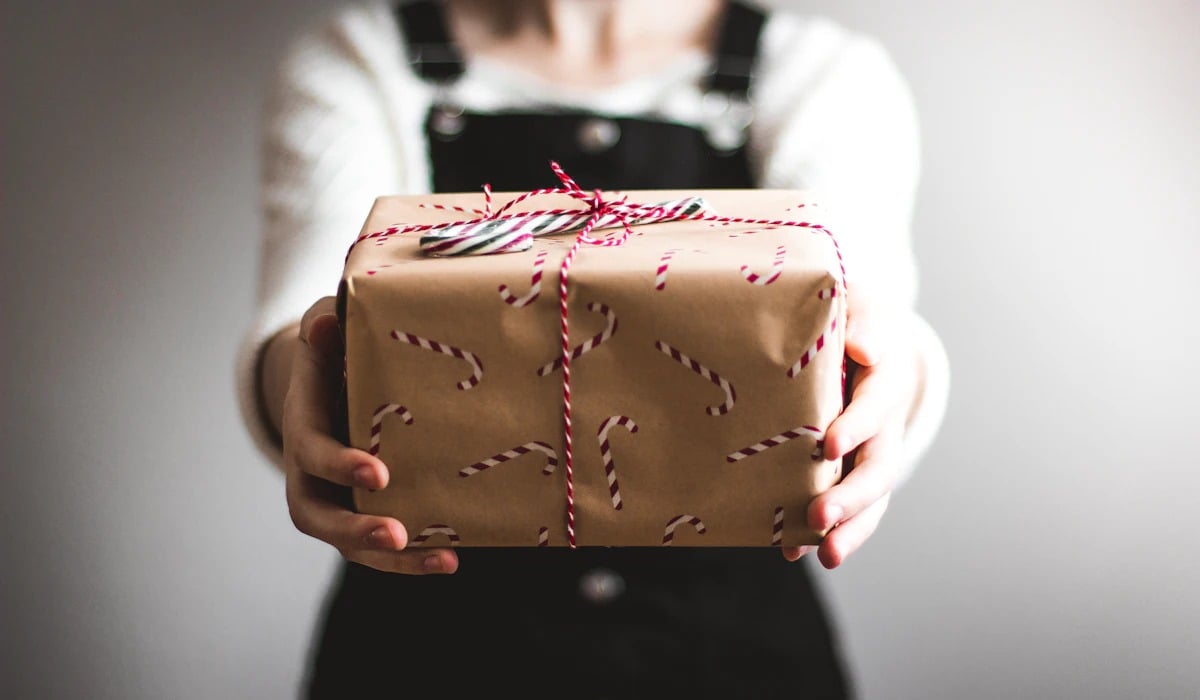
Bringing a gift was a familiar courtesy, but the choice of gift could be guided by etiquette. A bouquet of cut flowers might be inconvenient if the hostess had to leave her guests to find a vase, so some guides suggested having flowers delivered beforehand or choosing something that required little preparation.
A box of candy, a bottle of wine, or a small jar of something homemade could also be appropriate. The gift was often handed over at the door and did not have to be opened in front of everyone.
A hostess was not obliged to serve wine she had just received; she could save it for another occasion.
Gelatin Molds and Aspic Held Pride of Place
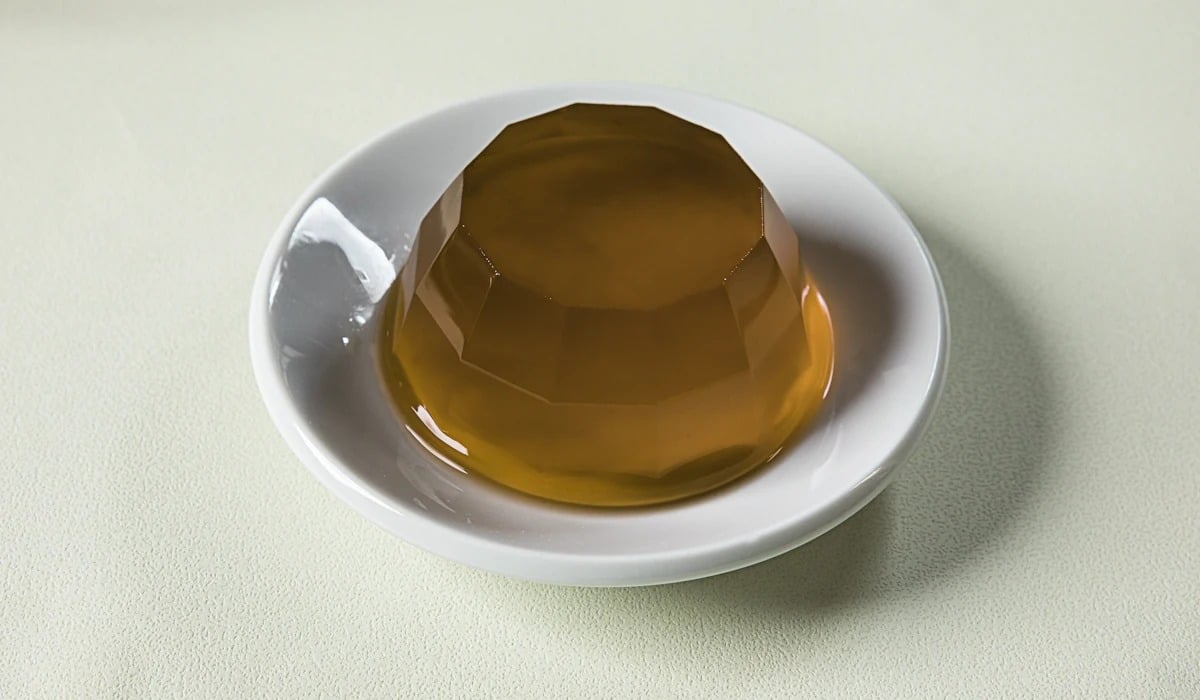
Molded gelatin salads, both sweet and savory, were a familiar feature of midcentury entertaining. Lime gelatin might suspend shredded carrot, pineapple, or other ingredients, while savory tomato aspic could contain shrimp or celery and be served on lettuce with mayonnaise.
Copper and aluminum molds in ring, fish, and crown shapes were sold for home cooks and could be stored on kitchen shelves between uses. The trick to unmolding was a brief dip in warm water, followed by a careful turn onto a plate.
A well-shaped result could make an attractive centerpiece for a buffet or dinner table.
The Showpiece Main Was Beef Wellington or Chicken Kiev
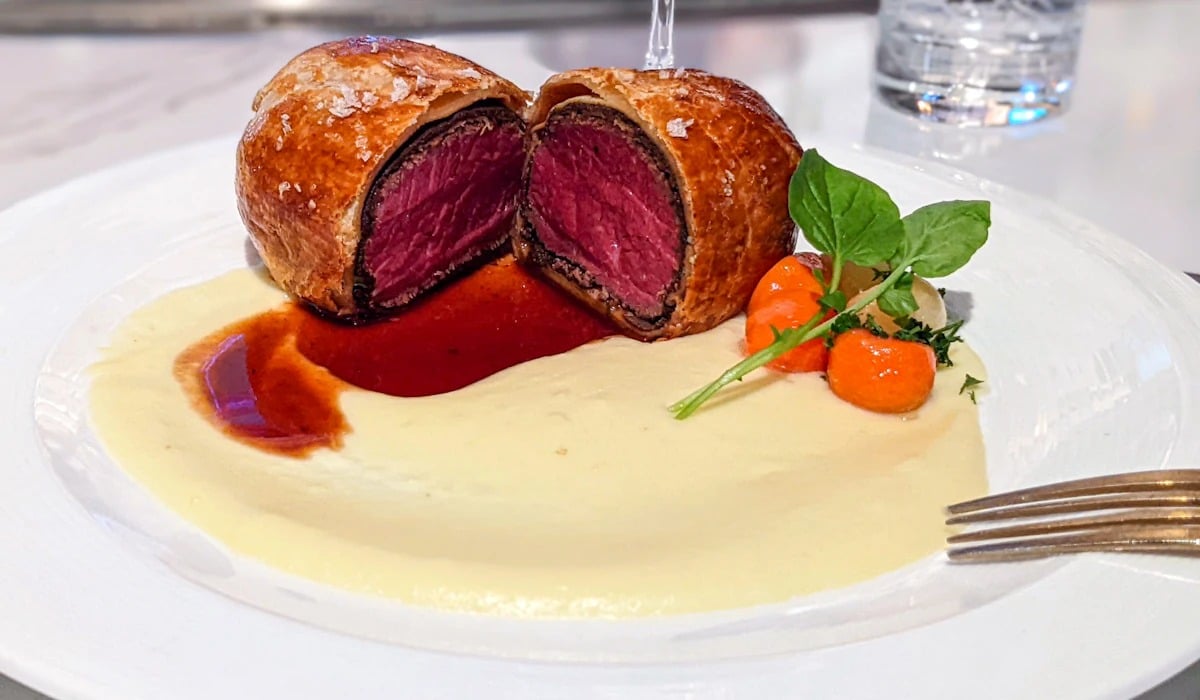
The main course was often meant to impress, and Beef Wellington and Chicken Kiev were two dishes that could do the job. Beef Wellington wrapped a tenderloin in pastry over a layer of mushroom duxelles and, in many recipes, pâté.
It was sometimes associated with elaborate formal dining, although it was not a universal dinner-party favorite. Chicken Kiev, a breaded breast rolled around chilled herb butter, was prized for the butter that flowed out when the knife went in.
Both dishes could be plated with care or presented at the table, allowing guests to appreciate the effort involved.
The Cheese Log Sat on Many Buffets
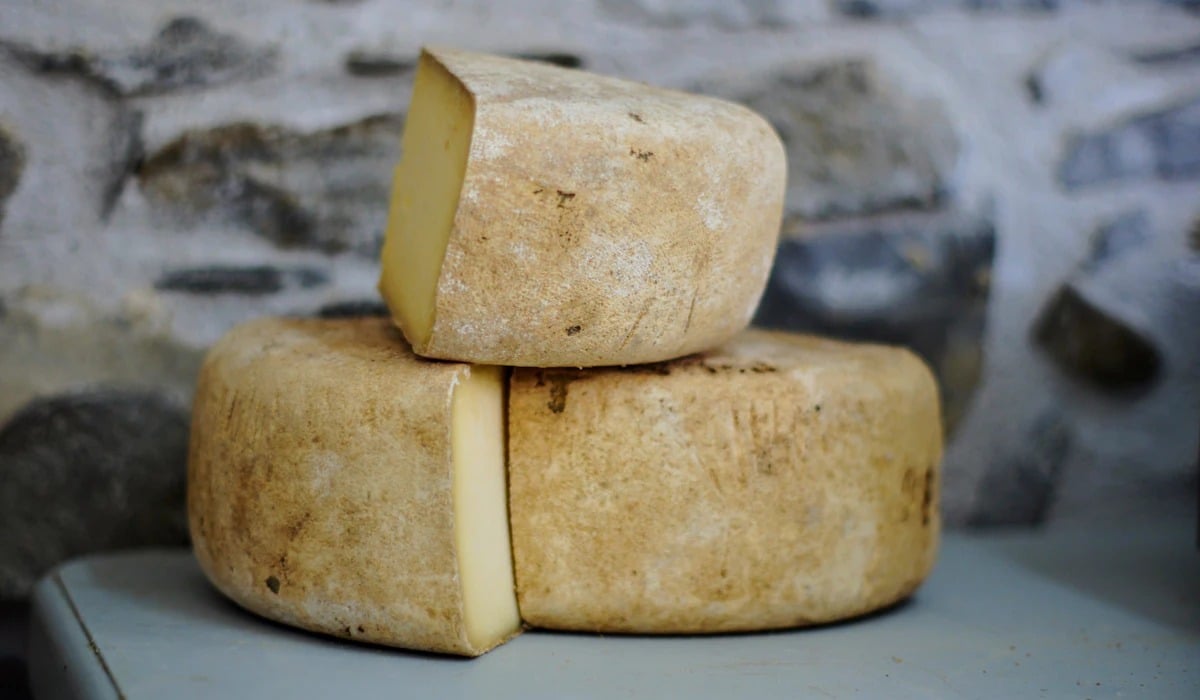
A blend of cream cheese, sharp cheddar, and a dash of Worcestershire could be shaped into a log, rolled in chopped pecans or parsley, and served with crackers. Similar recipes appeared in community cookbooks and home-entertaining collections, and the dish had the advantage of being prepared ahead of time.
Some versions added port wine or blue cheese, while other party spreads used chopped nuts or herbs for their coating. It sat on a wooden board with a small spreader and was one of the foods guests could serve themselves without waiting for the hostess.
Coffee Was Served in the Living Room After Dinner

After dessert, the hostess might lead guests into the living room while the dining table was cleared. Coffee could be poured from a silver pot into demitasse cups, small enough that the sugar tongs looked oversized beside them.
The hostess might ask whether guests wanted cream or sugar and pass the cups around. Liqueurs such as brandy, crème de menthe, or Drambuie might also be offered, poured by the host from the bar cart into small glasses.
The exact routine depended on the household, the menu, and how formal the gathering was.
The Ladies Withdrew While the Men Stayed at the Table

In some British households and traditional American settings, the hostess led the women out of the dining room after the meal, leaving the men to drink port and talk. A port decanter might be passed around the table according to established conventions, including the custom of passing it to the left.
The women might gather in a drawing room for coffee and conversation before the men joined them. The practice was already becoming less common in many households by the 1960s, and it was never a standard feature of every dinner party.
The Hostess Apron Was Worn for Show, Not Work

A hostess apron could be a short, decorative half-apron in organdy, taffeta, or embroidered cotton, tied over a dress while the hostess carried food from the kitchen. It was often designed more for appearance than for heavy cooking and might come in a set matched to the tablecloth or a holiday theme.
Sewing patterns and department-store offerings reflected the popularity of decorative aprons and coordinated entertaining accessories. Some hostesses changed or removed the apron before sitting down, while others wore practical aprons for actual kitchen work.
Cloth Napkins Came Out but Napkin Rings Stayed in the Drawer
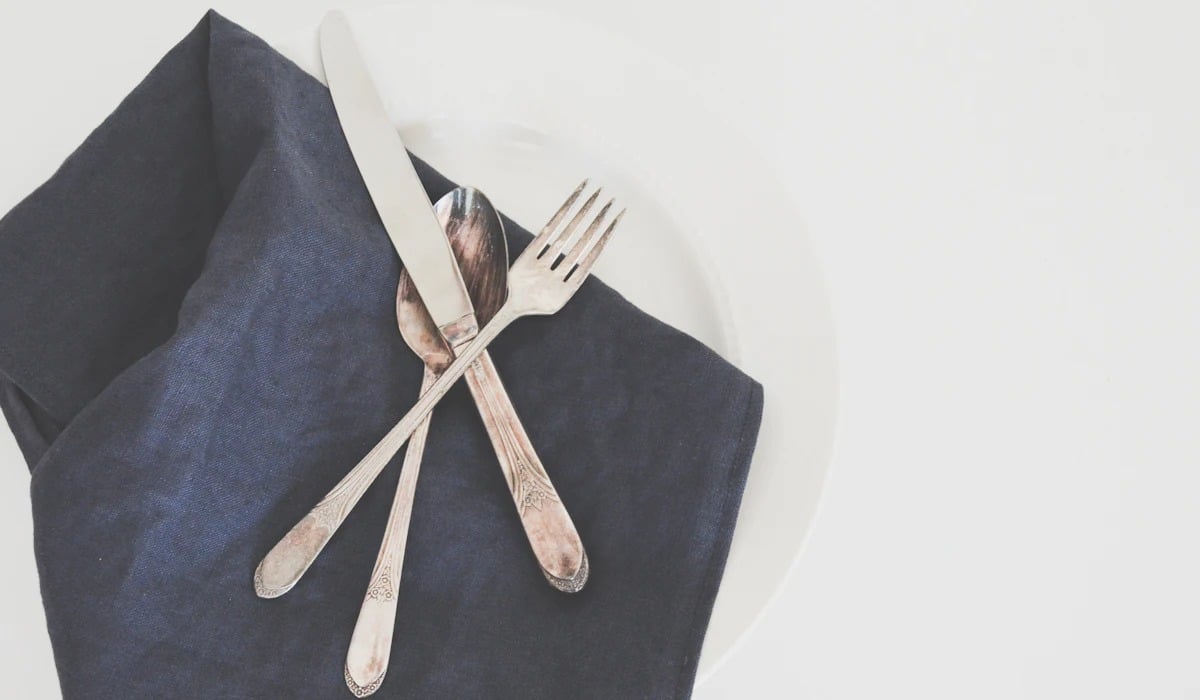
Cloth napkins were common at formal dinners, often made of linen or damask and folded simply beside the forks or placed on the service plate. Napkin-ring etiquette varied, but rings were often associated with family use and the practice of keeping a napkin for reuse between meals.
For a formal dinner, a clean napkin was generally expected at each setting. Napkins were unfolded and laid across the lap rather than tucked into a collar.
At the end of the meal, guests usually left them loosely beside the plate rather than folding them neatly as if they had never been used.
Candles Added Atmosphere to the Dinner Table
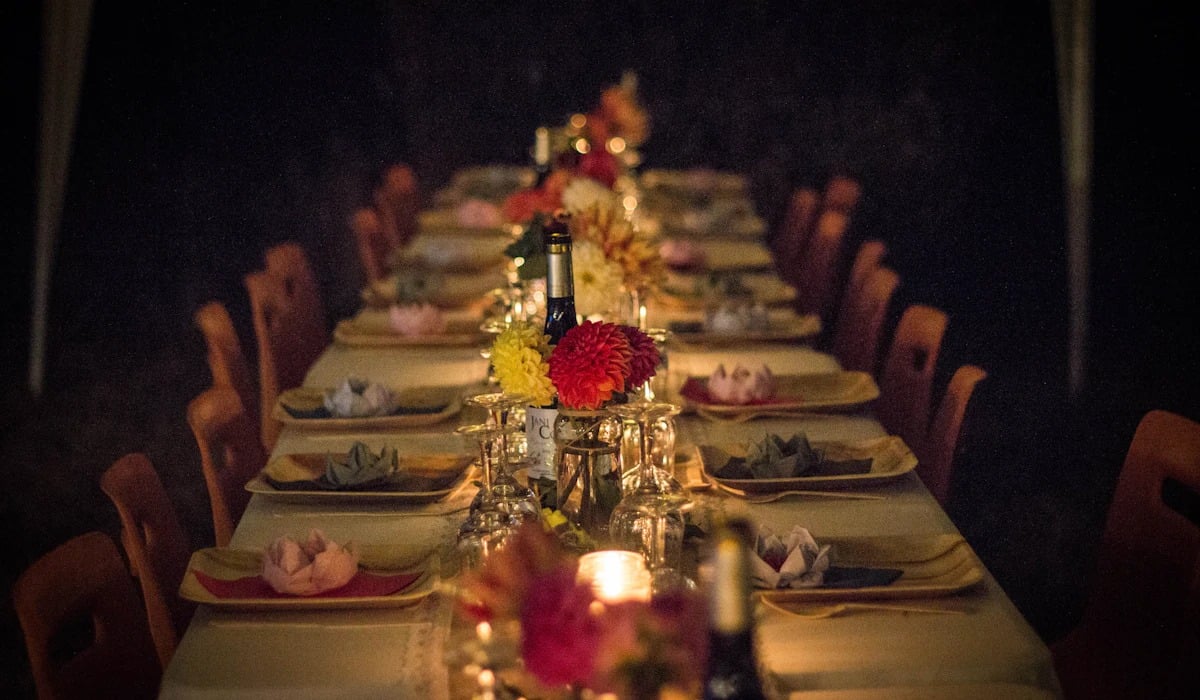
Candles on the table could signal a formal or special meal, but their use depended on the occasion and the host’s preferences. White or ivory tapers were traditional choices, and unscented candles were often preferred so they would not compete with the food.
Matched pairs or balanced arrangements helped create a symmetrical table. Candles might be lit before guests entered the dining room, and their height was chosen to avoid obstructing conversation.
Dripless tapers were useful because spilled wax could stain the tablecloth.
The Thank-You Note Arrived Within the Week

A guest who had been invited to dinner was often expected to express appreciation afterward, sometimes in a handwritten note on folded notepaper or a correspondence card. A good note mentioned something specific about the evening rather than offering only a generic thank-you.
For a casual dinner with close friends, a telephone call the next day could be an acceptable alternative. Stationery was sold in boxed sets with matching envelopes for correspondence, and monogrammed notepaper was a familiar accessory for people who entertained regularly.
The timing and formality of the thanks depended on the relationship and the kind of invitation.
Emily Post and Amy Vanderbilt Helped Settle Etiquette Questions

Books by Emily Post and Amy Vanderbilt were influential references for people who wanted to follow traditional etiquette. Etiquette, first published by Post in 1922, continued to be revised after her death in 1960, including by her granddaughter-in-law Elizabeth Post.
Amy Vanderbilt’s Complete Book of Etiquette appeared in 1952, and a revised New Complete Book of Etiquette was published in 1963. Vanderbilt also reached readers through television appearances and newspaper columns.
When a question came up about place cards, the order of courses, or how to address a guest, these books offered guidance, though readers did not always follow their advice to the letter.
Matched China and Sterling Were a Wedding’s Lasting Residue

A bride might register her china, crystal, and silver patterns at a department store, and wedding guests could buy place settings one at a time until she had service for eight or twelve. Sterling flatware in patterns such as Gorham Chantilly or Towle Old Master might be stored in a felt-lined chest and polished before a formal dinner.
A traditional place setting could include a dinner fork, salad fork, knife, soup spoon, and dessert spoon, with utensils arranged in the order they would be used. Formal settings varied by menu and household, and owning a complete matching service was more common among some social groups than others.
Mismatched pieces might be perfectly acceptable at a casual gathering.
Baked Alaska Arrived in Flames
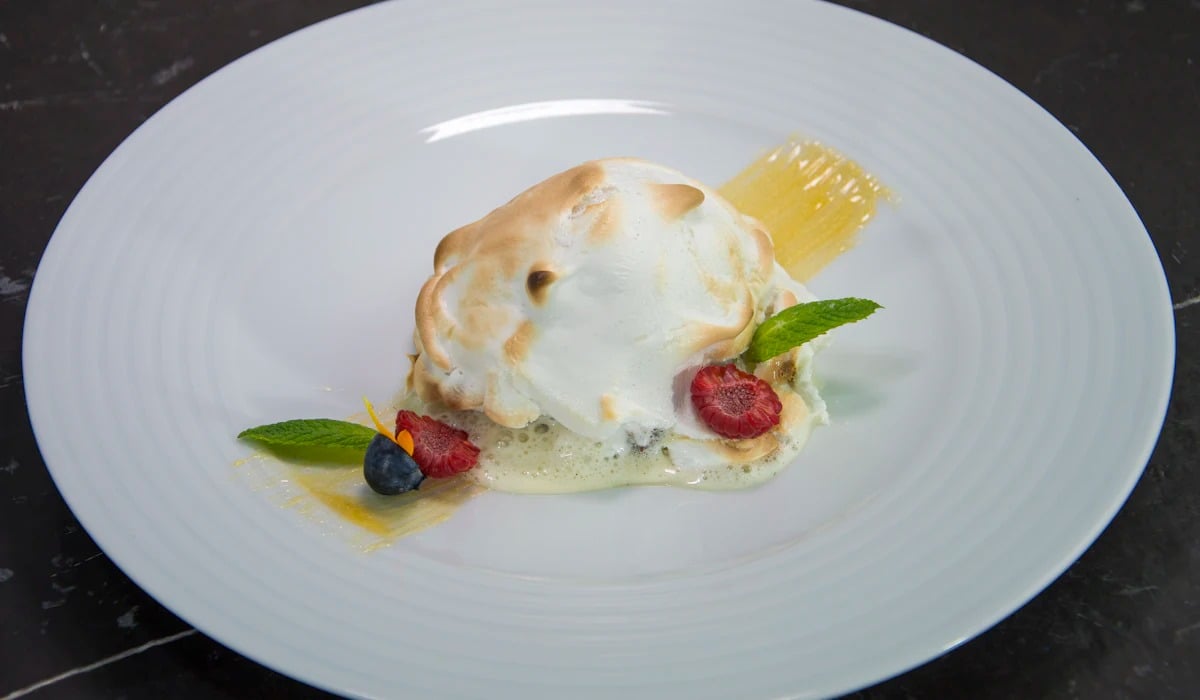
Dessert that could be set on fire added a touch of theater, and Baked Alaska was one of the best-known examples. A slab of sponge cake topped with ice cream was covered in meringue and baked briefly to brown the outside while the ice cream remained frozen inside.
Some versions were served flambé, with warm brandy poured over the top and ignited at the table. The dish was associated with Delmonico’s restaurant in New York, and chef Charles Ranhofer is often credited with naming it after the Alaska purchase of 1867.
Cherries jubilee and crêpes Suzette offered other ways to bring flames to the dessert course.
Leftovers Went Home in Tupperware

The plastic container with the distinctive seal, developed by Earl Tupper in the 1940s and sold through home parties after Brownie Wise helped build its sales system, had become a familiar kitchen item by the 1960s. A hostess might send a guest home with a wedge of cake or a portion of roast packed in a reusable container.
If the container belonged to the host, returning it clean was a considerate gesture, though not a formal rule. Tupperware products came in a range of colors, including pastel shades that fit the era’s kitchen styles.
The Telephone Did Not Come to the Table

Many homes had one telephone, often in the hall or kitchen, and answering it during dinner could be considered rude. If it rang, the hostess might ignore it or ask a child to answer and explain that the family was eating and would call back.
Taking a call at the table interrupted conversation and could make guests feel neglected. Some etiquette guides recommended avoiding unnecessary calls during a meal, although household practices differed.
Guests who expected an urgent call might warn the hostess and take it in another room, briefly and with apologies.
The Invitation Specified What to Wear

An invitation card or telephone call might state the expected dress, and the wording helped guests decide what to wear. In traditional etiquette, informal could still mean a dark suit and tie for men and a cocktail dress for women, rather than casual everyday clothing.
Black tie meant a dinner jacket for men and evening attire for women. Actual expectations varied by location, social group, and the type of gathering, and not every suburban man owned formal evening wear.
Gloves and hats also followed changing conventions, with their use depending on the time of day and the occasion. A guest who dressed below the expected standard might attract notice, even if the hostess said nothing.
The Bachelor Host Had His Own Playbook

A single man entertaining in his apartment was a familiar figure in midcentury magazines, which offered advice on food, drinks, and home entertaining. Playboy ran regular food and drink features under editor Thomas Mario, including recipes for a man cooking for two or four.
The bachelor dinner might emphasize the grill, the chafing dish, and a well-stocked bar rather than dishes requiring elaborate preparation. A formal seating plan and place cards might be unnecessary for a small gathering, but clean glasses, a tidy kitchen, and enough food were still sensible basics.
Julia Child Changed What the Hostess Attempted

The French Chef premiered on WGBH in Boston on February 11, 1963, with Julia Child demonstrating French cooking for American television viewers. Her book Mastering the Art of French Cooking, written with Simone Beck and Louisette Bertholle and published in 1961, had already introduced home cooks to recipes such as quiche Lorraine and soufflé.
Her relaxed on-camera style, including her willingness to recover from mistakes, made ambitious dishes seem more approachable. The show went on to win major awards, including a Peabody Award and an Emmy.
Child helped broaden interest in French cooking, though how much any individual hostess changed her menu depended on her tastes and experience.
The Galloping Gourmet Made Dinner Entertaining

Graham Kerr’s The Galloping Gourmet began airing in 1969 and treated cooking as comedy as well as instruction. Kerr opened shows with a theatrical entrance, cooked while cracking jokes, and often invited an audience member to taste the result.
His wife, Treena, was involved in producing the program, and footage from restaurants and travel helped introduce viewers to dishes from abroad. The show’s generous use of butter and cream fit the style of rich cooking popular in many entertaining recipes of the period.
It became a recognizable example of cooking as television entertainment, although it did not define how every household cooked or hosted guests.
The Rules Were the Point

Many of these customs no longer survive in their original form, and the ones that do, like the thank-you note and the cloth napkin, now feel more like deliberate choices than requirements. What has changed most is the expectation of a shared script.
In 1964, guests in some formal social circles could expect a familiar sequence of cocktails, dinner, coffee, and thanks afterward. The evening worked because the people involved understood the conventions, even if they did not discuss them.
That shared knowledge was part of what books by Emily Post and Amy Vanderbilt, demitasse cups, and place cards represented. The food could be fussy, the gelatin could be unnerving, and the seating plan could become a small exercise in social control.
But the rules gave everyone in the room a role, and a dinner party with roles could feel easier to navigate than one where expectations were unclear.
More from Go2Tutors!

- The Romanov Crown Jewels and Their Tragic Fate
- 13 Historical Mysteries That Science Still Can’t Solve
- Famous Hoaxes That Fooled the World for Years
- 15 Child Stars with Tragic Adult Lives
- 16 Famous Jewelry Pieces in History
Like Go2Tutors’s content? Follow us on MSN.