Everyday Items Invented by Accident
Some of the things you use every day exist because someone messed up. A scientist left an experiment running too long.
A cook added the wrong ingredient. A factory worker made a mistake and didn’t throw away the result.
These accidents turned into products that changed how people live, eat, and work. The inventors weren’t trying to create these things.
They stumbled onto them while looking for something else entirely.
Post-it Notes

Spencer Silver was trying to create a super-strong adhesive for 3M in 1968. Instead, he made something weak that barely stuck to surfaces.
Nobody wanted it. The glue was too pathetic to be useful.
Six years later, in 1974, his colleague Art Fry got frustrated during choir practice. His bookmarks kept falling out of his hymnal.
He remembered Silver’s failed adhesive and realized it was perfect for temporary bookmarks. The sticky notes could attach to paper without damaging it and could be removed easily.
3M launched Post-it Notes nationwide in 1980, and they became one of the company’s most popular products. The failure became a success only because someone found the right use for it.
Potato Chips
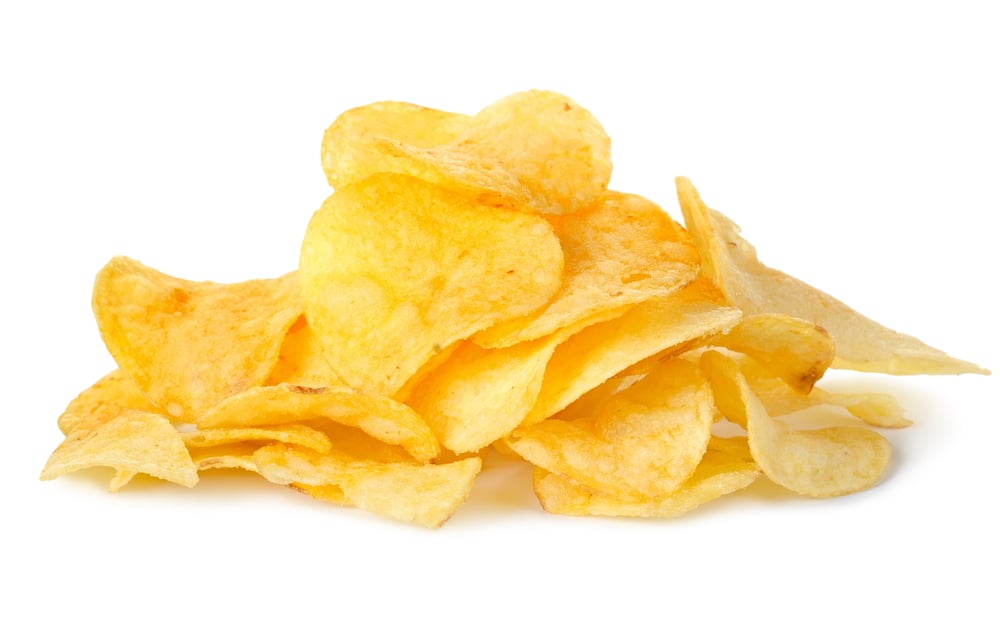
The most popular story credits George Crum, a chef at Moon’s Lake House in Saratoga Springs, New York, in 1853. According to legend, a customer complained that his fried potatoes were too thick and sent them back to the kitchen.
Crum decided to annoy the picky diner by slicing the potatoes paper-thin, frying them until they were too crispy to eat with a fork, and covering them in salt. The customer supposedly loved them.
The thin, crispy potatoes became popular and were soon known as Saratoga Chips. But the story has problems.
Cornelius Vanderbilt, often named as the complaining customer, was actually in Europe that summer. Recipes for thinly sliced fried potatoes existed before 1853.
An 1849 newspaper article praised a cook named Eliza at Moon’s for her potato frying skills, years before Crum allegedly invented the chip. Crum’s sister Catherine also claimed she invented them by accident.
Nobody knows for sure who invented the potato chip or where. What’s clear is that Saratoga Springs popularized them in the mid-1800s, and they eventually became the packaged snack you find everywhere today.
The spiteful story makes for good marketing, but the truth is probably less dramatic.
Penicillin
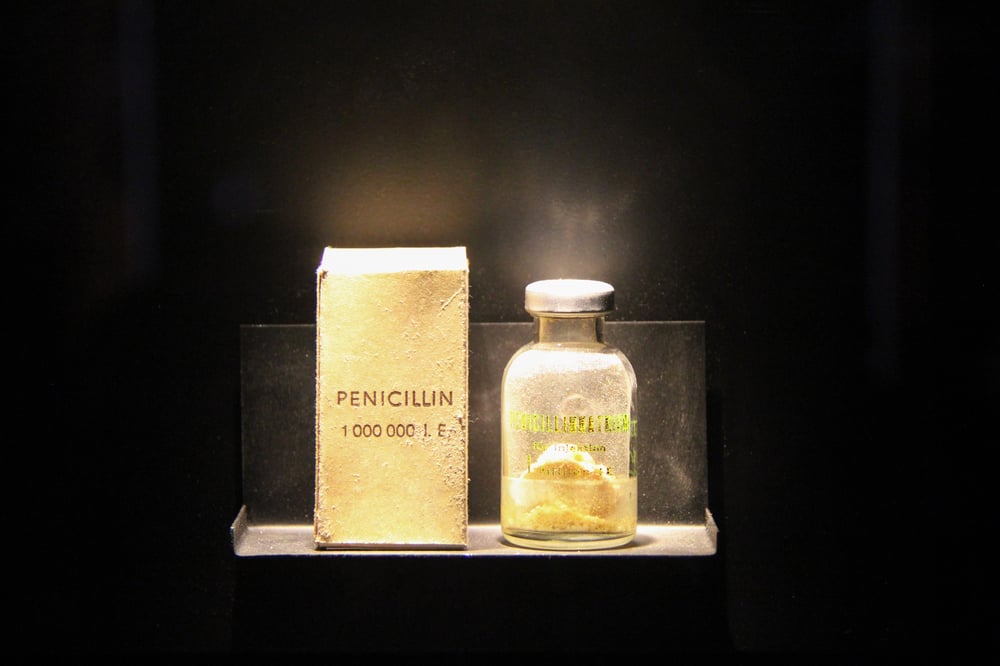
Alexander Fleming returned from vacation in 1928 to find his lab in disarray. He’d left bacterial cultures sitting out, and mold had contaminated one of the petri dishes.
Most scientists would have thrown it away and started over. Fleming noticed something strange.
The bacteria near the mold had died. The mold was producing a substance that killed the bacteria.
He identified it as coming from the Penicillium genus and named it penicillin. This accidental discovery became the first widely used antibiotic and saved millions of lives.
Fleming’s messy lab habits led to one of the most important medical breakthroughs in history.
Chocolate Chip Cookies
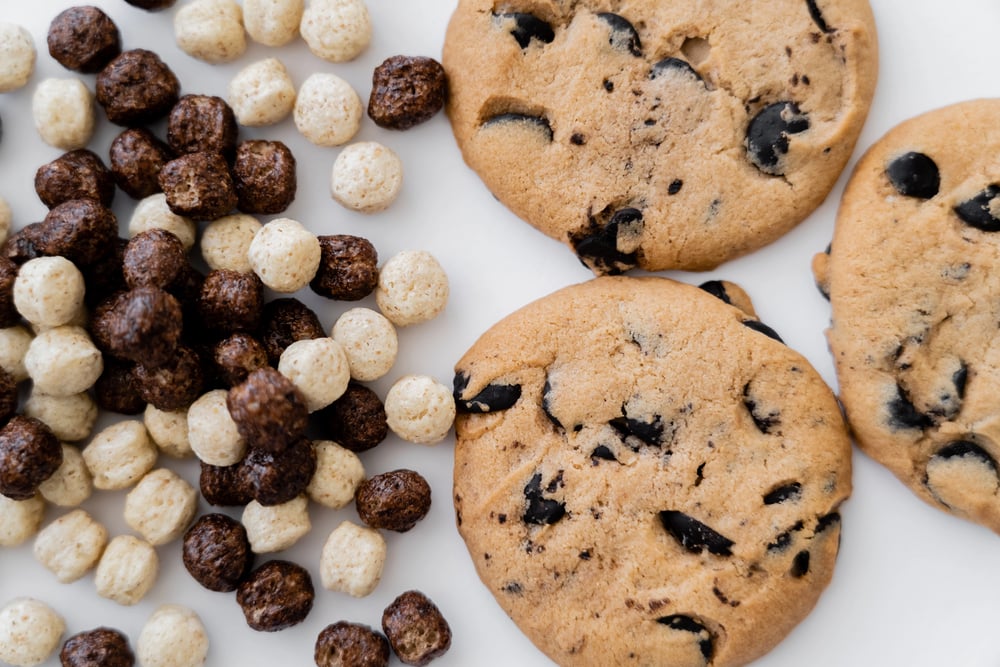
Ruth Wakefield ran the Toll House Inn in Massachusetts during the 1930s. In 1937 or 1938, while making butter cookies, she chopped up a Nestle semi-sweet chocolate bar and mixed the pieces into the dough.
The popular story says she ran out of baker’s chocolate and substituted the bar, expecting it to melt. A more accurate version says she deliberately experimented with the recipe.
Either way, the chocolate chunks stayed intact, creating pockets of melted chocolate throughout the cookie. Guests loved the result.
Wakefield struck a deal with Nestle, giving them the recipe in exchange for a lifetime supply of chocolate. The Toll House cookie recipe appeared on Nestle packages, and chocolate chip cookies became an American standard.
By 1939, Nestle was producing chocolate chips specifically for the recipe.
Microwave Ovens

Percy Spencer was working on radar equipment for Raytheon in 1945 when he noticed something odd. The chocolate bar in his pocket had melted.
He was standing in front of a magnetron, a tube that produces microwaves for radar systems. Spencer tested the effect by placing popcorn kernels near the magnetron.
They popped. He tried an egg.
It exploded. He realized microwaves could cook food quickly by heating water molecules inside it.
Raytheon built the first commercial microwave oven in 1947. It was the size of a refrigerator and cost thousands of dollars.
Decades later, smaller and cheaper versions became standard in kitchens worldwide.
Super Glue
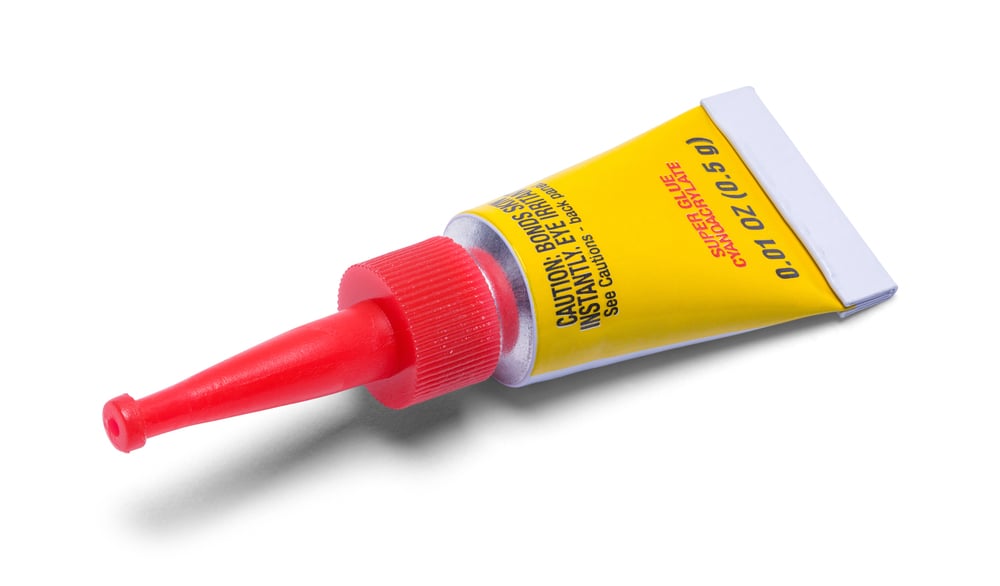
Harry Coover was trying to develop clear plastic gun sights for the military during World War II. He tested a substance called cyanoacrylate but rejected it because it stuck to everything and ruined his equipment.
Years later, in 1951, Coover was working on heat-resistant jet canopies when he encountered cyanoacrylate again. This time he recognized its potential.
The substance bonded instantly to almost any surface and didn’t require heat or pressure. Eastman Kodak started selling it as Super Glue in 1958.
What was once a nuisance became a household essential.
Popsicles
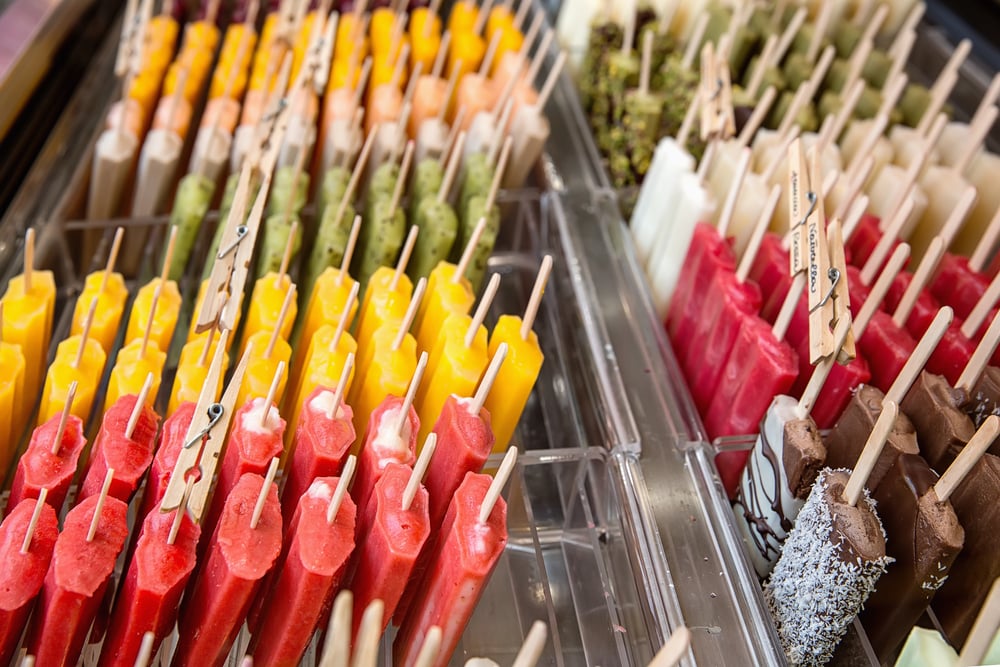
Frank Epperson was 11 years old in 1905 when he left a cup of powdered soda mix and water on his porch overnight with a stirring stick in it. The temperature dropped below freezing.
The next morning, he found the mixture of frozen solid around the stick. He called it the Epsicle and made them for friends.
Nearly 20 years later, in 1923, he started selling them at an amusement park. His children called them Pop’s sicles, and the name stuck.
He patented the Popsicle and sold the rights during the Great Depression. The frozen treat became one of the most popular summer snacks for children.
Safety Glass
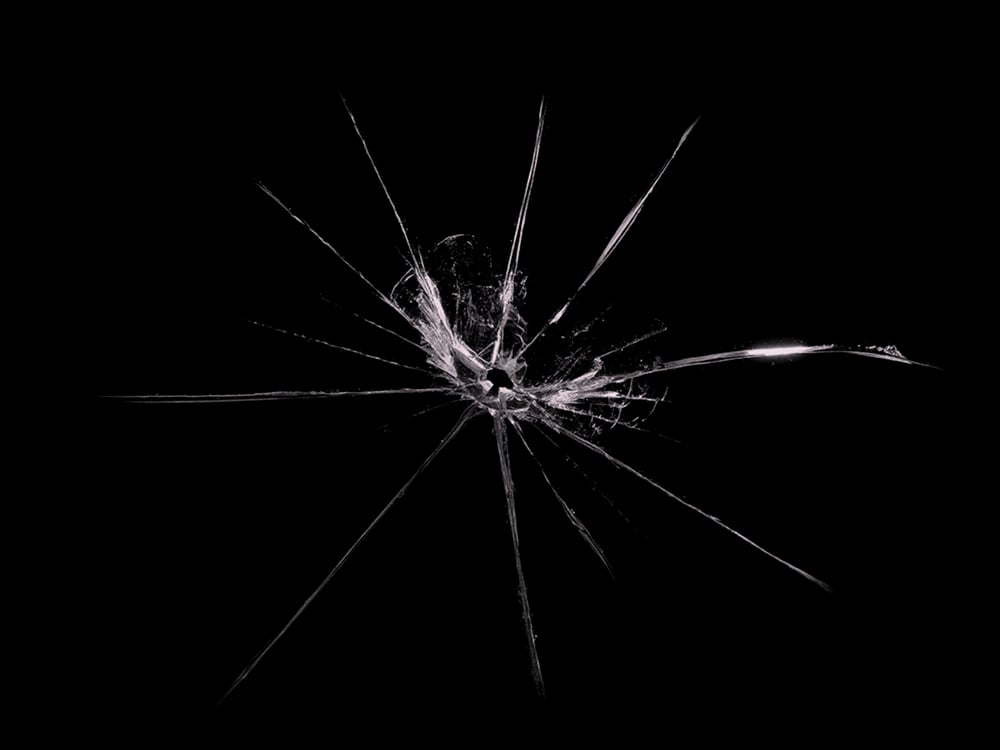
Edouard Benedictus, a French chemist, knocked a glass flask off a shelf in his lab in 1903. The glass didn’t shatter into dangerous shards.
Instead, it cracked but held together. Benedictus investigated and discovered that the flask had contained a plastic solution that had evaporated, leaving a thin coating inside the glass.
This coating held the fragments in place when the glass broke. He saw the potential for reducing injuries from broken glass and patented safety glass in 1909.
Car manufacturers initially resisted the innovation because it was expensive, but it eventually became standard in windshields after reducing injuries in accidents.
Cornflakes
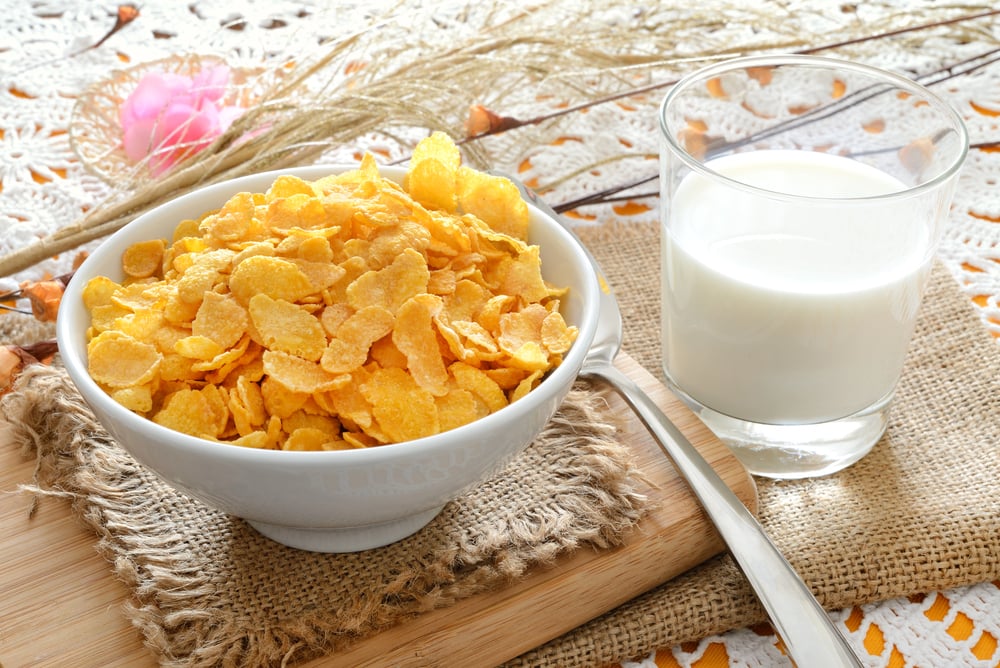
John Harvey Kellogg ran a health sanitarium in Battle Creek, Michigan, with his brother Will in the late 1800s. They were trying to create nutritious bread dough for patients but left a batch of boiled wheat sitting out too long.
The wheat went stale. Rather than waste it, they decided to roll it out anyway.
The wheat broke into flakes. They toasted the flakes and served them to patients, who enjoyed the crunchy texture.
The brothers experimented with corn and created cornflakes. Will later added sugar, against John’s wishes, and founded the Kellogg Company in 1906.
The breakfast cereal industry grew from that stale batch of wheat.
Saccharin

Constantin Fahlberg was researching coal tar derivatives at Johns Hopkins University in 1879. One evening, he went home for dinner without washing his hands after working in the lab.
Everything he ate tasted unusually sweet. He rushed back to the lab and tasted various compounds he’d been working with until he found the source—a substance he named saccharin.
It was hundreds of times sweeter than sugar and had no calories. Saccharin became the first artificial sweetener and remained popular for decades.
Fahlberg’s poor hygiene led to a product that changed the food and beverage industry.
Silly Putty
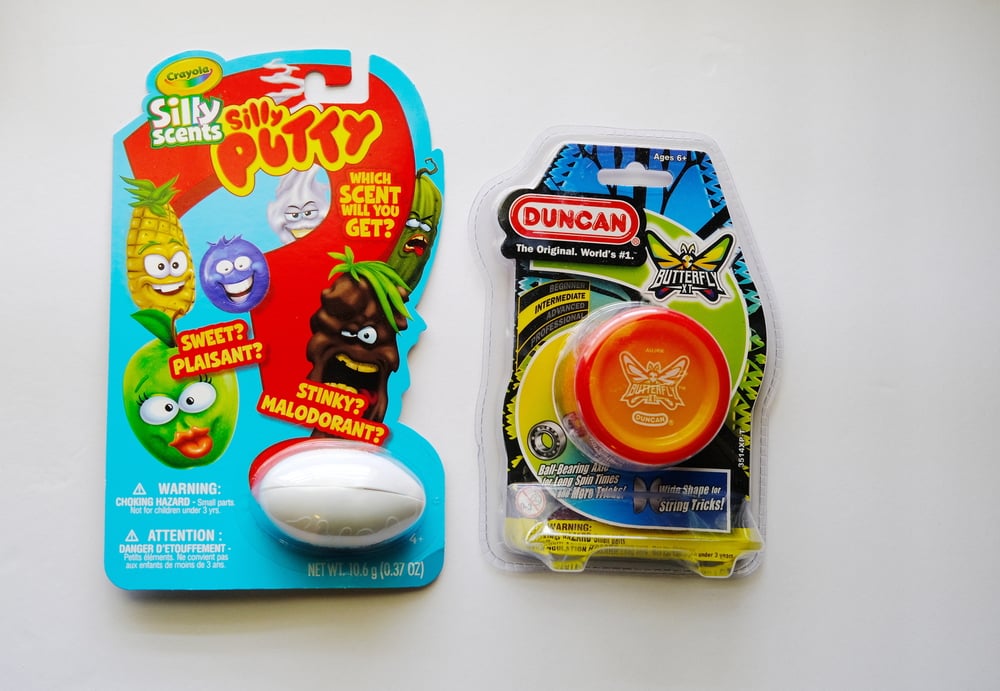
James Wright was trying to create synthetic rubber for the military during World War II. The U.S. faced a rubber shortage, and the government needed alternatives for vehicle tires and military equipment.
Wright mixed boric acid with silicon oil and created a substance that bounced, stretched, and copied newsprint when pressed against it. The military rejected it.
The material wasn’t suitable for any practical application. A toy store owner named Peter Hodgson saw potential in the strange substance and started marketing it as a toy in 1950.
Silly Putty became popular with children and adults. It even went to space with Apollo 8 astronauts, who used it to secure tools in zero gravity.
Wright’s failed rubber substitute found success in an unexpected market.
Velcro
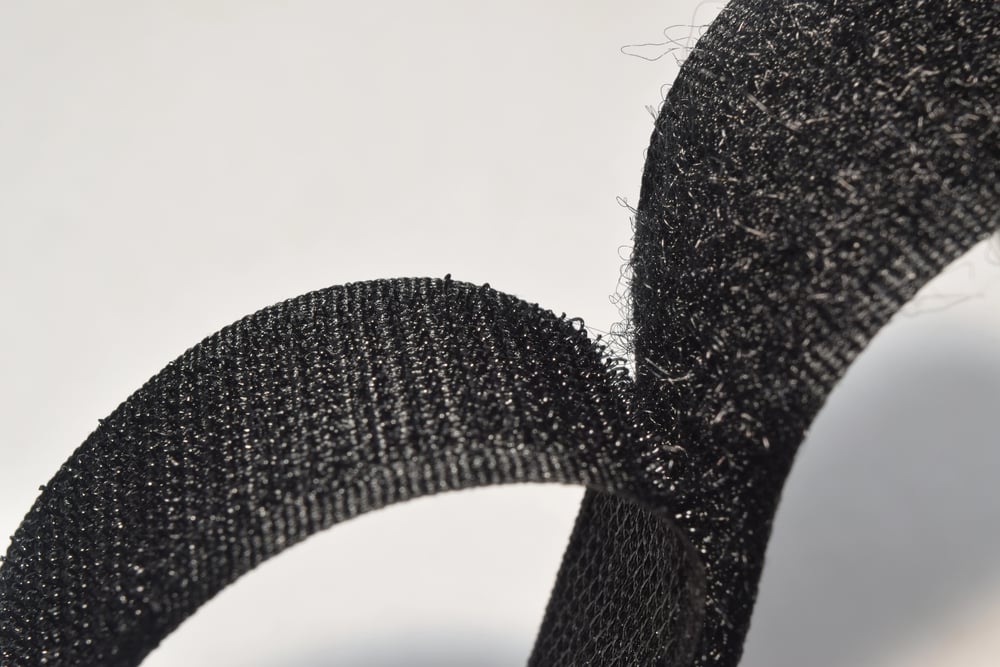
George de Mestral was hunting in the Swiss Alps in 1941 when burrs from burdock plants stuck to his clothes and his dog’s fur. Most people would have pulled them off and forgotten about them.
De Mestral examined the burrs under a microscope. He saw tiny hooks that caught on loops in fabric and fur.
He spent years developing a fastener that mimicked this natural mechanism, creating one strip with hooks and another with loops. He called it Velcro, combining the French words “velours” (velvet) and “crochet” (hook).
NASA later used Velcro extensively in spacesuits and spacecraft. A plant burr became a fastening system used in everything from shoes to medical devices.
Teflon
Roy Plunkett was working for DuPont in 1938, trying to develop new refrigerants. He stored a gas called tetrafluoroethylene in cylinders under pressure.
When he opened one cylinder to use the gas, nothing came out. The cylinder’s weight indicated something was still inside.
Plunkett cut the cylinder open and found a white, waxy substance. The gas had polymerized into a material with unusual properties.
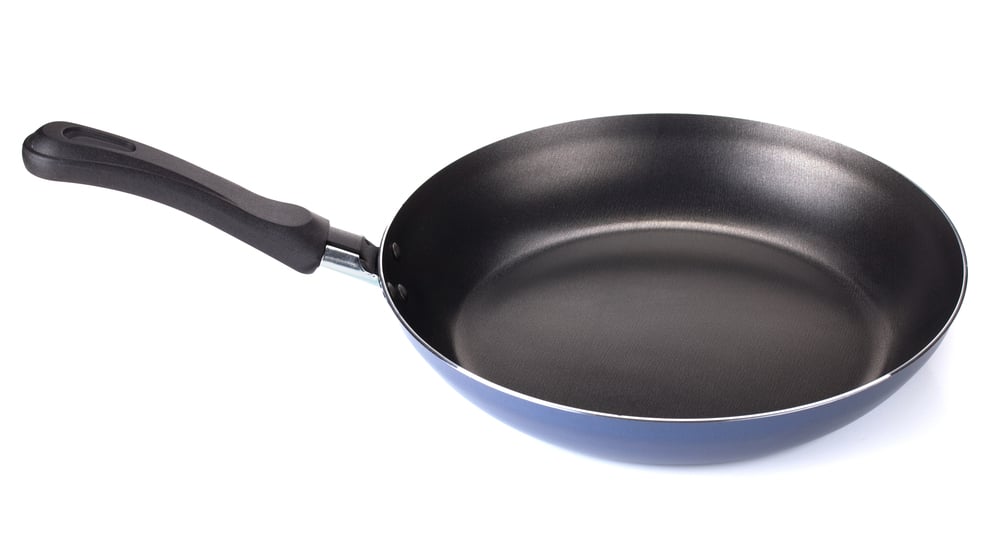
It was slippery, resistant to heat and chemicals, and didn’t react with other substances. DuPont named it Teflon and initially used it in military applications.
It became famous in the 1960s when manufacturers started coating cooking pans with it. The non-stick surface that revolutionized cooking came from a gas that mysteriously transformed itself.
Play-Doh
Noah McVicker created a putty-like compound in the 1930s to clean coal dust off wallpaper. Homes heated with coal left walls dirty, and the putty could absorb soot without damaging the wallpaper underneath.
When homes switched to natural gas heating, demand for the product disappeared. McVicker’s nephew, Joseph, learned that a teacher was using the compound for arts and crafts with children.
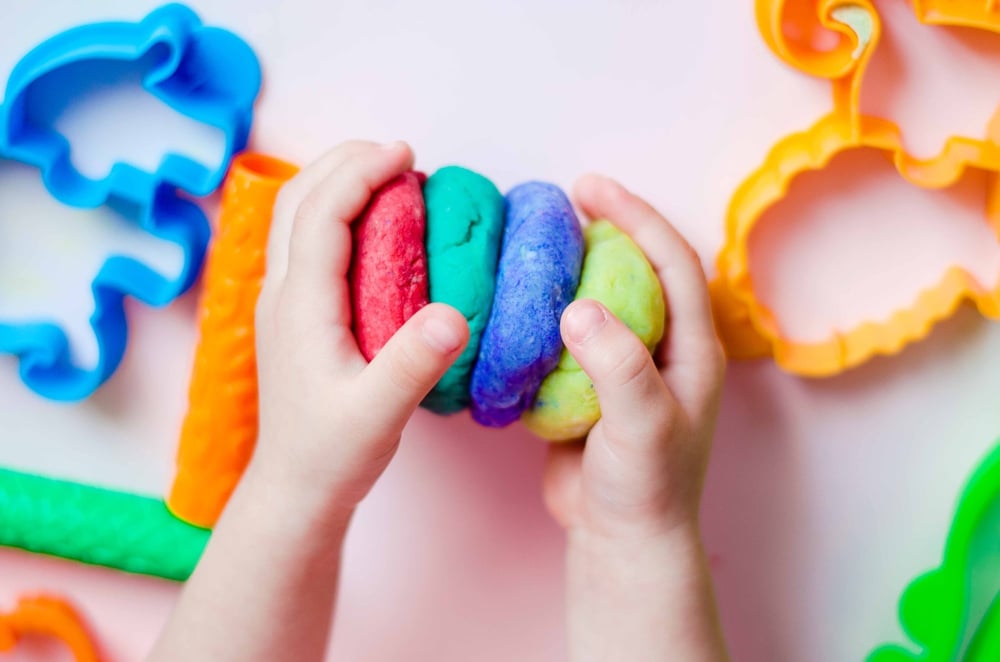
He saw a new market and reformulated it as a toy. They removed the cleaning agents, added colors and a pleasant scent, and rebranded it as Play-Doh in 1956.
The wallpaper cleaner became one of the most popular children’s toys. Over two billion cans have been sold since then.
When Mistakes Become Breakthroughs

These accidents share a pattern. Someone was looking for one thing and found another.
The key was recognizing that the mistake had value, even if it wasn’t the value they were seeking. Post-it Notes failed as strong glue but succeeded as weak glue.
Penicillin was contamination that killed bacteria. Chocolate chip cookies were supposed to be chocolate cookies.
The difference between a mistake and an invention often comes down to whether you throw it away or examine it more closely. Most failed experiments end up in the trash.
These didn’t, and the result is products you use without thinking about their origins. The lesson isn’t that accidents create success.
It’s that paying attention to accidents sometimes does.
More from Go2Tutors!

- The Romanov Crown Jewels and Their Tragic Fate
- 13 Historical Mysteries That Science Still Can’t Solve
- Famous Hoaxes That Fooled the World for Years
- 15 Child Stars with Tragic Adult Lives
- 16 Famous Jewelry Pieces in History
Like Go2Tutors’s content? Follow us on MSN.