Facts About Construction of the Longest Bridges
Building a bridge is hard enough when it spans a small river. But what about bridges that stretch for dozens of miles across water, swamps, or valleys? The longest bridges in the world pushed engineering to its absolute limits, and the stories behind their construction are filled with incredible challenges, surprising solutions, and determination that’s hard to believe.
These projects weren’t just about laying down concrete and steel. They were about conquering nature, weather, and physics itself.
Let’s look at what it actually took to build these engineering giants.
The Danyang-Kunshan Grand Bridge took four years and 10,000 workers
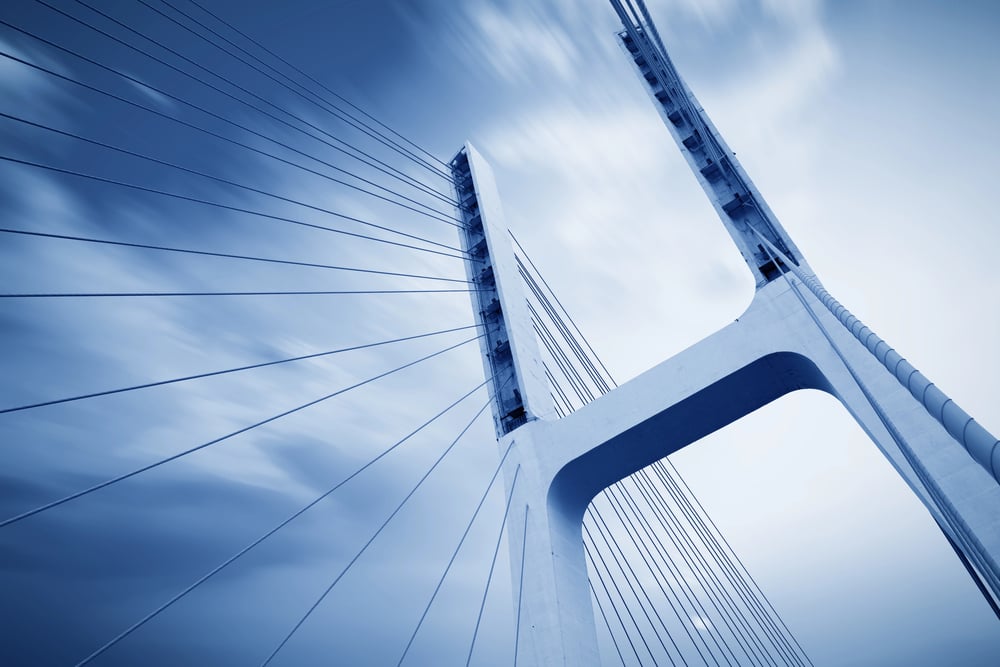
This Chinese bridge holds the world record at 102 miles long. That’s longer than the distance many people drive to work.
The construction required an army of 10,000 workers operating around the clock in shifts. They used 2.5 million cubic yards of concrete and 500,000 tons of steel, which is roughly enough steel to build 60 Eiffel Towers.
The bridge crosses rice paddies, rivers, lakes, and even passes over Yangcheng Lake, which is famous for its crabs. Workers completed the entire structure in just four years, which seems impossible given its length.
The speed came from building multiple sections simultaneously across different locations and then connecting them.
Lake Pontchartrain Causeway floats on hollow concrete boxes

This Louisiana bridge stretches 24 miles across open water, making drivers feel like they’re practically driving on the lake itself. The bridge doesn’t rest on solid ground underneath because the lake bottom is too soft and muddy.
Instead, engineers designed hollow concrete boxes that provide buoyancy while supporting the roadway. These boxes essentially let sections of the bridge float while staying anchored.
During construction, workers dealt with hurricanes, which destroyed parts of the bridge multiple times before it was even finished. The second span was added in 1969, running parallel to the original, and both have survived countless storms since then.
Bang Na Expressway used prefabricated segments like giant Lego pieces
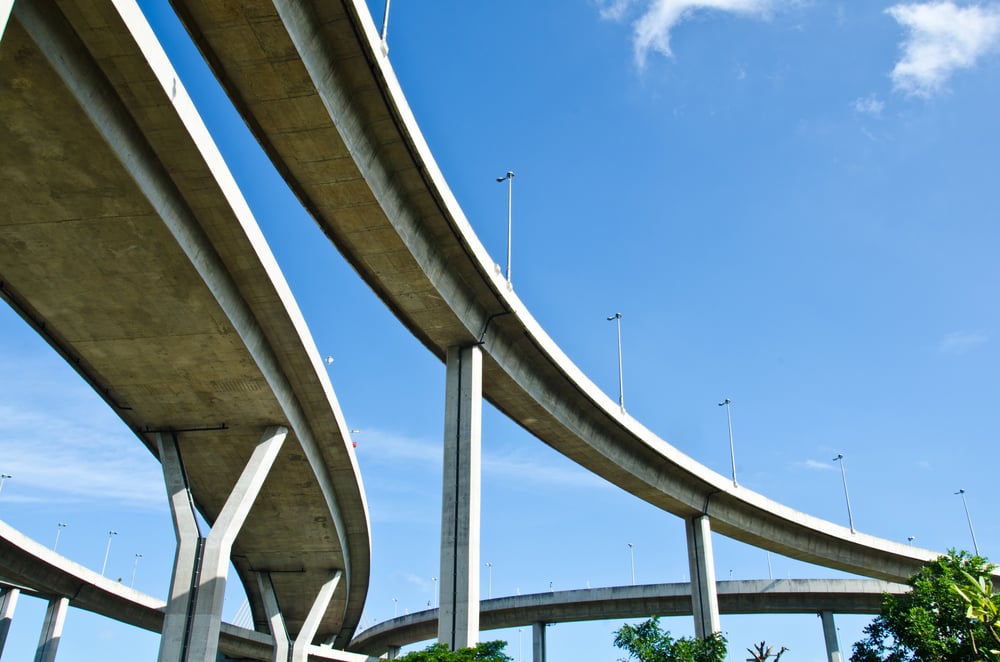
Thailand’s 34-mile elevated highway was built using a technique that sounds simple but required incredible precision. Workers constructed bridge segments in a factory, then transported them to the construction site.
Giant cranes lifted these pre-made pieces into place, fitting them together with tolerances measured in millimeters. This method kept construction moving fast and reduced the need for work directly over busy roads below.
The entire expressway cost about $1 billion, which breaks down to roughly $30 million per mile. Engineers chose this elevated design specifically to avoid disrupting the massive amount of traffic on the roads underneath during construction.
Hangzhou Bay Bridge battles some of the world’s most corrosive water

This 22-mile bridge crosses water that’s incredibly harsh on building materials due to its salt content and sediment. Engineers had to develop special concrete that could withstand the corrosive environment for at least 100 years.
The bridge sits in an area with strong tides and fast currents, which made placing foundations extremely difficult. Typhoons regularly hit the region, so the structure had to be designed to flex and move with powerful winds.
Construction workers faced waves up to 20 feet high during bad weather. Despite all these challenges, they finished the bridge in just five years, opening it in 2008.
Hong Kong-Zhuhai-Macau Bridge includes an underwater tunnel to avoid planes

This 34-mile connection between Hong Kong, Macau, and mainland China includes something unique: a section that dives underwater. Engineers built a tunnel for part of the route because a tall bridge would interfere with planes taking off and landing at nearby Hong Kong International Airport.
The tunnel section sits inside a trench on the sea floor and stretches for 4 miles. Workers built the tunnel in sections on land, then floated them out to sea and sank them into position.
The entire project took nine years and cost over $20 billion. The bridge portion includes cable-stayed spans that rise high enough for large ships to pass underneath.
Akashi Kaikyo Bridge survived an earthquake during construction
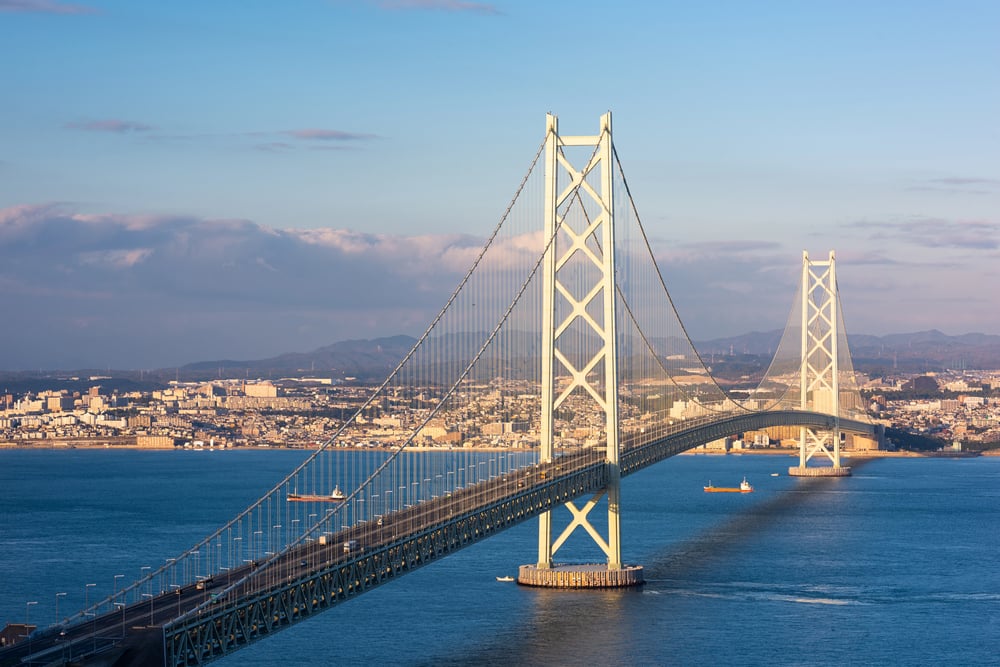
Japan’s record-breaking suspension bridge stretches 12,831 feet between towers, making it the longest suspension bridge in the world. During construction in 1995, the Great Hanshin earthquake hit, measuring 6.9 on the Richter scale.
The earthquake moved one of the bridge towers, pushing the two towers about 3 feet farther apart than planned. Engineers had to redesign the bridge deck to accommodate this unexpected change in the middle of construction.
The bridge uses enough cable wire to circle the Earth seven times. Builders designed it to withstand wind speeds up to 178 miles per hour and earthquakes up to 8.5 magnitude.
The construction took ten years and required developing new technologies that had never been used before.
Manchac Swamp Bridge workers battled snakes and alligators

Building a bridge through Louisiana swampland meant dealing with wildlife that didn’t appreciate the intrusion. The 23-mile bridge crosses one of the most haunted-looking swamps in America, filled with cypress trees draped in Spanish moss.
Workers had to drive concrete pilings deep through water and mud to reach solid ground, sometimes going down over 250 feet. The swamp terrain was so unstable that traditional construction methods wouldn’t work.
Some sections of the bridge had to be built on floating platforms because there was no way to establish solid ground. The local legend says the swamp is cursed, but the real curse was probably the mosquitoes, heat, and humidity workers endured.
Tianjin Grand Bridge construction moved faster than a marathon runner
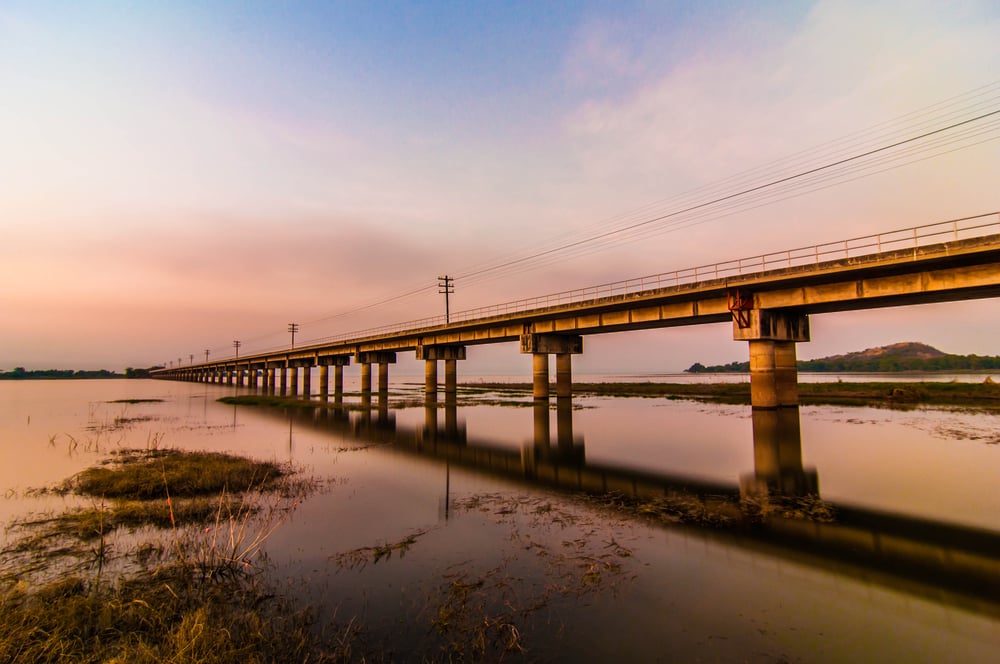
At 70 miles long, this Chinese railway bridge took only two years to complete. If you do the math, that means workers averaged building more than 35 miles of bridge per year.
The bridge carries high-speed trains traveling up to 186 miles per hour, so the construction tolerances had to be incredibly tight. Any misalignment, even by a small amount, would derail trains at those speeds.
Thousands of concrete pillars support the structure, each one driven deep into the ground. The flat terrain helped speed up construction, but coordinating that many workers across such a long distance was a logistical nightmare.
This bridge is part of the Beijing-Shanghai High-Speed Railway and carries millions of passengers every year.
Weinan Weihe Grand Bridge crosses an active earthquake zone
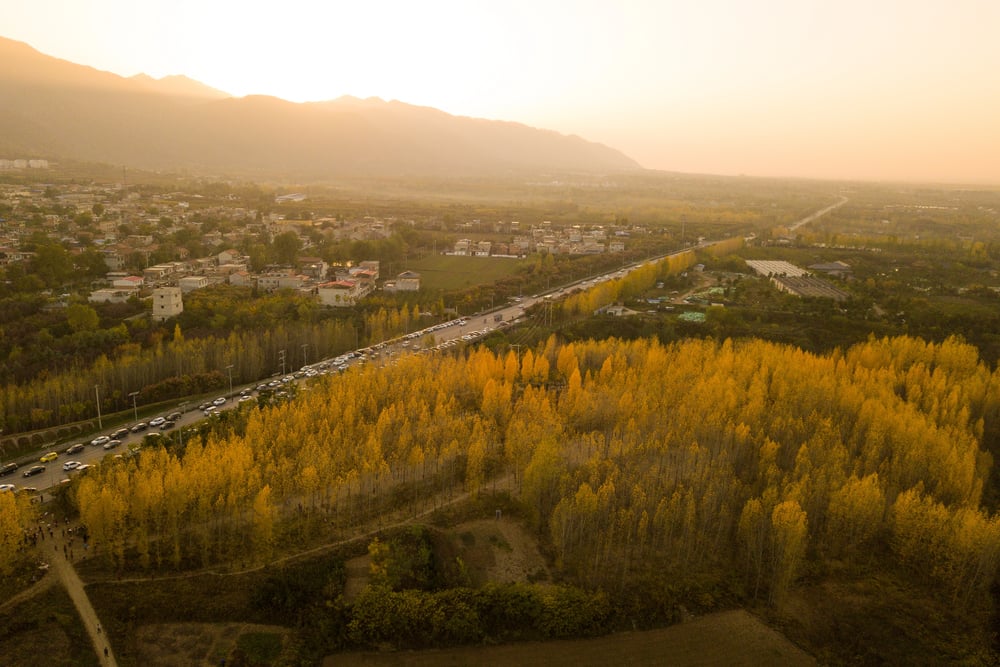
This 49-mile bridge in China’s Shaanxi Province had to be designed to flex and move during earthquakes. The region experiences regular seismic activity, which meant engineers couldn’t use rigid construction methods.
They installed special joints that allow the bridge to shift during earthquakes without collapsing. The bridge crosses the Wei River, which floods regularly, so foundations had to go deep enough to avoid erosion.
Construction required boring down through layers of loose soil to reach bedrock in some places. Workers completed the bridge in just four years despite these challenges.
It carries high-speed trains, so every joint and connection had to be perfect to prevent vibrations that passengers would feel.
Chesapeake Bay Bridge-Tunnel required artificial islands in open water

This 17.6-mile crossing includes both bridges and tunnels, with two mile-long tunnels that go underwater. Engineers created four artificial islands to serve as entry and exit points for the tunnels.
Building islands in the middle of Chesapeake Bay required dumping thousands of tons of rock and sand into deep water. The tunnels were necessary because the U.S. Navy needed to maintain clearance for large ships and didn’t want tall bridge towers that could be security risks.
Workers built the tunnel sections on land, floated them out, and sank them into trenches dredged in the bay floor. The project took three and a half years and opened in 1964.
Ships still pass overhead while cars drive underneath, which is a strange experience for both.
Jiaozhou Bay Bridge saved construction time with a curved design

This 26-mile bridge in China takes a curved path across the bay instead of going straight. The curve actually made construction easier by avoiding the deepest water and strongest currents.
Engineers divided the project into different sections, with separate teams working on each part simultaneously. The bridge includes a section with cable-stayed spans that rises high enough for ships to pass underneath.
Workers poured concrete continuously for 24 hours in some sections to avoid weak joints. The bridge opened in 2011 and immediately became one of the busiest in China.
On a clear day, drivers can see the entire curved span stretching across the blue water.
Vasco da Gama Bridge used a floating crane bigger than a football field
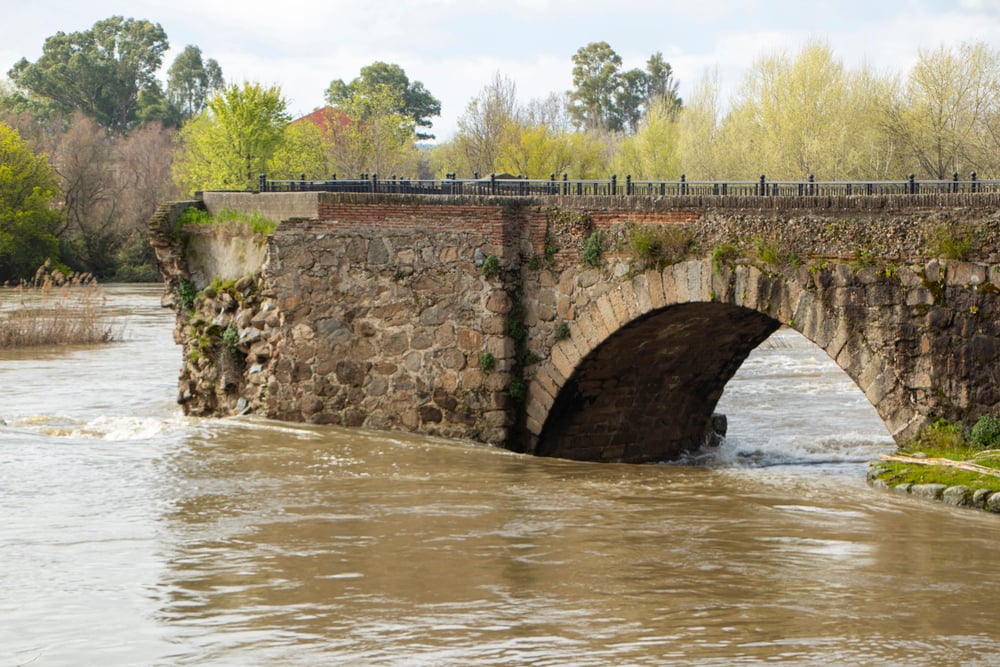
Portugal’s longest bridge stretches 10 miles across the Tagus River near Lisbon. Builders used a massive floating crane that was itself an engineering wonder.
This crane could lift entire bridge sections weighing thousands of tons. The bridge was designed to last 120 years and withstand the strongest earthquake expected in the region during that time.
Construction happened mostly at night to avoid disrupting ship traffic on the busy river. The project employed 3,300 workers and took 18 months to complete.
Engineers purposefully designed the bridge to be low-slung and graceful rather than imposing, so it wouldn’t dominate the landscape. The gentle curves and clean lines made it as much an art piece as a functional structure.
Oresund Bridge connects two countries with different building standards

This 5-mile bridge links Sweden and Denmark, which meant reconciling two different sets of building codes and regulations. Engineers had to satisfy both countries’ safety requirements, environmental laws, and design standards.
The bridge connects to a tunnel, with the transition happening on an artificial island built specifically for this purpose. Strong currents in the Oresund Strait made underwater work extremely difficult.
Builders had to time construction around weather windows when the water was calm enough to work. The project cost $3.7 billion and took five years to complete.
Now cars and trains cross between countries in minutes instead of requiring a ferry ride.
Millau Viaduct workers dealt with extreme heights and wind
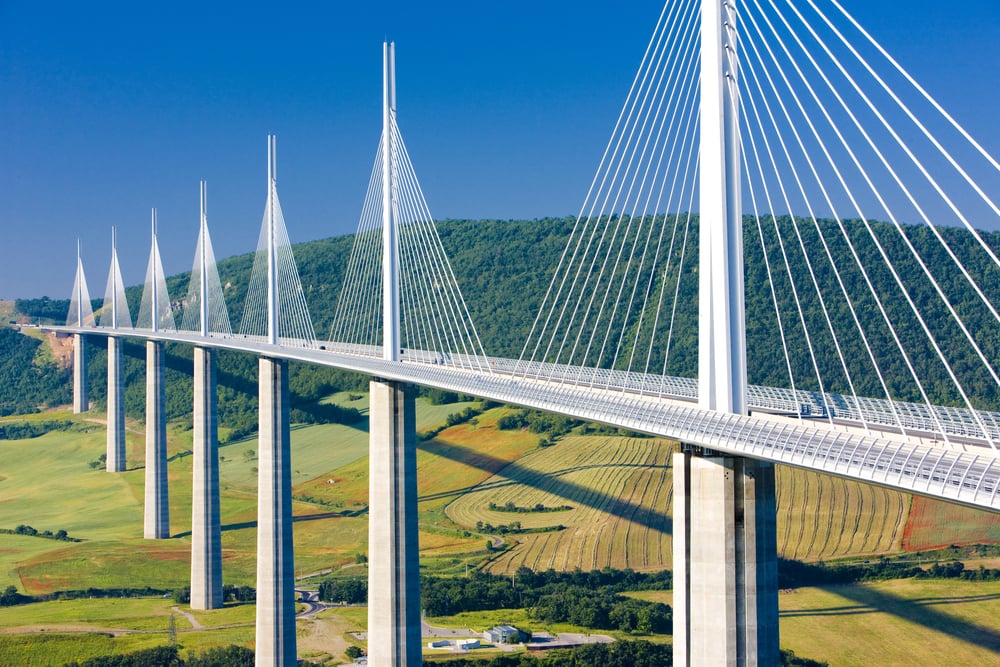
This French bridge isn’t the longest, but at 1,125 feet tall, it’s the tallest bridge in the world. Construction workers had to overcome fear of heights just to show up for work.
The bridge crosses a valley in southern France, and workers often couldn’t see the ground below due to fog and clouds. Wind at that height made crane operations extremely dangerous, with work stopping whenever gusts exceeded safe limits.
The tallest tower is taller than the Eiffel Tower, and driving across the bridge feels like flying. British architect Norman Foster designed the bridge to look delicate despite its massive scale.
It took three years to build and uses seven pillars that seem impossibly thin for supporting such a long span.
Brooklyn Bridge construction claimed lives and limbs
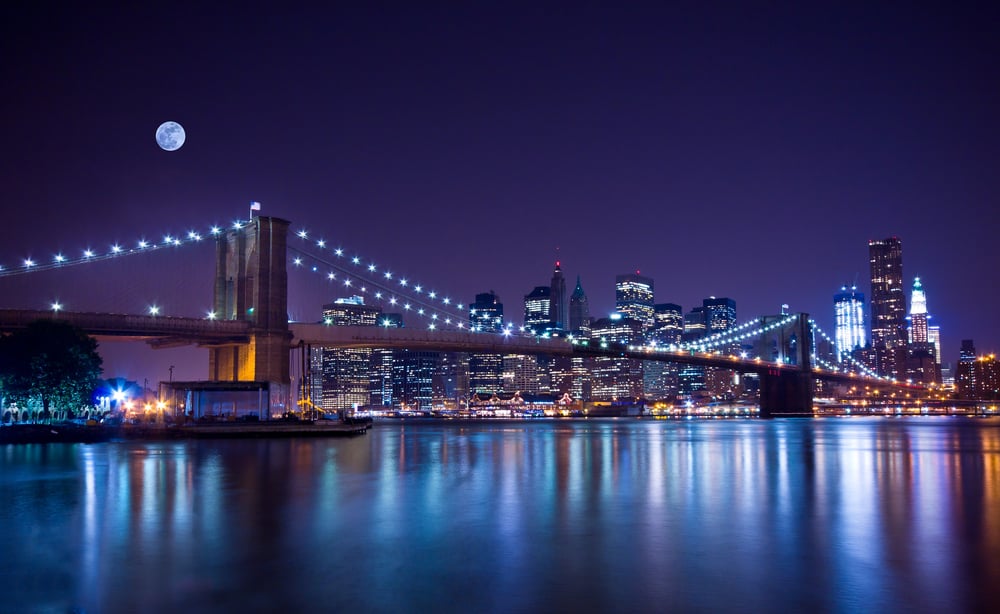
Though not among the longest today, the Brooklyn Bridge was a groundbreaking feat when completed in 1883. Workers suffered from the bends (decompression sickness) while working in pressurized chambers underwater.
The chief engineer, Washington Roebling, became paralyzed from the condition and directed construction from his apartment using a telescope. His wife, Emily Warren Roebling, essentially took over as project manager, learning engineering on the job.
Twenty workers died during the 14 years of construction. The bridge used a then-revolutionary design with steel cables, a material that many engineers didn’t trust at the time.
When it opened, some people were afraid to walk across it until P.T. Barnum led 21 elephants over it to prove it was safe.
Confederation Bridge endured -40 degree winters

Connecting Prince Edward Island to mainland Canada required building in some of the harshest winter conditions imaginable. The 8-mile bridge crosses the Northumberland Strait, where temperatures drop to -40 degrees Fahrenheit and ice chunks the size of houses float through.
Workers built most bridge components on land during summer, then installed them during brief weather windows. Ice was actually the biggest engineering challenge, not weight or wind.
The bridge had to be designed so ice would break and slide off rather than accumulating and causing damage. Construction took four years and required developing new types of concrete that wouldn’t crack in extreme cold.
The bridge includes special joints that allow it to expand and contract with temperature changes of over 100 degrees between summer and winter.
Penang Bridge workers raced against monsoon seasons
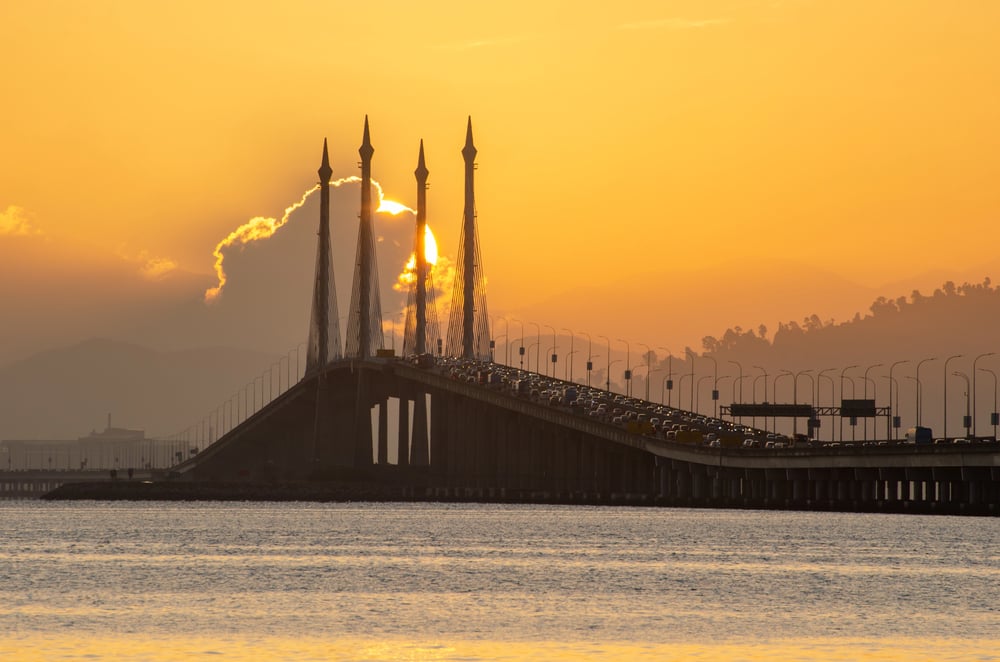
Malaysia’s 8.4-mile bridge had to be built around monsoon rains that made construction impossible for months at a time. Workers had narrow windows between storms to pour concrete and install components.
The tropical heat was so intense that concrete had to be poured early in the morning before temperatures climbed too high. High humidity made it difficult for concrete to cure properly, requiring special additives.
The bridge crosses shipping lanes, so construction couldn’t interfere with the constant flow of cargo ships. Engineers designed it to handle both earthquakes and typhoons, two forces that rarely threaten the same structure in other parts of the world.
The project provided jobs for thousands of local workers and became a source of national pride when it opened in 1985.
From impossible dreams to daily commutes

The longest bridges once seemed like fantasy. Engineers of previous centuries would have called these projects impossible, and they would have been right with the technology available at the time.
But construction techniques evolved, new materials were developed, and human determination found ways around every obstacle. Today, millions of people drive across these bridges daily without thinking about the years of planning, the dangerous working conditions, or the lives lost to build them.
These structures represent some of humanity’s greatest achievements, proving that with enough creativity and persistence, even the most impossible-looking projects can become reality. The bridges stand as monuments not just to engineering skill, but to what people can accomplish when they refuse to accept that something can’t be done.
More from Go2Tutors!

- The Romanov Crown Jewels and Their Tragic Fate
- 17 Halloween Costumes Once Considered Taboo
- Famous Hoaxes That Fooled the World for Years
- 15 Child Stars with Tragic Adult Lives
- 16 Famous Jewelry Pieces in History
Like Go2Tutors’s content? Follow us on MSN.