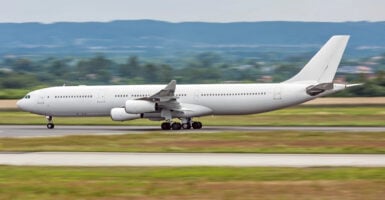
Facts About the Airbus A340-300
The Airbus A340-300 stands as one of aviation’s most reliable workhorses, serving airlines around the world for over three decades. This four-engine aircraft represents a unique chapter in commercial aviation history, built during an era when airlines valued range and reliability over fuel economy.
Despite newer twin-engine planes taking over long-haul routes, the A340-300 continues to prove its worth on challenging routes where four engines provide extra peace of mind. Let’s dive into the impressive details that make this aircraft such a remarkable machine in the world of commercial aviation.
Four engines provide unmatched reliability
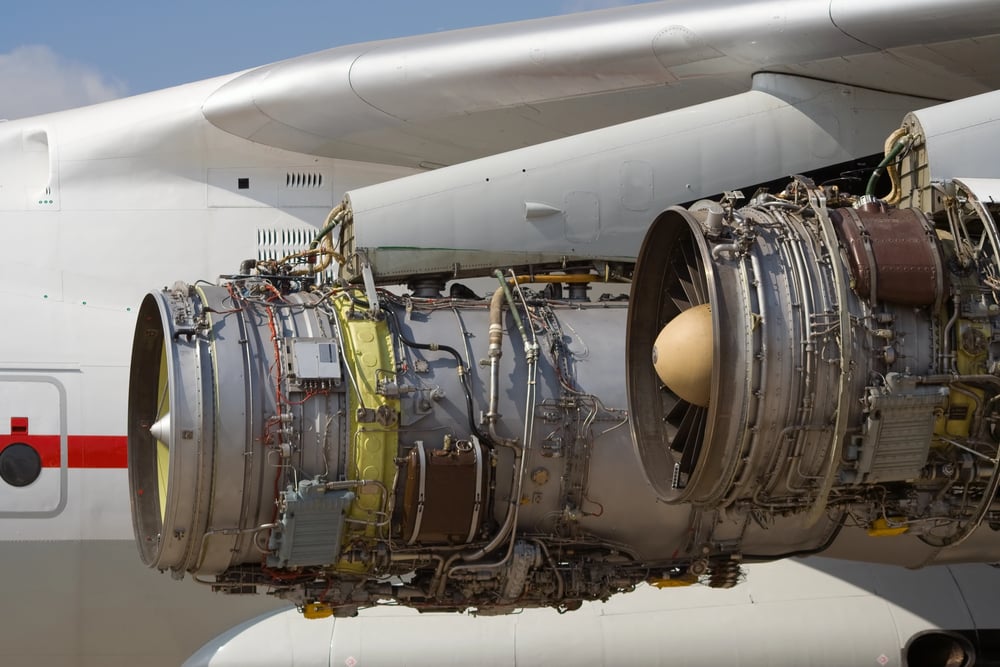
The A340-300 features four CFM56-5C4 engines, each producing 34,000 pounds of thrust. This quad-engine setup gives pilots and airlines confidence when flying over remote areas where emergency airports are scarce.
The four engine configuration is more efficient for long range flights than twins, which need more power for engine-out takeoff performance. Airlines loved that the plane could continue flying safely even if one engine failed completely during flight.
It can carry up to 295 passengers comfortably
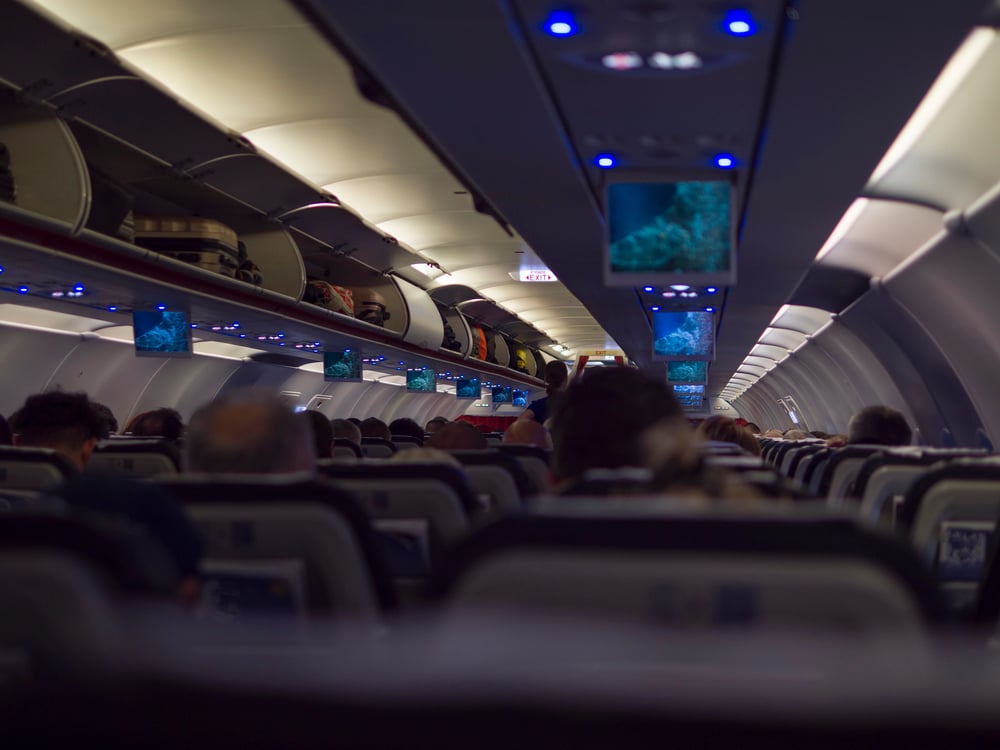
The Airbus A340-300’s capacity of up to 295 passengers in a three-class configuration makes it suitable for a wide range of routes. Airlines typically configure the cabin with first class, business class, and economy seating to maximize comfort and revenue.
The spacious interior allows for wide aisles and comfortable seating arrangements that passengers appreciate on long flights. Different airlines arrange the seating differently, with some focusing on luxury while others pack in more economy seats.
The aircraft measures over 200 feet long
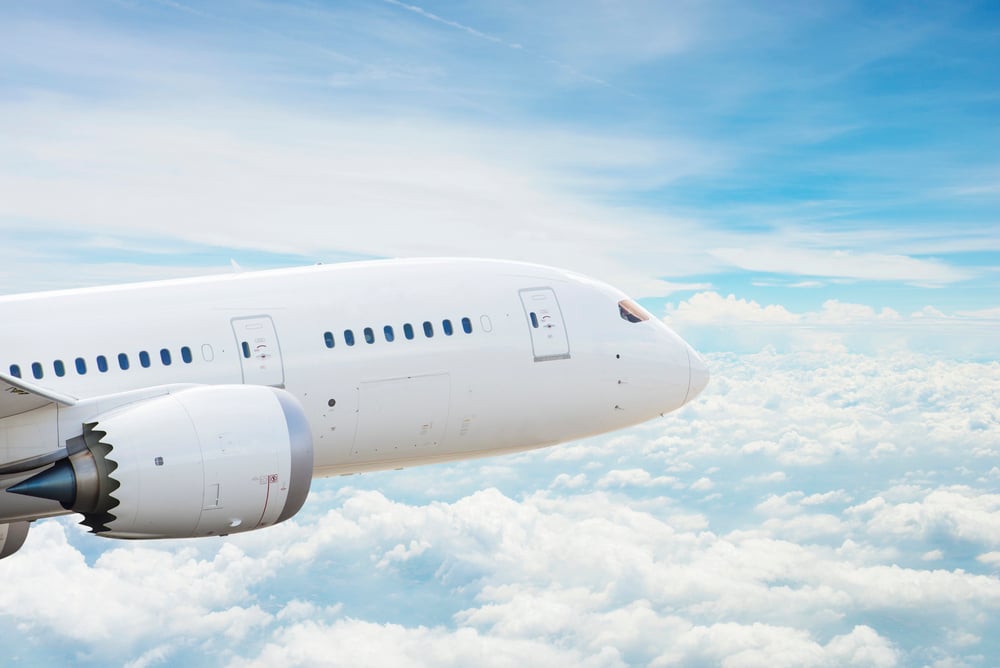
The A340-300 has a length of 63.66 meters, which equals about 209 feet from nose to tail. This makes it one of the longer single-aisle wide-body aircraft in the sky today.
The impressive length allows for the large passenger capacity while maintaining good balance and aerodynamics. Standing next to this aircraft on the ground really shows just how massive commercial airliners have become compared to smaller regional planes.
Its wingspan stretches nearly 200 feet across
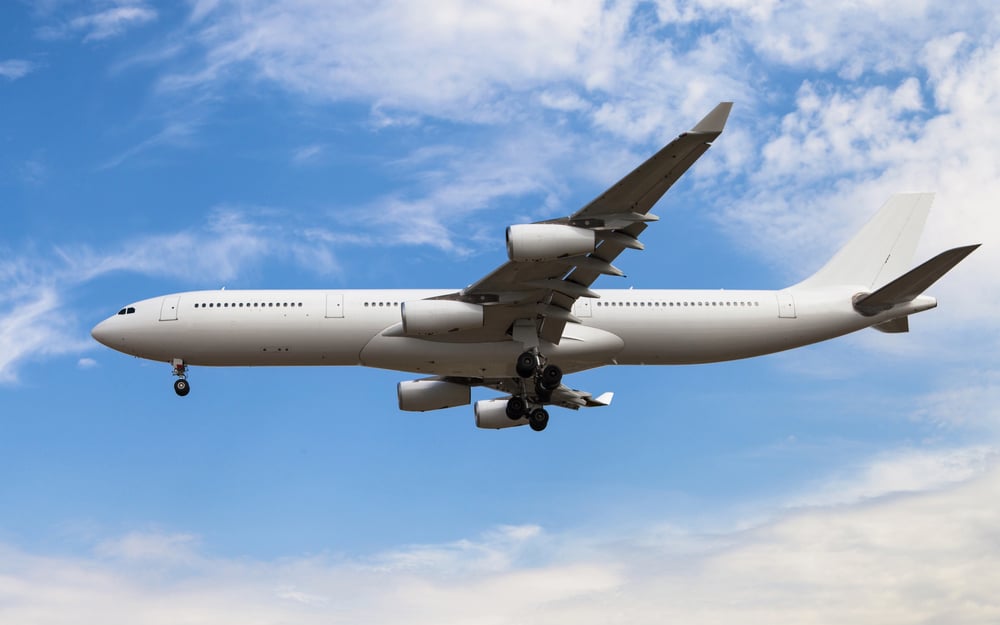
The wingspan measures 60.30 meters, or roughly 198 feet from wingtip to wingtip. This wide wingspan helps create the lift needed to get such a heavy aircraft off the ground and keep it flying efficiently.
The wings also house the fuel tanks that store the thousands of gallons needed for long international flights. Airport ground crews need special equipment and careful coordination when parking these wide aircraft at terminal gates.
Maximum takeoff weight reaches 271 tons
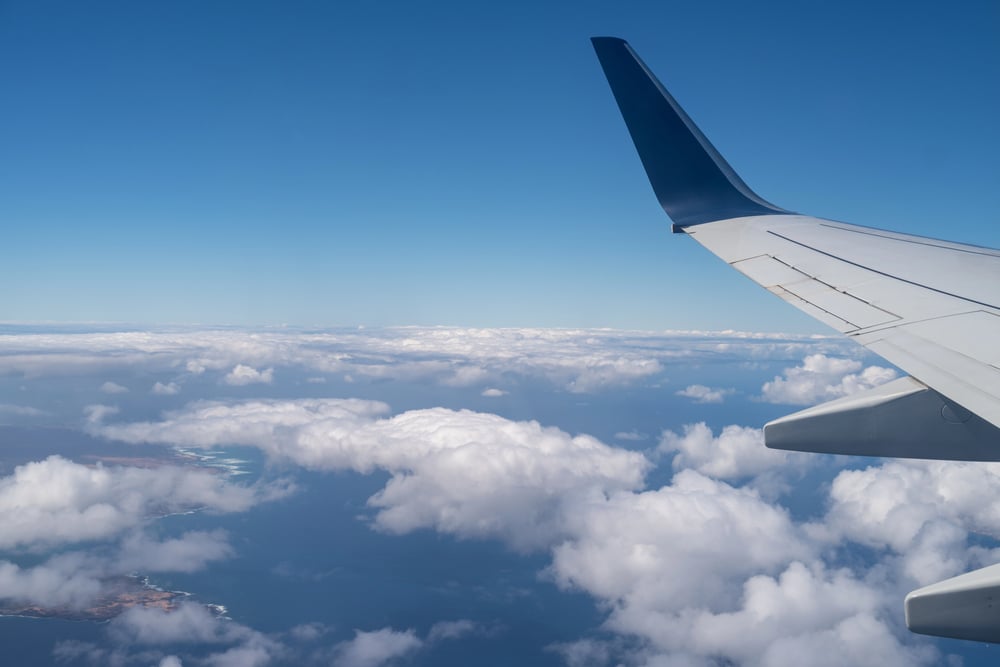
The maximum takeoff weight is 271 tonnes, which equals about 597,000 pounds when fully loaded with passengers, cargo, and fuel. This enormous weight requires powerful engines and strong landing gear to handle takeoff and landing safely.
The aircraft’s structure must be built incredibly strong to support this much weight while flying through turbulence and weather. Pilots carefully calculate weight distribution before every flight to ensure safe operation.
First flight happened in 1991

The A340-300 made its first flight in 1991 after being launched in the mid-to-late 1980s. This timing put it right in the middle of the aviation boom when airlines were expanding international routes rapidly.
The development took several years as Airbus engineers worked to perfect the design and meet safety requirements. Test pilots flew hundreds of hours to prove the aircraft could handle every possible flight situation safely.
The fuel system can hold up to 152,900 liters
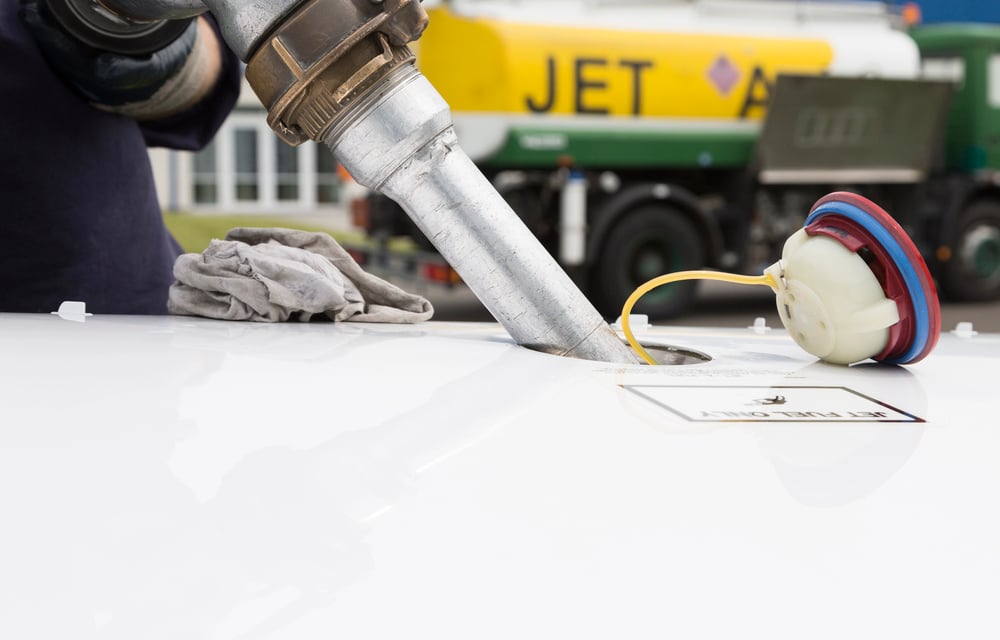
With an optional additional center tank, the total fuel capacity reaches 152,900 liters, which equals about 40,400 gallons of jet fuel. This massive fuel capacity allows the aircraft to fly incredibly long distances without stopping for refueling.
The fuel is stored in multiple tanks throughout the wings and fuselage to maintain proper weight balance during flight. Fuel costs represent a huge portion of airline operating expenses, making this large capacity both a blessing and a burden for operators.
Production numbers reached 218 aircraft total
The -300 variant was the most successful of the family, with 200 units produced, though some sources indicate the total reached 218 when including all variants and configurations. This production run made it the most popular version of the entire A340 family.
Airlines around the world recognized the value of this specific size and range combination for their route networks. The production numbers seem small compared to popular twin-engine aircraft, but each A340-300 represents a significant investment for its operators.
Range extends up to 7,300 nautical miles

The A340-300 can fly up to 7,300 nautical miles, which equals about 8,400 regular miles or 13,500 kilometers. This incredible range allows airlines to connect distant cities with nonstop flights that would be impossible with shorter-range aircraft.
Passengers appreciate not having to make connections on long international journeys, and airlines save money by avoiding intermediate airport fees. The actual range depends on passenger load, cargo weight, and weather conditions during the flight.
It cruises at 41,000 feet altitude

The maximum cruising altitude reaches high into the atmosphere where the air is thinner and engines operate more efficiently. Flying this high allows the aircraft to avoid most weather problems and air traffic congestion.
The pressurized cabin keeps passengers comfortable even at these extreme altitudes where humans cannot survive without life support. Pilots carefully plan flight levels to take advantage of favorable winds and avoid turbulence.
Lufthansa has been a major operator since the early 1990s
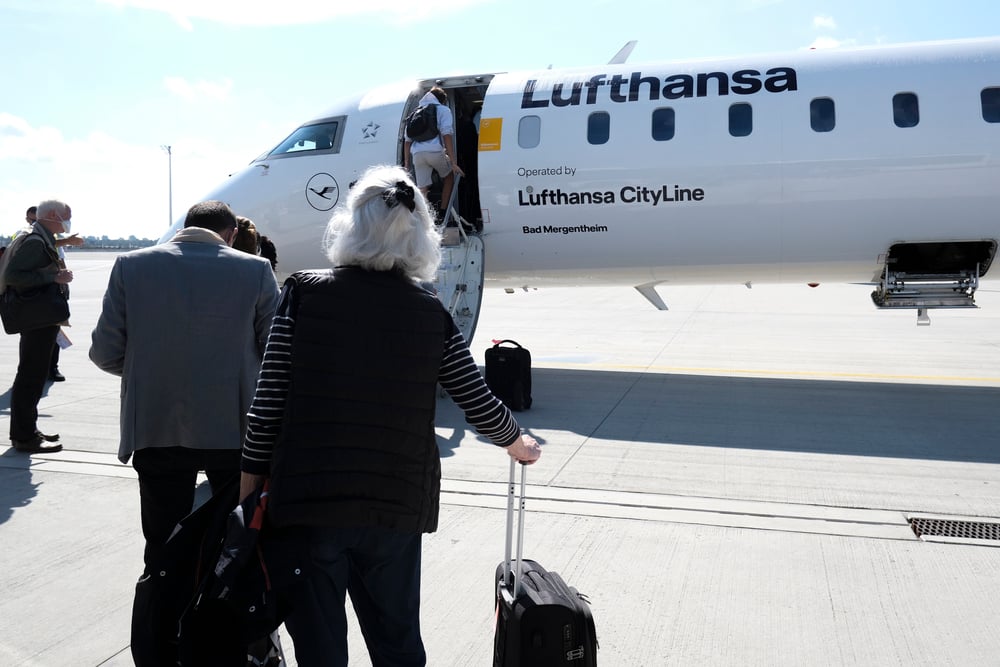
The A340-300 has been part of the Lufthansa fleet since the early 1990s and can hold 283 passengers in their configuration. Lufthansa operates both the A340-300 and the larger A340-600, showing their confidence in the aircraft family.
The German airline uses these planes for long-haul routes to Africa, Asia, and the Americas. Their long experience with the type has proven its reliability and operational efficiency over decades of service.
The aircraft was designed before modern ETOPS rules
Airlines liked that it could be ferried with one engine out, and could fly ‘anywhere’ since ETOPS (extend-range twin-engine operations) hadn’t begun then. Before ETOPS regulations allowed twin-engine aircraft to fly long routes over water, four-engine planes were required for many international routes.
The A340-300 was perfectly positioned to serve these routes when airlines needed the extra safety margin that four engines provided. This gave it a significant advantage in the market during its early years of operation.
Singapore Airlines operated high-capacity versions

Singapore Airlines operated an A340-313 variant with higher maximum takeoff weight at 275 tonnes and more powerful CFM56-5C4 engines. This enhanced version could carry 295 passengers with a range of 13,500 kilometers on full load.
Singapore Airlines configured their aircraft for maximum efficiency on their extensive Asian and European route network. The higher weight capacity allowed them to carry more fuel for ultra-long-range flights or more passengers and cargo for shorter routes.
Approximately 17 operators worldwide still use the type

Currently, approximately 17 operators worldwide maintain A340-300s in their fleets, utilizing the aircraft’s impressive range for international routes. These airlines continue to find value in the four-engine configuration for specific routes where twins cannot operate.
Many operators use them for flights to remote destinations or routes with challenging weather conditions. The dedicated operators have developed expertise in maintaining and operating these aircraft efficiently despite their age.
The cockpit height reaches nearly 17 meters
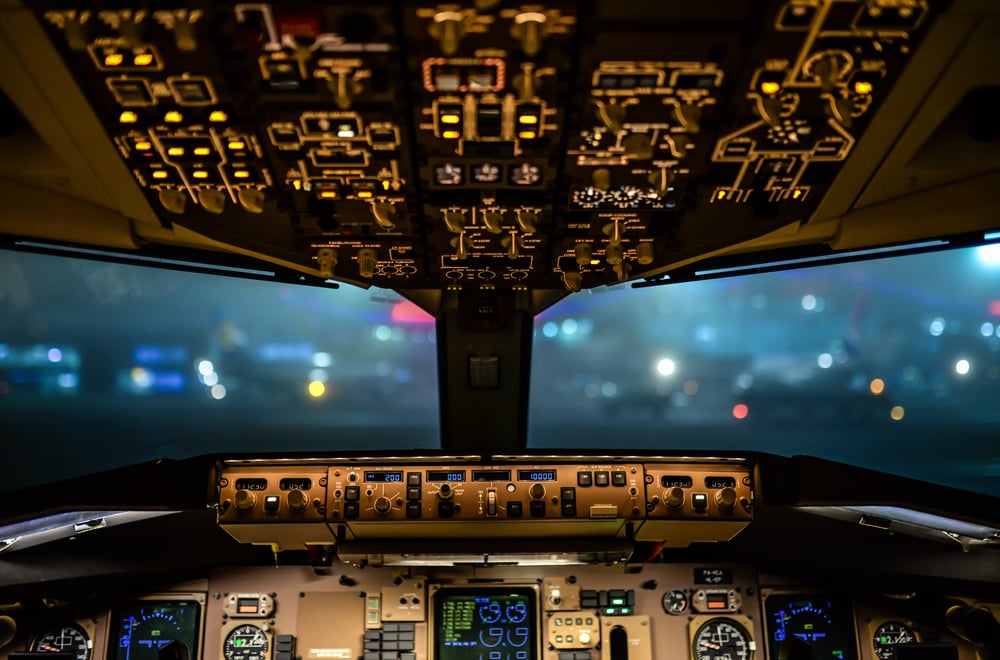
The aircraft height measures 16.91 meters, which equals about 55 feet from the ground to the top of the tail. This impressive height requires special ground support equipment and careful attention during aircraft movements at airports.
The tall vertical stabilizer helps provide directional stability during flight, especially important for such a long aircraft. Ground crews use tall ladders and lift equipment to service the upper portions of the aircraft during maintenance.
Engine technology continues to connect generations of aviation
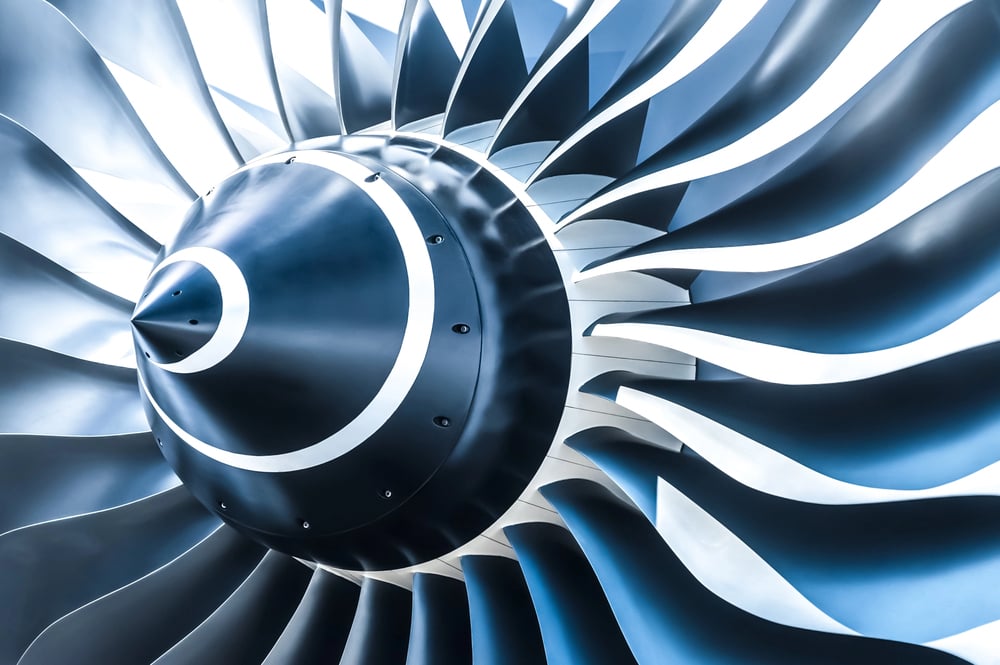
The CFM56 engines that power the A340-300 represent a bridge between older jet engine technology and modern efficient designs. These same engine families power many aircraft still flying today, from narrow-body jets to military transports around the world.
Maintenance crews appreciate the proven reliability and widespread parts availability that comes with such a successful engine design. The lessons learned from operating these engines helped engineers develop the even more efficient engines that power today’s newest aircraft, showing how aviation technology builds upon previous successes to reach new heights.
More from Go2Tutors!

- The Romanov Crown Jewels and Their Tragic Fate
- 13 Historical Mysteries That Science Still Can’t Solve
- Famous Hoaxes That Fooled the World for Years
- 15 Child Stars with Tragic Adult Lives
- 16 Famous Jewelry Pieces in History
Like Go2Tutors’s content? Follow us on MSN.