Why VHS Tapes Beat Betamax in the Format Wars
Imagine yourself in an electronics store in the 1980s, attempting to choose between two cutting-edge technologies. The sleek Betamax from Sony is smaller, sharper, and purportedly better.
Or the bulkier VHS from JVC, which has a slightly fuzzy image but a longer recording time and costs less.Which would you pick? The majority of customers chose VHS.
However, why? Technically speaking, Betamax was superior in practically every aspect.In actuality, the question here was not which technology was superior, but rather which one had a better grasp of what people truly desired.
Technical superiority isn’t always enough to win.The following 13 crucial elements help to explain how VHS defeated Betamax and prevailed in one of the most well-known format wars ever:
The One-Hour Problem That Started Everything

When Betamax launched in 1975, it could only record one hour of programming—that’s it. Imagine trying to record your favorite movie and having to flip the tape halfway through, or worse, missing the ending entirely because you forgot to switch it out.
Sony believed one hour was plenty, but consumers quickly realized they wanted to record entire movies, football games, and lengthy TV programs without interruption, making this limitation incredibly frustrating for everyday use.
VHS’s Two-Hour Advantage Changes the Game

JVC launched VHS in 1976 with a crucial advantage: VHS tapes could record for two full hours right from the start, and later versions could record for four to six hours.
This meant you could record an entire movie, a complete football game, or multiple TV episodes without any hassle—suddenly, home recording became truly convenient instead of a constant source of frustration, and consumers immediately understood the practical value of longer recording times.
Like Go2Tutors’s content? Follow us on MSN.
Sony’s Perfectionist Mistake

Sony was absolutely convinced that superior picture quality would win the war—after all, Betamax offered slightly better resolution and color reproduction, plus faster fast-forward speeds.But here’s the thing: the quality difference was pretty minimal (we’re talking about roughly 10 lines of resolution), and most consumers couldn’t really see the difference on their home TVs—even when they could, this small quality improvement wasn’t worth the hassle of shorter recording times and higher prices, showing how Sony had fallen into the classic trap of engineering for perfection when customers just wanted convenience.
JVC’s Brilliant Open Strategy

While Sony kept tight control over Betamax technology and only licensed it to a few select partners, JVC took the opposite approach and made VHS an open standard that any manufacturer could adopt and improve upon.This meant companies like RCA, Panasonic, Zenith, and dozens of others could make VHS players, creating competition that drove prices down and availability up—suddenly, you could find VHS players everywhere, from discount stores to department stores, all at different price points.
The Price War Sony Couldn’t Win

Because so many companies were making VHS players, competition drove prices down dramatically—by 1986, you could buy a basic VHS player for under $300, while Betamax players still cost hundreds more.For families on tight budgets, this price difference wasn’t just significant, it was decisive—why pay extra for slightly better quality when you could get the more practical format for less money and spend the savings on movies to watch?
Like Go2Tutors’s content? Follow us on MSN.
Movie Studios Pick Sides

JVC made a brilliant strategic move by building relationships with American movie studios early on, helping to launch the entire home video rental market using VHS as the primary format.When movie studios saw VHS’s longer recording times and lower costs, they realized they could fit entire movies on single tapes without compression issues—this meant more movies became available on VHS first, and video rental stores found it more profitable to stock VHS because they could serve more customers with a single format.
The Rental Store Effect

As video rental stores exploded in popularity during the early 1980s, they had to make a practical business decision: stock both formats and split their inventory, or focus on the format with the most customers and selection.Since VHS had more movies available, lower costs, and growing consumer adoption, most rental stores gradually shifted to VHS-heavy inventories—this created a self-reinforcing cycle where consumers bought VHS players because that’s what their local video store carried, and stores stocked more VHS because that’s what customers owned.
Betamax’s Head Start That Wasn’t Enough

Despite launching first in 1975, Betamax couldn’t capitalize on its initial advantage because Sony focused too heavily on technical perfection instead of mass market appeal.Sony’s head start wasn’t enough to build dominance before VHS arrived with more consumer-friendly features—instead of using that crucial early period to build customer loyalty and industry relationships, they spent it fine-tuning features that most consumers didn’t care about, leaving the door wide open for JVC to enter the market with a more practical solution that better matched what people actually wanted.
Like Go2Tutors’s content? Follow us on MSN.
The Compact Format War Within the War

Sony couldn’t match VHS-C, JVC’s compact VHS format that made camcorders smaller and lighter than any Betamovie while maintaining compatibility with regular VHS players.This forced Sony to abandon Betamax for camcorders and create Video8, essentially admitting that their own format wasn’t suitable for portable recording—this sent a powerful signal to consumers that even Sony didn’t believe Betamax was the best solution for every video need.
Professional vs. Consumer Market Confusion

While Betamax remained popular in professional broadcasting due to its superior quality, this actually hurt its consumer appeal because it made the format seem more expensive and complicated than necessary.Average families didn’t want broadcast-quality equipment—they wanted simple, reliable, affordable devices that could record their kids’ birthday parties and play rented movies—VHS’s ‘good enough’ quality perfectly matched consumer needs and expectations.
The Christmas Season Momentum Shift

During peak holiday shopping seasons in the early 1980s, VHS players dominated store shelves because they were cheaper, more widely available, and came with longer recording times that made perfect sense as gift descriptions on boxes.Parents shopping for families could easily understand ‘records up to 6 hours’ versus technical specifications about horizontal resolution—this made VHS the obvious choice for gift-givers, creating crucial momentum during the seasons when most electronics purchases happened.
Like Go2Tutors’s content? Follow us on MSN.
International Market Reality Check

While Betamax maintained stronger market share in Japan (Sony’s home market), VHS dominated in the crucial American and European markets from the beginning, which were larger and more influential for global entertainment industry decisions.American movie studios, with their massive production budgets and international distribution networks, standardized on VHS for home video releases—this meant that even in countries where Betamax was competitive, the most popular Hollywood movies were often available first (or only) on VHS, creating a global content advantage that was impossible to overcome.
The Tipping Point of 1987

By 1987, VHS had achieved a crushing 90% market share in the United States, making it the clear winner of the format war—at this point, even die-hard Betamax supporters had to acknowledge that continuing to support the losing format meant limiting their movie choices and paying higher prices for everything from blank tapes to player repairs.The network effects had become so powerful that choosing Betamax meant choosing isolation from mainstream home video culture.
Why This Victory Changed Everything
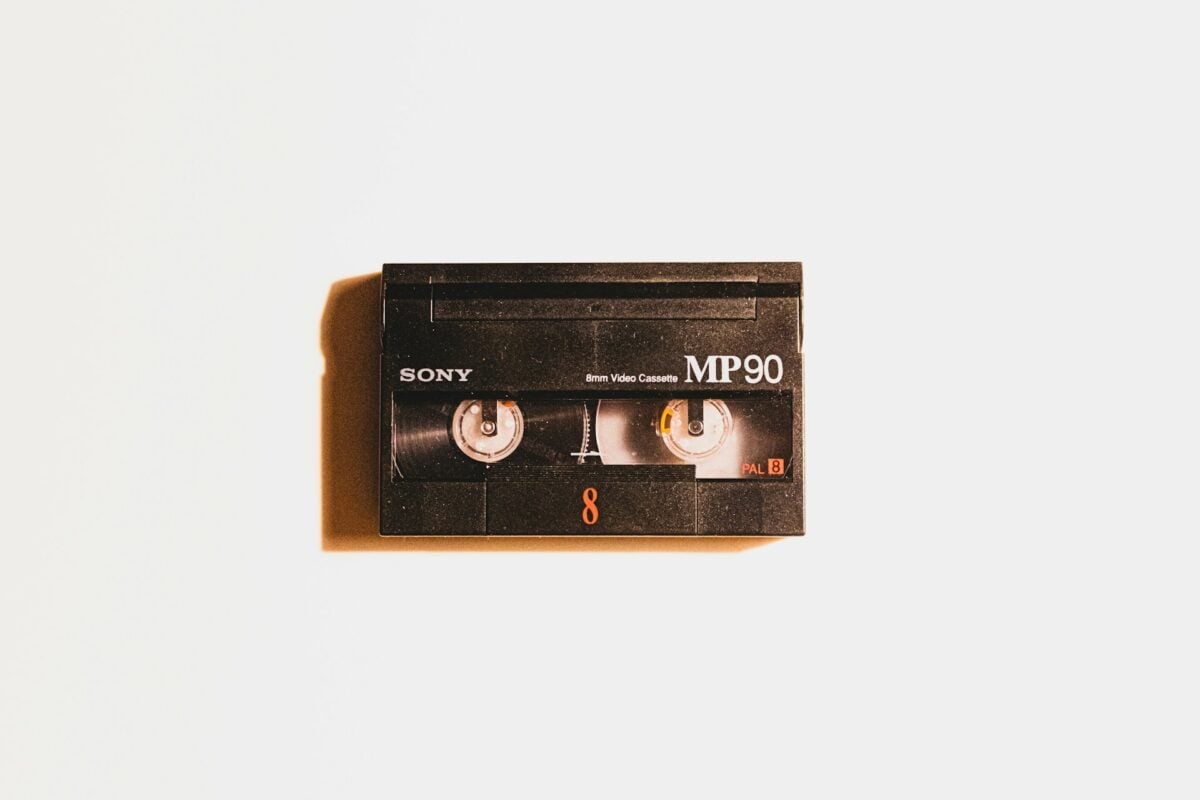
Because it demonstrated that customers don’t always want the “best” product—rather, they want the one that best addresses their real problems at a cost they can afford—VHS’ victory over Betamax became a classic business lesson.The same rules apply whether you’re selecting streaming services today or any other competing technology: customer needs come before technical perfection, and convenience frequently outweighs quality.
Remember this format war the next time you witness two rival technologies fighting for supremacy; sometimes the winner isn’t the one with the best specifications but rather the one that makes the best judgments about what people actually want.
More from Go2Tutors!

- 16 Historical Figures Who Were Nothing Like You Think
- 12 Things Sold in the 80s That Are Now Illegal
- 15 VHS Tapes That Could Be Worth Thousands
- 17 Historical “What Ifs” That Would Have Changed Everything
- 18 TV Shows That Vanished Without a Finale
Like Go2Tutors’s content? Follow us on MSN.