Fascinating Ways Different Cultures Enjoy Coffee
Coffee is one of those things that feels universal. You can walk into almost any country on earth, and someone, somewhere, is making a cup.
But the way they make it — and the way they sit with it — tells you a lot about who they are. From hushed ceremonies in Ethiopia to loud social gatherings in Greece, coffee means something different everywhere you go.
The Ethiopian Coffee Ceremony
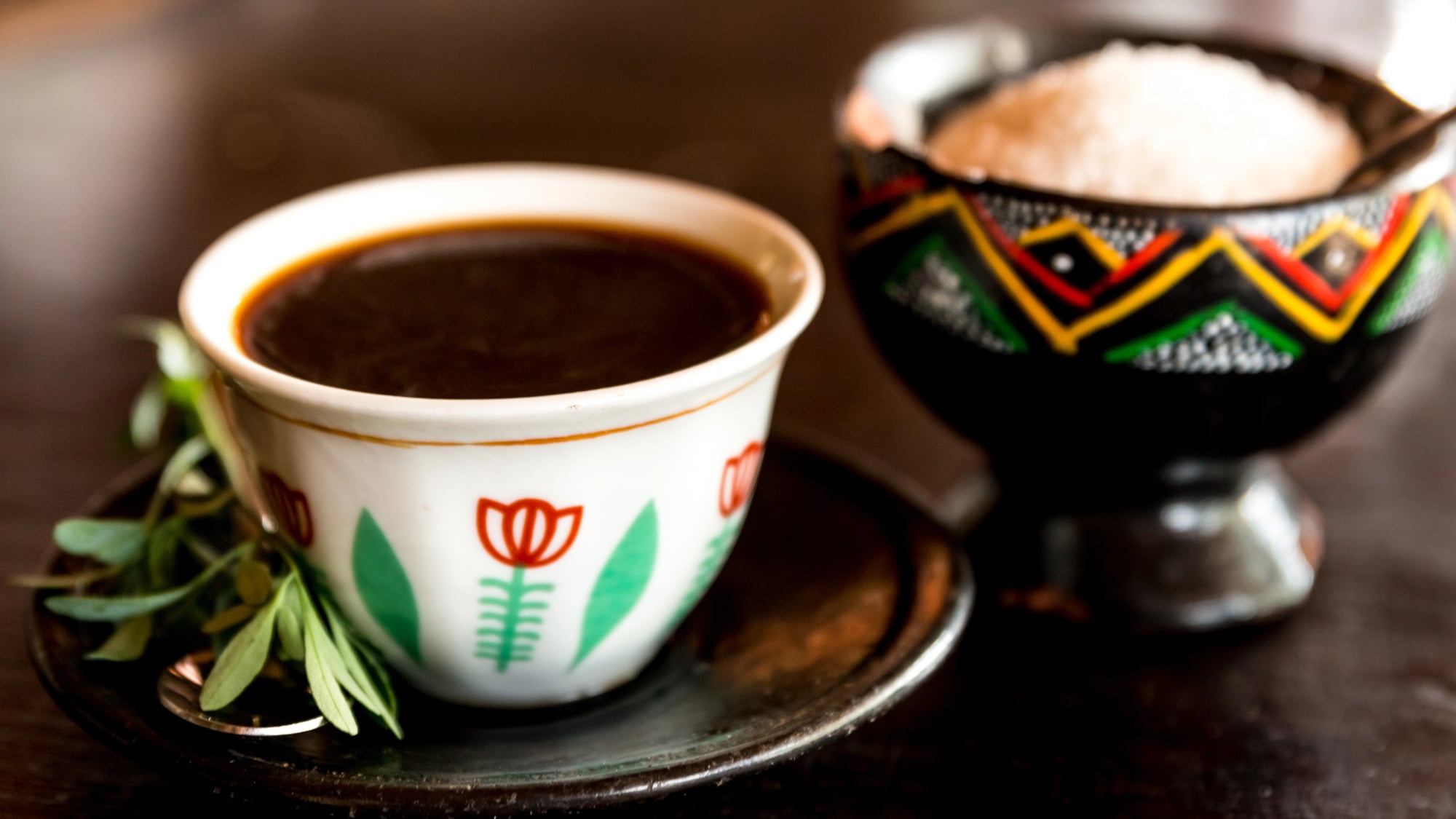
Coffee originated in Ethiopia, and the people there haven’t forgotten it. The traditional coffee ceremony is a ritual that takes over an hour.
A woman — usually — roasts the green beans in a shallow pan right in front of you, stirring them over an open flame. The aroma fills the room before a single cup is poured.
After roasting, the beans are ground by hand with a mortar and pestle. Then they’re brewed in a clay pot called a jebena, and the coffee is poured into small, handleless cups.
Frankincense burns nearby. You don’t rush this.
The ceremony is served in three rounds — Abol, Tol, and Baraka — and each one carries its own meaning. Skipping a round is a sign that you’re leaving, and nobody does that lightly.
Turkish Coffee and the Art of Reading Fortunes
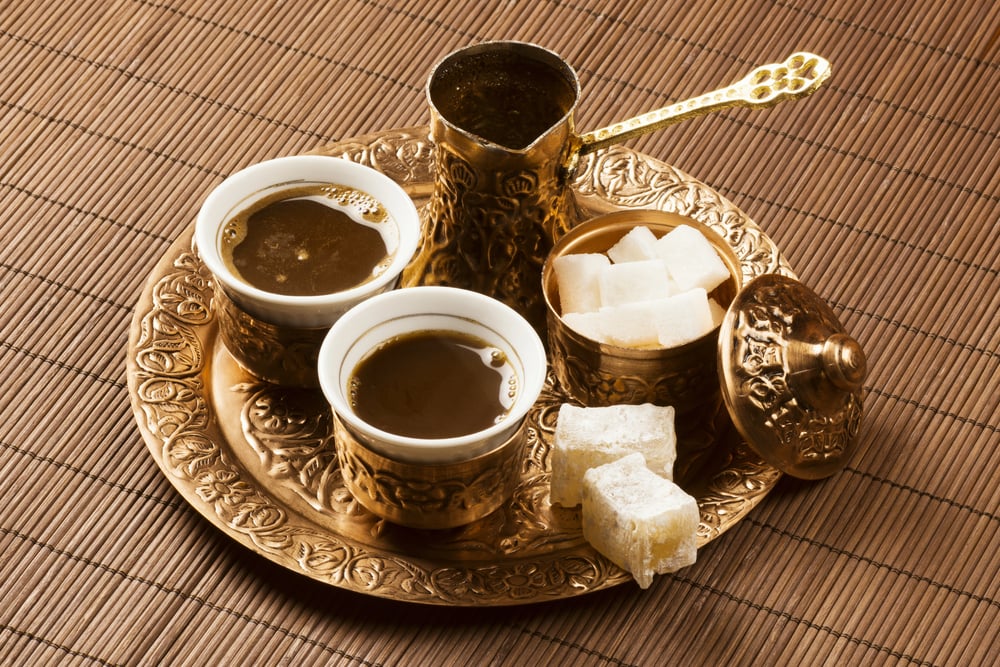
Turkish coffee is thick, unfiltered, and brewed in a small copper pot called a cezve. The grounds stay in the cup, and you wait for them to settle before you drink.
This takes patience, but it also sets up something genuinely fun: once you finish, you flip the cup over and let someone read the patterns in the dried grounds.
This fortune-telling tradition runs deep in Turkish culture. Coffee shops serve as gathering places, and the act of drinking coffee together is as much about conversation as it is about the drink itself.
Italy’s Unspoken Espresso Rules
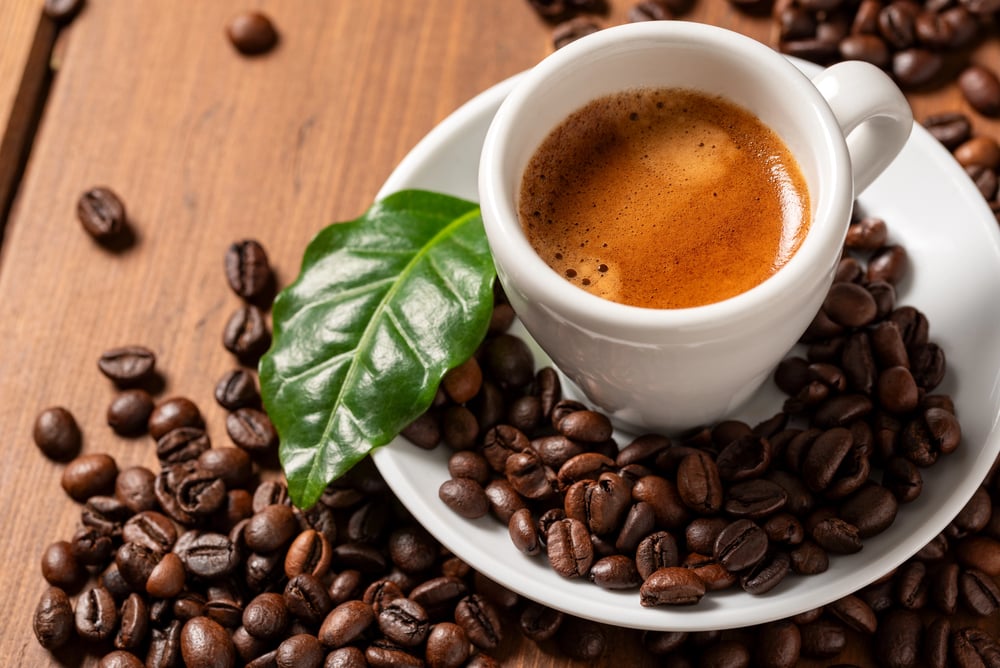
In Italy, ordering coffee is a surprisingly loaded act. An espresso is a morning thing, full stop.
If you order a cappuccino after noon, people notice. And if you’re in a proper Italian bar, you drink it standing at the counter.
It takes about two minutes, and then you’re done. The coffee itself is dense and short — just a few ounces.
Italians didn’t make espresso to sip slowly. They made it to get on with their day.
There’s a rhythm to it that feels almost choreographed, and tourists who linger too long at the counter stick out immediately.
Vietnam’s Iced Coffee Obsession

Vietnamese coffee hits different. Robusta beans, strong and bold, brewed through a small metal filter that drips slowly into your cup.
And then — condensed milk. The combination is sweeter and richer than anything you’d expect from coffee.
Iced Vietnamese coffee, called cà phê sữa đá, became iconic during the French colonial period, when fresh milk was scarce. People improvised, and the improvisation stuck.
More recently, egg coffee has gained attention too — a frothy, custard-like drink that uses egg yolks whipped with sugar as a base. It started in Hanoi and spread fast.
The Swedish Art of Fika
Fika is not just coffee. It’s a deliberate pause in your day.
In Sweden, people take a break — sometimes twice a day — to sit down with coffee and a pastry. The key word is sit.
You’re not scrolling your phone or rushing through it. Fika is about slowing down on purpose.
The coffee itself tends to be simple and light. It’s the ritual around it that does all the work.
Cuba’s Sweet and Social Cafecito

Cuban coffee is an event, even when it takes three minutes. The cafecito starts with a small amount of espresso and a generous amount of sugar, which you whip together in a mug until it forms a thick, golden foam called an espuma.
Then you pour the rest of the coffee over it. In Cuba, making cafecito is a social act.
Someone in the kitchen makes it, and it gets passed around. Neighbors, coworkers, family — everyone gets a cup.
It’s tiny, sweet, and strong, and it’s as much about connection as it is about caffeine.
Irish Coffee: The Original Spiked Cup
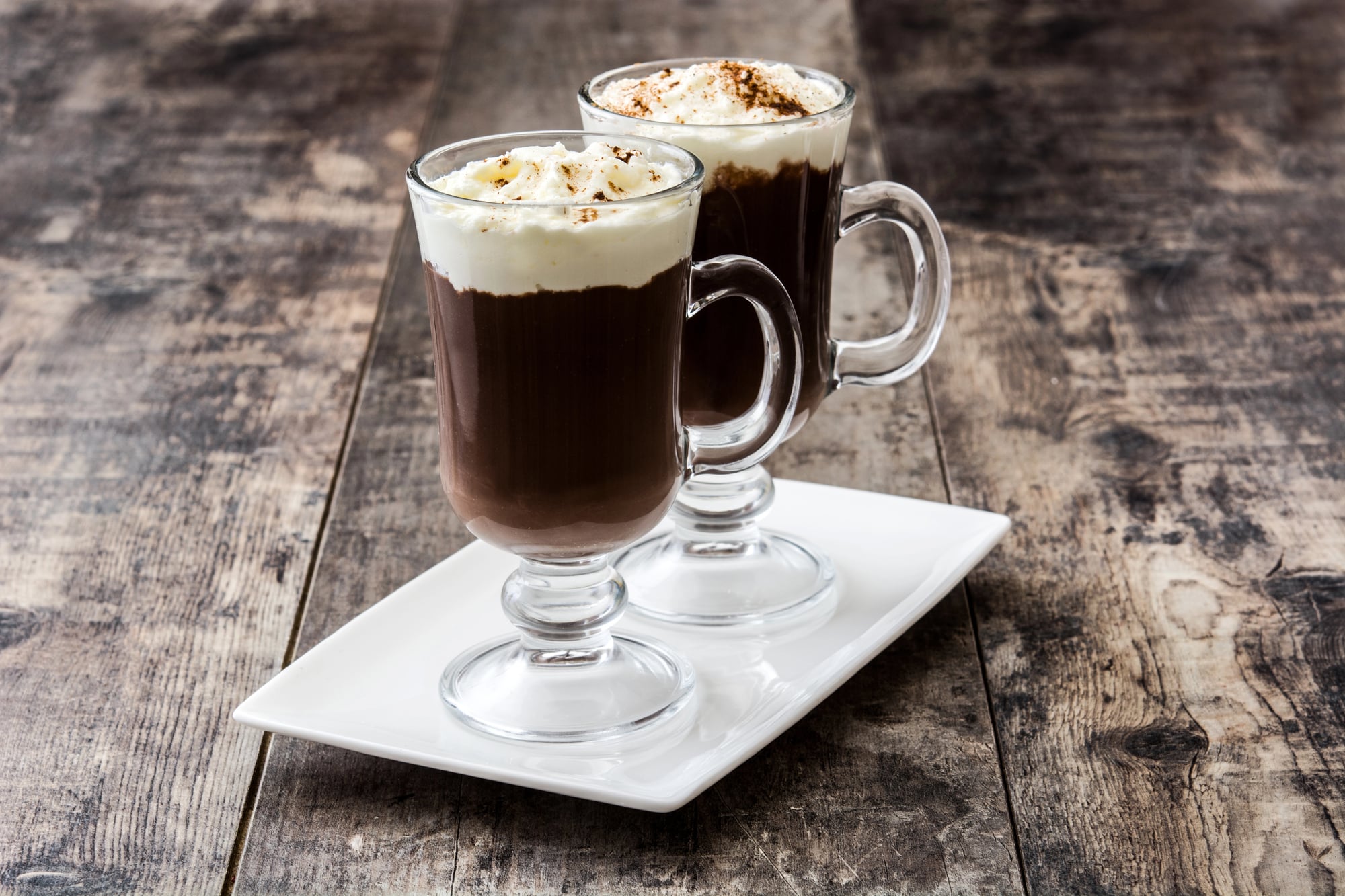
Irish coffee was invented in the 1940s at a seaport in Ireland to warm up passengers on a brutally cold winter’s night. The recipe is straightforward: strong coffee, Irish whiskey, brown sugar, and a layer of cream floated on top.
You don’t stir it. The cream sits there, and you drink through it.
It became a worldwide hit, especially in the United States, but it never quite shook off its reputation as a novelty drink. In Ireland, though, it’s a legitimate way to end a meal.
Japan’s Quiet Coffee Culture
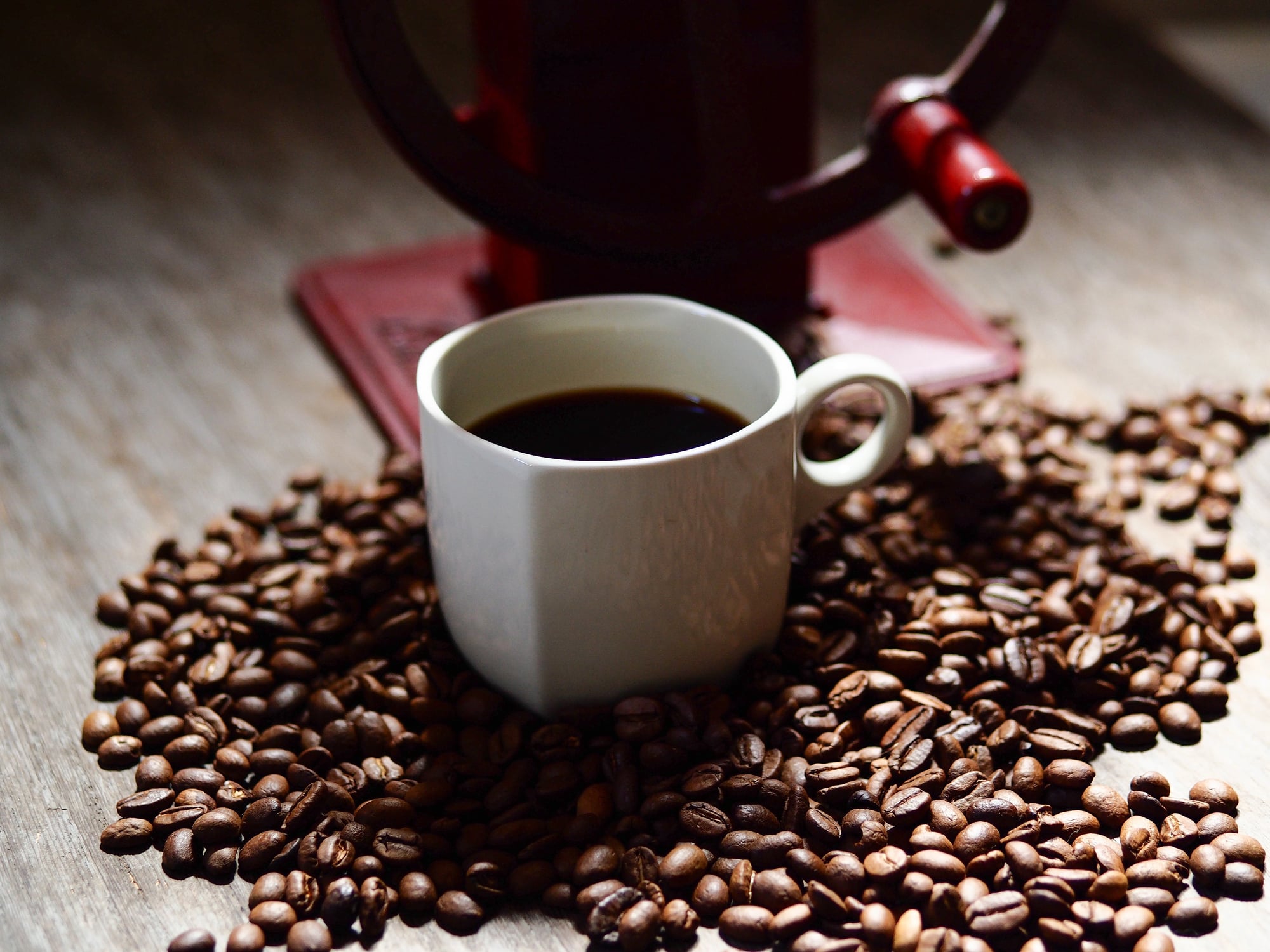
Japan took coffee and made it precise. Pour-over coffee, where you control exactly how the water flows over ground beans, turned into a serious practice here.
Small specialty shops in Tokyo and Osaka treat the process almost like a meditation — slow, careful, and intentional. But Japan also gave the world canned coffee.
Vending machines on nearly every street corner sell hot or cold canned coffee, and the convenience culture around it is a completely different world from the pour-over scene. Both exist side by side, and neither one looks down on the other.
Morocco’s Spiced Coffee
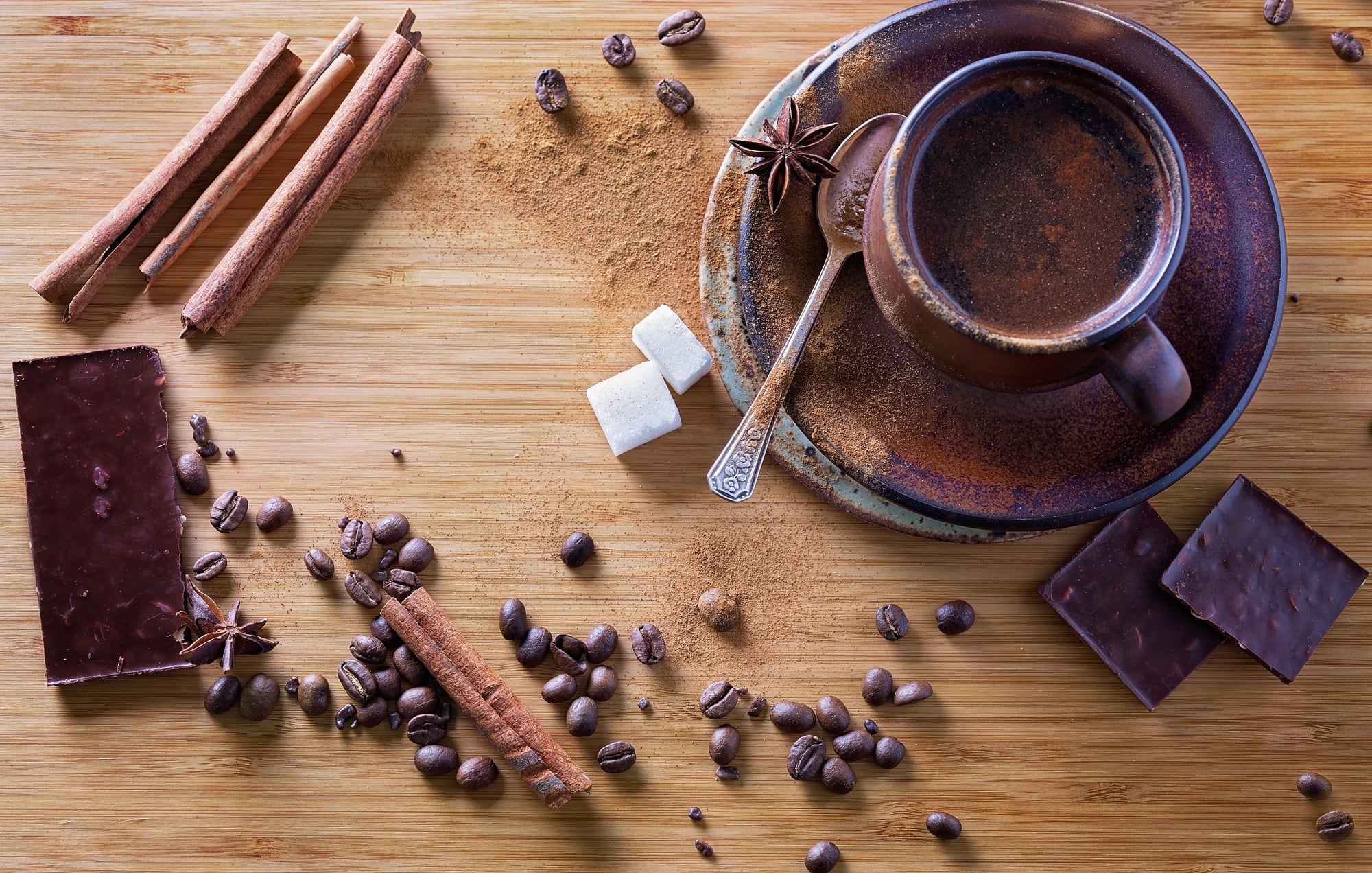
Moroccan coffee is fragrant and warming. It’s often infused with cardamom and sometimes rose water, giving it a floral quality that sets it apart from anything else in a coffee shop.
The coffee is served in small glasses, and sugar comes on the side — you add your own. Hospitality drives the whole tradition.
If someone offers you coffee in Morocco, saying no is not really an option. The coffee is a gesture of welcome, and accepting it is a way of saying you belong.
Greece and the Kafeneio
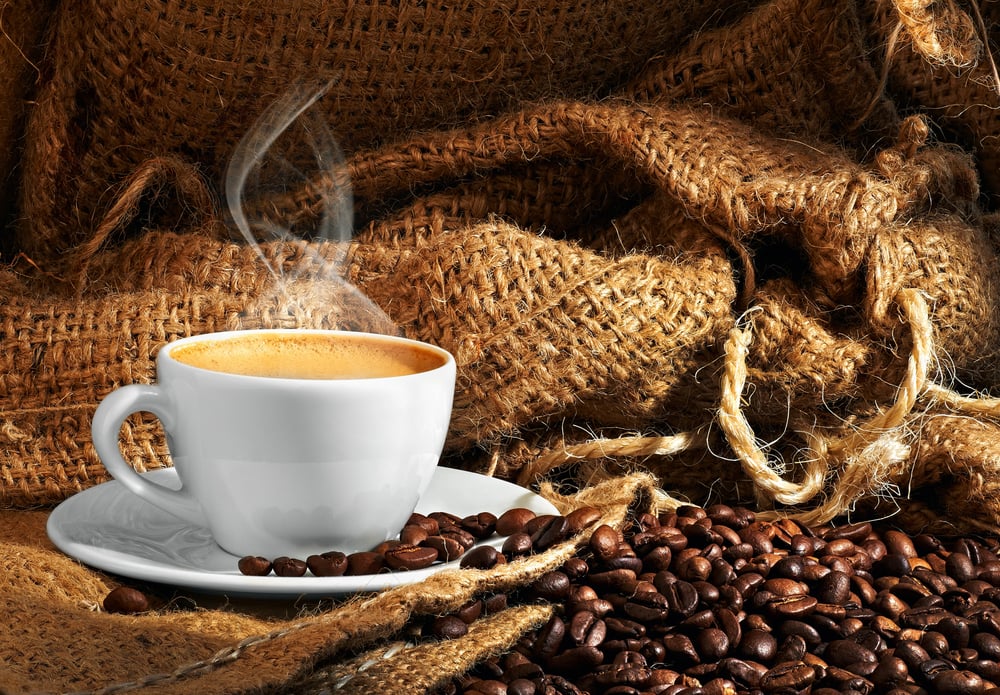
A kafeneio is a Greek coffee shop, but calling it just a shop misses the point entirely. It’s a place where people sit for hours, drink strong Greek coffee, play backgammon, argue about politics, and watch the afternoon pass.
The coffee is an excuse, really. The real purpose is being together.
Greek coffee is similar to Turkish coffee — unfiltered, brewed in a briki, and poured into small cups. You wait for the grounds to settle, and you drink slowly.
Nobody is in a rush.
Brazil’s Daily Cafezinho
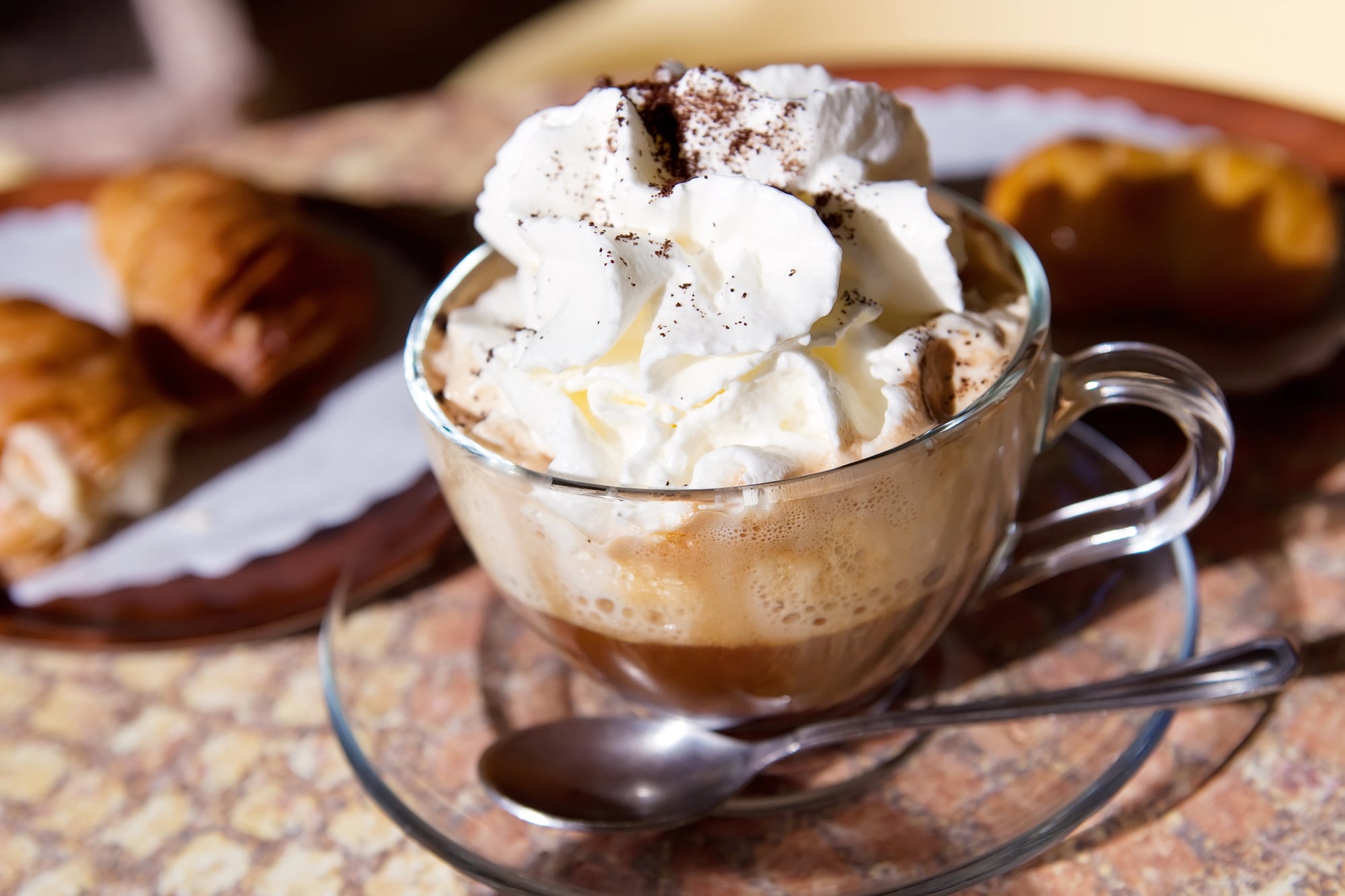
Brazil produces more coffee than any other country on earth, and people there drink it constantly. The cafezinho is a small, sweet cup of coffee served throughout the day — at home, at work, at a friend’s house.
It’s filtered, sometimes quite strong, and usually pre-sweetened before it reaches your hands. The cafezinho is less of a ritual and more of a habit.
It’s woven into everyday life so naturally that it barely registers as a special event. It’s just what people do, and it keeps the country running.
Finland’s Coffee and Sauna Tradition

Finland has one of the highest per-capita coffee consumption rates in the world, which surprises a lot of people. Finnish coffee tends to be a light roast, brewed simply — often in a percolator or a French press.
Nothing flashy. Nothing complicated.
The most beloved version, though, is sauna coffee. After spending time in the heat of a sauna, you step outside into the cold Finnish air, wrap up in a towel, and drink a hot cup of coffee.
It sounds simple, and it is. But Finns will tell you there’s nothing better.
Austria’s Historic Coffee Houses
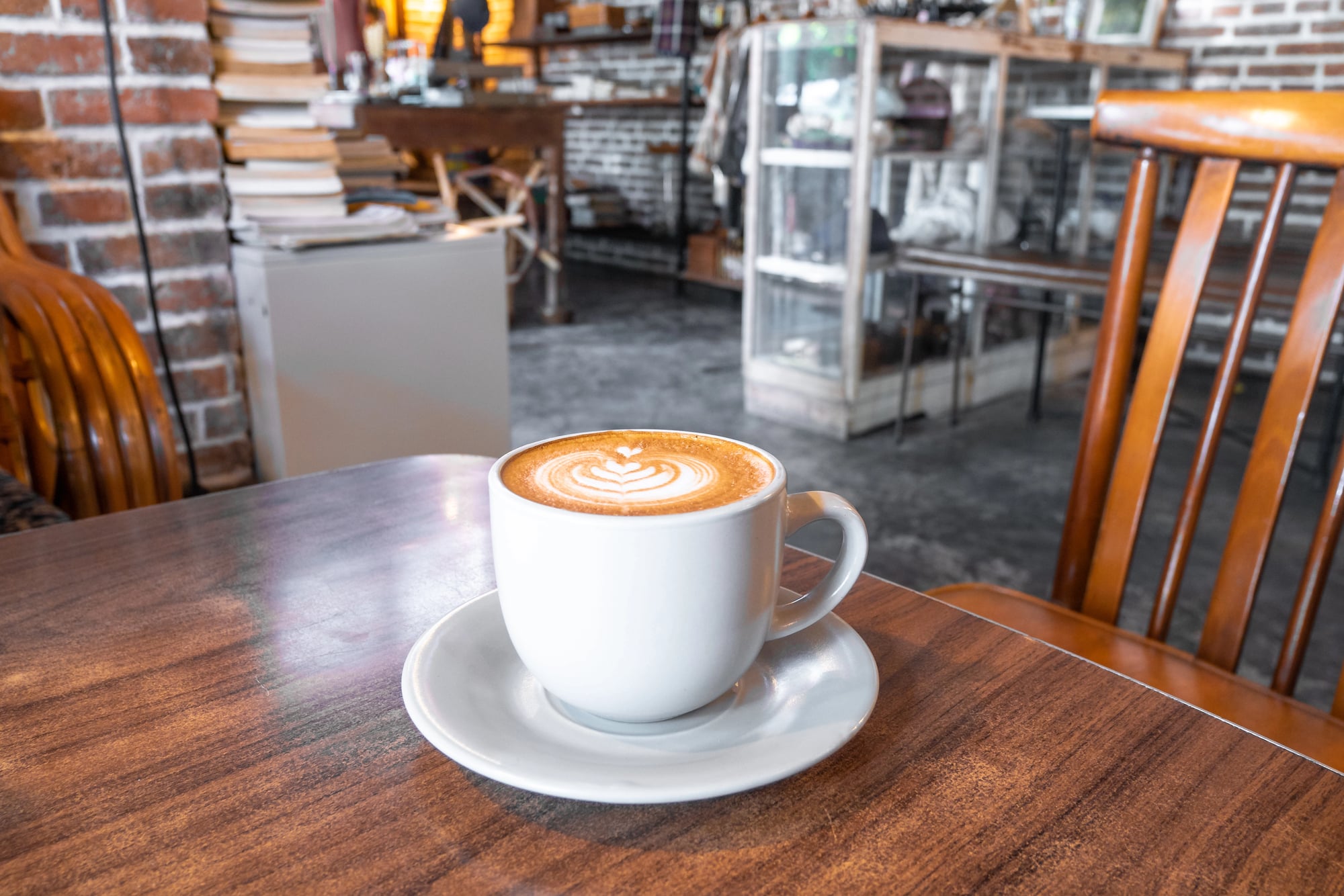
Vienna’s coffee houses are UNESCO-recognized cultural institutions, and for good reason. These aren’t quick stops.
They’re grand, ornate rooms where you sit for hours with a newspaper, a slice of Sachertorte, and a coffee that arrives with more ceremony than most restaurants give a full meal.
The Viennese coffee comes in dozens of variations — melange, einspanner, kapuziner — and each one has its own specific ratio and preparation. Ordering the wrong one in the wrong context earns you a look, but the baristas are patient.
You learn the system, and then you settle in for the afternoon.
Indonesia’s Wild Coffee
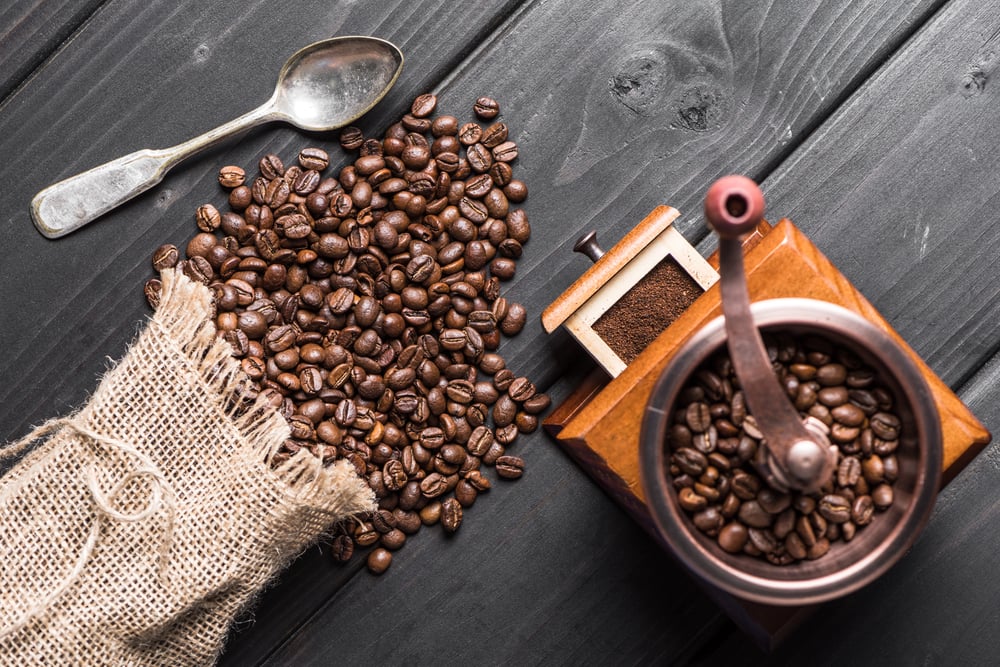
Indonesia is home to Kopi Luwak, one of the most talked-about coffees in the world. Asian palm civets eat coffee cherries, and the beans pass through their digestive system before being collected, cleaned, and roasted.
The process changes the flavor — the coffee comes out smoother and less bitter than standard roasts. Kopi Luwak is expensive, and its reputation has drawn both fascination and serious criticism around animal welfare.
But beyond the controversy, Indonesia also produces outstanding coffees from Sumatra and Sulawesi that deserve far more attention than they get. If you’re curious about Indonesian coffee, start there.
A Cup in Every Corner

Coffee doesn’t belong to one place. It stretches across continents, climates, and centuries, and every culture it touches reshapes it into something new.
The way you drink your coffee — whether it’s a rushed espresso in Rome or a long, spiced pour in Marrakech — says something quiet about the life around it. Next time you sit down with a cup, it’s worth pausing for a moment to think about all the other cups being made, right now, in every corner of the world.
More from Go2Tutors!

- The Romanov Crown Jewels and Their Tragic Fate
- 13 Historical Mysteries That Science Still Can’t Solve
- Famous Hoaxes That Fooled the World for Years
- 15 Child Stars with Tragic Adult Lives
- 16 Famous Jewelry Pieces in History
Like Go2Tutors’s content? Follow us on MSN.



