Fashion Houses that Ruled the 20th Century
The 20th century changed the way people looked at clothing. Fashion became more than just fabric—it became a way to show who you were.
Some designers didn’t just make clothes, they made statements. They created trends that millions wanted to follow, and their influence still shows in closets today.
Chanel

Chanel made elegance simple. Coco Chanel believed that comfort was just as important as beauty.
She gave the world the little black dress and the tweed jacket, designs that still feel modern today. The double C logo is a quiet statement of confidence anyone can recognize.
Dior
Christian Dior changed fashion overnight. After World War II, he introduced the ‘New Look’ with soft shoulders, tiny waists, and full skirts.
Women loved it, and the world fell back in love with glamour. It was like a breath of fresh air for a tired wardrobe.
Yves Saint Laurent

Yves Saint Laurent broke all the rules. He gave women tuxedos and suits that made them feel powerful.
His designs mixed everyday life with high fashion in a way no one else did. Even today, many trends are clearly inspired by him.
Givenchy

Givenchy was all about quiet elegance. He dressed Audrey Hepburn in movies like Breakfast at Tiffany’s, making style look effortless.
Each outfit felt simple, yet unforgettable. Givenchy made looking polished seem easy.
Balenciaga

Cristóbal Balenciaga was a master of shapes. He turned fabric into sculpture, creating bold silhouettes that changed the way clothes fit.
Designers still study his work today. Minimalists owe him a lot for showing how less can mean more.
Gucci

Gucci started with leather luggage and grew into a global symbol of style. Their bamboo-handled bags and sleek loafers became status symbols.
Gucci showed that fashion could be both practical and luxurious. Traveling in style suddenly became a lifestyle.
Valentino

Valentino made red unforgettable. His gowns were a favorite of movie stars and royalty, each design polished to perfection.
Elegance and confidence seemed woven into every seam. His work made glamour feel natural, not forced.
Versace

Versace loved bold choices. Bright colors, daring cuts, and artistic prints made the brand unforgettable.
Gianni Versace celebrated confidence and individuality in every design. The Medusa logo became a symbol of daring luxury.
Prada

Prada turned practical into stylish. Miuccia Prada used simple fabrics in smart, unexpected ways.
Her designs are clean, modern, and thoughtful. Prada changed the way people see minimalism and luxury.
Hermès
Hermès is all about skill. From saddles to silk scarves, the brand focused on craftsmanship.
The Birkin and Kelly bags became iconic symbols of elegance. Hermès showed that quality will always outshine flashy trends.
Fendi

Fendi started with furs and leather in Rome. Karl Lagerfeld later gave it a playful edge with the double F logo.
The brand blends sophistication with a bit of fun, creating designs that stand out without shouting.
Lanvin

Lanvin was one of the earliest couture houses. Jeanne Lanvin focused on soft shapes and fine embroidery.
The designs often celebrated family and femininity, creating elegance with a gentle touch.
Balmain

Pierre Balmain called his style ‘Jolie Madame’—pretty and polished. His clothes celebrated curves and used luxurious fabrics.
Today, Balmain still stands for power dressing and confidence.
Schiaparelli

Elsa Schiaparelli loved to surprise. She worked with artists like Salvador Dalí, making clothes that felt like wearable art.
Her bright colors and bold ideas broke every rule. Fashion could be fun, and she proved it.
Burberry

Burberry started practical and became iconic. The trench coat was made for soldiers but became a global symbol of style.
Its check pattern is instantly recognizable. The brand mixes British sensibility with timeless elegance.
Oscar de la Renta

Oscar de la Renta created gowns full of charm and movement. His designs were loved by socialites and first ladies alike.
Each piece felt joyful and elegant, leaving a lasting impression on anyone who wore it.
Pierre Cardin

Pierre Cardin looked to the future. He introduced space-age designs, bold shapes, and even unisex fashion long before it became popular.
His work pushed fashion into new directions, proving style could be daring and beautiful at the same time.
Calvin Klein

Calvin Klein made simplicity cool. His clean designs and neutral colors spoke to a generation who wanted modern, relaxed style.
Jeans and underwear campaigns put the brand on the map, showing that minimalism could make a statement.
Ralph Lauren

Ralph Lauren built a brand around classic American luxury. His designs mixed country charm with elegance.
The polo shirt became a wardrobe staple, and the brand created a story of aspiration, comfort, and timeless style.
How fashion shaped identity
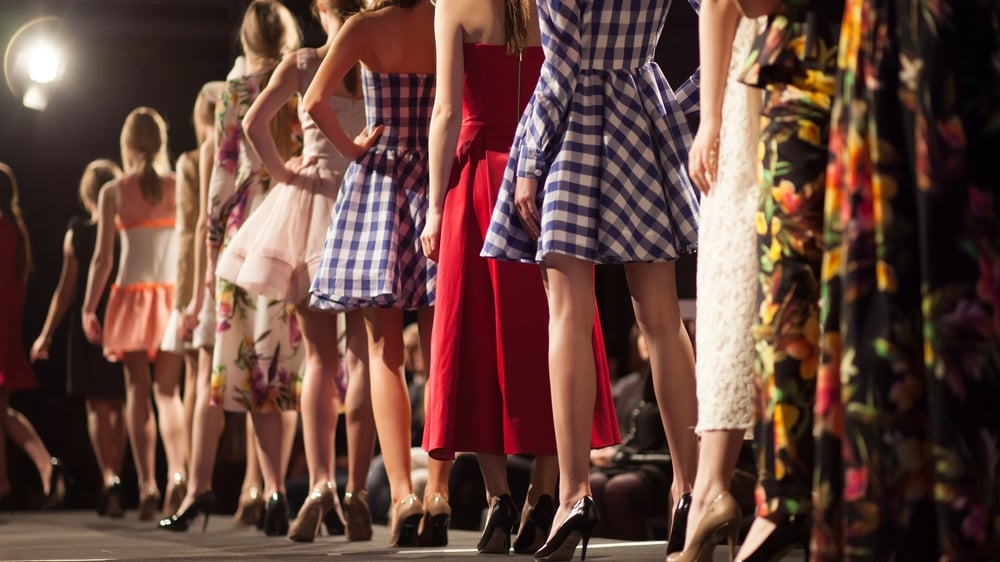
These fashion houses didn’t just make clothes—they made identity. Their work influenced how people expressed themselves, on streets, at parties, and even in history books.
Each design reflected its time but managed to stay relevant decades later.
More from Go2Tutors!

- The Romanov Crown Jewels and Their Tragic Fate
- 13 Historical Mysteries That Science Still Can’t Solve
- Famous Hoaxes That Fooled the World for Years
- 15 Child Stars with Tragic Adult Lives
- 16 Famous Jewelry Pieces in History
Like Go2Tutors’s content? Follow us on MSN.



